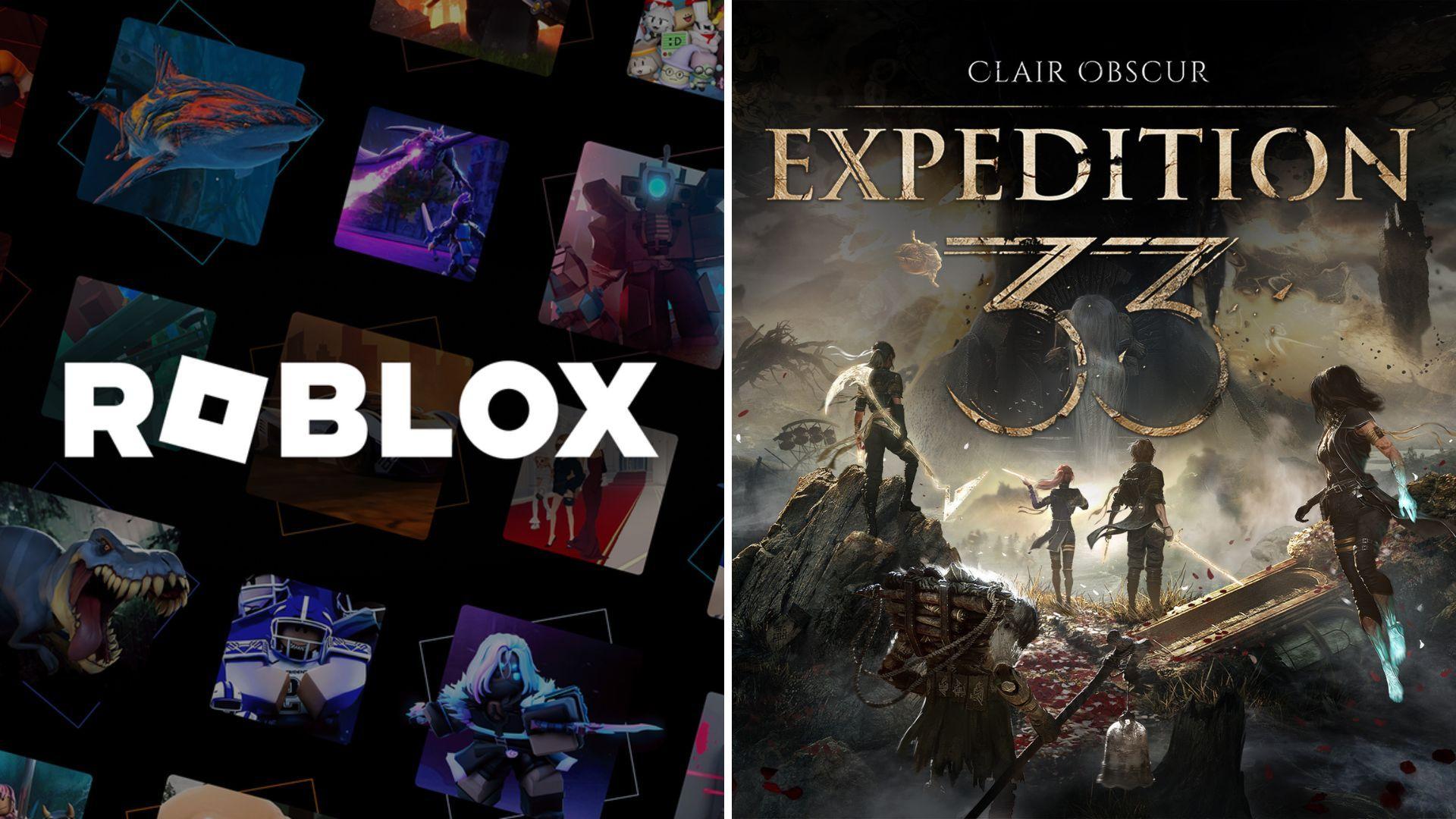

Roblox Corporation just unveiled a generative AI system that builds interactive game worlds in real time, and the first demo already has people asking uncomfortable questions. The showcase was supposed to highlight how creators can "paint" playable environments using AI prompts. Instead, it looked a lot like someone fed Clair Obscur: Expedition 33 into a machine and hit generate.
Roblox calls this a "real-time, action conditioned world model." Creators combine text, images, and video to spawn environments that other players can immediately explore. You walk through a space, type what you want to see, and the AI converts it into a 3D world that supports multiplayer. The pitch is that this makes development faster and more accessible to people without traditional game-building skills.
The feature itself isn't the problem. The problem is what Roblox chose to show off, and how closely it matched Sandfall Interactive's 2025 Game of the Year.
How the AI "painting" system works
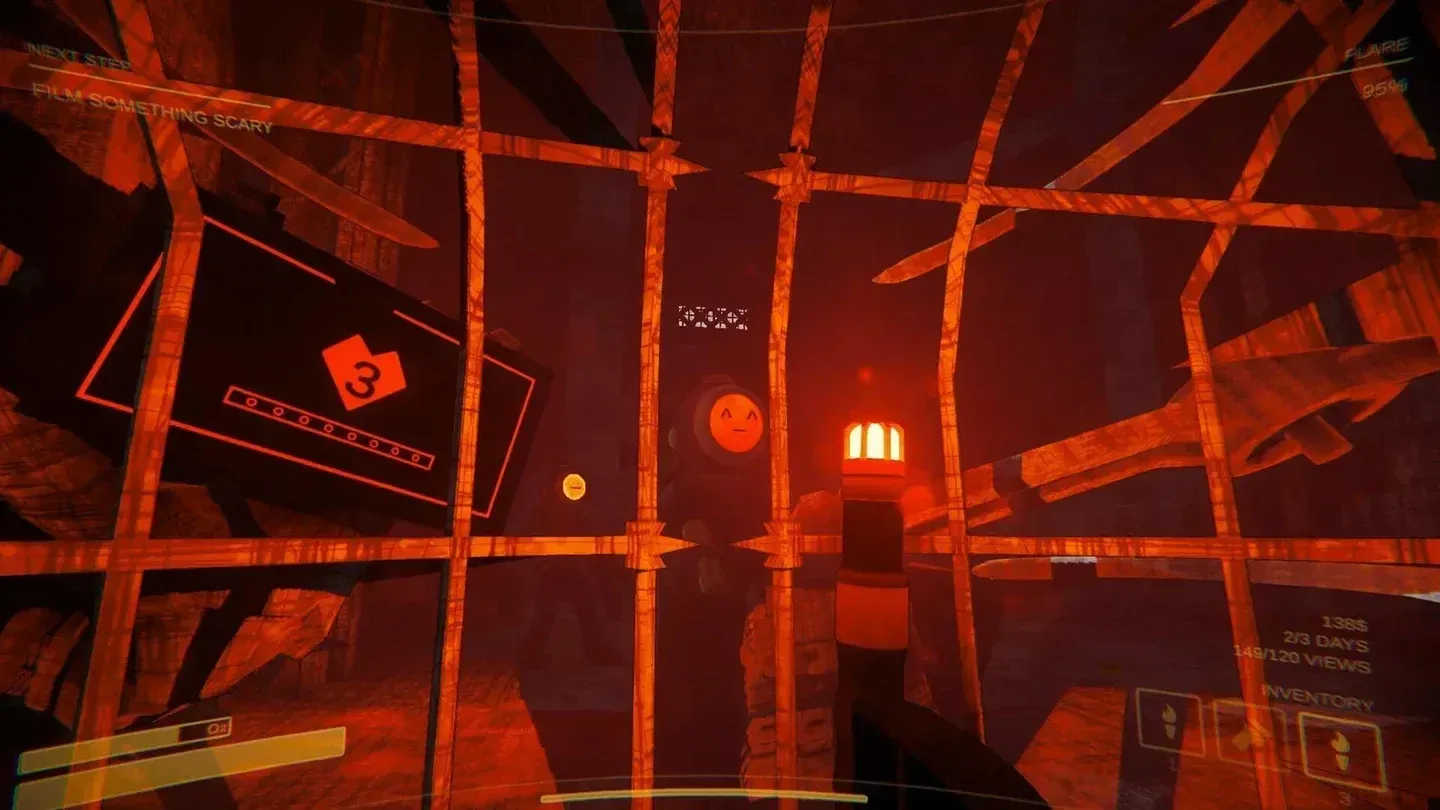
The system runs inside Roblox Studio and uses the company's Cube Foundation Model. Instead of placing every rock and tree by hand, creators prompt the AI to generate terrain, lighting, and objects on the fly. Roblox describes this as "painting" a world that becomes playable inside the platform's ecosystem.
Roblox also announced "4D generation," which produces functional objects instead of static models. These AI-made items include behaviors and physics, so they can be dropped directly into Roblox experiences. The goal is to let both developers and players generate interactive content, not just visual set dressing.
This fits Roblox's broader push to expand its creator economy, where millions of users build, share, and monetize their own games. It also lines up with trends across the industry, where platforms are experimenting with generative AI to automate parts of development.
The Clair Obscur problem
Roblox shared a short clip generated from the prompt "woman in a glowing cave." The resulting scene looked strikingly similar to Clair Obscur: Expedition 33. The environment resembled the Flying Waters location. The character model looked close to Maelle's design, down to her outfit and silhouette.
This wasn't a case of vague fantasy vibes. Players spotted specific visual elements from Sandfall Interactive's work. Replies to Roblox's post asked what data the AI had been trained on and whether copyrighted material was part of the mix.
Roblox later said the system was trained on "a combination of data, including proprietary Roblox 3D avatar/world interaction data." That wording leaves a lot of room for interpretation. It doesn't explain how the AI output ended up matching an existing commercial game so closely.
Sandfall Interactive has not commented publicly on the demo.
Training data and copyright concerns
This reflects a bigger issue facing generative AI in games. Companies frame these tools as productivity aids, but developers and players keep asking how training data is sourced and how much influence copyrighted works have on what gets generated.
When an AI system produces environments and characters that are clearly recognizable as another studio's property, the line between inspiration and replication gets blurry. Roblox's showcase has already been compared to Google's Project Genie, which recently demonstrated AI-generated worlds that resembled Mario and Zelda.
Those demos raised similar questions about whether AI tools could undermine creative ownership. For platforms built on user-generated content and monetization, the risks aren't just legal. They're reputational, especially if creators unknowingly publish AI-made assets that resemble protected IP.
What this means for Roblox creators
Roblox has long positioned itself as a space where players can become developers. Generative AI fits that strategy by reducing technical complexity. The ability to generate worlds through prompts could make experimentation faster and lower the barrier to entry.
But the Clair Obscur comparison highlights a downside. If AI tools produce content that's too close to existing games, creators could face takedowns, disputes, or restrictions when they try to publish. It also puts pressure on Roblox to clarify how its models are trained and how originality is protected within the platform.
For creator economies that emphasize ownership and attribution, these questions matter. Automation can scale creativity, but it also raises expectations around transparency and respect for existing work.
An industry still figuring this out
Roblox's AI world builder is part of a growing wave of real-time generative tools in gaming. Studios and platforms are experimenting with systems that can transform prompts and footage into playable spaces. The industry is still defining where acceptable use ends and copying begins.
The Clair Obscur example shows how quickly these tools can run into scrutiny once recognizable material appears in a public demo. Until Roblox and other companies offer clearer explanations about training data and safeguards, similar controversies will keep happening as generative AI becomes more common in game development.
Check out Roblox Gift Cards on Amazon here.
Learn about other popular Roblox experiences here:
Frequently Asked Questions (FAQs)
What is Roblox's real-time world model?
It's a generative AI tool that lets creators use text, image, and video prompts to generate playable 3D environments inside Roblox in real time.
Why are people comparing it to Clair Obscur: Expedition 33?
Roblox's demo showed a scene with a glowing cave and character that closely resembled locations and designs from Clair Obscur: Expedition 33, including the Flying Waters area and Maelle's outfit.
Did Roblox copy Clair Obscur directly?
Roblox hasn't said it copied the game. The company stated the model was trained on a mix of data including proprietary Roblox data, but hasn't detailed whether external copyrighted material influenced the output.
What is 4D generation in Roblox?
4D generation is a feature of Roblox's Cube Foundation Model that allows creators to generate functional objects with behavior and physics, not just static visuals, for use in Roblox experiences.
How does this affect Roblox creators?
AI tools can speed up development, but if generated assets resemble copyrighted games, creators may risk disputes or content removal. Transparency around training data and originality becomes important.
Is this part of web3 gaming trends?
While Roblox isn't fully web3, its creator economy and AI automation overlap with web3-style ideas around ownership and user-generated content, making issues of attribution and rights more relevant.