

"Iizuka-san, if you don't go over to America and start building this up and raising Sonic back up, Sonic is going to end and we're just going to be done with it."
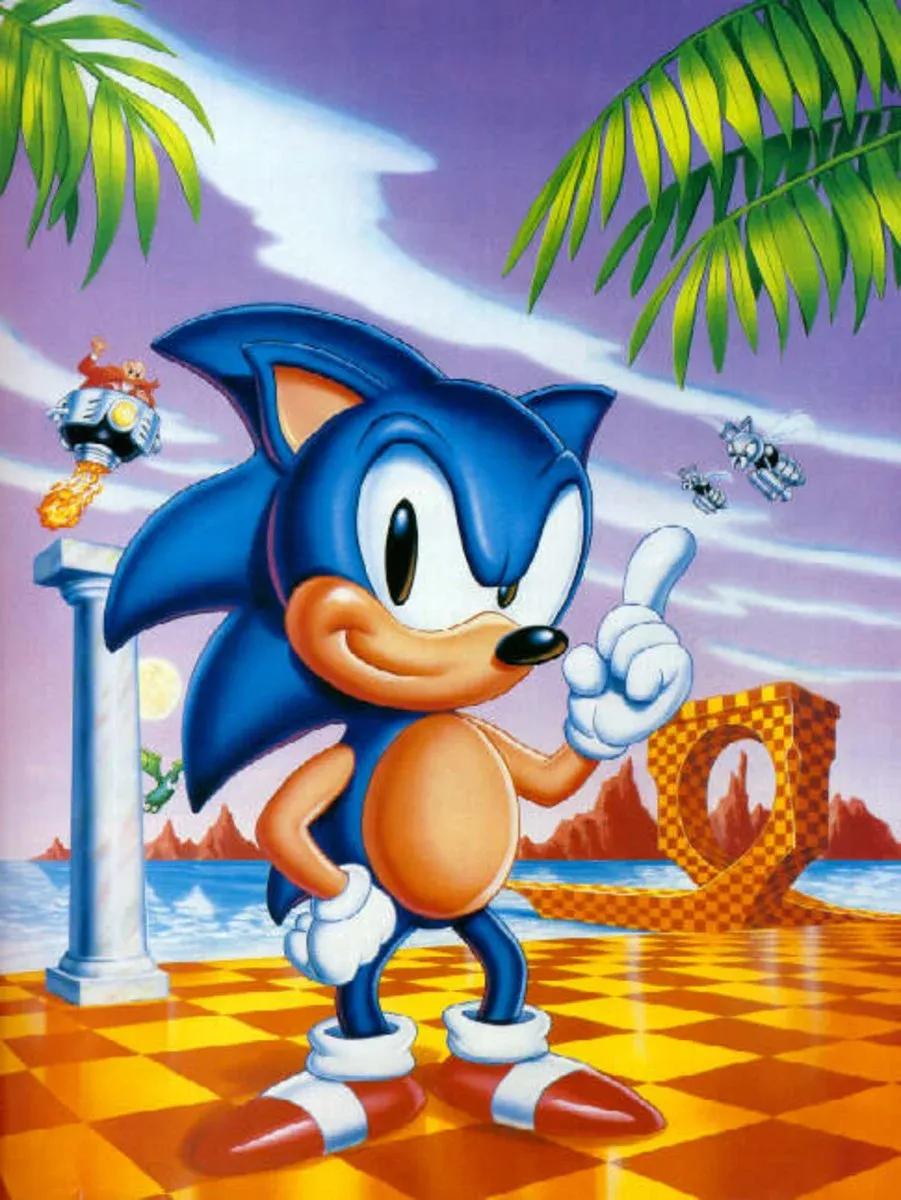
That's a direct quote from Takashi Iizuka, Sonic Team head and series producer, speaking recently about a moment that nearly erased one of gaming's most iconic franchises. The blue blur almost didn't make it. Sega was genuinely ready to pull the plug on Sonic the Hedgehog roughly ten years ago, and the only thing that stopped them was a combination of fan loyalty and Iizuka's willingness to move to the United States and rebuild from scratch.
This revelation lands at a particularly interesting moment. Sonic is now celebrating its 35th anniversary in 2026, with Sonic Racing: CrossWorlds bringing the franchise into crossover territory with Godzilla and Neon Genesis Evangelion. The distance between "we're done with Sonic" and that level of cultural confidence is a story worth telling.
Pay less for your games.
Get discounts up to 80% off
The low point that forced Sega's hand
To understand how close the franchise came to ending, you need to look at what the mid-2010s actually looked like for Sonic. The transition from 2D to 3D had been rough for years, producing titles like Sonic the Hedgehog (2006) and Sonic and the Secret Rings that struggled badly with critics and players alike. Then came 2014 and Sonic Boom: Rise of Lyric, which holds the distinction of being the lowest-rated Sonic game on Metacritic. It was technically broken, commercially disappointing, and became shorthand for everything that had gone wrong with the franchise.
Sega's internal response was apparently severe. Iizuka, who has worked on the Sonic franchise since 1994 starting with Sonic the Hedgehog 3, was handed what amounted to a final chance. Relocate to the US, rebuild the brand's reputation, or watch the series get quietly retired. That's not a hypothetical or a dramatic retelling. That was the actual ultimatum.
What the turnaround actually looked like
Here's the thing: the recovery didn't happen overnight, and it didn't come from one single release. Sonic Mania in 2017 was the first real signal that the franchise could find its footing again. Developed largely by a team of passionate fans turned professionals, it stripped the formula back to tight 2D platforming and landed as the best-reviewed Sonic game in years. It proved there was still an audience hungry for Sonic done right.
The 2020 live-action Sonic movie then did something the games hadn't managed in a long time: it brought mainstream audiences back. After a famously troubled production that included a complete character redesign following fan backlash, the film performed well enough to launch a full movie franchise. Three films are now out, with a fourth in development and reportedly drawing story elements from Sonic CD.
On the games side, Sonic Frontiers in 2022 and Shadow Generations more recently have kept the momentum going. The franchise that Sega was ready to shelve a decade ago has since released more main-series entries, expanded into animation, and built a film series that shows no signs of slowing.
Why this matters for the franchise at 35
The 35th anniversary context makes Iizuka's comments hit differently. Sega isn't just celebrating a long-running franchise. They're celebrating one that almost wasn't there to celebrate. The crossover ambitions of Sonic Racing: CrossWorlds, the rumored Sonic CD remake tied to the fourth movie, and the ongoing film series all exist because someone made a bet on fan loyalty at the lowest point.
What most players miss when they look at Sonic's current momentum is that none of it was inevitable. Franchises don't automatically survive bad eras. Plenty of beloved gaming icons from the same generation simply stopped getting new entries. Sonic survived because Iizuka took the assignment seriously and because the fanbase kept showing up even when the games weren't delivering.
If you're jumping into the franchise now or want to sharpen your skills in the latest release, the Sonic Racing: CrossWorlds beginner strategies guide is a solid starting point for getting up to speed on what the series has become in 2026.