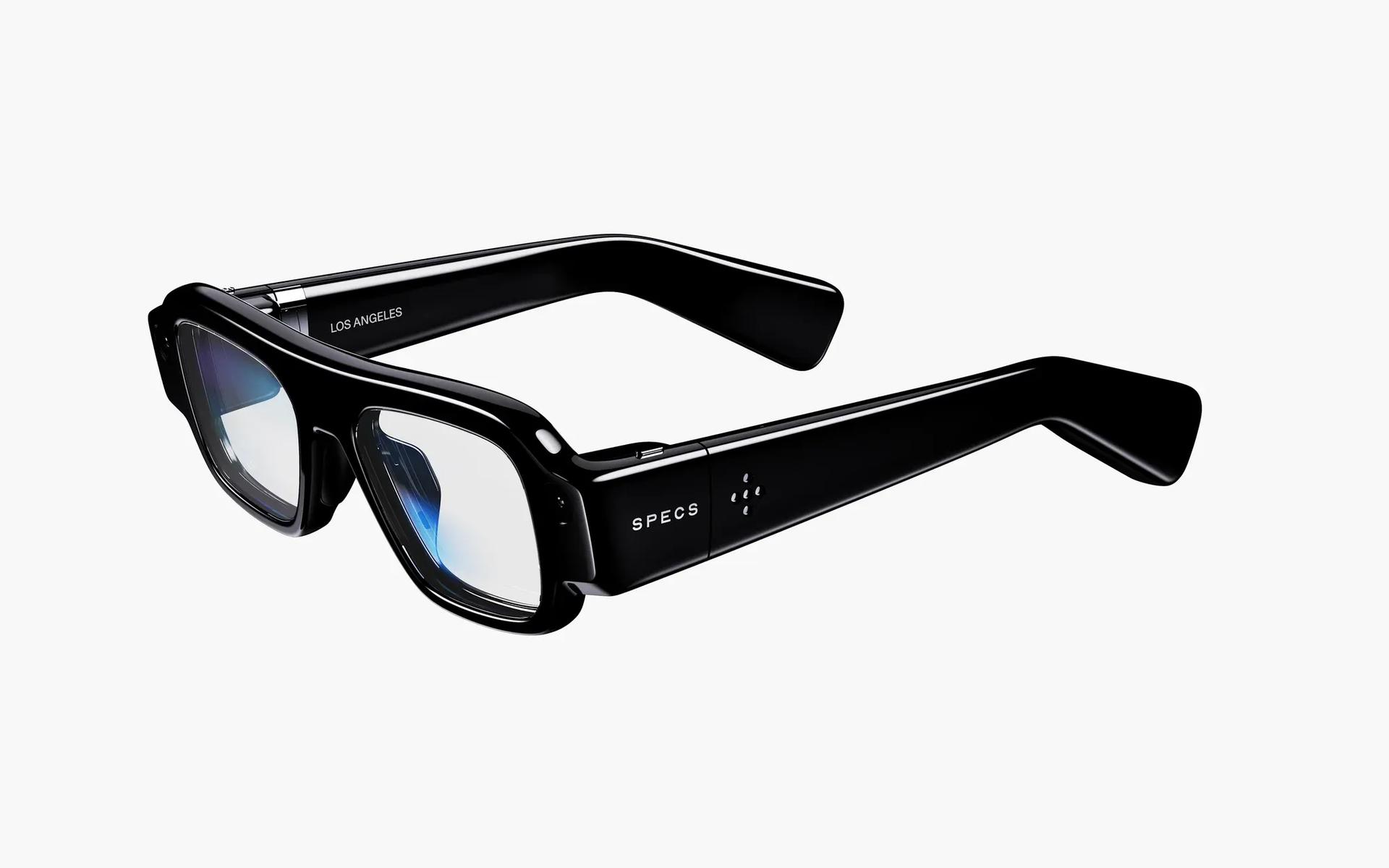


"Highly wearable." That's how Snap CEO Evan Spiegel chose to describe the company's brand new augmented reality glasses, called Specs, during a promotional clip. The only problem: the footage clearly shows the thick frames pressing down hard enough on his ears to visibly deform them. You genuinely cannot script this stuff.

Pay less for your games.
Get discounts up to 80% off
What Snap is actually selling here
Specs launched on June 16 at a price of $2,195, positioning itself as a premium, all-in-one AR wearable with no external puck and no tethered cable. That last point matters more than it might seem. Several competing AR glasses projects require a separate processing unit you carry in your pocket or clip to your belt, which defeats much of the point. Snap went the other way, cramming everything into the frames themselves.
The result is a pair of glasses housing two Qualcomm Snapdragon processors: one dedicated to computer vision, and one running what Snap calls Lenses (its AR overlay system). The dual-chip setup enables hand tracking, and Snap claims a 7-millisecond motion-to-photon latency, verified through robotic measurement systems. That's a genuinely competitive spec for AR hardware.
The display ambitions are also notable. Snap describes the lenses as delivering the visual equivalent of a 24-inch desktop monitor for productivity work, scaling up to a 115-inch home cinema screen at roughly 10 feet for video. Whether that translates to real-world comfort during extended use is a different question entirely.
The battery situation is where things get awkward
For $2,195, you get four hours of mixed use before the glasses need a charge. That covers audio and video playback, Lenses, AI assistance, and Bluetooth notifications running simultaneously. Four hours.
Snap does include a charging case that holds four additional full charges, bringing total portable battery life to around 20 hours across the case and glasses combined. That's a workable solution for day trips, though it adds bulk to what's already a chunky carry. Here's the thing: the four-hour active window is the number that will stick in buyers' minds, and it's not a flattering one for a device priced at this level.
The bulk of the frame design isn't purely aesthetic stubbornness, to be fair. Packing two processors, displays, sensors, and a battery into something that sits on your face requires serious engineering compromise. Overheating is a real concern with this form factor, and the larger chassis likely helps with thermal management. That context doesn't make the earlobes situation any less funny, but it does explain why the glasses look the way they do.
The market's verdict came fast
Snap's share price dropped following the Specs reveal, capping off six consecutive sessions of losses. Investors clearly weren't convinced that a $2,195 pair of chunky AR glasses with a four-hour battery represents a near-term revenue opportunity, and that skepticism is hard to argue with at face value.
The irony is that Specs, on paper, is one of the more technically ambitious AR glasses attempts to come from a consumer-facing company. The all-in-one design is genuinely differentiated. The dual-processor architecture is real engineering. The latency figures are competitive. Snap isn't faking the ambition here.
What most players miss in the AR glasses conversation is that every company in this space is essentially shipping first-generation hardware at premium prices and hoping the software ecosystem justifies the cost. Meta, Apple, and now Snap are all running the same play. The difference is that Snap's CEO chose the word "highly wearable" while the footage told a completely different story.
If you're deep into gaming hardware and AR tech, our gaming guides cover the broader wearable and peripheral space as it intersects with gaming. And if you want to see how augmented systems are showing up inside actual games right now, the Arc Raiders Epic Augments guide is worth a read for a sense of where in-game AR-adjacent design is heading.
Specs are available now at $2,195. Spiegel's ears are presumably recovering. The AR glasses race, meanwhile, is only getting more crowded, and the next company to step up will need a much better answer to the wearability question than this reveal provided. Check out our ARC Raiders Close Scrutiny guide if you need a break from hardware drama and want something you can actually play right now.