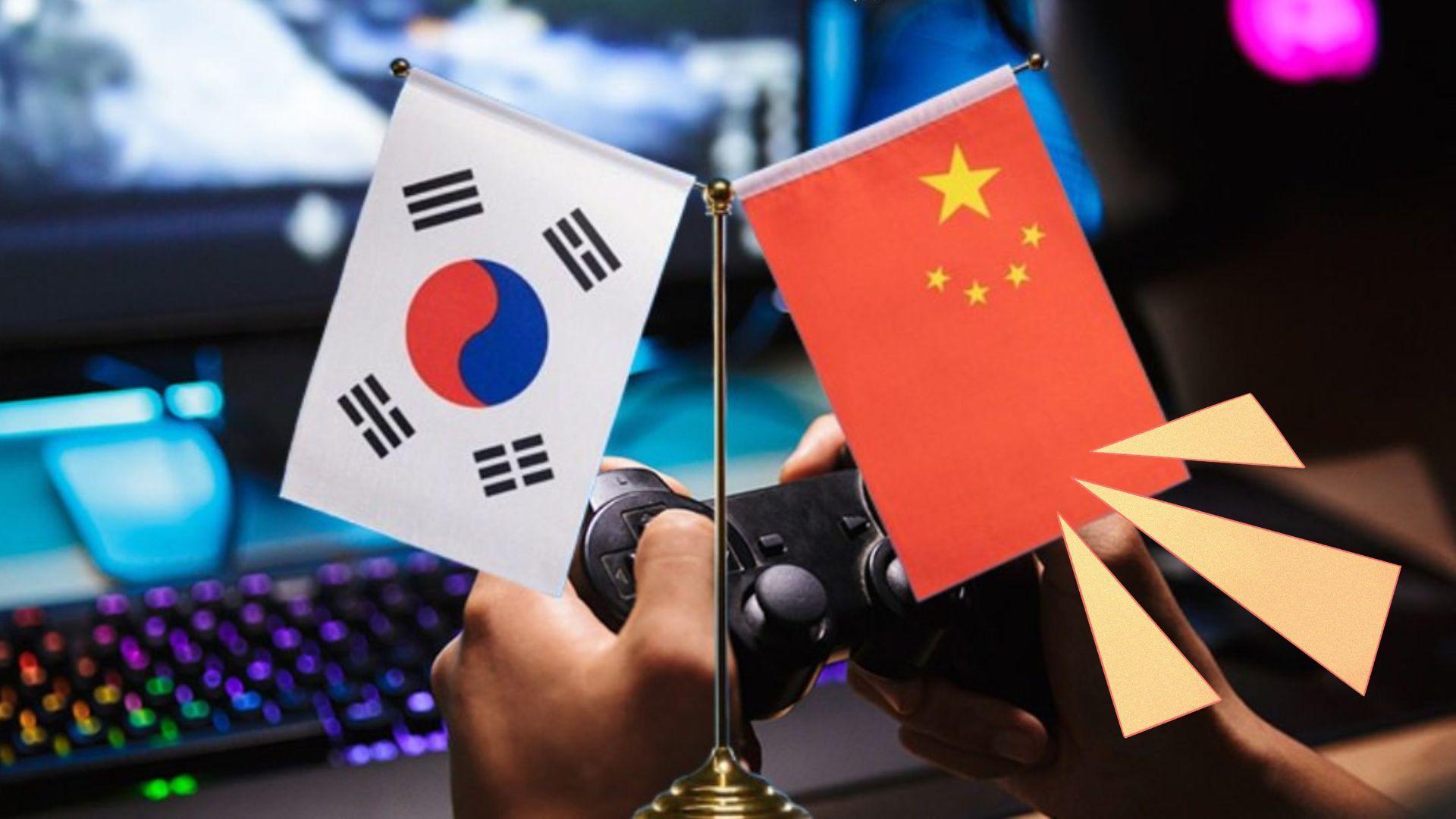

South Korea's government has announced plans to push for more game licence approvals in China as part of its 2026 economic strategy. The initiative treats games as a core pillar of the country's cultural export programme, placing them on equal footing with film and other entertainment sectors.
The Ministry of Economy and Finance, working alongside related agencies, has structured this effort under the "Attractive Growth Led by Culture" policy. Seoul will leverage existing Korea–China ministerial dialogue to pursue additional ISBN approvals for South Korean games and better market access for Korean films in China.
The Korea–China Economic Ministers' Meeting in the first quarter of 2026 will kick off these negotiations, with the Korea–China Trade Ministers' Meeting scheduled later in the year to continue discussions. These diplomatic channels will form the backbone of Seoul's approach to securing expanded approvals.
Use code TRYHARD33 at checkout to redeem this offer before code expires again.
Get 33% Off GAMES+ Subscription
Supporting Game Development and Exports
The government's strategy includes direct support for domestic studios through development funding and export diversification. Planned measures cover increased backing for indie game projects, region-specific user testing for international launches, and comprehensive localisation efforts designed to help South Korean titles compete globally.
Financial backing forms a major component of the 2026 plan. Seoul has allocated ₩50 billion ($34 million) to a Content Future Strategy Sectors Fund, while committing ₩1 trillion ($687 million) through the National Growth Fund. These resources target both games and film projects as part of a wider push to cement South Korea's status as a cultural export leader.
Historical Context of Game Licences in China
The drive for expanded ISBN approvals follows years of restricted access for South Korean games in the Chinese market. After South Korea deployed the THAAD missile defence system in partnership with the United States in 2017, China effectively halted new game licence approvals for South Korean publishers. Some titles have begun receiving approval again in recent years, allowing developers to re-enter the market gradually.
The 2026 strategy represents Seoul's continued commitment to expanding K-culture's global footprint, with games now positioned as critical to both cultural influence and economic performance alongside traditional media.
Future Outlook for South Korean Games
The 2026 strategy is expected to open doors for developers, especially indie studios and teams focused on international markets. By pairing government funding with strategic negotiations in China, South Korea seeks to diversify beyond its current market concentration and build a stronger global presence. The plan also signals broader interest in digital content, including emerging areas like web3 gaming and interactive media.
Make sure to check out our articles about top games to play in 2026:
Best Nintendo Switch Games for 2026
Best First-Person Shooters for 2026
Best PlayStation Indie Games for 2026
Best Multiplayer Games for 2026
Most Anticipated Games of 2026
Top Game Releases for January 2026
Frequently Asked Questions (FAQs)
What is South Korea's goal for Chinese game licence approvals in 2026?
The government wants to secure more ISBN approvals for South Korean games in China to boost exports and strengthen K-culture's international reach.
How much is South Korea investing in media and content in 2026?
South Korea is committing ₩1 trillion ($687 million) to media and content initiatives, including a ₩50 billion ($34 million) fund dedicated to future strategy sectors.
Why were South Korean games previously restricted in China?
China effectively froze new game licences for South Korean titles after Seoul deployed the THAAD missile defence system in 2017, though some approvals have resumed in recent years.
What support will the government provide for game development?
The plan includes funding for indie projects, region-specific user testing, localisation support, and strategies to diversify export markets.
Does the strategy include emerging technologies like web3?
While games and traditional media are the primary focus, the strategy acknowledges broader digital content trends, including web3 gaming initiatives.