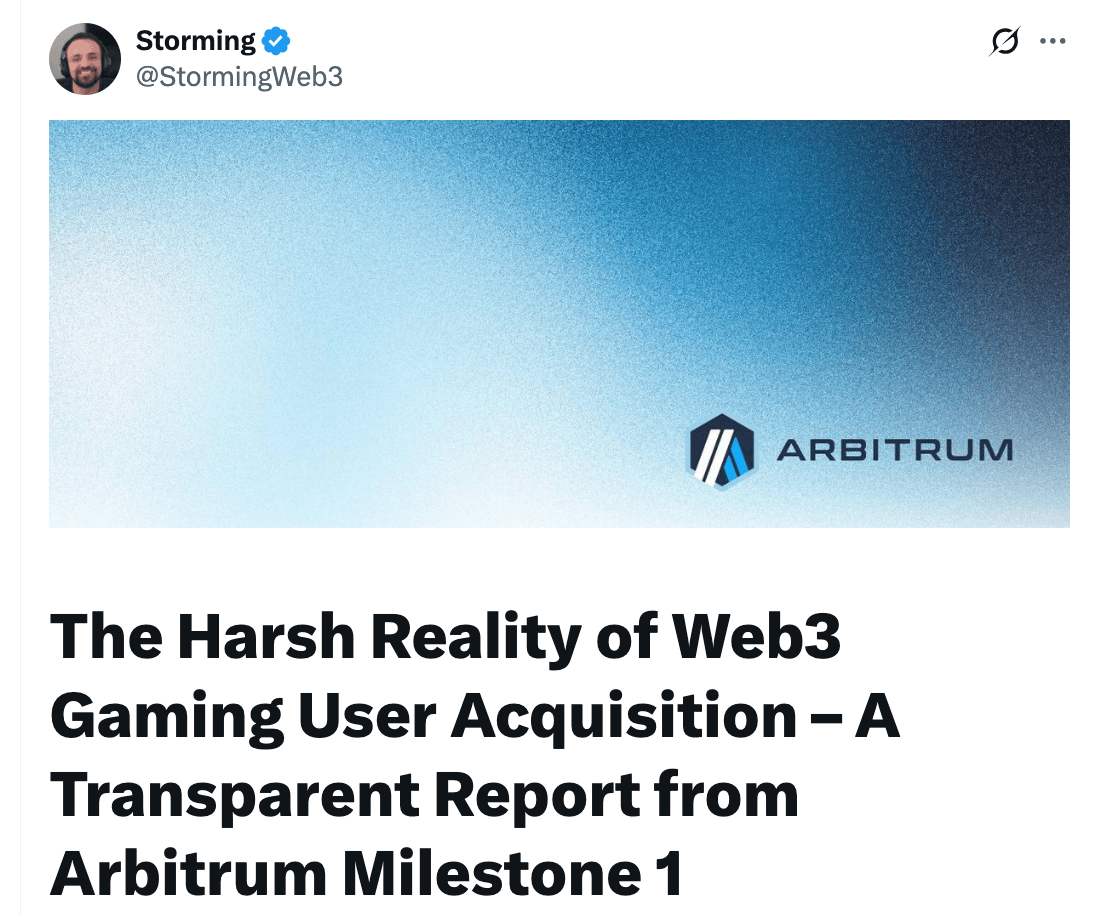
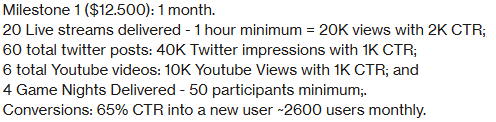
Founder of Tempest Gaming Guild, Storming (@StormingWeb3), has shared a comprehensive breakdown of user acquisition results following the completion of Milestone 1 under the Arbitrum grant. The team hit 100 percent of its deliverables but converted only around 55 percent of the targeted users. That shortfall has led the group to publicly dissect each campaign channel and confront the realities of generating genuine growth in web3 gaming.
State of User Acquisition in Web3 Gaming
How each channel performed
Storming's team concentrated on tactics they knew best: live streams, YouTube content, nightly game sessions, and regular Twitter (X) posting. These methods were selected based on past success with their gamer-first audience, which tends to move into web3 (blockchain) more smoothly than other demographics.
YouTube
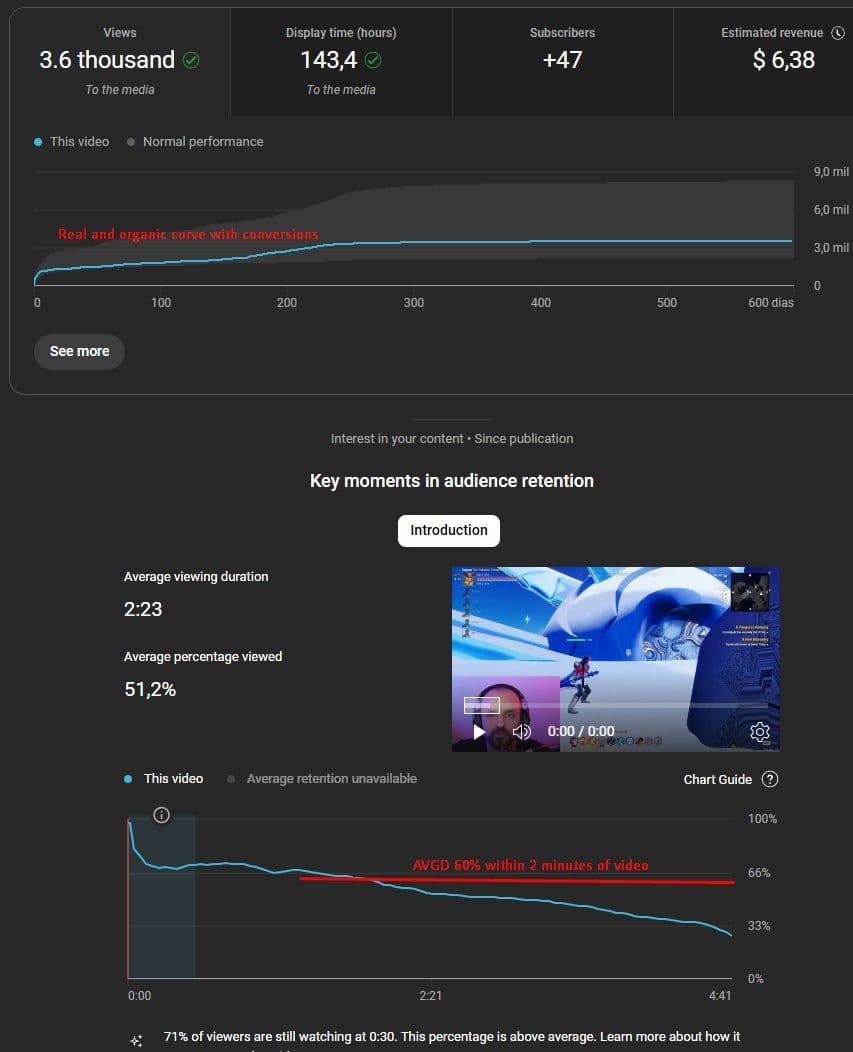
YouTube delivered solid conversions when timing was right. A credible web3 creator can typically convert about 100 users per 1,000 views, and Storming's best-performing videos reached 200 conversions from 2,000 views. The problem: view counts are easily gamed. While others pump numbers with bots, Storming avoided that route. Their typical video generated roughly 300 legitimate clicks and about 100 real signups or Steam wishlist adds.
State of User Acquisition in Web3 Gaming
Live streaming
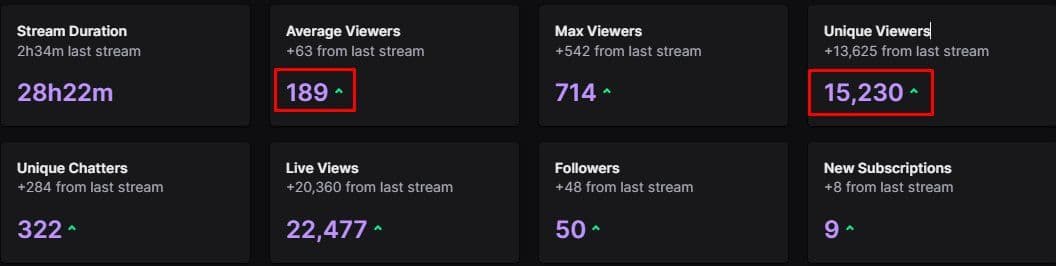
Storming measured streams by unique viewers, not concurrent counts. A streamer averaging 60 concurrent viewers can pull far more total uniques during a session, especially with well-placed calls to action. The industry still fixates on concurrent numbers, which are routinely inflated by bots. That makes it hard for agencies and partners to separate real engagement from fake traffic.
State of User Acquisition in Web3 Gaming
Community game nights
Daily game nights pulled 300 to 400 genuine participants. These sessions worked well for testing new games and reinforcing community ties. Retention was strong, but these players didn't drive new user acquisition. Storming sees them as long-term community anchors rather than growth accelerators.
Twitter (X)
Twitter (X) was the weakest link for conversions. The platform builds awareness and shapes narratives, but it doesn't scale as an acquisition tool for web3 gaming. Storming made it clear: posting alone won't bring players unless there's an active campaign or airdrop attached.
Why the conversion target was missed
Storming attributed the gap to the difficulty of building awareness through entertainment-focused methods in web3. Without short-term incentives or aggressive ad spend, turning engagement into measurable growth is tough. Instead of inflating metrics or chasing vanity numbers, the team chose transparency and focused on extracting lessons from the campaign.
State of User Acquisition in Web3 Gaming
Next steps to fix top-of-funnel performance
Storming is hiring two full-time digital marketing specialists dedicated to the early user journey. Their job: optimize short-form content, craft high-converting calls to action, and improve how users enter the Tempest Labs onboarding pipeline. The team has always been strong in mid- and bottom-funnel work like user qualification, retention, and lifetime value optimization. Now they're addressing the weak spot at the top.
State of User Acquisition in Web3 Gaming
Building honestly in web3 gaming
Storming wrapped the report by stressing the value of honesty and transparency in web3 development. Instead of showing inflated dashboards or fake user counts, the team is committed to systems that reflect real usage and value. By sharing what worked and what didn't, they hope other builders in the web3 gaming space can adjust their strategies accordingly.