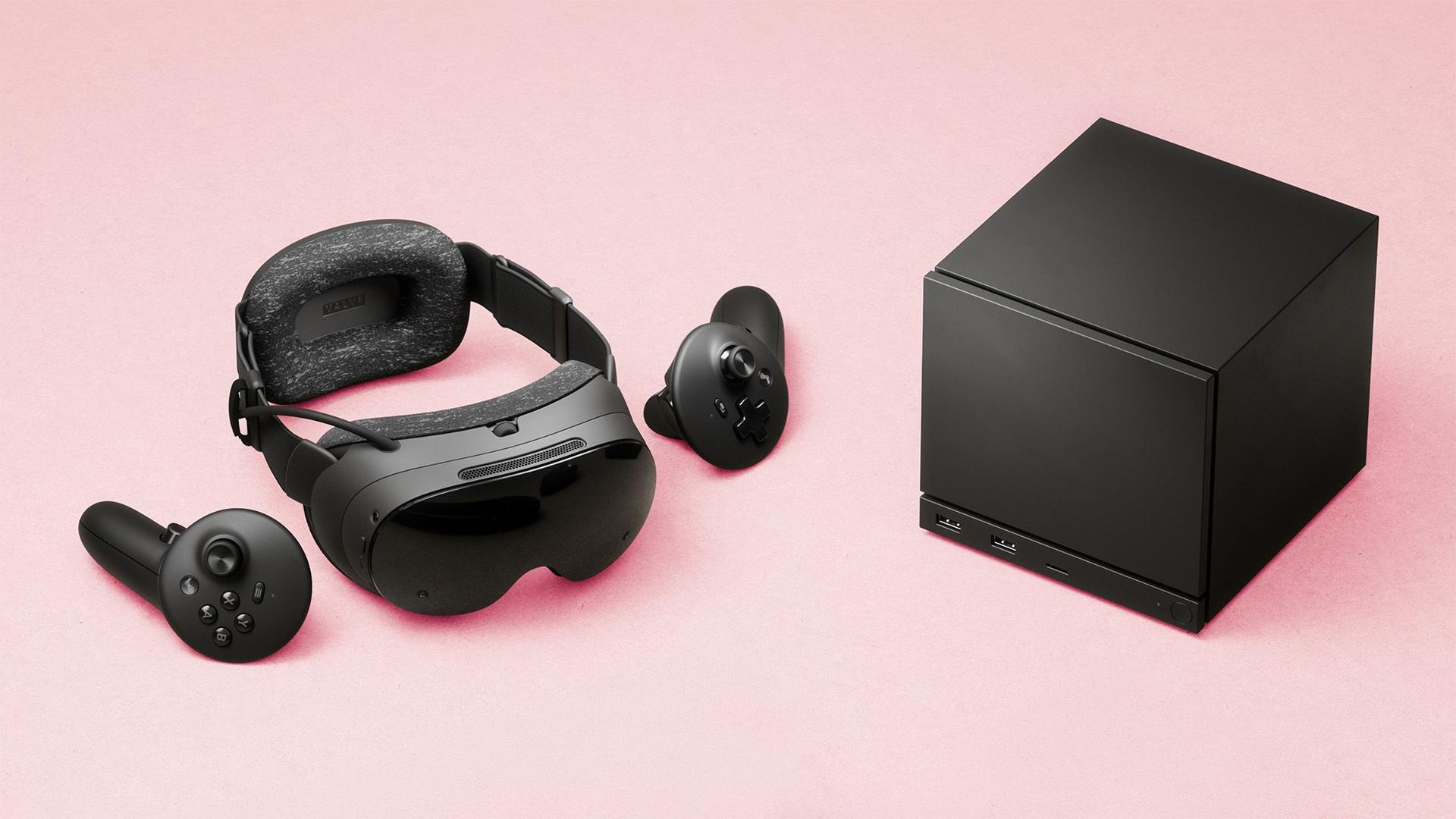


Valve has been tight-lipped about the Steam Frame since hands-on previews surfaced earlier this year. No release date, no pricing, no official software walkthroughs. So when a short clip appeared on the Steam Frame subreddit purporting to show the headset's first-boot tutorial, the VR community paid attention fast.
The video, credited to a user called LabeVR, captures what looks like the opening seconds of the Steam Frame Welcome Tour, the onboarding sequence that greets users when they first power up the headset. It is brief, maybe a minute of footage at most, but it is more than Valve has officially shared about the software experience.

Use code TRYHARD33 at checkout to redeem this offer before code expires again.
Get 33% Off GAMES+ Subscription
What the leaked clip actually shows
The Welcome Tour opens with a simple "Welcome to Steam Frame" message, then walks through the basics: how the controllers work, how to toggle the UI on and off, and how to pair the headset with your PC. Nothing elaborate. The key here is that it reads as a polished, finished product rather than a rough internal build.
Once past the intro, users get an overlay of their Steam Library with VR-compatible titles pushed to the front. The whole flow looks clean and direct. Turn the headset on, connect to your PC, start playing. That simplicity appears to be intentional.
One technical note worth flagging: the clip was captured through a Valve Index, not the Steam Frame itself. That explains the colour passthrough visible in the footage. The Steam Frame only supports black and white passthrough, which puts it at a disadvantage compared to headsets like the Meta Quest 3 or Pico 4 Ultra for mixed reality use. Valve has been upfront that this is a gaming headset first, and the software reflects that priority.
What this leak signals about timing
Valve confirmed as recently as last week that both the Steam Machine and Steam Frame are still on track to ship this summer. Seeing polished onboarding software circulating, even through an unofficial leak, suggests the hardware is further along than the radio silence might imply.
Pricing, exact ship date, and unit availability remain unannounced. Summer ends in roughly three months, which means an official reveal window is probably tighter than it feels right now.
The foveated streaming approach is worth watching closely. Wirelessly streaming a full VR video feed to a headset is genuinely demanding, and Valve's eye-tracking solution is a smart way to concentrate processing where it counts. Whether it holds up across demanding titles is the real question, and that will only get answered once reviewers and players get proper time with the final hardware.
For anyone keeping tabs on Valve's hardware push, the Teardown multiplayer update guide is a good reminder of how Steam-native titles can evolve quickly once new hardware creates new possibilities. The Steam Frame could open similar doors for VR-enabled PC games already sitting in players' libraries.
The bigger picture for PC VR
PC-tethered VR has had a rough few years competing against the convenience of standalone headsets. The Steam Frame's wireless dongle approach is Valve's answer to that gap: keep the processing power of a gaming PC, lose the cable. Whether that pitch lands depends entirely on latency and visual quality in practice.
What most players miss in these early leaks is that the software onboarding matters as much as the hardware specs. A clunky first-boot experience kills enthusiasm fast. The Welcome Tour clip suggests Valve has thought carefully about getting users into games quickly, which is exactly the right instinct.
For players new to PC gaming setups and looking to brush up on the ecosystem while waiting, the gaming guides hub has plenty of coverage across current titles. And if you want a sense of how Valve-adjacent PC games are handling technical hurdles right now, the Everwind crash fix guide is a solid example of the UE5 performance challenges that modern PC hardware, including upcoming VR setups, will need to navigate.