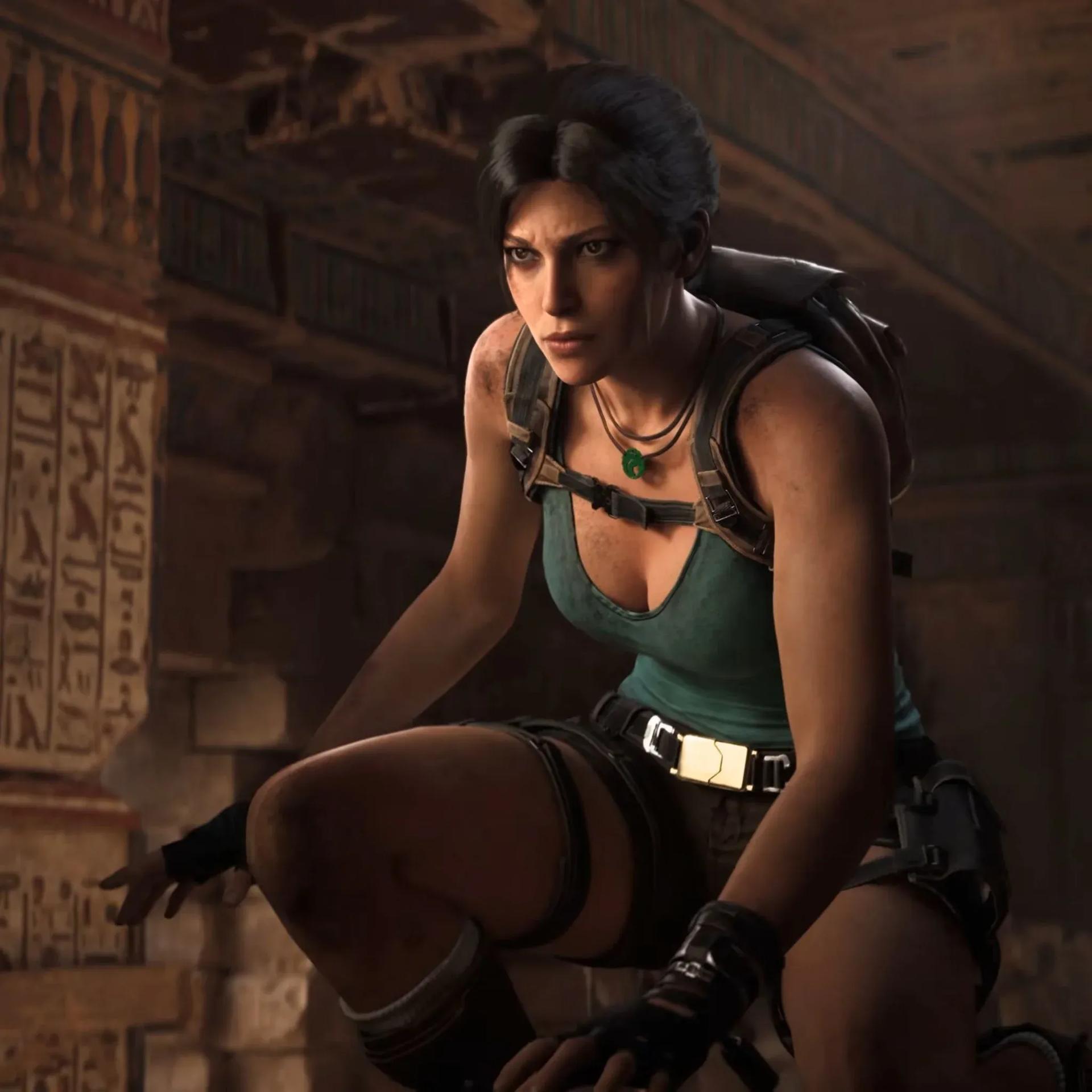

Summer Game Fest week is here, and the cycle has already begun. Crystal Dynamics unveiled a new trailer for Tomb Raider: Legacy of Atlantis during Sony's State of Play showcase, the community got excited, and then a content disclosure appeared on the game's Steam page confirming that yes, AI tools were used during development.
That took less than 24 hours.
What the disclosure actually says
The Steam disclosure reads: "AI-assisted tools were used during development to support some early exploration and temporary development content. Any AI-assisted assets were either replaced or refined by humans in order to maintain the creative and artistic vision of the development team."
Crystal Dynamics followed that up with a statement doubling down on the human angle, saying the studio uses AI tools to help teams "iterate on ideas faster and more efficiently" while ensuring all finished content in the final product is "human-crafted."
Here's the thing: if every AI-generated asset had to be replaced or refined to meet the game's creative vision, that raises a fair question about what the AI work actually saved. Time, maybe. But it also created cleanup work, and now it's created a PR situation during the biggest week of gaming announcements on the calendar.
The Tomb Raider community reaction
Fan response to the disclosure has been genuinely mixed, which is probably the most honest outcome possible. There's real disappointment in the Tomb Raider community, but there's also a thread of pragmatism running through the conversation. Several fans have drawn a line between AI being used for early prototyping that gets thrown out versus AI-generated assets shipping in a final product. That distinction matters to a lot of people.
What most players miss in these conversations is that the goalposts keep shifting. A year ago, studios were quietly using AI and hoping nobody noticed. Now they're disclosing it on Steam, which is at least more transparent. But the disclosures themselves have become a kind of damage control template: acknowledge the AI use, emphasize it was temporary and early, confirm humans made the real stuff. Crimson Desert went through almost the same cycle recently when players spotted AI art in the released game, and the studio issued an apology using nearly identical language.
The pattern is getting familiar enough that it barely registers as news anymore, and that might be the most telling detail of all.
What this means for the rest of SGF week
Summer Game Fest runs through the next several days, with the PC Gaming Show scheduled for Sunday, June 7. Dozens of game announcements are coming. Based on the current trajectory of the industry, a meaningful portion of those games will either carry Steam AI disclosures at launch or quietly acknowledge AI tool use somewhere down the line.
For anyone paying attention to how AI gets used in game development, watching these showcases has become a two-stage experience. Stage one: a trailer lands and it looks great. Stage two: you wait to see what turns up on the Steam page.
That's not a fun way to experience a week that's supposed to be about excitement and discovery. But it's the reality of where the industry is right now, and studios have made clear through repeated apologies and clarifications that they have no intention of stopping. The debate has shifted from "should AI be used at all" to "what counts as acceptable use," and that argument is going to keep playing out announcement by announcement throughout this week.
Keep an eye on Steam pages for any game that catches your attention this week. The trailer is only half the story. For full breakdowns of everything announced, check out our gaming guides and our game reviews as coverage rolls in across SGF week.