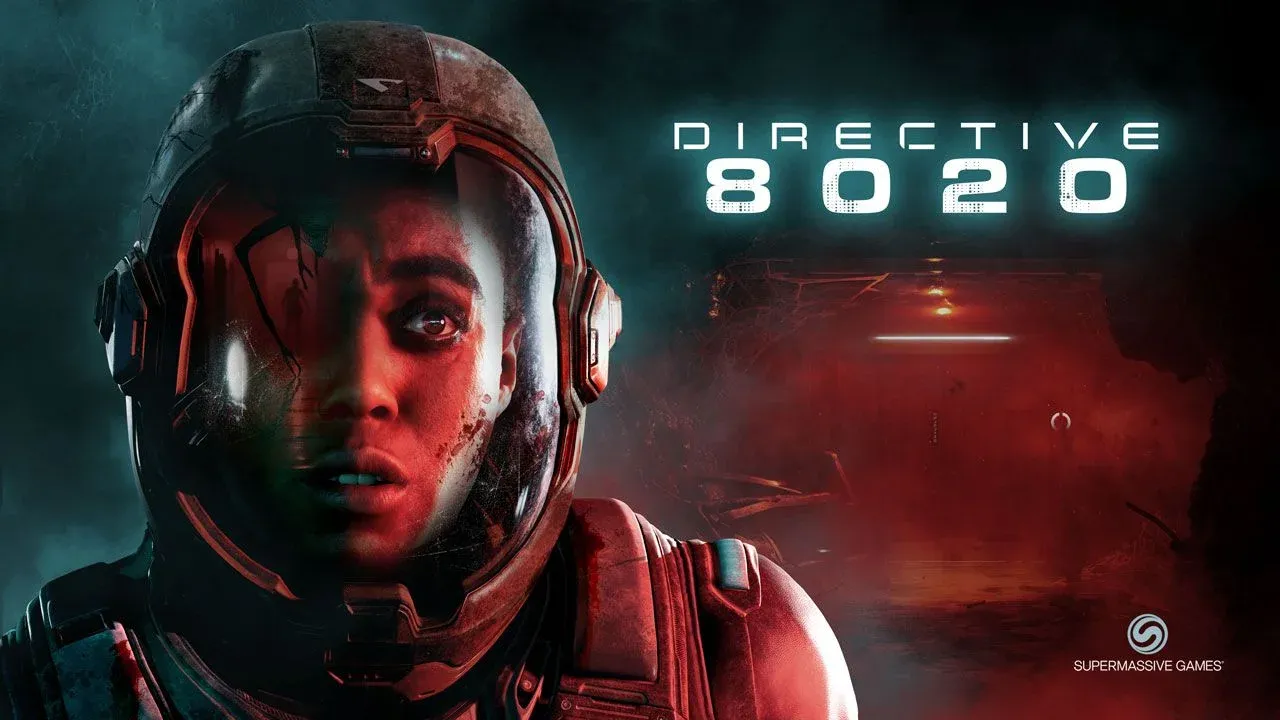


Robert Henrysson has stepped down as CEO of Supermassive Games and is simultaneously departing parent company Nordisk Games, the studio confirmed on June 29, 2026. The announcement came via LinkedIn roughly seven weeks after Directive 8020 launched on May 12, 2026, leaving the studio behind Until Dawn without a named chief executive for the first time since its co-founders left in early 2024.
No successor has been announced. Nordisk Games has not provided a timeline for appointing one, though Graeme Law is stepping in as interim CEO while the search continues.
How Henrysson ended up in the role
Henrysson joined Nordisk Games as a partner in August 2022, when the Danish media conglomerate Egmont Group completed its full acquisition of Supermassive. He stepped into the CEO chair in January 2024, taking over from co-founder Pete Samuels, who left citing health reasons after 15 years leading the studio.
His mandate was specific: stabilize a studio that had just lost its founders, rebuild the leadership team, and ship Directive 8020. By Nordisk's own account, he did exactly that. The parent company's statement on LinkedIn credited Henrysson with rebuilding leadership, sharpening strategy, and overseeing the completion of Directive 8020.
Before Supermassive, Henrysson served as CEO and chairman at Avalanche Studios Group, the studio behind the Just Cause franchise. In his LinkedIn post, he described his time at Supermassive as "a very rewarding chapter" and said he plans to spend the summer with his family before exploring advisory roles.
What Directive 8020 actually delivered
Here's the thing: Nordisk Games called Directive 8020 the strongest critically received entry in the Dark Pictures series to date. The numbers tell a more complicated story. The game sits at a 72 on Metacritic, which the aggregator classifies as mixed or average.
What the game did accomplish structurally matters more than its review score. Directive 8020 was the first Dark Pictures entry built on Unreal Engine 5, a technical shift the studio had deferred for years under a punishing semi-annual release schedule. It was also the first anthology entry self-published by Supermassive after Bandai Namco had handled publishing duties for the previous four entries. That publishing independence is a meaningful change for a studio that spent years operating under external commercial constraints.
Players who completed the game in full also discovered a hidden teaser in the completion reward, pointing toward a project fans have identified as The Craven Man, one of several titles Supermassive trademarked years ago. So the studio left breadcrumbs, even if the next project remains officially unnamed.
A studio that has been through a lot in two years
The leadership churn at Supermassive is hard to ignore. In February 2024, the studio cut approximately 90 employees, around 30% of its roughly 350-person workforce, shortly after the founders departed. In July 2025, another 36 positions were cut alongside the announcement that Directive 8020 was being delayed from its original October 2025 window.
Through both rounds of cuts, Henrysson was the person tasked with keeping the studio functional and productive. Supermassive shipped Little Nightmares III for Bandai Namco in October 2025, then followed it with Directive 8020 seven months later. Two games out the door despite significant internal disruption is not nothing.
The broader industry context makes this pattern feel less surprising, if no less significant. The games industry shed tens of thousands of jobs between 2022 and mid-2025, and studios with strong reputations have not been immune. Henrysson was brought in to manage a specific crisis period, and by the metrics Nordisk cared about, he managed it.
What the ownership structure tells us about what comes next
Nordisk Games operates on a long-term holding model, not a venture capital exit timeline. The company's stated philosophy is to hold studios for years, offer strategic support, and preserve creative autonomy at the studio level. That structure is actually why mission-specific executives like Henrysson make sense: bring someone in to deliver a defined outcome, then reassess.
The open question now is what kind of leader Nordisk installs next. A stabilization CEO made sense when the studio was in crisis. Supermassive is in a different position today: it has a new engine, no publisher relationship to navigate for the anthology, and a teased next project with no official shape yet. The next appointment signals whether Nordisk wants a creative leader to define what Supermassive becomes, or another operational executive to manage the transition.
For players who have followed Supermassive's work across the Until Dawn universe, the Dark Pictures games, and now the standalone Directive 8020, the studio's direction genuinely depends on that call. The Until Dawn guides and the broader horror catalogue Supermassive built over a decade represent a specific creative identity worth preserving. Whether the next CEO shares that vision, or sees the studio primarily as an output machine, is the real story here.
The Until Dawn franchise is in different hands now anyway
One thing worth noting separately: the Until Dawn IP itself is no longer Supermassive's primary responsibility. Sony announced during a June 2026 State of Play that Until Dawn 2 is in development at Firesprite Games, the studio behind Horizon: Call of the Mountain for PlayStation VR2. The sequel is set for 2027, features a new cast including Dacre Montgomery and Neil Newbon, and follows ghost hunters on an abandoned tropical island.
So Supermassive's most recognized franchise is moving forward without them. That context makes the CEO departure feel less like a crisis for the Until Dawn series specifically, and more like a genuine inflection point for what Supermassive itself wants to be next. The studio has the Dark Pictures anthology, a new engine, and a teased project. It just needs someone to lead it there. Check out our gaming guides for more coverage as Supermassive's next chapter takes shape.