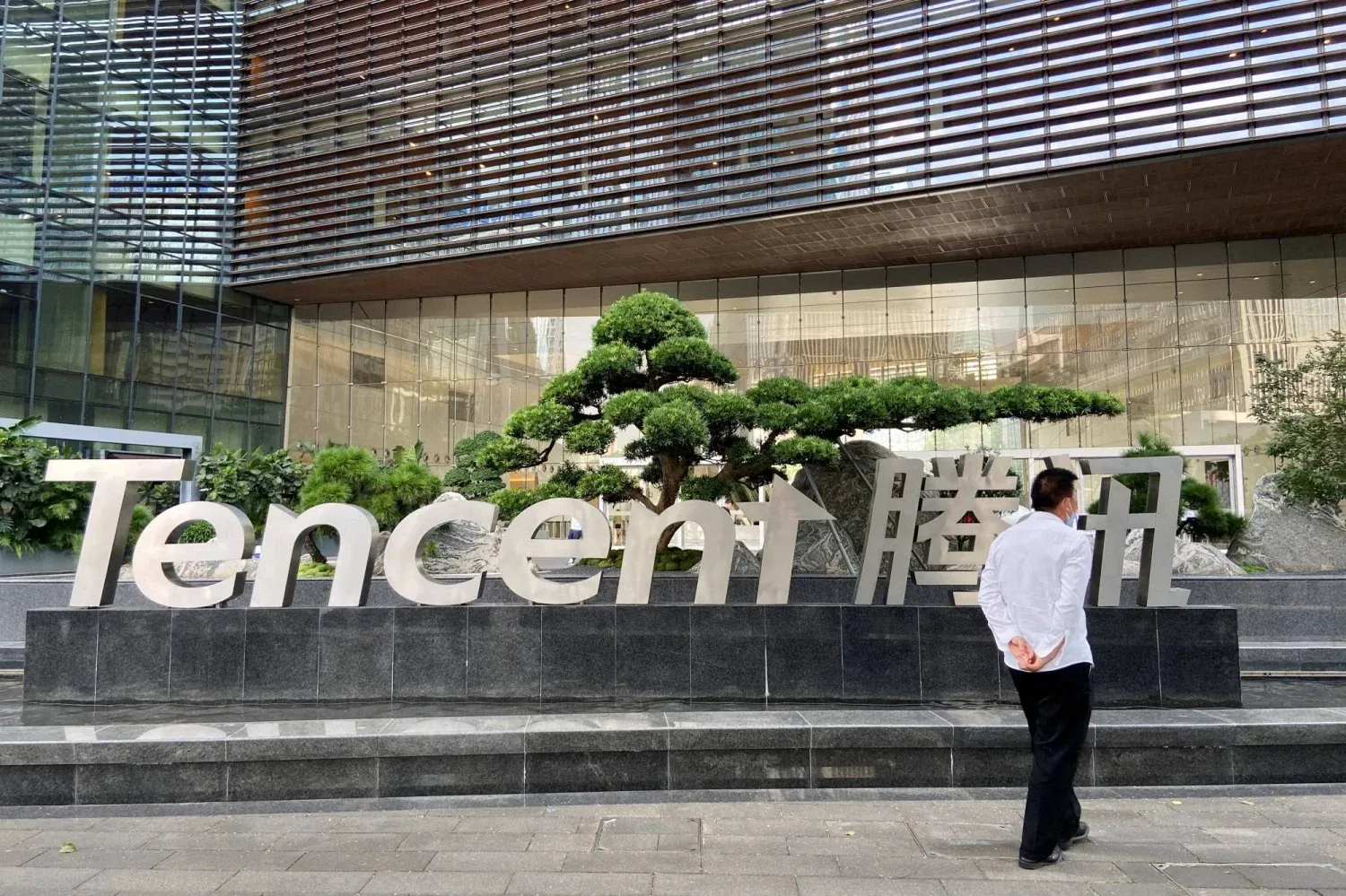


Tencent, the world's largest games company, is reportedly in active talks to sell off minority stakes in several Japanese game development studios, and the company is willing to absorb a financial loss to do it.
The move signals a meaningful shift in how the Chinese publishing giant thinks about its sprawling global investment portfolio, which currently spans more than 800 developers worldwide.

Use code TRYHARD33 at checkout to redeem this offer before code expires again.
Get 33% Off GAMES+ Subscription
The studios in the crosshairs
Marvelous, the Tokyo-based developer behind the Monster Hunter Stories series, Rune Factory, and Story of Seasons, is specifically named as one of the studios where Tencent is looking to exit its position. The company holds minority stakes across a wide range of Japanese developers, and it is now evaluating which of those holdings still make sense to keep.
Here's the thing: Tencent is not staging a full retreat from Japan. The company confirmed in a statement that it remains "fully committed to working with our investees and maintaining our strong presence in the Japanese game market over the long term." The exits being discussed are selective, not a fire sale.
High-profile investments in PlatinumGames and FromSoftware (along with its parent company Kadokawa) are reportedly unaffected. Those two studios sit in a different category from Marvelous in Tencent's internal assessment, apparently qualifying as the kind of "marquee" holdings the company intends to keep.
From passive investor to co-producer
What's driving this? The clearest explanation points to a strategic pivot in how Tencent wants to operate. The company is understood to be moving away from purely passive minority stakes, where it writes a check and steps back, toward a model where it actively co-produces games alongside foreign studios.
That's a significant change in posture. Passive minority investment in dozens of studios simultaneously is a different business from hands-on co-development. Studios that fit the new model stay. Studios that don't, and where Tencent has limited operational involvement, are candidates for divestiture.
The willingness to sell at a loss is the detail worth paying attention to. It suggests the priority here is not squeezing maximum return from every stake, but restructuring the portfolio to match a new operating philosophy. For some of these holdings, the cost of holding on outweighs the cost of walking away.
Pressure from multiple directions
The timing is not happening in a vacuum. Earlier this year, the Trump administration was reportedly debating whether to push Tencent to divest its stakes in US gaming companies, with US officials holding meetings to assess whether those investments posed a national security risk. That review covered holdings in firms like Epic Games and Krafton, among others.
Japan is a separate situation legally and politically, but the broader context matters. Tencent is navigating regulatory scrutiny across multiple markets simultaneously, and the decision to proactively restructure some holdings in Japan could reflect an effort to get ahead of that pressure rather than react to it.
For players who follow Japanese RPGs and simulation games closely, Marvelous is the name to watch here. The studio's output, from Rune Factory 5 to Story of Seasons: A Wonderful Life, has a dedicated fanbase, and any change in ownership structure could affect how the studio operates going forward. If you want to stay across Japanese gaming developments, our gaming guides cover several titles in this space.
What this means for the studios involved
For the studios themselves, a buyback by original management teams could actually be a positive outcome. Regaining full independence, even at a premium, often gives studios more creative control than operating under a major investor's expectations.
Tencent's portfolio is enormous enough that a handful of Japanese exits barely registers at the macro level. The company still owns Riot Games outright, holds significant stakes in Ubisoft, Larian Studios, and Epic Games, and operates Supercell. Selling a minority position in Marvelous is not the same as pulling out of the games industry.
The key here is watching which studios end up in the "high performer" column after Tencent completes its assessment. That list will tell you a lot more about the company's long-term direction than the names on the exit list. If you're into the kind of Japanese titles that Marvelous produces, our Coffee Talk Tokyo Tomodachill guide and Tokyo Beast TGT rewards guide cover some of the most interesting Japan-adjacent releases worth keeping on your radar right now.