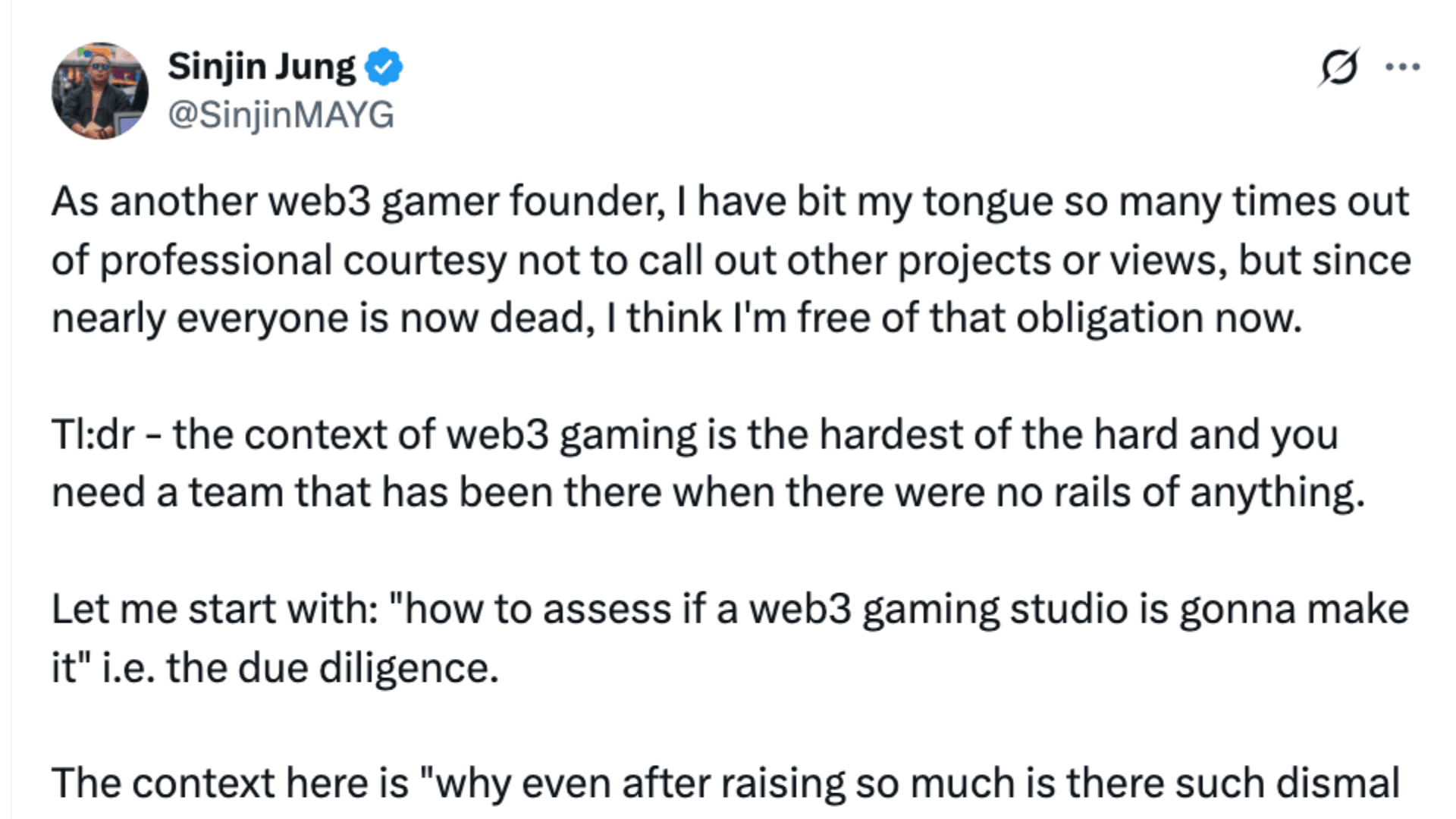
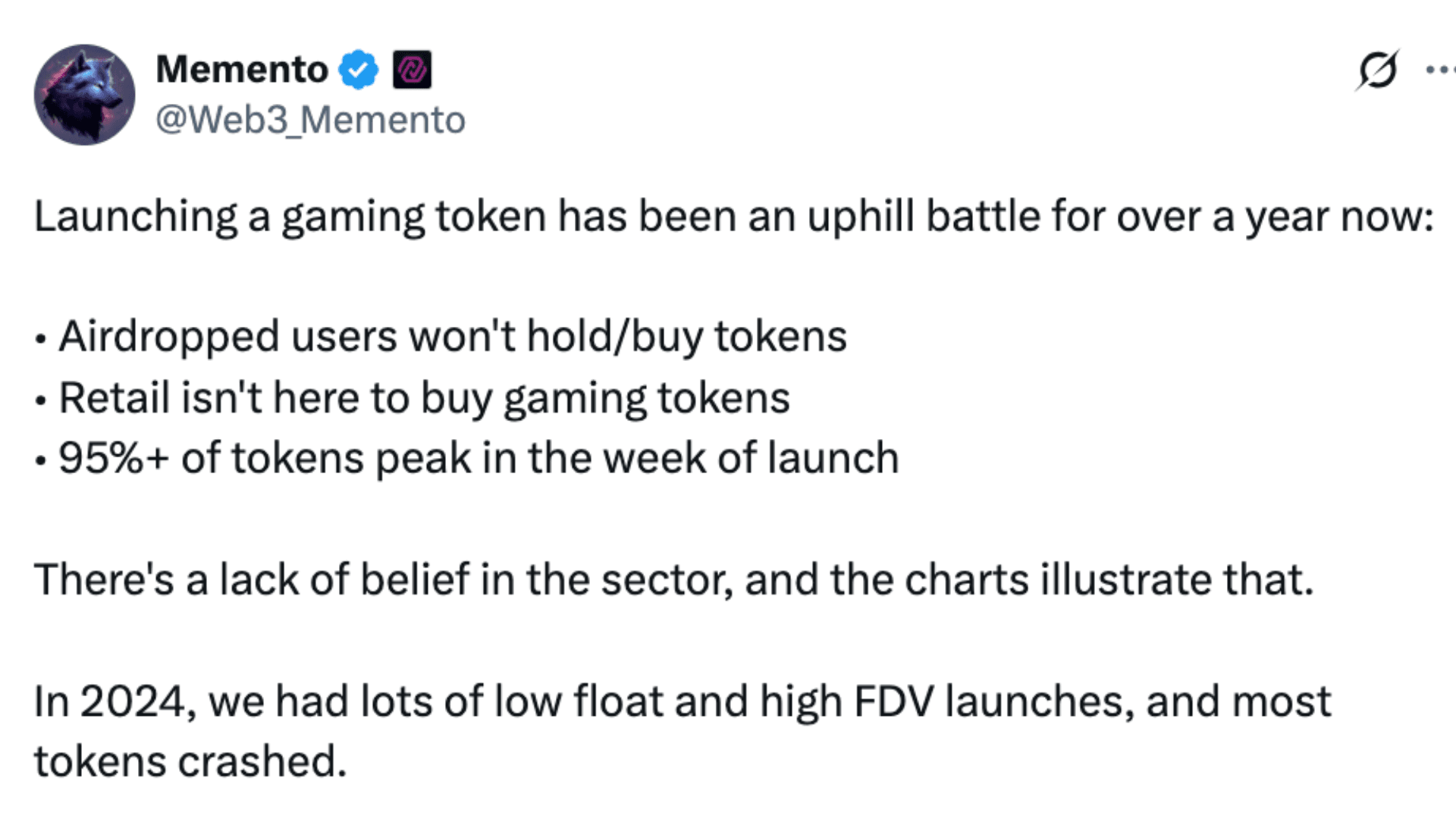
Launching a gaming token in web3 remains a significant challenge, with many projects facing hurdles related to player retention, token utility, community engagement, and economic sustainability. Industry experts and developers have shared diverse perspectives on why many gaming tokens struggle, highlighting issues such as impatience among crypto traders, misaligned incentives, lack of token sinks, and the absence of clear use cases. In this article, we summarize key insights from Memento and various voices in the space, outlining the complex factors that contribute to the uphill battle of successfully launching and sustaining a gaming token.
Uphill Battle of Launching a Gaming Token
Misalignment Between Devs and Investors
Chris Heatherly, founder of The Mystery Society, suggests that one of the central problems in launching gaming tokens is the difference in expectations between crypto investors and game developers. Crypto markets tend to be driven by short-term thinking, while game development requires patience and long-term capital. The framing of crypto gaming as an investment opportunity does not align well with the way games are typically funded or developed. Heatherly contrasts this with Kickstarter campaigns, which are structured around collaboration and gratitude-based rewards rather than speculative financial returns.
Role of Demand, Retention, and Timing
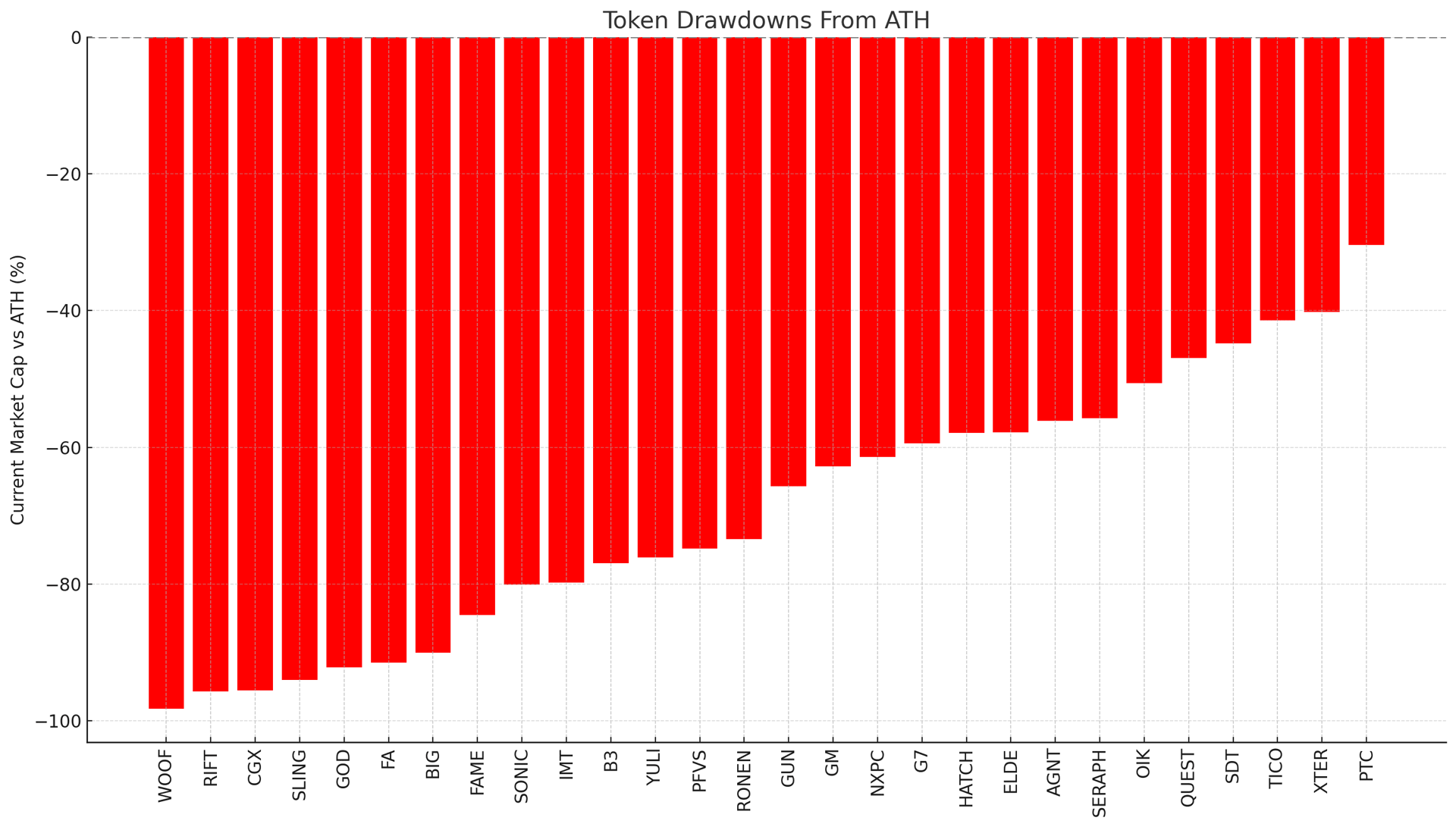
Loopify, founder of Treeverse, focuses on the importance of demand generated by a quality product. He argues that tokens should be supported by in-game utility and broader engagement, including speculative interest and brand presence. Similarly, Manish from KGeN emphasizes that tokens should not be launched before a game demonstrates strong user retention over time, specifically referencing D30 and D90 metrics. He advises that only players who purchase in-game assets should be rewarded, and warns against viewing token launches as endpoints rather than components of a broader development process.
Uphill Battle of Launching a Gaming Token
Fundamental Issues in Token Economy Design
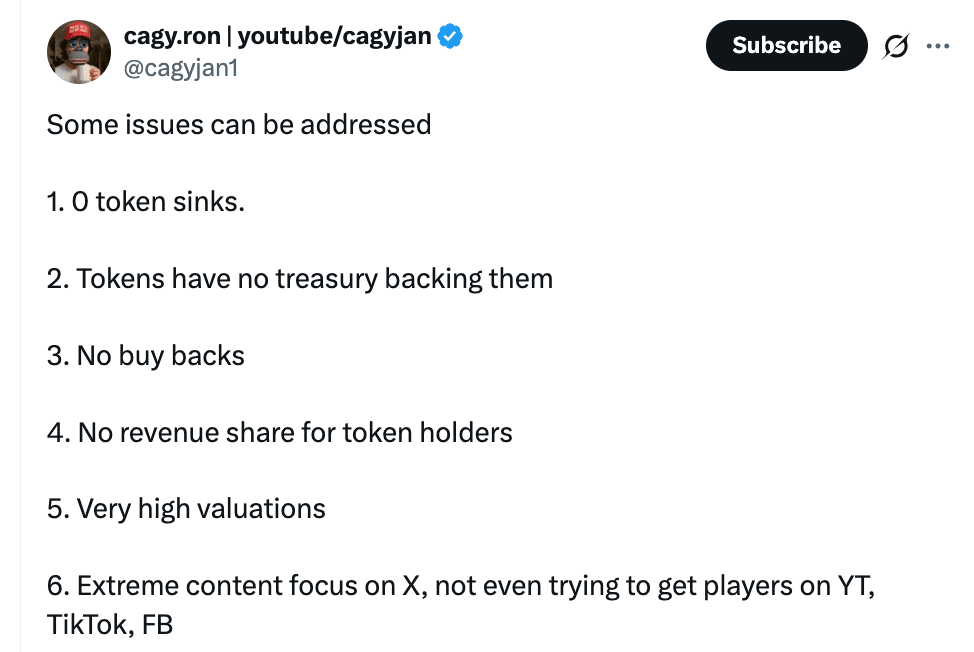
Other commentators focus on the structural issues that can undermine gaming token economies. Cagy of Juice Gaming identifies several recurring weaknesses, including the absence of effective token sinks, the lack of a functioning treasury, no system for token buybacks, unrealistic valuations, and limited revenue models. He also points out that many projects rely too heavily on visibility through platforms like Twitter without building a more committed and active community.
Derek, from the game Fishing Frenzy, acknowledges that mechanisms like revenue generation and token buybacks contribute to sound fundamentals, but stresses that building trust and maintaining mindshare are equally important for long-term success. Without these, even financially sound projects may struggle to gain traction in the market.
Uphill Battle of Launching a Gaming Token
Use Cases and Economic Sustainability
Some critics argue that many gaming tokens are fundamentally flawed due to the absence of real use cases or network effects. Dad Mode highlights that most tokens lack utility and that gamers should not be positioned as investors. He points out that the design of token emissions alone cannot fix a system that does not offer real value. In his view, tokens should only be introduced into games that already have functional and sustainable systems in place.
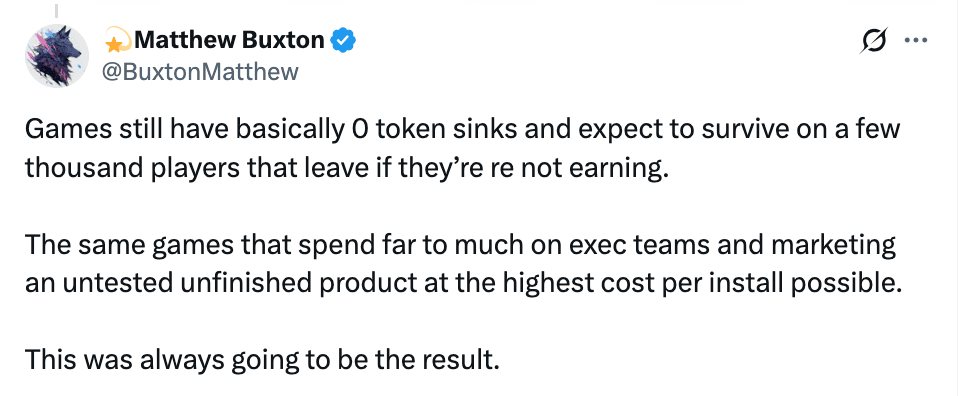
Matthew Buxton from WARP adds that many games still fail to implement token sinks, yet expect to maintain viability with a small number of incentivized users. This disconnect points to a broader issue in which the presence of a token does not automatically translate into a functional economy or engaged player base.
Uphill Battle of Launching a Gaming Token
Navigating the Complexities of TGEs
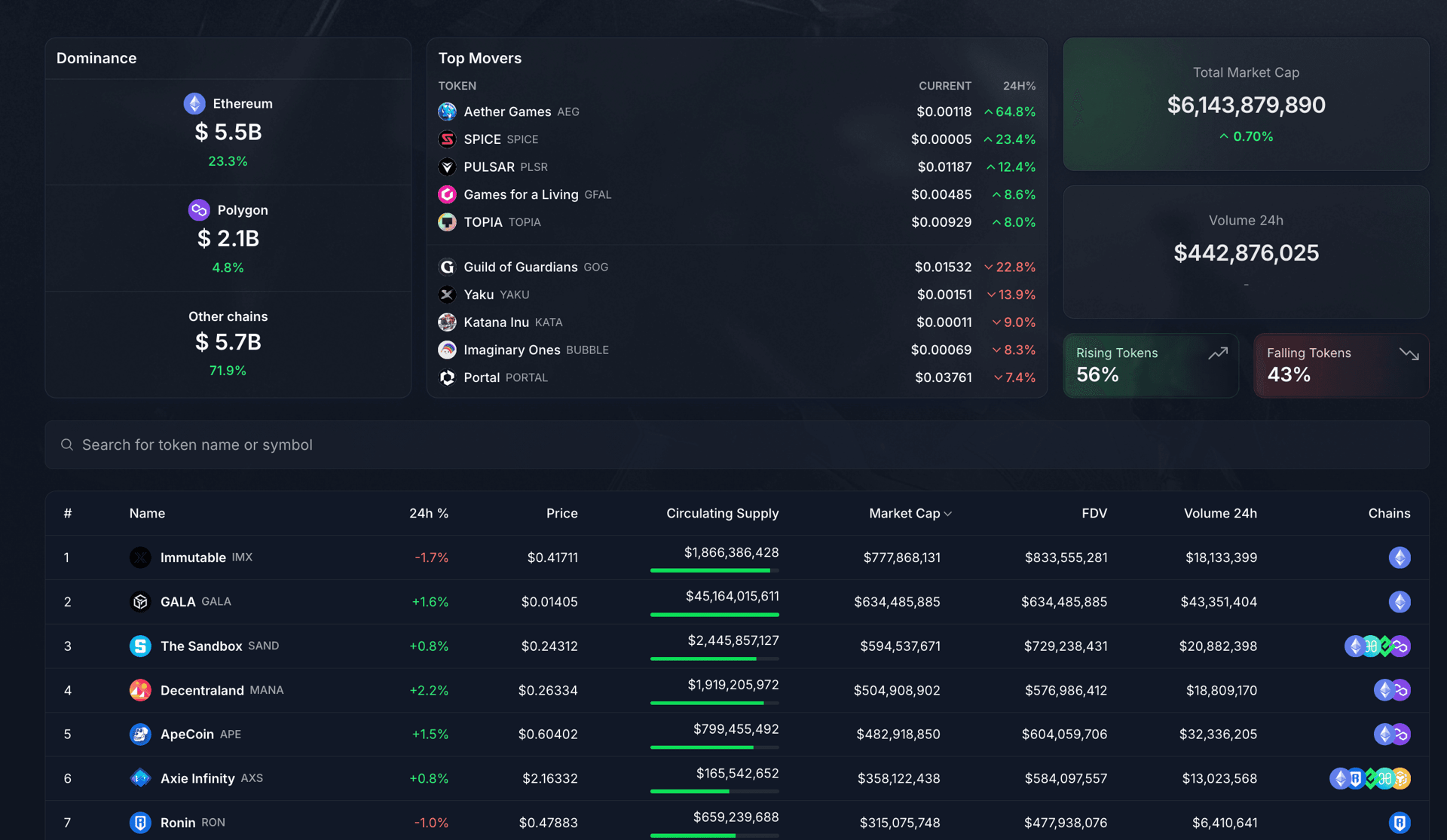
The broader conversation around Token Generation Events (TGEs) reveals a number of shared concerns. These include difficulties in distribution, the need for well-aligned incentives, marketing challenges, and the requirement for strong fundamentals. Although the challenges are significant, they are not viewed as insurmountable. For developers and teams willing to address these issues with careful planning and a focus on long-term value, the path to launching a successful gaming token remains open, albeit demanding. To stay up to date, you should check out our Analytics page here.
Uphill Battle of Launching a Gaming Token
Final Thoughts
As the web3 gaming space continues to evolve, it is clear that thoughtful design, patience, and a strong understanding of both game development and crypto dynamics are essential for building systems that can withstand market pressures and deliver lasting value. Here are all the people mentioned:
- The Mystery Society (Chris Heatherly)
- Treeverse (Loopify)
- KGeN (Manish)
- Juice Gaming (Cagy)
- Fishing Frenzy (Derek)
- WARP (Matthew Buxton)