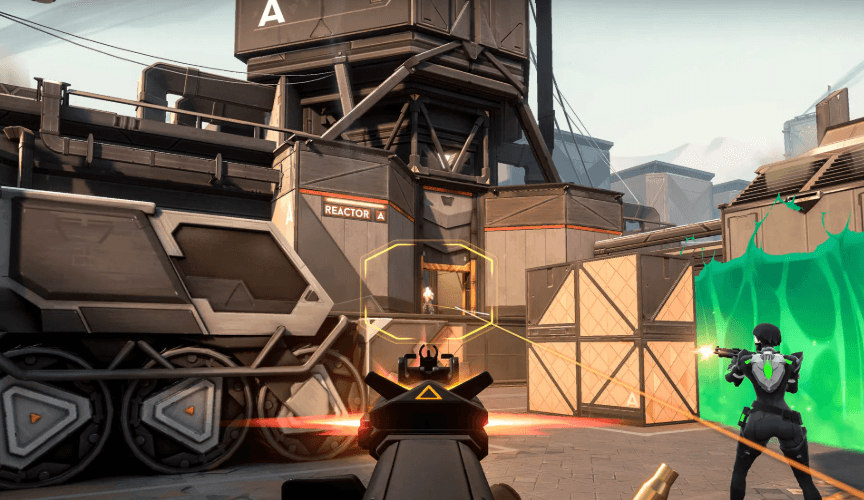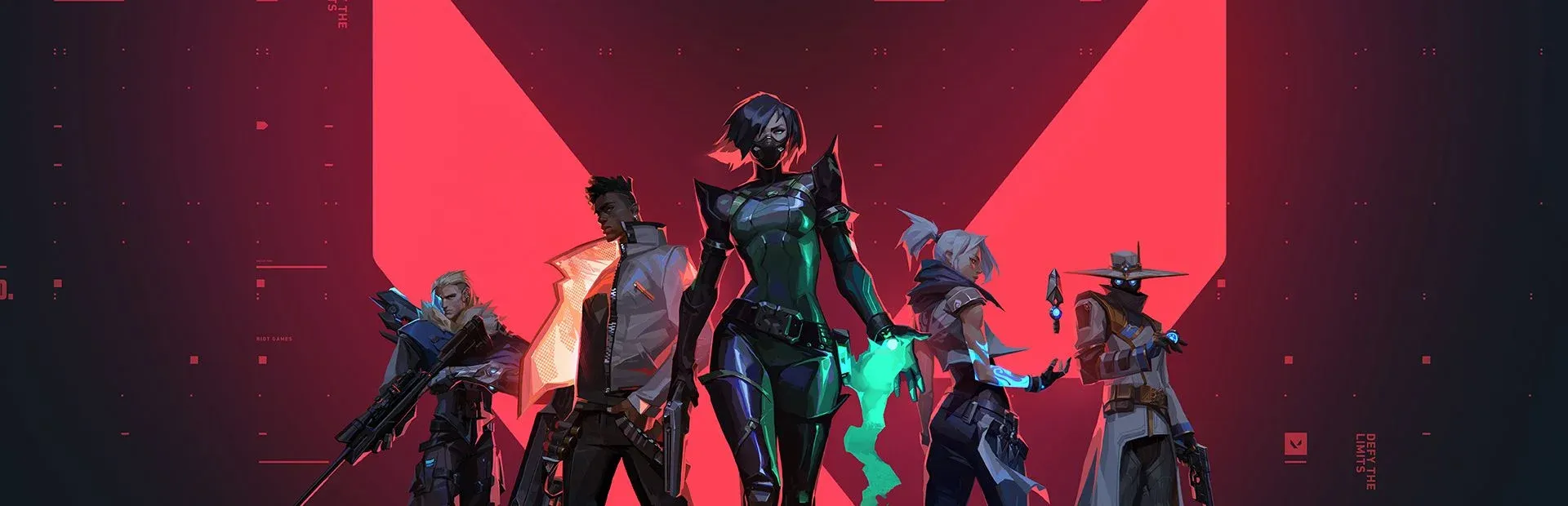


Picture a classroom where the lesson plan involves spike defusals, agent compositions, and economy management. That is exactly what a growing number of schools are experimenting with as they bring Valorant into structured educational programs, using Riot's tactical shooter as a live framework for teaching communication, critical thinking, and team dynamics.
Why a 5v5 shooter makes sense in a classroom
Here's the thing: Valorant was never designed to be an educational tool, but its core mechanics almost accidentally map onto the skills educators spend years trying to teach. Every round demands that five players coordinate roles, share information under pressure, adapt plans mid-execution, and trust teammates to hold their assignments. That is not just good game design. That is a structured exercise in collaborative problem-solving.
The game's agent system forces players to think about specialization and interdependence. You cannot run five Duelists and expect to win. Controllers set smokes, Sentinels lock flanks, Initiators gather intel, and Duelists take the fights. Each role has a defined responsibility, and when one player fails theirs, the whole team feels it. Educators see that structure as a direct parallel to group project dynamics, workplace teams, and leadership development.
From esports clubs to actual lesson plans
The shift from after-school esports clubs to in-curriculum use marks a meaningful change in how schools treat competitive gaming. Esports programs have existed in secondary schools and universities for years, but those were largely extracurricular. What is emerging now is different: teachers actively building lesson objectives around what happens during a match.
Some programs focus on the pre-game planning phase, asking students to draft agent compositions and explain their strategic reasoning before a single round is played. Others debrief after matches, reviewing communication breakdowns and decision-making the same way a sports coach would break down game film. The game becomes less about winning and more about the process that leads to winning.
Strategic thinking is the other major angle. Valorant maps have fixed attack and defense structures, forcing teams to read rotations, manage utility timing, and adjust when a strategy stops working. Those are transferable analytical skills, and they are much easier to teach when students are genuinely invested in the outcome.
What most players miss about the educational argument
Skeptics tend to focus on the violence or the competitive toxicity that can surface in ranked play, and those are fair concerns in a school context. The key here is that schools running these programs are not dropping students into public matchmaking. Controlled environments, private lobbies, and structured observation change the dynamic entirely.
The communication requirement is also harder to dismiss than it looks. Valorant punishes silence. A team that does not call out positions, relay ability status, or signal when a strategy needs to change will lose to a team that does, almost every time. That creates a natural incentive for students who might tune out traditional group work to actually engage, because the feedback is immediate and concrete.
For students already putting hours into the game outside school, having that time recognized as something with real skill development attached to it carries its own motivational weight.
The practical side for students and educators
If you are a student or educator looking to understand the game's structure before bringing it into a learning environment, the Valorant beginner's guide covering agents, aim, and economy breaks down exactly how the core systems work and why each one matters. Understanding the economy layer alone, where teams make collective decisions about buying or saving each round, is a lesson in resource management and group consensus.
The agent tier list question also comes up in classroom settings, since students naturally want to know which picks give their team the best foundation. Knowing which agents are currently strongest in structured play helps teams build balanced compositions rather than defaulting to whoever looks coolest. The Valorant agent tier list for ranked play is a useful reference point for that conversation.
Schools adopting Valorant as a teaching tool are still in early stages, and there is no standardized curriculum yet. But the direction is clear: structured competitive games with deep team mechanics are earning a legitimate place in education, and Valorant's design makes it one of the more natural fits for that experiment.