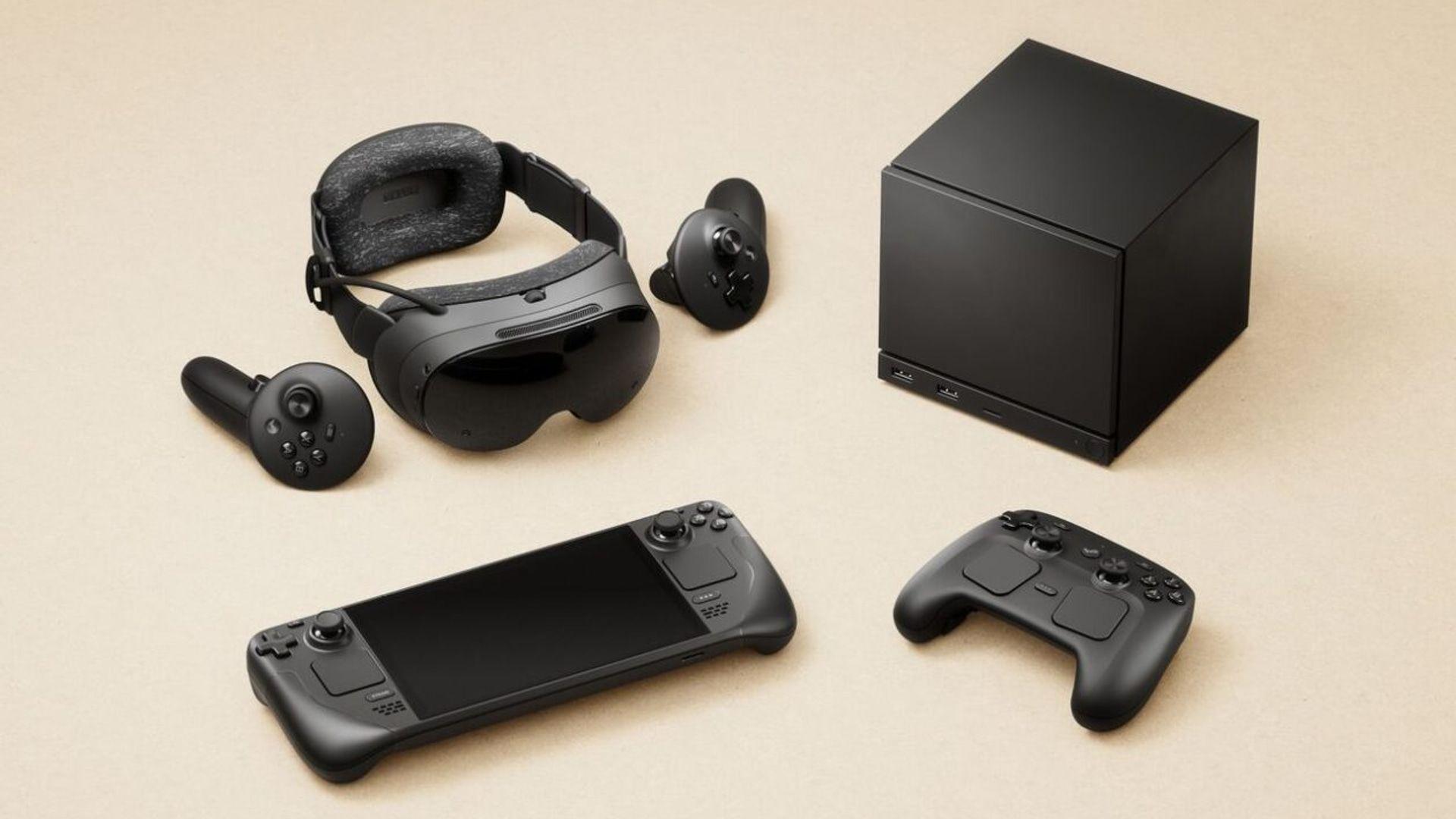


Valve has confirmed that its upcoming hardware lineup — the Steam Machine, Frame, and a new Controller — will miss the early 2026 launch window. The culprit is a global shortage of memory and storage components, driven largely by AI datacenter demand consuming supply that would otherwise go to consumer electronics.
This isn't about GPUs or CPUs being scarce. RAM and storage are the bottleneck now, and it's hitting harder than most people realize. High-bandwidth memory and high-capacity SSDs are being funneled into AI infrastructure at a scale that leaves gaming hardware manufacturers scrambling for scraps.

Use code TRYHARD33 at checkout to redeem this offer before code expires again.
Get 33% Off GAMES+ Subscription
Why the shortage matters for Valve's plans
Valve's statement makes it clear: the components they need aren't just expensive right now — they're genuinely difficult to source in the quantities required for mass production. For something like the Steam Machine, which needs to hit a specific price-to-performance ratio to make sense as a console alternative, paying inflated prices or accepting limited stock isn't viable.
The Steam Machine is designed as a streamlined PC gaming experience with console-like simplicity. The Frame appears to be a more modular or advanced system. Both require specific RAM and storage configurations to deliver on their promises. Without stable component availability, Valve can't guarantee consistent builds or reasonable pricing.
What this delay actually means
If you were waiting for Valve's next hardware drop, you're waiting longer. No revised launch date has been announced. What's less obvious is that these delays often signal pricing pressure down the line. When core components become scarce, manufacturing costs rise, and those costs eventually land on the consumer.
Valve has earned some goodwill here. The Steam Deck proved they can ship quality hardware at competitive prices. The original Steam Controller had its fans despite mixed reception. Delaying rather than launching with limited stock or inflated prices suggests they're prioritizing a stable rollout over hitting arbitrary deadlines.
The AI datacenter factor
AI infrastructure is eating the component market alive. Datacenters need massive amounts of high-bandwidth memory and enterprise-grade SSDs to run large-scale models and process data at speed. Semiconductor manufacturers have shifted production priorities to meet that demand, and consumer electronics are feeling the squeeze.
This isn't the first time gaming hardware has been caught in a supply crunch. GPU shortages dominated the conversation not long ago. But the current situation is different because it's hitting foundational components that every device needs, not just high-end graphics cards. When AI demand pulls memory and storage supply, it affects everything from gaming PCs to consoles to Valve's hardware ambitions.
Make sure to check out our articles about top games to play in 2026:
Best Nintendo Switch Games for 2026
Best First-Person Shooters for 2026
Best PlayStation Indie Games for 2026
Best Multiplayer Games for 2026
Most Anticipated Games of 2026
Top Game Releases for January 2026
Frequently Asked Questions (FAQs)
Which Valve hardware products are delayed? The Steam Machine, Frame, and a new Controller are all impacted by the delays.
What is causing the delays for Valve's hardware? The primary cause is a shortage of critical components like memory (RAM) and storage, largely due to high demand from AI datacenters.
When can players expect the new Valve hardware to launch? An updated launch timeline has not yet been provided, but the early 2026 target has been missed due to these component issues.