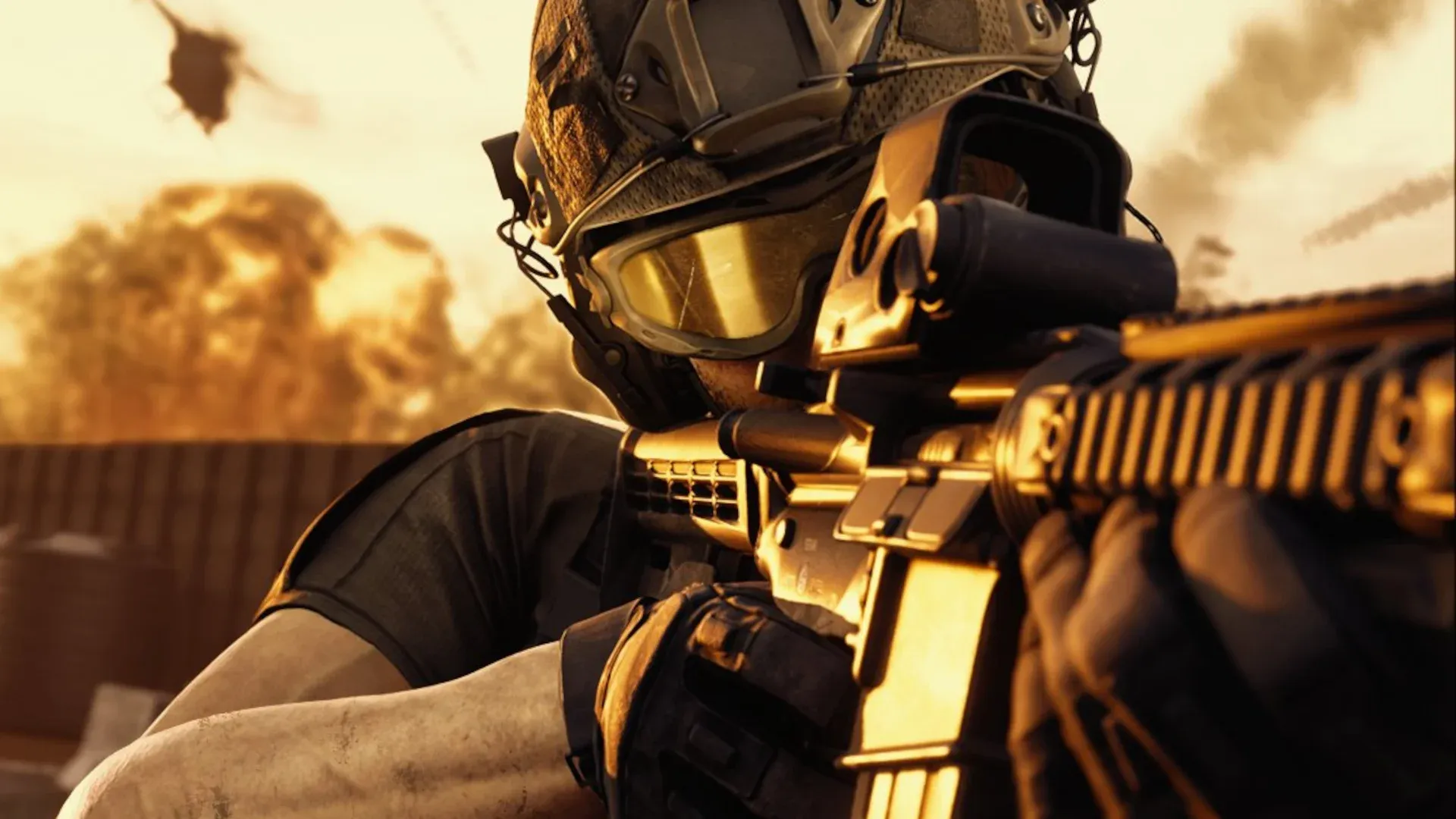


Most studios spend months crafting the perfect hype reel. Bulkhead Interactive went the other way. The developer behind the upcoming large-scale hardcore FPS Wardogs dropped a video titled "10 Reasons NOT to Buy" and, somehow, it sent the game shooting up Steam's top-seller charts.
The game launches into Steam Early Access on September 10, priced at $40. That price will climb through development, landing at $60 by the full release. Bulkhead's message to anyone who thinks that's steep: “If the price sounds too high for an early-access game, please don't buy it yet.”
Use code TRYHARD33 at checkout to redeem this offer before code expires again.
Get 33% Off GAMES+ Subscription
What Bulkhead actually admitted
Here's the lowdown on all 10 points Bulkhead laid out, and a few of them deserve more than a quick mention.
The full list:
- Lack of early-access content
- Early-access pricing
- Player count will decline
- Monetization
- Performance and visuals
- Shifting early-access priorities
- Battalion: 1944
- VOIP
- Controller support
- Decisions and consequences
Some of these are standard early-access caveats. Sparse content at launch, a high price point, and the near-certainty that player numbers will dip after the initial surge are things most studios quietly hope you won't notice. Bulkhead put them in a numbered list.
The monetization point is genuinely interesting. Wardogs has no battle pass, no paid skins, and no in-game currency right now, and Bulkhead says it won't monetize the game during Early Access at all. Weapon camos will need to be earned through play, not purchased. The studio acknowledged that some form of monetization will eventually exist to fund continued development, but framed it as a years-away conversation. "It might seem strange to be talking about monetization years down the line, but we want you to be able to buy in knowing what you're buying into long term," the studio said.
The Battalion: 1944 problem
The hardest point on the list is point seven: Battalion: 1944. Bulkhead's previous shooter, a 5v5 Call of Duty-inspired competitive FPS, peaked at somewhere between 50 and 200 concurrent players and effectively died on arrival. The studio eventually offered full refunds to players and returned funds to Kickstarter backers, surviving only through work-for-hire contracts.
That's a rough track record to own publicly. But Bulkhead leaned into it rather than glossing over it. "It's these lessons and scars from Battalion that Wardogs has been built upon," the studio said. "If you still don't trust our studio because of Battalion: 1944, don't rush to buy Wardogs."
That kind of transparency is rare enough that it actually lands.
Why this is a harder sell than it looks
Wardogs is drawing comparisons to Arma in terms of scale and philosophy. The "Decisions and Consequences" point on Bulkhead's list refers to the game's milsim-style death system: when you die, you trek back to the frontlines and rebuy your lost gear. There's no instant respawn, no forgiving checkpoint. The studio put it bluntly: "If you're running in like you're playing Call of Duty or Battlefield, you will likely die to someone playing more cautiously."
That's a self-selecting audience, which is exactly the point. Bulkhead isn't trying to sell Wardogs to everyone. It's trying to find the players who will actually stick with it.
What most players miss in marketing like this is that it doubles as a filtering mechanism. By flagging controller support gaps, VOIP limitations, and the risk of shifting early-access priorities, Bulkhead is actively discouraging the wrong audience from buying in and then leaving a trail of negative reviews.
Climbing despite the warnings
None of it slowed the momentum. Wardogs climbed Steam's top-seller charts in the days following the video's release, which tells you something about how tired players are of polished, evasive marketing.
The approach mirrors what works in other corners of the gaming space. When developers are straight about what their game is and isn't, communities tend to form around that honesty rather than fracturing when reality doesn't match the trailer. If you want a frame of reference for how much meta-knowledge matters in a game like this, check out the Deadlock character tier list for an example of how deep community understanding shapes a game's staying power.
Bulkhead has set a high bar for itself with this campaign. September 10 will show whether the game lives up to the honesty of its marketing. For more coverage of shooters and early-access releases, the gaming guides hub is worth bookmarking ahead of launch.
If you're already planning to jump in and want to avoid the frustration of performance issues on day one, the lessons from our Killer Bean performance fix guide apply broadly to any early-access shooter running on a new engine build.