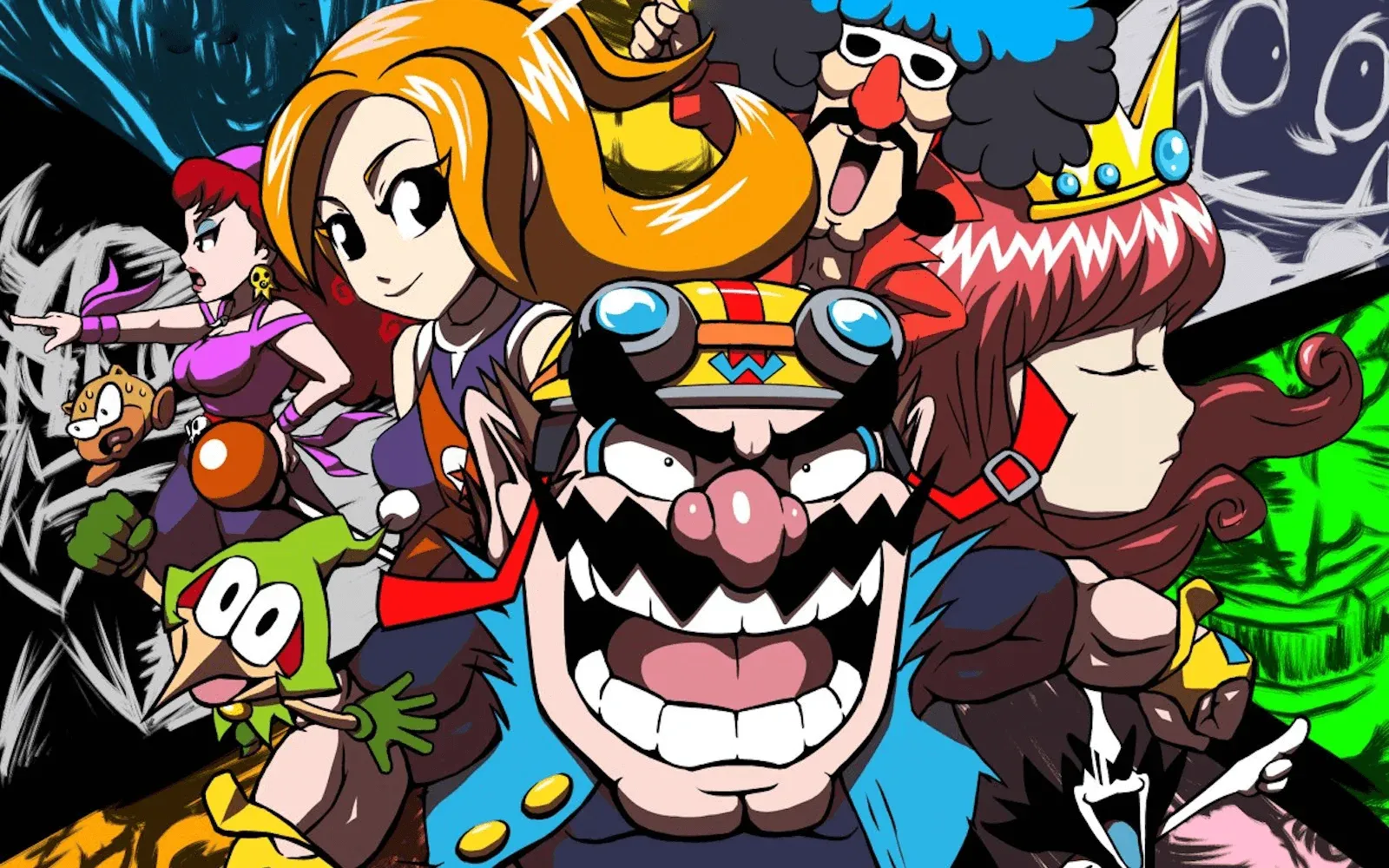


Ko Takeuchi, the director best known for shaping the WarioWare series into one of Nintendo's most distinctive franchises, has opened up about how his creative outlook shifted after leaving the company. The candid reflections offer a rare window into what it actually feels like to step away from one of gaming's most structured and secretive development environments.
For anyone who grew up blasting through five-second microgames on a Game Boy Advance, this is the kind of behind-the-scenes context that reframes everything.

Use code TRYHARD33 at checkout to redeem this offer before code expires again.
Get 33% Off GAMES+ Subscription
What Nintendo's structure actually felt like from the inside
Takeuchi described Nintendo's internal development culture as one built on deep layers of approval and collaborative refinement. Here's the thing: that process produces some of the most polished games in the industry, but it also means individual creative instincts get filtered through a lot of institutional oversight before anything ships.
The WarioWare series always felt like an outlier inside Nintendo's lineup, a chaotic, absurdist collection of games that seemed to run on pure creative energy. What most players miss is how much of that energy was still being channeled through Nintendo's standard development pipeline, with all the constraints that implies.
After departing, Takeuchi noted that decisions which once required extensive sign-off could now happen faster. The feedback loops shortened. Concepts that might have been shelved or reworked extensively could be prototyped and tested without the same institutional weight behind every choice.
Freedom changes what you make, and how fast
The key here is that this isn't a story about Nintendo being restrictive in a negative sense. Takeuchi's comments weren't a criticism of his former employer. The structure at Nintendo exists because it consistently produces work that holds up. But working outside it revealed something different: a different relationship with risk.
Independent or smaller-scale development means shipping something imperfect is a real option. At Nintendo, the bar for what leaves the building is extraordinarily high, which shapes how you think about every decision from day one. That shift in mindset, from "this must be perfect" to "this must be interesting," changes the texture of what gets made.
For players, this matters because it signals what kind of work might come from Takeuchi next. Developers who leave major studios after long tenures often produce their most personal work in the years immediately after, freed from the expectations that come with a major IP.
What this means for players watching from the outside
Stories like this one are worth paying attention to beyond the nostalgia angle. The gaming industry loses experienced creative leads to burnout, restructuring, and studio closures at a pace that rarely slows down. When someone with Takeuchi's track record reflects publicly on what changed after leaving a major platform holder, it's a data point about how institutional game development actually works versus how it's often described in marketing materials.
The WarioWare series continues at Nintendo without him, but the creative DNA he helped build into those games is now floating free, potentially informing whatever comes next from his direction. Given how much personality the series carried, that's worth watching.
If you want to stay across developer stories, studio moves, and the games that come out of them, the gaming guides hub is a good place to keep tabs on what's worth your time, including deep dives on titles from developers making similar transitions. For a taste of games built around sharp, distinctive design philosophies, the Undead Blocks beginner strategies and survival guide is worth a look, and the Illuvium Overworld guide covers another title where creative vision drives the whole experience.