In the world of blockchain-powered gaming, crypto gaming guilds have emerged as a powerful community structure. These decentralized organizations bring together players, enthusiasts, and developers under a shared banner, built on the foundation of decentralized autonomous organizations (DAOs).
Crypto gaming guilds tackle one of GameFi's biggest problems: the steep entry cost that keeps new players out. By pooling resources and creating systems for collective ownership, guilds lower the barrier to entry while building tight-knit communities around blockchain games.
Here's how crypto gaming guilds work, what they do for the GameFi ecosystem, and why they matter for the future of blockchain gaming.

What is a crypto gaming guild?
A crypto gaming guild is a decentralized community where players, fans, and developers collaborate to play games and share resources. The rise of high-quality blockchain games has driven massive interest in GameFi, which blends gameplay with real financial incentives.
The play-to-earn model has proven successful, but it creates a problem: new players need to buy in-game assets before they can even start playing. That upfront cost keeps people out. Guilds solve this by creating a system where newcomers can join the ecosystem without spending hundreds of dollars first, while the guild itself expands its footprint across GameFi.
Crypto gaming guilds exist to help new players clear these financial hurdles. The result is a mutually beneficial setup where players get access to games they couldn't afford on their own, and guilds grow their influence across the blockchain gaming landscape.
How crypto gaming guilds operate
Crypto gaming guilds function as decentralized organizations, typically structured as DAOs where members vote on decisions collectively. Funding comes from member contributions and revenue generated through gameplay and other ecosystem activities.
New players access NFT assets like characters or items by renting from other members or borrowing from the guild's treasury. This gives them a way into the game and lets them start earning rewards immediately.
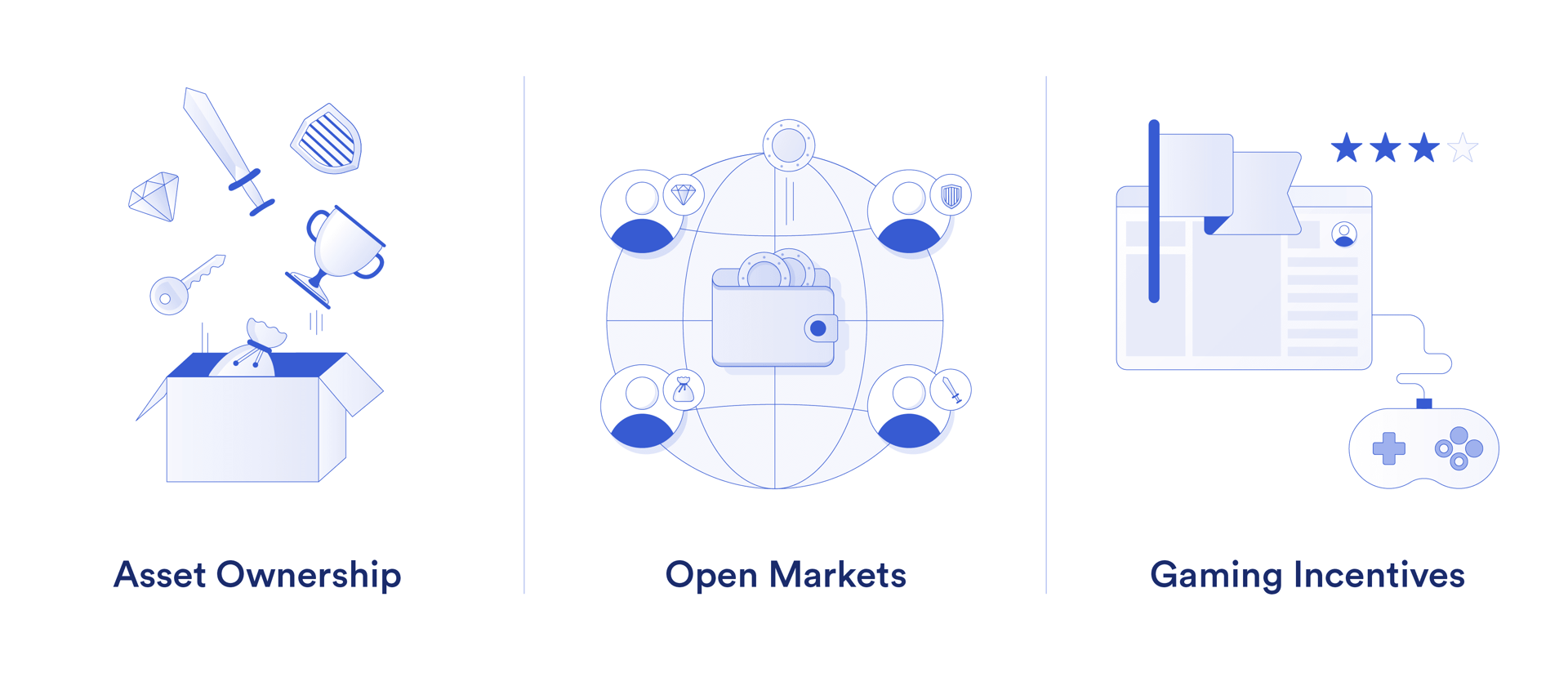
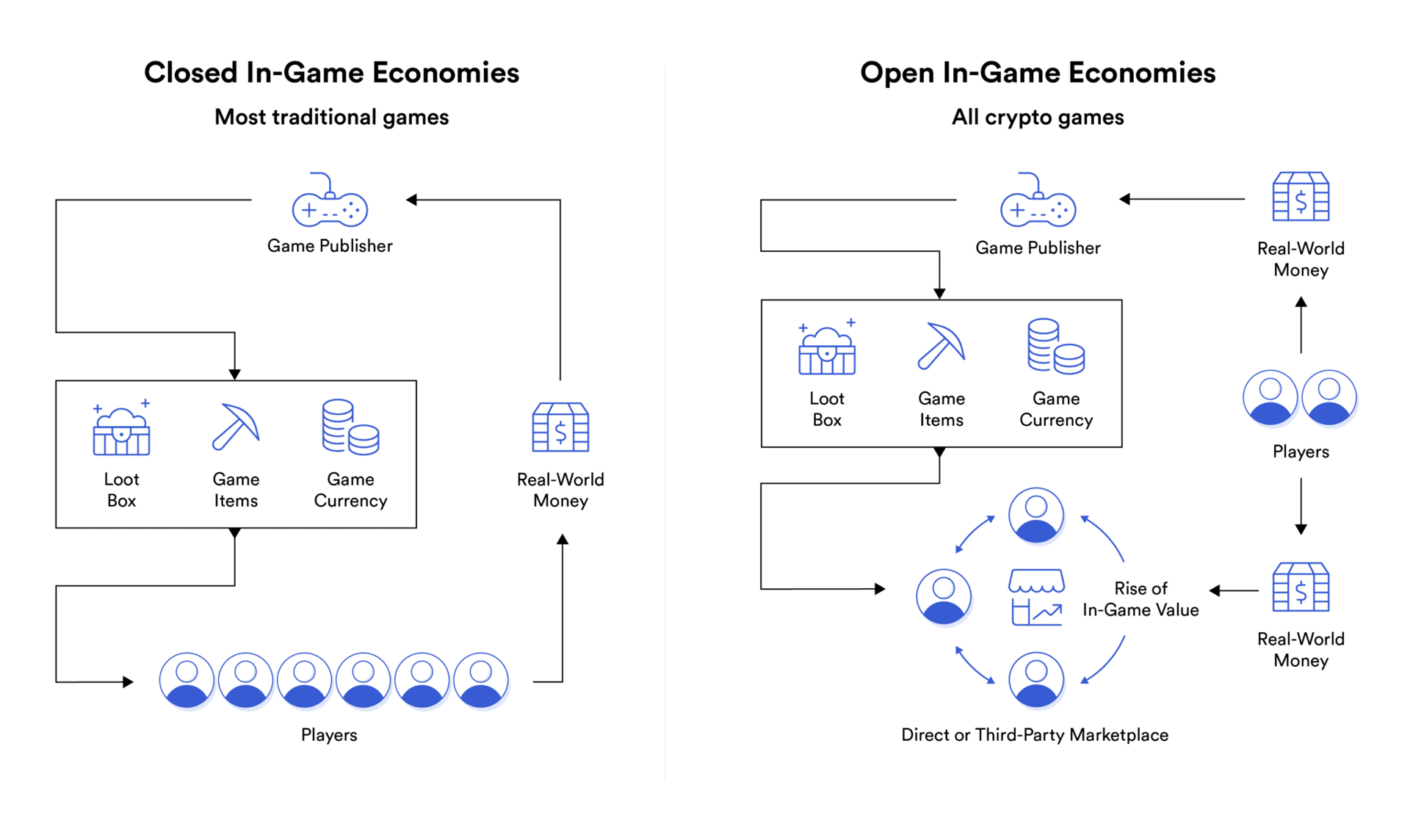
Traditional gaming guilds and clans have existed for decades, but crypto gaming guilds operate differently because of blockchain's open economies. Ownership isn't something the developer grants or revokes at will. It's a fundamental property of the game itself, which creates a stronger sense of collective ownership than any traditional guild could achieve.
Scholarship programs in crypto gaming guilds
One of the defining features of crypto gaming guilds is the scholarship program. These programs onboard new players by lending them the NFT assets they need to start playing. The concept originated in early play-to-earn games like Axie Infinity, where the cost of buying three starter creatures became prohibitively expensive.
Guilds provide the assets. Players use them to earn rewards. Then players share a percentage of those rewards with the guild. It's a straightforward arrangement that removes the financial barrier for new players while expanding the guild's reach in GameFi.
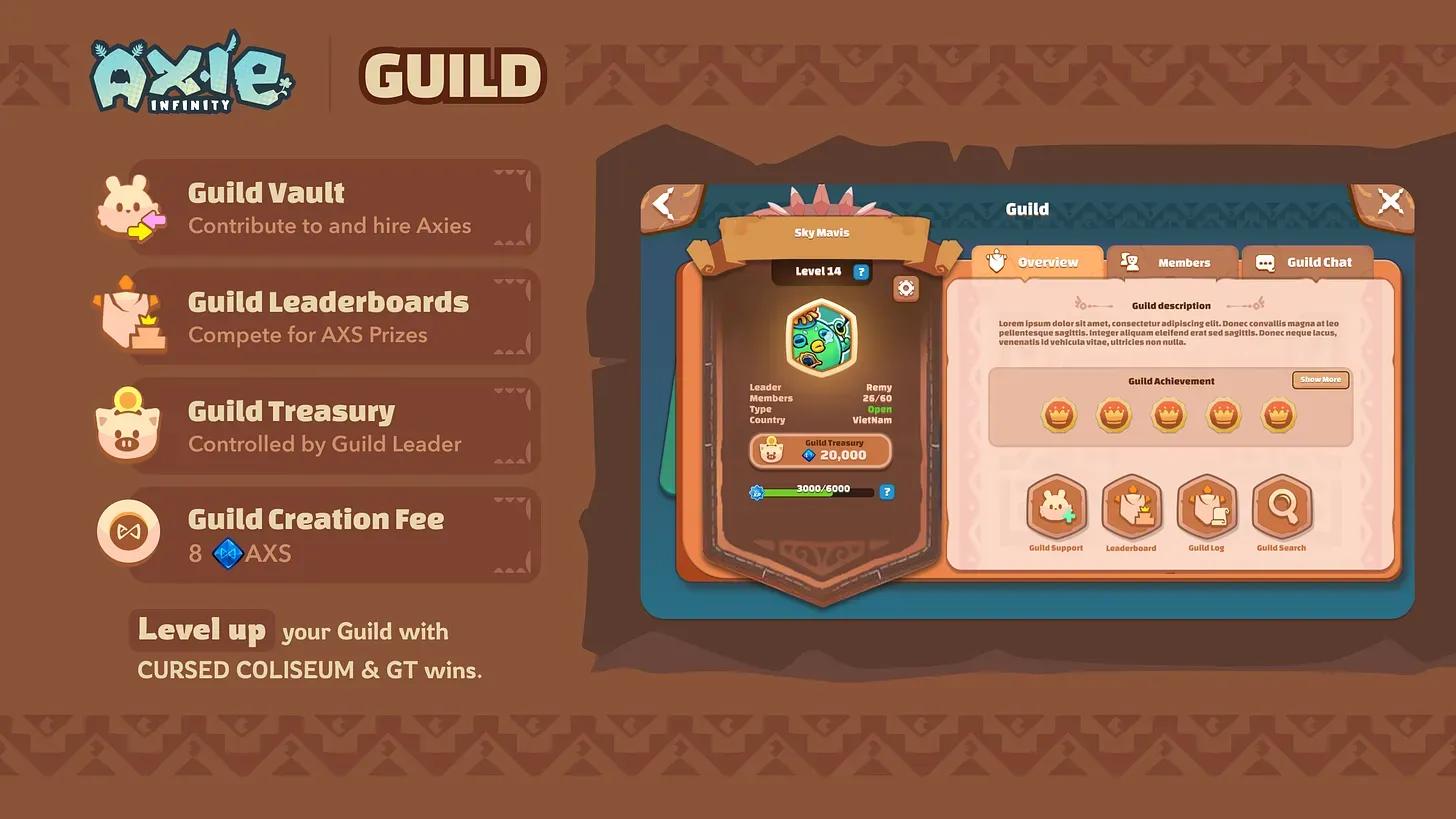
Axie Infinity remains one of the most popular examples of this model. The game recently launched Axie Infinity Classic Guilds, marking a new chapter in its play-to-earn ecosystem. You can read more about that here.
The role of guilds in the crypto space
Guilds do more than just run scholarship programs. They organize communities, facilitate strategy sharing, and create spaces for collaborative play. This builds tight-knit groups within web3 gaming and supports the economic sustainability of blockchain games. Large guilds can even influence development decisions by providing direct player feedback to developers.
Guilds also act as quality filters for GameFi projects. By vetting games before promoting them to members, guilds protect players from scams and low-quality projects. This due diligence helps drive growth and adoption across the blockchain gaming industry.
Beyond that, crypto gaming guilds serve as educational hubs. They teach new players how to set up wallets, manage assets, and transfer funds between chains.
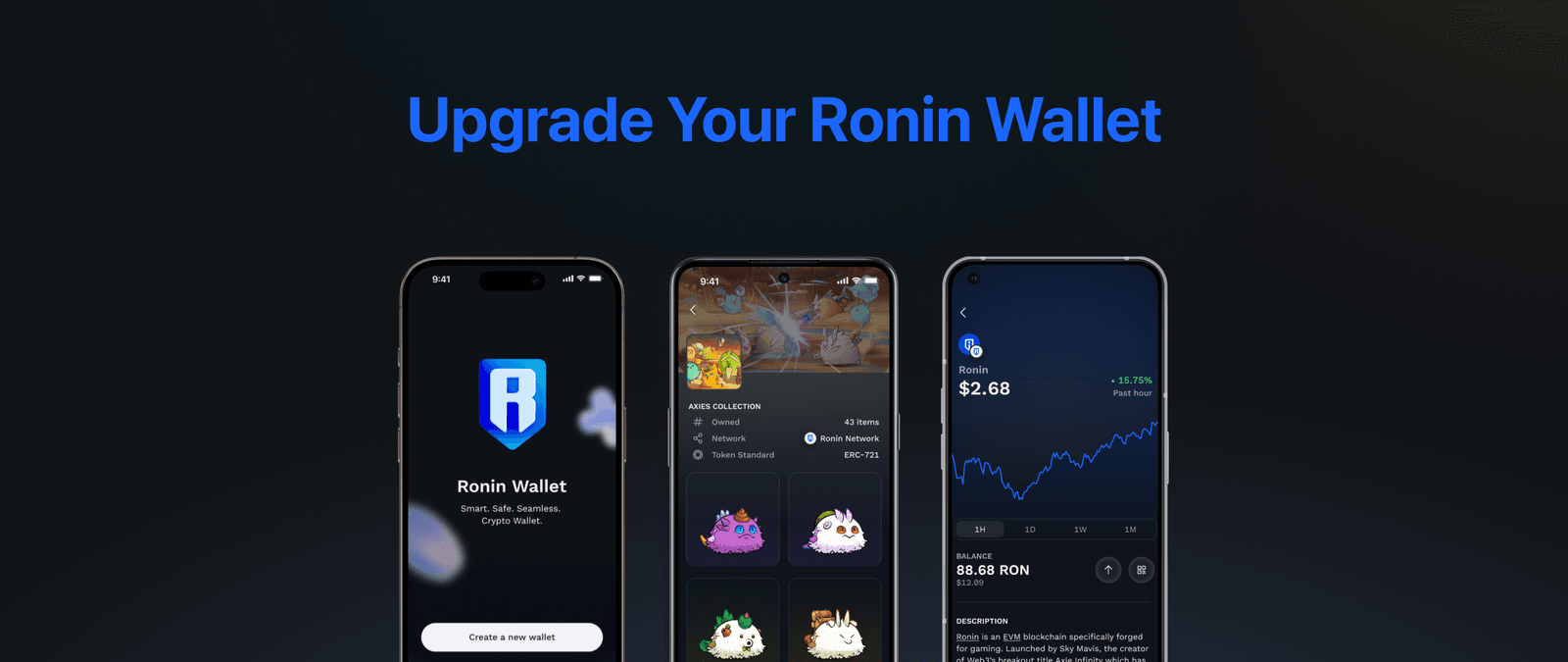
The Ronin Wallet recently received a major upgrade with enhanced security, multi-chain support, and a redesigned interface. This update represents a significant step forward for gaming wallets. You can read more about that here.
Profit sharing in crypto gaming guilds
Most gaming guilds use profit-sharing systems to incentivize participation. Revenue from in-game activities and other ventures gets distributed among members based on their contributions. Contributions can include purchased tokens, NFT assets, time spent playing, or specific in-game achievements.
Some guilds use tiered systems that reward more active or higher-contributing members. The structure resembles equity distribution in early-stage startups, where those who contribute more early on receive a larger share of future returns.
Final thoughts
The future of GameFi and crypto gaming guilds
Gaming is the world's largest entertainment industry. As blockchain gaming continues to grow, crypto gaming guilds will play a central role in driving adoption. They highlight the best games, build communities, and increase overall participation in GameFi.
For more information on crypto gaming guilds and their role in the blockchain gaming ecosystem, visit this resource.