


Use code TRYHARD33 at checkout to redeem this offer before code expires again.
Get 33% Off GAMES+ Subscription
A year of updates wasn't enough to turn the tide
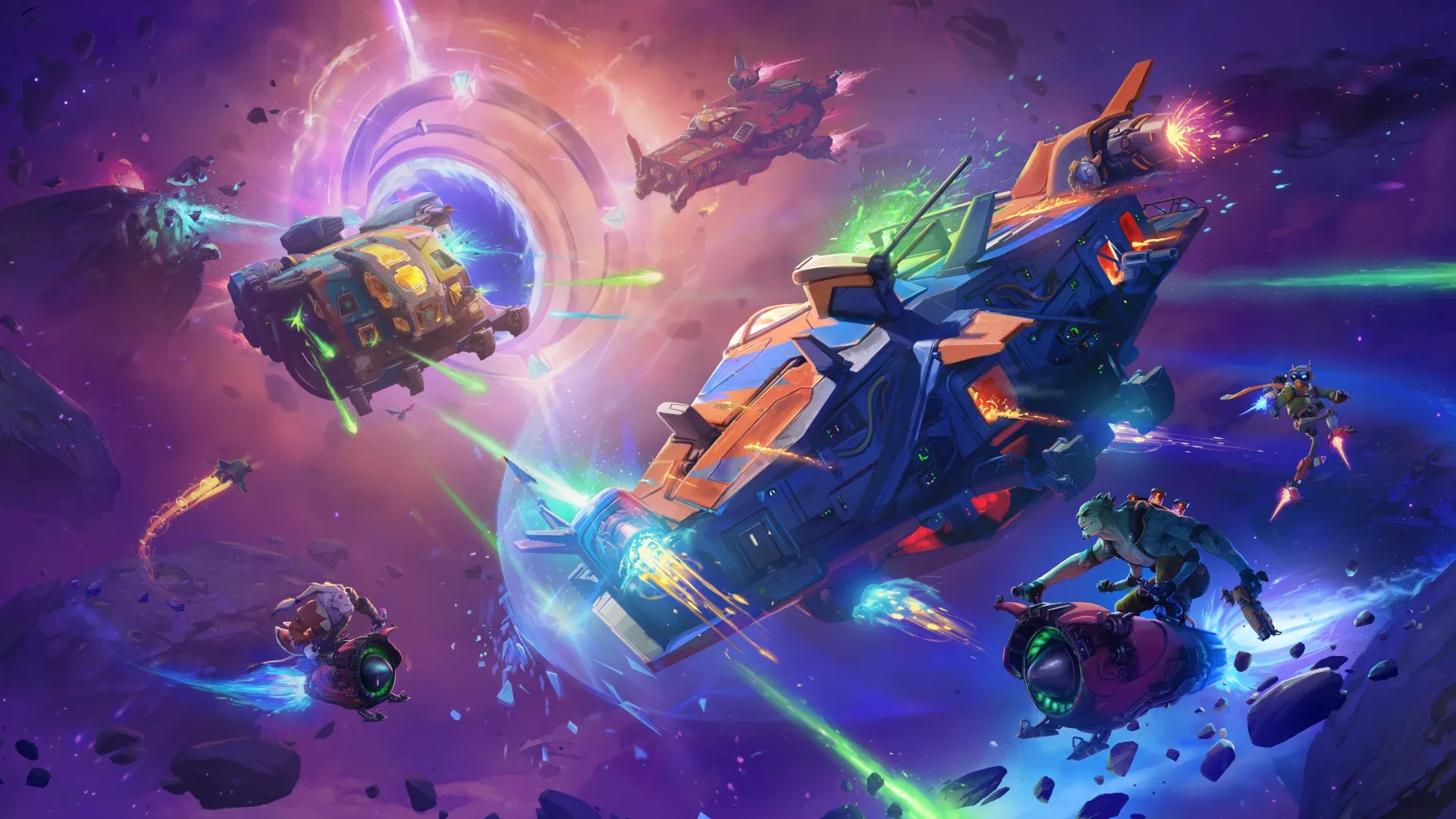
Wildgate launched with a genuinely interesting hook: a PvPvE spaceship shooter that blended crew-based combat with scavenging, exploration, and the kind of emergent chaos that makes multiplayer games worth talking about. For a while, it felt like it might carve out a real niche. It didn't.
Game director Dustin Browder posted a Steam update confirming that Moonshot Games has officially pulled back from active development on Wildgate. The reason is blunt: "Wildgate hasn't found a large enough audience to sustain ongoing development." One year after launch, the game ran out of runway.
The studio tried. After a mixed initial reception, Moonshot pushed out multiple updates, added PvE-focused modes to broaden the appeal, and even released a free trial version to lower the barrier to entry. Player counts on Steam climbed briefly after each update, then faded again. The audience never stabilized at a level that could justify a full development team.
What the final update actually includes
Browder framed the upcoming July patch as the game's "last big patch for a while," which is a careful way of saying it's the last one, full stop. The update is designed to leave Wildgate in a playable, reasonably polished state rather than just going dark.
Here's what the final patch covers:
- Additional information on game modes to help new and returning players get oriented faster
- Expanded player-controlled options for custom modes
- New sprays and items added to the in-game store
- Balance changes and bug fixes across the board
After the patch drops, a small core team will monitor servers, but community management and player support will be scaled back significantly. The official Wildgate Discord is being handed over to community members to run.
No layoffs, but the team is moving on
The question everyone has after an announcement like this is what happens to the people who made the game. Moonshot addressed it directly: no layoffs are planned. Team members are transitioning off Wildgate onto new projects, which the studio isn't ready to discuss yet.
"All of us at Moonshot put a lot of love into Wildgate as well as the community that has formed around it," a studio spokesperson said. "The core Wildgate team will continue to spend some time reviewing issues and supporting the game long-term."
That's a better outcome than most games in this position get. The multiplayer shooter graveyard fills up fast, and studios rarely come out the other side intact.
The harder truth about the multiplayer shooter market
Wildgate's situation isn't unique, and that's the part worth paying attention to. The game held a "mostly positive" rating on Steam throughout its life, which means the players who showed up generally liked what they found. The problem was that not enough players showed up, and the ones who did didn't stay long enough to build the kind of active population that keeps a multiplayer game breathing.
Here's the thing: a game can be genuinely good and still fail commercially in this genre. Wildgate's core concept, coordinating a crew across a ship mid-fight while managing resources and watching for enemy players, was creative and demanding in equal measure. The review consensus at launch reflected that tension directly. At its best, it told a complete story in a single match. At its worst, it left players adrift for 30 minutes without a clear objective, waiting for a more organized team to end their run.
That ceiling is hard to raise through patches alone. The PvE additions helped, but they couldn't replace the energy of a healthy player base.
If you're still playing Wildgate, the July patch is worth logging in for. And if you've been curious but haven't tried it, the game will still be there after the patch drops. For more spaceship and shooter coverage, browse the gaming guides to find what else is worth your time in the genre right now.