

"Is it fixable?" That was the first question Xbox CEO Asha Sharma asked Matthew Ball when he joined the company as chief strategy officer. Ball shared that detail publicly at The Game Business Live during Summer Game Fest, and it tells you everything about where Microsoft's gaming division stands right now.
Ball described himself as a "strategic optimist" and said he joined because he believed the turnaround was achievable, not just aspirational. He had follow-up conversations with Microsoft CEO Satya Nadella to validate the direction before committing. "We languished for several years," Ball said plainly, which is about as candid as you will hear from anyone in a senior executive role at a major platform holder.

Use code TRYHARD33 at checkout to redeem this offer before code expires again.
Get 33% Off GAMES+ Subscription
Game Pass bled millions of subscribers after the price jump
The numbers are not flattering. After Microsoft raised Game Pass prices by roughly 50% in October 2025, the service lost millions of subscribers over the span of just a few months. Ball acknowledged this directly, framing it as an expected consequence of a significant price increase.
Sharma's first move as CEO was to walk that back partially, cutting Game Pass Ultimate from $30 per month down to $23 per month. That is still higher than the $20 per month subscribers were paying before the original hike, and Ball was upfront about that gap. The value equation has also shifted: new Call of Duty titles no longer land on Game Pass day one, which was a major selling point when Microsoft acquired Activision Blizzard. Ball said the changes are so far "resonating" with users, though the subscriber base is still recovering.
Here's the thing: losing millions of subscribers in a few months is a real wound, and the path back requires more than a partial price rollback.
The exclusives message, still being worked out
At the Xbox Games Showcase, Microsoft announced two console exclusives: Gears of War: E-Day, arriving this October, and Clockwork Revolution, targeting 2027. Ball described these as the start of a "reliable pipeline" of Xbox-exclusive titles designed to validate players' investment in the platform.
The key here is the distinction Ball drew between console exclusives and live-service titles. Games like Call of Duty will remain multiplatform. Titles already announced for other platforms will still ship there, per existing agreements. But going forward, Xbox intends to build a slate of games that only land on Xbox hardware and PC.
Ball admitted Microsoft has not communicated this strategy clearly enough to either fans or partners, and more work remains on that front. The messaging around exclusives under Sharma has shifted enough times that the skepticism is earned.
For a deeper look at what Xbox's upcoming slate actually looks like, the gaming guides section has you covered on what to expect from both Gears of War: E-Day and Clockwork Revolution.
Project Helix is getting rethought under cost pressure
The AI boom is making next-gen hardware more expensive to build, and Ball did not sugarcoat it. "The crisis is not yet getting better," he said, adding that he previously underestimated how bad things might get. The window of elevated component costs could stretch 2 to 2.5 years by his estimate.
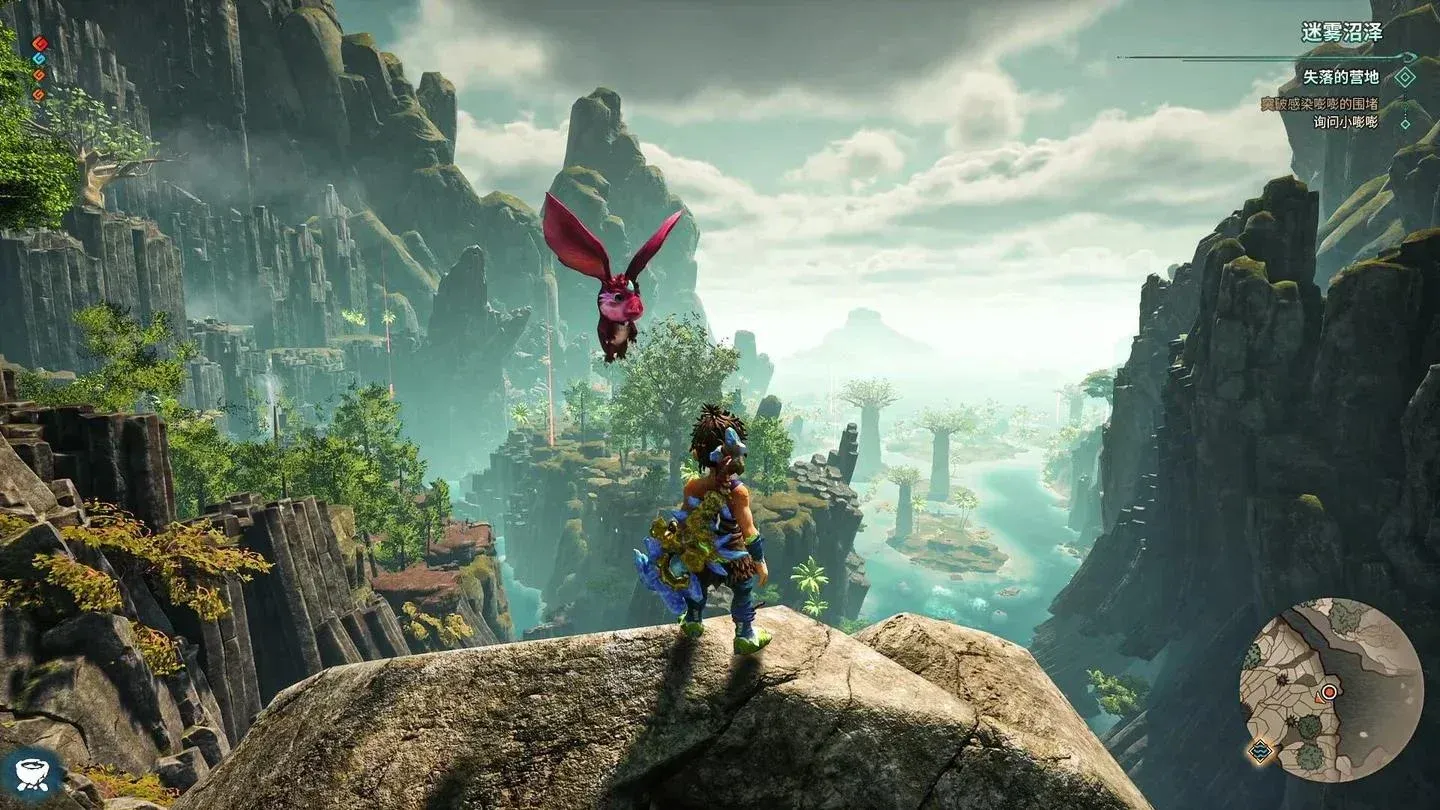
Project Helix cost concerns grow
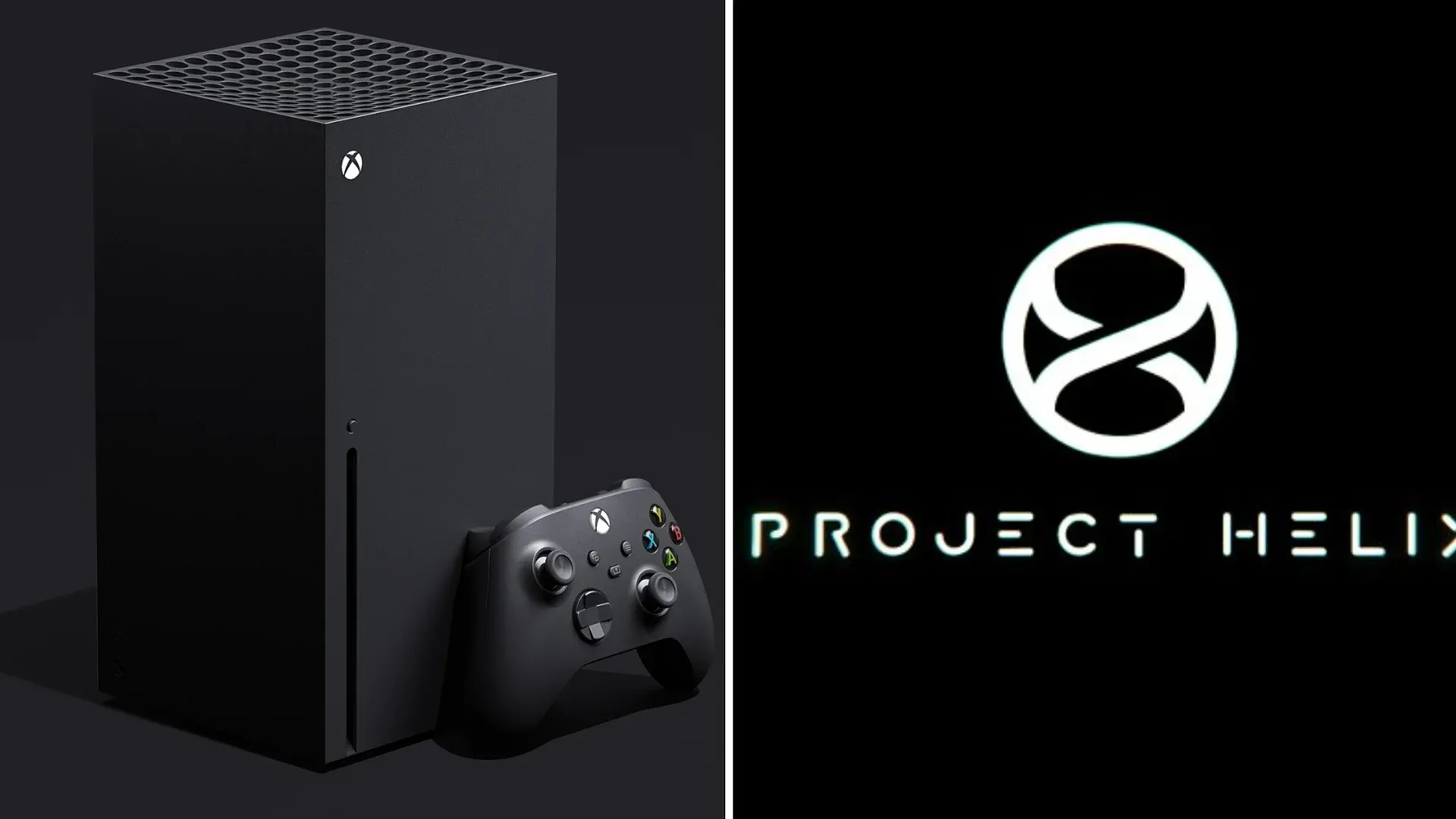
What that means for Project Helix, Microsoft's next console, is that the team is actively reworking the hardware model. Ball said they want it to be affordable and flexible, and that they are exploring what the console can look like "in an additive way" rather than cutting features outright. He also pushed back against the idea that Microsoft is retreating from hardware entirely: "We have no desire to move away from the console business."
Ball pointed out that tens of millions of people already spent $500 on an Xbox console, and Microsoft has an obligation to those players. That framing matters because it signals the company is not planning to strand its existing install base while figuring out what Helix becomes.
Demand for current Xbox consoles is apparently outpacing supply right now, which Ball framed as a positive signal even if it creates short-term frustration for buyers.
What this means for Xbox players
Microsoft is in a genuinely difficult spot: recovering a subscription service that took a hit, rebuilding trust around exclusives after years of inconsistent messaging, and navigating hardware costs that nobody in the industry fully controls. Ball's willingness to say "we languished" and "the crisis is not getting better" is either a sign of real transparency or very calculated expectation management. Probably both.
The two-year window Ball cited for component cost pressure means Project Helix pricing will be a live conversation for a while. Keep an eye on the game reviews section as Gears of War: E-Day approaches its October release date, because that game carries a lot of weight as the first major test of whether the new exclusives strategy actually lands with players.