
Xbox just became the only major gaming platform to grow year-on-year. That sounds like a win. Here's the thing: the full picture is a lot more complicated than that headline suggests.
The growth number that needs context
While PlayStation and Nintendo both saw their platform metrics contract over the past year, Xbox moved in the opposite direction. That makes it the sole platform in the current console generation to register positive year-on-year growth across the period. For a platform that spent much of the last hardware cycle playing catch-up on install base, that is genuinely notable.
But the catch is significant. That growth is not being driven by console hardware sales in any traditional sense. Xbox hardware numbers have remained modest compared to PlayStation 5 figures for years, and nothing in the current market suggests that gap has closed. The growth Microsoft is pointing to runs through Xbox Game Pass and the broader ecosystem strategy, not through boxes shifted at retail.
Game Pass is doing the heavy lifting
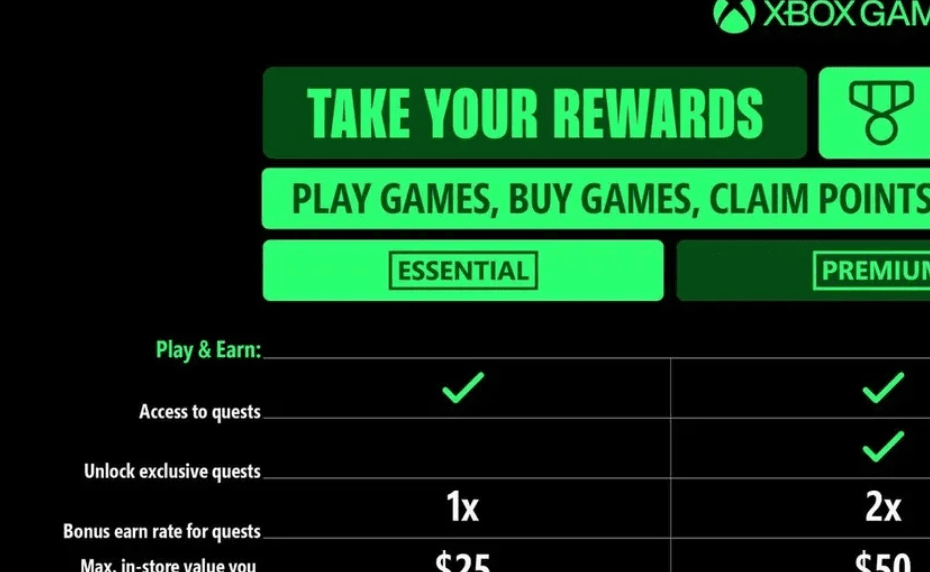
This is where the story gets interesting for actual players. Microsoft has spent the better part of five years repositioning Xbox as a service rather than a box. Game Pass subscriber counts, cloud gaming sessions, and PC Game Pass adoption are the metrics that matter to the company now, and those numbers appear to be moving in the right direction.
The strategy has real implications for what lands on the service. Titles like Halo: Campaign Evolved arriving on Game Pass at launch are exactly the kind of moves designed to keep subscribers engaged and attract new ones. If you want to know exactly which Game Pass tiers include that title and what you actually get access to, the Halo: Campaign Evolved Game Pass guide has the full breakdown.
The key here is that Microsoft is measuring success differently than Sony or Nintendo. A PlayStation 5 sale is a discrete, countable hardware event. An Xbox ecosystem user could be on a Series X, playing via cloud on a phone, or running titles through PC Game Pass on a laptop they bought for work. All of those count toward Xbox's numbers.
What the competition is doing differently
Neither Sony nor Nintendo is standing still. PlayStation continues to post enormous install base numbers globally, and Nintendo's Switch 2 launch has generated significant momentum of its own. The fact that both showed contraction year-on-year likely reflects the natural plateau that follows a major hardware launch cycle, rather than any fundamental weakness.
Xbox, by contrast, never had a hardware peak to plateau from in this generation. Its growth trajectory looks different partly because its starting point was lower and its measurement methodology is broader.
| Platform | Year-on-Year Trend | Primary Growth Driver |
|---|---|---|
| Xbox | Growth | Game Pass and ecosystem |
| PlayStation | Contraction | Post-launch plateau |
| Nintendo | Contraction | Switch 2 transition period |
What this actually means for players
For anyone already in the Xbox ecosystem, this trajectory is broadly good news. More subscribers means more investment in first-party titles, more third-party deals, and more reason for developers to prioritize Game Pass releases. The service has become genuinely hard to ignore as a value proposition, particularly for players who move across PC and console.
The growth story also explains why Microsoft keeps expanding the kinds of games that hit Game Pass day one. It is not charity. Every high-profile day-one release is a subscriber retention tool, and the data suggests it is working. Roblox-adjacent titles, indie releases, and major first-party games all serve the same function: keeping users inside the ecosystem.
Pro tip: if you want to track what is worth playing across services right now, the gaming guides hub covers the latest releases and what to prioritize.
The honest read here is that Xbox winning on year-on-year growth is real, but it is winning a race it redefined the rules of. That is either a smart pivot or a convenient reframing, depending on how you feel about subscription gaming. Either way, the numbers are moving in Microsoft's favor, and the rest of the industry will be watching closely to see whether the ecosystem model eventually translates into broader market share or remains a ceiling of its own.