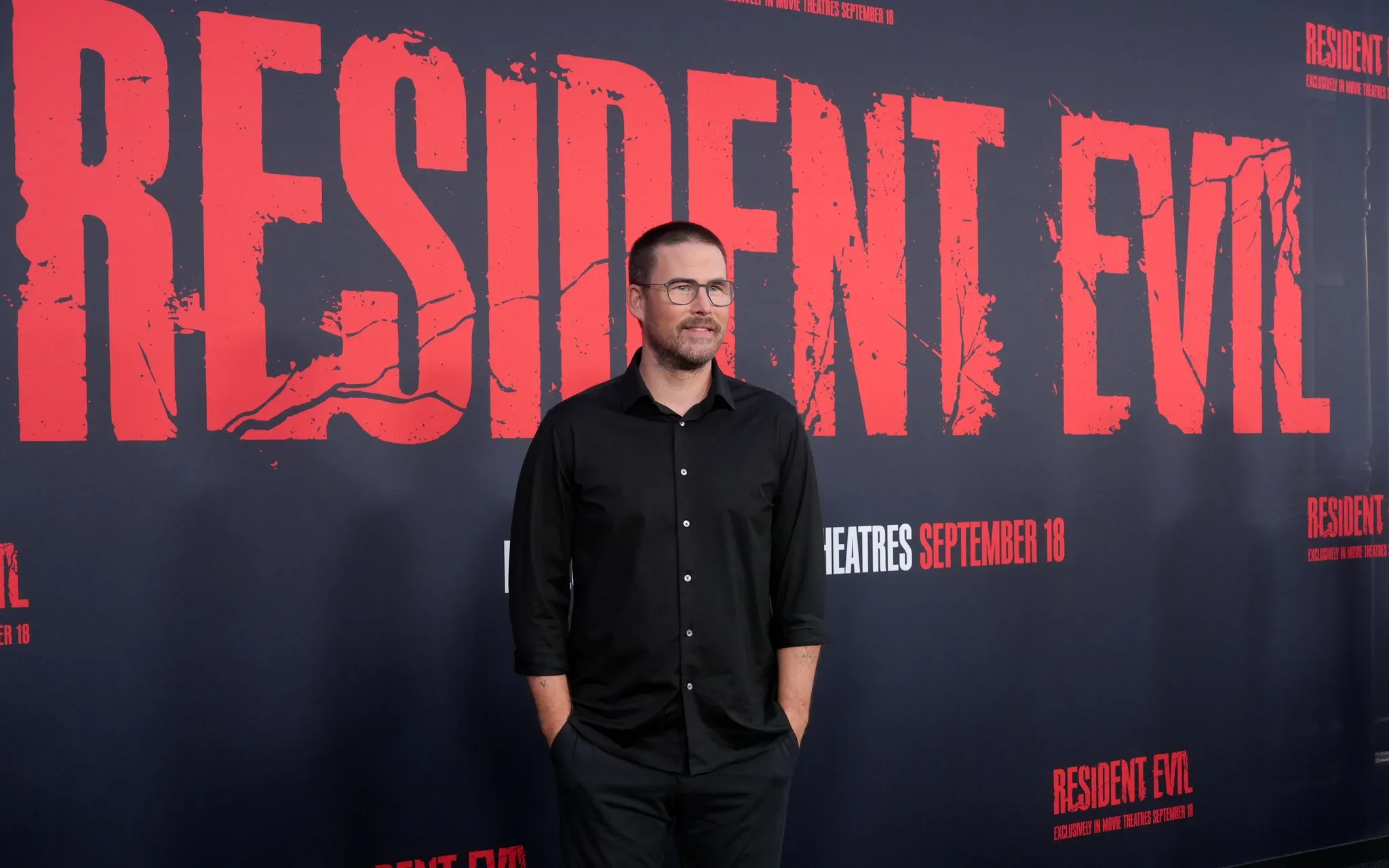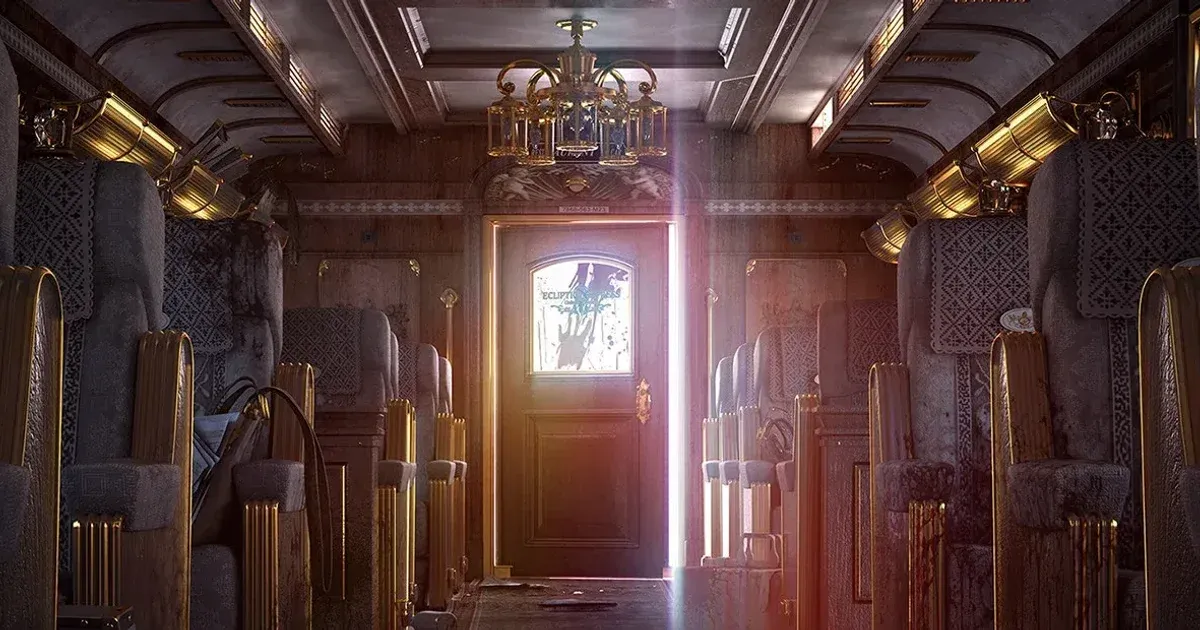


The Rotten Tomatoes consensus for Zach Cregger's new Resident Evil film reads: "Packing unforgettable scares into a sleek runtime while Austin Abrams' crack comedic timing provides crucial levity, Zach Cregger's Resident Evil is a propulsive tribute to the pleasure and terror of playing a truly spooky video game." That last phrase is the key here. After decades of adaptations that treated the source material as a costume rather than a blueprint, someone finally made a Resident Evil film that feels like it understands what makes the games terrifying in the first place.
The numbers back it up. Cregger's reboot opened to around $60 million domestically this past weekend, with another $48 million internationally for a global debut of $108 million against a reported budget of $75 million. To put that in perspective, that single opening weekend outgrossed the entire domestic lifetime runs of multiple previous franchise entries, including the original Resident Evil ($40M), Resident Evil: Retribution ($42M), Resident Evil: Extinction ($50M), Resident Evil: The Final Chapter ($26M), and the critically panned 2021 reboot attempt Welcome to Raccoon City, which managed just $17 million domestically.
A franchise record that stood for over a decade, gone in a weekend
The previous domestic benchmark for the franchise belonged to Resident Evil: Afterlife, which grossed $60 million across its entire theatrical run. Cregger matched or possibly surpassed that figure in a single weekend. Monday's final tallies will confirm whether the new film officially claims the top domestic spot, but at this point it feels like a formality.
The film stars Austin Abrams as Bryan, a medical courier tasked with transporting precious cargo into Raccoon City. Cregger, who co-wrote the script with Shay Hatten, built the story around the survival horror tension that defines the games rather than the action-movie framework that previous adaptations leaned on. That distinction matters enormously to anyone who has spent time with Resident Evil 0 or any entry in the classic series, where resource scarcity, environmental dread, and methodical pacing are the actual point.
What most players miss about why earlier films failed
Here's the thing: the Milla Jovovich-led series, which ran from 2002 through 2016, was never really interested in being a Resident Evil adaptation. It borrowed names, locations, and monsters, then built an entirely separate action franchise around them. That worked well enough commercially for a while, with Afterlife topping out at $296 million worldwide, but it never satisfied the fanbase that actually cared about the games.
Welcome to Raccoon City in 2021 swung in the opposite direction, trying to cram in lore and fan service without the filmmaking craft to make any of it land. The result was a $17 million domestic haul and reviews that were almost uniformly brutal.
Cregger's approach was different. Coming off Barbarian (approximately $45 million worldwide) and Weapons (approximately $270 million worldwide, plus an Oscar), he brought a horror filmmaker's instinct for sustained dread rather than a genre checkbox mentality. The 90-minute runtime is telling. This is a lean, focused film, not a sprawling lore dump.
The critical reception that changes everything for video game movies
A 95% on Rotten Tomatoes makes this one of the highest-rated horror films and video game adaptations ever produced. The 91% audience score and B+ CinemaScore suggest strong word-of-mouth legs, meaning this film will keep performing well into its second and third weekends rather than dropping off a cliff.
For context, Cregger's previous two films both held Certified Fresh status, and Weapons won an Oscar. His track record gave Sony and the producers enough confidence to let him make the film he actually wanted to make, and the result is a Resident Evil that critics and audiences are responding to in ways the franchise has never seen before.
What this means for gamers who grew up with the series
For anyone whose relationship with this franchise started with the original games, including the prequel origins explored in Resident Evil 0, this film represents something that felt genuinely unlikely even two years ago: a mainstream Resident Evil adaptation that gets the vibe right. The survival horror atmosphere, the claustrophobic tension, the sense that every encounter carries real stakes. Cregger translated those feelings to the screen rather than just borrowing the IP's visual vocabulary.
The franchise has a long history to draw from. Whether the inevitable follow-up maintains this quality or retreats to safer, louder territory will define whether this is a genuine turning point or a single exceptional entry in an otherwise inconsistent series. For now, the opening weekend results speak clearly enough.
If you want to revisit the game series that started it all while the conversation is hot, the gaming guides hub has you covered across the full franchise.