Search games, articles, guides...CtrlK
Sign InGet Started
Learn how every Need works in Paralives, from core hunger and sleep bars to personality-driven extras that can make or break your Parafolk.

Written by Nuwel
Content Writer
See more GAMES.GG guides on Google
Add us as a preferred source and our guides show up first in your results.
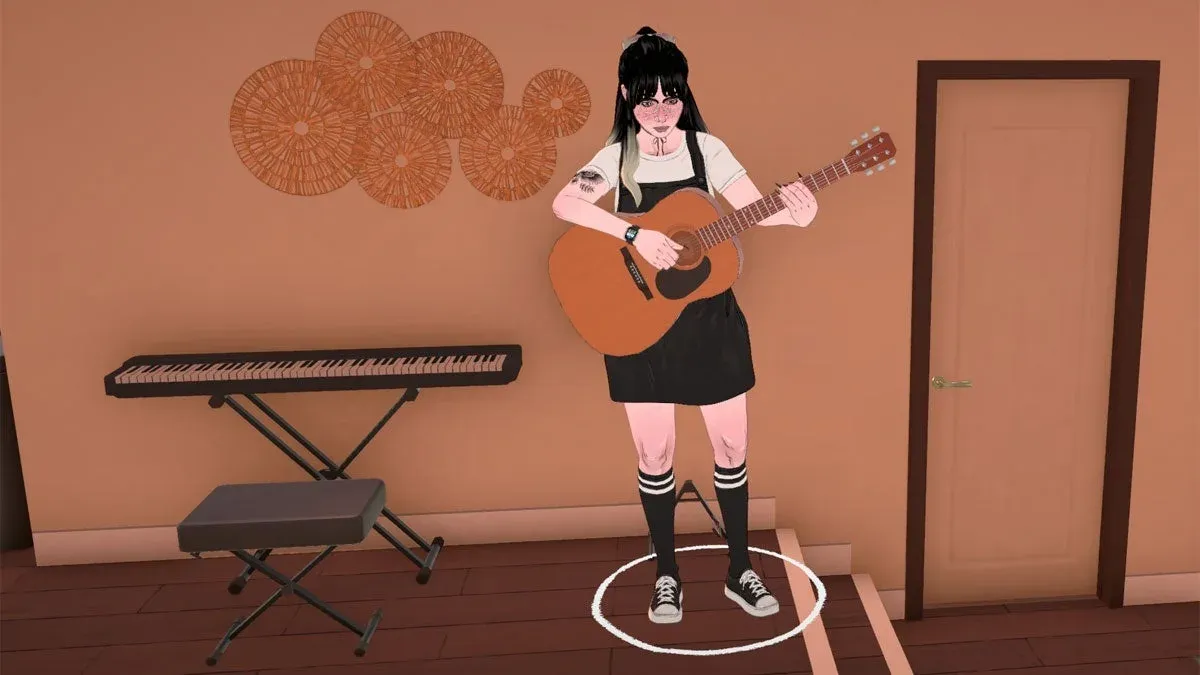
Paralives Music Skill Guide: Level Up Guitar, Piano, and Triangle Fast
Master the Music Knowledge Skill in Paralives and level up guitar, piano, and triangle faster with every method explained.
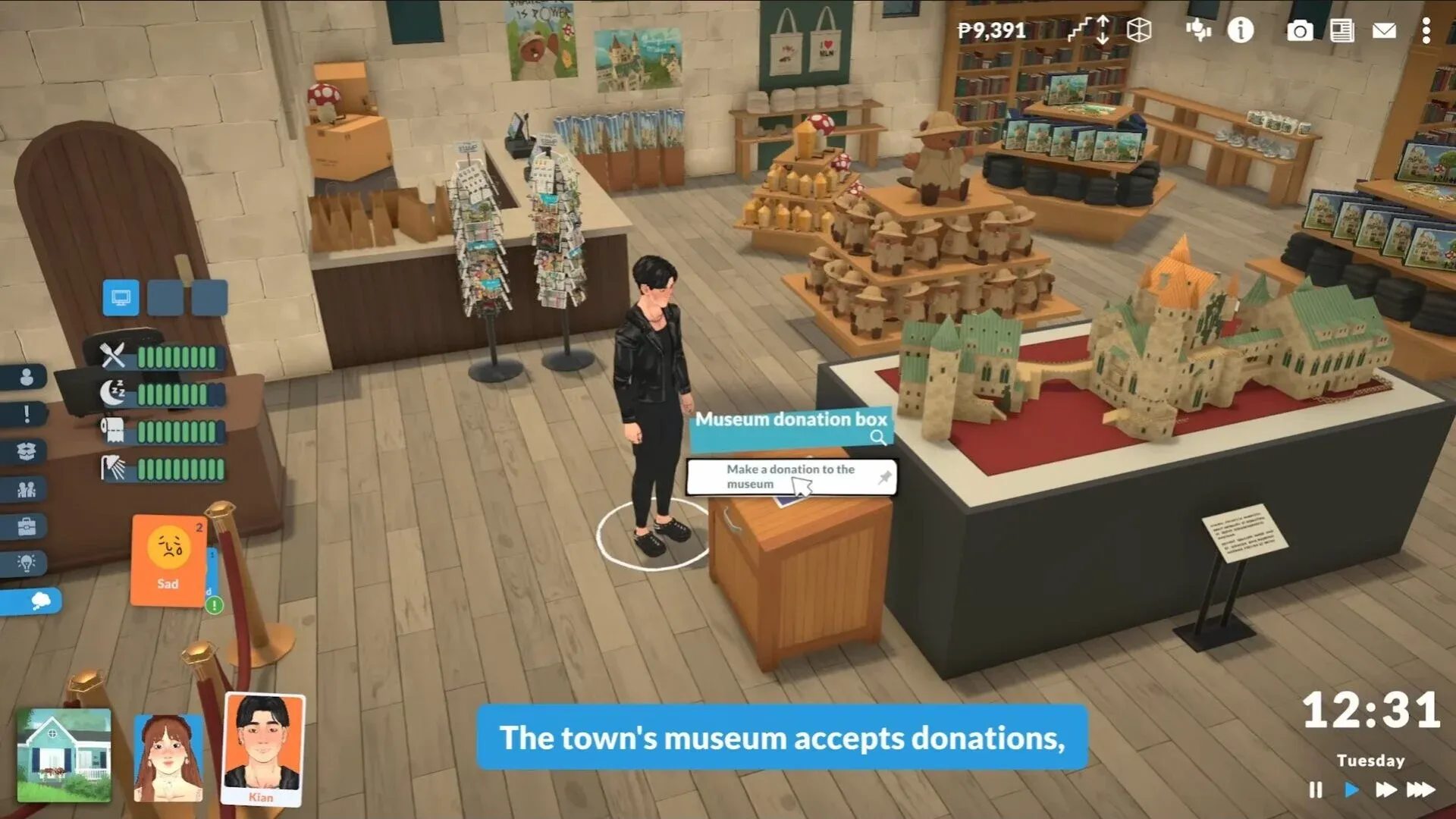
Paralives Museum Collectibles Guide: All Donations and Rewards
Every collectible, donation milestone, and reward for the Paralives museum explained, with full lists of mushrooms, gems, artifacts, and paintings.
Paralives Personality System: How to Level Up Traits and Talents
Learn how Wants, Life Goals, and Personality Points work in Paralives to unlock powerful social perks and talent upgrades.
Managing your Parafolk's wellbeing in Paralives is more layered than a simple hunger-and-sleep loop. The Needs system tracks everything from basic survival to personality-specific states that can unlock real gameplay perks, and letting any of them slide too far has consequences ranging from bad moods to, in the worst cases, death. Here's everything you need to know to keep your Parafolk healthy, happy, and performing at their best.
Needs show up in the thoughts tab of a Para's character UI as a row of bars, each divided into 10 cartridges. The color of each bar tells you its current status at a glance: green means the Need is satisfied, yellow means it's pressing and worth addressing soon, and red means it's urgent. Empty cartridges appear dark blue and refill when you meet the Need.
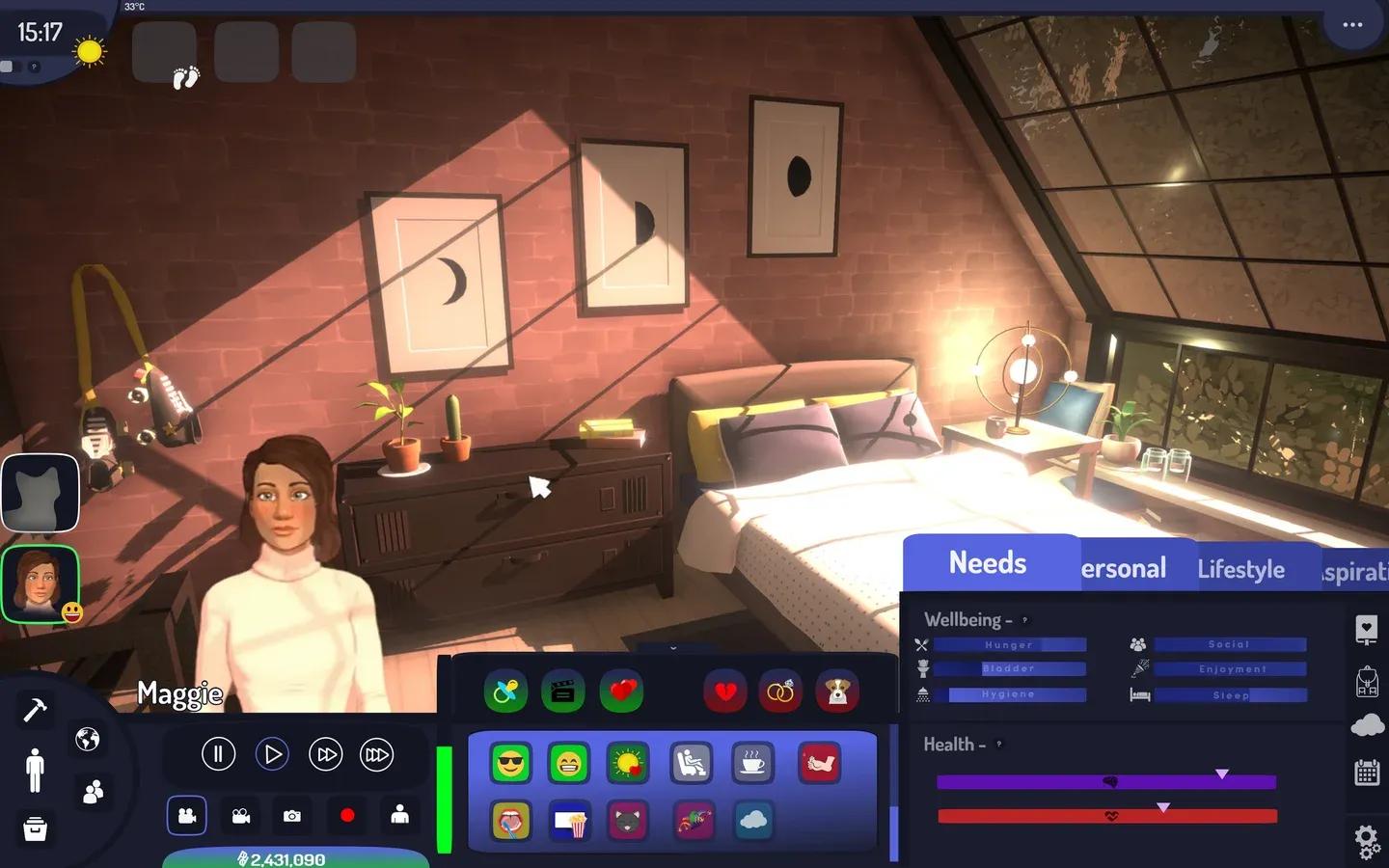
Needs tab in Live Mode
Some Needs follow a loose schedule rather than draining at a constant rate. Hunger and Sleep are the clearest examples: the system is designed to mimic patterns like three meals a day, which makes it easier to synchronize multiple Parafolk in the same household. If everyone gets hungry around dinnertime, you're not juggling five different feeding schedules simultaneously.
From the Child lifestage through Elder, every Parafolk shares the same 4 foundational Needs regardless of personality or playstyle.
| Need | What depletes it | Can cause death? |
|---|---|---|
| Hunger | Time passing, no food access | Yes, starvation |
| Sleep | Time passing, staying awake | Yes, exhaustion |
| Bathroom | Time passing naturally | No |
| Hygiene | Time, exercise, cleaning tasks | No |
Hunger and Sleep are the two you genuinely cannot ignore. Both can kill a Para if left completely depleted. The fridge handles Hunger; a bed handles Sleep. Bathroom and Hygiene won't end a Para's life, but tanking them will wreck their Emotions, which feeds into how they interact with others and how their Together Cards function in relationships.
This is where the system gets genuinely interesting. Paras with certain Vibe or Social personality traits gain additional Needs on top of the core four. These don't replace anything; they stack. A Para with both the Jester Vibe and the Good at Being Alone Social perk ends up managing 6 Needs total.
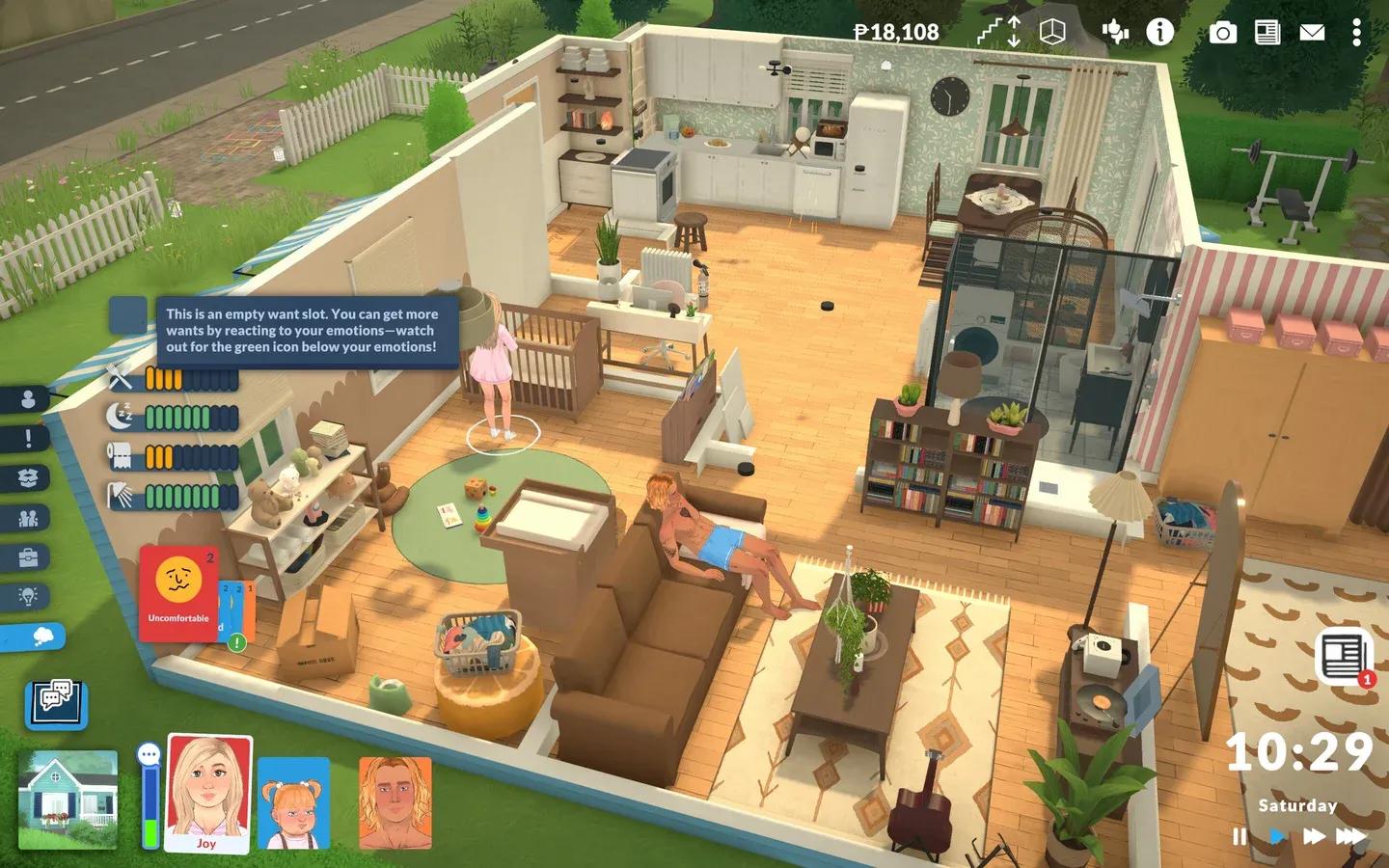
Personality Needs stack on core bars
Here's a breakdown of every personality-dependent Need currently in the game:
| Need | Linked Trait | Key Detail |
|---|---|---|
| Energy Surplus | Energetic (Vibe) | Refills with sleep or Skill level-ups; unlocks powerful perks; enables power naps (costs 2 cartridges) |
| Fun | Jester (Vibe) | Always present for Jesters; also appears temporarily for any Para who stays bored too long |
| Grump | Grumpy (Vibe) | Needs to stay full, not empty; drains if the Para gets bored |
| Me Time | Good at Being Alone (Social) | Drains while around others, refills during solo time |
| Need to Move | Energetic (Vibe) | Staying active improves learning speed and success chance when full |
| Peace | Peaceful (Vibe) | Refills through daydreaming |
A few things worth noting here. Grump works backwards from every other Need: you want it full, not empty, because a Grumpy Para that isn't grumpy enough becomes stressed. Energy Surplus sits in a different position in the UI, appearing next to the Emotions rather than above them. And Fun is unique in that it can appear for any Para temporarily, not just Jesters, whenever boredom kicks in.
Babies and Toddlers use a completely separate set of Needs, and the key difference is dependency: they can't meet most of these Needs themselves. A teen-or-older Parafolk needs to step in for nearly everything.
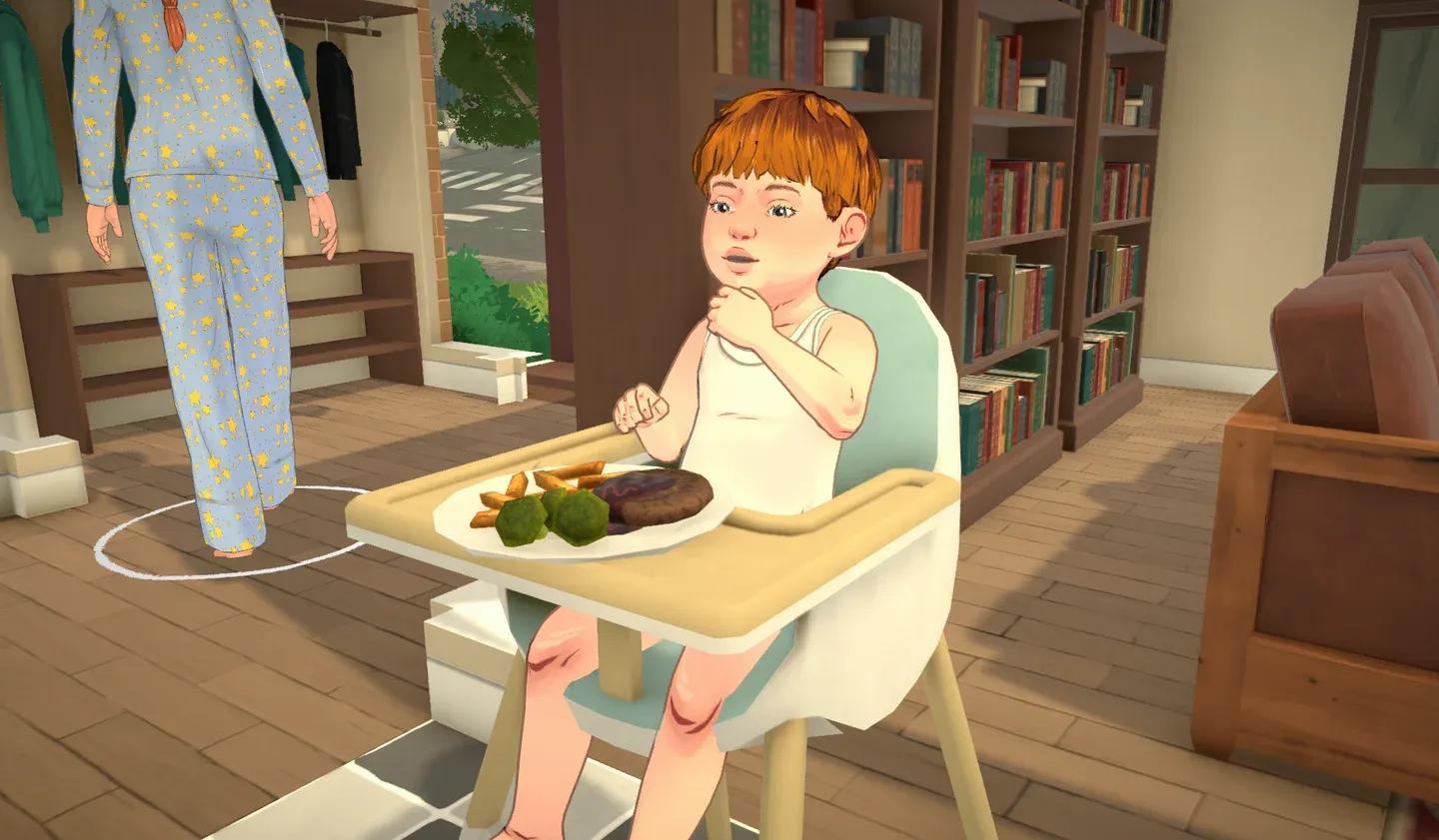
Baby Needs require caregiver input
The Needs for these lifestages are Hunger, Sleep, Bathroom, Hygiene, and Affection. That last one is unique to this age group. Babies and Toddlers who aren't interacted with regularly will feel left out, so passive management isn't enough.
One important distinction: Babies and Toddlers cannot die from starvation or exhaustion the way older Paras can. The stakes are lower, but the management is more hands-on since they rely entirely on your active attention.
Toddlers have slightly more independence than Babies. They can grab food on their own and use a potty, but the game still recommends placing them in a high chair for proper feeding. Babies are fully dependent for everything.
Need neglect has a cascade effect. Most consequences hit Emotions first, and poor Emotions ripple out into social interactions and relationship mechanics. A Para in a bad emotional state performs worse at work, which ties directly into progression systems covered in the Paralives career guide.
Beyond Emotions, there are edge cases where Needs get marked as ignored by the game itself. House fires suppress all standard Needs in favor of the survival prompt. Catching a virus at school or work can suppress the Hunger Need until the Para recovers. These aren't bugs; they're intentional design choices to keep the simulation from demanding you feed a Para who's currently on fire.
At the extreme end, ignoring Hunger or Sleep long enough will kill your Para. The game is explicit about this in the Need descriptions.
At Early Access launch, Parafolk not controlled by the player do not have active Needs. The game doesn't track or update their bars. NPCs will occasionally use toilets or eat, but these are treated as idle animations rather than genuine Need fulfillment. They have no urgent states and won't behave the way your household Paras do.
This is a deliberate performance decision from the developers, not an oversight. It means you won't see a neighbor collapse from exhaustion on your lot, but it also means NPC behavior around food and sleep isn't always realistic.
Needs are a moddable feature in Paralives, and custom Needs created by the community can be downloaded through the Steam Workshop. The developers have confirmed that the Needs system is open to modding, so the list of available Needs will likely grow beyond what ships with the base game as the modding community develops.
Keeping the core 4 Needs green is the baseline. Where the system rewards attention is in the personality-dependent Needs, particularly Energy Surplus for Energetic Paras, which unlocks perks and enables power naps when full. Building a Parafolk around a Vibe that generates useful Need mechanics is a legitimate strategy, not just a roleplay choice.
For a full picture of how your Parafolk's traits, skills, and daily routines connect, the Paralives guides collection covers everything from build mode to careers and relationships in detail.