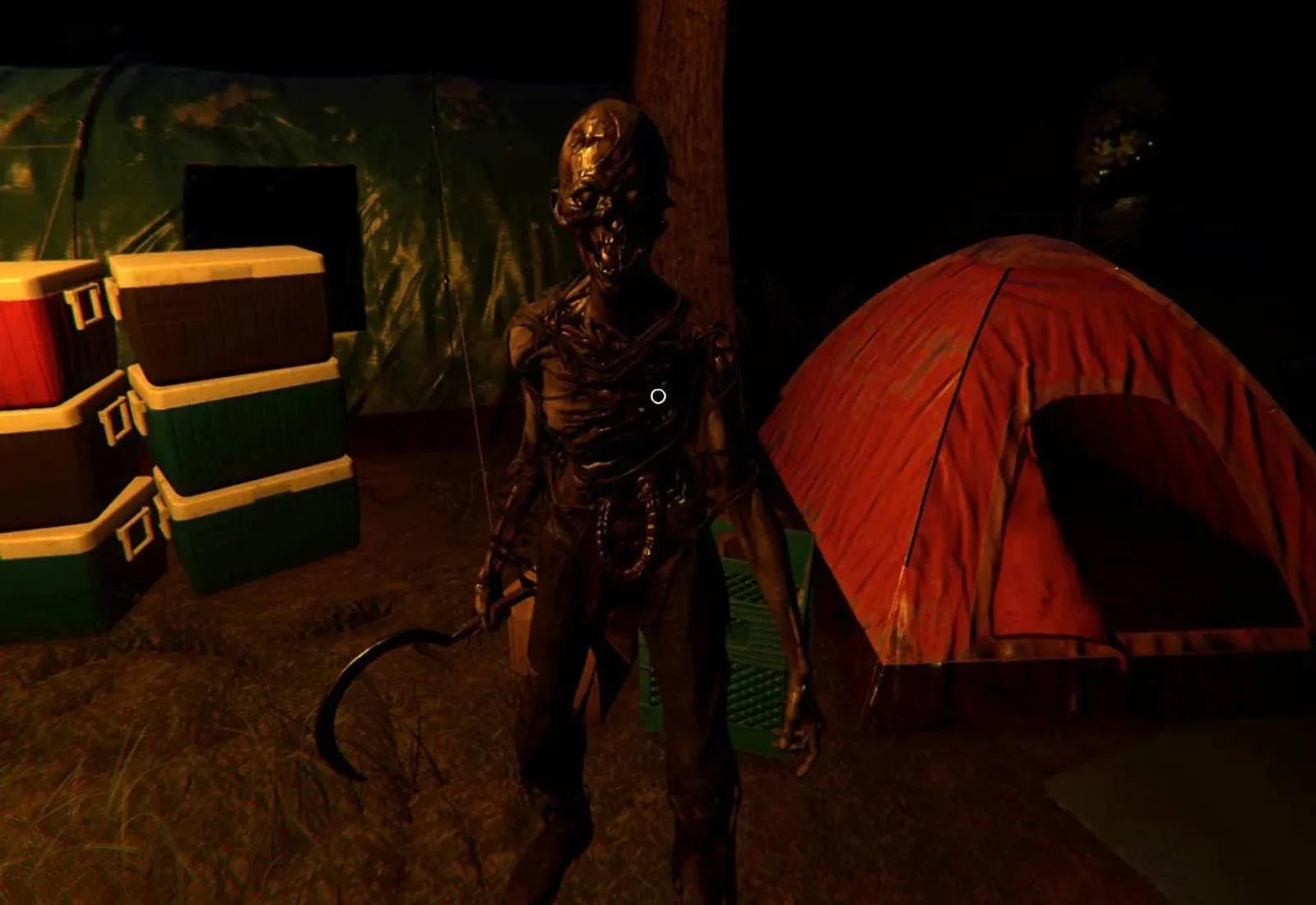

The Aswang is one of two ghosts added to Phasmophobia during the Alan Wake event, alongside the Kormos. Rooted in Filipino folklore as a blood-drinking shapeshifter, the Aswang arrives with a specific set of behaviors that make it genuinely dangerous once it locks onto you. Its hiding spot mechanic is unlike anything else in the current roster, and its line-of-sight acceleration is the fastest in the game. This guide breaks down every piece of evidence, every behavioral quirk, and the one field trick that confirms an Aswang even when evidence is turned off.
What evidence does the Aswang leave?
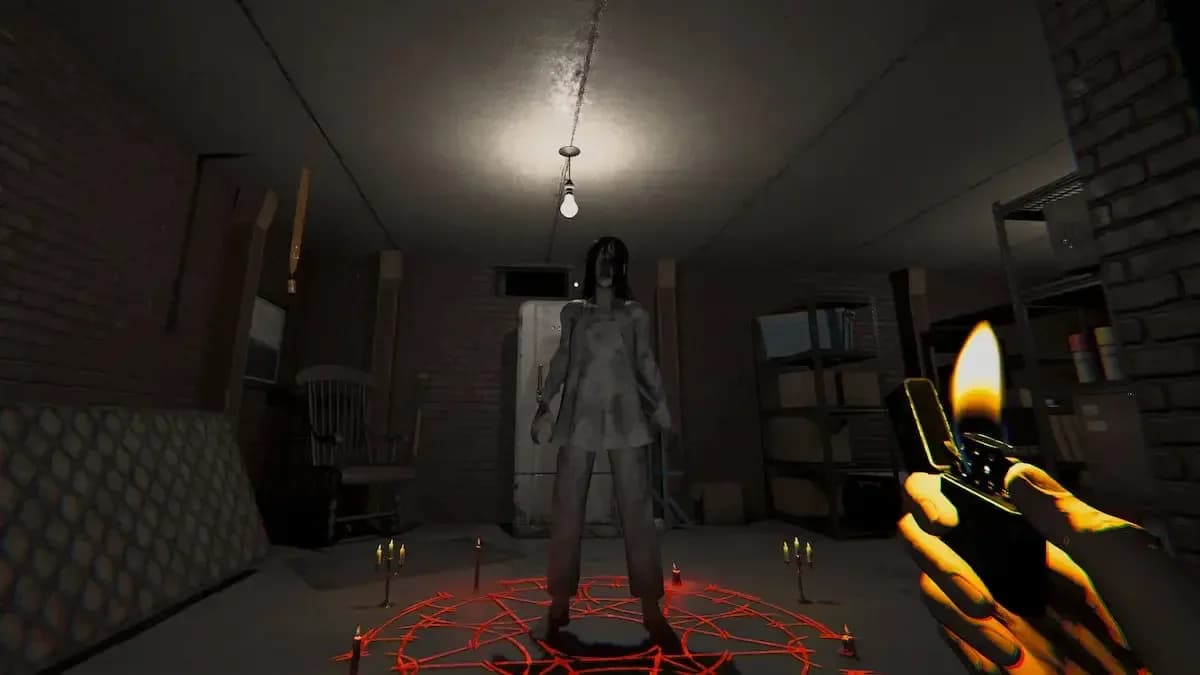
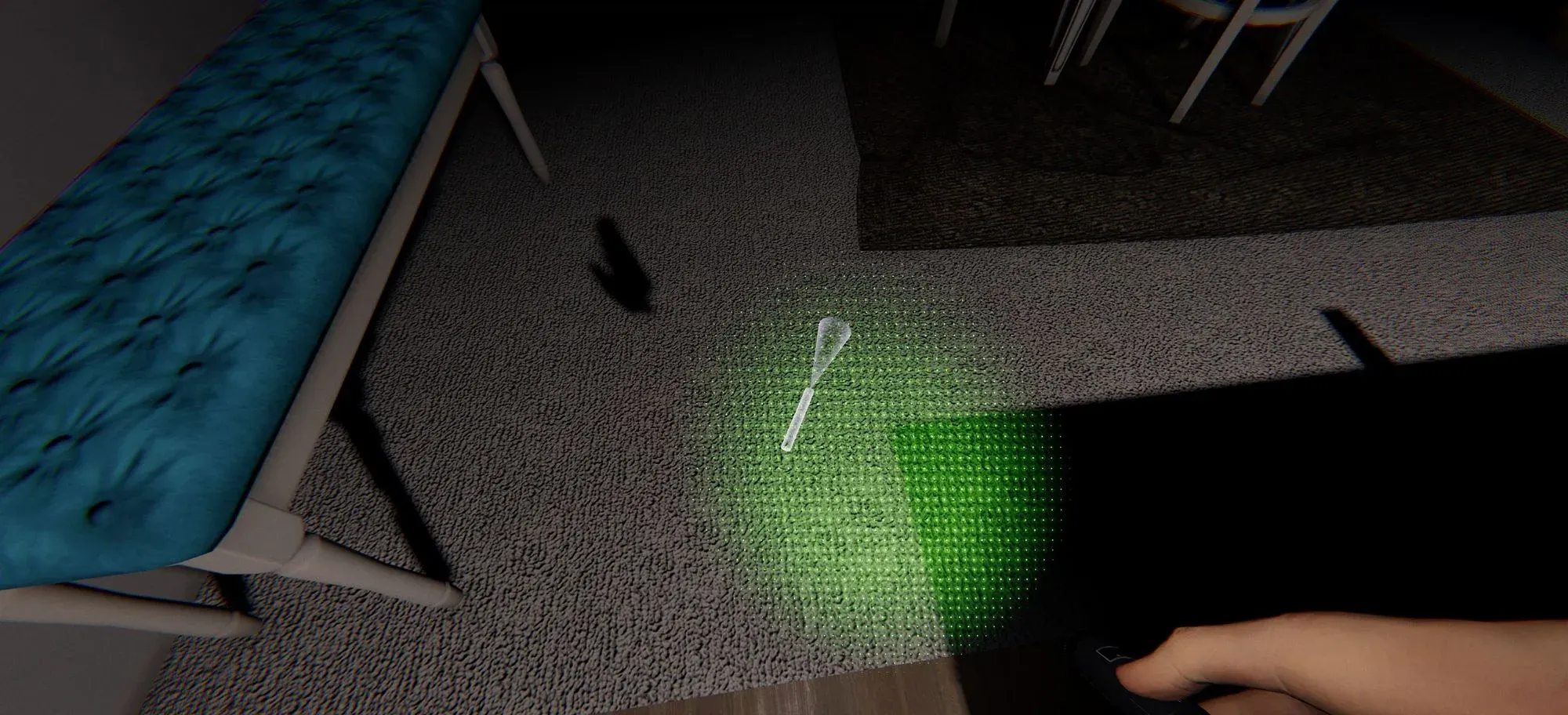
DOTS Projector in ghost room
The Aswang produces exactly three evidence types. No other ghost shares this combination. The three pieces are:
- D.O.T.S. Projector (ghost silhouette passes through the beam)
- Freezing Temperatures (thermometer reads below 1°C / 33.8°F in the ghost room)
- Ghost Writing (the ghost writes or draws in a placed Ghost Writing Book)
Bringing a DOTS Projector, Thermometer, and Ghost Writing Book into the ghost room on every contract is standard practice anyway, so the Aswang fits naturally into a normal evidence sweep. If all three trigger, you have your answer.
| Evidence | Tool Required | How to Confirm |
|---|---|---|
| D.O.T.S. Projector | DOTS Projector | Watch ghost pass through beam in person or via Video Camera |
| Freezing Temperatures | Thermometer | Read below 1°C (33.8°F) in ghost room |
| Ghost Writing | Ghost Writing Book | Any writing or drawing in the book counts |

How does the Aswang behave during hunts?

Aswang accelerates on sight
The Aswang's base hunt speed is 1.53 m/s, which is slower than most ghosts. That sounds reassuring until you understand what happens the moment it sees you.
Every ghost in the game accelerates when it maintains line-of-sight with a player, but the Aswang does it significantly faster. Standard ghosts reach maximum speed after 26 seconds of sustained line-of-sight. The Aswang hits its maximum speed of 2.53 m/s after just 17.33 seconds, because its line-of-sight acceleration rate is 0.0375 times its base speed per second rather than the standard 0.025.
The takeaway: break line-of-sight early. Once the Aswang has been watching you for more than 15 seconds, it is moving at a pace that most players cannot outrun.
What makes the Aswang different from the Revenant?
The speed profile of the Aswang is easy to confuse with the Revenant, and the two share two pieces of evidence (Freezing Temperatures and Ghost Writing). Both ghosts accelerate dramatically when they have a player in their sights, which can make a quick run feel identical.
The key difference is the starting speed. The Revenant moves at 1 m/s before it detects a player, making it noticeably sluggish in the early phase of a hunt. The Aswang moves at 1.53 m/s from the moment a hunt begins, so it never feels slow. If the ghost feels lethargic before it spots you, you are probably dealing with a Revenant. If it feels like a normal-paced ghost that suddenly becomes terrifying, lean toward Aswang.
For a broader look at how ghost speeds and hidden abilities differ across the full roster, the Phasmophobia ghost behaviors and secret abilities guide covers all 27 types with field-tested data.
How does the Aswang interact with hiding spots?
This is the mechanic that sets the Aswang apart from every other ghost. The Aswang cannot kill you in any official hiding spot. Closets, lockers, and other designed hiding locations are completely safe. The moment the Aswang detects you inside one of these spots, the hunt ends immediately.
That sounds like a weakness, but there is a serious catch. If the Aswang ends a hunt by finding you in a hiding spot, it can place a waypoint directly on your location at the start of the next hunt. This means the next hunt can begin with the ghost already moving toward you, even during the grace period that normally gives players time to hide.
Official hiding spots are the ones built into the map design, such as closets in Tanglewood. Community-discovered spots like crouching behind a door do not count. The Aswang can and will kill you in those.
How to confirm an Aswang in a no-evidence run
Evidence runs are not always available, especially on higher difficulties. The most reliable field trick for a no-evidence confirmation is to use Incense to draw the Aswang toward you, then lead it into an official hiding spot like a closet. If the hunt ends the moment it reaches you, you have confirmed an Aswang. No other ghost behaves this way.
The speed test is the secondary method. Watch how fast the ghost moves before it detects you. At 1.53 m/s, it is noticeably faster at baseline than a Revenant's 1 m/s crawl. If the ghost feels medium-paced before line-of-sight but then accelerates aggressively once it sees you, Aswang is the most likely candidate.
For survival tactics that apply to the Aswang and every other ghost in the game, the Phasmophobia hunt survival guide covers hiding tactics, looping strategies, and Incense timing in detail.
The Aswang is a ghost that punishes players who rely on the same hiding spot twice and rewards anyone who understands how its acceleration curve works. Get the three pieces of evidence down, remember the closet trick, and break line-of-sight before that 17-second window closes. Browse the full Phasmophobia guides collection for coverage of every ghost added in recent updates.