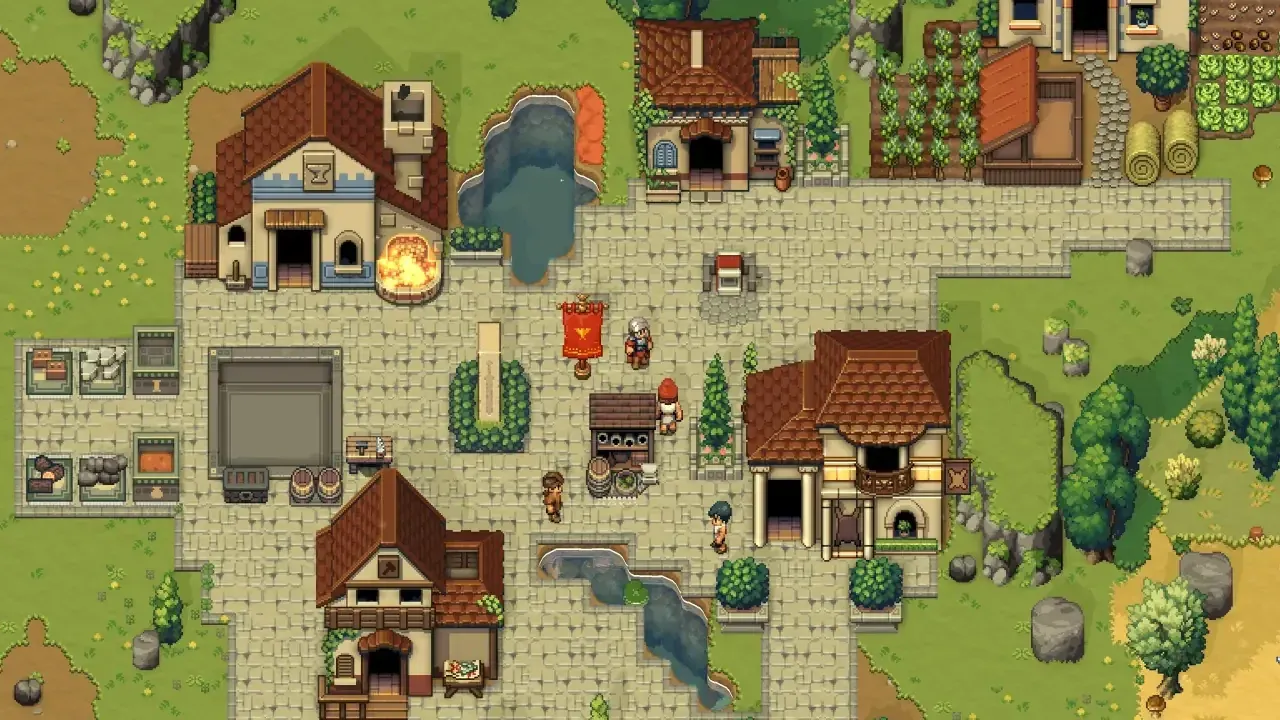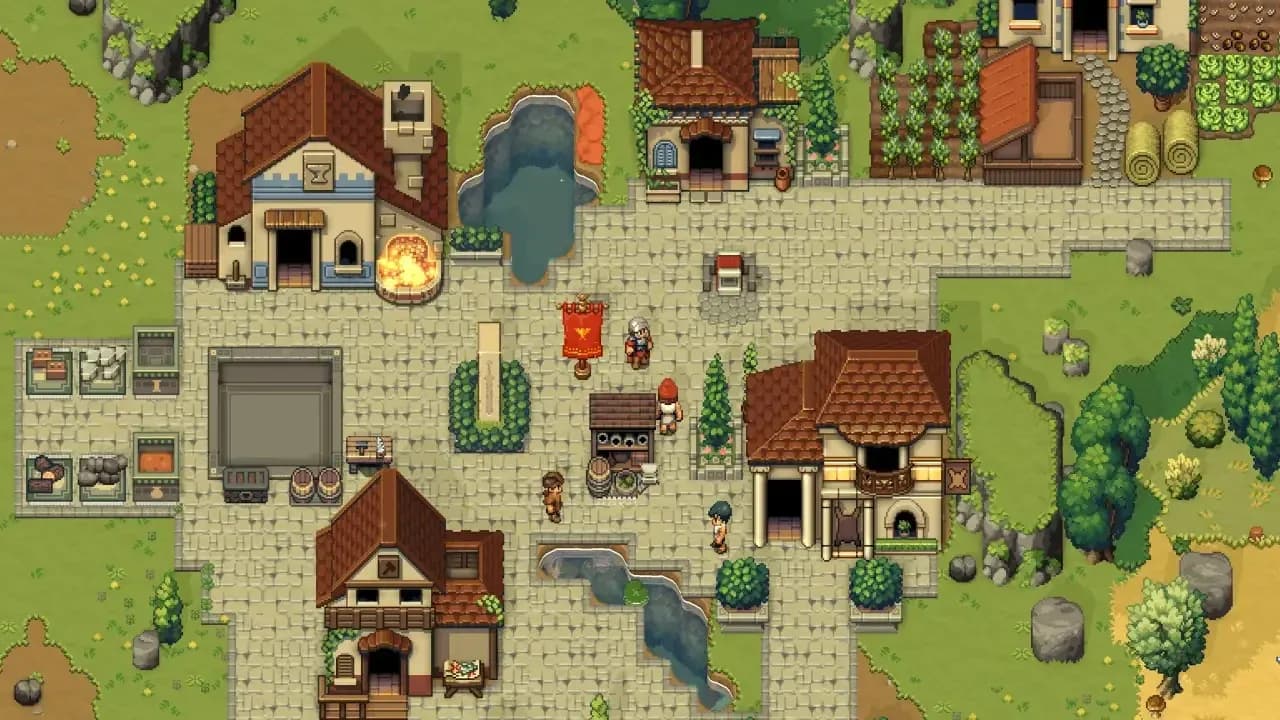

Romestead drops you into a Roman-themed survival city-builder with almost no hand-holding. Half its systems work in ways that seem obvious in hindsight but will absolutely waste your first few hours if nobody tells you. These 15 tips cover the things that actually matter early: where to build, how the throwing mechanic works, why your citizens keep leaving, and how to survive the night without losing everything.
Base setup: what to do before you place anything

Should you build where you spawn?
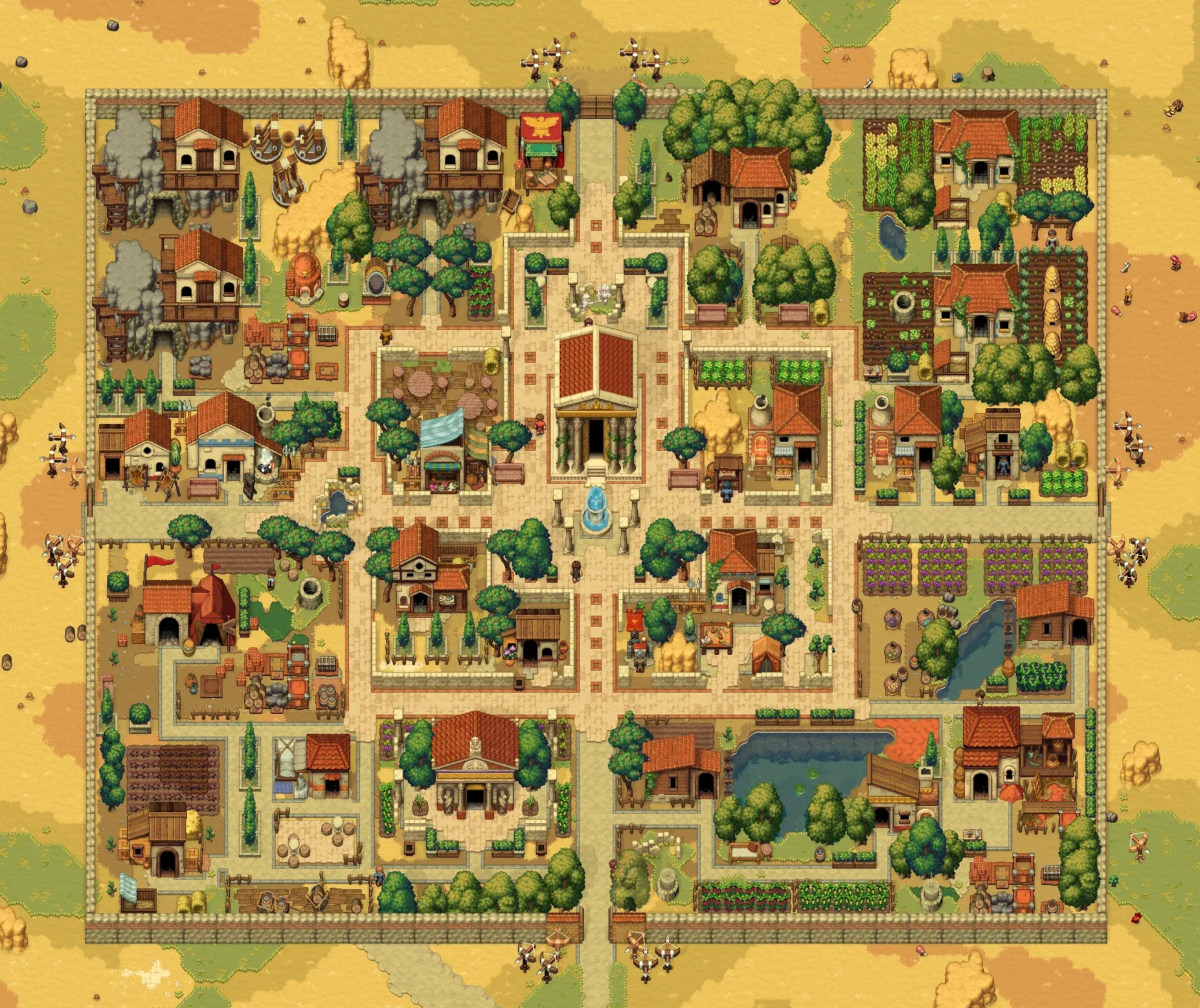
No. Resist the urge to drop your town core at the spawn point. It seems fine for the first hour, then you realize your clay deposit is on the opposite end of the map and every crafting run becomes a long walk. Spend a few minutes scouting first and find a location with stone, clay, water, coal, and wood all within reasonable reach. The extra time up front saves you from redesigning your entire settlement later.
Why aren't your tools doing anything?
Romestead doesn't use a traditional hotbar. Your character auto-equips the right tool for whatever you interact with, but only if that tool is slotted in your character screen. Open the character screen and drag your tools into the active tool slots. Skip this and you'll stand next to a tree swinging at nothing.
Build roads earlier than feels necessary
Roads increase your movement speed, and you will cross your settlement constantly. Connect your storage, workbench, farms, and resource nodes as early as possible. The material cost pays off fast.
The throwing mechanic: more useful than it looks
The throwing mechanic runs through nearly every system in Romestead. You'll use it to gather resources, water crops, smelt ore, and deal damage in combat. Getting comfortable with it early changes how fast everything else clicks.
How do you harvest flint?
Flint can't be mined by walking up to it. Pick up a full flint piece and throw it at a rock. It shatters into collectible shards. Until you know this, flint is the most confusing resource in the game.
What's the best weapon to use in a fight?
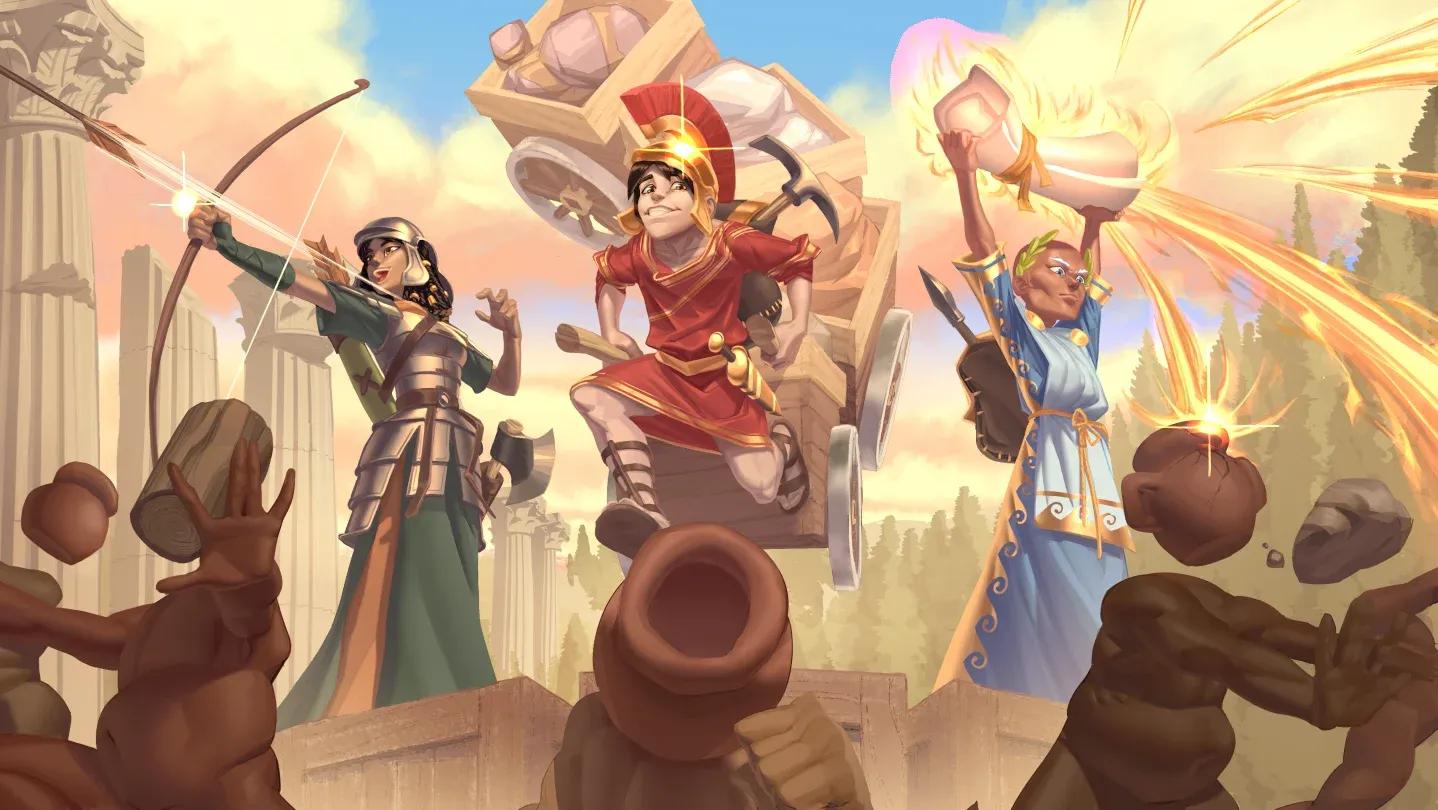
Weapons have no durability in Romestead, so carry a few types and swap based on the situation. If you get caught empty-handed by the fallen, throw whatever is in your inventory. Logs, stones, and ore all deal real damage on impact. Check the Romestead weapons tier list to figure out which weapons are worth crafting first.
Everything is a weapon
Farming and food: the systems that trip everyone up
Why aren't your citizens eating?
Food sitting in your personal inventory does nothing for your town. Only food placed in the food storage building feeds your citizens. Farmers harvest crops into the Farmstead, not food storage, so you have to move it yourself. Let that pile sit too long and citizens will start leaving.
How do you water crops without a Well?
Before you unlock the Well, watering is a manual process. Fill a bucket from a water source, then throw the water onto your farmland. Throw the water, not the bucket. Losing the bucket means another trip to refill it.
Why should you hoard wheat from the start?
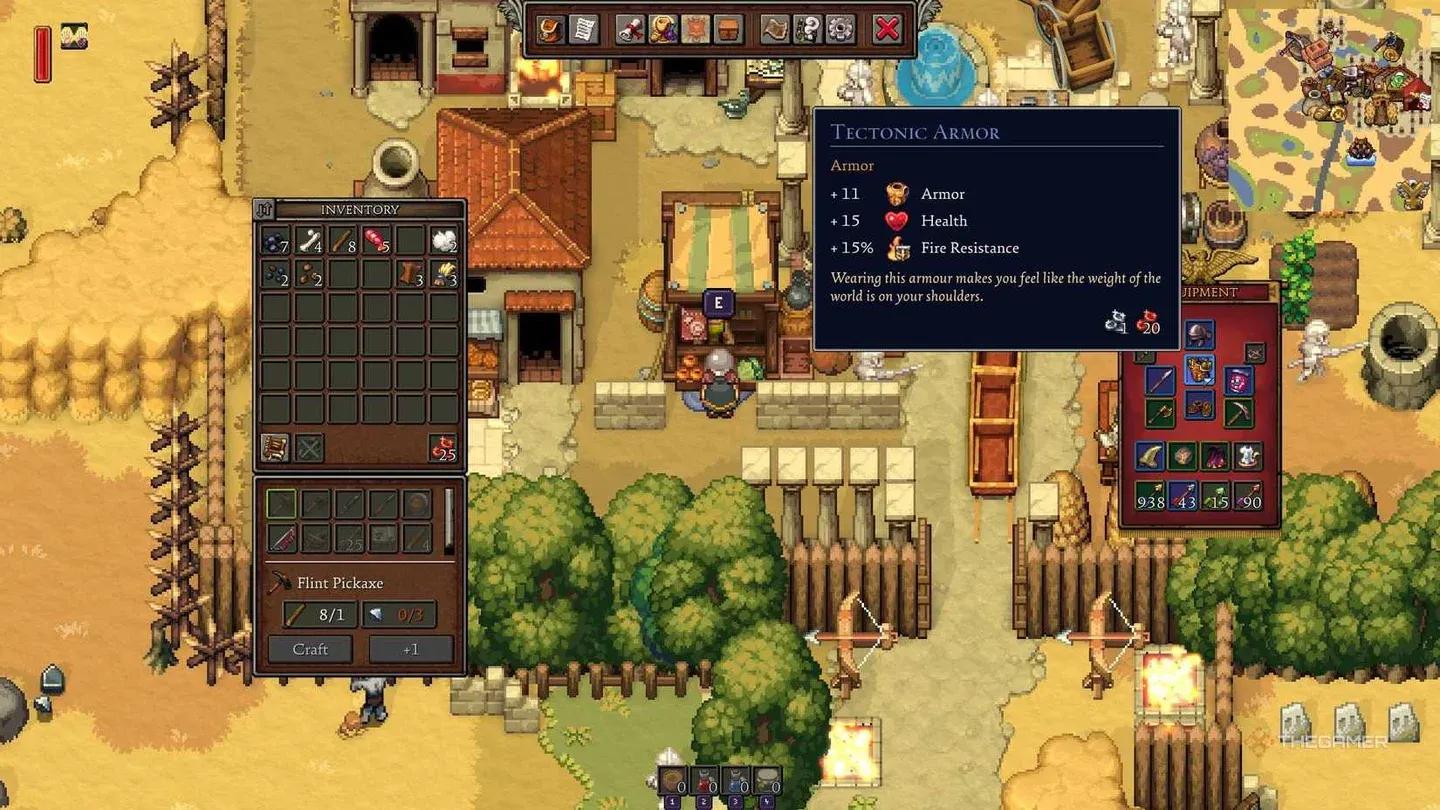
The Honoring the Soil quest requires around 40 wheat to unlock the Farmstead. Picking up wheat while you explore is far easier than trying to gather it all at once when the quest triggers. Start collecting it the moment you see it.
Hoard wheat from day one
Gods and progression: how to not spread yourself thin
Which god should you pick first?
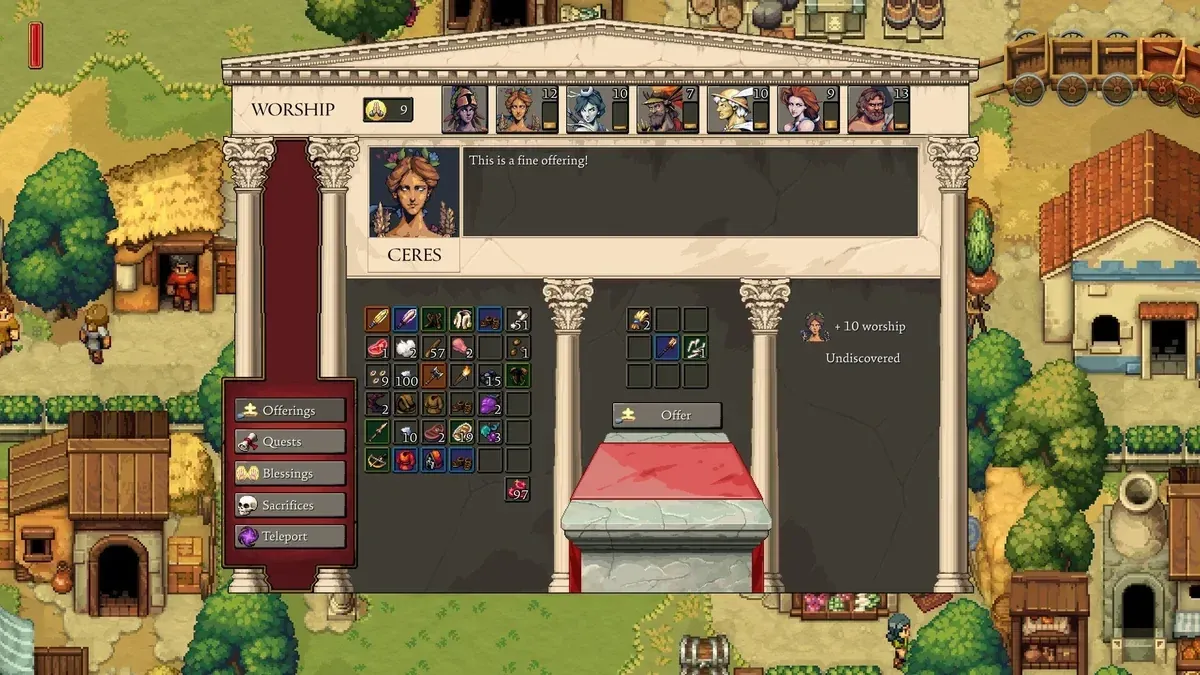
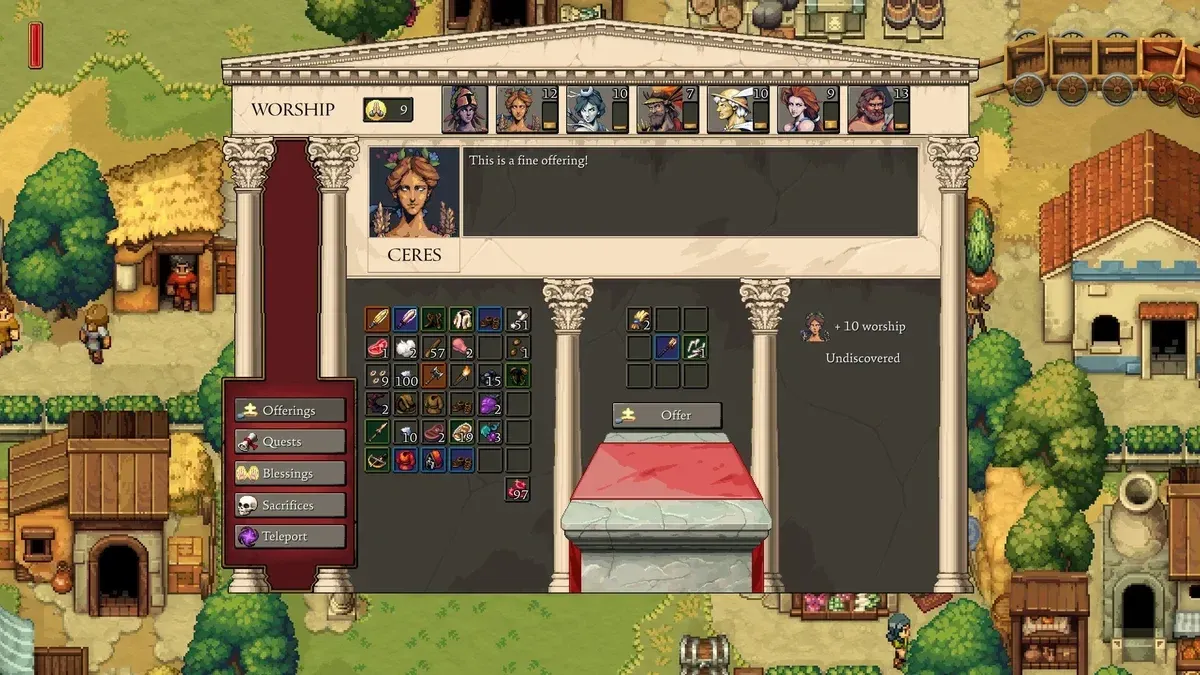
Spreading offerings across all seven gods gives you weak bonuses across the board. Pick one and focus. Ceres is the strongest early choice because she accepts items you're already producing: wheat, bread, grapes, olive oil, and honeycomb. Her bonuses feed back directly into your settlement's production output. For a full breakdown of offerings and unlock requirements, the Romestead gods guide covers every deity in detail.
Should you upgrade your starting gear?
No. The rusty sickle and worn tunic aren't worth investing resources into. Push straight toward leather, copper, and bronze equipment instead. The starting gear gets the job done for the first hour and nothing beyond that.
How do you unlock building upgrades?
The building upgrade menu doesn't appear until after you unlock the Carpenter's Workshop by defeating the Guardian of Minerva, the first boss. Once that's done, go to your workbench, zoom out, and click the building you want to upgrade. Players who go looking for the upgrade option before beating this boss will search for a while.
| God | Key Accepted Offerings | Early Benefit |
|---|---|---|
| Ceres | Wheat, bread, grapes, olive oil, honeycomb | Production bonuses across settlement |
| Others | Varies by deity | Weaker early synergy with starter output |
Can you smelt ore without a blacksmith?
Yes. The furnace works before you assign a worker to it. Throw logs or coal in for fuel, then throw raw ore in and it starts smelting automatically. You can produce metals well before your settlement is fully staffed.
Surviving the night in Romestead
Do torches actually stop raids?
The fallen actively avoid light, which makes torches your first line of defense rather than walls. Place them along roads, around entrances, and near key production buildings. This matters more as raids scale up in difficulty.
What happens when a citizen dies?
Citizens who die in raids lose every level they've earned. All that progress resets to zero. Check the town report every morning to see what happened overnight, and monitor your defense value at the workbench to make sure the next raid doesn't catch you unprepared.
Get these systems working together in your first few hours and the early game becomes significantly more manageable. Once the Guardian of Minerva is down and your Farmstead is running, the game opens up considerably. For everything else you need to know about starting out, the Romestead beginner's guide covers professions, biomes, and the god system in full detail.