
The god system in Romestead is one of those mechanics that looks simple on the surface but hides a lot of depth once you start paying attention to what each deity actually wants. Six gods, six completely different offering lists, and blessings that can meaningfully accelerate your production, combat, and trading. Knowing what to donate and when is the difference between a stagnant altar and a town that runs like a machine.
How does the god system work in Romestead?
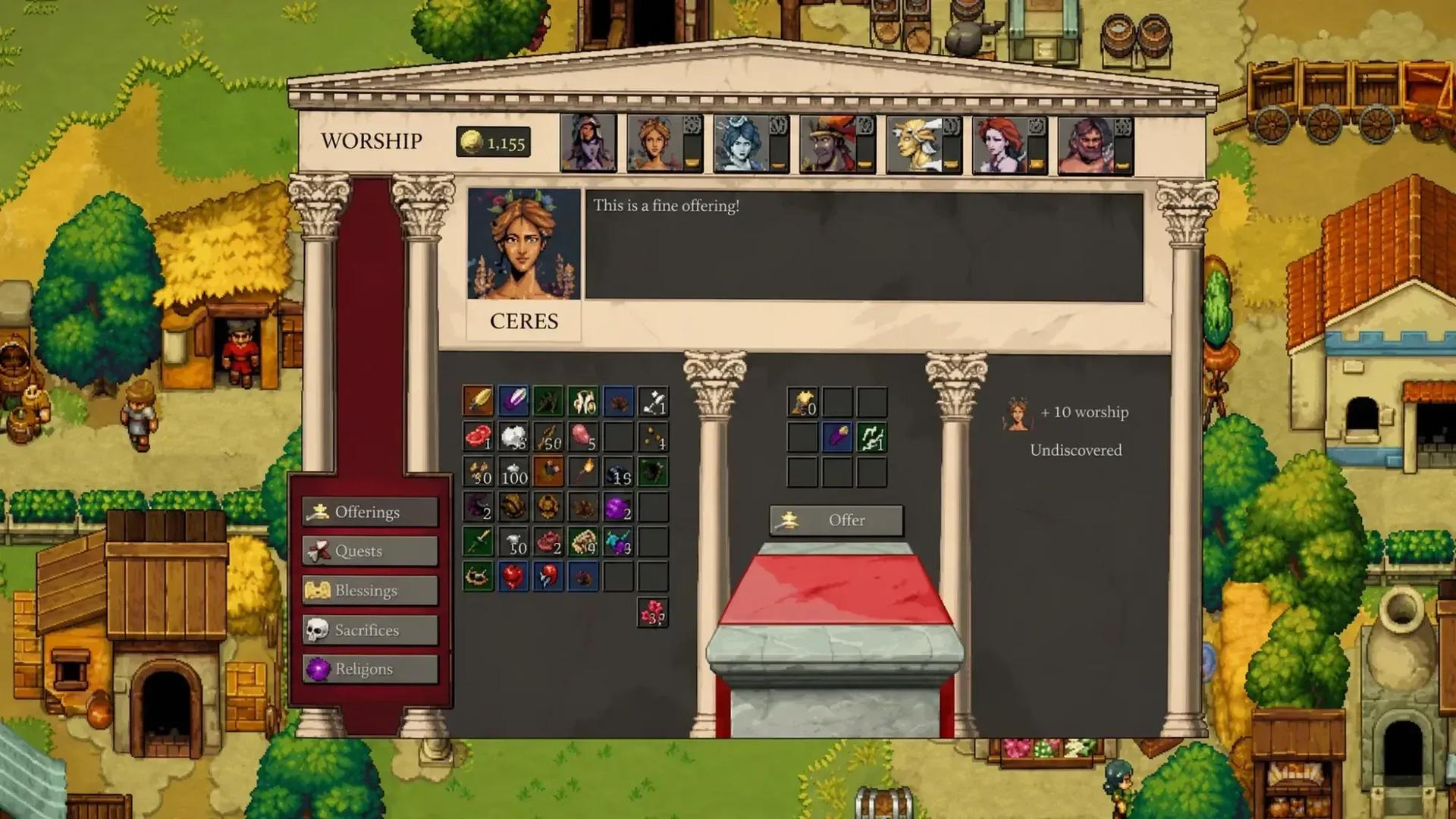
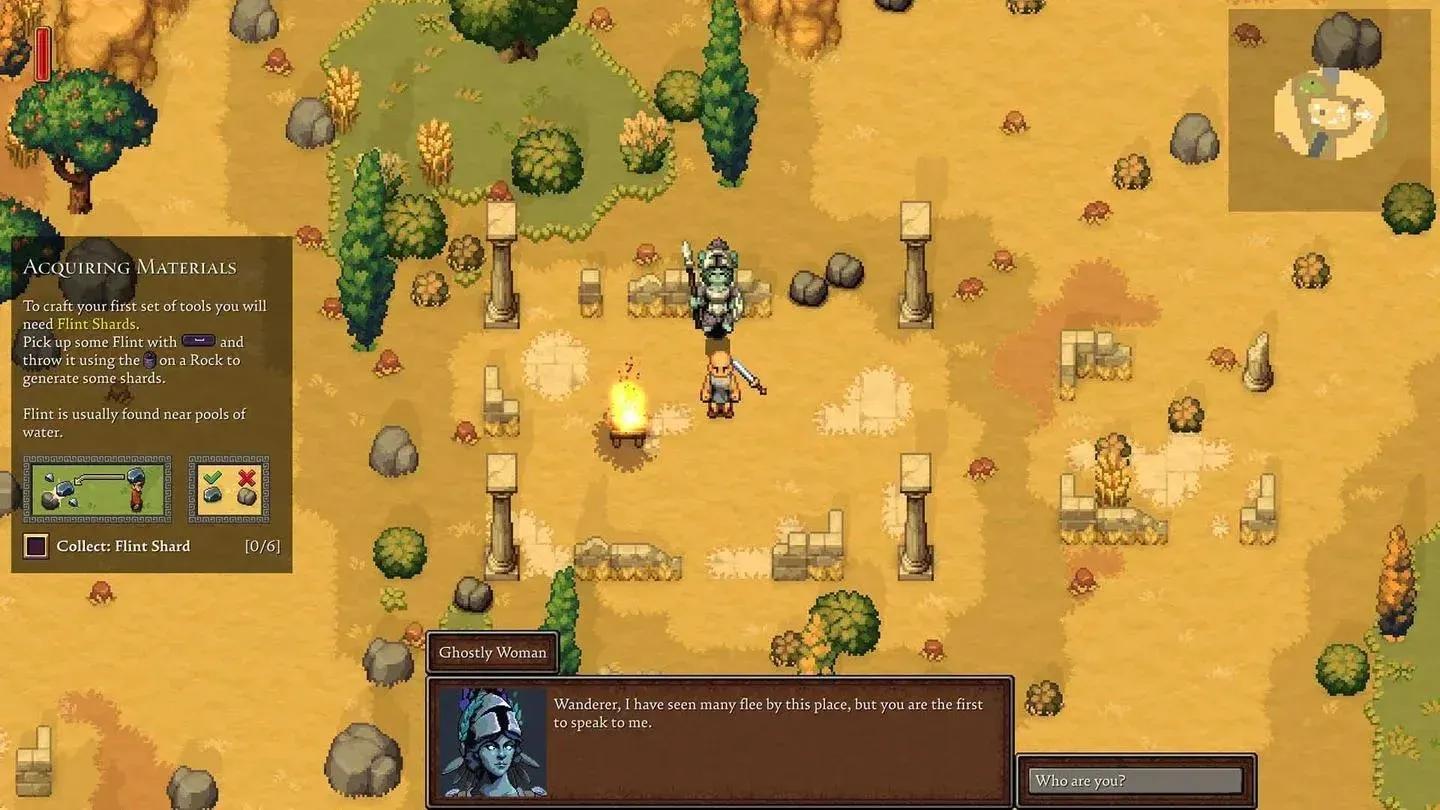
The whole system starts at the Altar, which you build during the tutorial. Once it's up, the Deity system activates and you can begin making offerings to any of the six gods: Ceres, Diana, Mars, Mercury, Venus, and Vulcan. Each offering earns experience toward that god's level, and every time you level a god up, you receive a Worship Point.
Those Worship Points are spent on blessings, which are passive buffs tied to each god's domain. The basic blessings are available immediately, but the more powerful ones are locked behind an upgrade requirement.
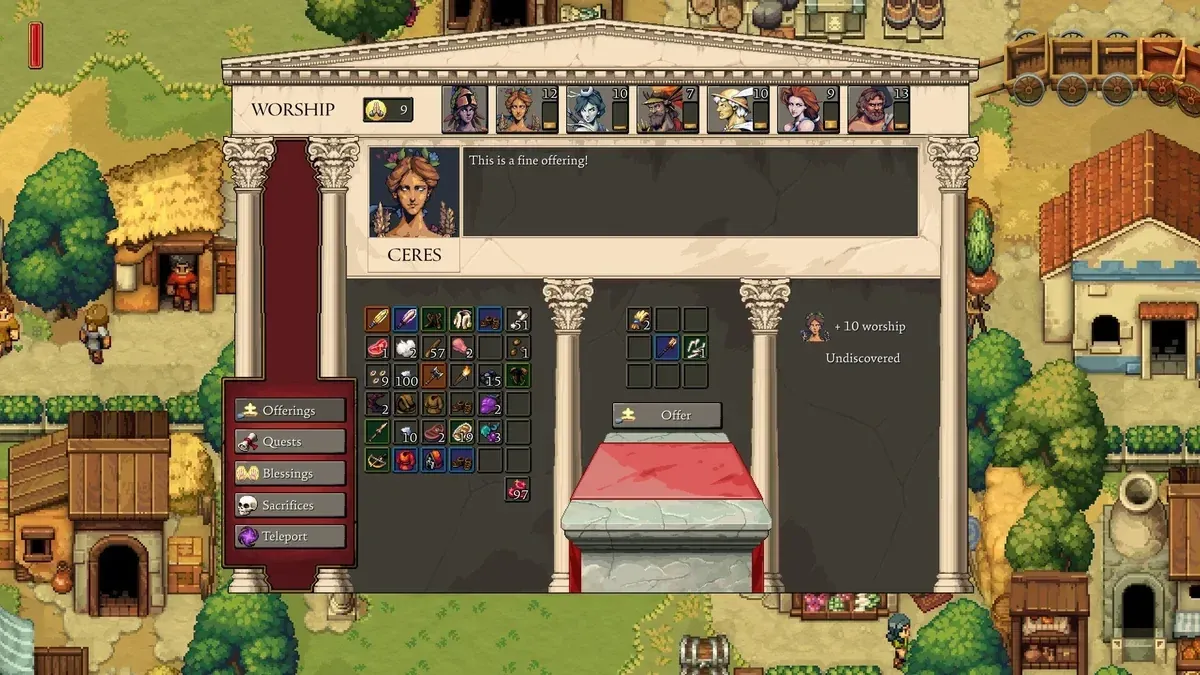
Altar offering selection screen
Some items give dramatically more experience than others. Rare items found inside chests, like a Scattered Spoils of War for Mars or a Basic Cargo for Mercury, provide massive experience boosts compared to the everyday materials you'd normally offer. Keep an eye on any chest loot before you sell or use it.

Where should you start?
Ceres is the right first choice for most players. Her offerings are the easiest to farm in the early game since nearly everything you gather from the land counts, and her blessings directly improve your production output. Getting a few worship points into Ceres before spreading to other gods will pay off faster than spreading thin across all six.
For players leaning into combat early, Mars is worth prioritizing in parallel. Bones drop constantly from enemies, and any weapons or armor you find but don't need can go straight to the altar instead of sitting in storage.
Ceres
Ceres is the god of nature, and her offering list reflects that. Crops, processed food, and foraged materials all count. The experience values vary quite a bit, so prioritize the higher-value items when you have them.
| Item | Experience |
|---|---|
| Seeds (Olive, Cabbage, etc.) | 0.1 |
| Sapling | 0.1 |
| Wheat | 2 |
| Flour | 2.5 |
| Bread | 4 |
| Olive Oil | 5 |
| Honeycomb | 10 |
| Garum | 12.5 |
| Bay Leaf | 15 |
| Grapes | 25 |
Grapes and Bay Leaf are the standout offerings here. If you're running a farm and producing Olive Oil or Garum regularly, funnel your surplus straight to Ceres rather than selling it until her blessings are maxed.
Ceres worship point screen
Diana
Diana covers hunting, so think in terms of meat, hides, and anything you pull from the wilderness. The Rotted Arquites Bow is a massive outlier at 150 experience, making it one of the best single-item offerings in the entire game if you find one.
| Item | Experience |
|---|---|
| Raw Game Meat | 5 |
| Poison Mushroom | 6 |
| Wool | 10 |
| Chanterelle Mushroom | 16 |
| Leather | 15 |
| Skeleton Bow | 15 |
| Strange Crab Meat | 30 |
| Leather Hood | 42.5 |
| Cured Hide | 50 |
| Rotted Arquites Bow | 150 |
Mars
Mars wants bones, weapons, and armor. Bones are the easiest to farm in bulk since enemies drop them consistently, making Mars one of the more accessible gods to level passively through normal combat. The real experience spikes come from the rusted weapons and the Lobber Wristguards.
| Item | Experience |
|---|---|
| Flint Pilum Head | 0.5 |
| Bone | 2 |
| Rusted Copper Gladius | 150 |
| Rusted Copper Hasta | 150 |
| Scattered Spoils of War | 200 |
| Lobber Wristguards | 840 |
The Lobber Wristguards at 840 experience is one of the single highest-value offerings in the game. If you find a pair and you're not using them, they're worth far more at the altar than anywhere else. Check our Romestead boss locations guide for tips on farming the tougher enemies that drop high-value war loot.
Mercury
Mercury is the god of trade, and his offering list is currently the shortest of all six gods. The experience per item is high to compensate, with Basic Cargo sitting at 200 experience per offering. Root Boots at 52.5 are also solid if you come across them.
| Item | Experience |
|---|---|
| Root Boots | 52.5 |
| Basic Cargo | 200 |
Since Mercury's list is limited, progress on him will be slower unless you're actively running trade routes and generating cargo. Don't neglect him entirely though since his blessings are valuable for economy-focused playstyles.
Venus
Venus wants crafted goods and found items, particularly potions and accessories. Her list is also on the shorter side right now, but the Fine Accessory at 200 experience makes her reasonably fast to level if you're looting regularly.
| Item | Experience |
|---|---|
| Minor Health Pot | 35 |
| Energy Potion | 40 |
| Chest | 25 |
| Fine Accessory | 200 |
Vulcan
Vulcan is the god of the forge. Copper Bars at 50 experience each are your main fuel for leveling him, and Coal at 5 experience per piece works as a steady background offering whenever you have surplus. This is a god that rewards players who are actively running a smithing operation.
| Item | Experience |
|---|---|
| Coal | 5 |
| Copper Bar | 50 |
Vulcan's offering list is sparse in the current Early Access build, so expect more items to be added as the game develops. For now, stockpile Copper Bars when your forge is running efficiently and send the extras his way.
What's the best order to level the gods?
There's no single correct answer, but here's a practical priority order based on what the early game rewards:
- Ceres first for production blessings that speed up everything else
- Mars second if you're doing combat, since bones are free experience from normal play
- Diana third once you have a hunting and tanning setup
- Vulcan fourth when your forge operation is running
- Venus and Mercury later, as their offering lists are limited and their items harder to farm in bulk
The gods you prioritize should also reflect your playstyle. A trade-focused player should invest in Mercury earlier than this list suggests. Combat players might want Mars at the top.
For more on building out your town and understanding the broader systems, the Romestead beginner's guide covers professions, biomes, and survival mechanics in detail. For everything else, the full Romestead strategy guides collection has you covered as the game continues through Early Access.