
Most players in Romestead spend their first day building walls. That instinct is understandable, but it targets the wrong problem. The fallen don't attack your perimeter at random. They navigate directly toward your production buildings, and your Blacksmith sits at the top of their priority list. Once you understand that, your entire defensive strategy shifts.
What do the fallen actually target in Romestead?
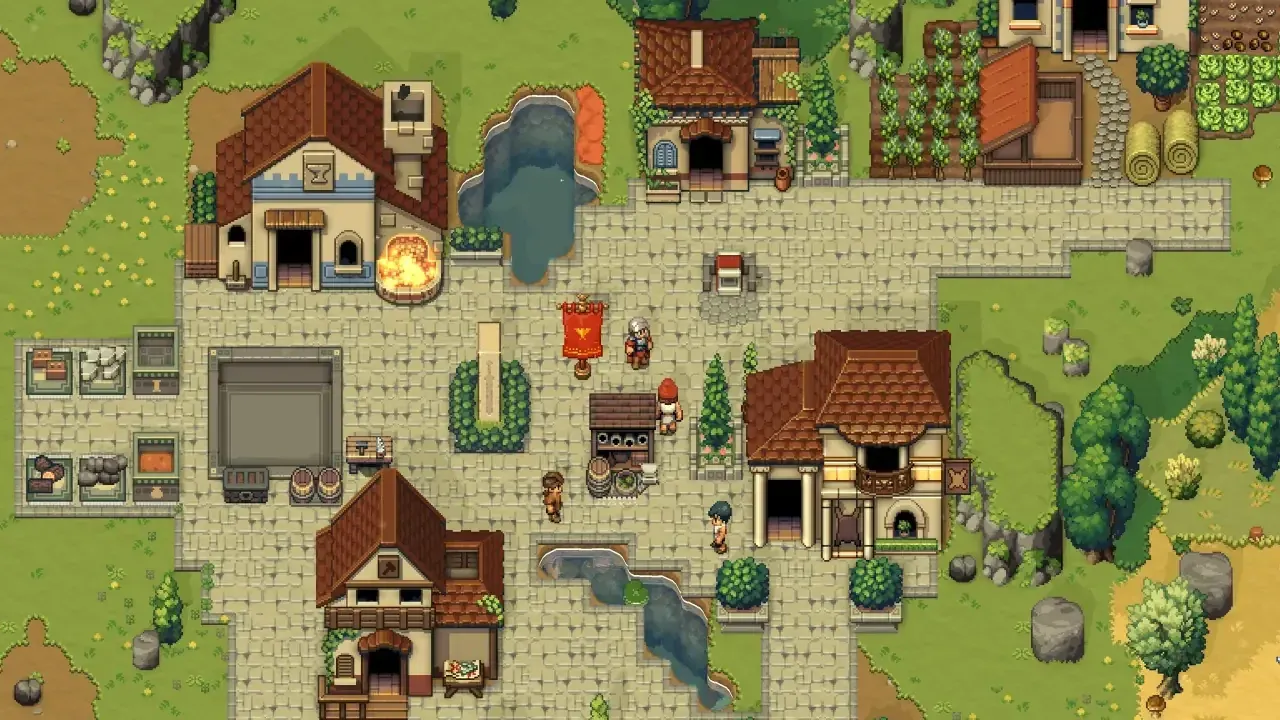
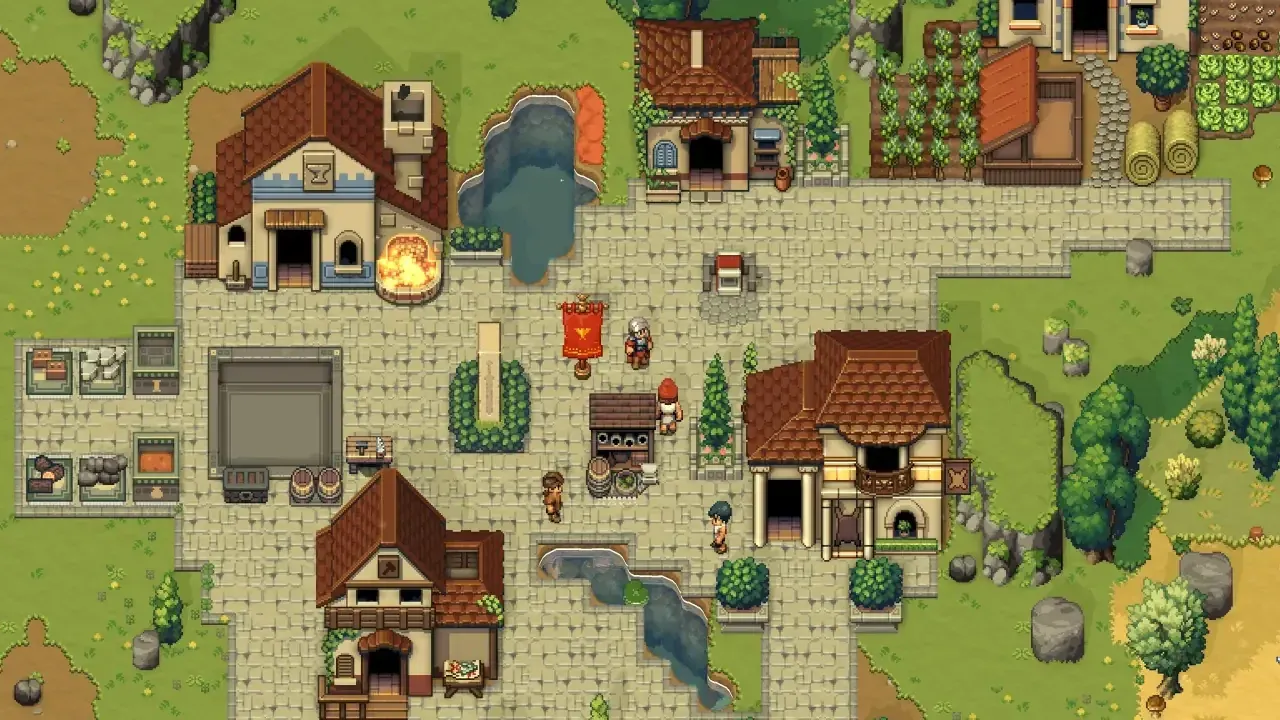
The fallen are reanimated Roman citizens, and they move with purpose during night raids. Every wave navigates toward your production buildings rather than testing your outer walls randomly. The Blacksmith is the primary target, and losing it mid-raid stalls your gear and crafting progression for the rest of that run. Farmsteads come in as secondary targets, so food production is also at risk if left unprotected.
This targeting behavior has a direct implication for how you lay out your settlement. Before you plan any defense, identify where your Blacksmith and Farmstead sit on the map. Your entire defensive setup should radiate outward from those two buildings, not from your settlement's outer edge.
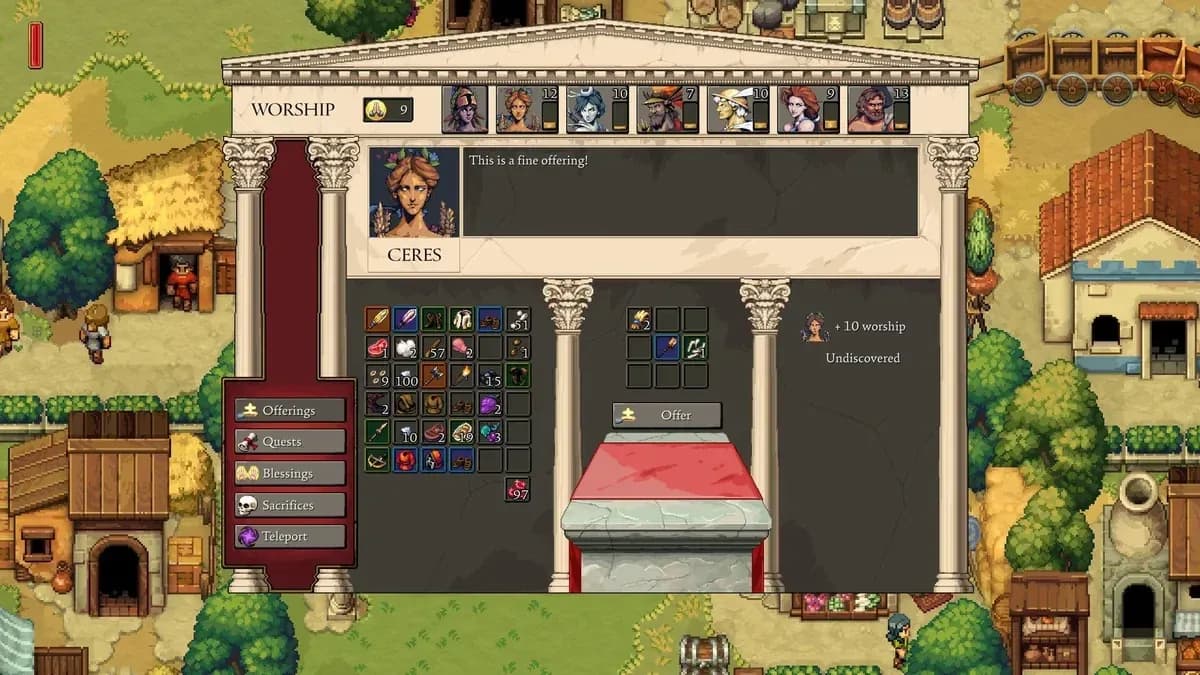
Blacksmith torch ring setup
A common early mistake is building a half-complete perimeter wall around the whole settlement while the Blacksmith sits in an unlit corner behind it. The fallen will route around that incomplete wall and reach the Blacksmith faster than if you'd just placed two torches next to it.

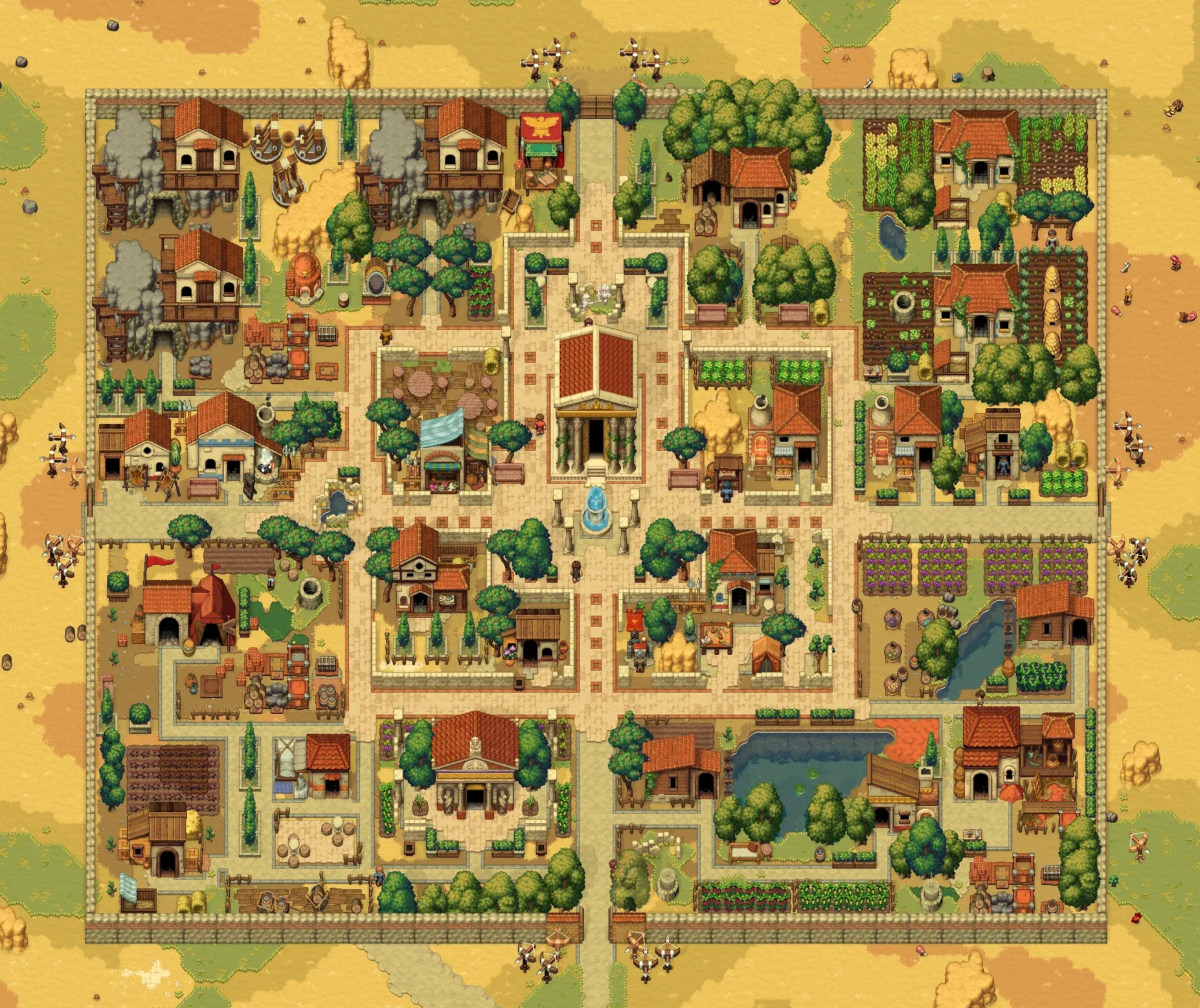
Why torches come before walls
The fallen don't enter well-lit areas effectively. That single mechanic makes torches the most cost-efficient defensive tool in the early game, and it means the correct build order before your first night is light first, walls second.
Here's the priority order that holds up across the first few nights:
- Place torches in a ring around your Blacksmith
- Place torches around your Farmstead
- Build wall sections to close the unlit approach gaps between your torched areas
- Extend the outer perimeter with remaining lumber
A torch ring around the Blacksmith costs less lumber than a full wall section and goes up faster. You do not need a complete four-sided wall to survive night one. You need lit perimeters around your key buildings and wall coverage on the most direct approach routes into those lit zones.
For players just getting started, the Romestead beginner's guide covers the broader survival loop that puts this defense priority in context alongside resource management and early building decisions.
How should you build walls for maximum defense?
Walls matter, but placement beats quantity every time. A few well-placed sections on the main approach routes to your Blacksmith do more work than a sprawling half-finished perimeter.
Focus wall construction on:
- Routes the fallen use to approach your Blacksmith and Farmstead specifically
- Sections beside and behind the Blacksmith, not just in front of it
- Gaps between torched areas where fallen can slip through without entering lit zones
One combat mechanic worth knowing early: physical resources you're carrying can be thrown at the fallen during raids. Rocks and other carried items function as improvised ranged weapons, which gives you a meaningful combat option before you have a full weapon loadout ready. Check the Romestead weapons tier list once you're past the first few nights and want to upgrade your active combat options.
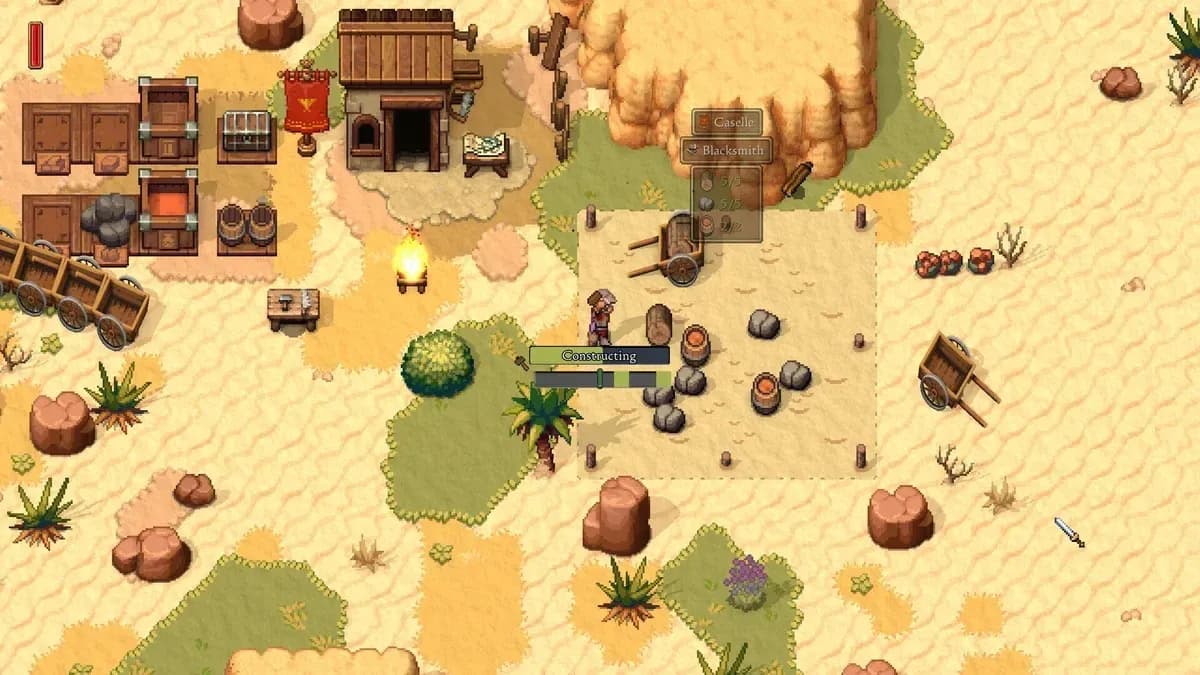
Wall placement on key routes
How do raids scale as you progress?
Raid intensity increases as your run advances. The fallen you face on night five behave more aggressively than those on night one, and the wave sizes grow. Early-game setups don't hold indefinitely.
Mid-game defense requires two things the opening setup doesn't:
- Expanded torch coverage as your settlement grows (every new production building is a new potential target)
- Reinforced walls on the approach routes you established early, since later waves navigate more aggressively through gaps
| Defense Stage | Primary Focus | Secondary Focus |
|---|---|---|
| Night 1-2 | Torch ring around Blacksmith | Torch ring around Farmstead |
| Night 3-5 | Wall gaps between torched zones | Extend perimeter from key buildings out |
| Mid-game | Expand torch line to new buildings | Reinforce early wall sections |
| Late-game | Scorpio ballista placement | Full perimeter with no approach gaps |
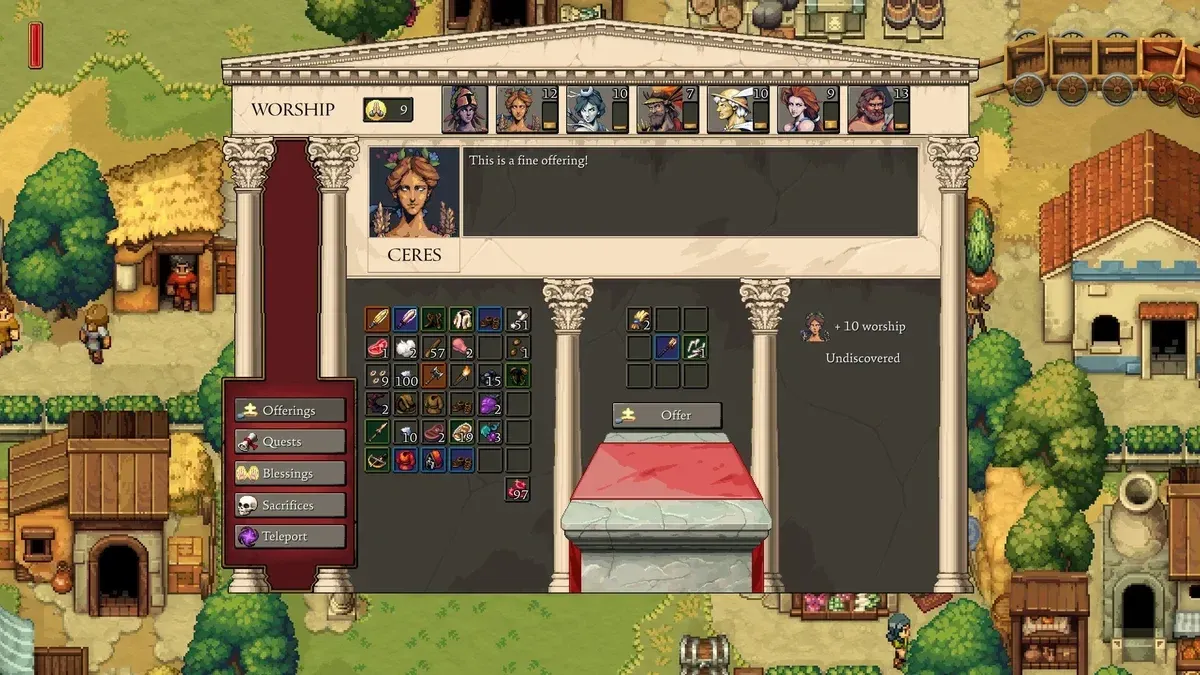
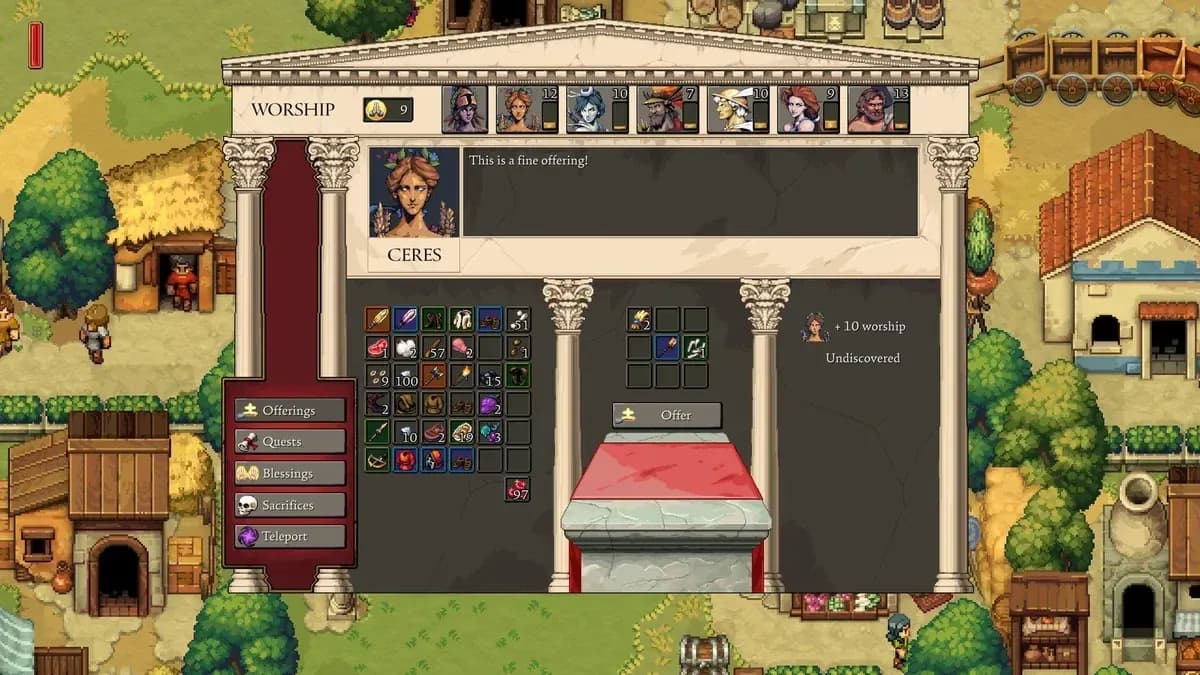
The god system becomes relevant here. Mars' branch unlocks automatic Scorpios (ballista-type siege weapons) that provide automated ranged defense during raids without requiring a player to actively fight. Prioritizing Mars in the god system pays off if raids are your main bottleneck by mid-game. For a full breakdown of which offerings level each god fastest, the Romestead gods guide covers every deity and their upgrade paths.
Co-op defense: how do roles split across player counts?
Romestead supports 1-8 players, and raid defense divides naturally into roles that make the settlement significantly more manageable once you have at least two people.
Solo play forces you to handle daytime building tasks and active nighttime combat yourself, which creates a real pressure problem by week two. With two players, the split is straightforward:
- One player maintains torch lines and handles wall repairs during raids
- One player fights the fallen actively as they breach or approach
At larger group sizes (4-8 players), add dedicated roles:
- A god-system manager who controls which Scorpios are active and firing
- Production building defenders who stay physically near the Blacksmith and Farmstead throughout the raid
More players don't make raids easier in a flat sense. Larger groups face larger waves. What more players actually provide is the ability to cover multiple roles simultaneously rather than juggling everything alone.
Co-op raid role split
What's the fastest way to survive the first night?
After testing the opening nights across multiple run configurations, the fastest path to a stable first night comes down to three decisions made before the sun sets:
- Drop torches around the Blacksmith before you do anything else defensive
- Close the torch gap around the Farmstead second
- Build wall sections only on the direct approach routes between those two lit zones
Don't try to build a full perimeter on night one. You won't finish it, and the resources spent on outer walls are better used on torch fuel and gap coverage. The fallen will find your Blacksmith regardless of how far out your walls extend if the building itself sits in darkness.
First-night torch perimeter
For everything else the game throws at you beyond raids, the full Romestead strategy guides collection covers bosses, biomes, professions, and resource farming in detail.