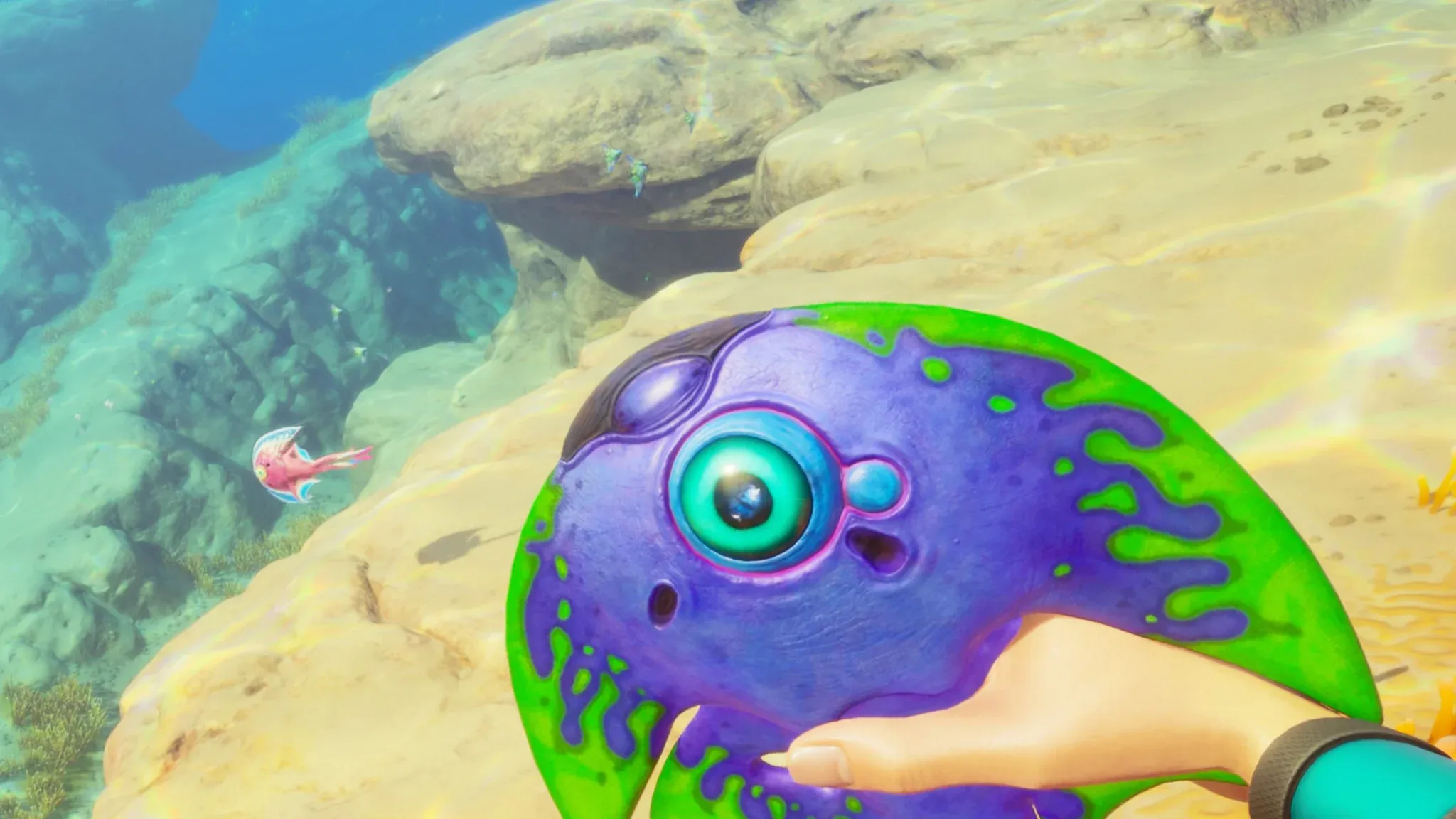

Subnautica 2 throws you into Planet Proteus's alien ocean with minimal guidance. No minimap, oxygen constantly draining, and massive Leviathans patrolling zones you'll eventually need to explore. The upside: if you prioritize the right systems early, you'll avoid most preventable deaths. These 9 tips focus on oxygen management, vehicle timing, and not getting yourself killed in the first three hours.
Scan everything you see
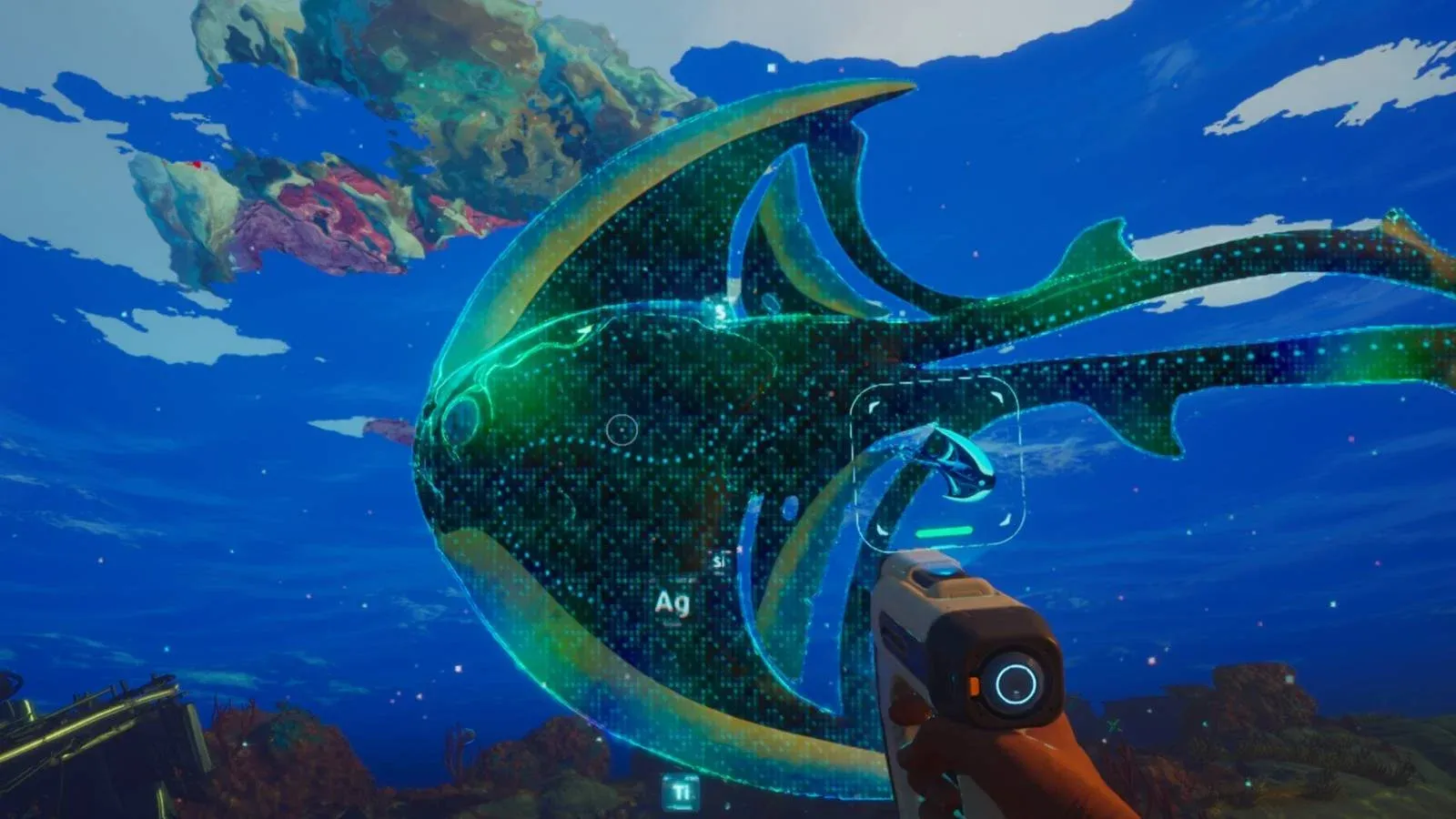
Your scanner works the second you spawn. Use it on everything. Each creature, resource deposit, and wreckage fragment you scan logs data to your PDA and unlocks crafting blueprints. The rule: scan anything new the moment you see it, even if it's a common fish or a rock you've already harvested. Scanning takes seconds and costs nothing. Skip it early and you'll be short on recipes when you actually need them.
For a full breakdown of how the scanner works and which items to prioritize, check out the Subnautica 2 scanner guide covering how to scan new items and unlock recipes.
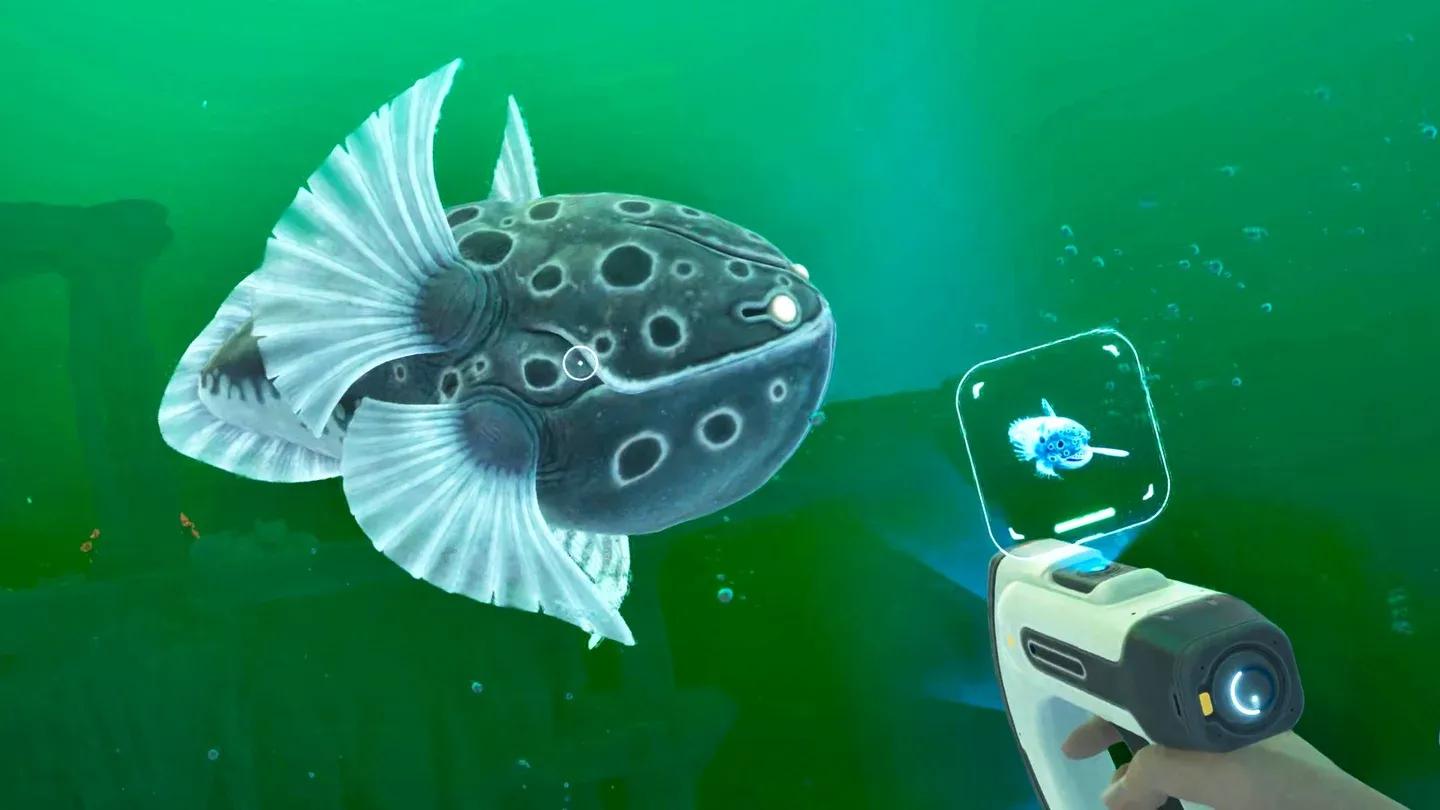
Scan early, scan often

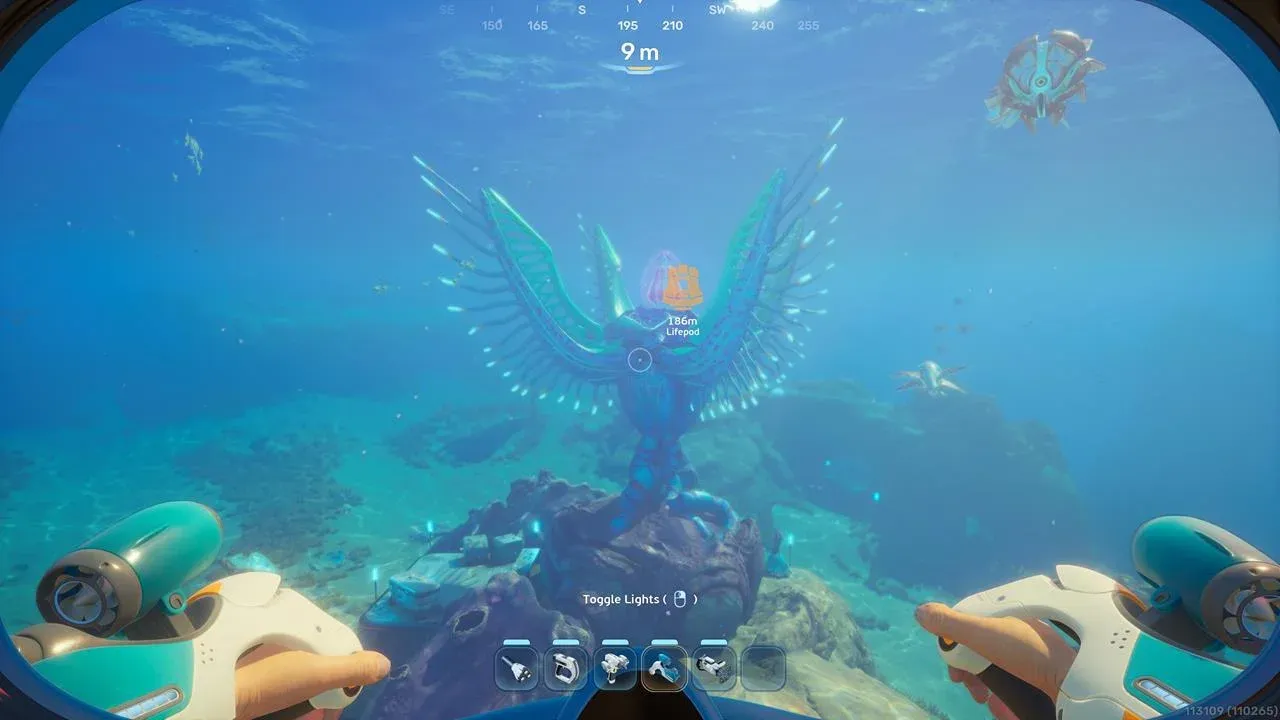
Don't explore too far, too fast
The map opens up fast, but that's bait. Stay in the starter shallows for at least 2 to 3 hours. This is where you collect early survival resources, learn oxygen mechanics without pressure, and set up your first base in a zone with no hostile creatures.
Deeper biomes aren't built for unprepared players. Leviathans guard certain depths, and encountering one before you have oxygen upgrades or a vehicle means losing your gear.
How do you manage oxygen efficiently?
Oxygen kills more runs than anything else in Subnautica 2. Every dive needs a return route planned before you descend. As you progress, upgrading your oxygen tank should be your first character upgrade, ahead of base expansions and most tools.
Many deeper biomes aren't designed for early exploration. Increasing oxygen capacity first means longer dives, fewer surface trips, and safer access to new zones.
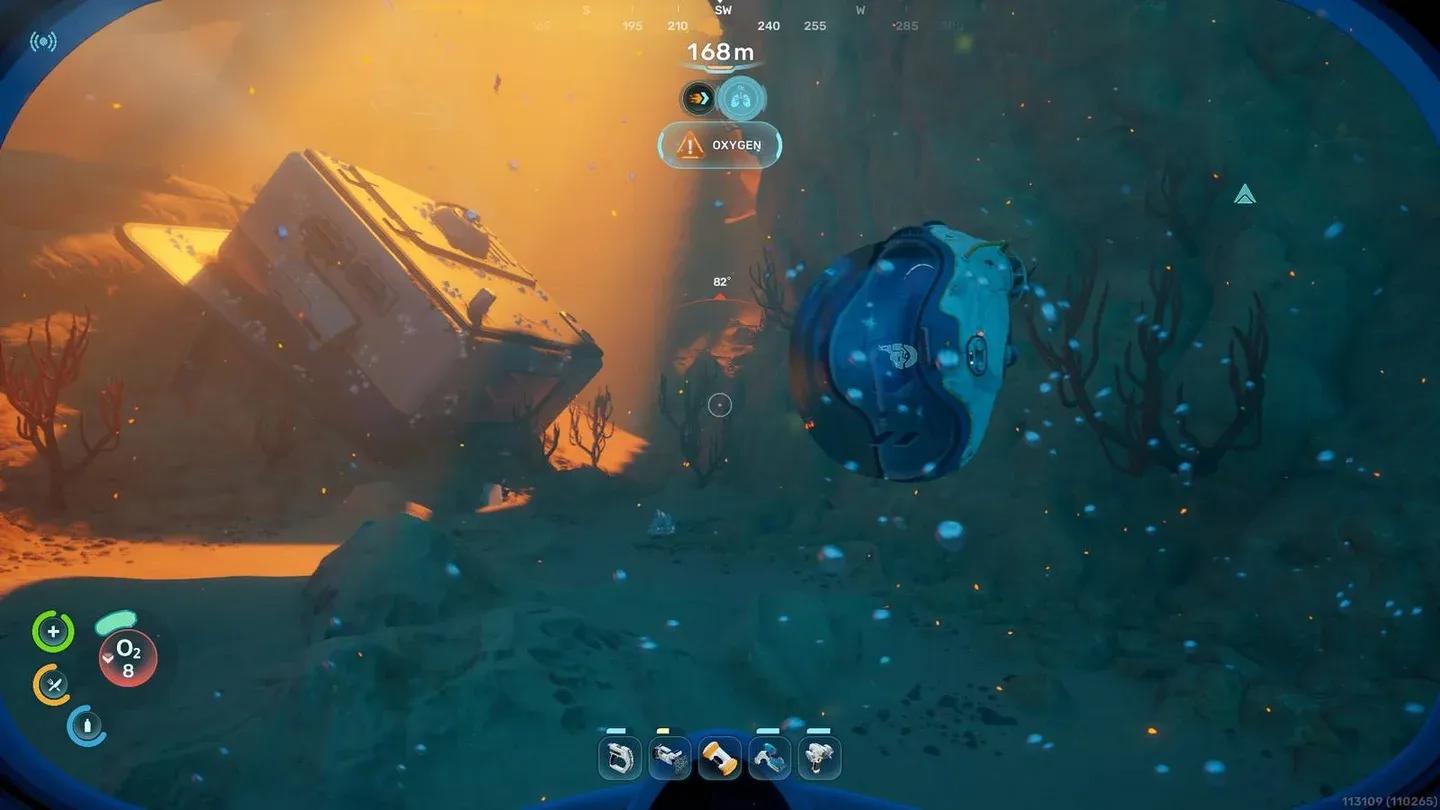
Upgrade oxygen before diving deep
Place beacons everywhere
There's no pull-up map in Subnautica 2. Navigation depends on environmental landmarks, terrain memory, and beacons you place yourself. Beacons are craftable items you drop anywhere. Once placed, you name them and they appear as labeled icons on your HUD.
Beacons are the closest thing the game has to a map system. In co-op sessions, assign one player to beacon placement before the group spreads out. Four players strip resources fast and can lose their route home just as quickly.
Name beacons clearly: "Base Alpha," "Kelp Cave Entrance," "Copper Deposit" work better than defaults. The more specific, the more useful when you're disoriented at depth.
Build your starter base in the shallows
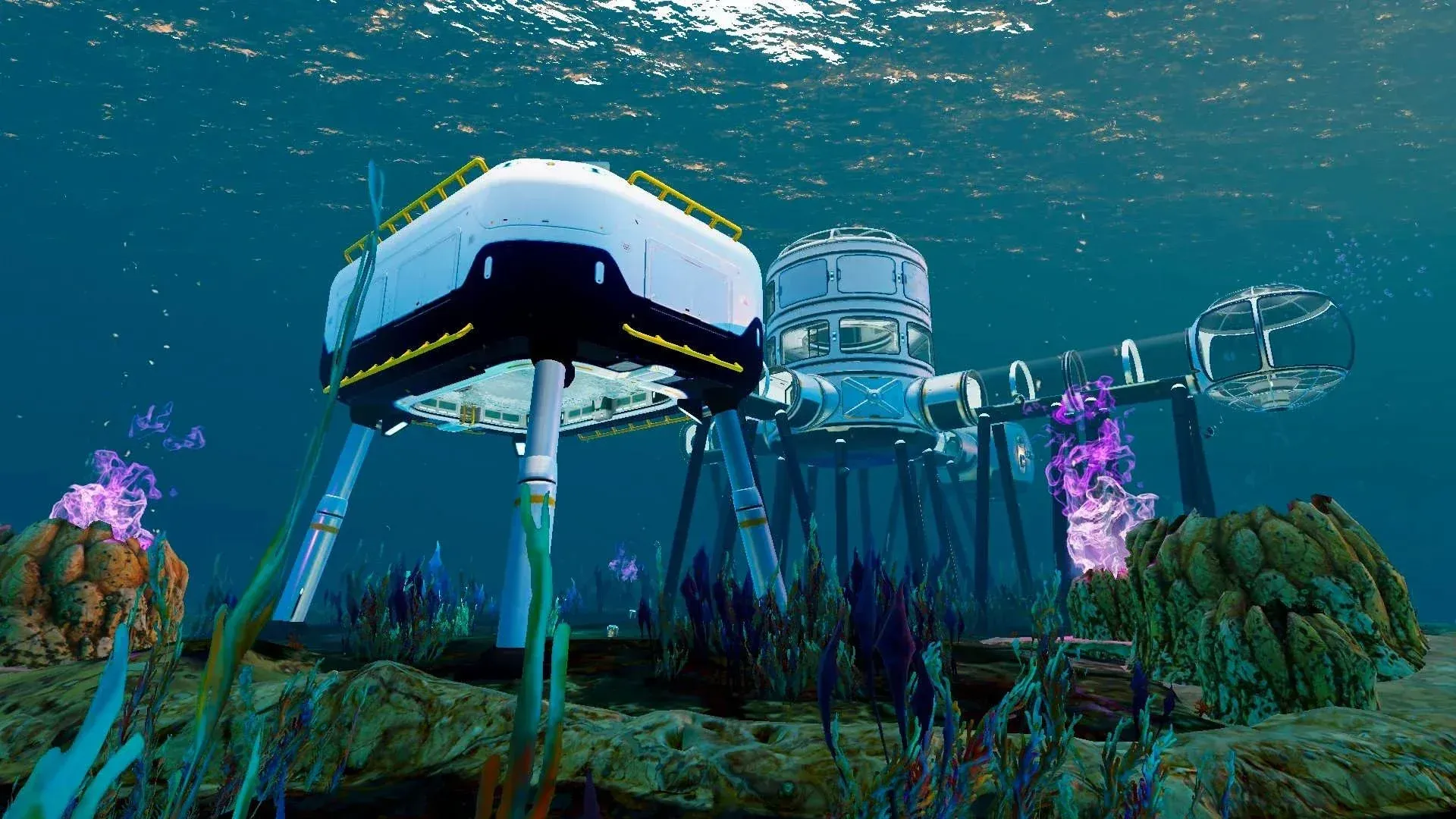
Don't build your first base somewhere scenic. A functional starter base near spawn, with basic storage and crafting stations, beats an elaborate structure in a distant biome. You'll spend most of the early game in the starting area anyway, so proximity saves constant travel time.
When you're ready to relocate, you can recover all materials from the starter base and rebuild elsewhere. Nothing is wasted.
For detailed placement advice and what to build first, the Subnautica 2 base building guide on finding the Habitat Builder covers the full setup process.
Build the Tadpole before expanding your base
The first vehicle you can build is the Tadpole, which functions like the Seamoth from the original Subnautica. It moves faster across the map, reaches greater depths, and carries extra items on longer expeditions. The Tadpole is the best early-game upgrade available. Prioritize its construction over spending materials on base expansion.
The logic is simple: a bigger base makes your existing area more comfortable, but the Tadpole opens entirely new zones and accelerates progression in ways a larger storage room cannot.
What should you prioritize upgrading first?
Character upgrades outrank most other crafting goals early. Your oxygen tank, suit, and personal equipment directly determine where you can go and how long you can survive there. Unlocking new crafting recipes depends on reaching new biomes, and reaching new biomes depends on having the survivability to get there.
Upgrading your oxygen tank, suit, and other personal equipment matters more to early survival than any base or tool upgrade. New recipes and resources unlock as you explore deeper, so character upgrades pay forward.
| Upgrade Priority | Item | Why It Matters |
|---|---|---|
| 1 | Oxygen tank upgrade | Extends dive time, unlocks access to deeper biomes |
| 2 | Tadpole vehicle | Faster travel, deeper dives, extra carry capacity |
| 3 | Suit upgrade | Improved protection and environmental resistance |
| 4 | Base crafting stations | Expands recipe access and storage options |
Manage food carefully and keep emergency supplies
Food spoils in Subnautica 2. Catching and cooking two dozen fish at once sounds efficient until half rots in your inventory before you eat it. The better approach: catch what you need plus a small buffer. Fish are plentiful enough that hoarding isn't necessary.
Always reserve a few inventory slots for emergency supplies: extra food, water, a first aid item, and an Air Bladder. These are for situations where an expedition runs long or a creature forces an unplanned retreat. Losing those slots to extra resources you don't need yet is a mistake that hurts at the worst possible moment.
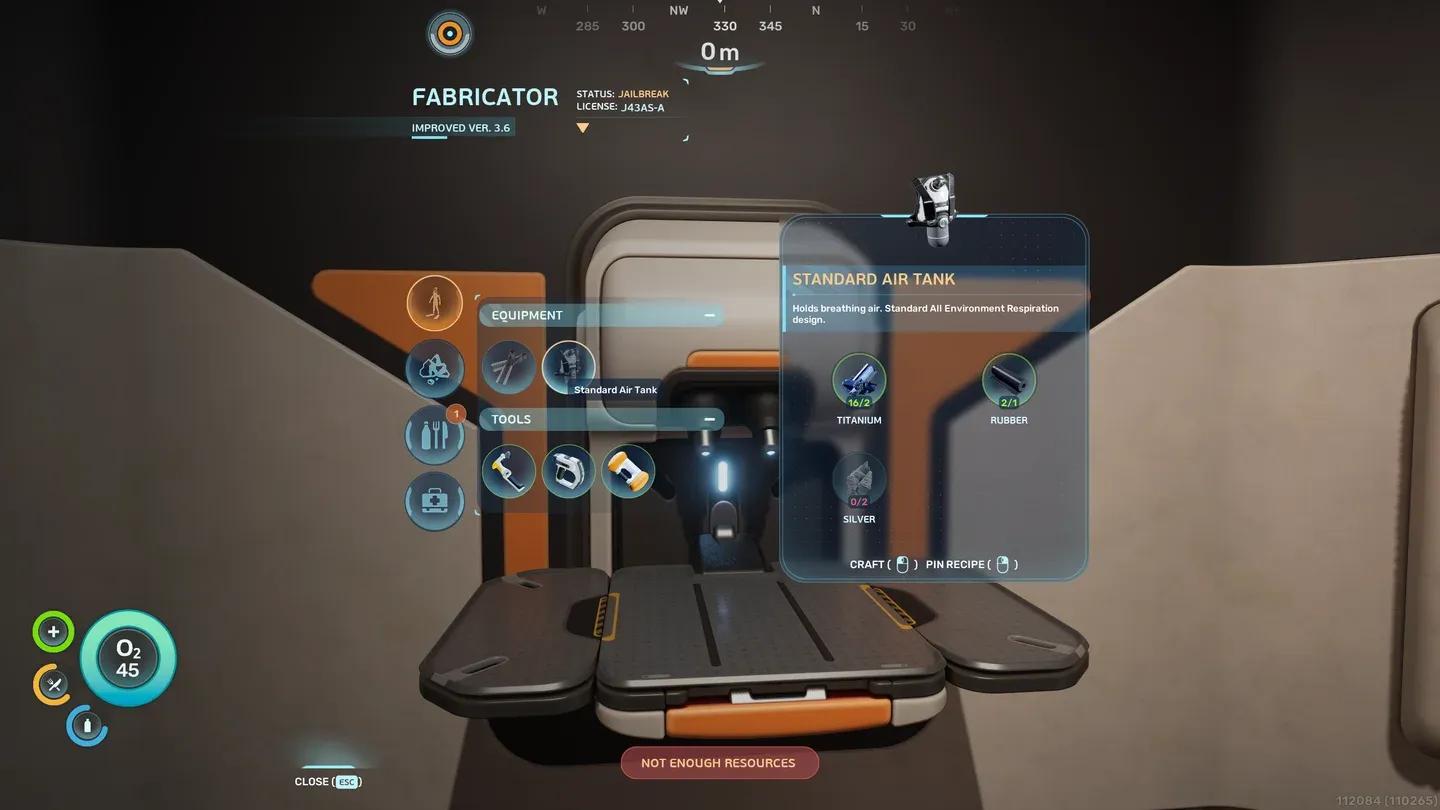
Reserve slots for emergencies
Listen to the audio cues
Planet Proteus communicates danger through sound before showing it visually. Leviathans make noise before attacking. New biomes have distinct audio signatures that tell you something about what lives there before you see it. Audio cues are one of the most underrated survival tools in the game.
Play with headphones if possible. The difference between hearing a Leviathan approaching and being surprised by one is the difference between a controlled retreat and a death screen.
How does multiplayer change the early game?
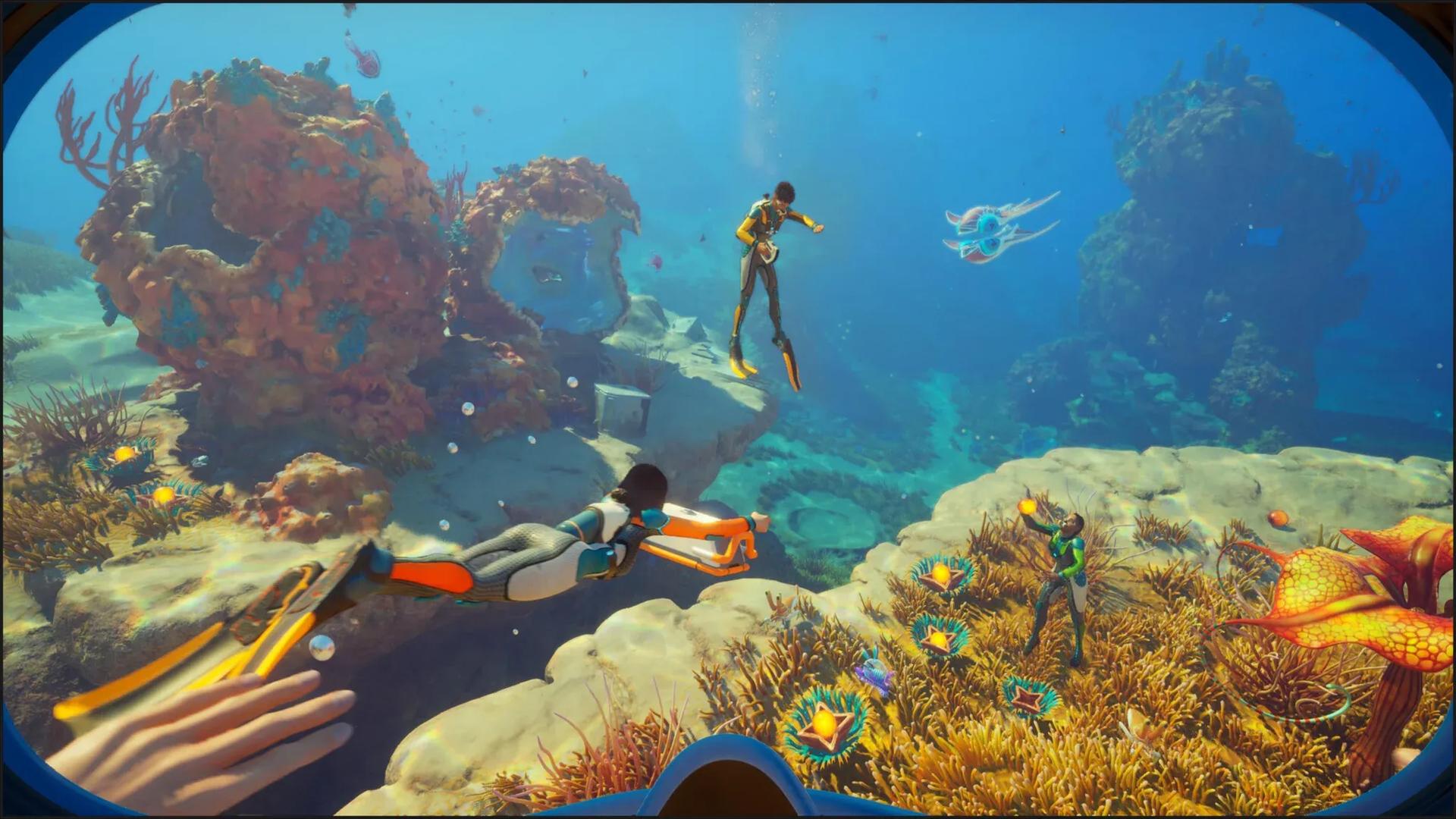
Subnautica 2 supports up to 4 players in co-op, with drop-in and drop-out functionality and cross-platform play between PC and Xbox. Shared PDA entries and discovered information update for the whole team, so one player scanning a creature benefits everyone.
Splitting into four roles makes sessions efficient:
- Quartermaster: Stays near base, manages power, keeps food and oxygen stocked
- Gatherer: Runs resource loops and supplies the Quartermaster
- Scout: Pushes outward, drops beacons, records landmarks and confirms map markers
- Biologist: Scans fauna and flora, tracks food sources, warns the team before entering unknown ecosystems
The Scout role matters most because beacon placement and landmark documentation are the co-op equivalent of map awareness. A Scout who drops beacons consistently keeps the whole team oriented.
The game is built single-player-first, so no story content or progression is locked behind multiplayer. Playing solo is a complete experience.
For more on getting started across every system, the Subnautica 2 ultimate beginner's guide covers the full range of early mechanics in one place. You can also find the complete Subnautica 2 guide collection for deeper dives into specific systems as you progress through the survival game.