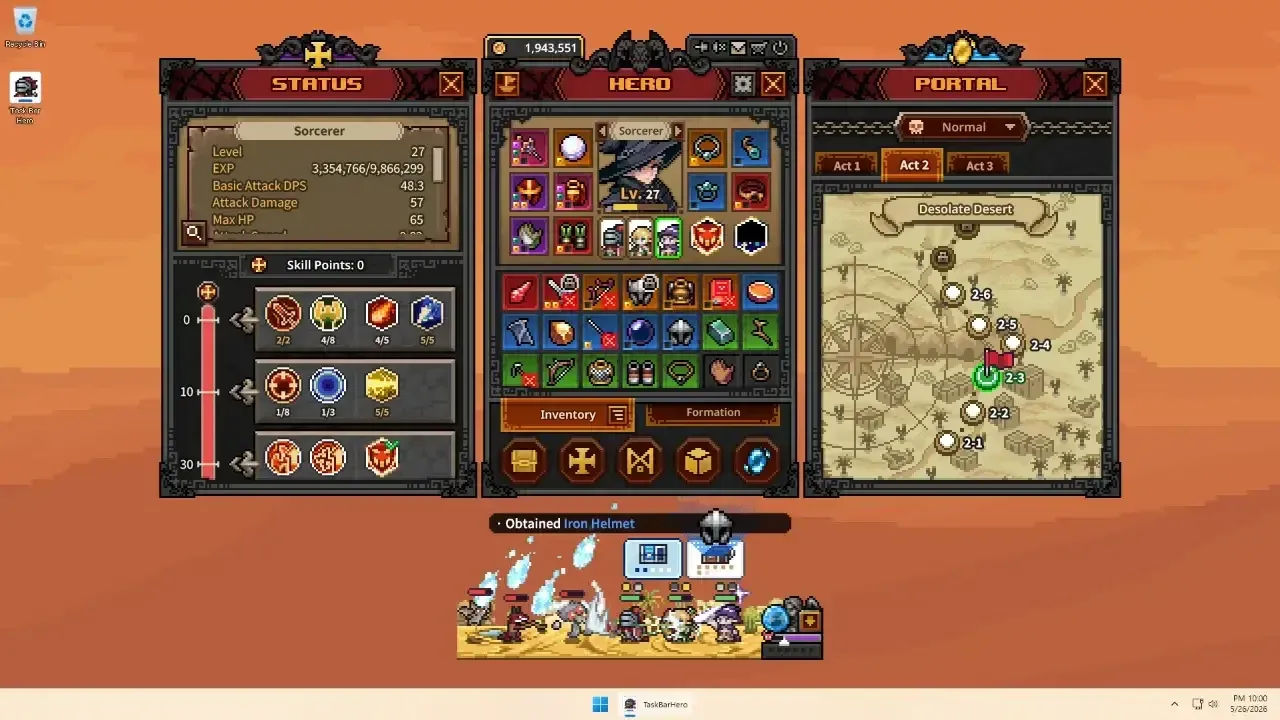


The Cube in TBH: Task Bar Hero, Fully Explained
The Cube sits at the center of everything in TBH: Task Bar Hero. It handles gear upgrades, gold conversion, crafting, and socketing, and most new players either ignore half of it or use it in the wrong order. Getting the Cube right is the difference between stalling out in mid-game and pushing through to Legendary gear. Here's exactly what each function does, when to use it, and which one deserves your attention first.
What does the Cube actually do?
The Cube has five distinct functions: Synthesis, Alchemy, Crafting, Decoration/Engraving/Inscription, and Removal. Each one serves a different purpose, and none of them are redundant. Think of it less like a single upgrade station and more like a five-tab workshop where each tab handles a specific part of your item economy.
The confusion most players run into is treating Synthesis and Alchemy as competing choices when they're actually sequential. You use Alchemy first, then Synthesis once your gold situation is stable.
Synthesis vs Alchemy: Which one should you use first?
This is the question the community debates most, and the answer depends entirely on where you are in the game.
Alchemy converts unwanted items into gold. Early on, gold is the bottleneck for almost everything: unlocking formation slots through the Rune tree, buying skill slot upgrades, and expanding your party. Without a steady gold income, your progression stalls regardless of how good your gear is. Alchemy is your primary engine for that income, and it stays relevant throughout the game.
Synthesis combines 9 items of the same rarity to produce one item of a higher rarity. This is how you climb the gear ladder toward Legendary and Immortal quality. The catch is that it requires a stockpile of gear to function. If you're selling everything through Alchemy just to get gold, you'll never accumulate enough fodder to synthesize anything meaningful.
The practical approach: prioritize Alchemy and Rune investment until your formation is full and your key upgrades are purchased. Once gold pressure eases and you're sitting on excess gear, shift toward Synthesis. You can occasionally get lucky and skip rarity tiers, which makes it even more rewarding once you commit to it.
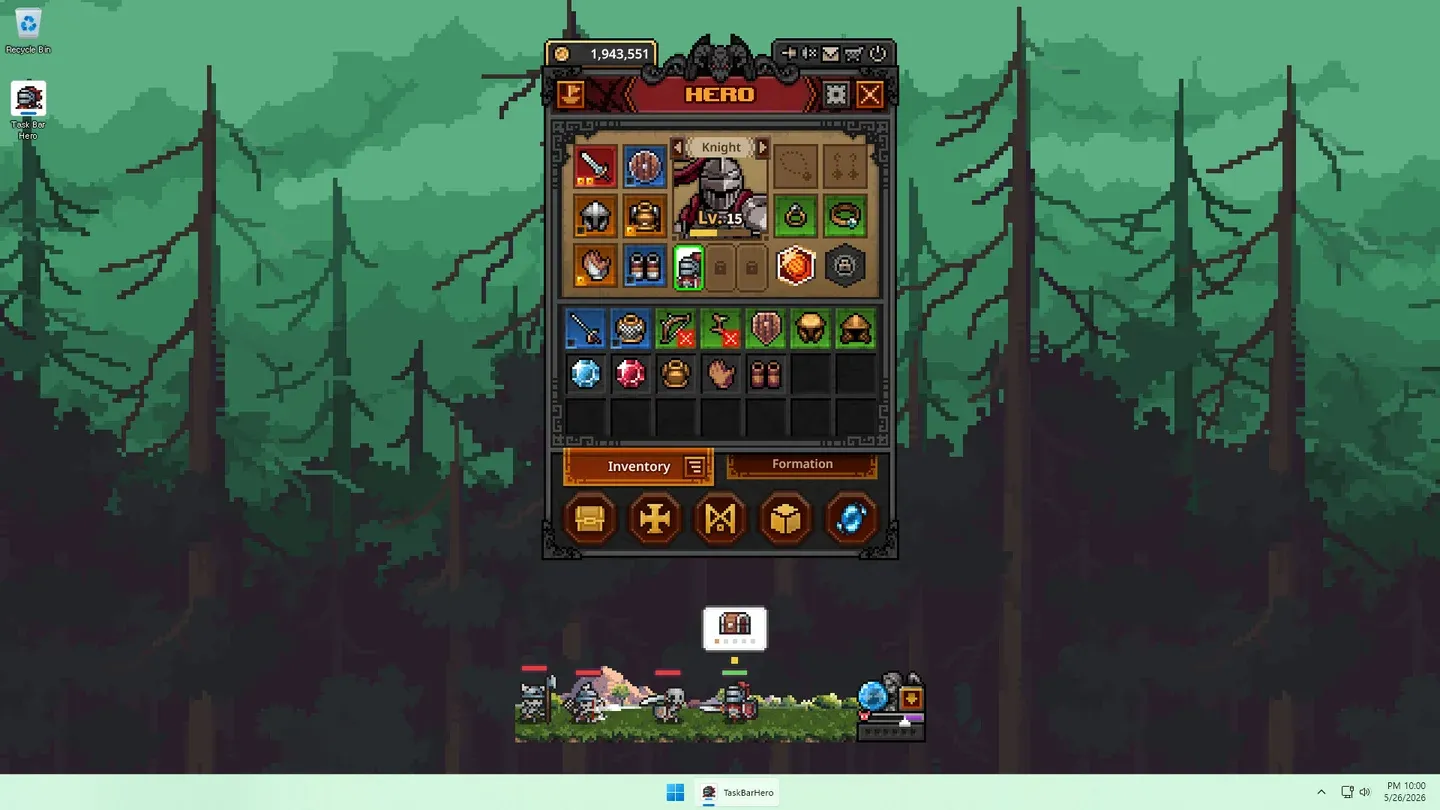
Alchemy converts items to gold
How does Crafting work?
Crafting lets you build gear directly from materials you collect during play. It's most useful for plugging holes in your loadout when drops haven't cooperated. One thing worth knowing: main and secondary weapons produce random results when crafted. You may need to craft the same slot multiple times before you get a stat spread worth keeping. Don't burn through your material stockpile crafting weapons unless you genuinely need the upgrade.
What are Decoration, Engraving, and Inscription?
These are three socket slots that unlock at different gear rarity thresholds. Decoration unlocks at Rare, Engraving at Immortal, and Inscription at Arcana. Each slot accepts specific materials that add stat bonuses to the item.
Before socketing anything, check what the material actually adds. Slotting fire damage bonuses onto a hero who deals no fire damage is a waste of a material slot. Match the bonus to the hero's damage type and role.
Socket materials for stat bonuses
How does the Cube connect to the Rune system?
The Rune tree has direct upgrades that amplify what the Cube does. Cube Alchemy runes boost the gold and XP you get from conversions, making every Alchemy session more efficient. These sit in the mid-priority range of the Rune tree, behind formation slots and skill slot upgrades but ahead of most combat stat nodes.
If you're still building out your party and haven't hit the Rune priorities yet, the beginner strategies and Rune priority breakdown covers the full order from day one. The short version: second and third formation slots come first, then skill slots, then Alchemy bonuses.
Does offline play affect Cube progression?
Offline farming generates gold and XP passively, but drops zero chests while you're away. Since Synthesis and Crafting both depend on having a supply of items to work with, offline time alone won't keep the Cube fed. Short active sessions of 20 to 30 minutes make a much bigger difference to your item economy than extended offline periods. Use offline income to top up your gold, but plan your Cube work around active play.
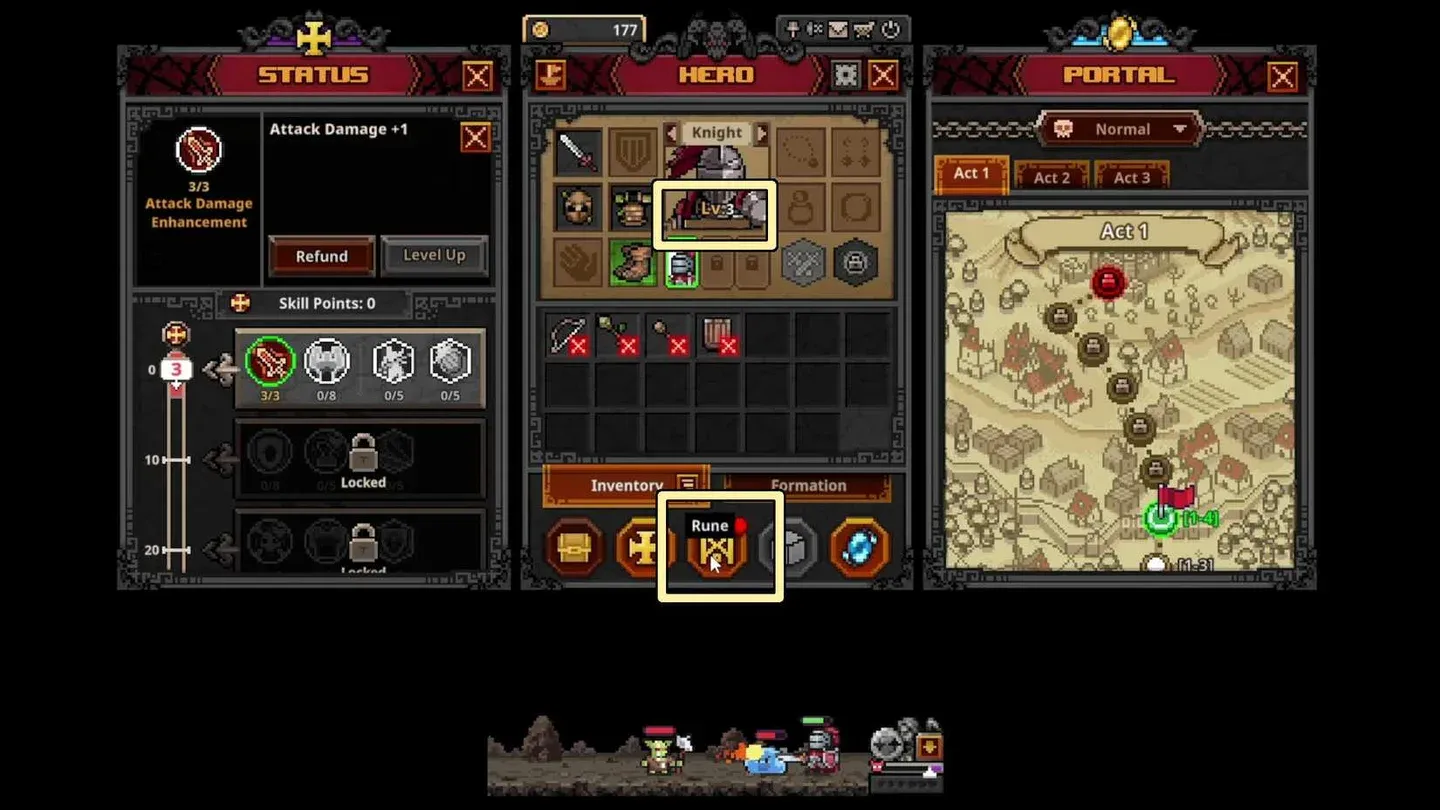
Rune tree boosts Cube output
Quick tips for getting more out of the Cube
- Lock items before any Alchemy auto-fill run. One misclick can cost you synthesis fodder.
- Save Soul Stones in your Stash alongside high-rarity gear you can't equip yet. Don't sell them.
- Decoration, Engraving, and Inscription materials are also worth stashing rather than selling, especially early on when you don't know which gear you'll settle on.
- Synthesis can skip rarity tiers occasionally. Don't assume the result will always be exactly one step above your input.
- Each class can only equip certain item types. Hover over gear before deciding whether to Synthesize or Alchemize it. Gear for classes you don't play is usually better converted to gold.
For players building toward specific class setups, the best Ranger build guide and best Knight build guide both cover which gear types to prioritize for each role, which feeds directly into smarter Synthesis and Alchemy decisions.
For everything else covering TBH: Task Bar Hero, the full strategy guide collection has you covered from party building to end-game farming.