
Advertisement

Overview
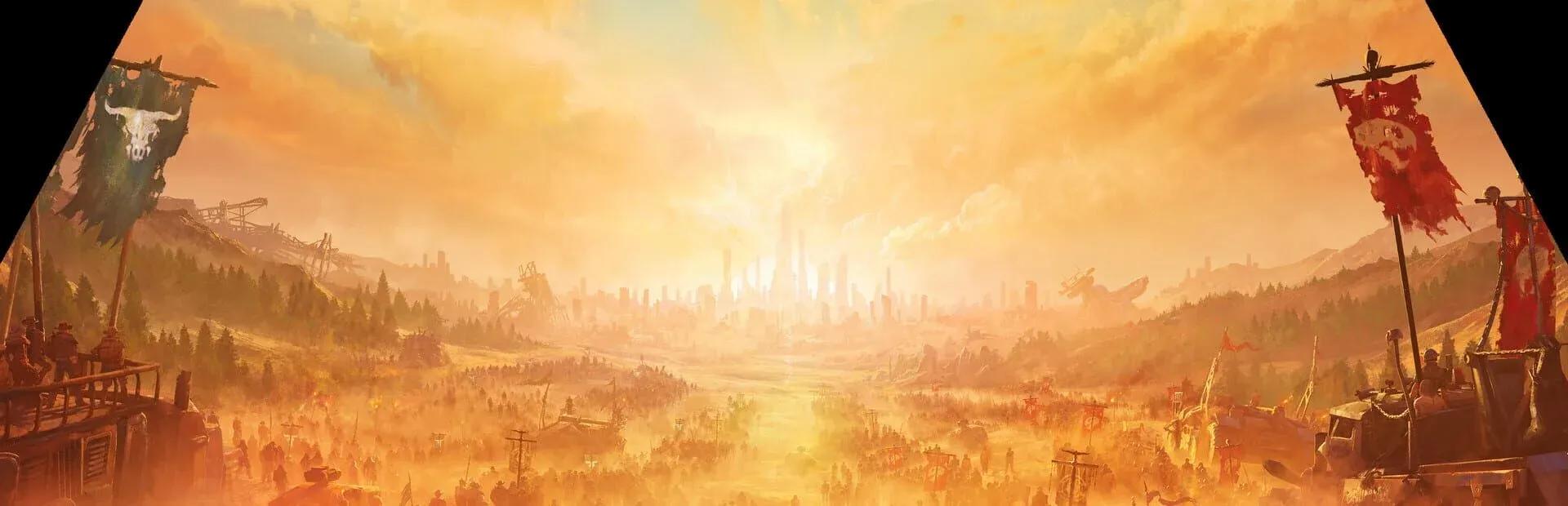
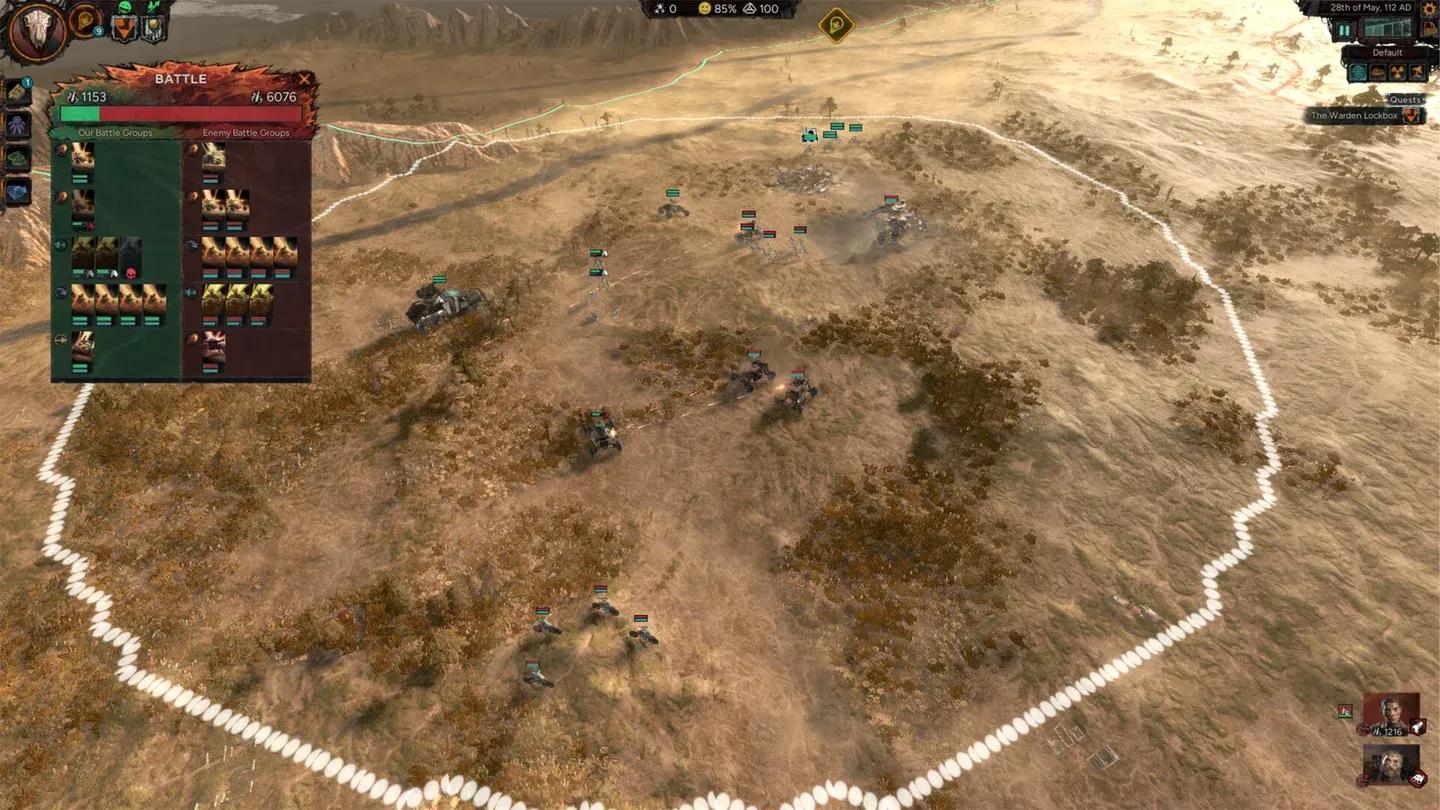
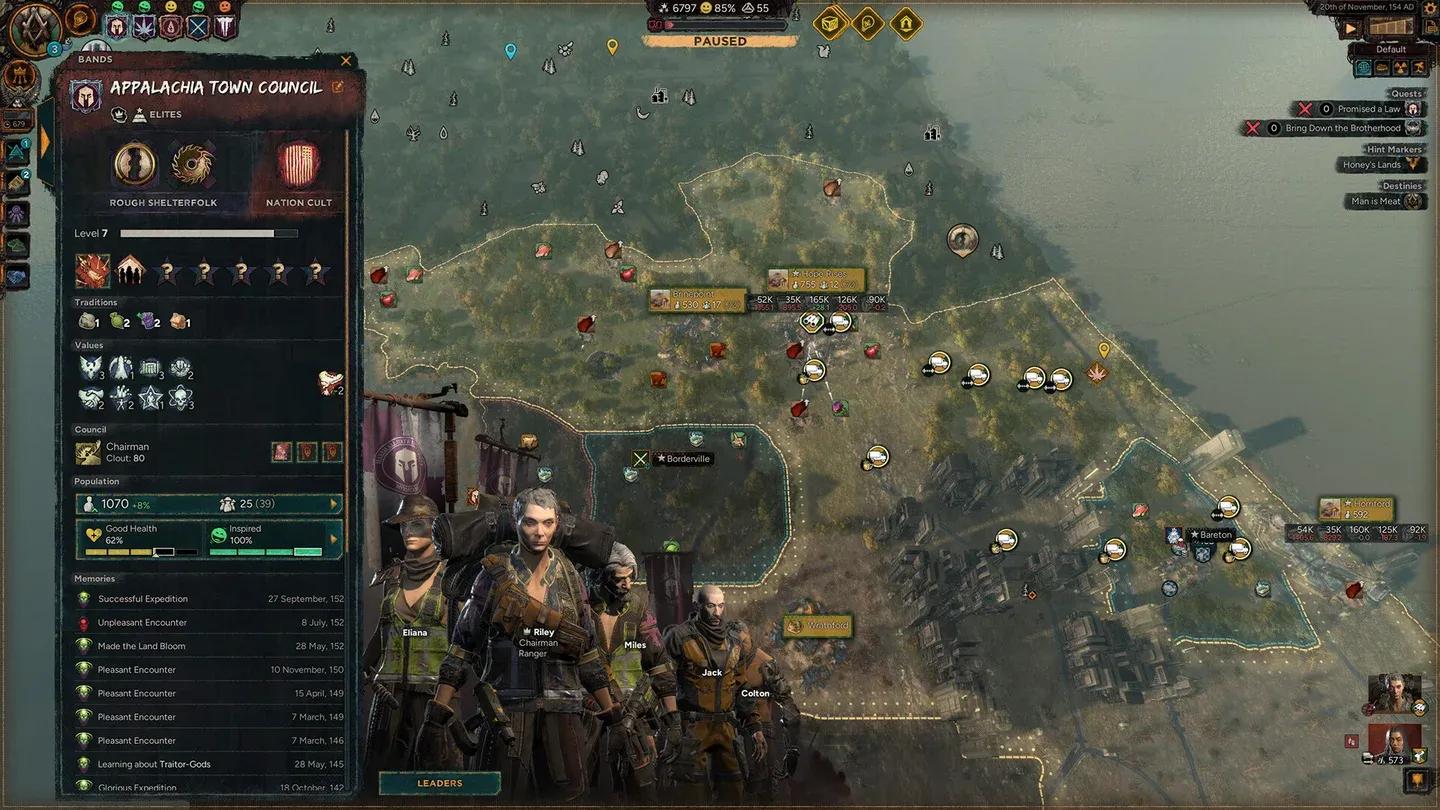
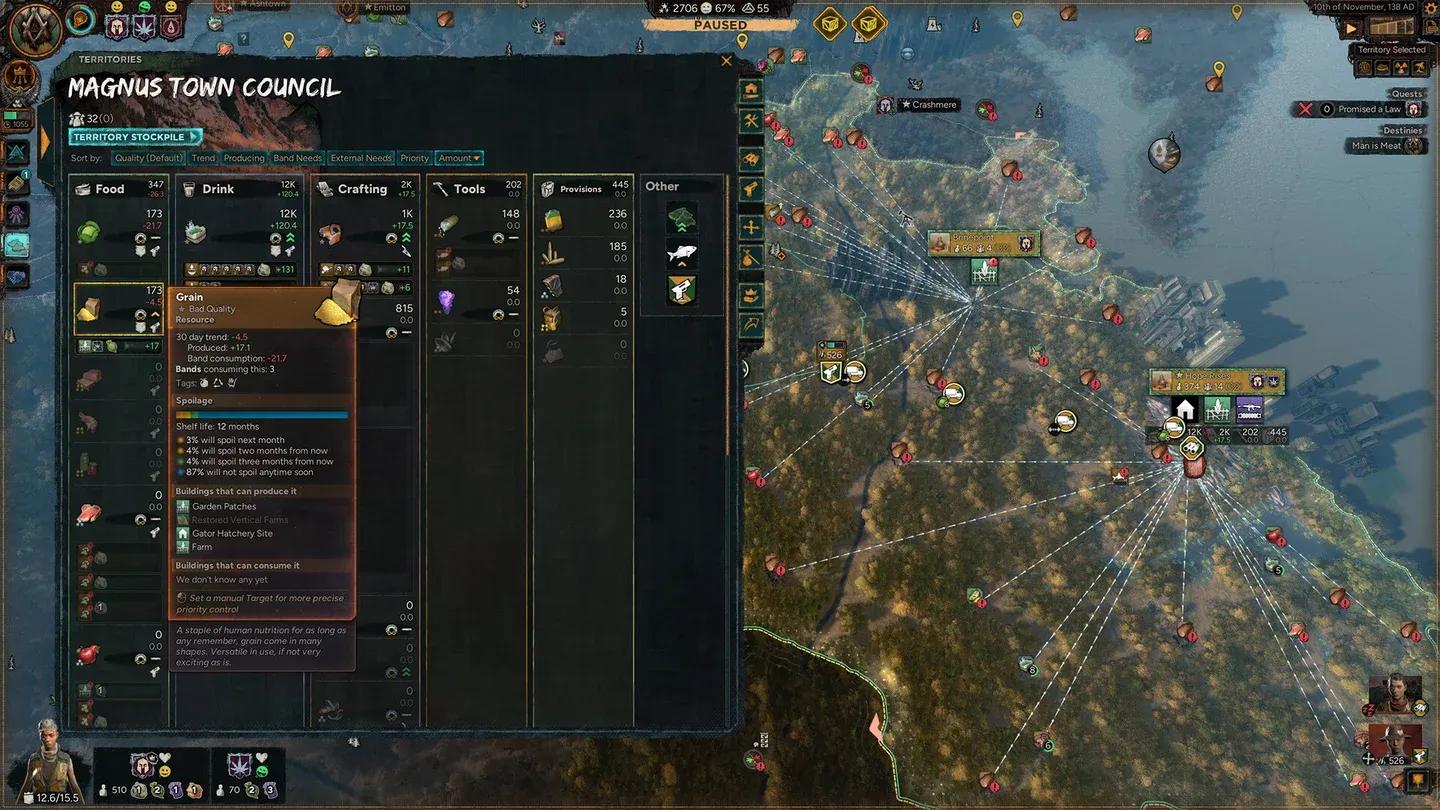
Afterworld is a post-apocalyptic grand strategy game from Paradox Development Studio, built on a deceptively simple premise: crawl out of the rubble and try not to die. Players begin with a small band of survivors, managing basic resources like food, water, and fuel before the scope expands into the kind of sprawling empire management that Paradox fans will recognize from Crusader Kings III and Hearts of Iron IV. The twist is that this time, the map is a procedurally generated North America, familiar in geography but reshuffled in every playthrough.
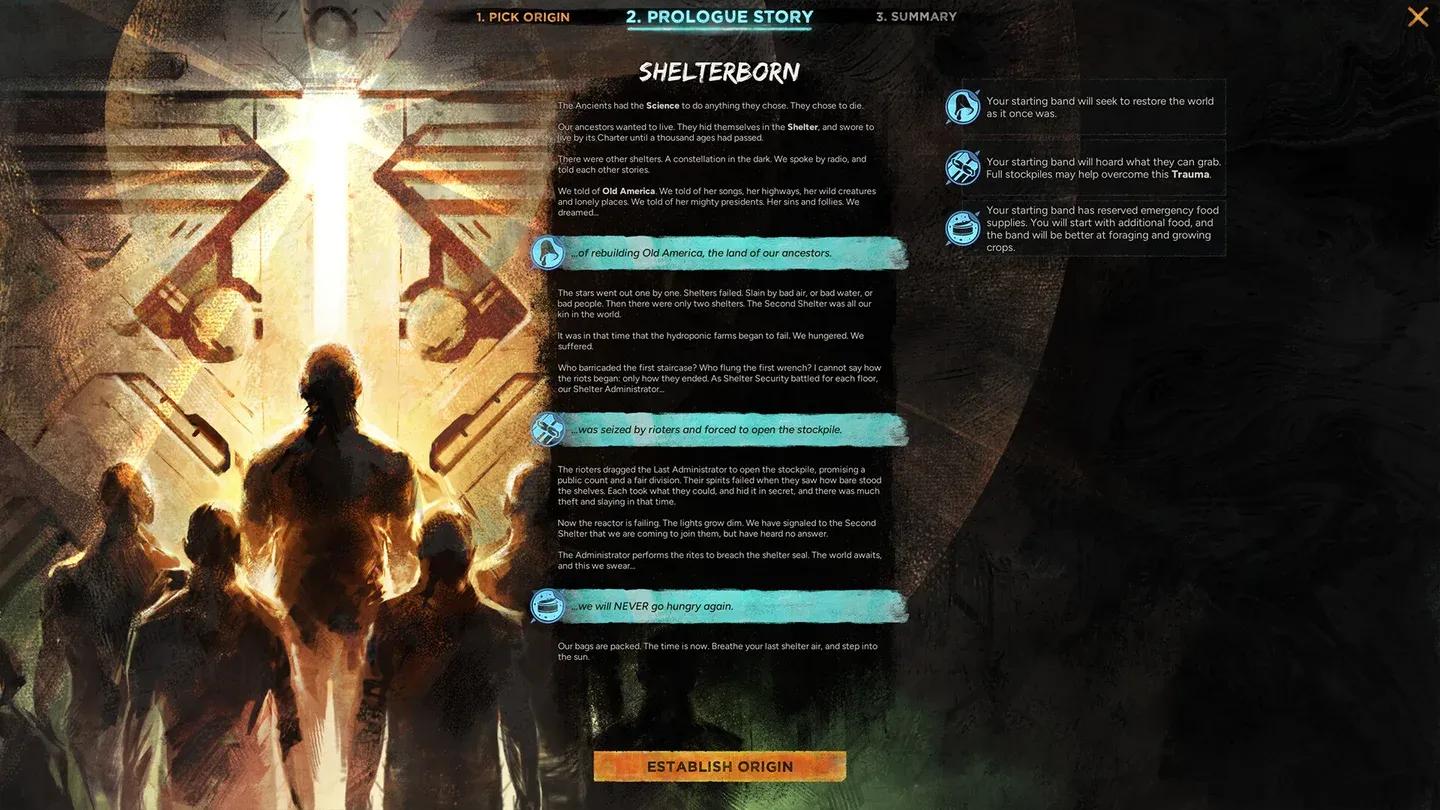
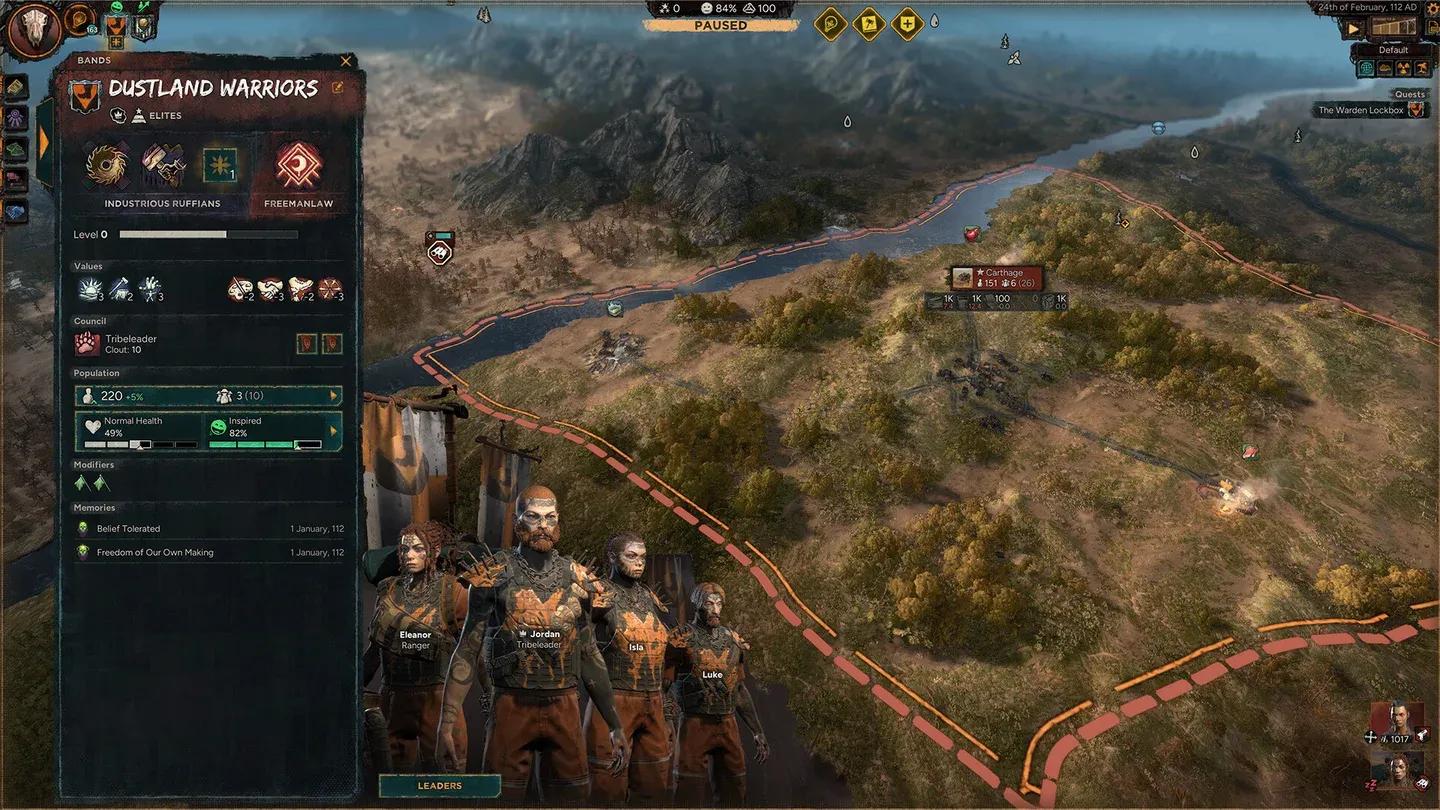
The game supports multiple playable Origins, each with a distinct starting situation. Shelterfolk emerge from a failing nuclear bunker. Zealots wander the dustlands chasing a lost goddess. Each Origin shapes early decisions and sets a different tone for how your civilization develops. The early game is deliberately constrained, resource scarcity is constant, and expansion feels earned rather than assumed.
Afterworld content image
Survival mechanics and the ideas tree
The survival layer in Afterworld is where the game earns its post-apocalyptic setting rather than just wearing it as aesthetic. Key mechanics include:
Afterworld content image
- Dynamic Ideas Tree that unlocks based on what you discover
- Convoy and supply line management across hostile territory
- Settlement migration when land runs dry
- Tribal absorption and raiding as expansion tools
- Resource rationing that directly affects political stability
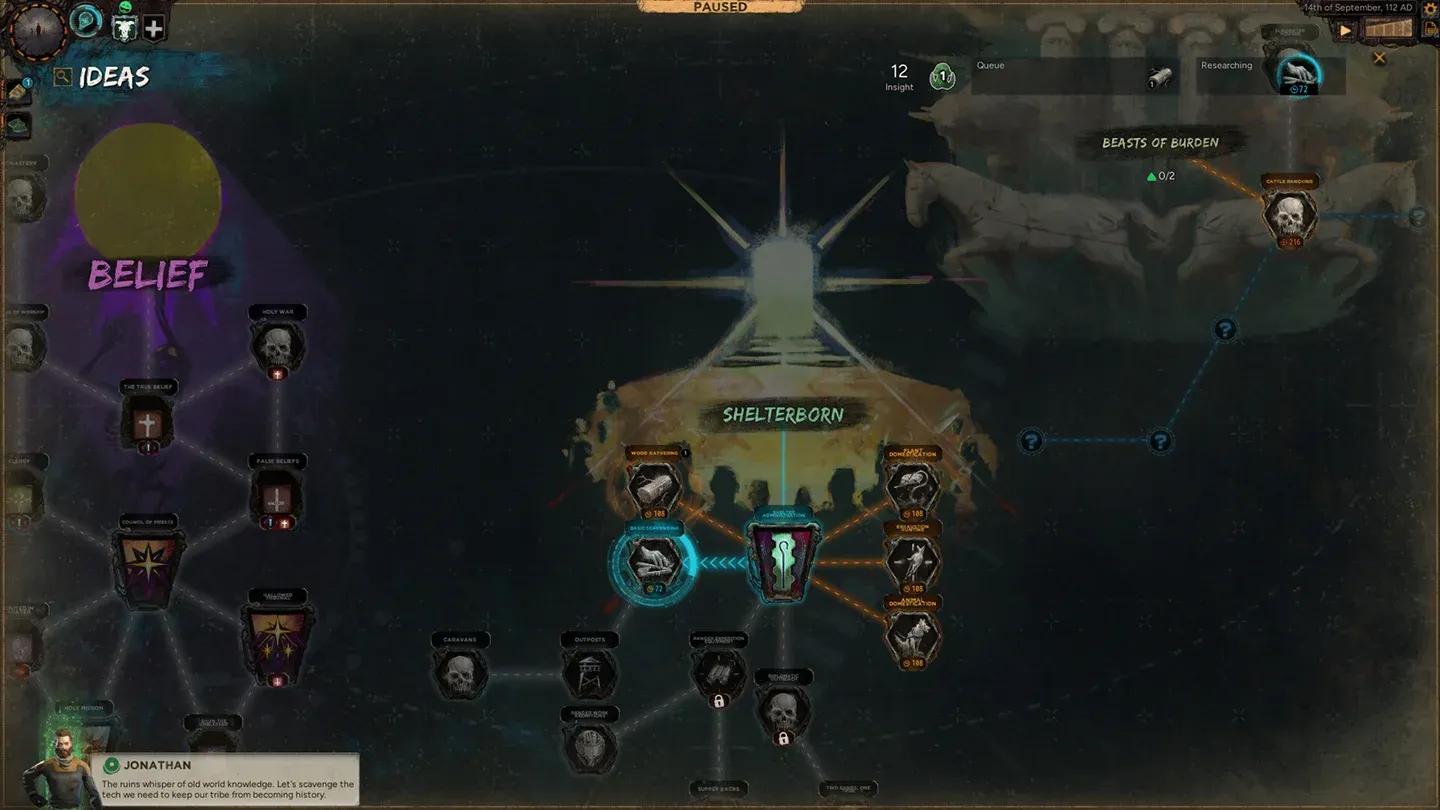
The Ideas Tree is the standout system here. Technology advances are not handed out on a fixed schedule. Encounter a river and your people can learn irrigation. Meet a new tribe and organized religion becomes a possibility. What your civilization becomes depends on what it actually experiences, which means two playthroughs on the same difficulty setting can produce completely different societies.
Afterworld content image
Who controls the wasteland?
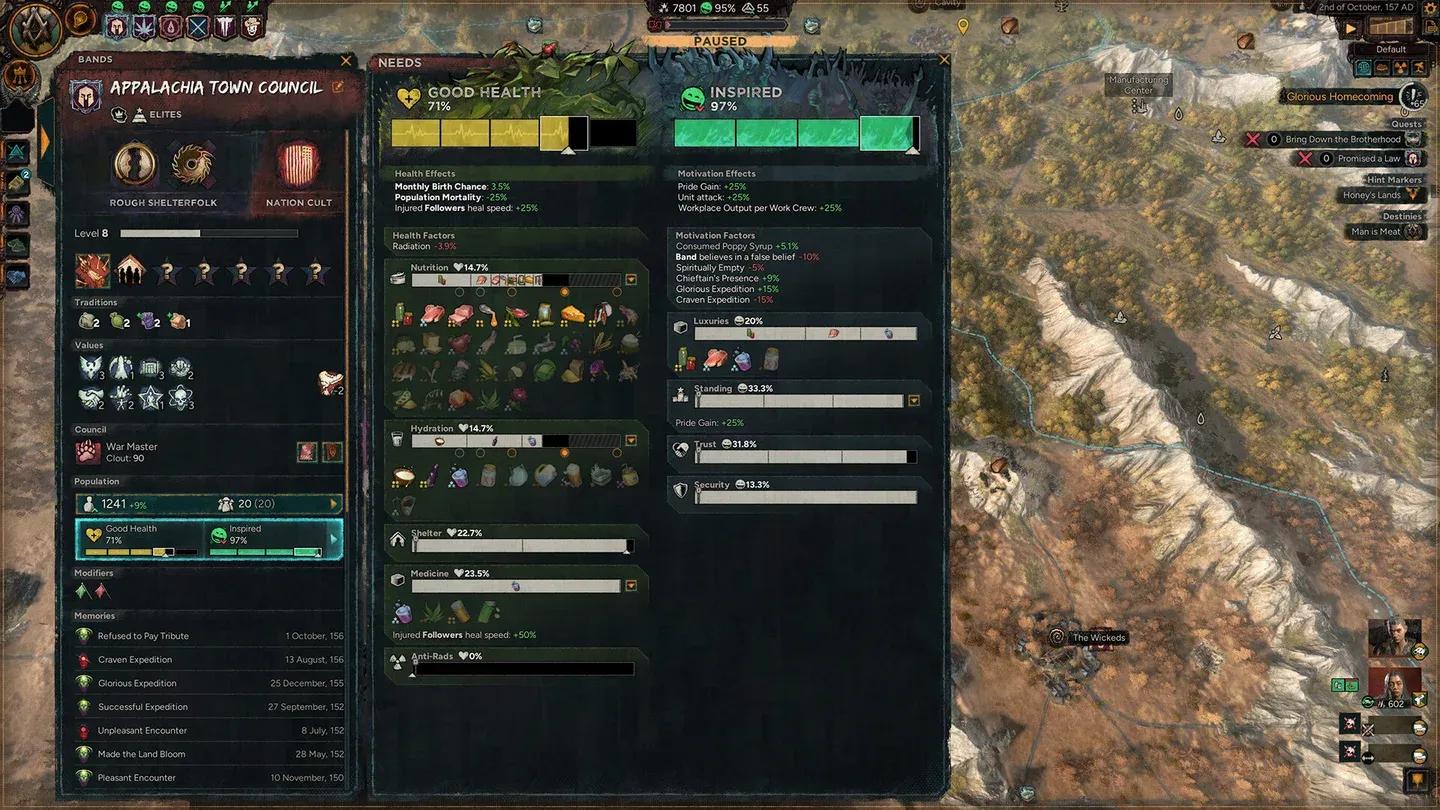
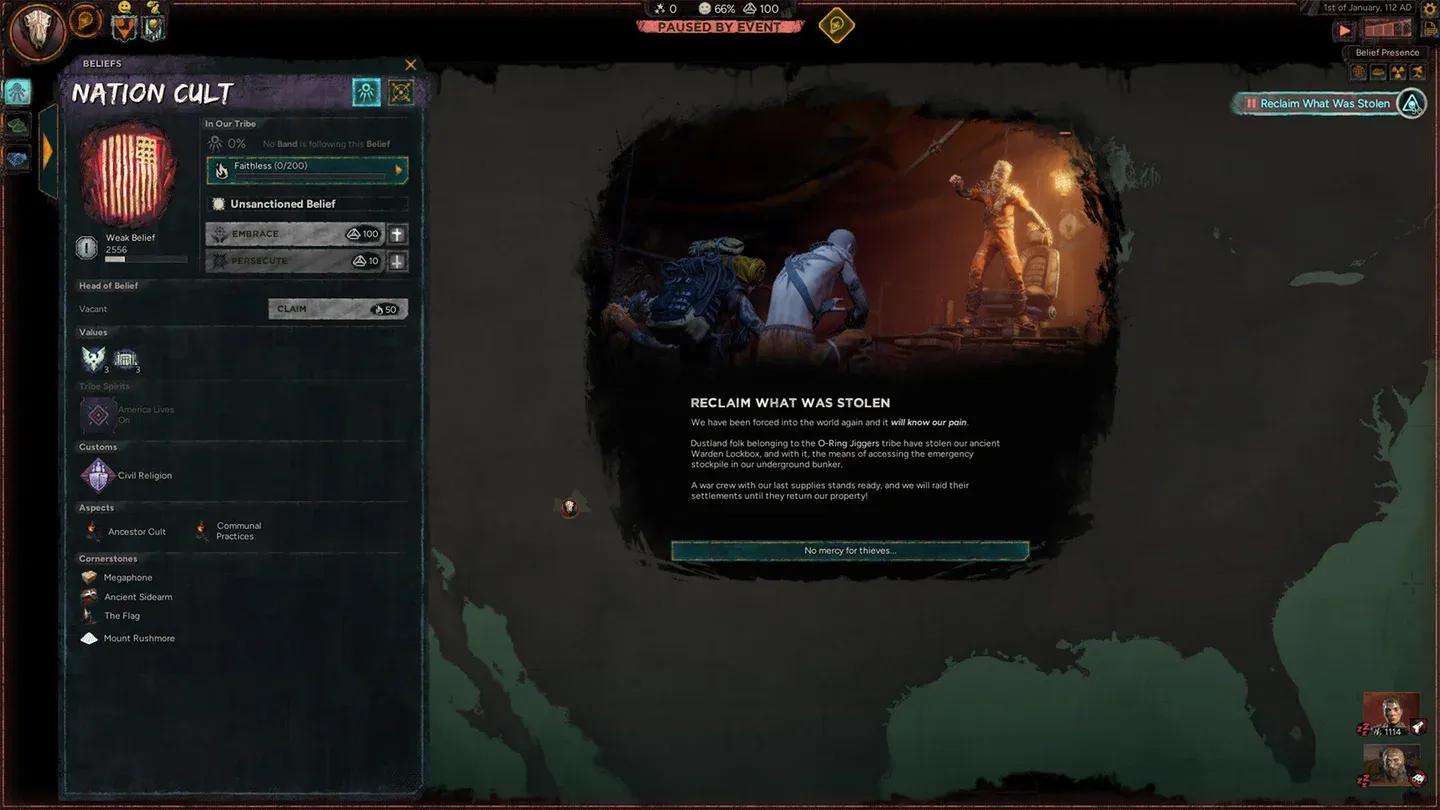
Afterworld's political layer grows more complex as territory expands. Other factions are not passive obstacles. Rival bands negotiate, demand tribute, or attack on their own schedules. Wandering tribes can be absorbed diplomatically or crushed militarily. Cultists and raider warlords operate with their own agendas.
The Ancients present the most distinctive threat: immortal leaders kept alive by pre-Fall technology who have a clear idea of who should be running the new world. They are not a late-game boss encounter so much as a persistent political pressure that shapes how aggressively players can expand. Claiming pre-Fall technology carries real risk, since the same power that ended the old civilization can destabilize the new one.
Multiplayer and replayability
Afterworld supports both competitive multiplayer and co-op, letting players either carve up the continent together or fight each other for the same depleting resources. The procedurally generated map means no two sessions start from the same strategic position, and the emergent nature of the Ideas Tree ensures that different playthroughs surface different crises, alliances, and power structures.
Afterworld content image
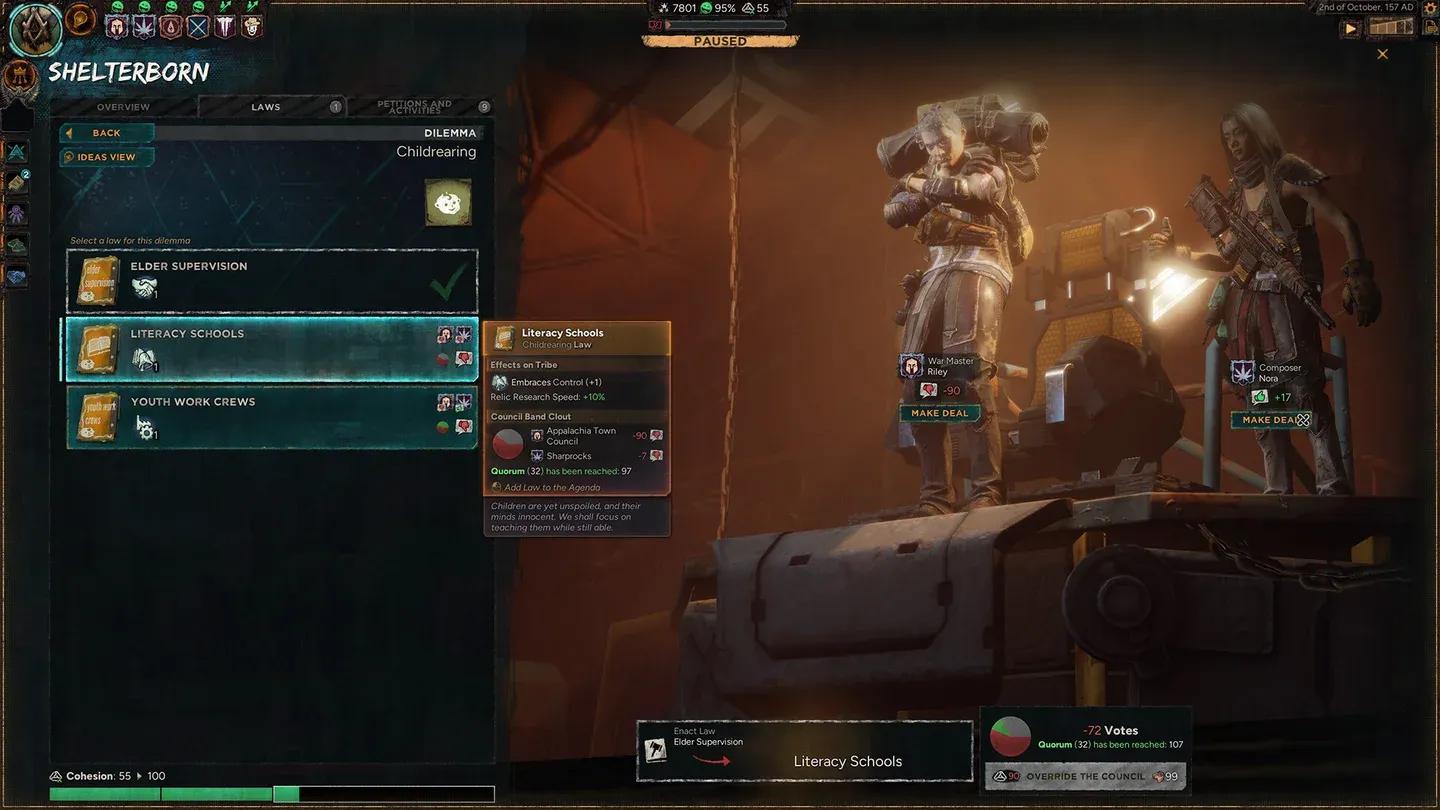
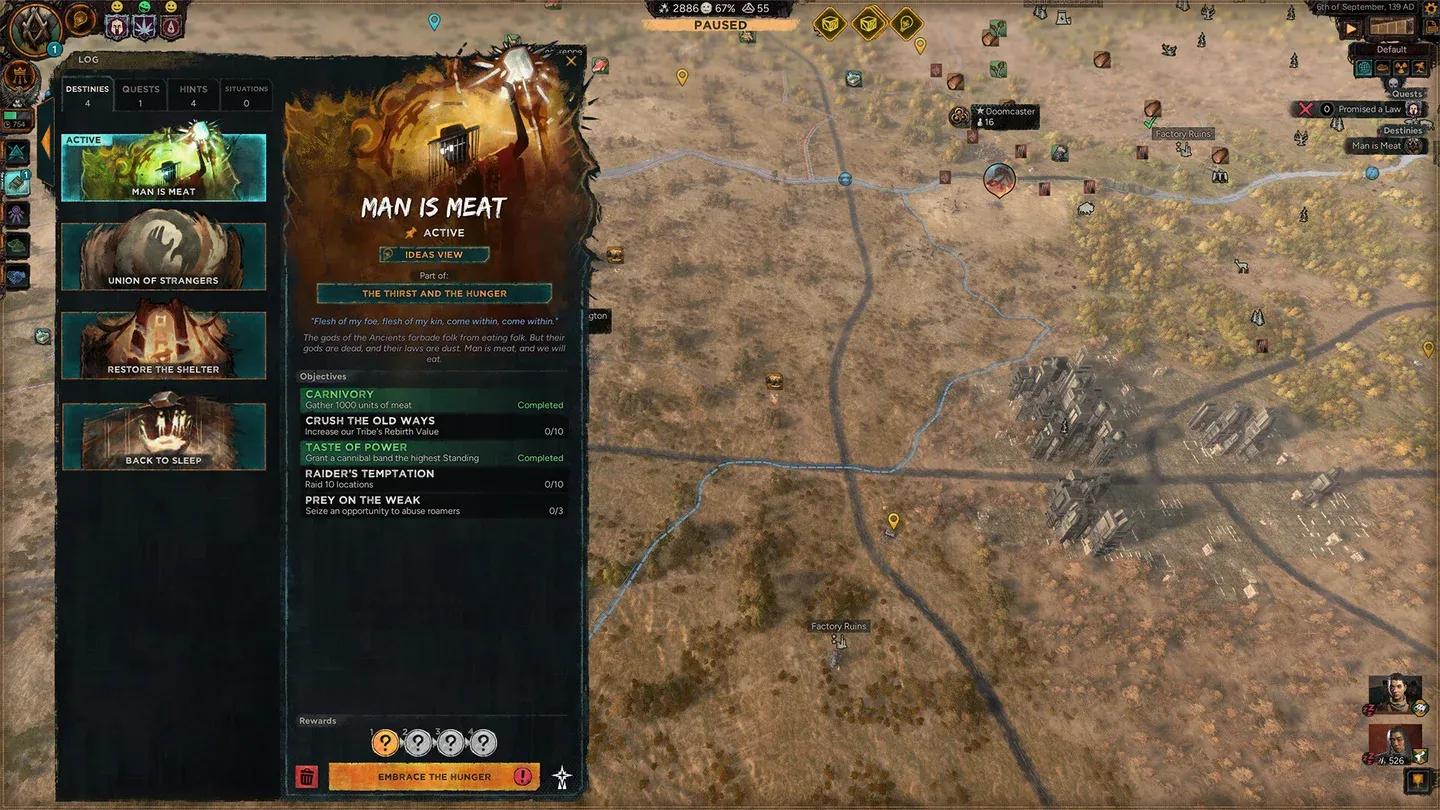
The late-game grand strategy layer adds society-level decisions: drafting laws, deciding how mutated and augmented citizens are treated, navigating new religions, and managing the political fallout of famines and wars. These are the kinds of choices that ripple across generations of in-game time, and they give Afterworld the same narrative depth that makes Paradox's historical titles so replayable. The post-apocalyptic survival grand strategy genre has not had a serious contender at this scale, and Afterworld is positioned to change that.
| Requirement | Minimum | Recommended |
|---|---|---|
| OS | TBC | TBC |
| Processor | TBC | TBC |