Advertisement

Overview
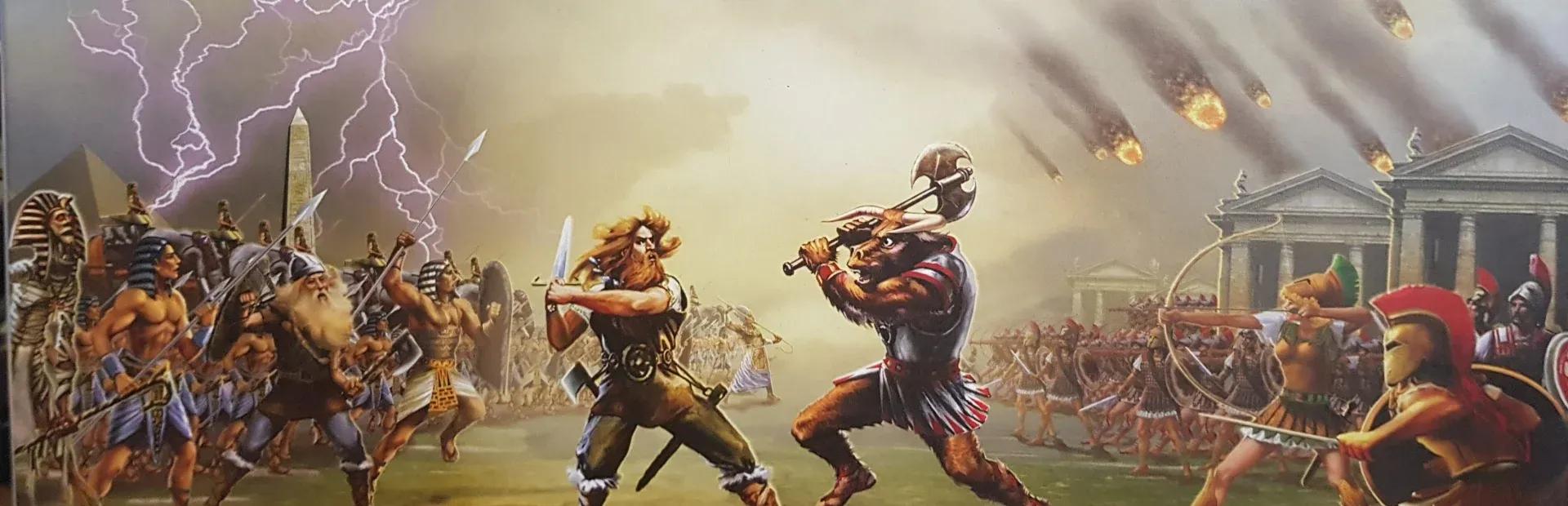
Age of Mythology is a real-time strategy game developed by Ensemble Studios and published by Microsoft Game Studios. Released in October 2002, it takes the core framework of Age of Empires and rebuilds it around Greek, Egyptian, and Norse mythology. The result is an RTS that feels familiar but plays completely differently, because no two civilizations share the same god roster, myth units, or divine abilities.
The campaign centers on Arkantos, an Atlantean admiral pulled into a conflict that spans three mythological worlds. He hunts a cyclops working in league with Poseidon, and the story takes him from the shores of Troy through Egypt and into the frozen Norse realms. For a 2002 RTS, the narrative holds together surprisingly well across its 32 missions.
Age of Mythology content image
Gameplay and mechanics
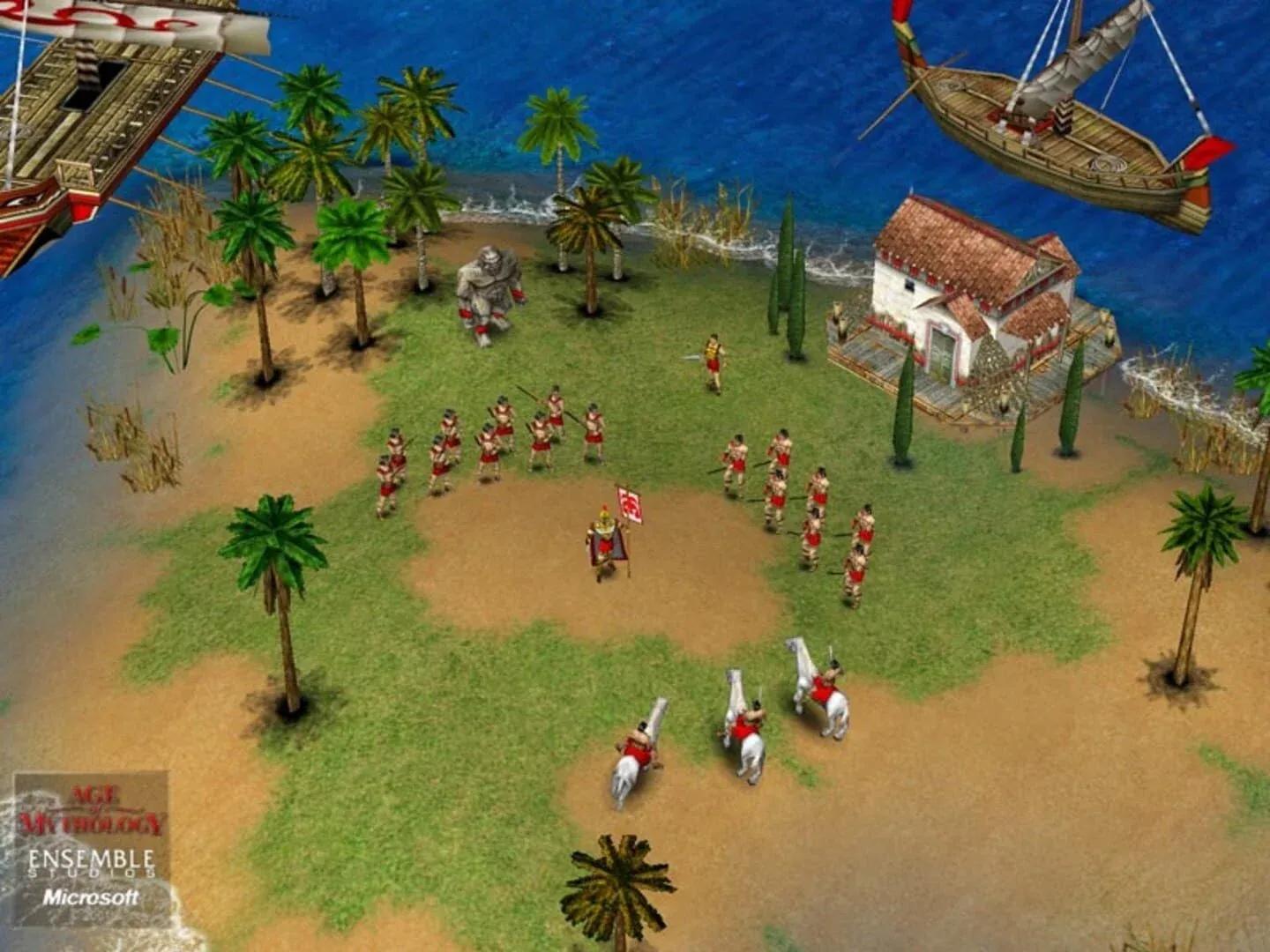
The core loop will feel immediately recognizable to anyone who has played Age of Empires. Gather resources, build a settlement, train units, and push into enemy territory. What separates Age of Mythology is the Age advancement system and how it ties directly to divine worship.
Age of Mythology content image
Key mechanics at a glance:
- 4 ages: Archaic, Classical, Heroic, and Mythic
- 3 major gods per civilization, chosen before the match
- Minor god selection at each age advancement
- God powers: one-time abilities like Meteor or Plague of Serpents
- Myth units: powerful creatures like Minotaurs, Anubite warriors, and Frost Giants
Each major god choice shapes your entire game plan. Zeus players get strong human units and a powerful Lightning Storm power. Ra players generate favor through temples and excel at economic boosts. Odin players generate ravens that scout the map automatically. These are not cosmetic differences. They change how you open, how you expand, and which myth units you can field.
Age of Mythology content image
What makes myth units worth building?
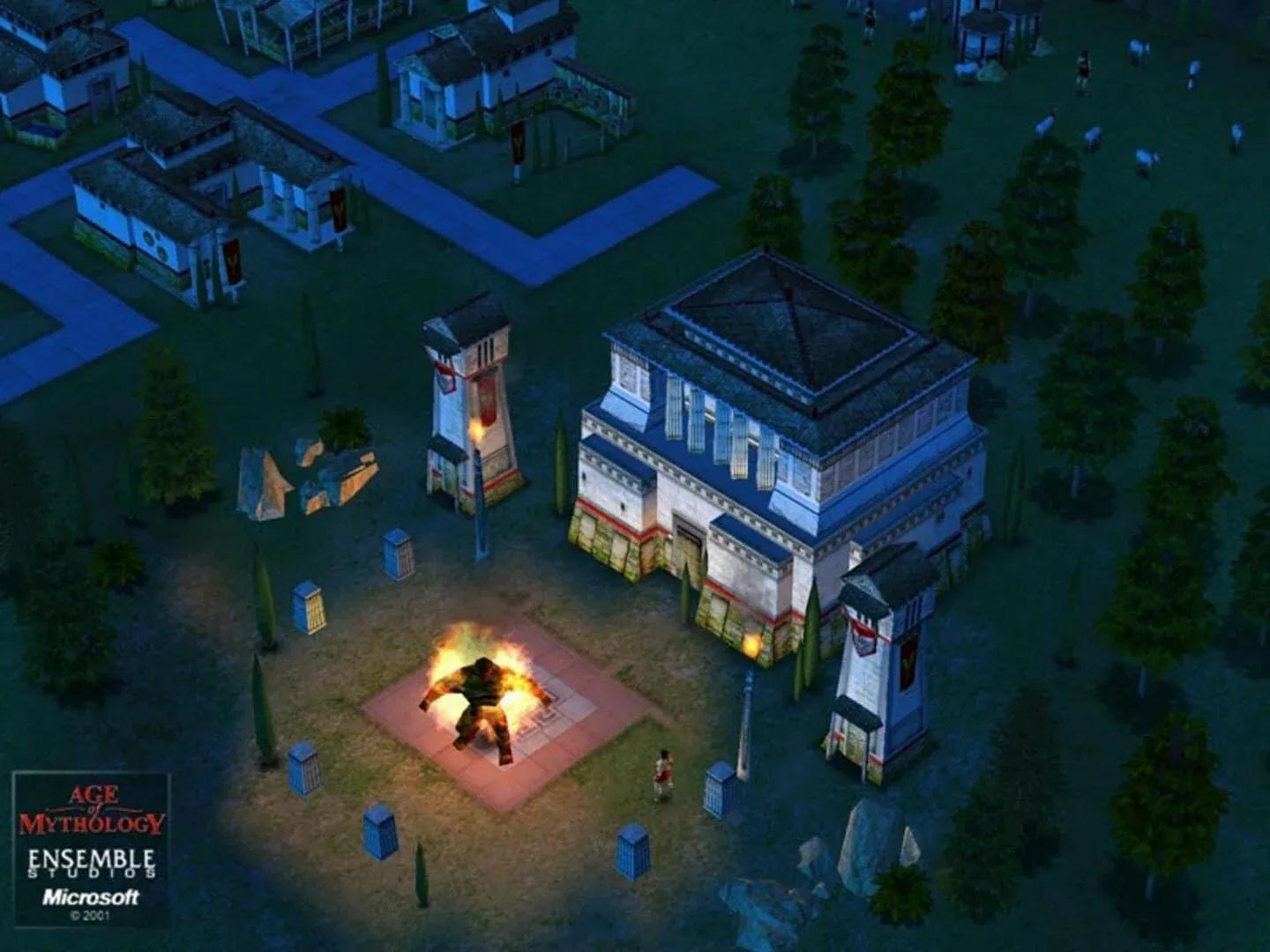
Myth units are the clearest expression of what Age of Mythology does that no other RTS from its era matched. These creatures cost favor, a resource generated differently by each culture. Greeks earn favor by sending villagers to worship at temples. Norse earn it through combat. Egyptians build monuments and let favor accumulate passively.
The units themselves hit hard against buildings and regular soldiers, but they are countered by heroes, which every civilization produces cheaply. That counter system keeps myth units from dominating every fight and forces constant decisions about unit composition. A Colossus can wreck an army, but three heroes will bring it down fast.
World and setting
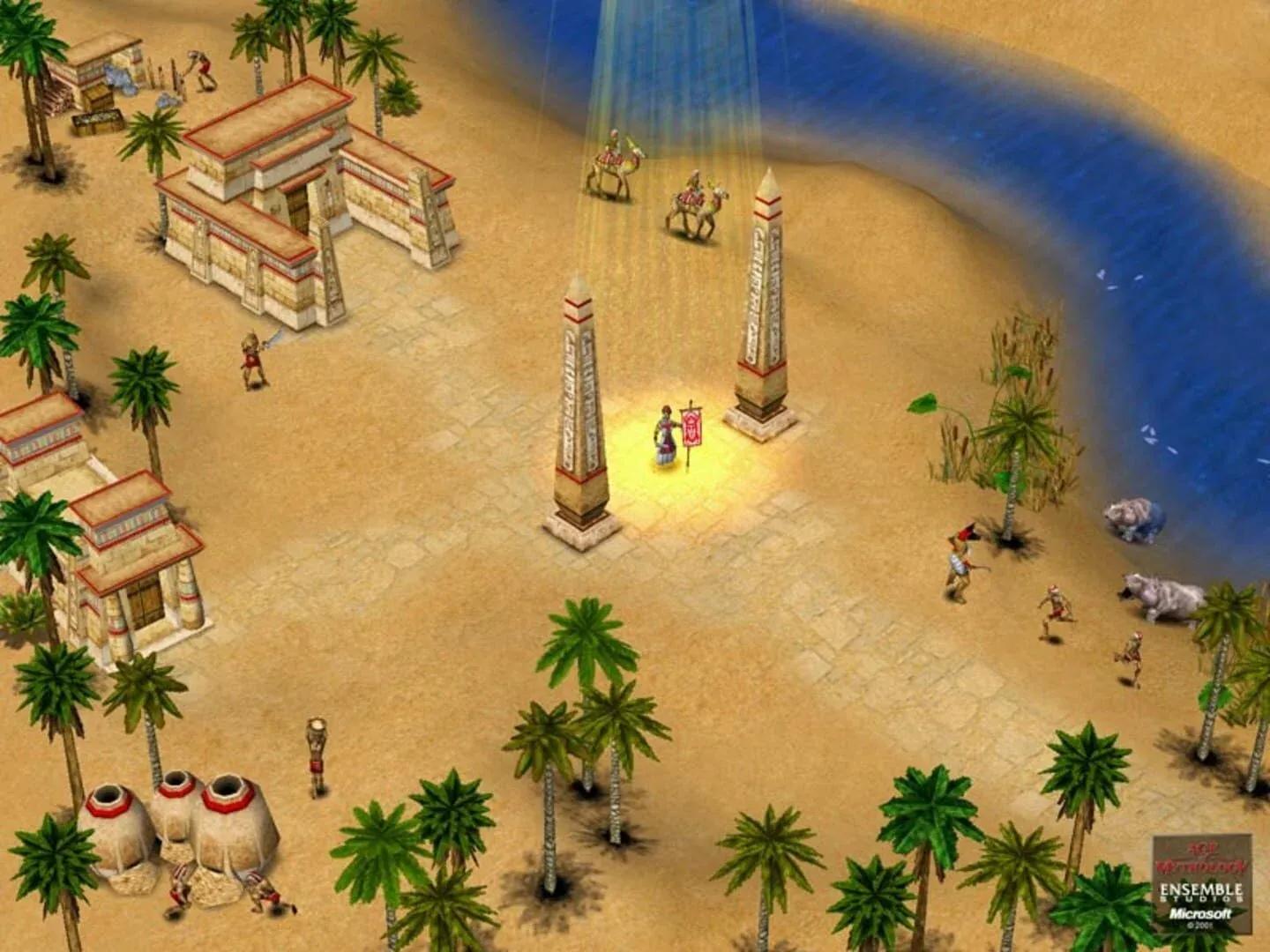
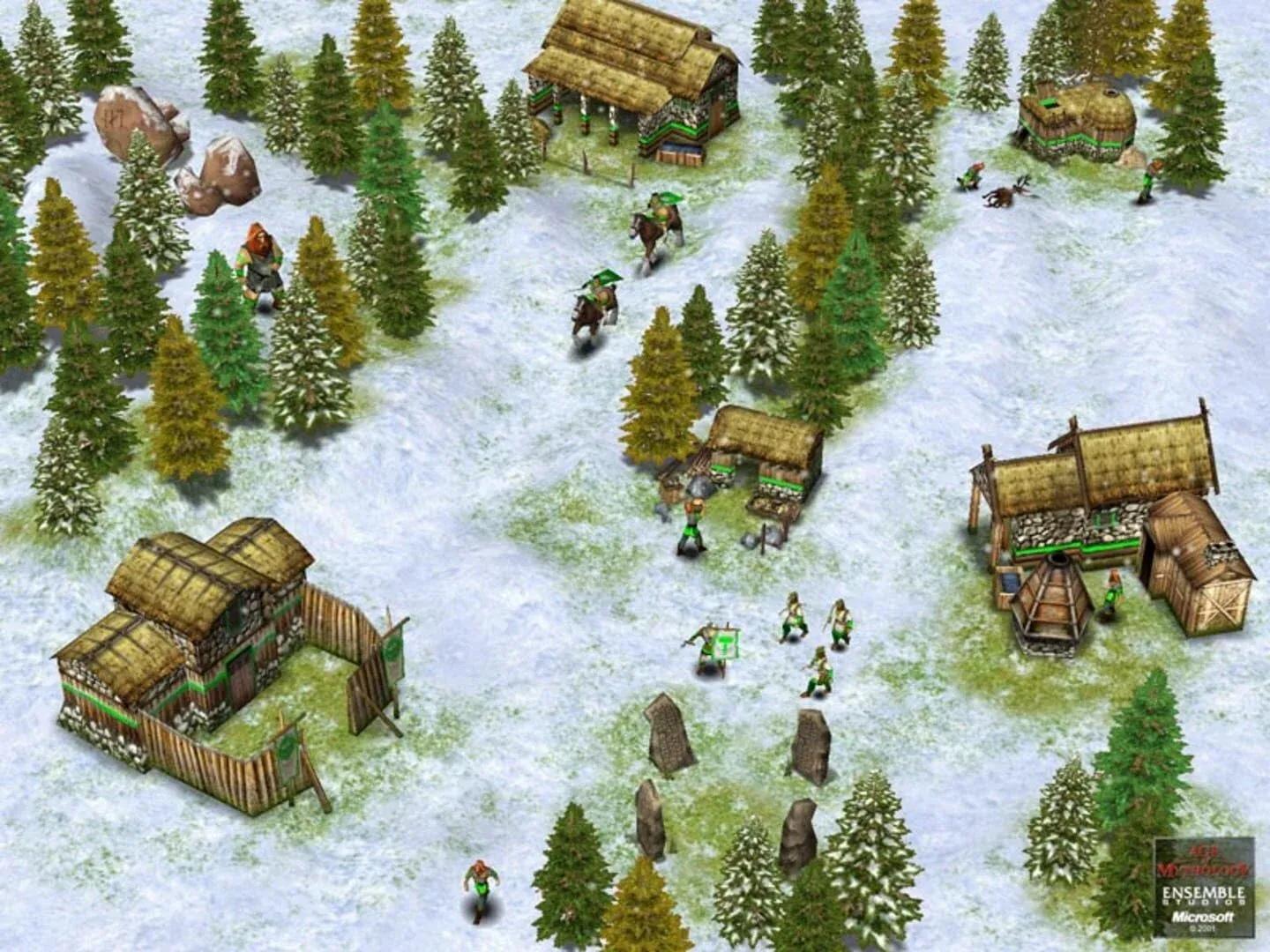
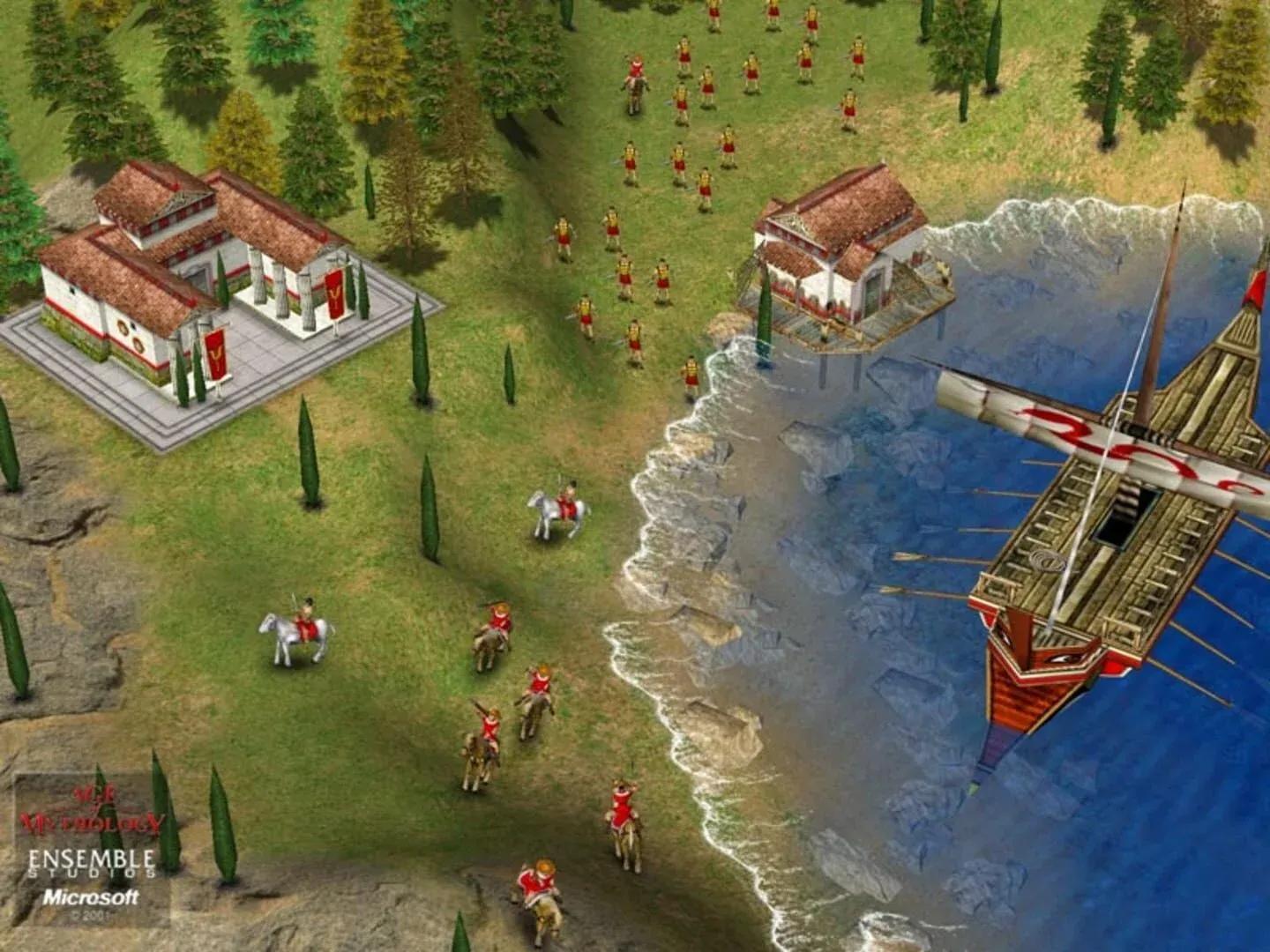
The three cultures feel genuinely distinct in tone. Greek maps tend toward Mediterranean coastlines and stone architecture. Egyptian campaigns play out across desert terrain with obelisks and pharaoh units who empower nearby buildings. Norse settlements feel rougher, built from timber, with frost giants and valkyries replacing the polished marble of the Greek aesthetic.
This cultural specificity extends to the audio design. Each civilization has its own musical palette and unit voice lines that match the mythology. The Norse troops bark in a register that sounds nothing like the Greek soldiers, and those small details add up over a long session.
Age of Mythology content image
Content and replayability
Beyond the campaign, Age of Mythology supports skirmish matches against AI opponents and multiplayer across up to 12 players. Age of Mythology: Retold brings the game to modern platforms with updated visuals while preserving its strategic design. Updates have continued post-launch, with patch 19.17020 among the most recent adjustments to balance and content.
The god selection system alone generates significant replayability. With 9 major gods across 3 cultures and multiple minor god paths branching from each, the number of distinct playstyles is substantial. Competitive players have spent years mapping optimal build orders for specific god combinations, and the Retold version has kept that community active with continued balance patches.