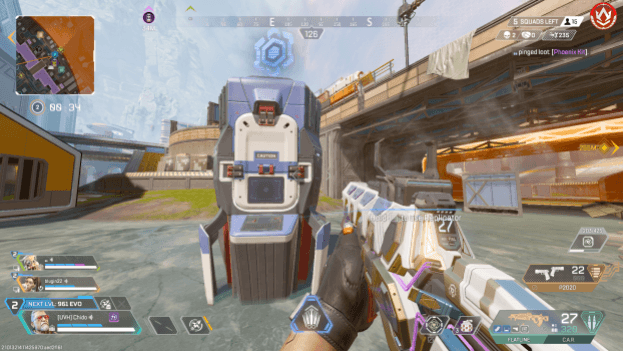

Everything that changed while you were gone
Taking a break from Apex Legends is one thing. Coming back to find that helmets no longer exist, Red Armor has been scrapped, and two brand-new legends are running around the map is another thing entirely. Season 29 is not a minor patch cycle. Respawn has rebuilt core systems that have existed since launch, and if you queue up expecting the same loop you left, you will get punished fast. Here is everything you need to know to get back up to speed.


What happened to armor and helmets?
The single biggest shock for returning players hits the moment you open your inventory. Helmets are completely gone from the game. No more white, blue, or purple helmets cluttering loot bins. Head protection is now standardized across all legends.
Red Armor has also been removed. The maximum armor tier you can equip is now Purple, which caps your total health pool at 100 HP instead of the old 125 HP that Red Armor provided. That 25 HP gap is meaningful. Combined with weapon-wide damage buffs that Respawn applied to compensate for the reduced health ceiling, the time to kill across every weapon category is significantly faster than it was before Season 24.
| Change | Old System | New System (Season 24+) |
|---|---|---|
| Maximum armor tier | Red (125 HP) | Purple (100 HP) |
| Head protection | Variable helmet tiers | Standardized, no helmets |
| Time to kill | Slower, sustained fights | Significantly faster |
The practical effect of this overhaul is that positioning and accuracy matter more than ever. You cannot rely on a big health pool to survive a mistake. Clean rotations and first-shot accuracy now determine fights more than sustain.
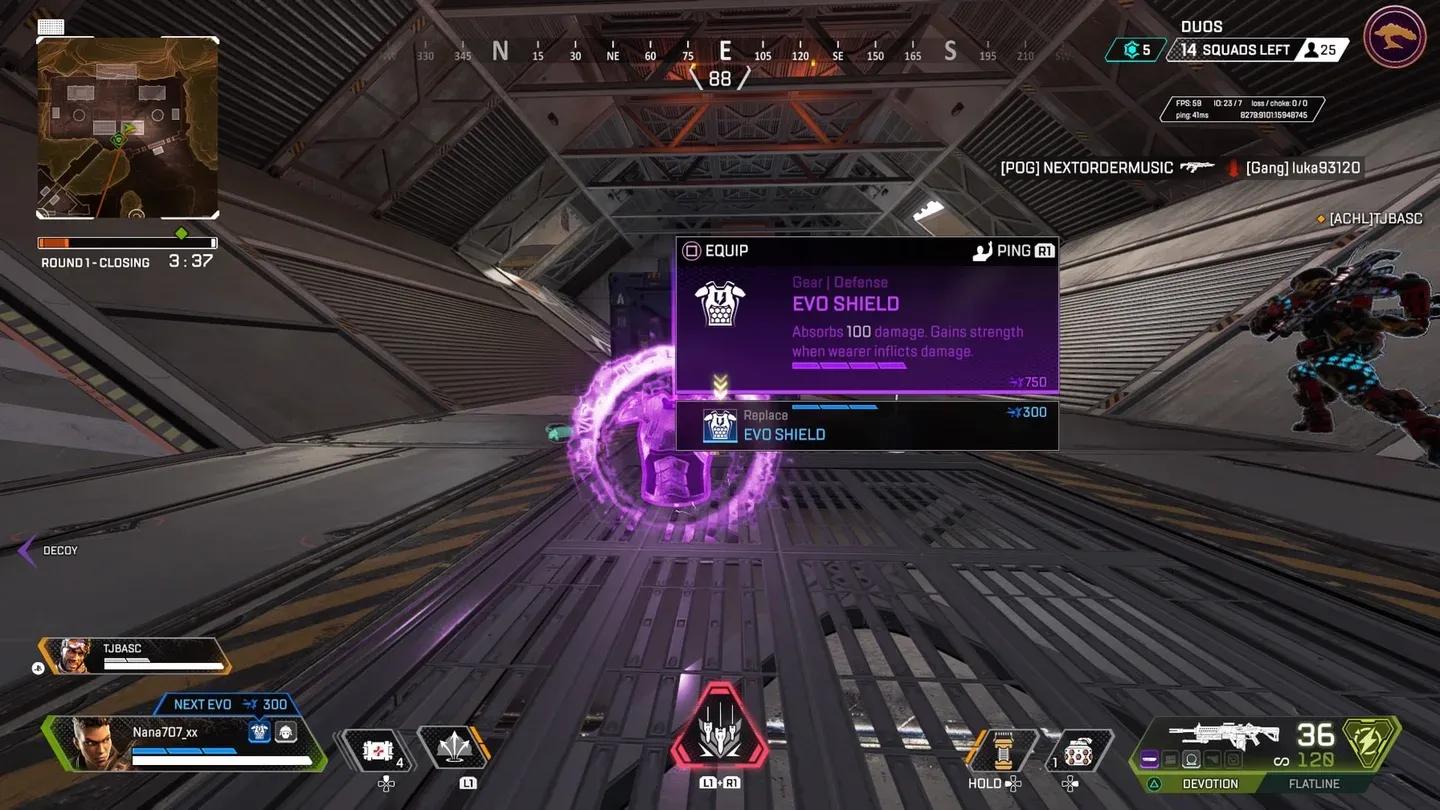
Purple is now the max armor tier
Which legends changed the most?
Lifeline rework (Season 23)
Lifeline is unrecognizable compared to her original kit. The care package ultimate is gone. In its place is the DOC Halo, a bulletproof dome that accelerates healing for anyone standing inside it. Her tactical drone has also been upgraded: it can now follow allies or teleport between them, and Lifeline herself can use the drone to glide through the air, giving her a mobility option she never had before.
This is no longer a legend you park in a corner to revive teammates. The new Lifeline rewards active positioning and timing your dome to turn fights rather than just recover from them.
Fuse mini-rework (Season 28)
Fuse received a targeted rework that addresses his biggest weakness: being a sitting target. His ultimate is now a directed explosive ability, and his upgrade tree includes options for significant movement boosts. The Fuse who stood still and lobbed grenades is gone. He is now a mobile threat capable of repositioning aggressively between explosive plays. For a deeper look at how shield-focused legends compare, check out the Gibraltar Apex Legends guide.
New legends: Sparrow and Axel
Two new legends have joined the roster since Season 24.
Sparrow is a movement specialist with a native double jump built into the kit, plus a tracking dart tactical that marks enemies. If you enjoy high-mobility legends, the Sparrow Apex Legends guide covers his full ability breakdown and best upgrade paths.
Axel is the Season 29 addition. His kit revolves around sliding mechanics and a kamikaze drone used for aggressive forward scouting. He is designed for players who want to push fast and gather information before committing to a fight.
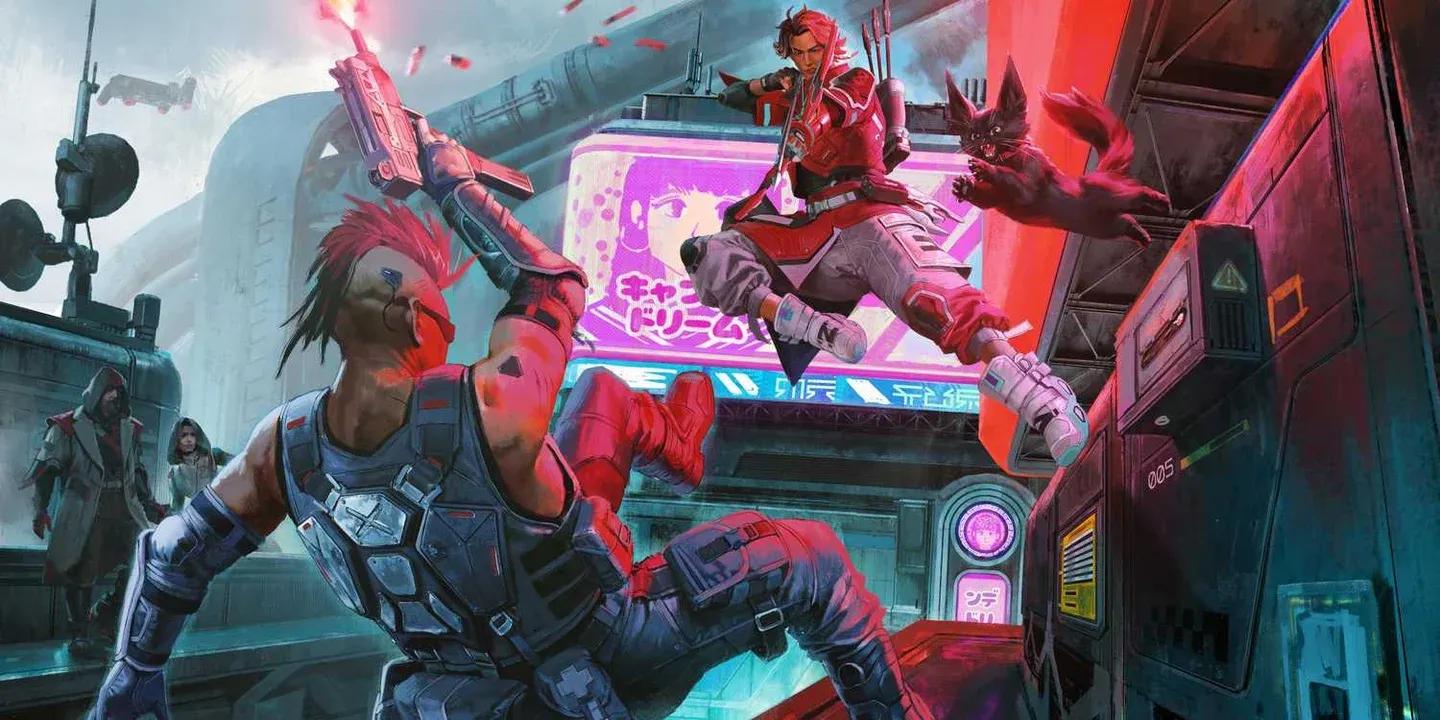
Sparrow's double jump in action
What is Wildcard mode?
Wildcard is a permanent 30-player mode that runs on modified versions of King's Canyon, Olympus, and Broken Moon. The maps include extra cover and additional zip rails compared to their Battle Royale versions.
The core loop is different from standard play in three ways:
- Automatic respawns: As long as one teammate is alive, you respawn automatically. No banner pickups, no respawn beacons.
- Streamlined looting: Your character automatically collects ammo and cells. Weapons upgrade automatically as your EVO level increases.
- Wildcard Perks: At Replicators scattered across the map, you can craft special passive abilities. These include options like wall-running and health siphoning (lifesteal).
Wildcard is not a casual throwaway mode. The perk system adds a layer of mid-match decision-making that can swing fights in ways Battle Royale does not allow.
How do Hard Light Mesh and Drop Zones work?
Hard Light Mesh windows were introduced in Season 28. These are breakable energy barriers placed across map structures. A single melee hit shatters them, opening a new line of sight or a rotation path that did not exist before. Controller legends can upgrade these windows to Purple, making them significantly more durable and turning them into defensive assets rather than vulnerabilities.
The practical effect is that maps are no longer static. Rotations that were blocked before can now be opened on demand, which changes how teams hold buildings and control sightlines.
For high-level play, Ranked Drop Zones are now active at Diamond rank and above. Instead of the entire lobby dropping from a single ship, squads are assigned a specific POI and drop from low-flying ships directly to that location. This eliminates early-game hot-drop contests at the top ranks, shifting the emphasis toward mid-game positioning and ring management.
How does the weapon system work now?
Floor loot RNG has been reduced significantly through two changes: Arsenals and Locked Hop-ups.
Arsenals are weapon racks added to every map. Each one projects a color-coded beam of light into the sky indicating its weapon category: Light, Heavy, Sniper, and so on. They guarantee specific weapon spawns at that location, so you can drop with a plan instead of hoping the right gun appears in a loot bin.
Locked Hop-ups replace the old floor hop-up system entirely. Instead of finding a Turbocharger in a bin and attaching it manually, hop-ups are now built into each weapon and unlock automatically once you deal a specific damage threshold with that gun in a match. The Devotion, for example, automatically equips its Turbocharger after you hit a set damage number.
This system rewards players who commit to a weapon early and deal consistent damage, rather than those who get lucky finding a rare attachment.
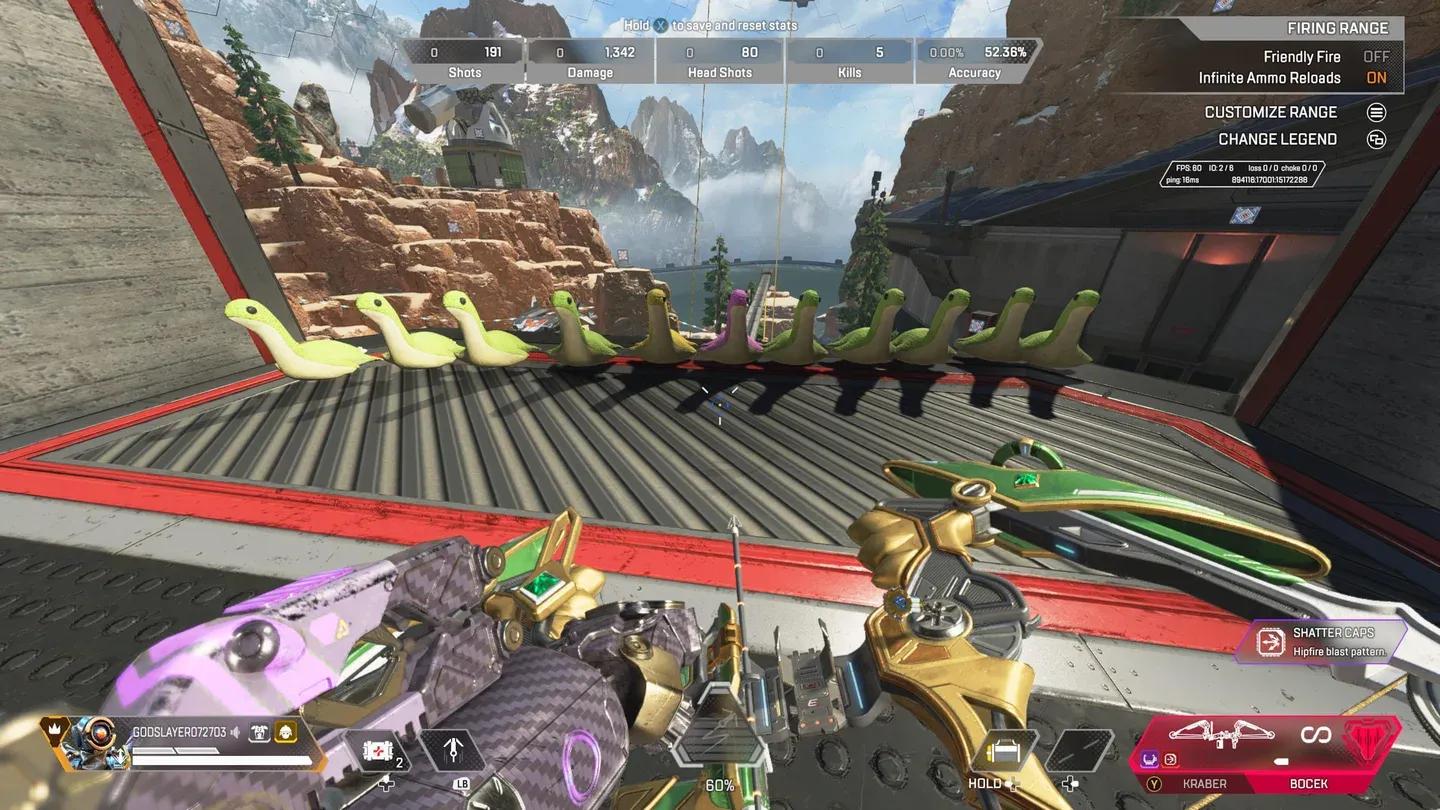
Arsenals guarantee weapon spawns
Getting back into ranked play
With faster TTK, new legends, and Drop Zones at Diamond+, the ranked meta in Season 29 punishes old habits hard. Spending time in Wildcard to relearn gunfight pacing before queuing ranked is worth it. Once you are comfortable with the new armor ceiling and weapon damage numbers, the how to rank up fast in Apex Legends guide covers the RP strategy and positioning fundamentals you need to climb efficiently.
For more guides covering every legend and game mode, the full Apex Legends guides collection has you covered as you work through the Season 29 meta.