


Overview
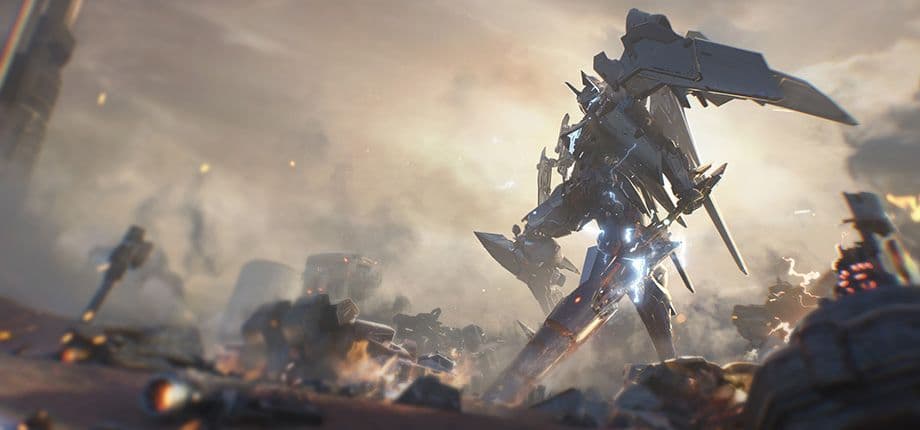
Armored Core VI: Fires of Rubicon is FromSoftware's first entry in the Armored Core series since 2012, and it arrives with a clear identity. This is a mission-based mech action game built around tight combat, aggressive mobility, and a customization system deep enough to reward serious tinkering. Director Masaru Yamamura took over from initial game director Hidetaka Miyazaki partway through development, and the result feels like a focused vision rather than a divided one.
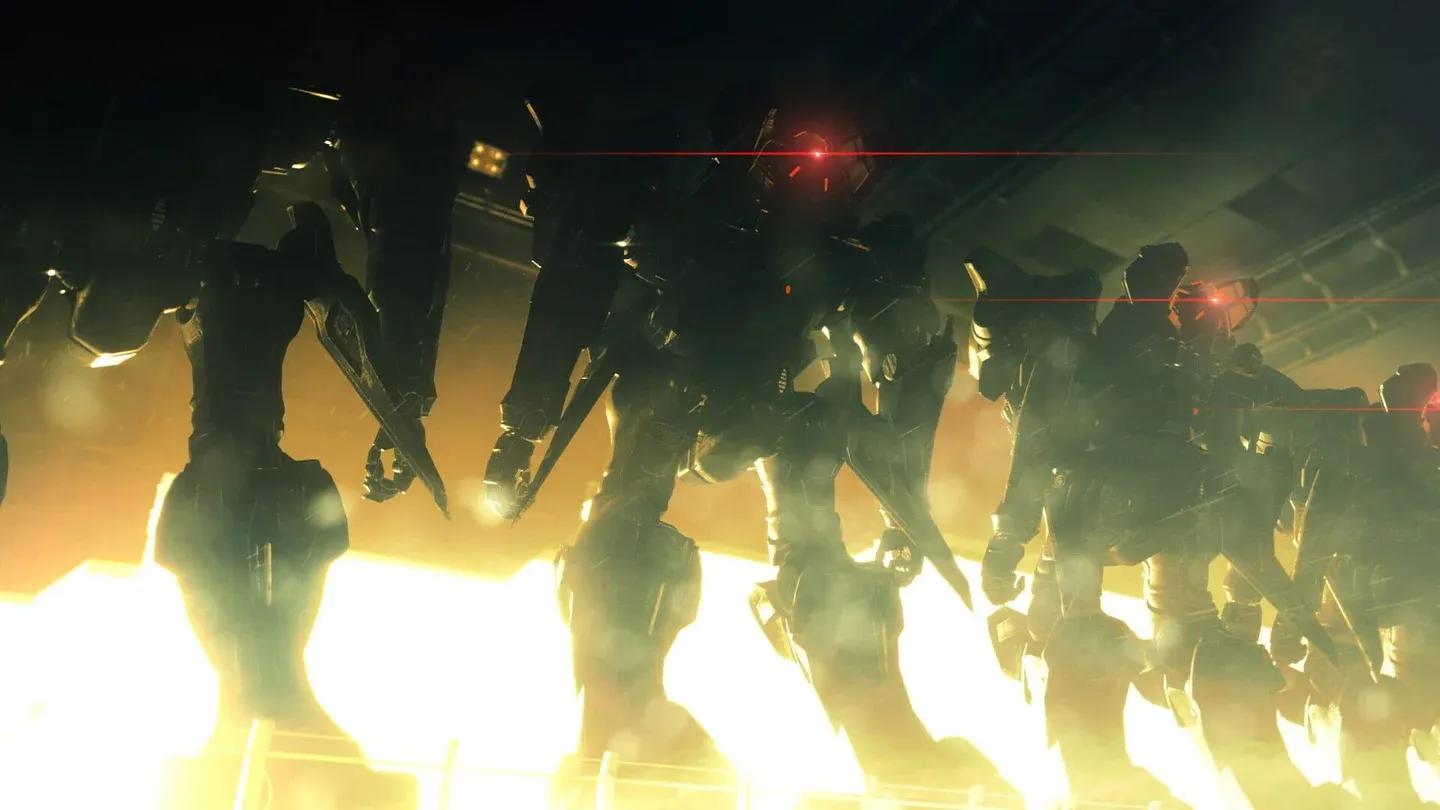
The game drops players into Rubicon 3, a planet sealed off from the rest of humanity after a catastrophic event nearly half a century ago. A mysterious substance called Coral caused that disaster, and now it has resurfaced. Corporations and armed resistance groups are fighting over it, and the player takes the role of an independent mercenary who infiltrates the planet and gets pulled into the conflict from every angle. The story is told through mission briefings, intercepted communications, and a cast of AI handlers and rival mercenaries who each have their own stake in what happens to Rubicon.
Gameplay and mechanics
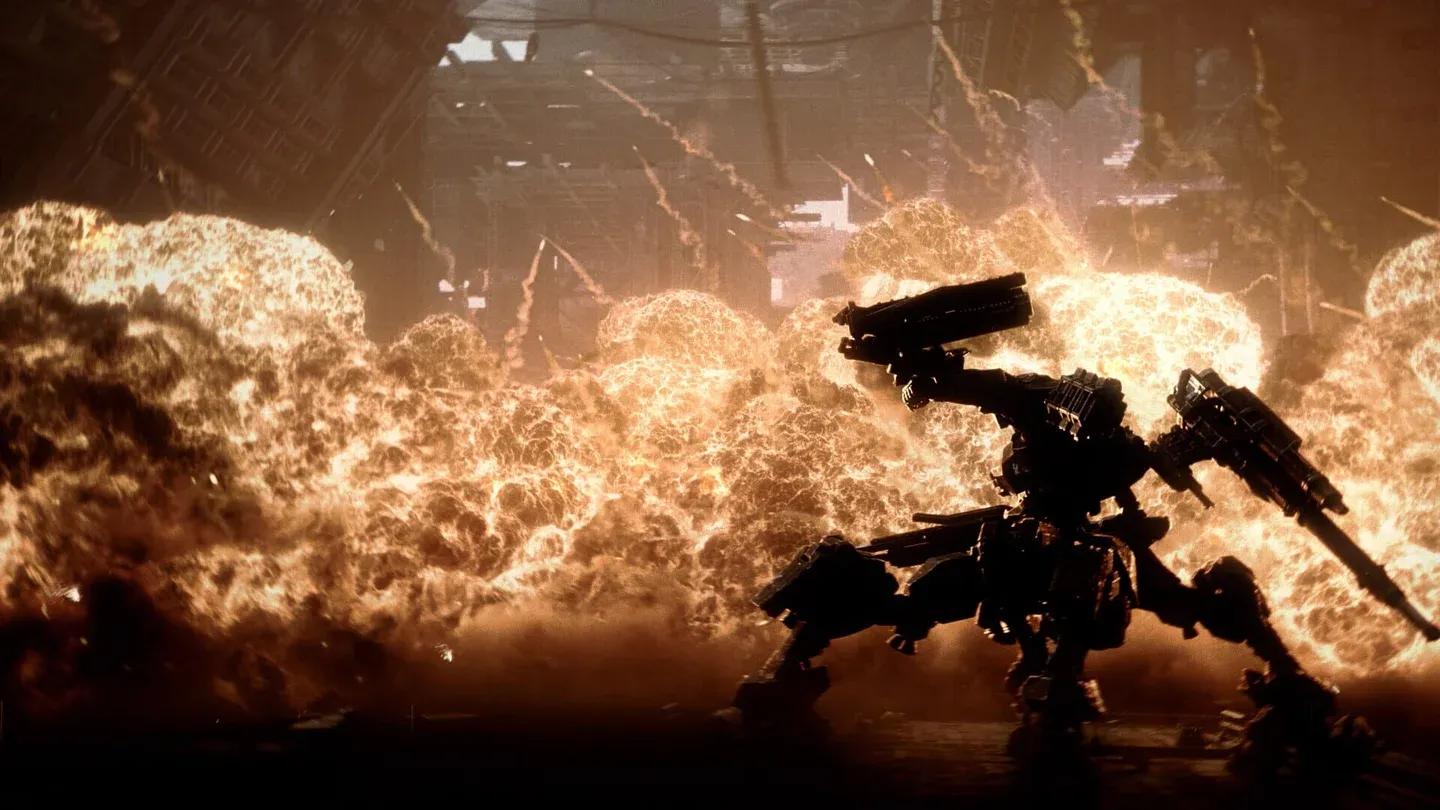
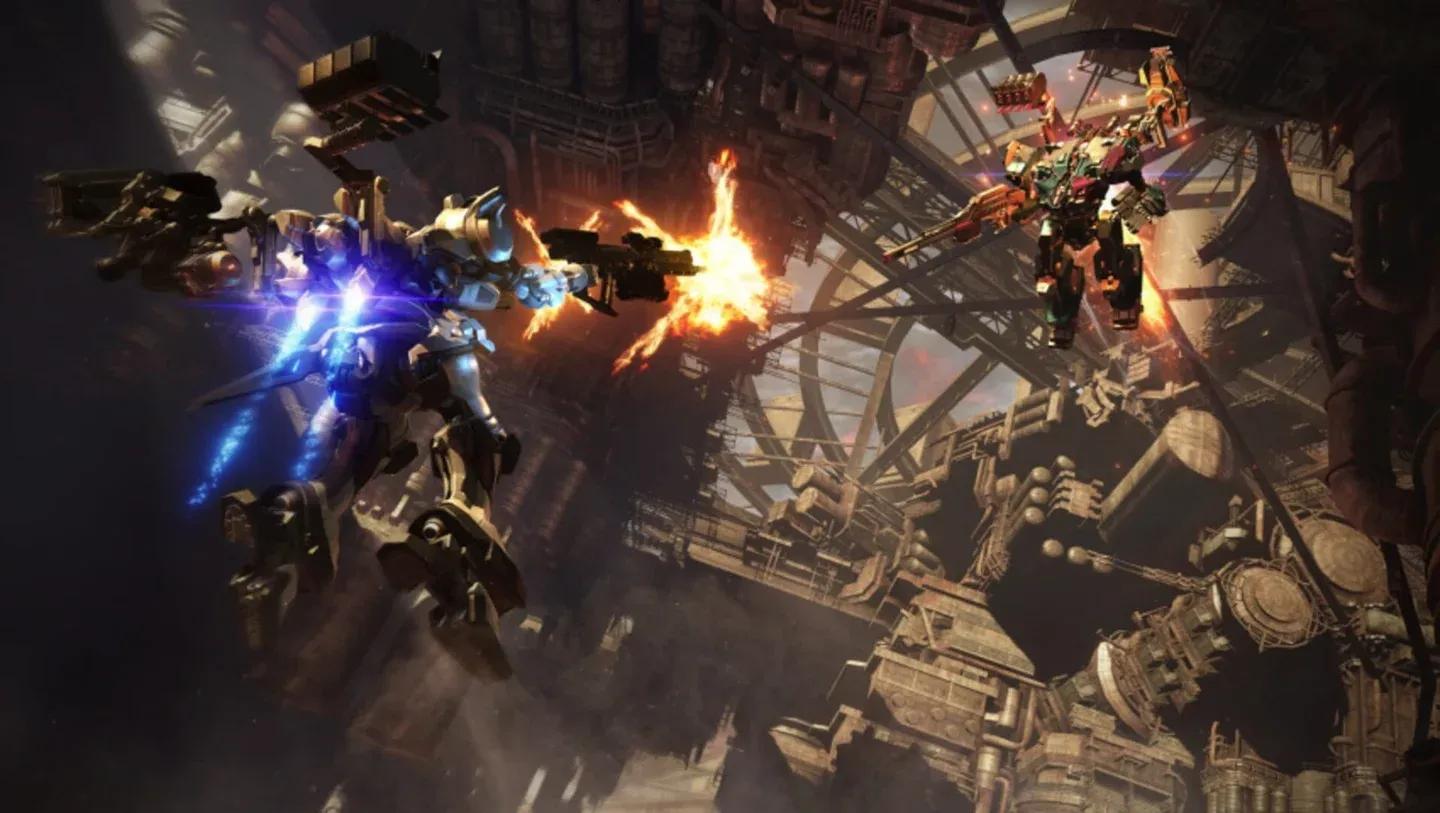
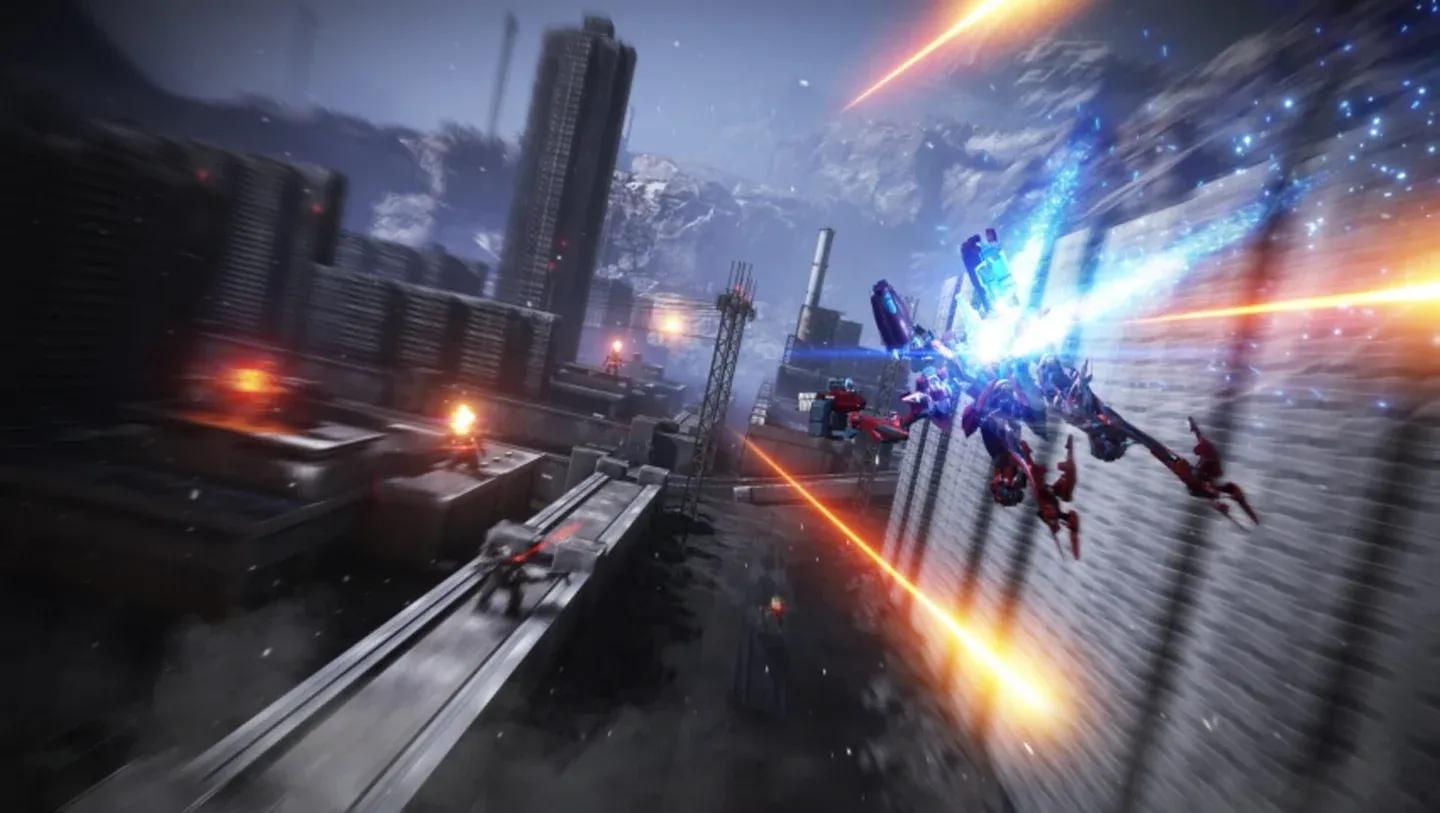
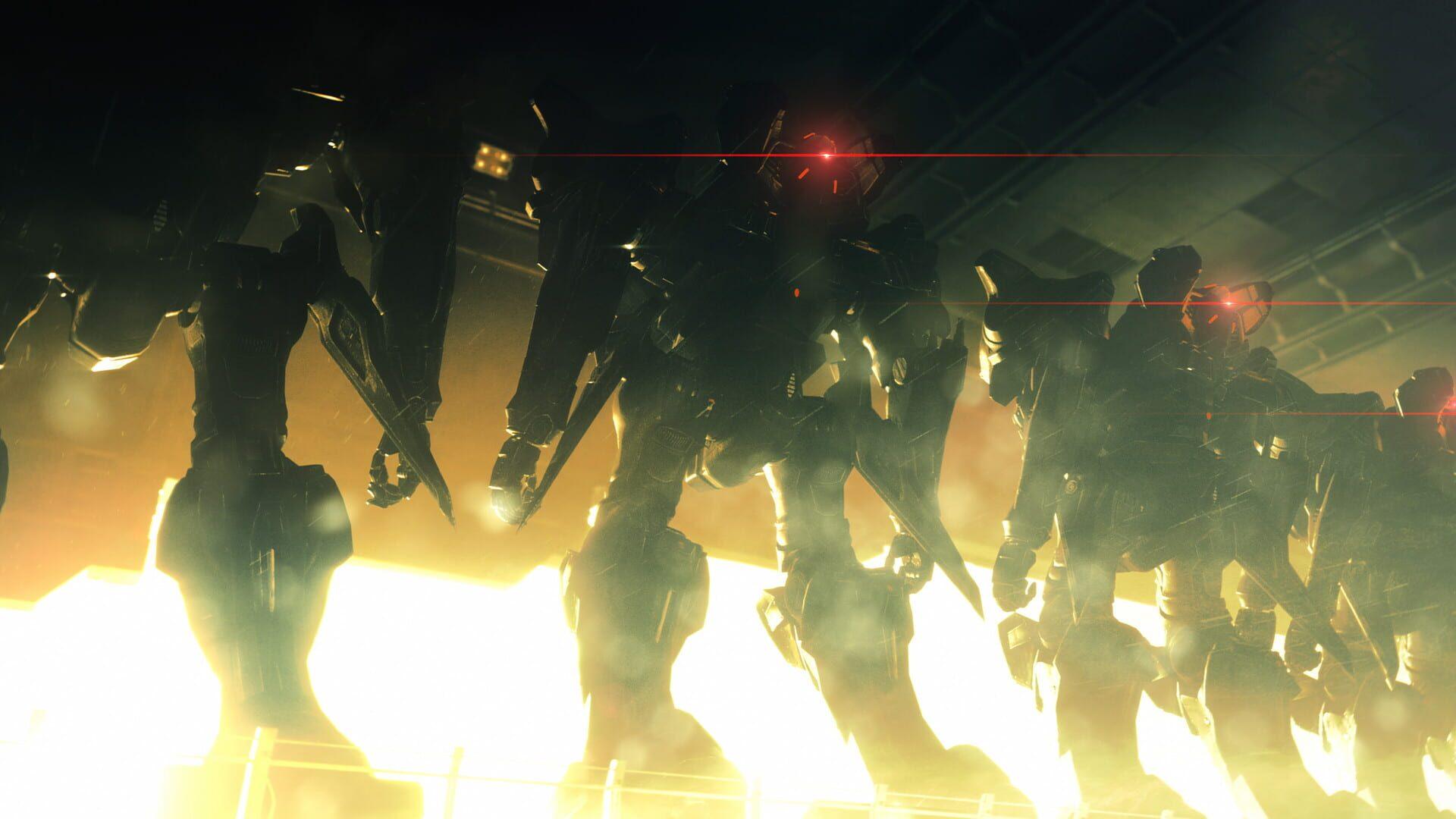
The core gameplay loop in Armored Core VI centers on completing discrete missions, earning credits, and spending those credits on new parts. Combat is fast and three-dimensional, with boosters allowing for constant aerial repositioning and quick-boost dodging that can break targeting locks in a fraction of a second. Every engagement rewards aggression over caution.
Key mechanics that define the experience:
- Stagger system that rewards sustained pressure on enemies
- Dual weapon sets for both arms and shoulders
- Generator and leg-type selection that changes movement style entirely
- Arena mode for testing builds against ranked AI opponents
- Multiple endings tied to mission choices across three playthroughs
The stagger gauge is borrowed from FromSoftware's more recent design language, but it fits the mech context well. Filling an enemy's gauge and then landing a charged melee strike or a direct missile salvo during the stagger window is the game's most satisfying combat moment, and building a loadout around triggering it reliably is one of the first things players figure out.
Mech customization: how deep does it go?
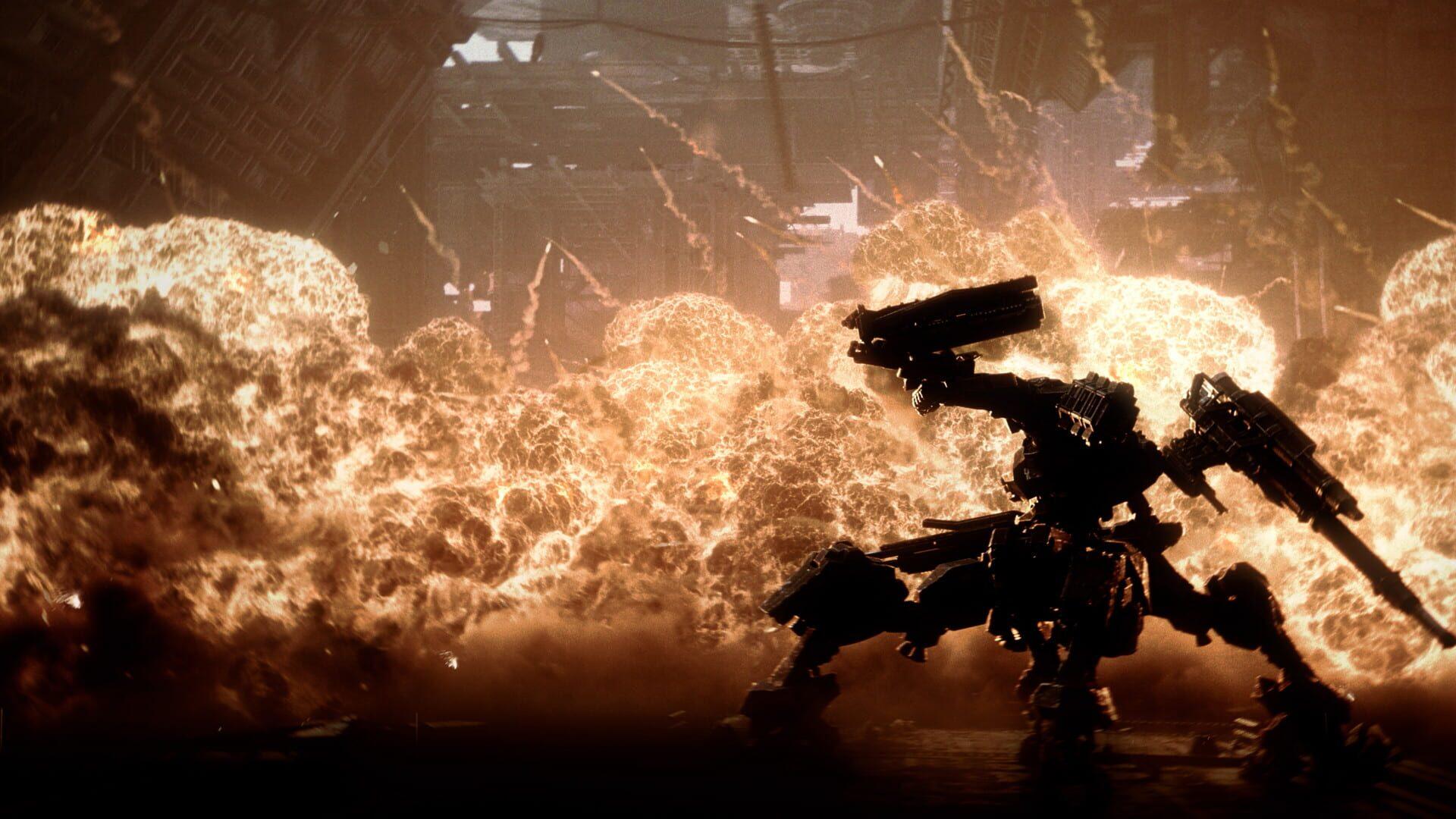
Mech assembly is the mechanical heart of Armored Core VI, and it goes considerably deeper than the combat alone suggests. Every part, from head units to leg types to internal generators and fire-control systems, affects the mech's weight, energy output, and handling. Tetrapod legs change how the AC hovers. Tank treads trade mobility for stability. Reverse-joint legs trade stability for jump height.
The customization extends to paint jobs and decal placement, which has driven a substantial amount of community creativity since launch. Players have recreated mechs from other franchises and built original designs that push the editor's limits. The system is not just cosmetic depth added on top of functional depth; both layers are genuinely extensive.
World and setting
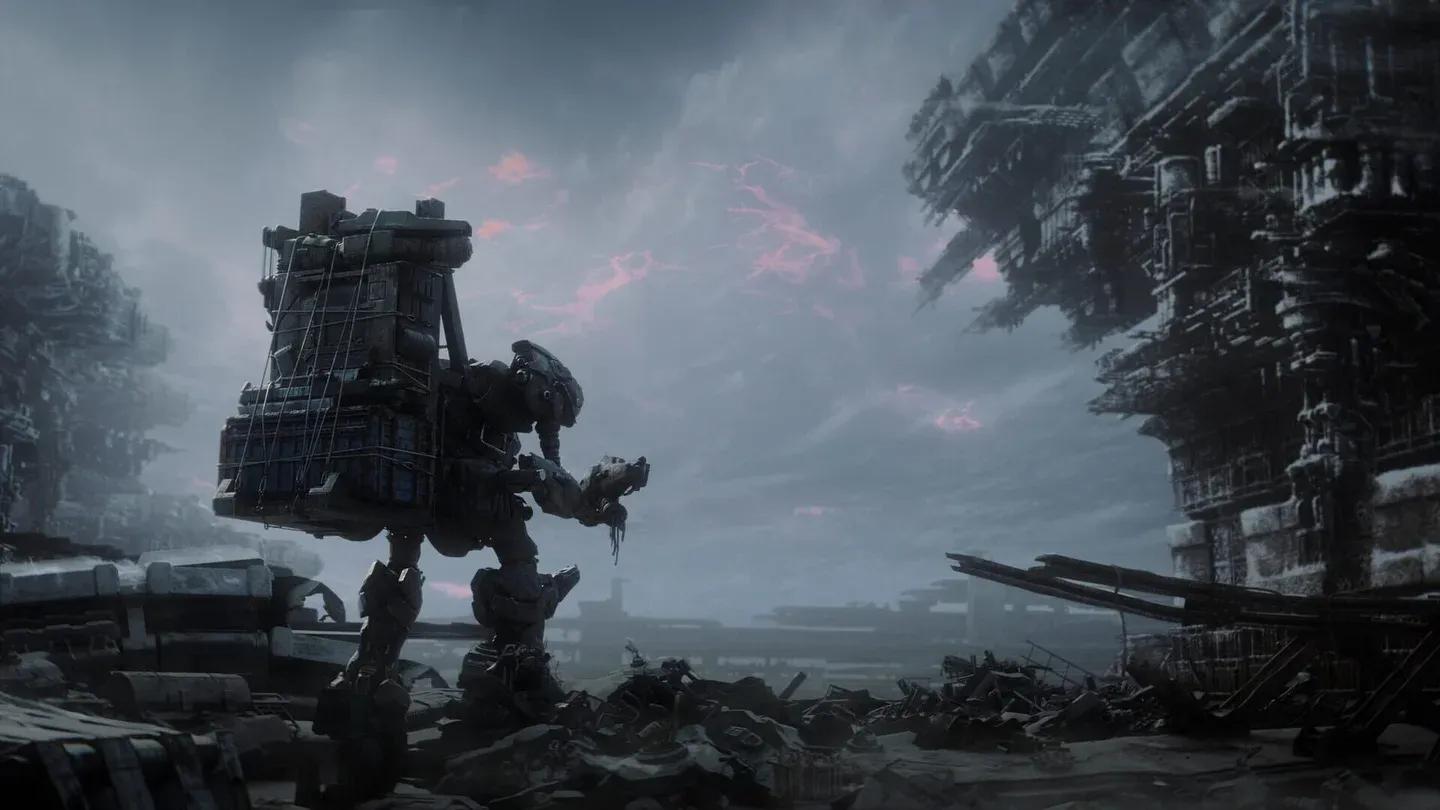
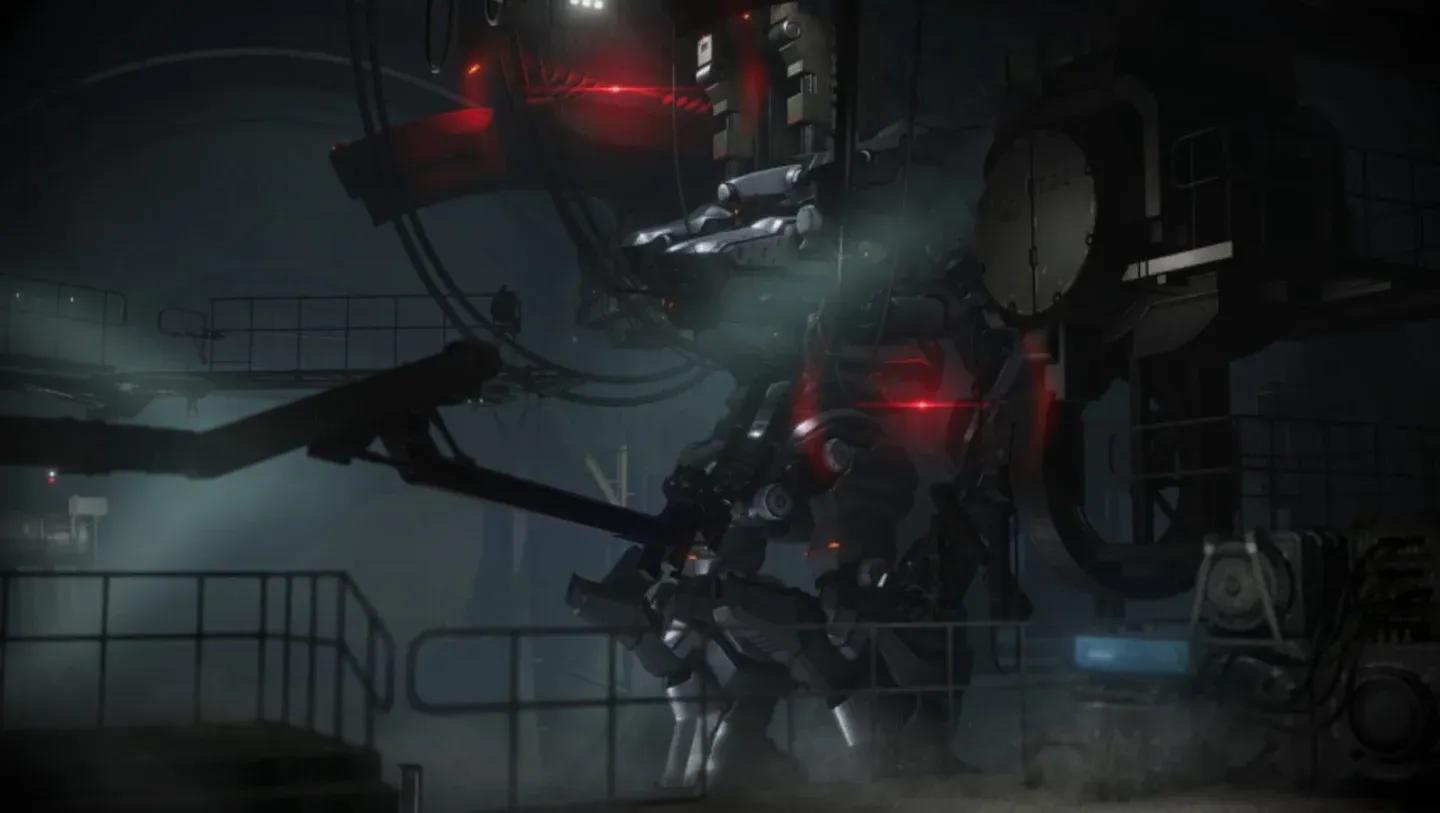
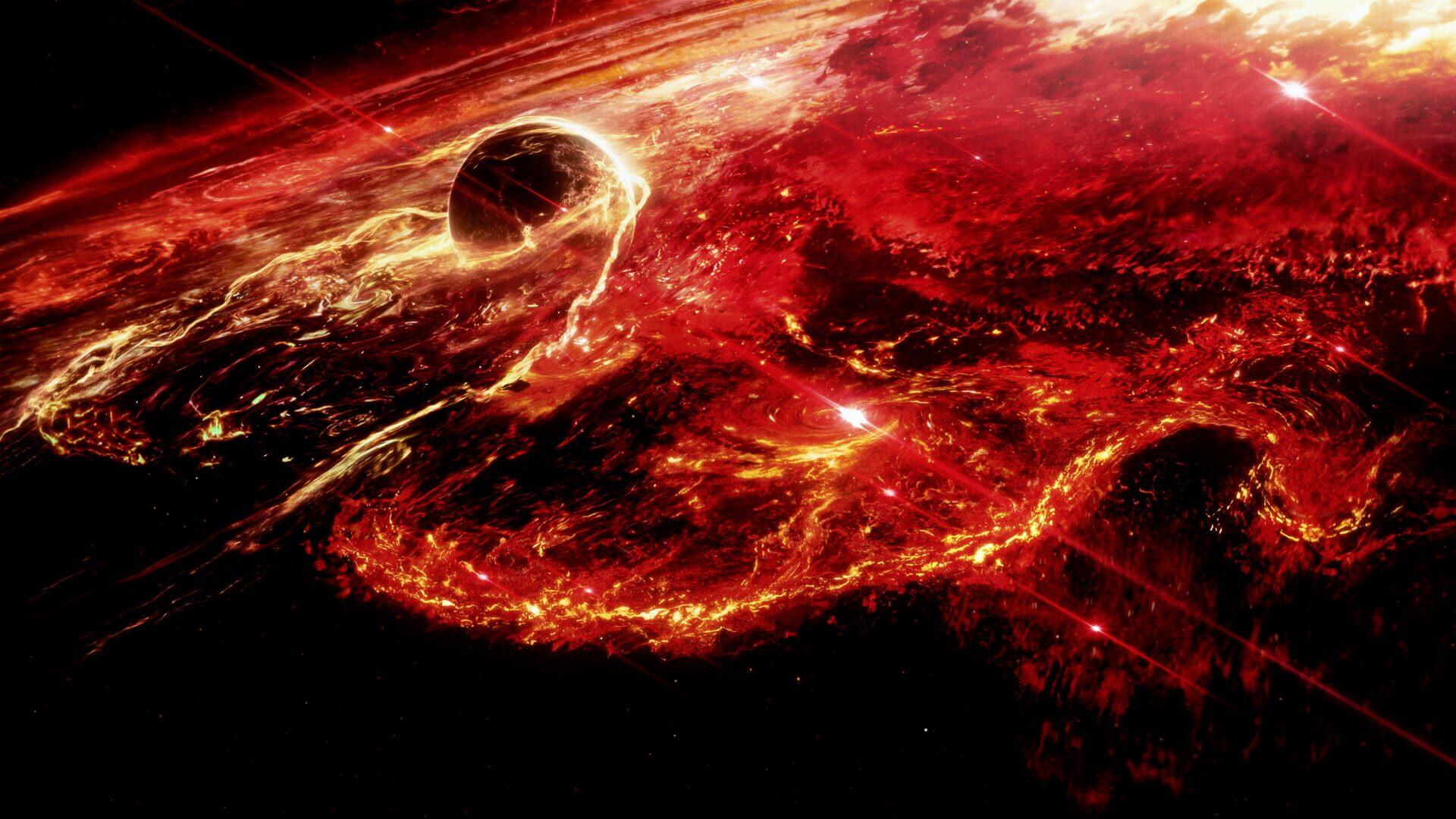
Rubicon 3 is a bleak and visually striking environment. Burned-out industrial facilities, open desert expanses, and claustrophobic interior spaces give the mission selection a range that keeps the game from feeling repetitive across its runtime. The Burning Star System backstory gives the setting a weight that lingers, especially as the player uncovers more about what Coral actually is and what the corporations are willing to do to control it.
Impact and legacy
Armored Core VI scored above 87 on aggregated review platforms across all versions and sold over 2.8 million copies within the first month of release in August 2023. For a series that had been dormant for over a decade, that reception confirmed there was a substantial audience waiting for exactly this kind of mech action game. The combination of FromSoftware's design rigor and the Armored Core series' mechanical identity produced something that stands apart from both the soulslike genre and the broader third-person action space. Three playthroughs to see all endings, a full Arena progression track, and a challenging final gauntlet give players well over 30 hours of structured content before the credits roll for the last time.