Overview
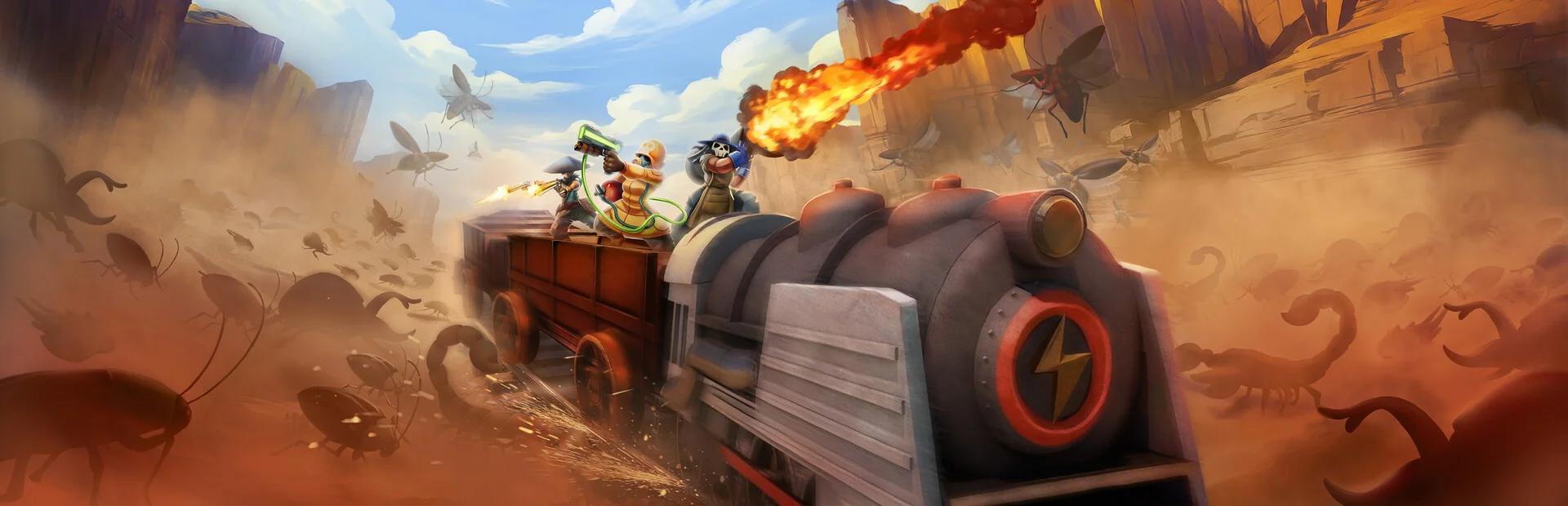
Australia Did It: End-of-the-World Railway Defense Business combines tactical preparation with massed combat around a cargo train. Rami Ismail, co-creator of Nuclear Throne, Luftrausers, and Ridiculous Fishing, develops the Windows PC action-strategy game, with Mystic Forge publishing. Players command mercenaries responsible for getting clients’ shipments through hostile territory.
The route crosses the former Atlantic Ocean, now a wasteland decades after an unexplained catastrophe drains its waters. Oversized insects, mutated creatures, and reanimated ancient weapons inhabit the exposed seabed. The employer’s indifference toward repairs adds a darkly comic edge to a job measured by whether the goods arrive intact.
How does railway defense work?
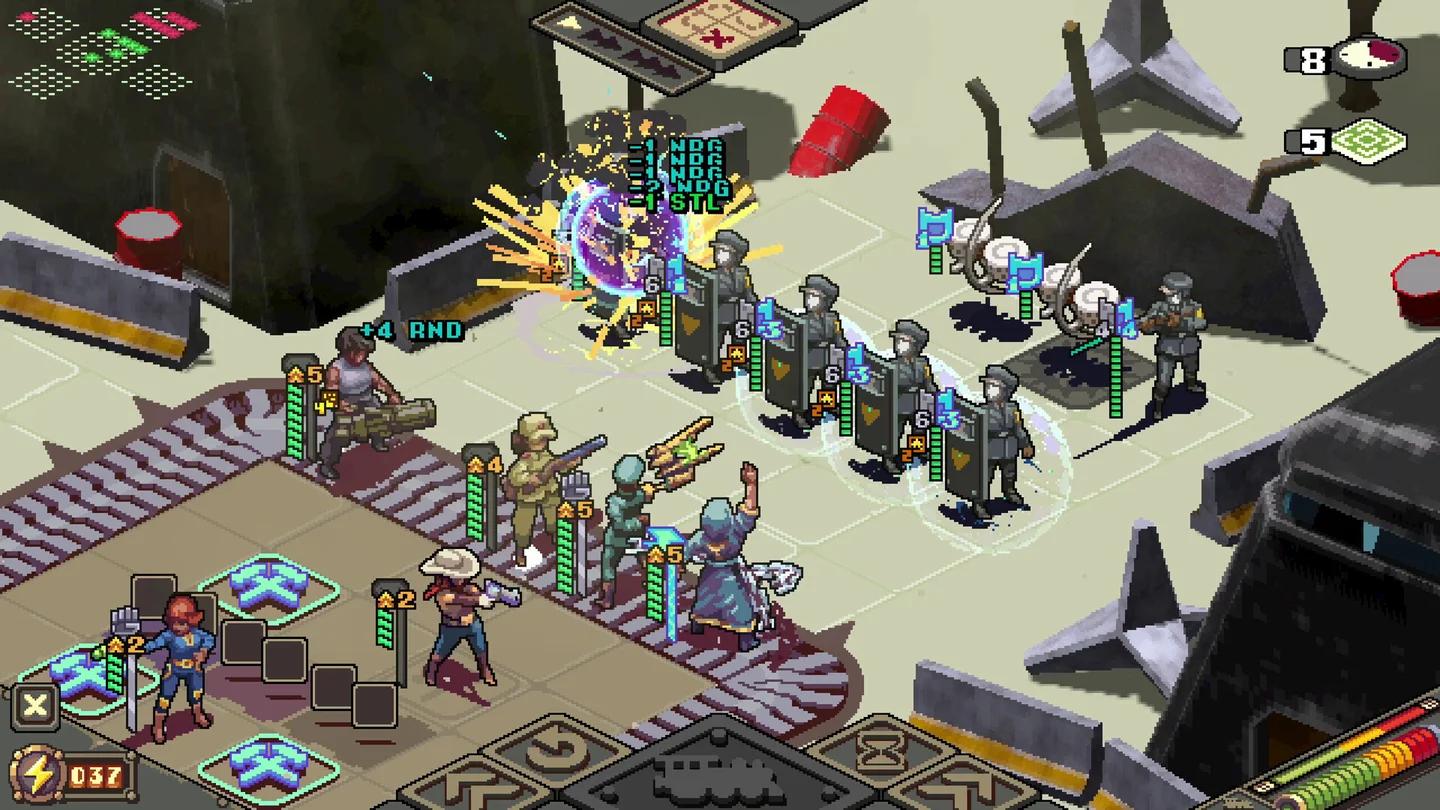
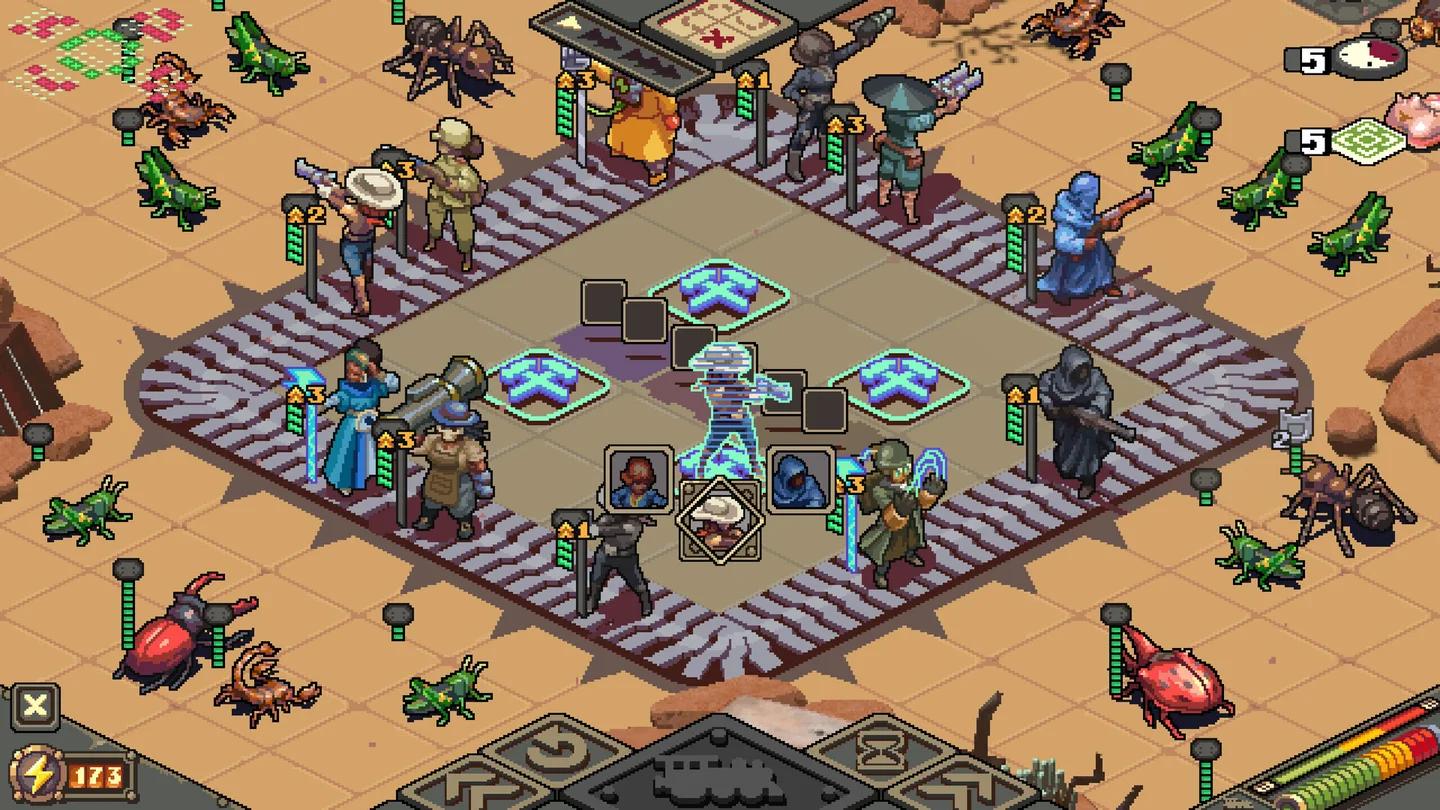
Australia Did It alternates between turn-based tower defense at stations and autobattler combat during train journeys. Before departure, players deploy a limited number of units and position them to withstand enemy waves.
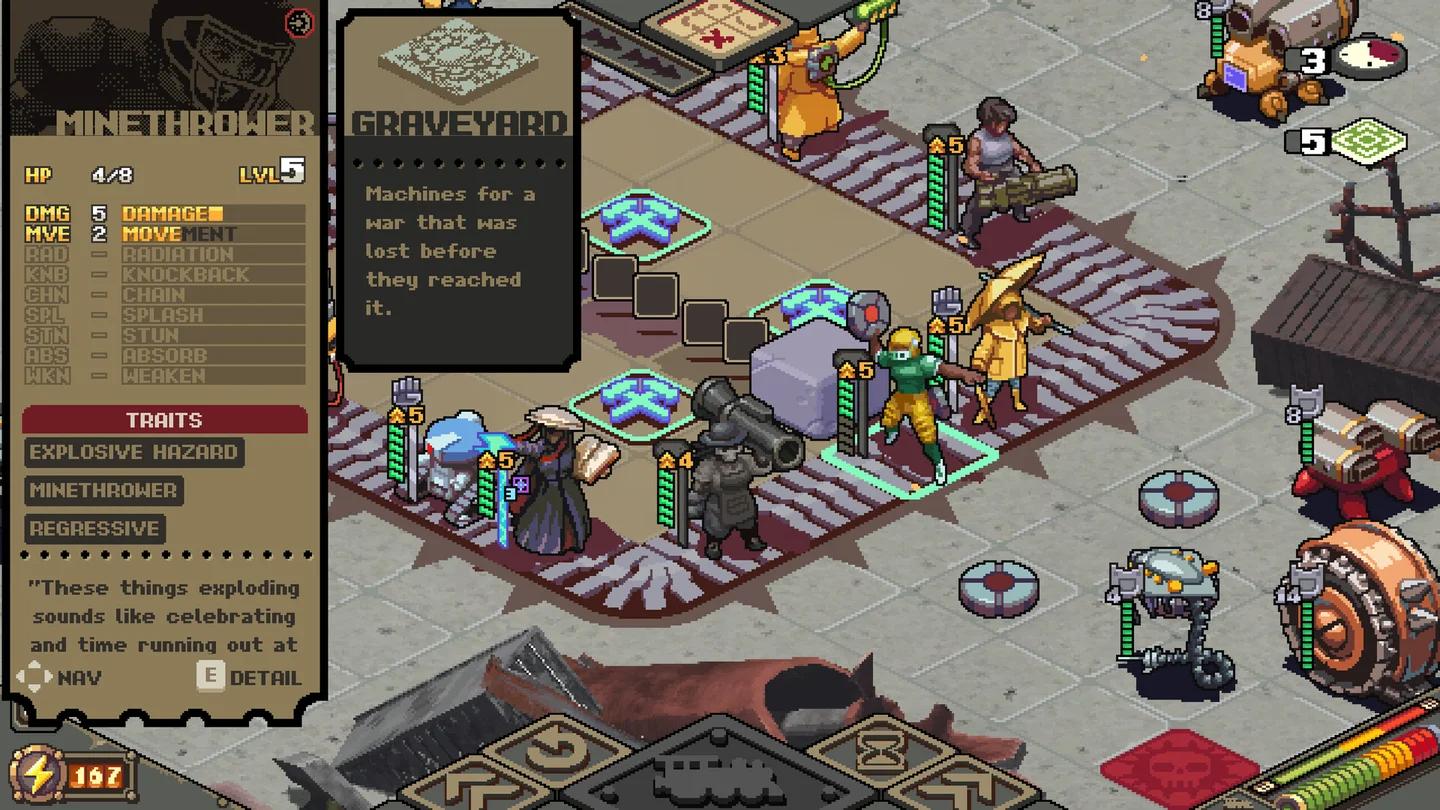
Station defense makes placement a central decision. With a restricted force, assembling a strong crew is only part of the task; its arrangement also needs to hold up under attack.
- Turn-based station defense
- Limited-unit positioning
- Automated railway combat
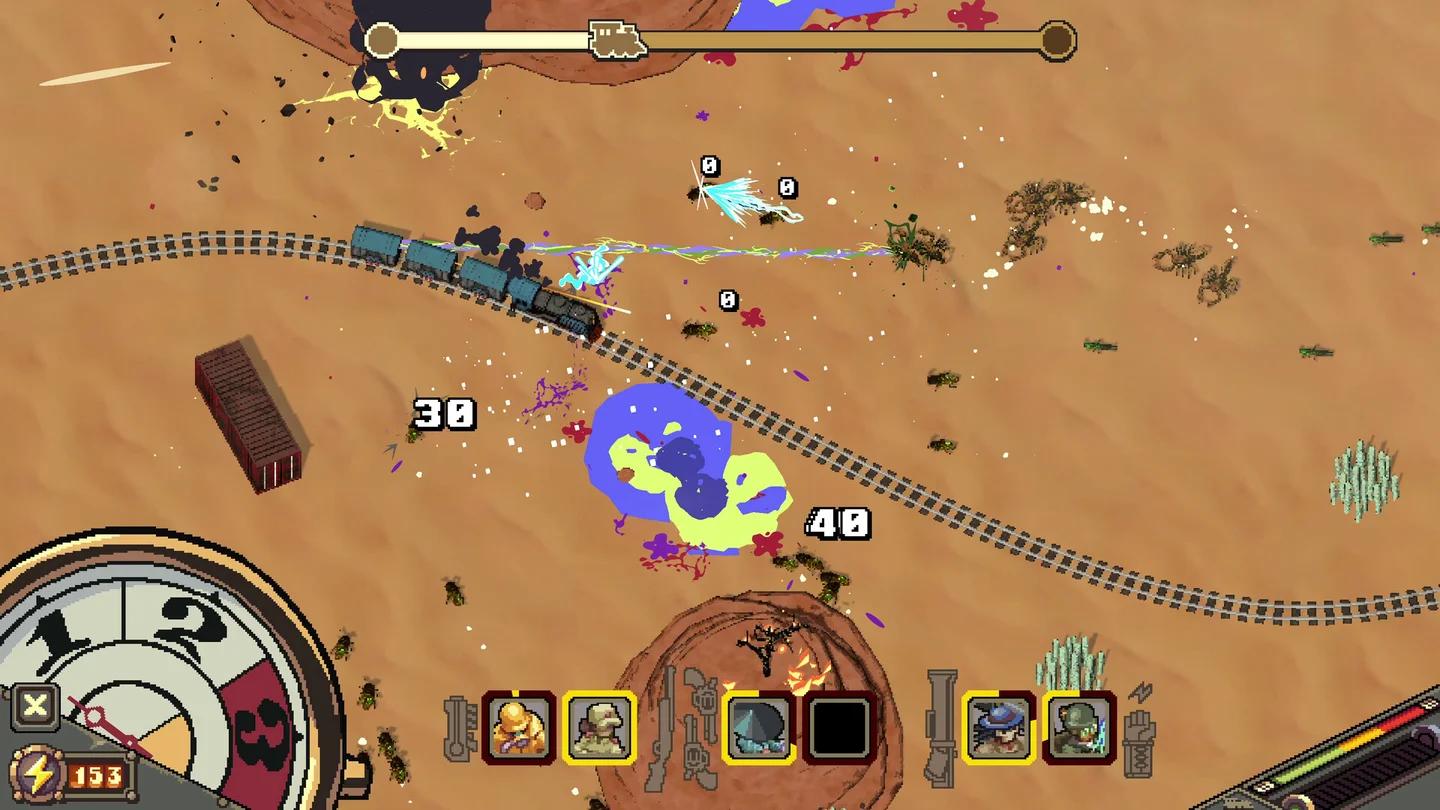
- Reverse bullet hell offense
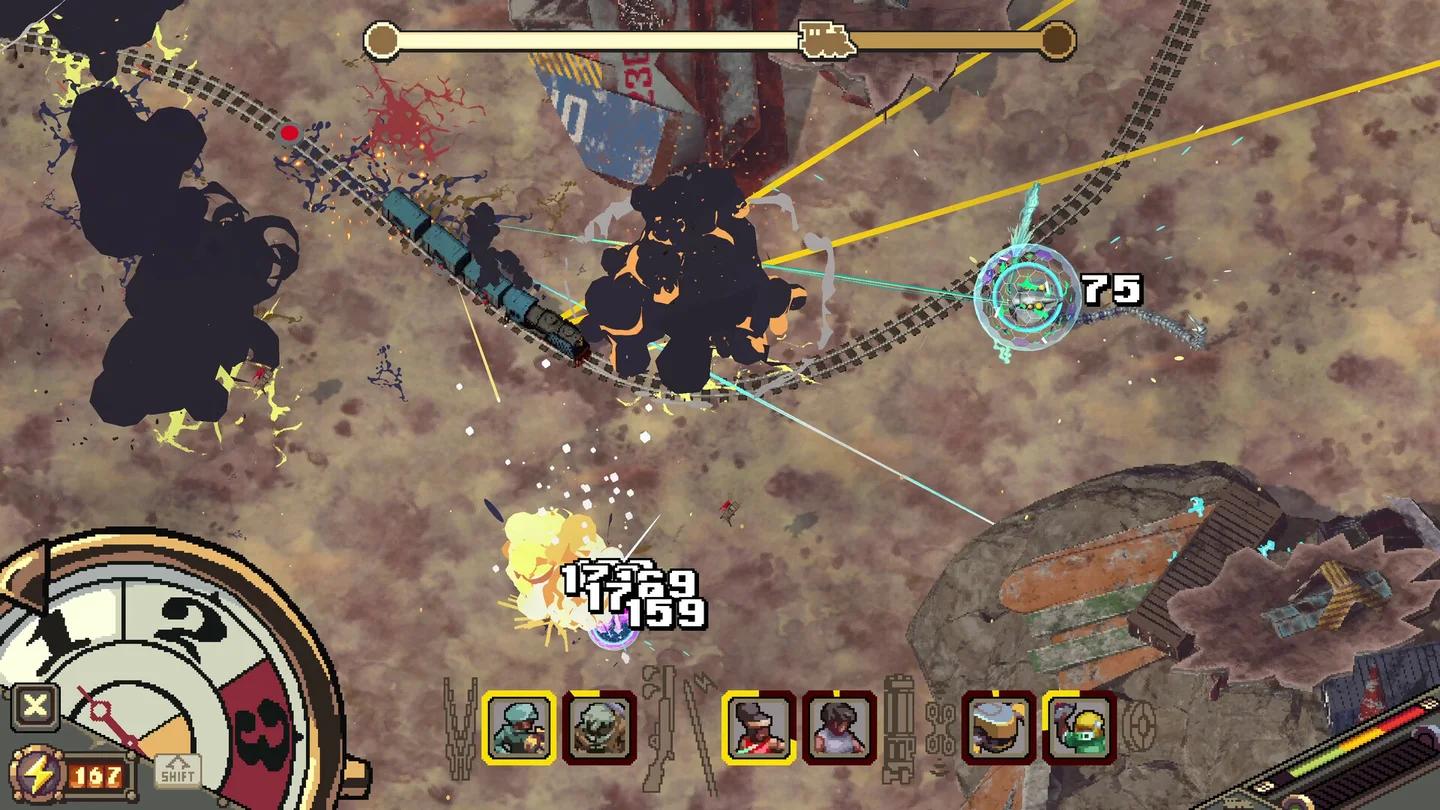
Once the train moves, the crew faces enemy hordes in on-rails battles. The reverse bullet hell format emphasizes offensive output against overwhelming numbers. These journeys test the formation prepared at the station, linking the quieter tactical decisions to the action that follows.
Unit merging and buildcraft
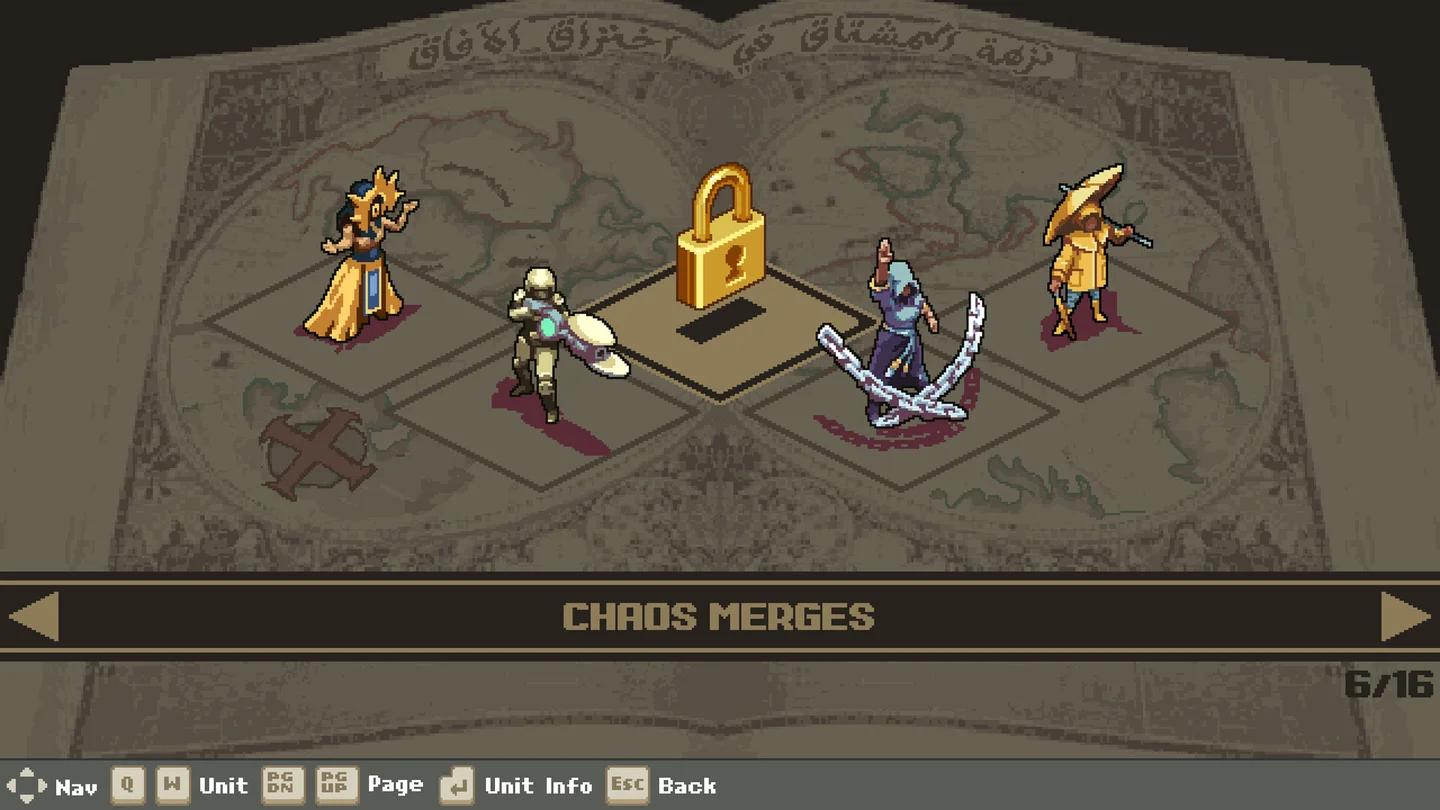
Unit merging supports more than 1,500 combinations across over 30 unit types. Mercenaries can combine during play to produce stronger combatants or specialists with more focused roles.
The distinction between strength and specialization gives the system its tactical interest. A merge can change what a unit contributes, making its function within the crew as relevant as its individual power. Experimentation concerns the shape of the formation, not simply the size of an upgrade.
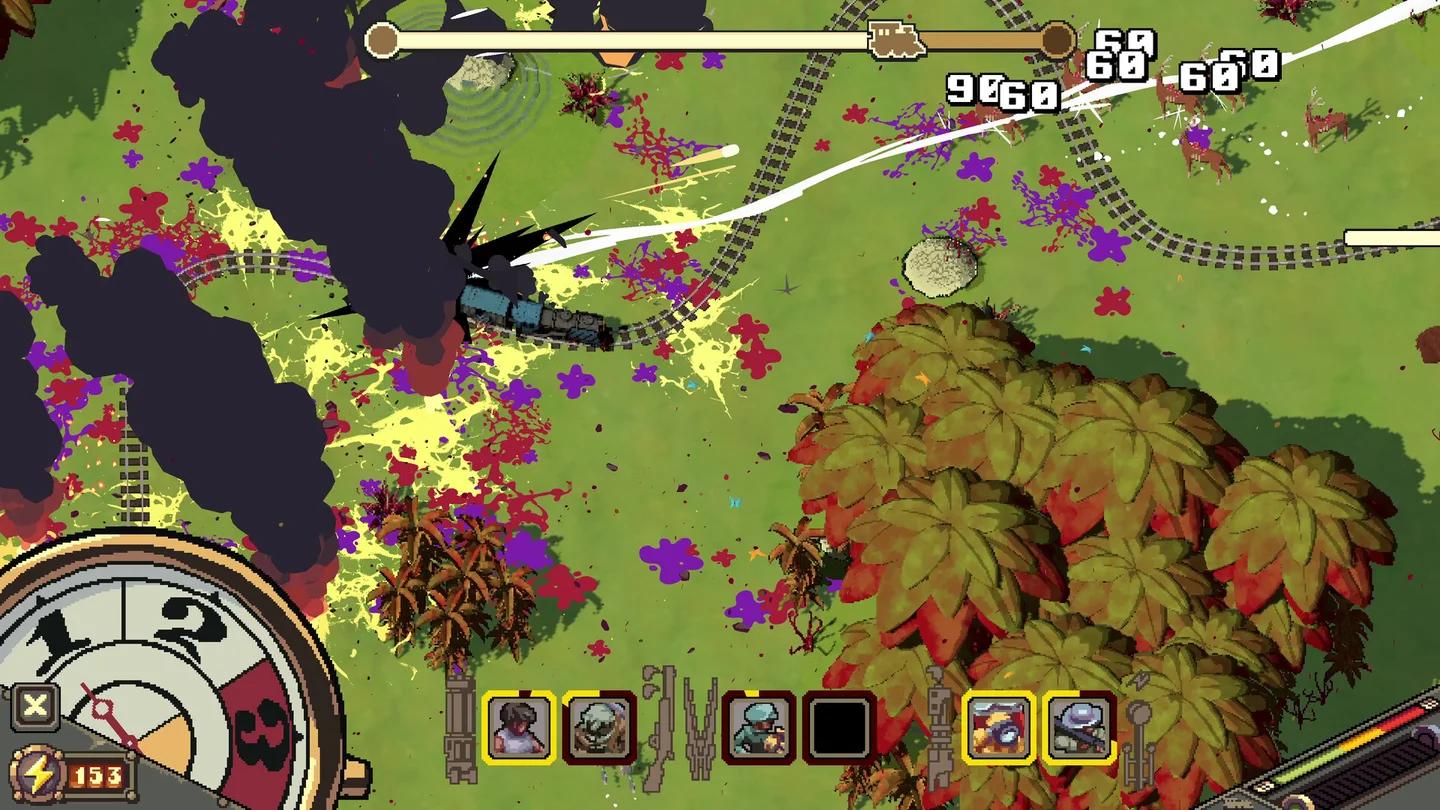
The broad combination pool makes build construction a substantial part of the game’s identity. Players have room to explore different unit relationships while keeping the immediate demands of station defense in view.
Reward cards and replayability
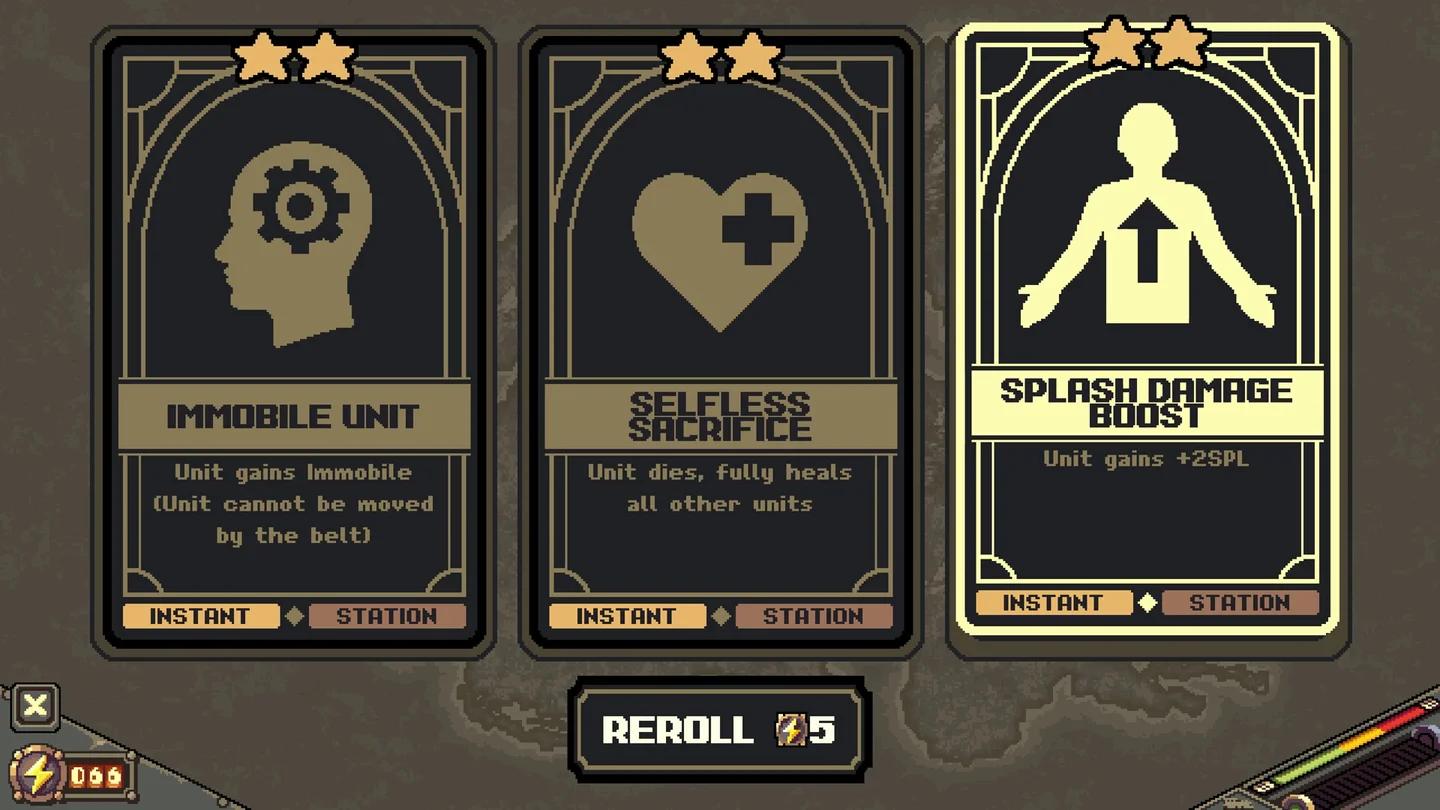
Each successful station brings a choice of Reward Cards. These provide perks and boosts that combine with the developing crew, adding another layer of customization during a run.
Card selection connects progression to the units already assembled. The useful question is how a bonus fits the current build, bringing reward choices into the same planning process as deployment and merging.
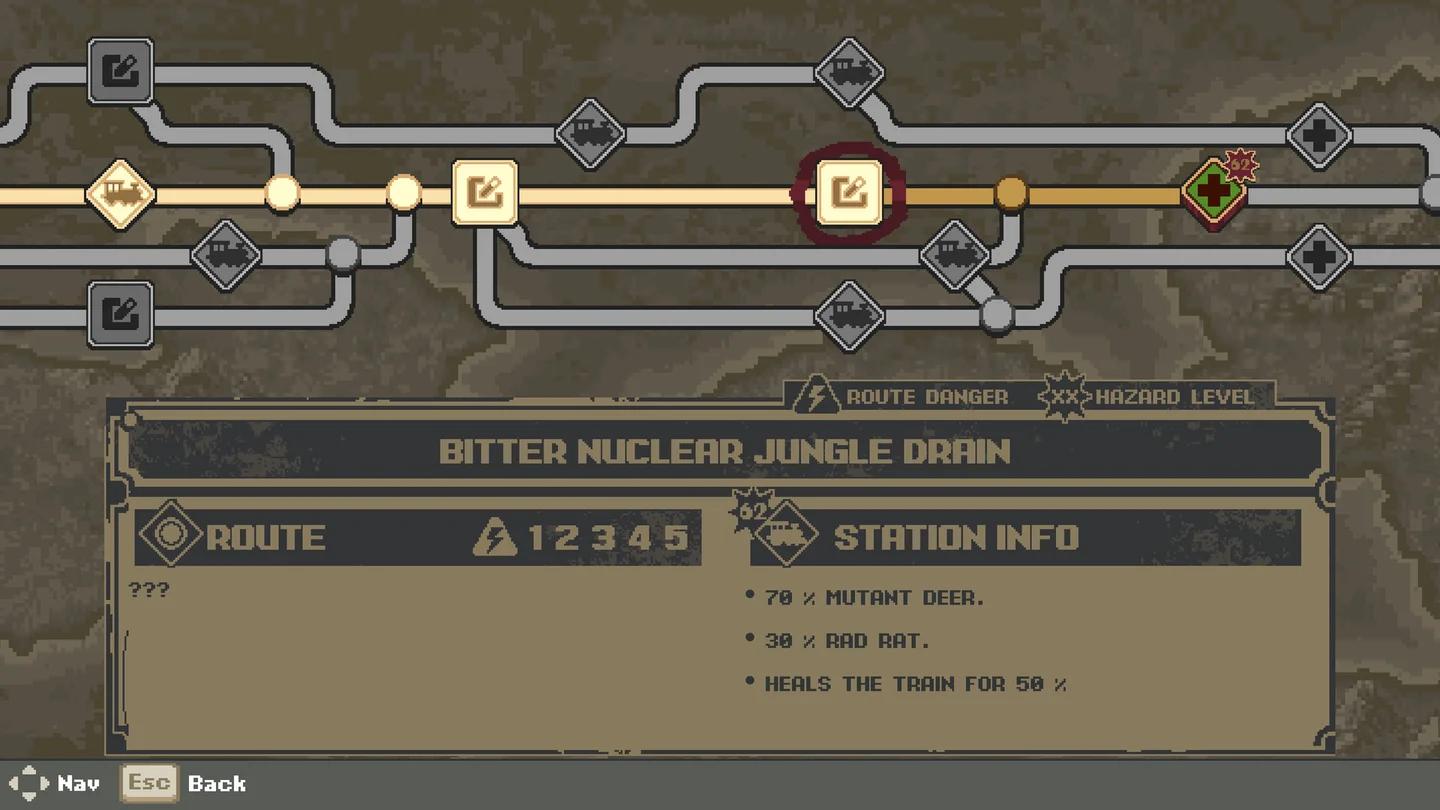
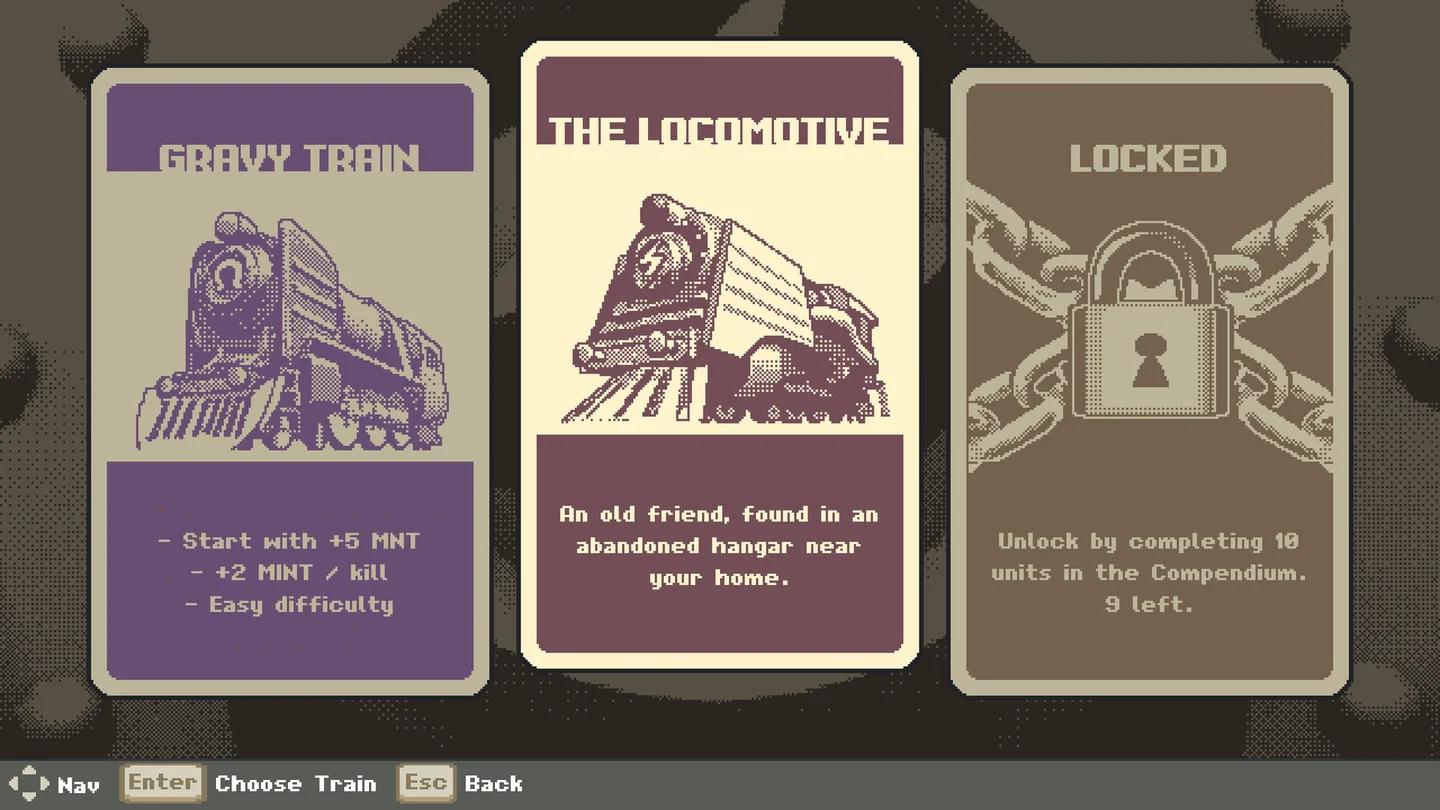
Multiple train models are also unlockable, each with distinct stats. Train selection expands buildcraft beyond the mercenary formation, while Reward Cards and unit combinations supply the run-to-run variation at the center of this tactical defense game.