Overview
BeamNG.drive is a sandbox vehicle simulation game developed and published by BeamNG, originally released on Steam in May 2015 after beginning life as a tech demo in 2013. The game's defining feature is its soft-body physics engine, which calculates the behavior of every node and beam in a vehicle's structure in real time. Panels crumple, axles bend, and suspensions collapse in ways that look and feel accurate rather than scripted. No other driving game handles destructible vehicle physics at this level of fidelity.
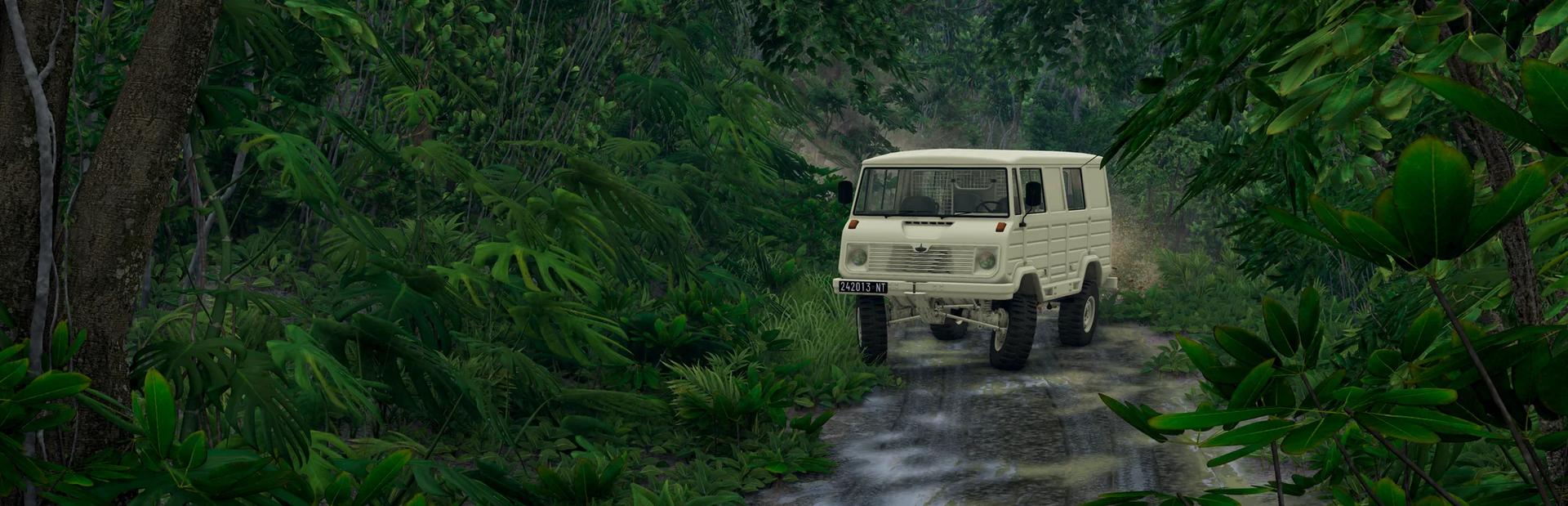
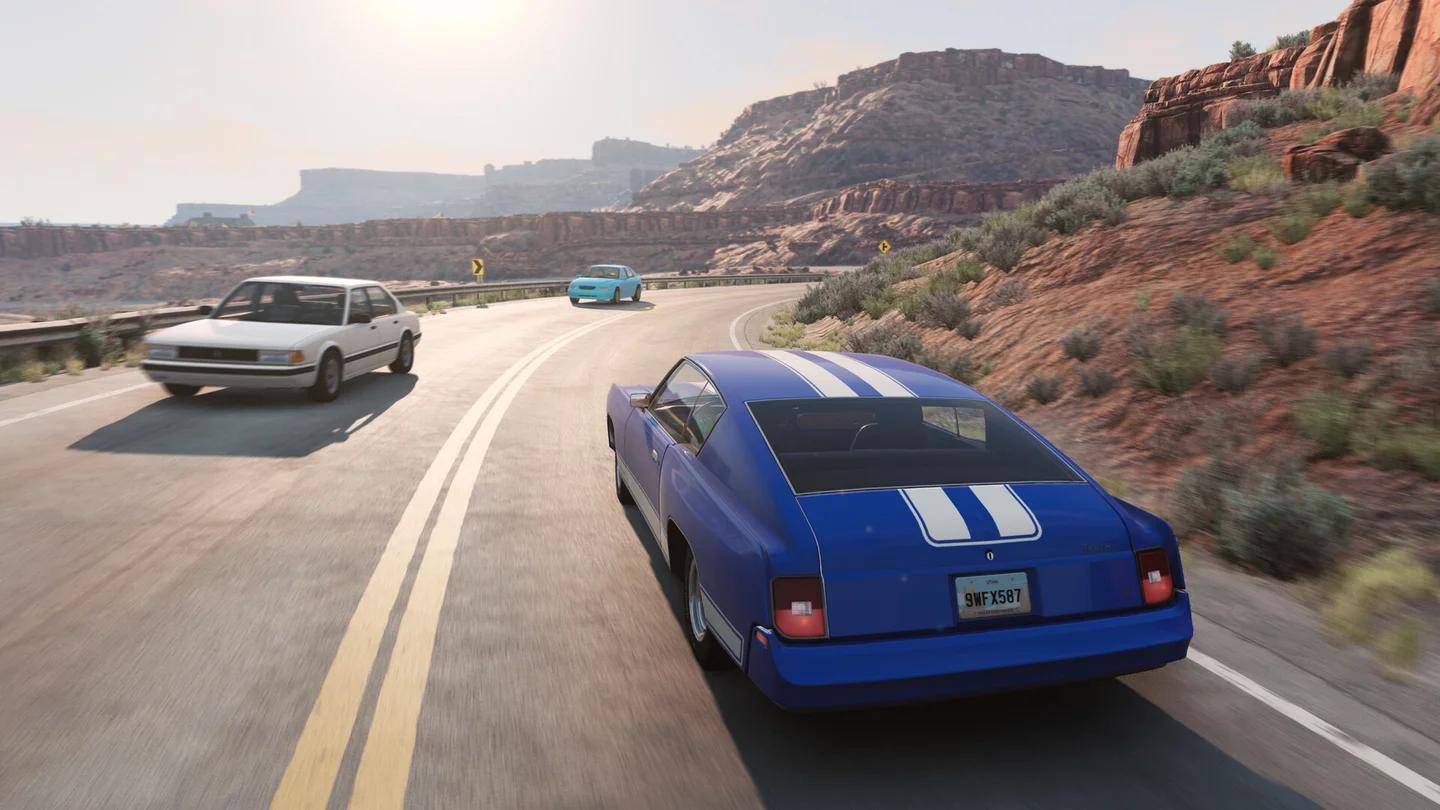
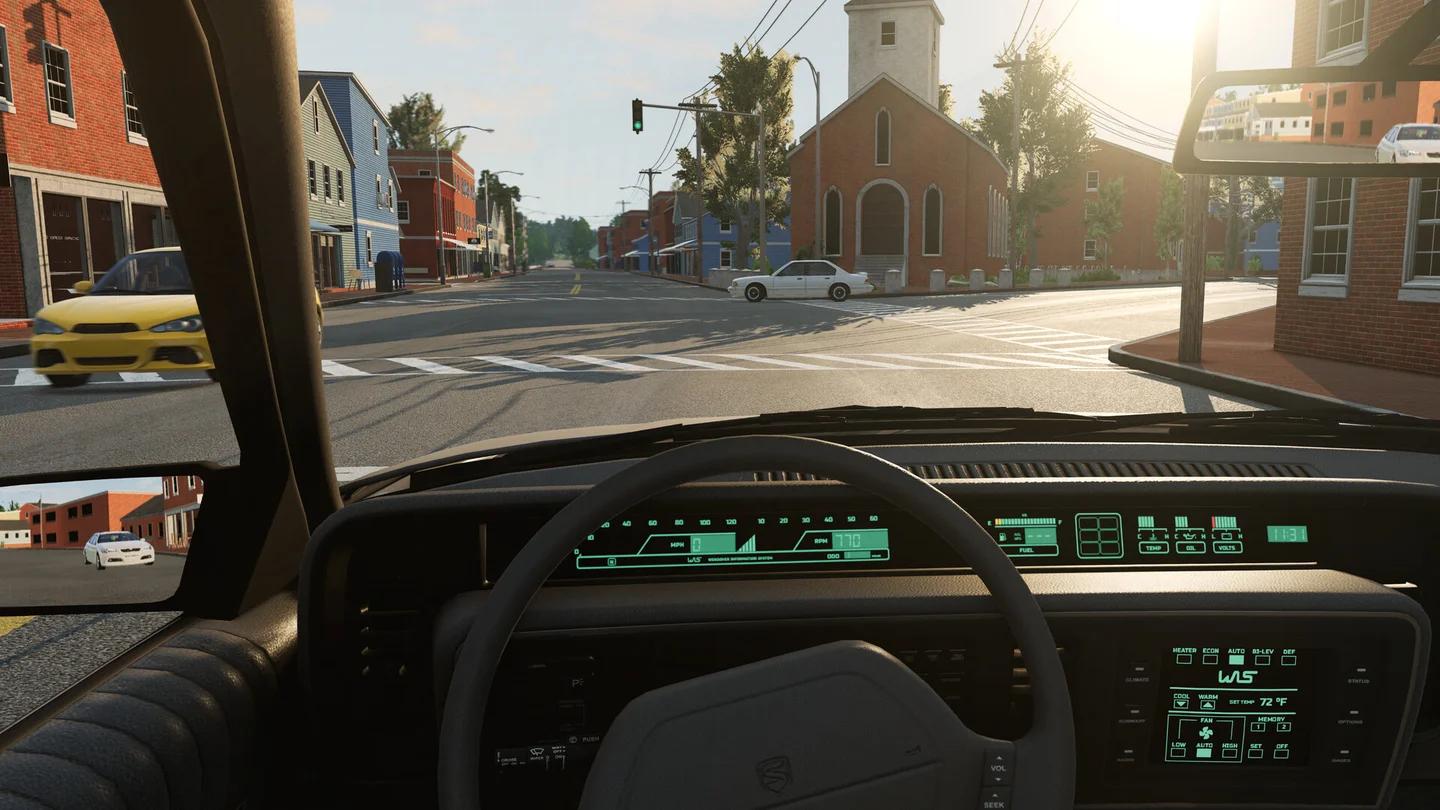
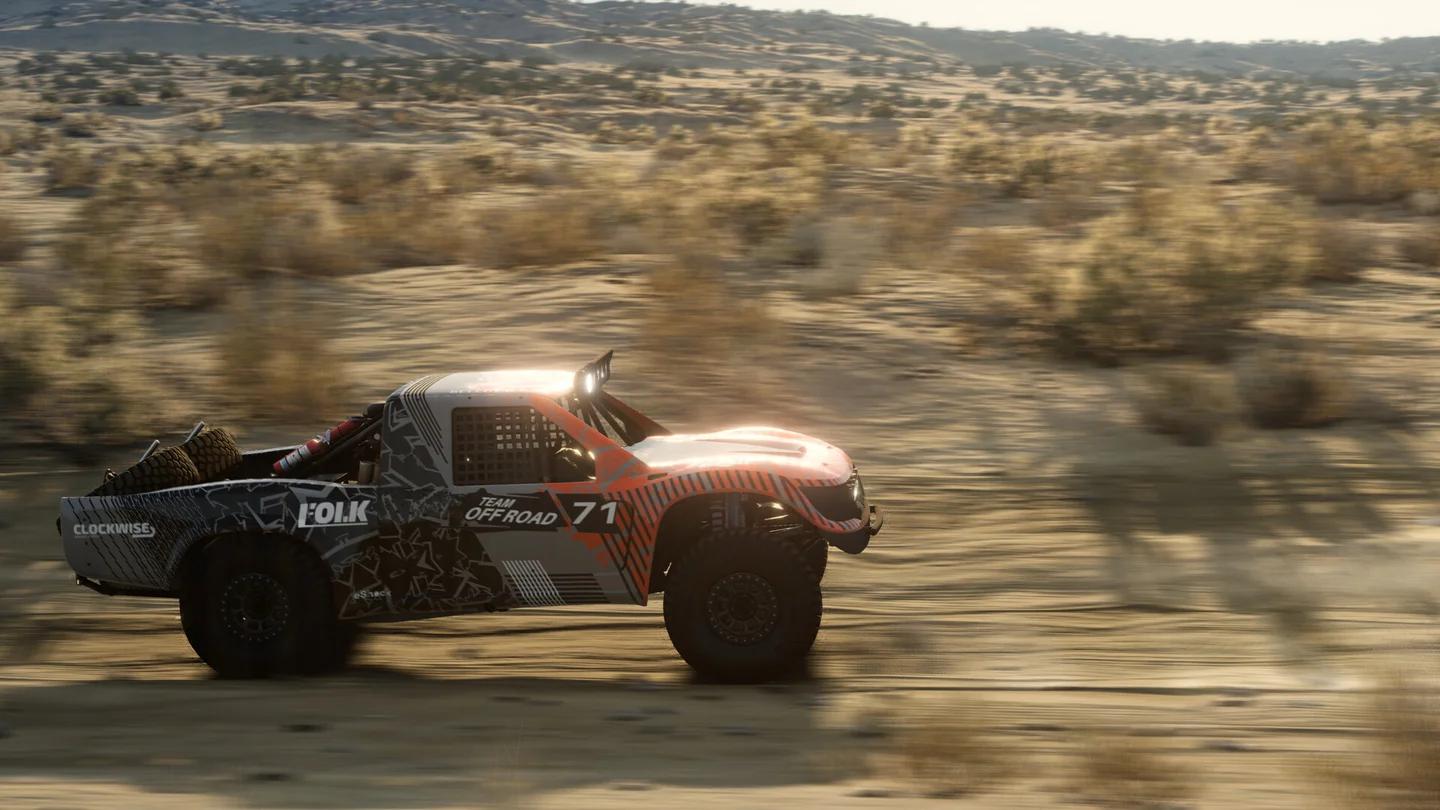
The simulation spans 12 open-world environments, ranging from tropical jungle routes and barren desert flats to dense urban grids and fast multilane highways. Each map is large enough to support extended free roam sessions, and the variety in terrain types means different vehicles genuinely feel different across each setting. A heavy truck navigating a mountain pass handles nothing like a compact car cutting through city streets, and the physics engine makes sure that distinction is felt.
Soft-body physics: what makes it different?
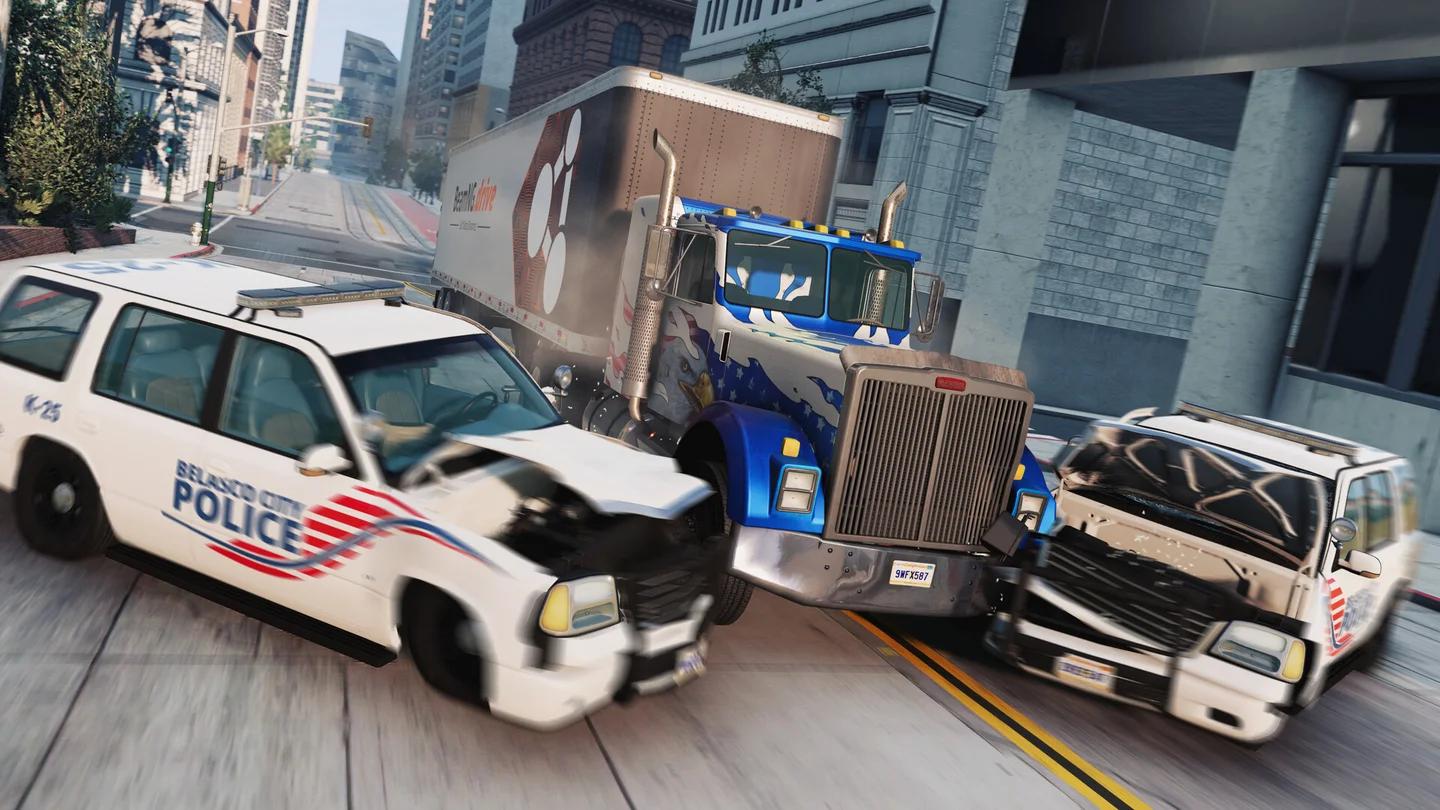
Most racing and driving games use rigid-body physics, where a vehicle's structure is treated as a single solid object. BeamNG.drive takes a fundamentally different approach. Every vehicle is modeled as a network of nodes connected by beams, and the engine calculates forces on each connection point individually. The result is a damage model where impacts produce unique, physics-driven deformation rather than pre-baked crumple animations.
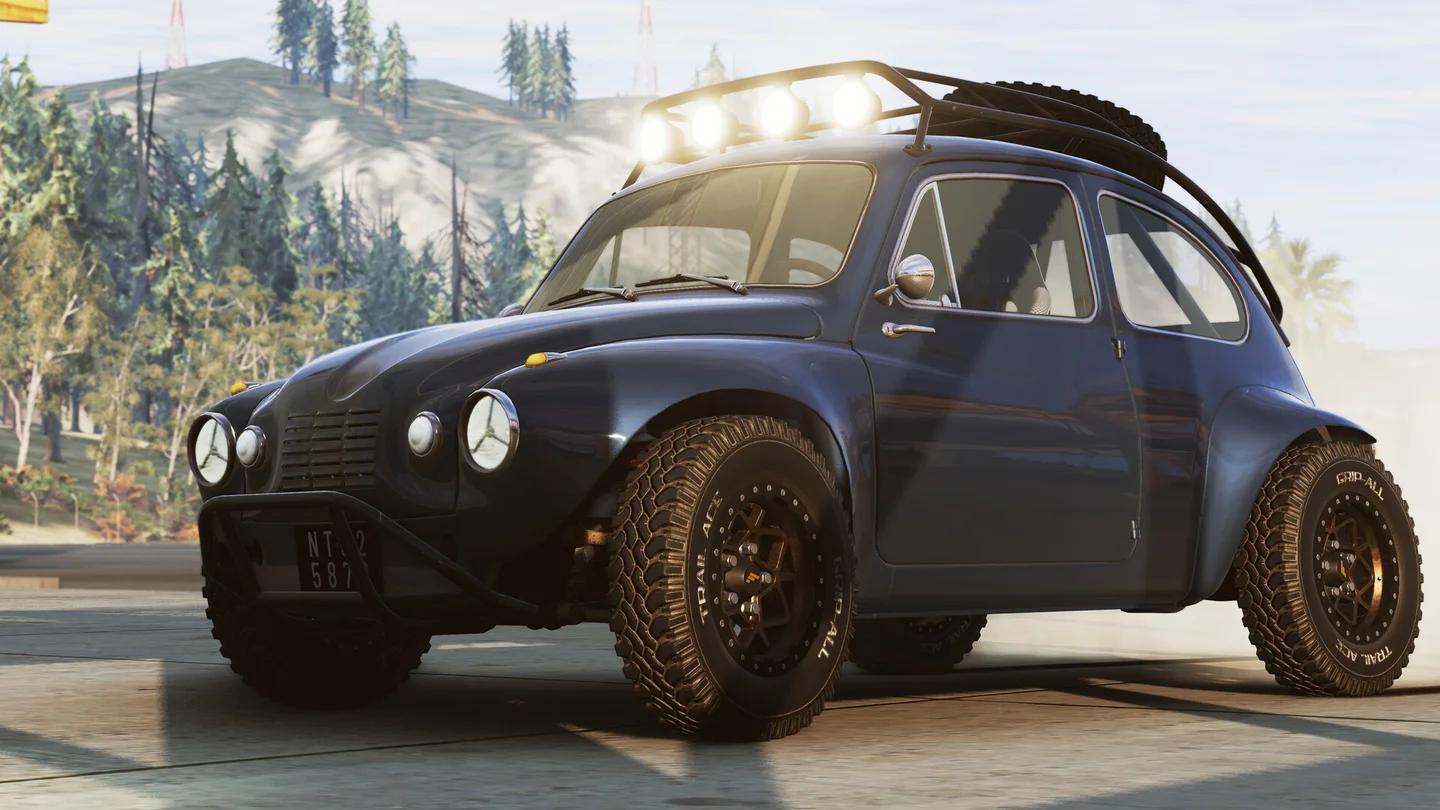
Key simulation elements include:
- Real-time node-and-beam structural deformation
- Accurate suspension compression and failure
- Engine and drivetrain component stress modeling
- Tire deformation and blowout behavior
- Environmental physics manipulation (wind speed, gravity)
This approach makes crashes feel visceral in a way that goes beyond spectacle. A car that loses a wheel mid-corner will pull and drag exactly as physics dictates, not as an animation script decides.
Vehicles, customization, and the Automation crossover
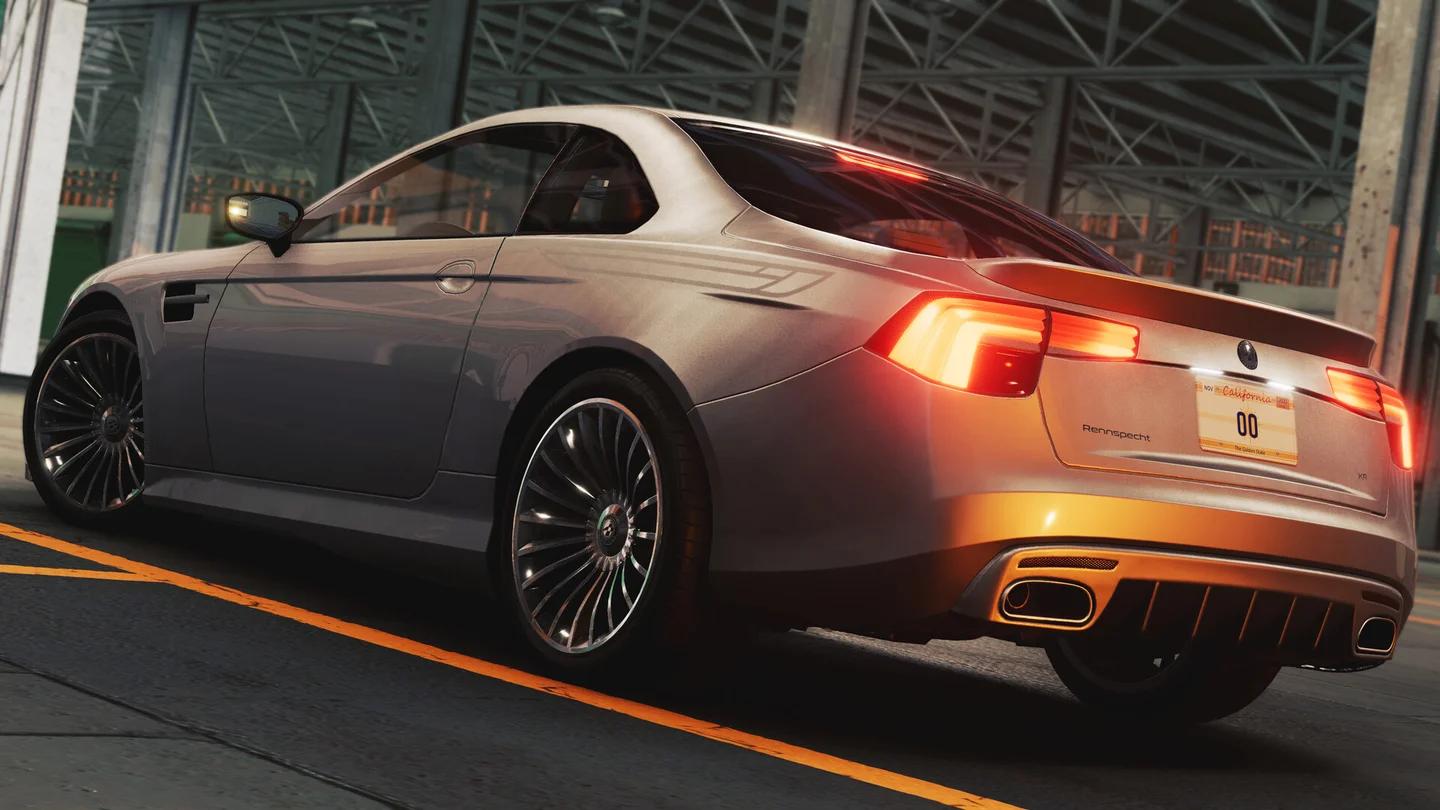
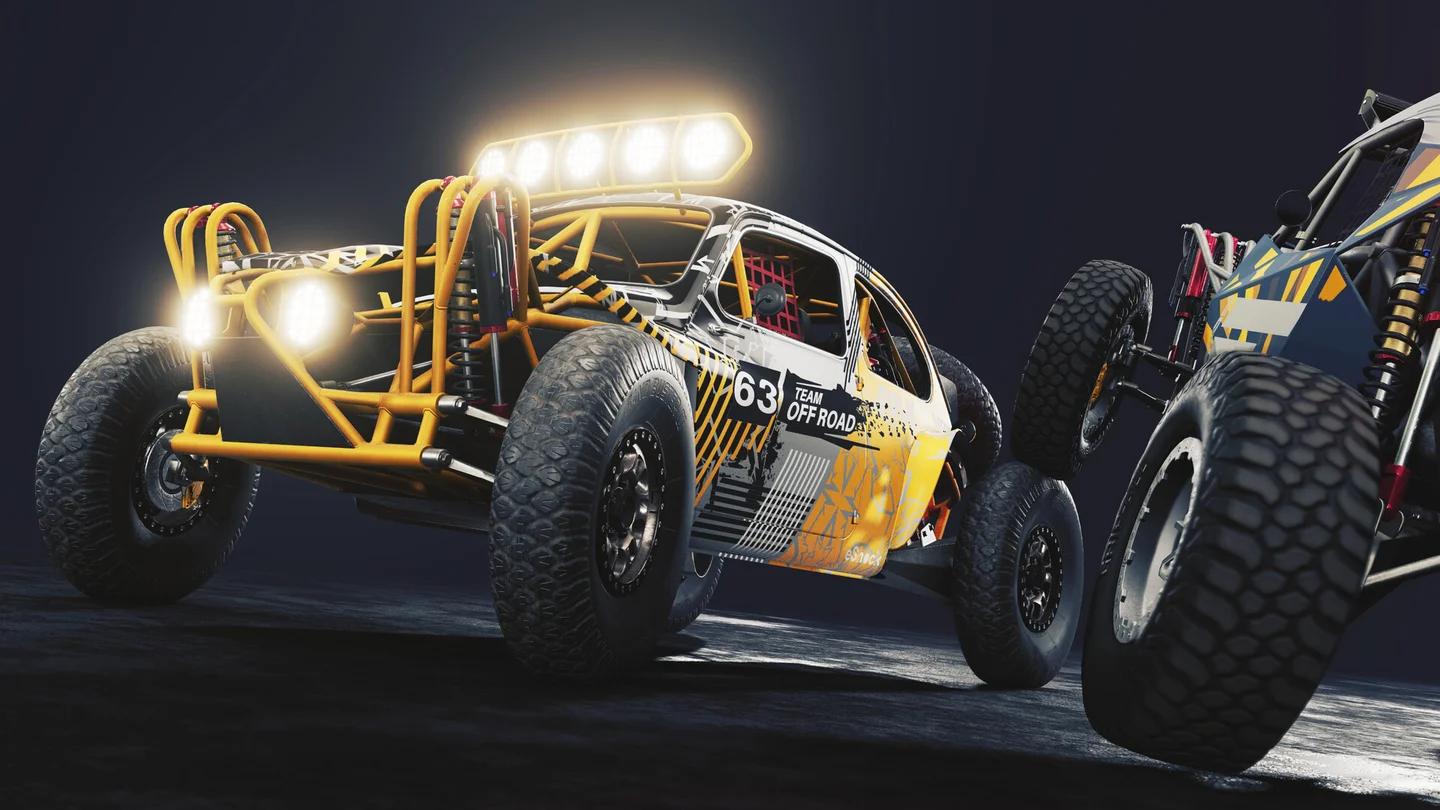
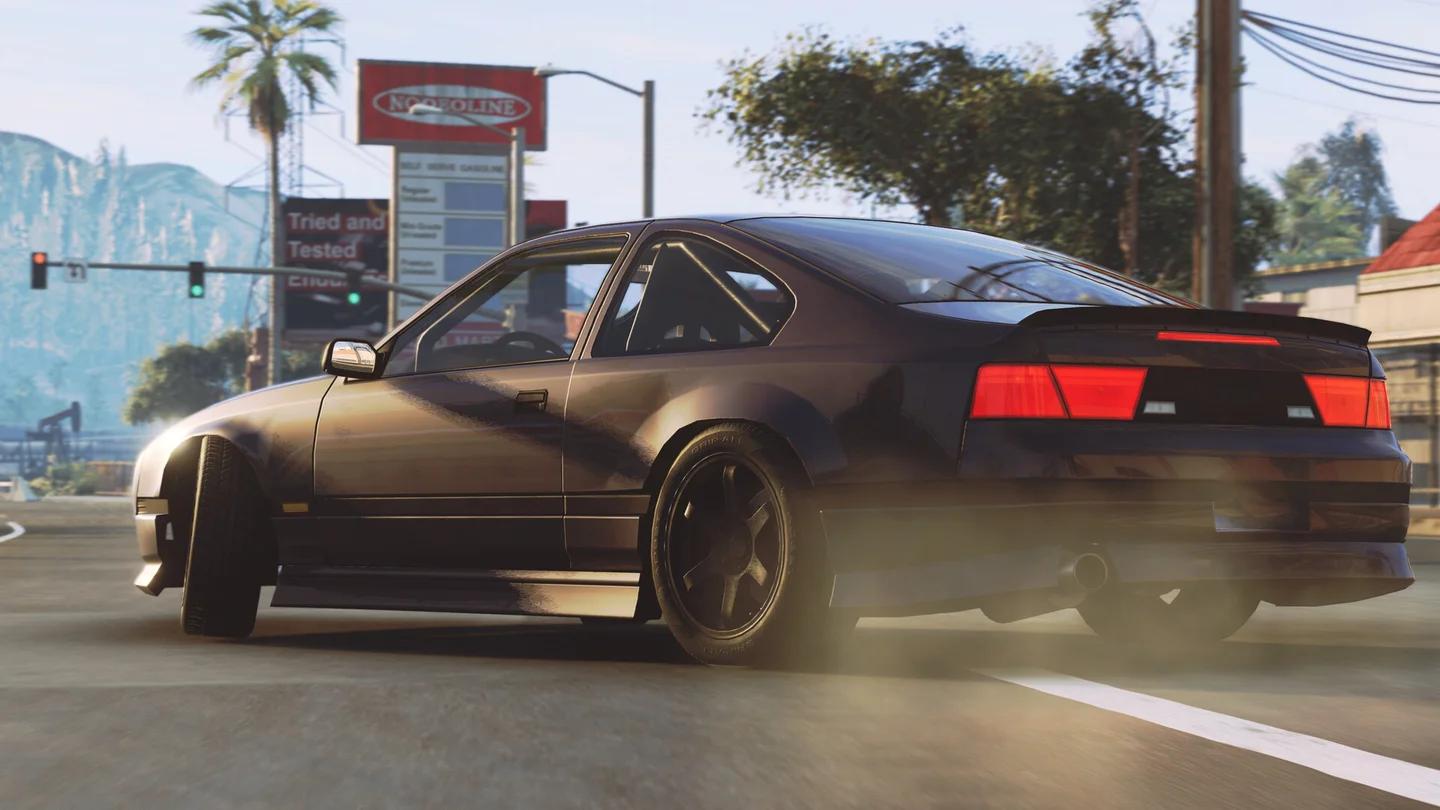
BeamNG.drive includes dozens of vehicles covering a wide range of categories, from compact hatchbacks and muscle cars to heavy trucks and off-road rigs. Every vehicle is fully customizable at the component level: wheels, suspension geometry, engine tuning, body panels, and more can all be adjusted before taking a vehicle out. This depth of configuration means the same base car can be set up for track performance, off-road crawling, or deliberate destruction testing.
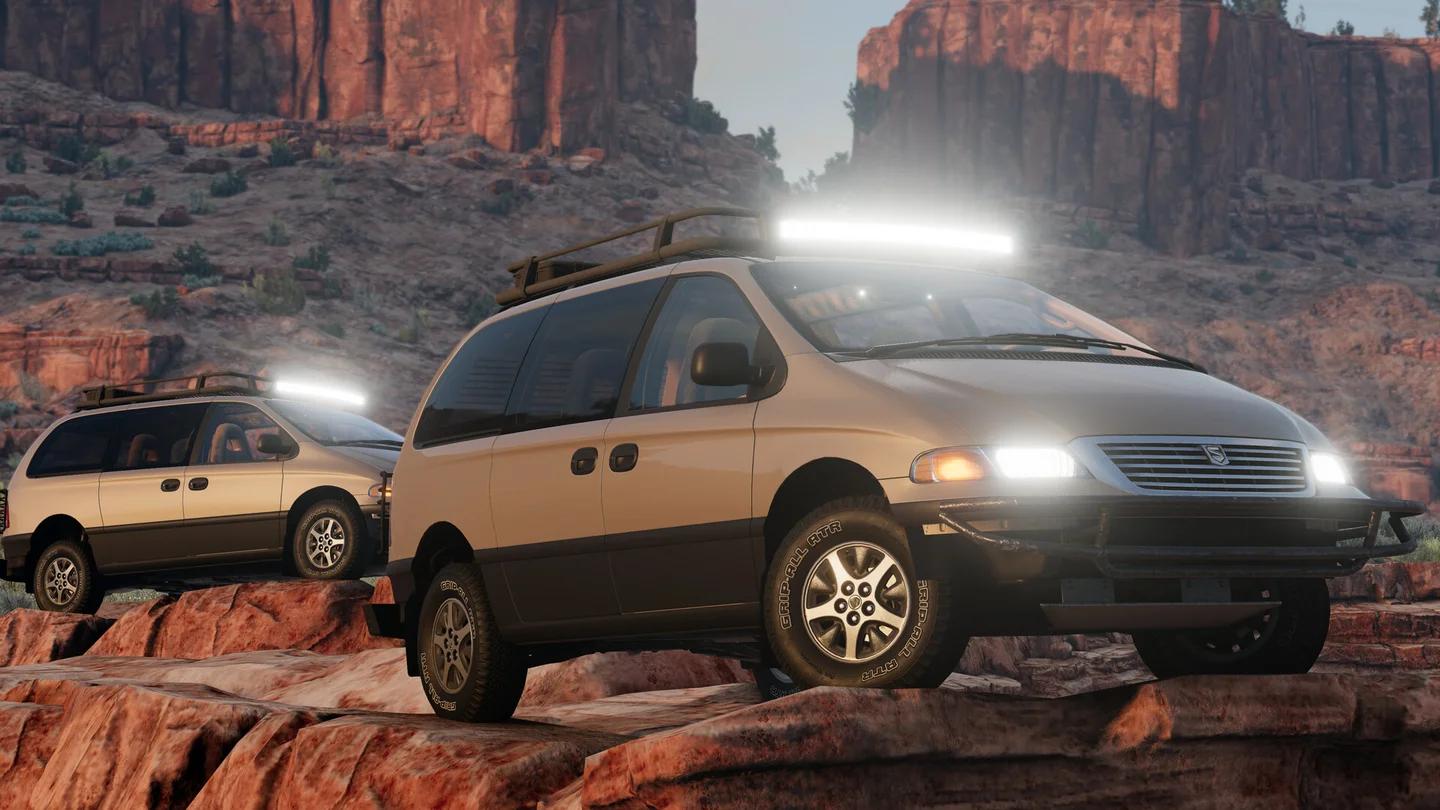
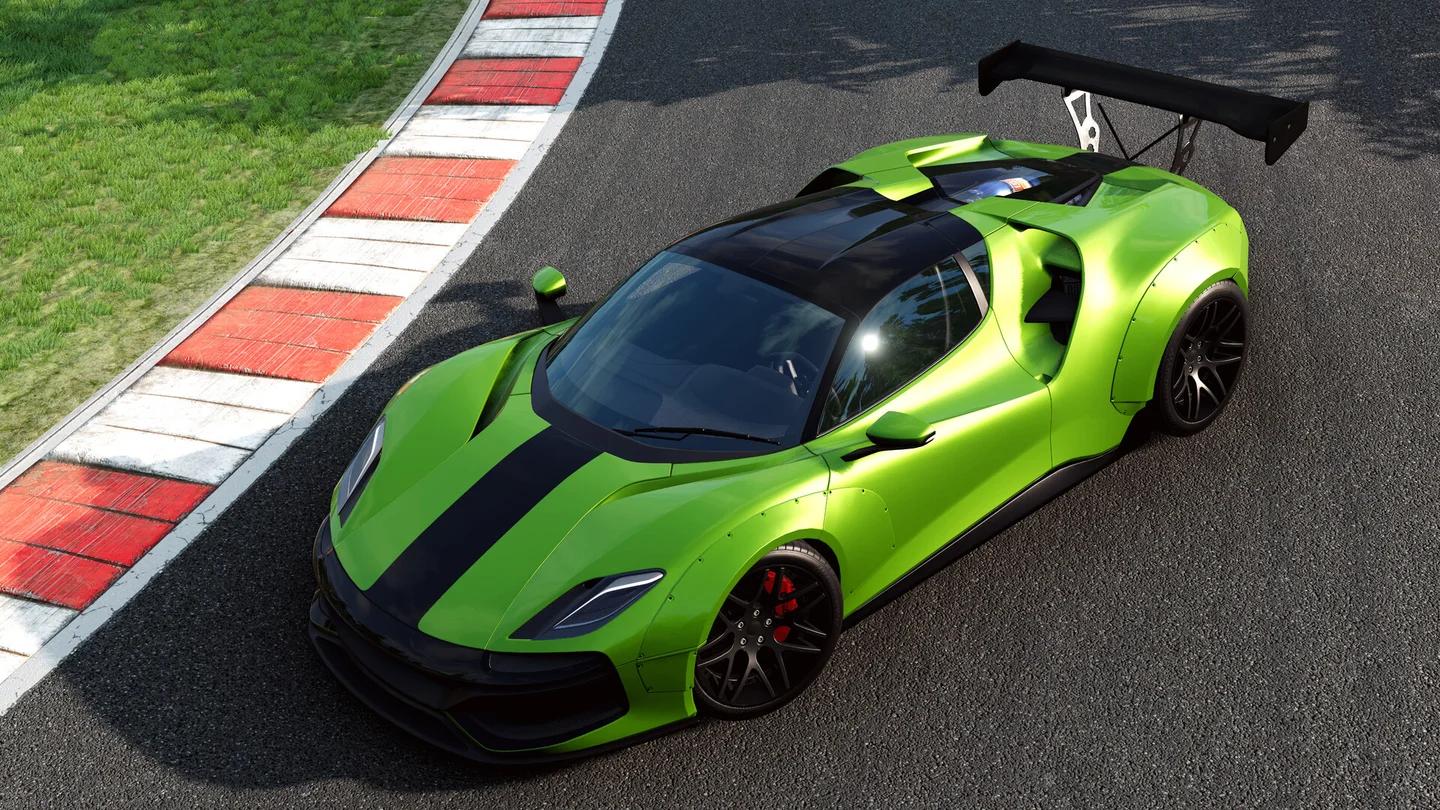
The game also supports a direct integration with Automation, a separate car-building tycoon game. Players who own Automation can design a custom vehicle from scratch, export it, and load it directly into BeamNG.drive's vehicle list. The crossover works cleanly and gives players a genuinely unusual path to putting something unique on the road.
Modding, game modes, and replayability
BeamNG.drive ships with a built-in World Editor that lets players build and modify maps, place objects, and adjust environmental conditions. The modding community around the game is extensive, with custom vehicles, terrains, and scenarios available through the community repository. This support structure means the base game's already substantial content expands considerably over time.
The game's structured modes include scenarios covering police pursuits, delivery missions, and stunt challenges, alongside time trials that track personal bests across specific routes and vehicles. Free Roam removes all structure entirely, letting players experiment with gravity modifiers, wind conditions, and object placement across any map. VR support extends the immersion further for players with compatible headsets. The combination of structured content, open-ended sandbox tools, and a deep modding ecosystem gives BeamNG.drive a replayability ceiling that most driving simulators never approach.