
Advertisement

Overview
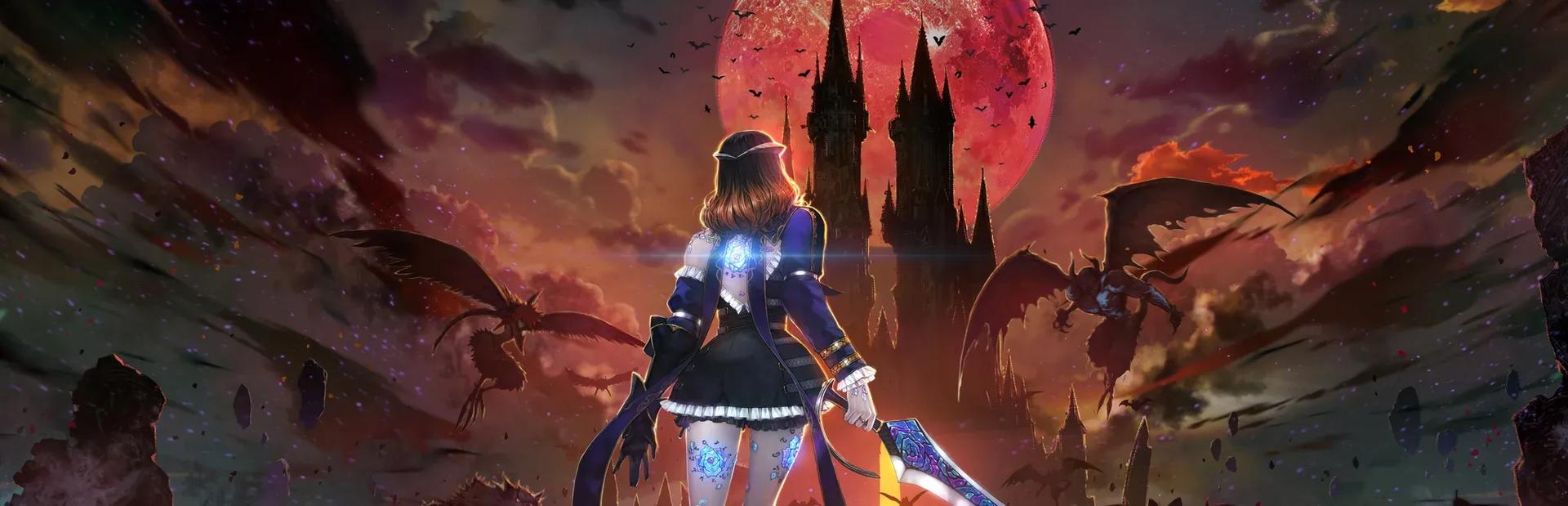
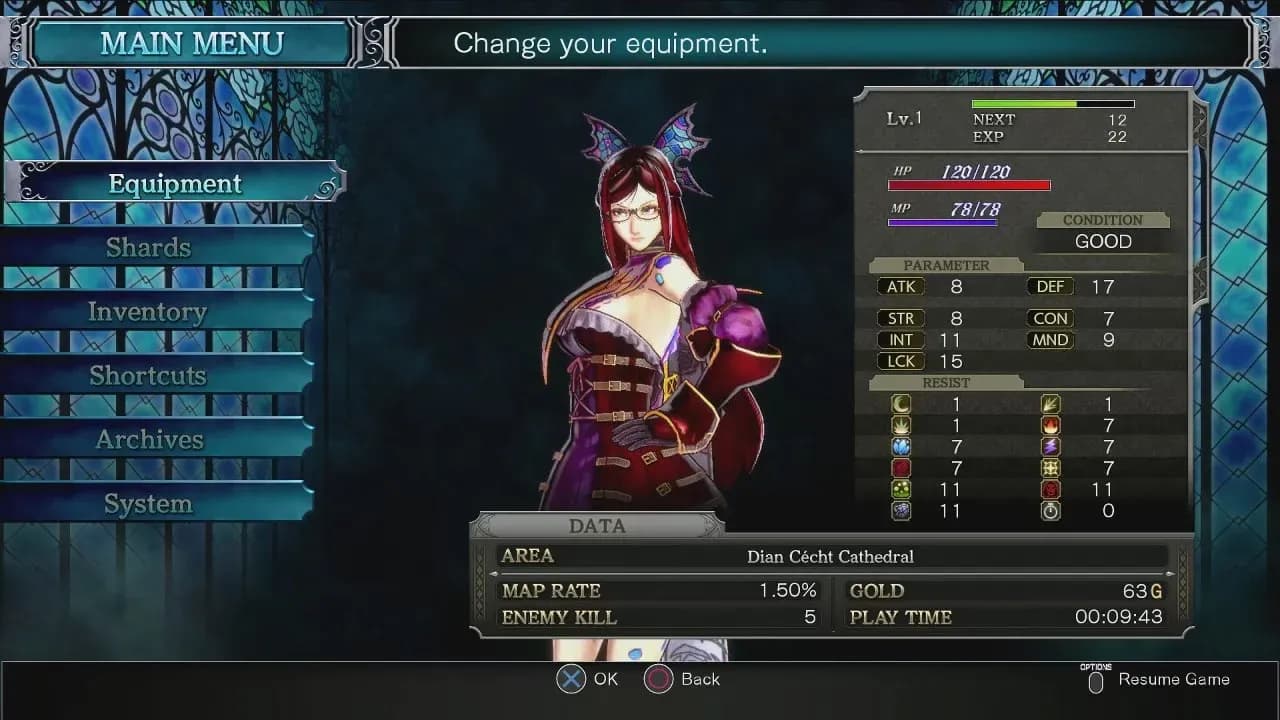
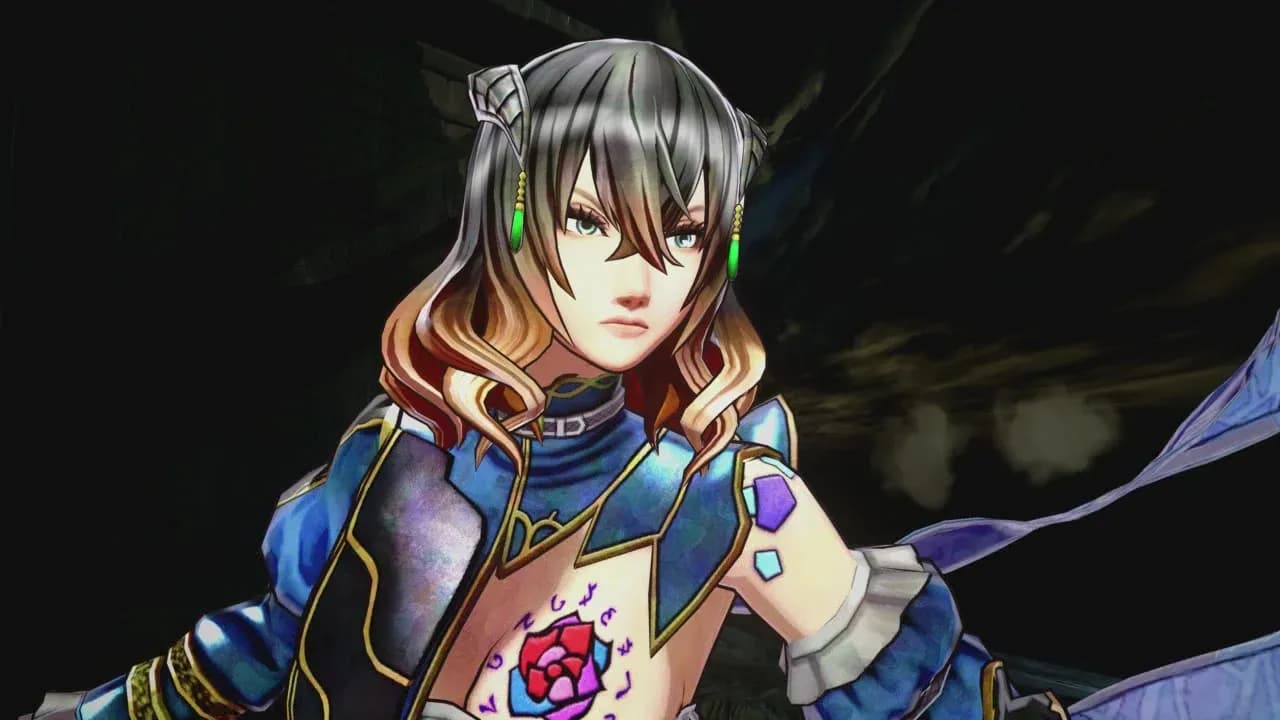
Bloodstained: Ritual of the Night is a gothic action side-scrolling RPG developed by ArtPlay and published by 505 Games, released in June 2019 after a Kickstarter campaign backed by nearly 65,000 supporters. The game casts players as Miriam, an orphan afflicted by a curse that crystallizes her skin, sending her into a demon-summoned castle in 19th century England to hunt down Gebel, the alchemist responsible. It is a direct spiritual successor to the classic Igavania formula, and it delivers on that promise without hesitation.
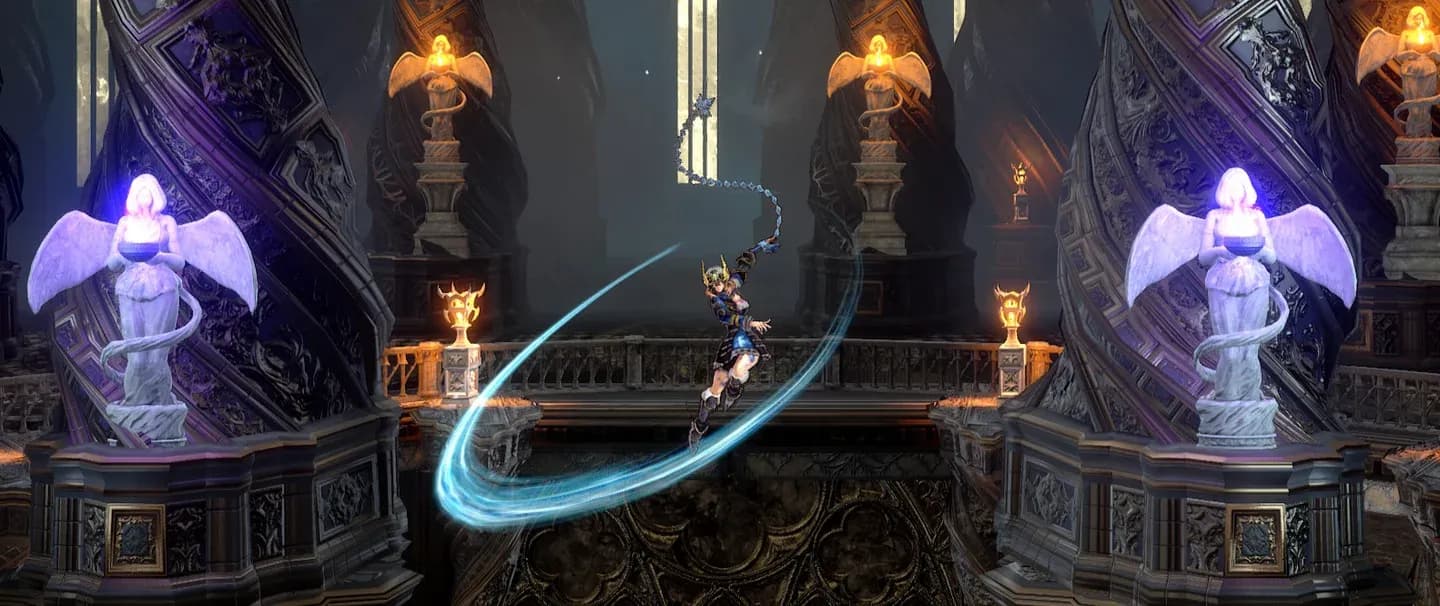
The castle itself is the real star. Every room connects to something else, and the map rewards patience and backtracking in the way that defined the best entries in the genre. New abilities and shard powers open up previously inaccessible areas, and the sense of a world gradually unlocking around you never gets old.
Bloodstained: Ritual of the Night content image
Gameplay and mechanics
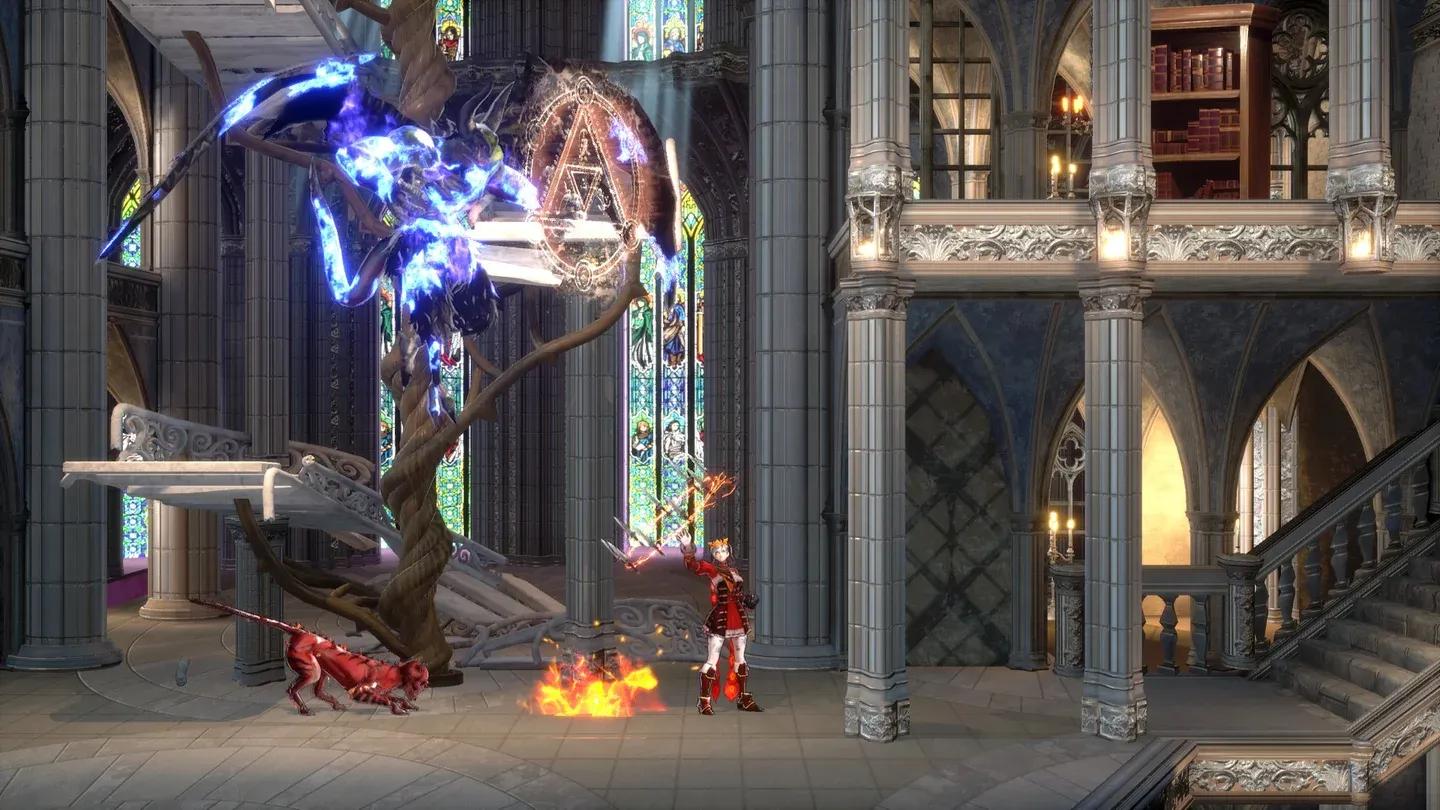
The shard system is the engine that makes Bloodstained tick. Defeating enemies drops Shards, crystallized fragments of demonic power that Miriam absorbs and equips as active abilities, passive buffs, or directional attacks. There are hundreds of them across multiple categories:
Bloodstained: Ritual of the Night content image
- Conjure: summon familiars and creatures
- Directional: ranged projectile attacks
- Passive: stat boosts and resistances
- Manipulative: utility and traversal skills
- Alchemical: crafting-focused enhancements
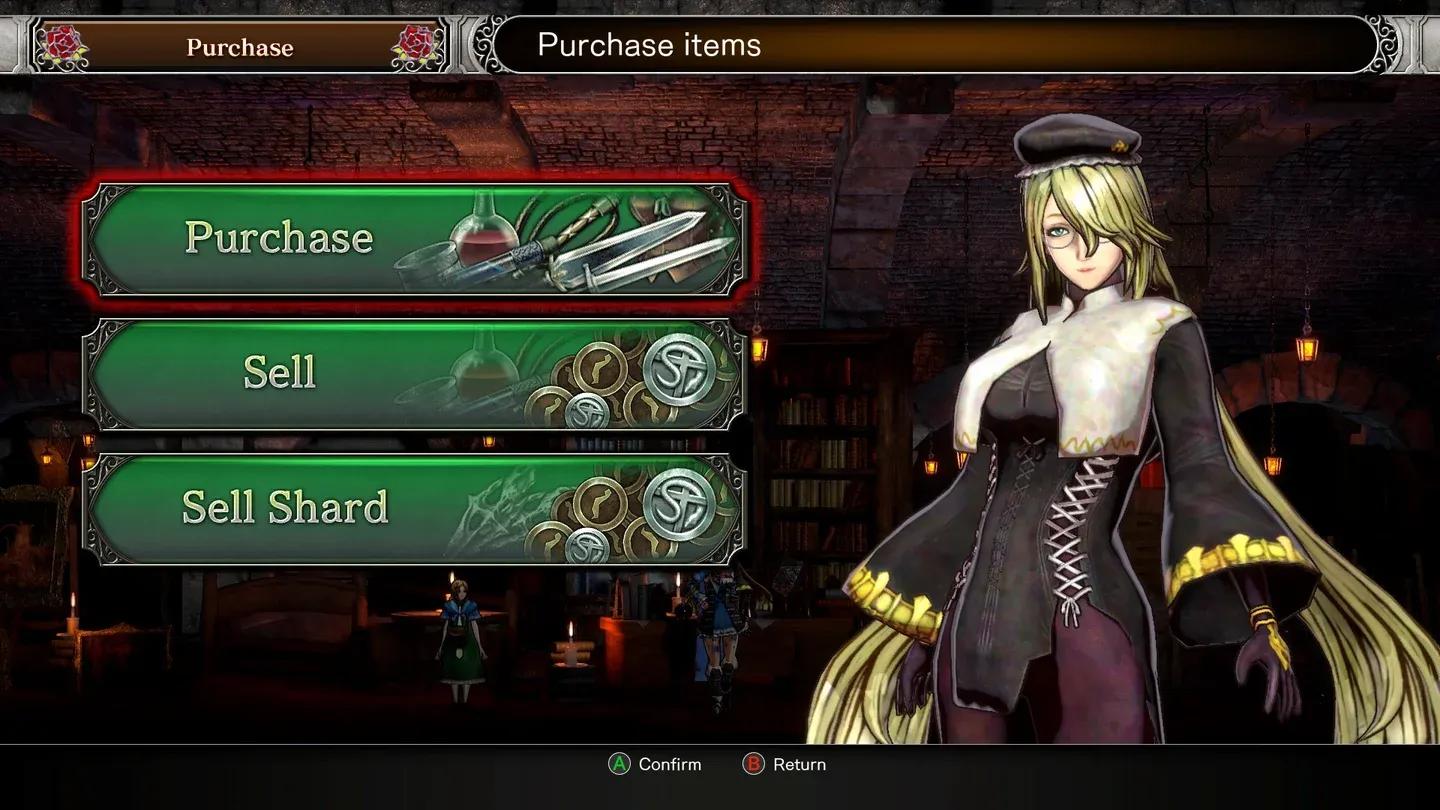
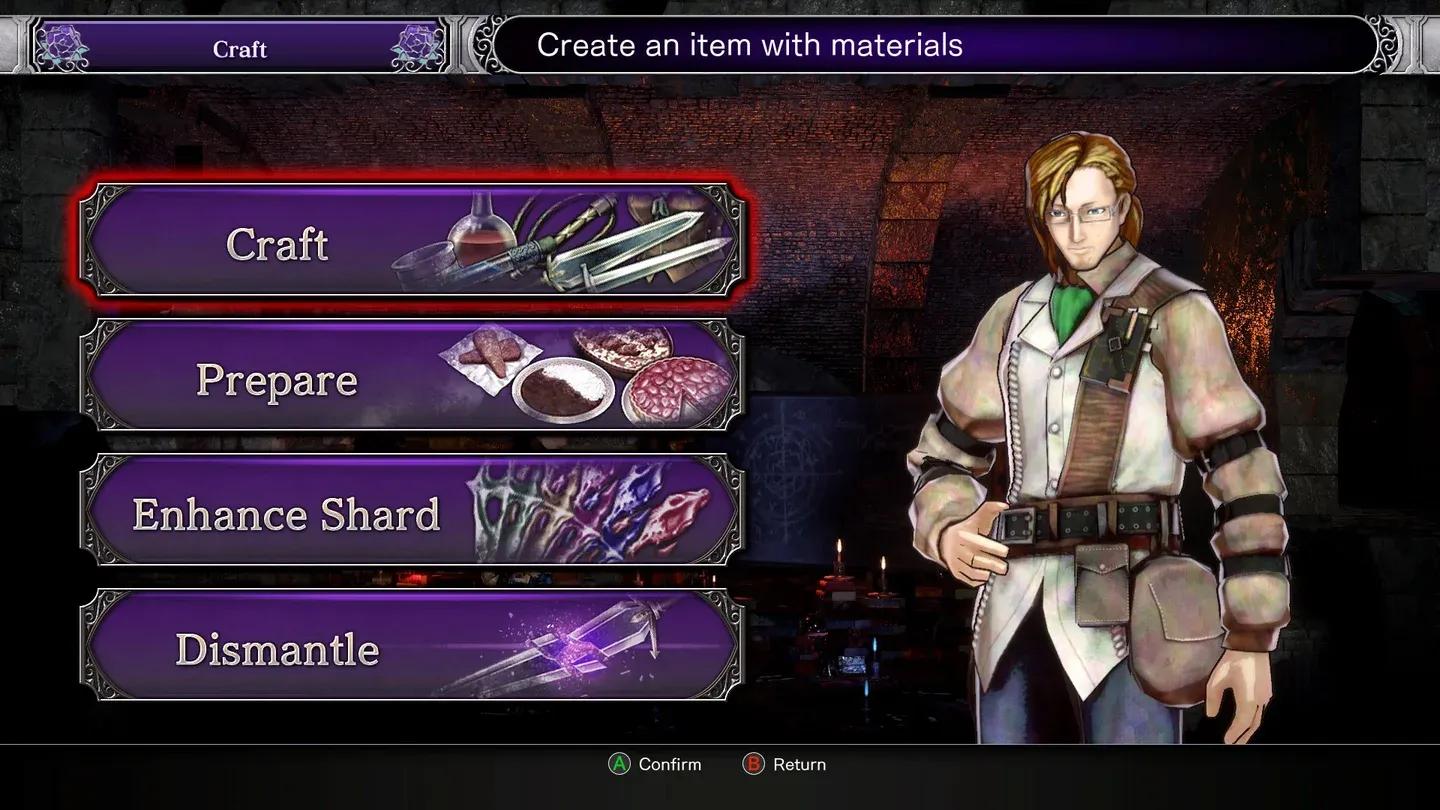
Crafting sits alongside the shard system as a significant progression layer. Materials dropped by enemies feed into weapon and equipment recipes, and the gear gap between a freshly crafted sword and a late-game weapon is enormous. Grinding for that perfect drop is optional but deeply satisfying for players who want to push the build further.
World and setting
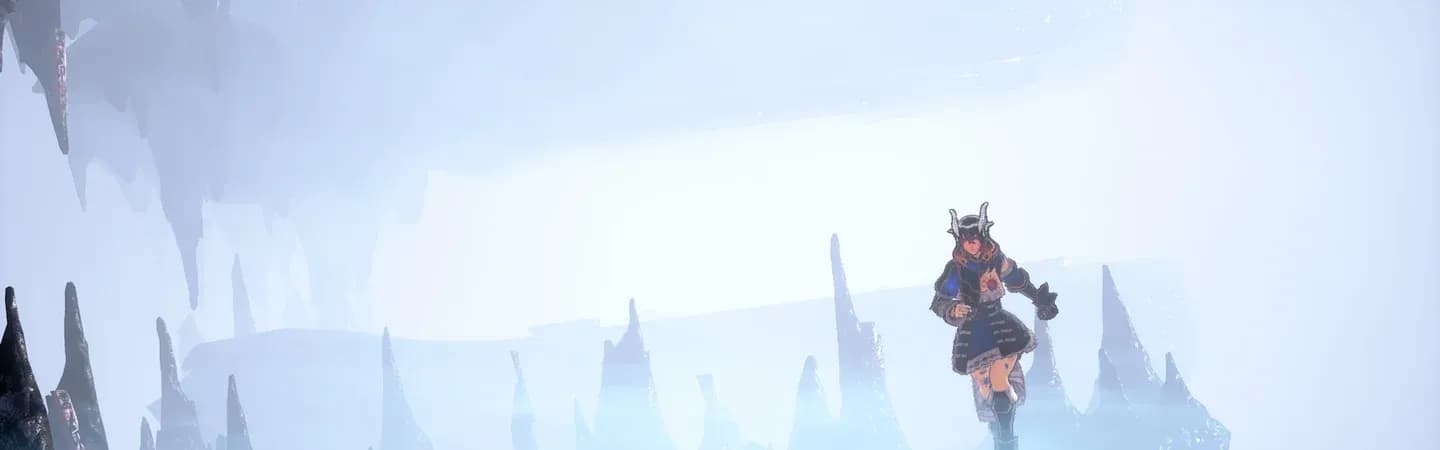
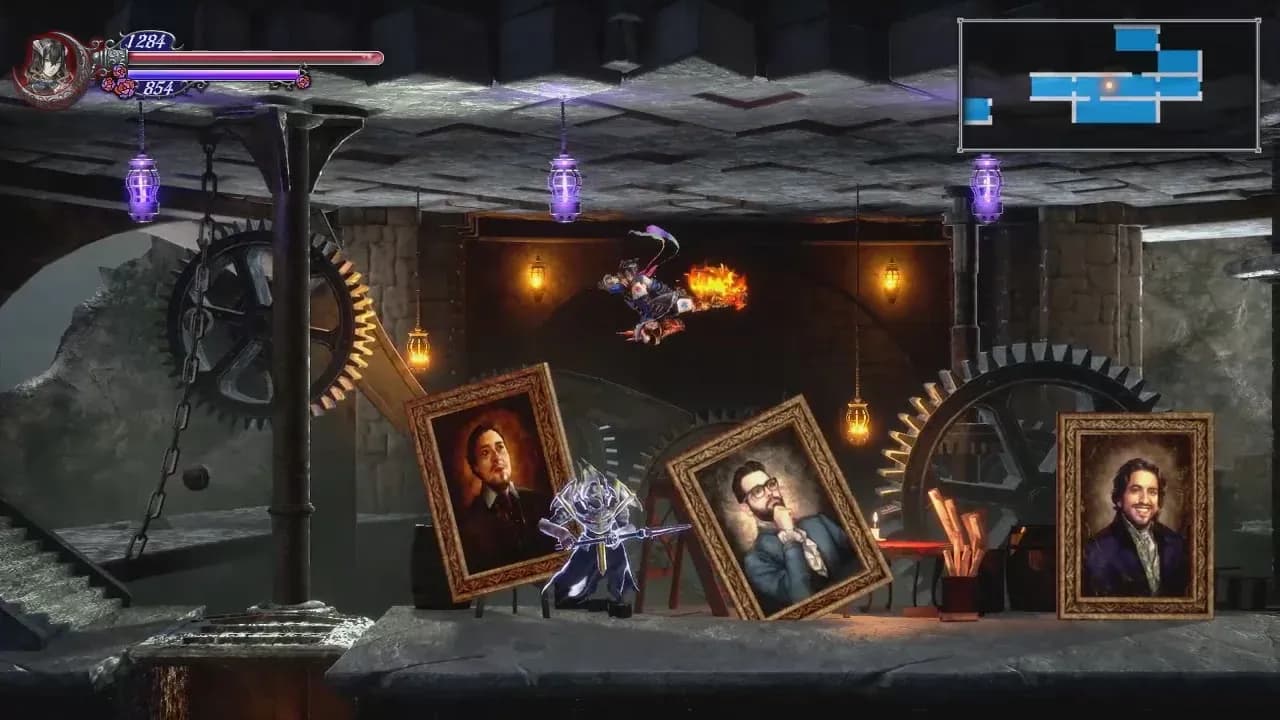
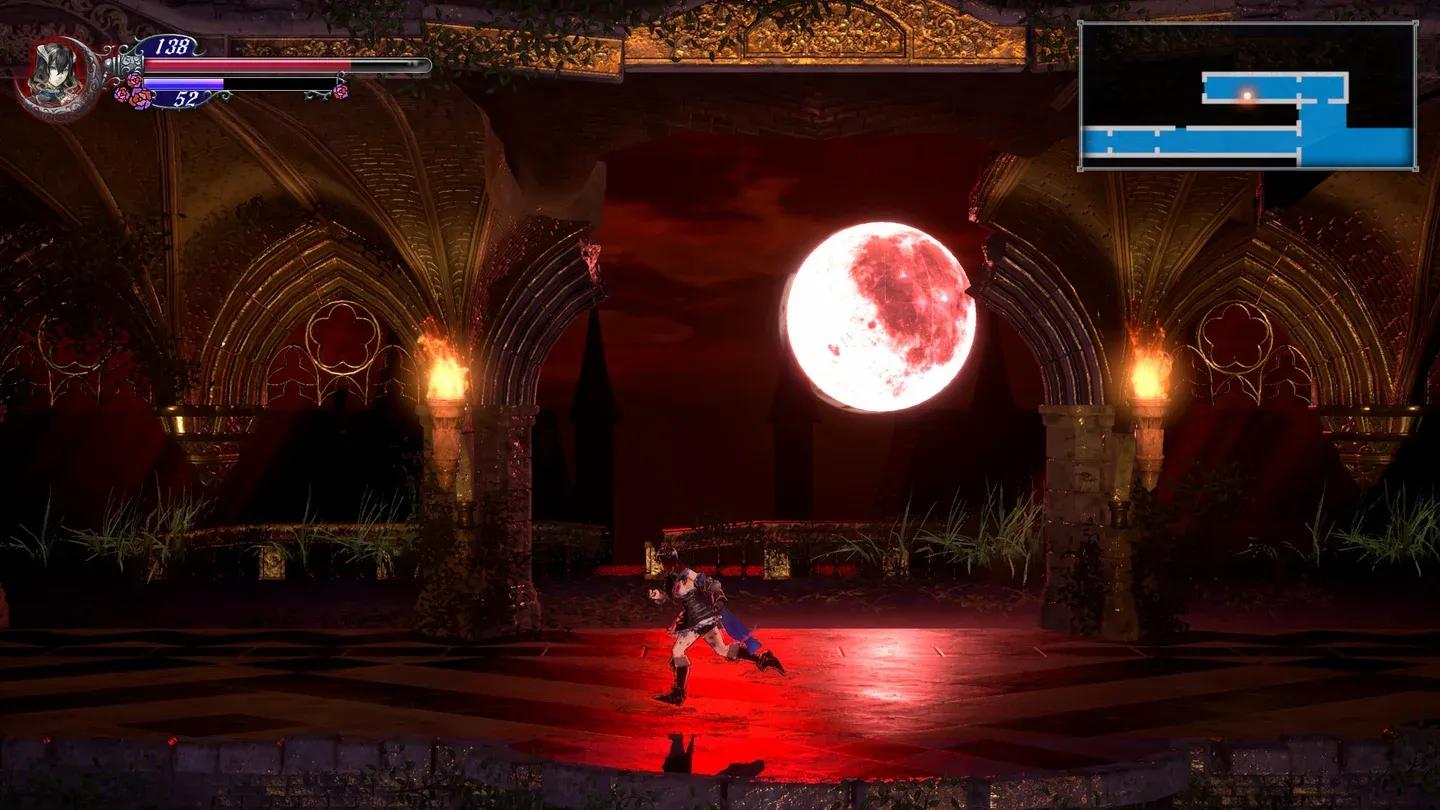
The castle architecture spans gothic cathedrals, underground caverns, inverted towers, and clockwork chambers. ArtPlay leans hard into the 19th century European aesthetic, mixing Victorian sensibility with demonic excess in a way that feels cohesive rather than chaotic. The enemy design ranges from classical demons to genuinely bizarre creations that feel at home in the setting.
Bloodstained: Ritual of the Night content image
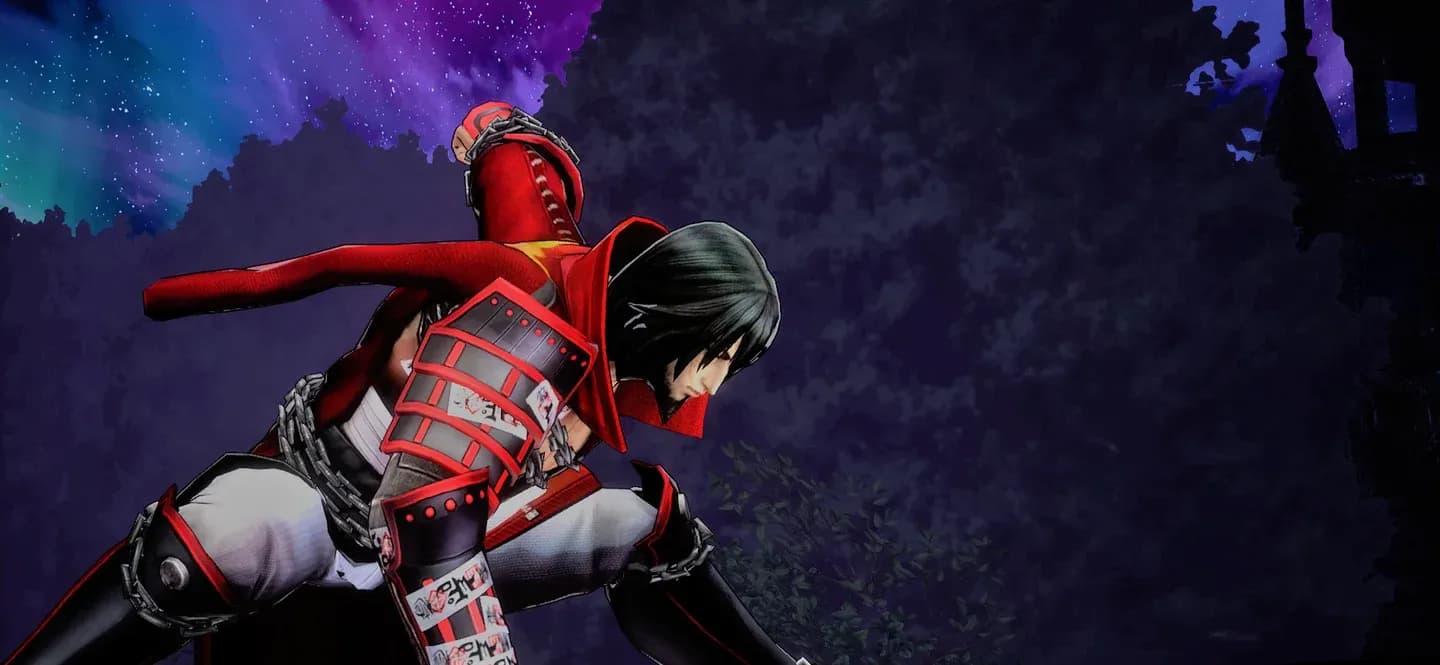
Miriam's story is straightforward by design. The curse, the castle, the confrontation with Gebel: the narrative beats are familiar to anyone who has played a game in this genre, but the execution is clean and the boss encounters punctuate the story with enough spectacle to keep momentum going. The supporting cast, including the alchemist Johannes and the demon-hunter Dominique, adds texture without overcomplicating the plot.
Visual and audio design
The game runs in 3D with a fixed 2D camera plane, a choice that gives it a distinct look compared to pixel-art contemporaries. Character models are detailed, enemy animations are expressive, and the castle environments shift in tone effectively as Miriam descends deeper. The art direction holds up well across all platforms.
Michiru Yamane, who composed for multiple Castlevania entries, handles the soundtrack here. The music matches the gothic atmosphere without becoming background noise, and specific boss themes carry enough energy to make those fights feel like genuine events rather than mechanical checkpoints.
Content and replayability
Bloodstained ships with a substantial main campaign that runs 15 to 20 hours for a thorough first playthrough. Post-launch updates added a Randomizer mode, a Boss Rush mode, and a Classic Mode that reframes the game as a more linear retro-style experience. The shard collection alone provides a strong reason to revisit, since most players will miss a significant portion of available powers on a first run.
Bloodstained: Ritual of the Night content image
The PS4 version carries a 4.65 average rating from over 12,000 player reviews, and the Steam reception sits in similarly positive territory. For anyone who grew up with Symphony of the Night or the GBA Castlevania games, Bloodstained is the most direct continuation of that design philosophy available, built by the same creative mind that defined it.
| Requirement | Minimum | Recommended |
|---|---|---|
| OS | - | Windows 10 (64-bit) |
| Processor | AMD FX-4350 / Intel Core i5-4460 | AMD FX-6300 / Intel Core i5-4590 |
| Memory | 4 GB RAM | 8 GB RAM |
| Graphics | AMD Radeon R9 280X / GeForce GTX 760 | AMD Radeon R9 290 / GeForce GTX 1050 Ti |