
Advertisement

Overview
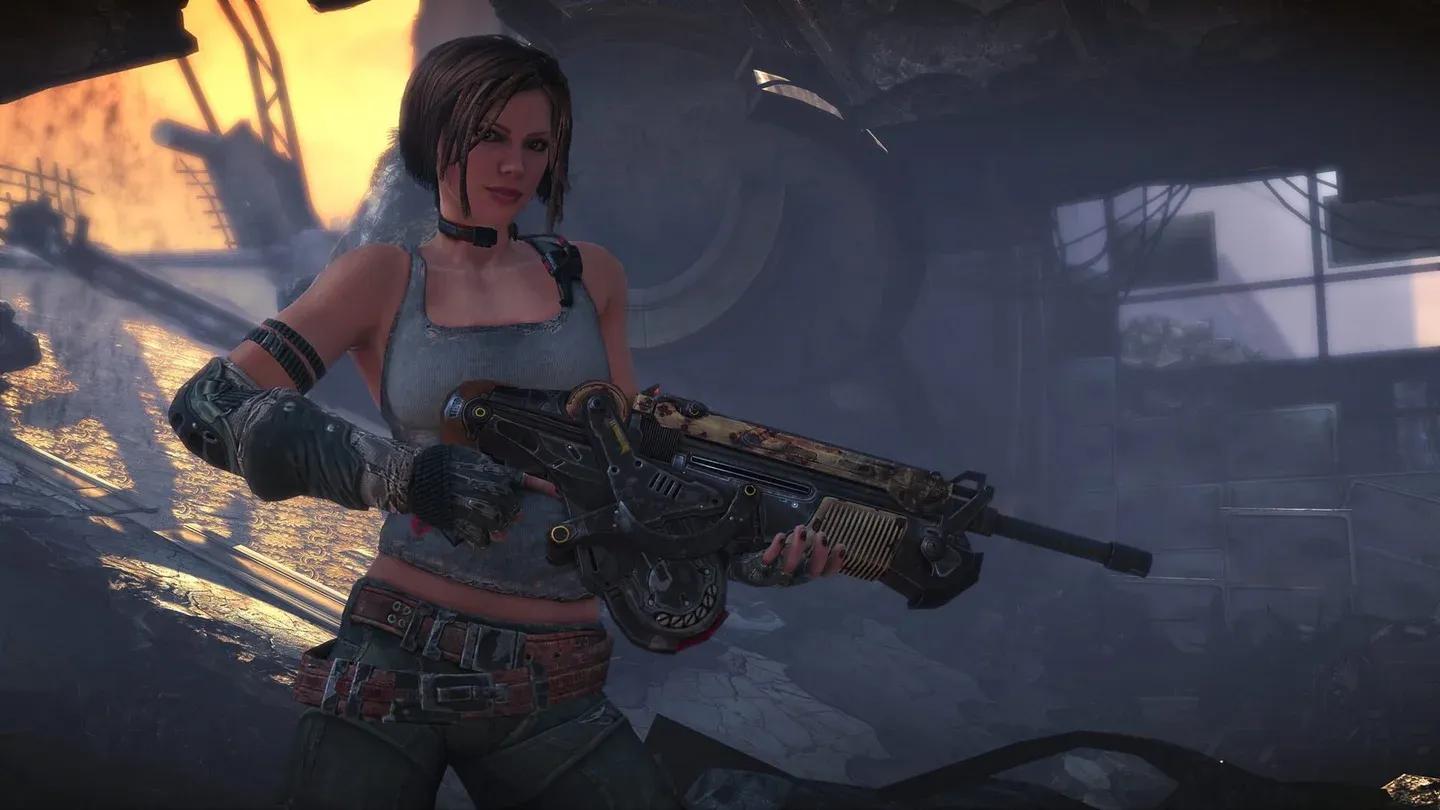
Bulletstorm drops players into the boots of Grayson Hunt, a disgraced mercenary stranded on Stygia, a once-glamorous resort planet now overrun by feral mutants and cannibalistic gangs. Developed by People Can Fly and published by Electronic Arts, the game launched in February 2011 and built its identity around one central idea: killing creatively scores more points than killing efficiently.
The story runs on revenge and regret in equal measure. Grayson and his cyborg companion Ishi Sato are the last survivors of Dead Echo, a black-ops unit that spent years assassinating targets on false pretenses. The setup is pulpy and unapologetic, voiced by Steven Blum as Grayson and Jennifer Hale as Trishka, a fellow soldier with her own score to settle. The writing leans hard into crude humor and action-movie excess, which fits the game's tone exactly.
Bulletstorm content image
Skillshot system: how does it actually work?
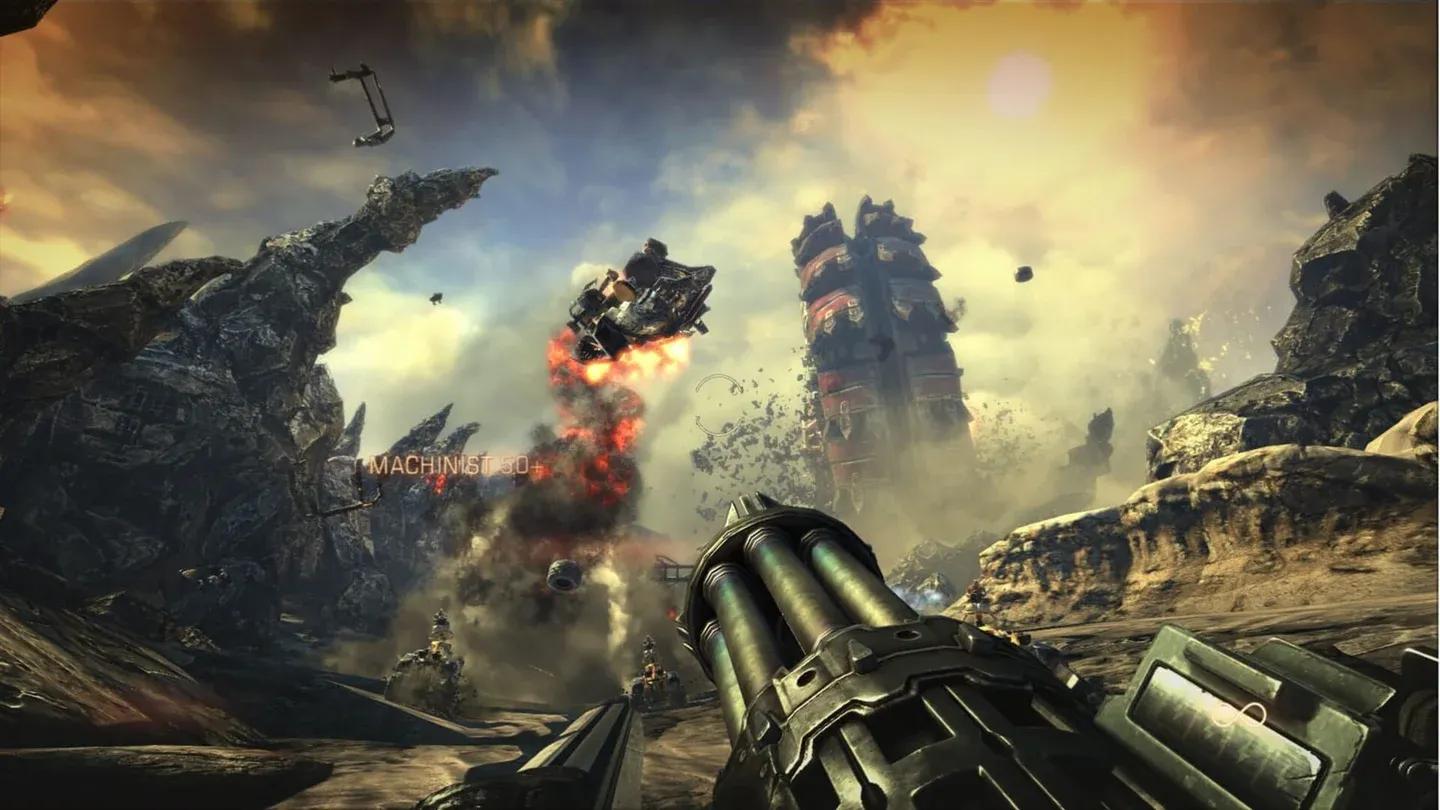
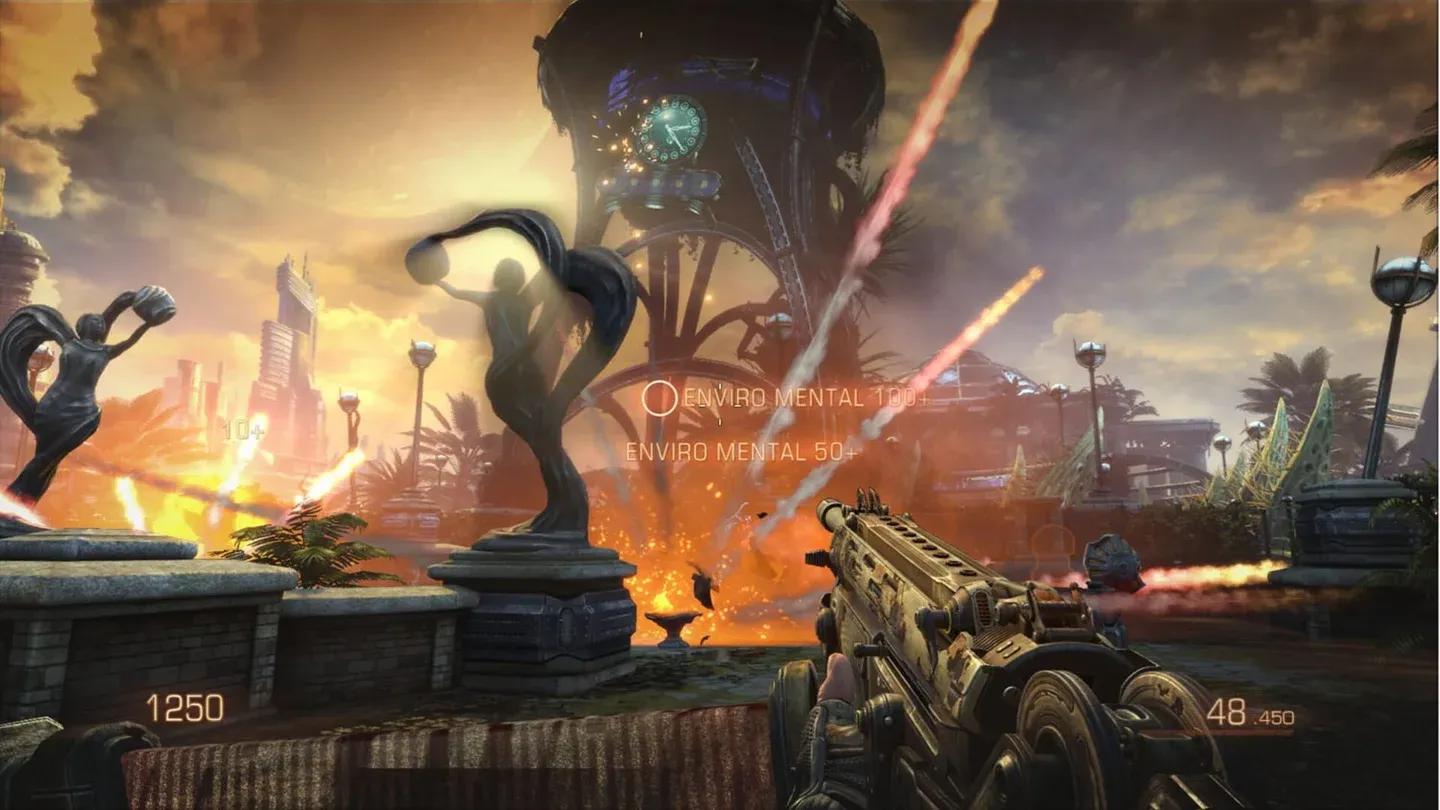
The skillshot system is the engine that makes Bulletstorm distinct from every other first-person shooter. Every kill earns points, but the method determines how many. Standard kills score the minimum. Environmental kills, mid-air shots, and chained combos multiply the reward significantly. Key mechanics include:
Bulletstorm content image
- Leash: pulls enemies toward you or suspends them in mid-air
- Slide kick: launches enemies skyward for follow-up shots
- Charged weapons: each gun has an alternate fire with unique skillshot potential
- Environmental hazards: cacti, electrified rails, and explosive barrels all count
- Combo chains: stringing multiple skillshots together boosts the point total
Points feed directly into an upgrade system that unlocks ammunition types and new weapons, so the loop always pushes toward more creative play.
Bulletstorm content image
Gameplay and mechanics
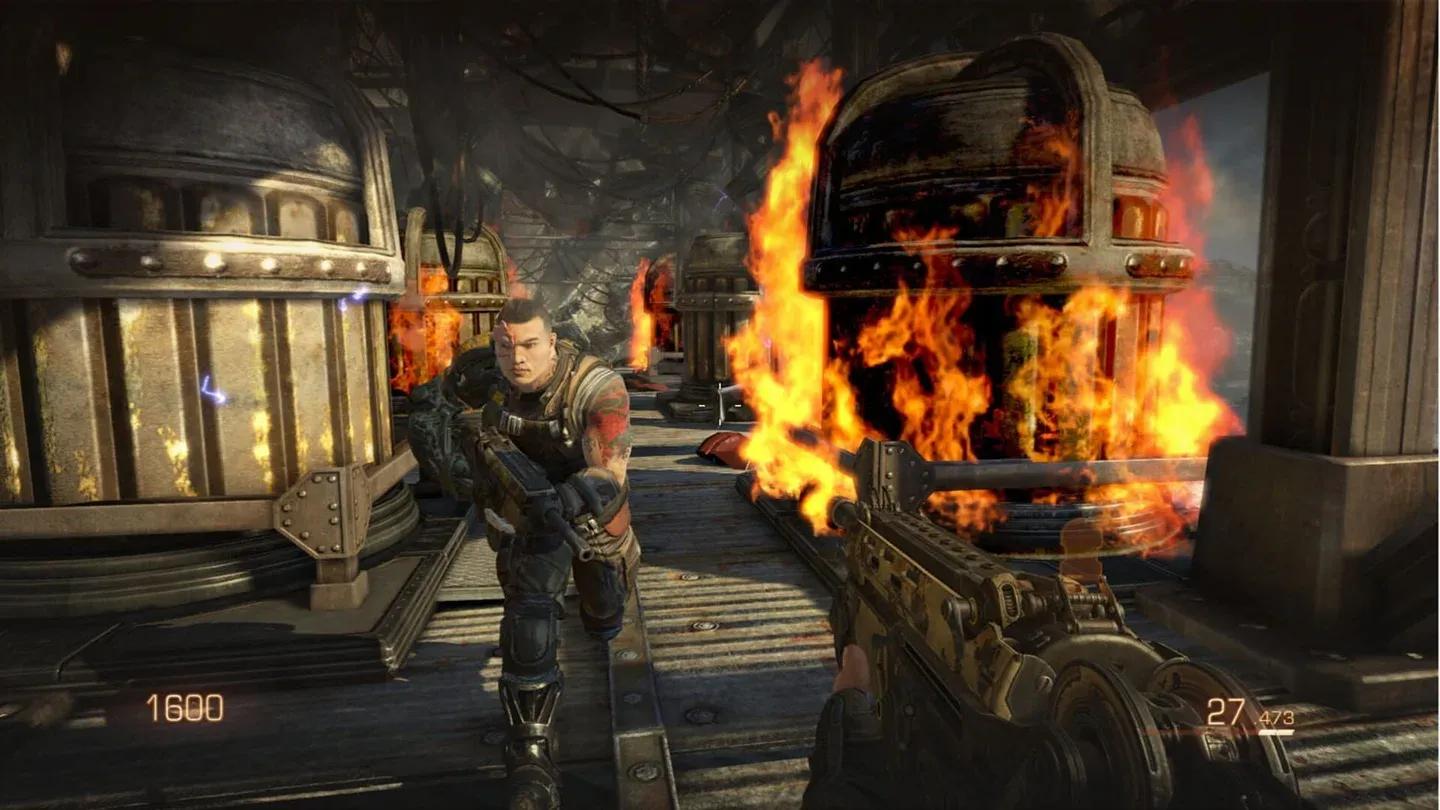
The arsenal covers a satisfying range of absurdity. The Boneduster shotgun, the Flailgun (two grenades connected by a chain), and the Screamer rocket launcher each have distinct skillshot trees. Mastering each weapon's alternate fire is what separates average runs from high-scoring ones. Combat arenas are designed to funnel enemies toward hazards, and the game consistently rewards players who slow down to read the environment before opening fire.
Bulletstorm content image
Echo Mode strips away the story and drops players into standalone combat arenas scored on skillshot performance, which extends the game's replay value considerably. Anarchy Mode supports up to 4 players online in a cooperative wave-based format, where the team shares a points pool and must coordinate kills to hit score thresholds.
World and setting
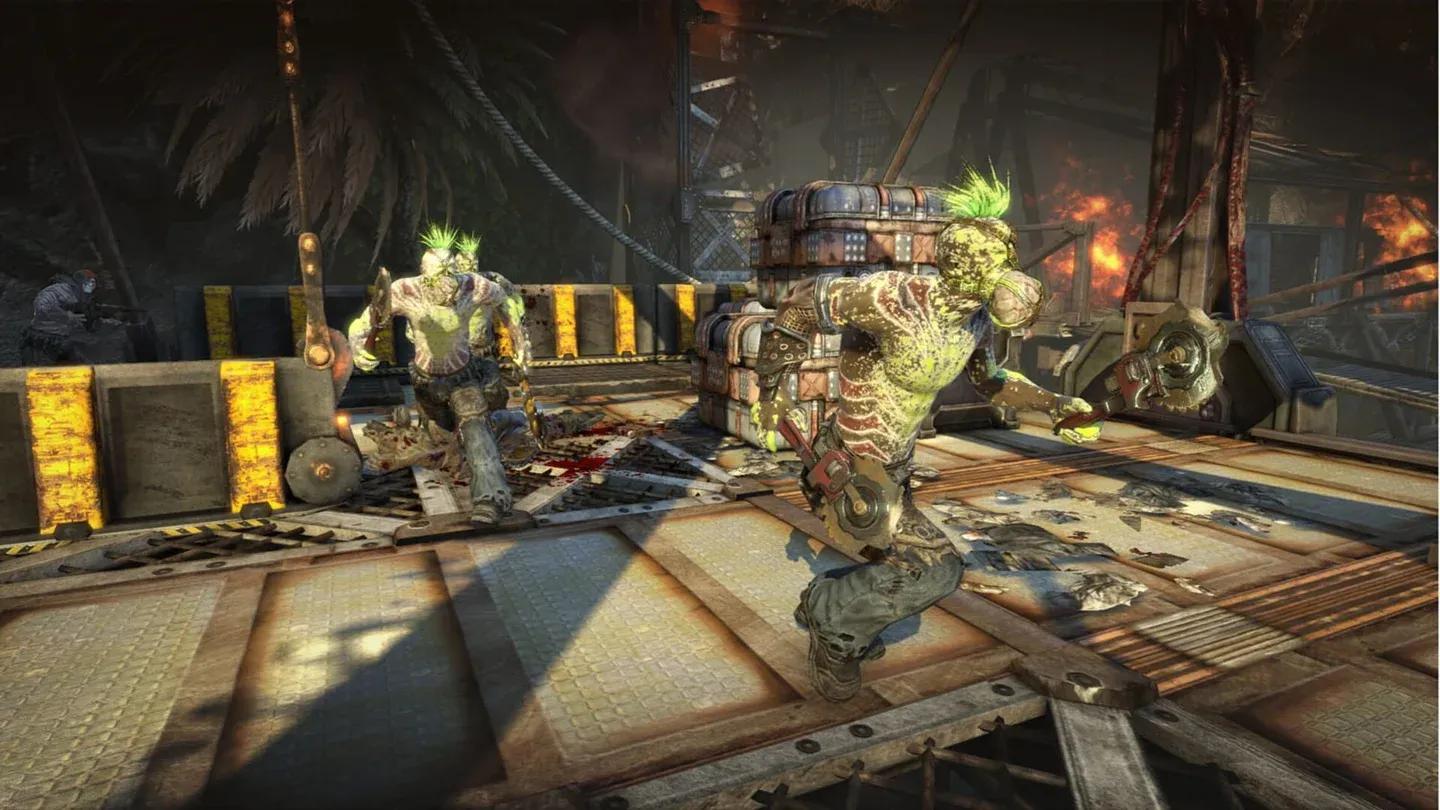
Stygia carries a specific visual identity that sets it apart from the grey-brown corridors of most 2011 shooters. The planet's backstory, a resort world whose population was slowly mutated by the radiation from its own protective storm shields, gives the ruined architecture a tragic logic. Crumbling hotels, overgrown theme parks, and flooded streets all feed into the sense that this place had a life before the catastrophe.
The pacing shifts between wide outdoor arenas, tight interior corridors, and setpiece moments involving massive creatures or collapsing structures. Bulletstorm never lets the environment feel static, and the instinct leash mechanic ties Grayson's movement and the world's hazards together in ways that feel deliberate rather than accidental.
Impact and legacy
Bulletstorm arrived at a moment when the first-person shooter genre was locked into military realism, and its refusal to take itself seriously stood out sharply. The Full Clip Edition, released in 2017, brought updated visuals and all previously released DLC to modern platforms including Nintendo Switch, giving the game a second audience years after its original run. A PlayStation Store rating of 4.29 out of 5 from over 12,000 users reflects how well the core mechanics hold up. The skillshot loop remains one of the most distinctive scoring systems in the genre, and Bulletstorm still makes a strong case that creativity and chaos are more fun than cover-shooting your way through a corridor.