Advertisement

Overview
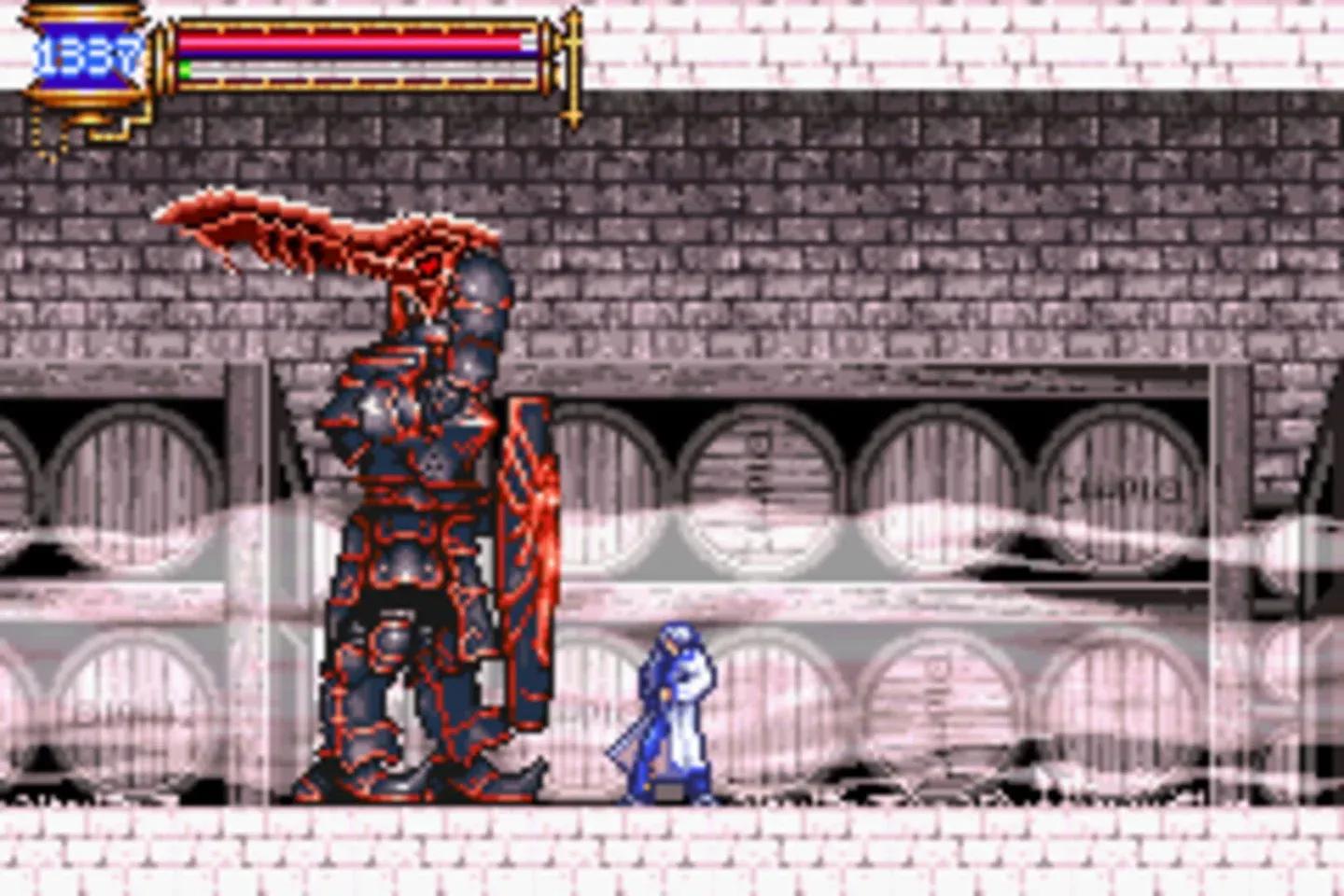
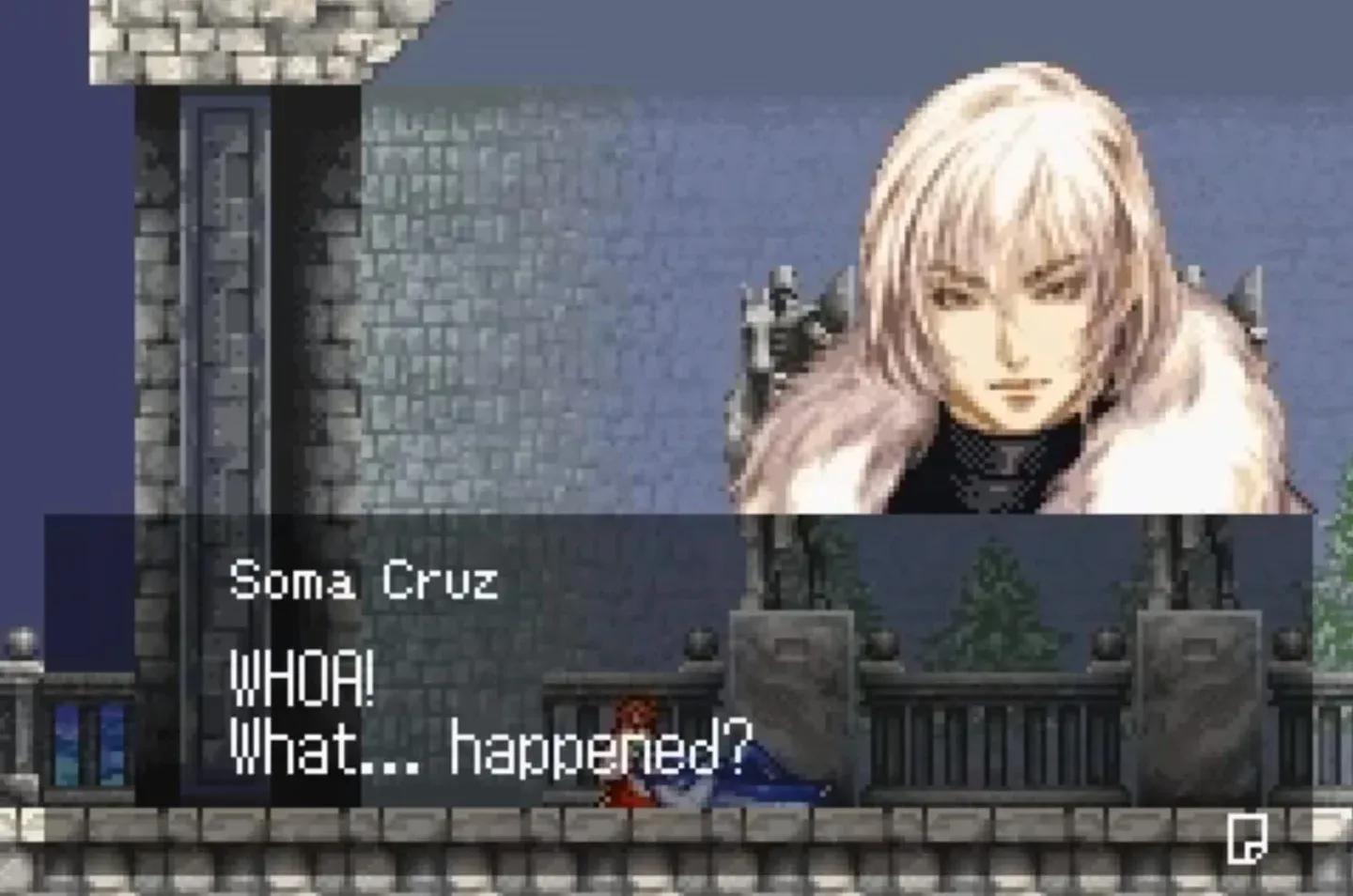
Castlevania: Aria of Sorrow launched on Game Boy Advance in May 2003 and immediately separated itself from the rest of the handheld Castlevania library. Set in the year 2035, the game follows Soma Cruz, a student who blacks out during a solar eclipse and wakes up inside a castle that turns out to be Dracula's own domain, pulled into a future-day Japan. The premise sounds strange on paper, but the setting gives the game a distinct identity that separates it from the gothic Europe of earlier entries.
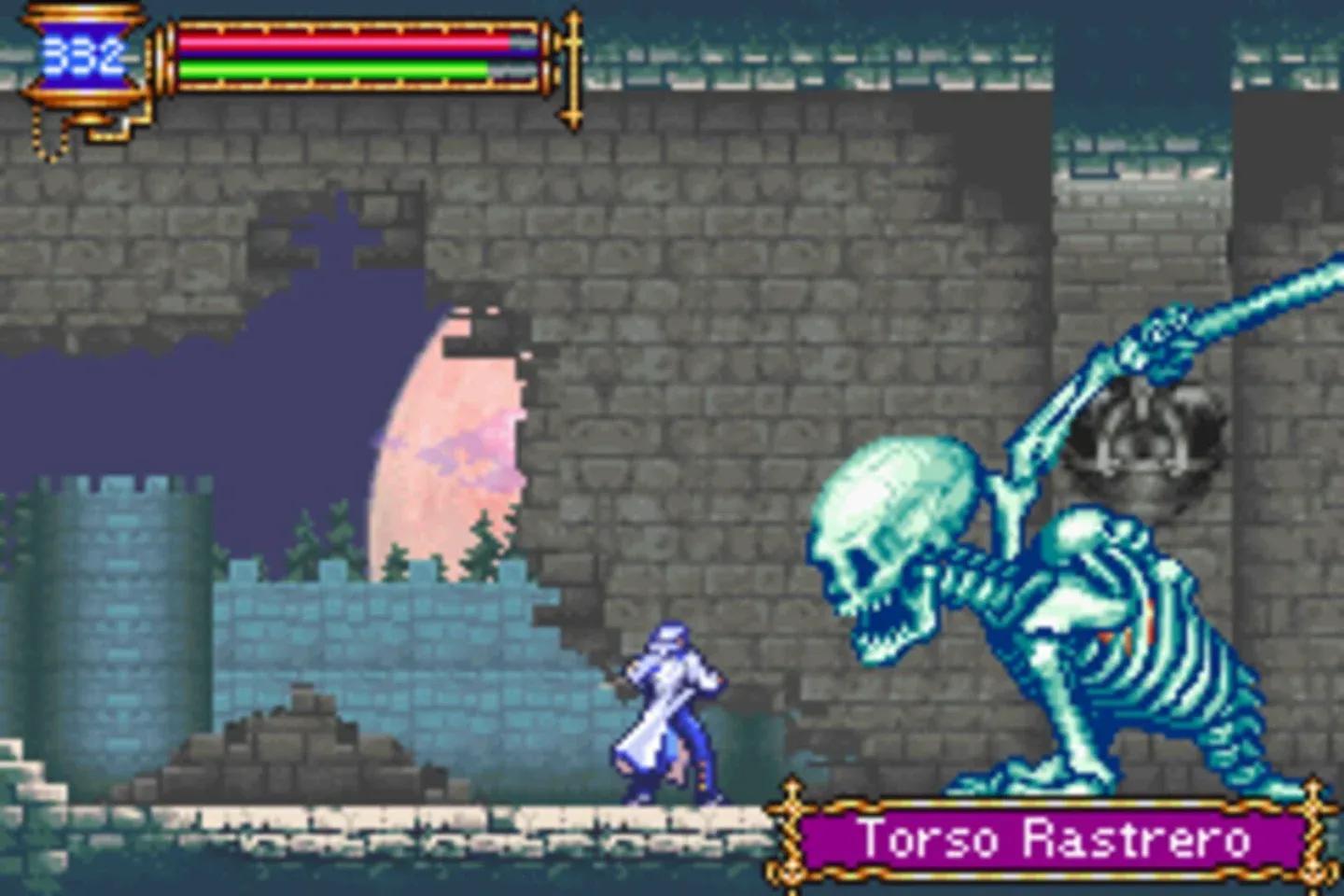
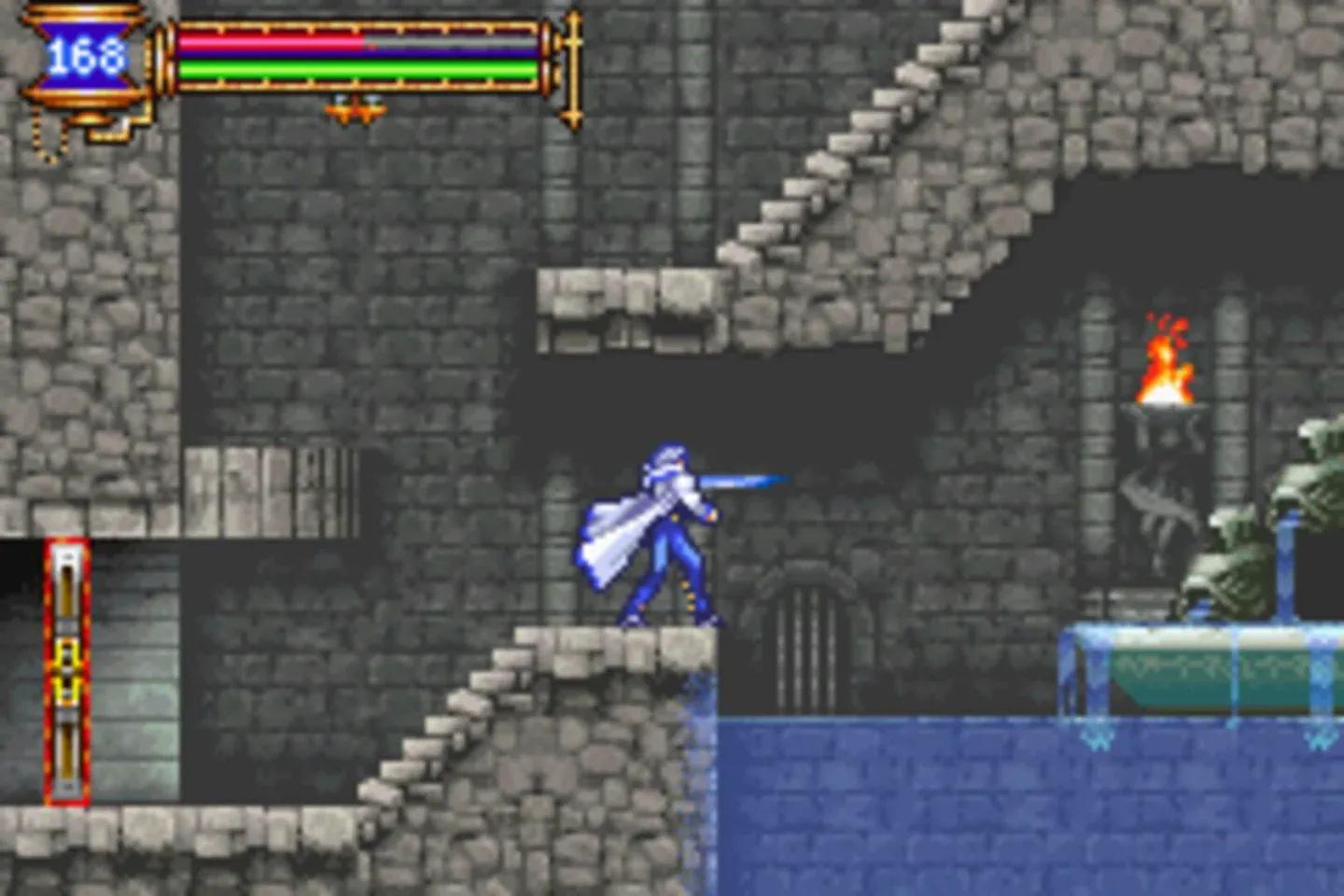
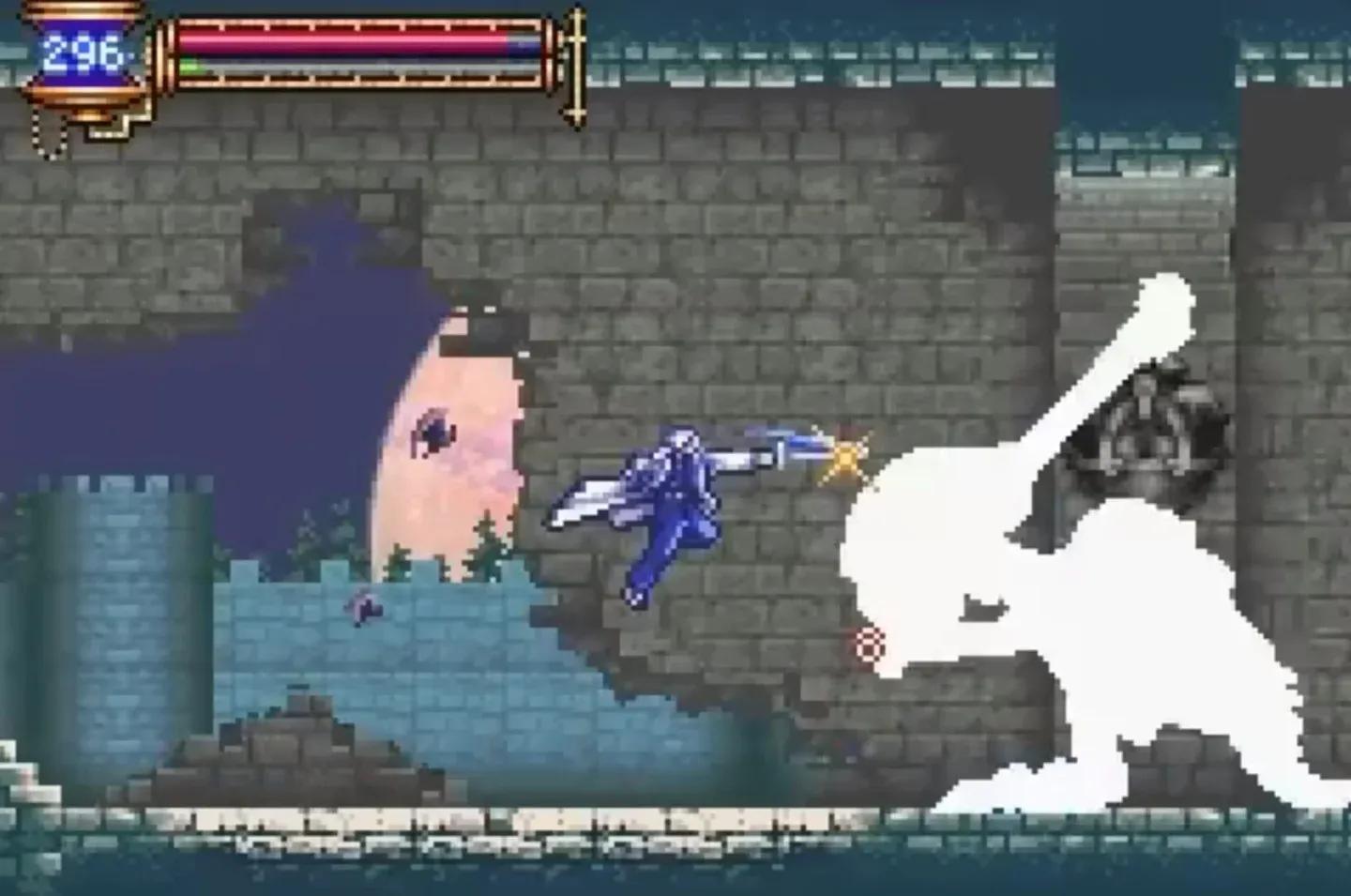
The castle itself functions as a sprawling interconnected map in classic Metroidvania fashion. Soma gains access to new areas by acquiring abilities, and the progression loop rewards exploration at every turn. Backtracking never feels like a chore because new soul powers routinely open shortcuts or reveal secrets that were invisible on the first pass. The map design remains one of the tighter examples of the genre, even measured against games released two decades later.
Castlevania: Aria of Sorrow content image
Gameplay and mechanics
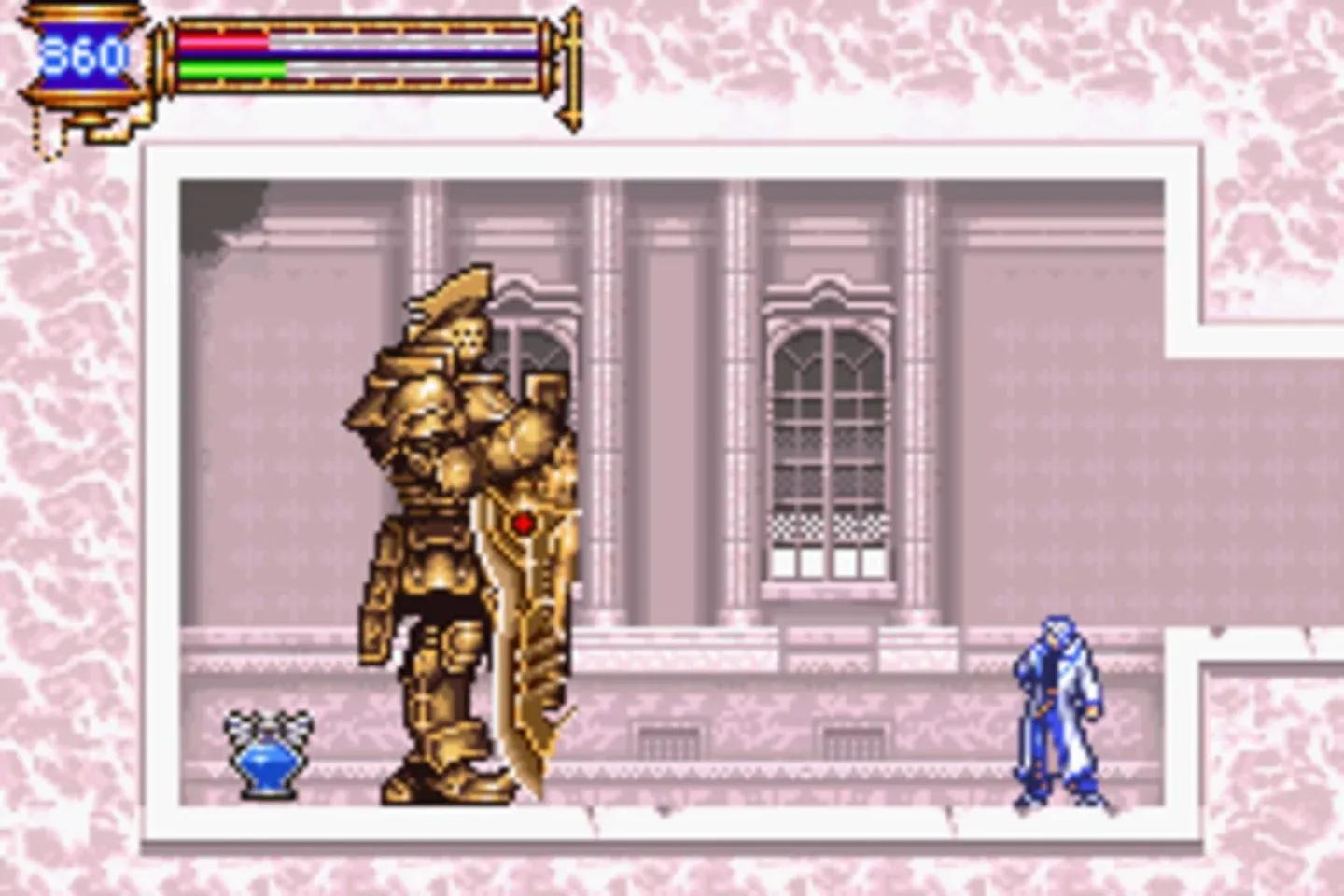
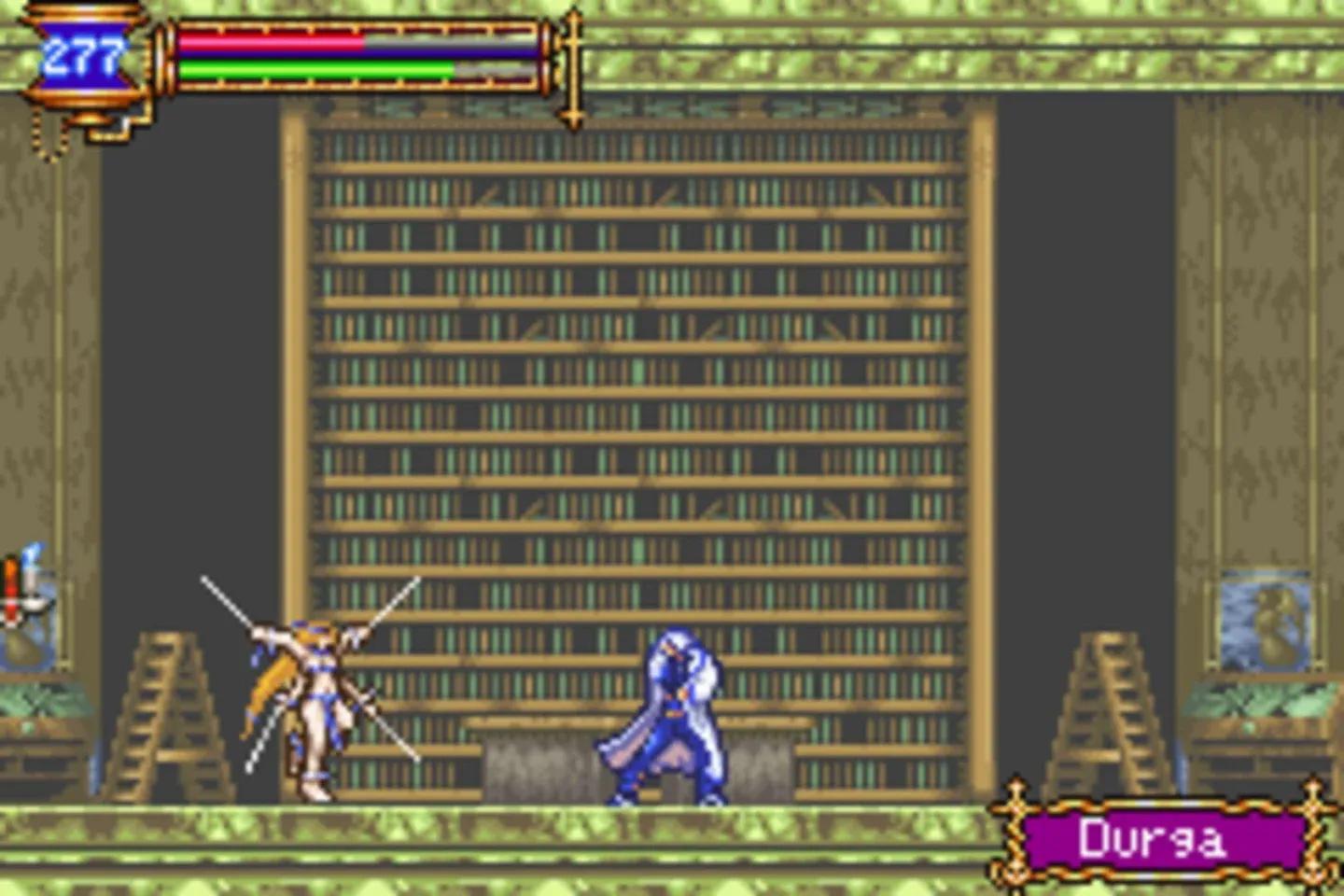
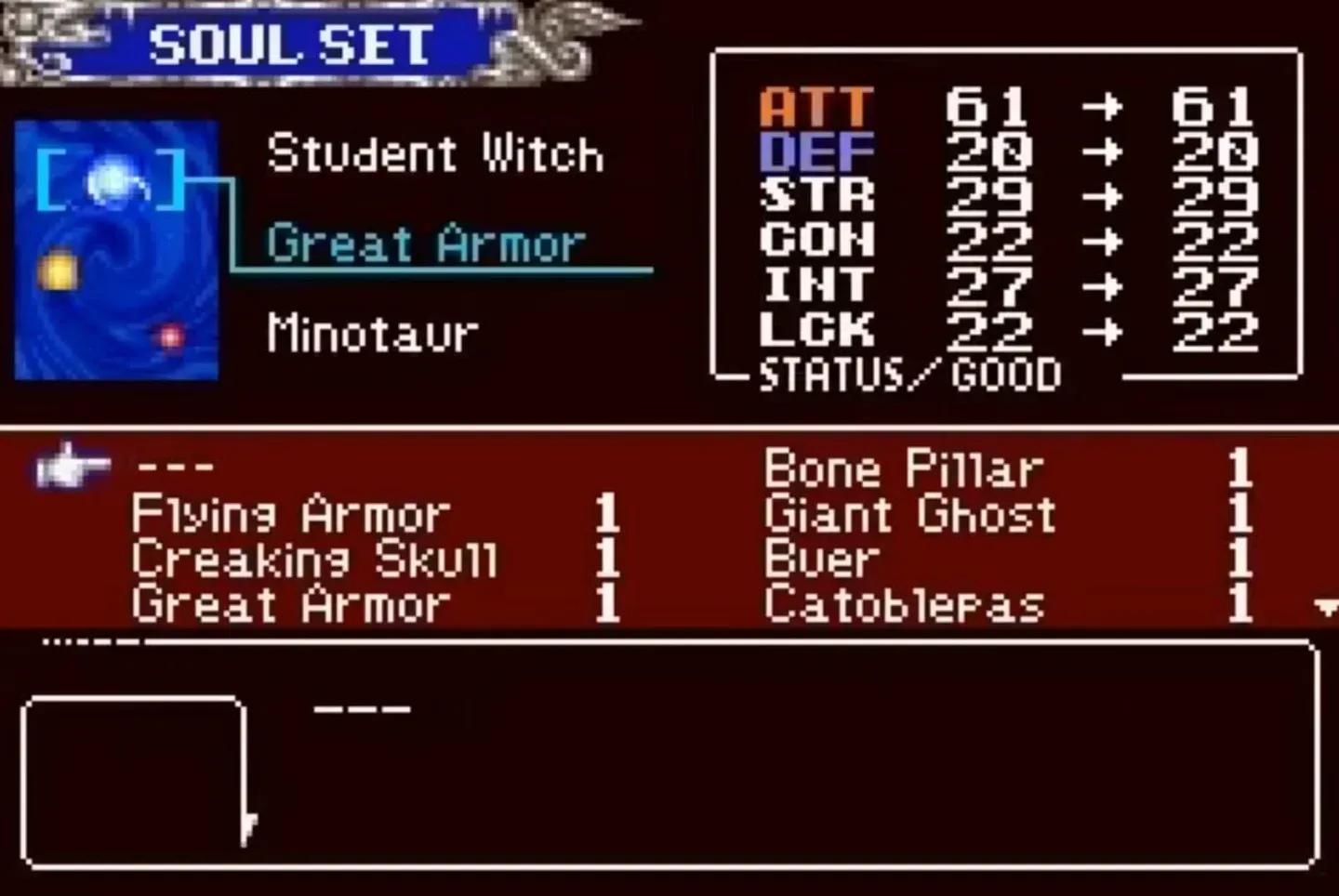
The Tactical Soul system is what makes Aria of Sorrow worth playing in 2026. Every enemy in the castle has a soul that Soma can absorb upon defeating it, and each soul grants a different power. Some are passive stat boosts, some are equippable weapons, and some are transformations or special abilities that alter how Soma moves through the world. With over 100 souls to collect, the system functions as both a combat upgrade path and a collectible mechanic.
Castlevania: Aria of Sorrow content image
Key soul categories include:
- Bullet souls: projectile attacks
- Guardian souls: summoned allies or persistent effects
- Enchant souls: passive stat or ability upgrades
- Ability souls: movement and traversal powers
The result is a build system that encourages experimentation. Certain soul combinations produce dramatically different playstyles, and finding an overpowered setup feels genuinely earned rather than handed to the player.
Castlevania: Aria of Sorrow content image
World and setting
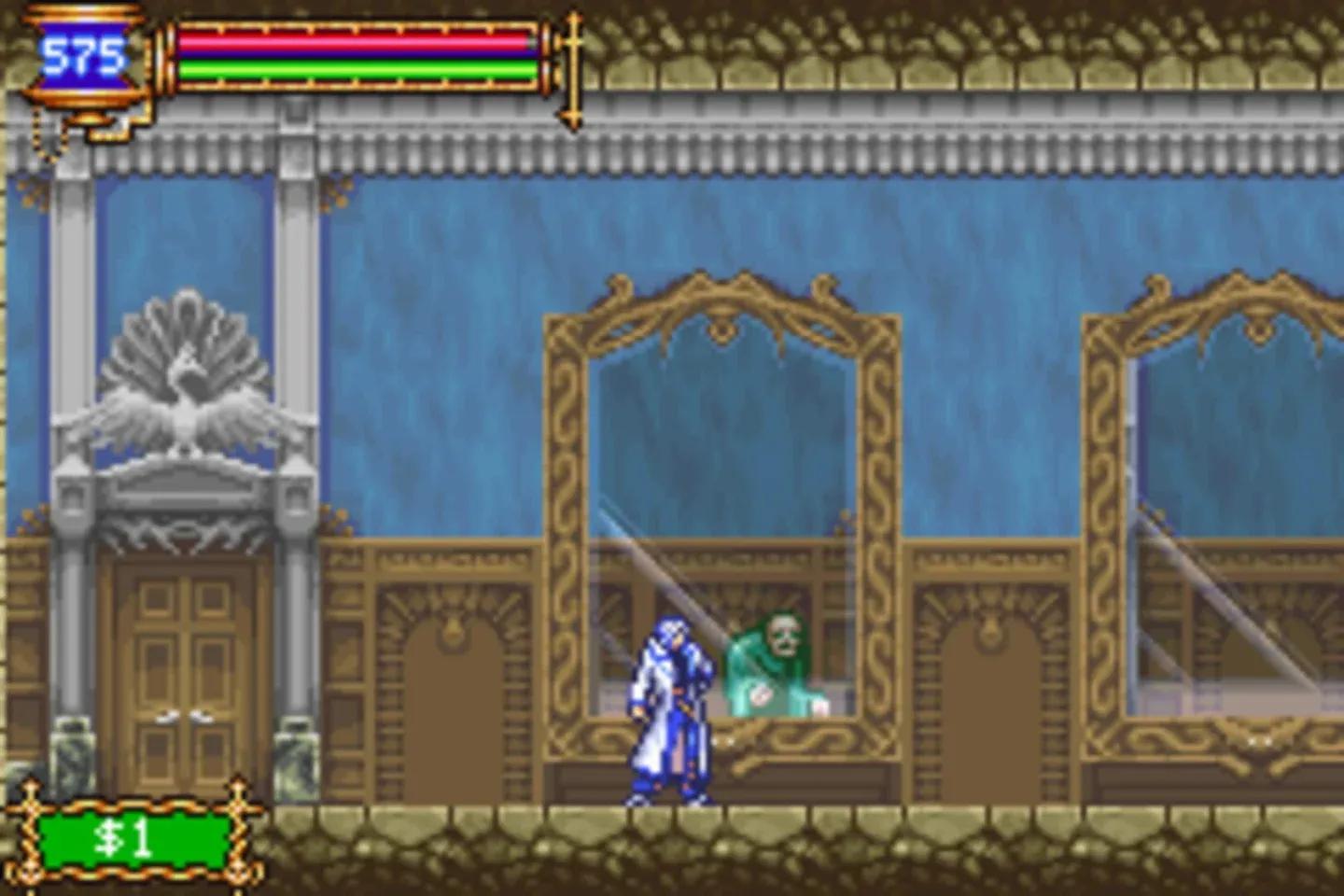
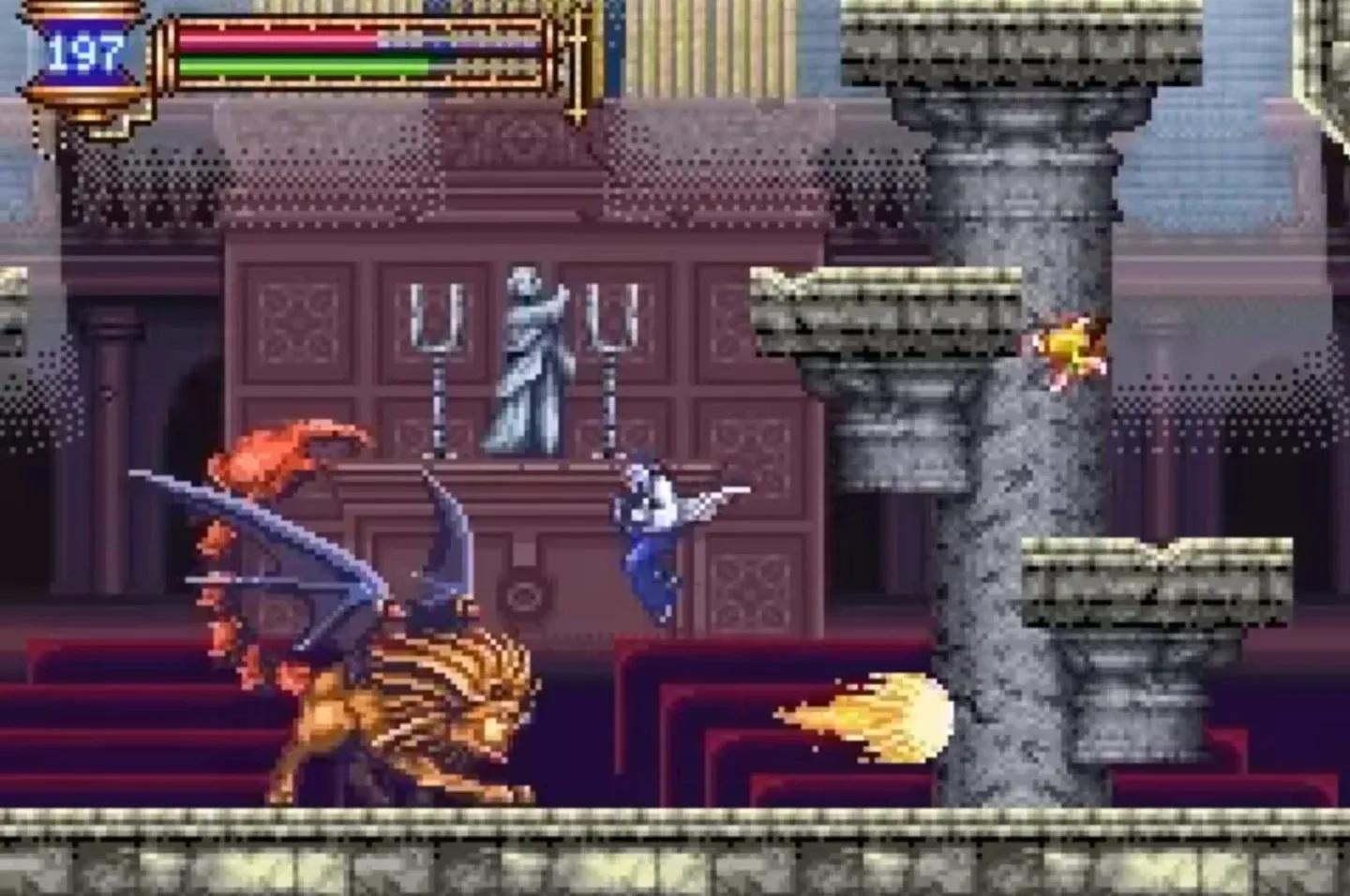
The castle's layout covers a wide range of environments, from underground aqueducts and floating gardens to a clock tower and a top-floor arena. Each zone has its own enemy roster and visual palette, which keeps the exploration feeling fresh across the full runtime. The game runs roughly six to eight hours on a first playthrough, though completionists chasing 100% soul collection will spend considerably longer.
The story is lean but effective. Soma is joined by a small cast of characters who appear at fixed points in the castle, and the plot builds toward a twist that recontextualizes the entire setting. Aria of Sorrow doesn't overstay its welcome with cutscenes, which is exactly the right call for a game built around movement and discovery.
Impact and legacy
Aria of Sorrow earned near-universal praise on release, with critics and players pointing specifically to the Tactical Soul system as a meaningful evolution of the Metroidvania formula. The game spawned a direct sequel in Dawn of Sorrow on Nintendo DS, which expanded the soul mechanic further. Soma Cruz became one of the more recognizable protagonists in the Castlevania roster as a result.
Castlevania: Aria of Sorrow content image
The game is now available on modern platforms including Nintendo Switch, PlayStation, Xbox, and PC via Steam, as part of Konami's ongoing classic collection releases. Playing it today, the GBA-era sprite work holds up well, and Michiru Yamane's soundtrack remains a high point of the series. For anyone interested in Metroidvania games or action RPG exploration, Aria of Sorrow is as good a starting point as the genre has.