
Advertisement

Overview
Catherine is a puzzle-platformer and social simulation hybrid developed and published by Atlus, originally released in 2011 and available on PlayStation, Xbox, Nintendo Switch, and Steam. The game follows Vincent Brooks, a man caught between his longtime girlfriend Katherine and a mysterious blonde named Catherine, as his romantic indecision manifests as increasingly lethal nightmares. What makes it unusual is how deliberately those two halves connect: the emotional weight of the daytime sequences feeds directly into the dread of the nighttime towers.
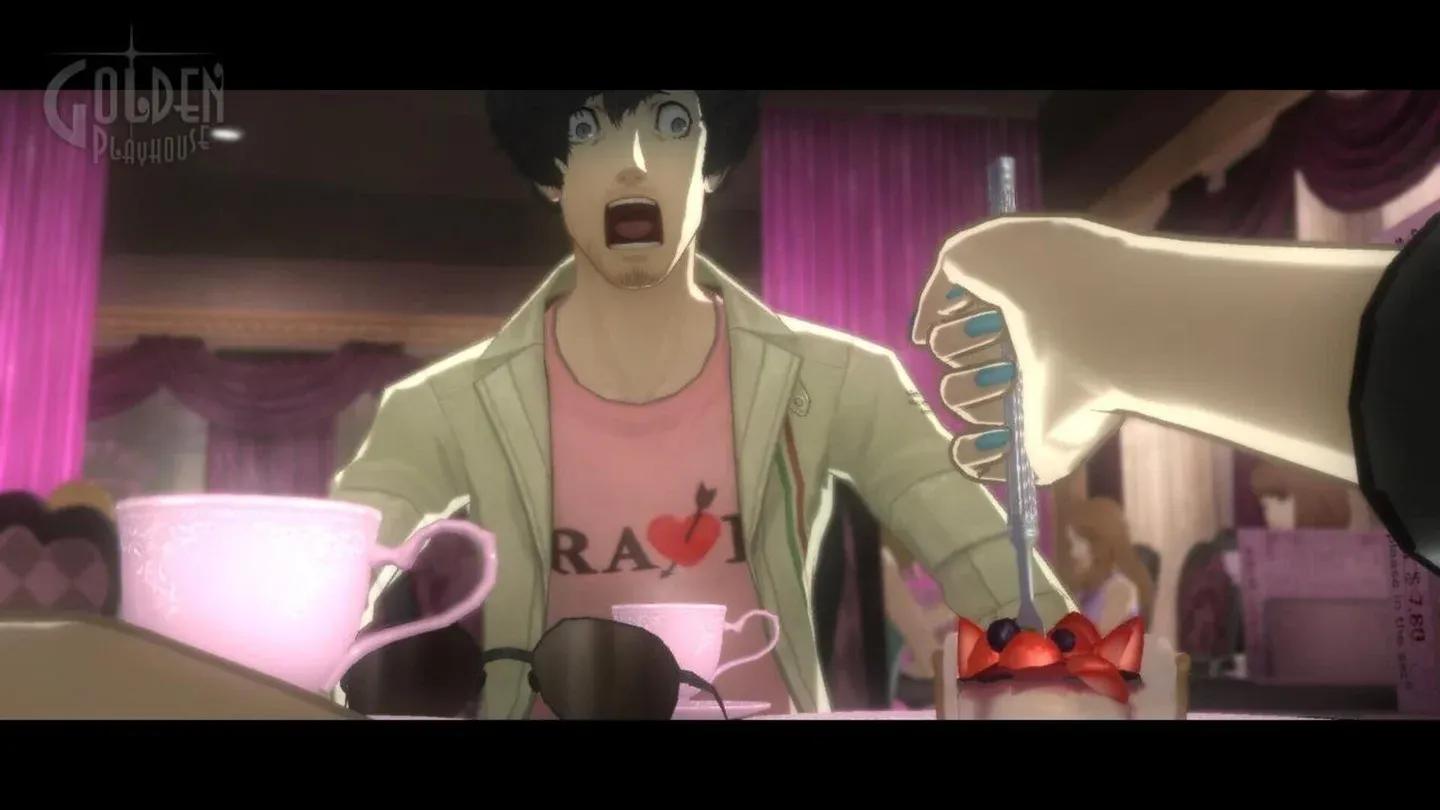
The structure is clean but relentless. During the day, Vincent sits at the Stray Sheep bar, exchanging texts, drinking, and talking with regulars whose own anxieties mirror his. At night, he wakes up in a purgatory filled with other sheep-men, all of them climbing block towers to survive. The tonal shift between the two is jarring in exactly the right way.
Catherine content image
Gameplay and mechanics
The core puzzle-platforming loop centers on manipulating blocks to build a path upward before the floor collapses beneath you. Vincent can pull, push, and climb blocks, but the towers grow more complex with each stage, introducing mechanics like crumbling surfaces, ice blocks, and trap-laden layouts that demand quick spatial thinking.
Catherine content image
Key mechanics at a glance:
- Block manipulation and stacking
- Timed climbing with collapsing floors
- Boss encounters between tower stages
- Lantern pickups for extra lives
- Spring blocks, unmovable blocks, and trap variants
The difficulty curve is steep. Normal mode is genuinely challenging for players unfamiliar with puzzle-platformers, and the game does not apologize for it. Each of the nine nightmares escalates the complexity, and the boss fights that punctuate them are among the more creative uses of the game's block mechanics.
World and setting
Atlus built Catherine around a specific kind of urban mundanity. The Stray Sheep is a small bar in a nameless Japanese-inflected city, and Vincent spends his days there nursing beers and avoiding the conversation he knows is coming. The setting is deliberately contained, which makes the nightmare sequences feel even more unreal by contrast.
Catherine content image
The story uses its supernatural framing to ask questions about commitment, freedom, and what people actually want from relationships. The morality meter tracks Vincent's responses throughout the game, and those choices push the narrative toward one of several endings. None of them are simple, and the game earns that ambiguity.
Visual and audio design
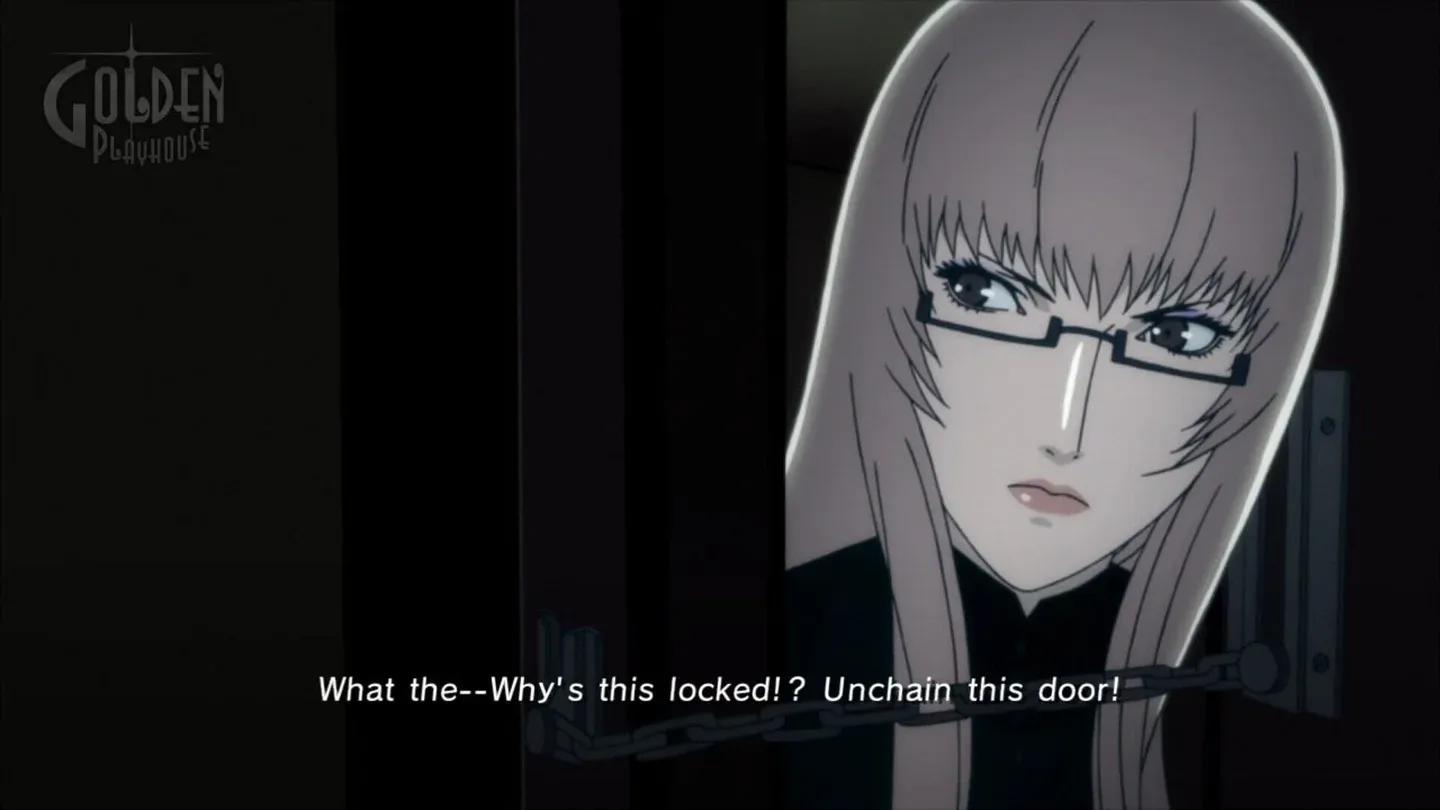
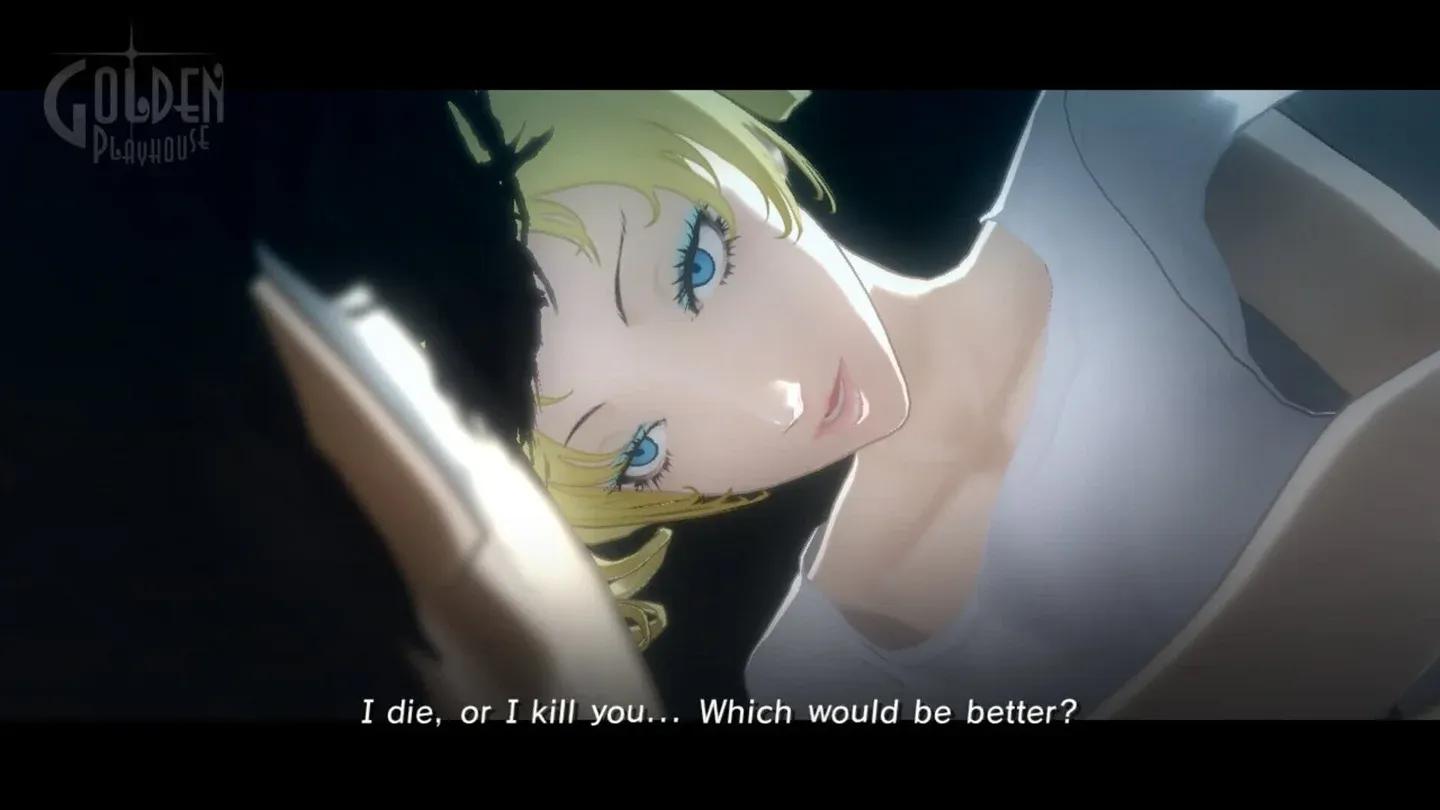
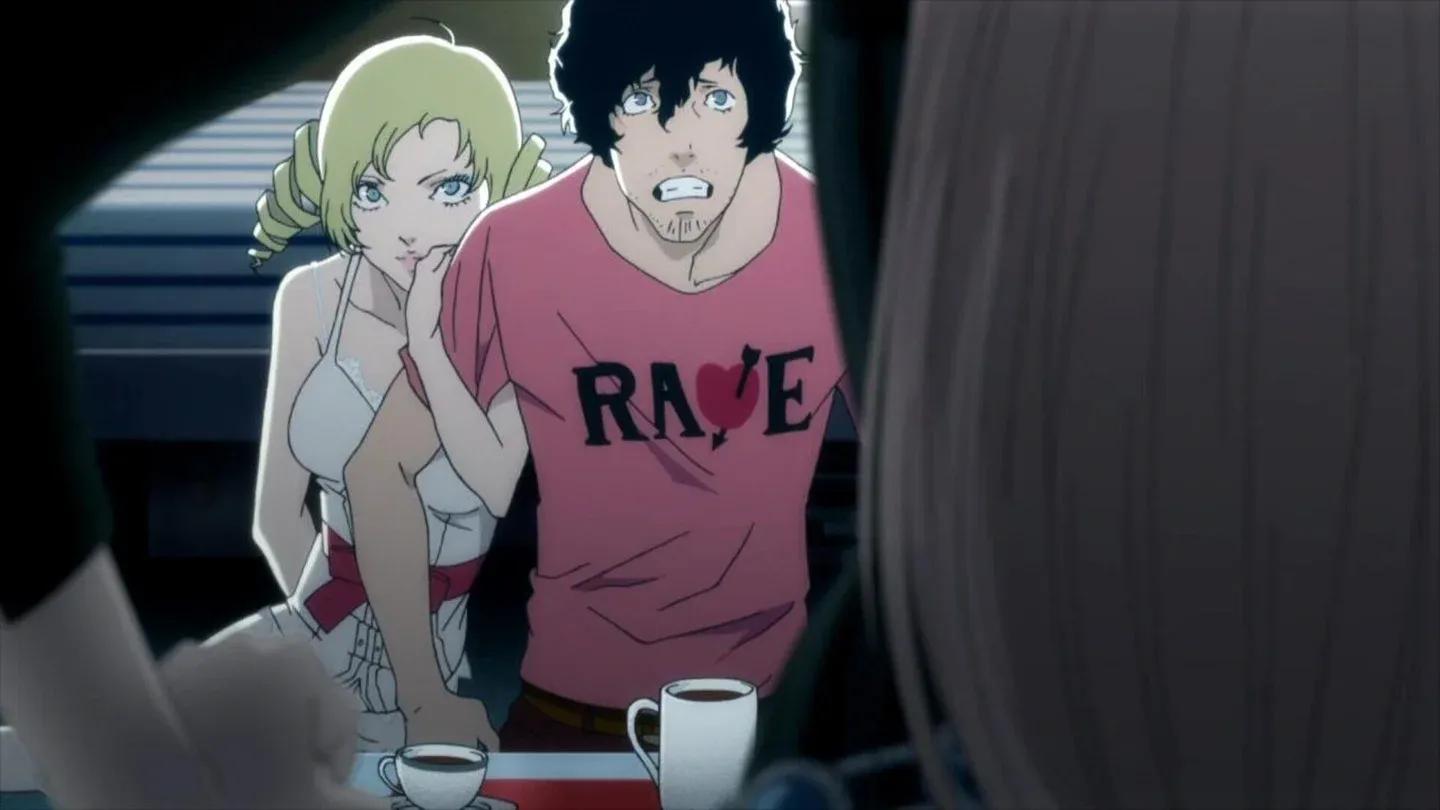
The art direction holds up well. Atlus used a high-contrast anime aesthetic for the cinematics, directed by Kazuhisa Wada, with full HD cutscenes that were considered technically impressive at launch and remain stylistically distinct. The nightmare sequences have a colder, more geometric look that contrasts with the warm lighting of the bar.
The score draws on classical music for the tower stages, an unusual choice that works surprisingly well. Pieces by composers including Dvorak and Mussorgsky play during climbs, lending the sequences a formal, almost theatrical tension. The voice acting in the English dub features Troy Baker as Vincent, delivering a performance that tracks the character's unraveling with real specificity.
Impact and legacy
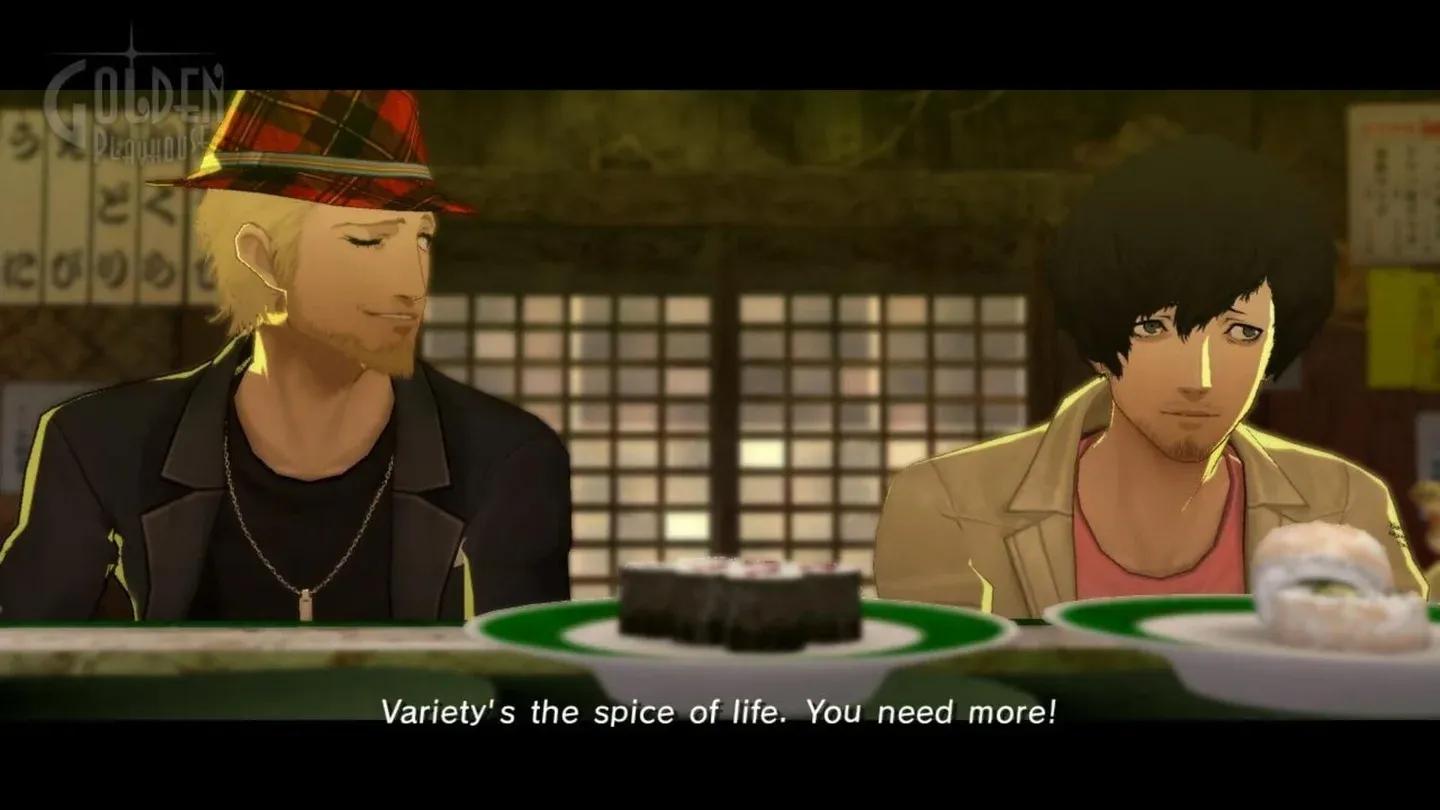
Catherine arrived at a moment when very few games were attempting anything like it. The combination of mature relationship drama, psychological horror framing, and genuine puzzle difficulty made it a cult title almost immediately. The Full Body version, released later for Switch and other platforms, added a third character named Rin and expanded the ending count, giving returning players new narrative paths without undermining the original structure.
Catherine content image
For a puzzle-platformer built around relationship anxiety, Catherine has aged with unusual grace. The block mechanics remain satisfying, the story still lands its more uncomfortable questions, and the whole thing runs under ten hours on a first playthrough, which makes it one of the more focused experiences Atlus has released outside the Persona series.