
Biggest discounts, free games, and limited-time offers across every major gaming store.
Never pay full price again.
Overview
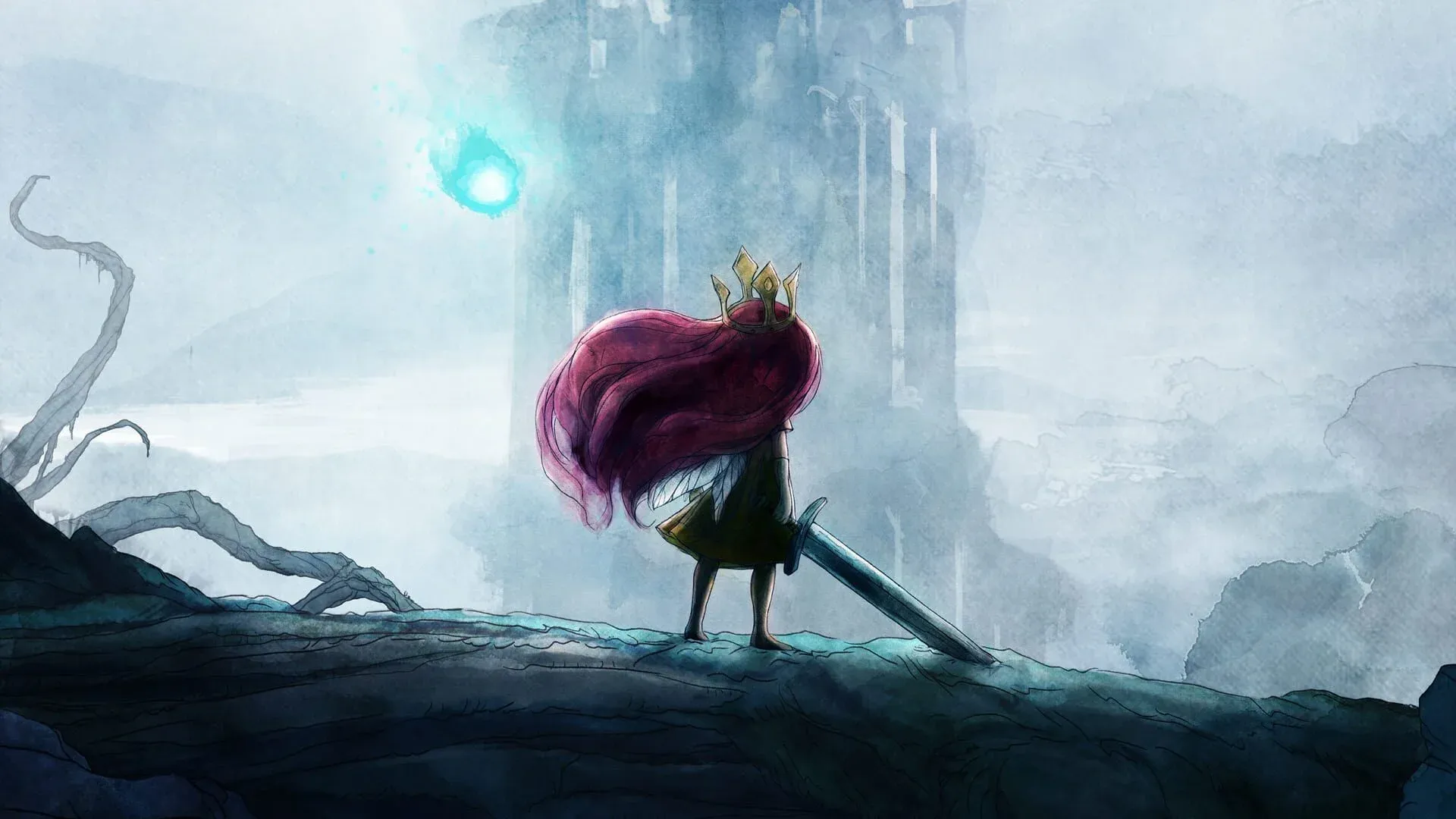
Child of Light, developed by Ubisoft Montréal and released in April 2014, is a side-scrolling RPG that draws from classic Japanese role-playing games while wrapping everything in a Western fairy tale aesthetic. Aurora, a young girl from 1895 Austria, finds herself transported to the mystical continent of Lemuria after falling into a mysterious sleep. The Black Queen has stolen the sun, the moon, and the stars, plunging the world into darkness, and Aurora is the only one who can restore them.
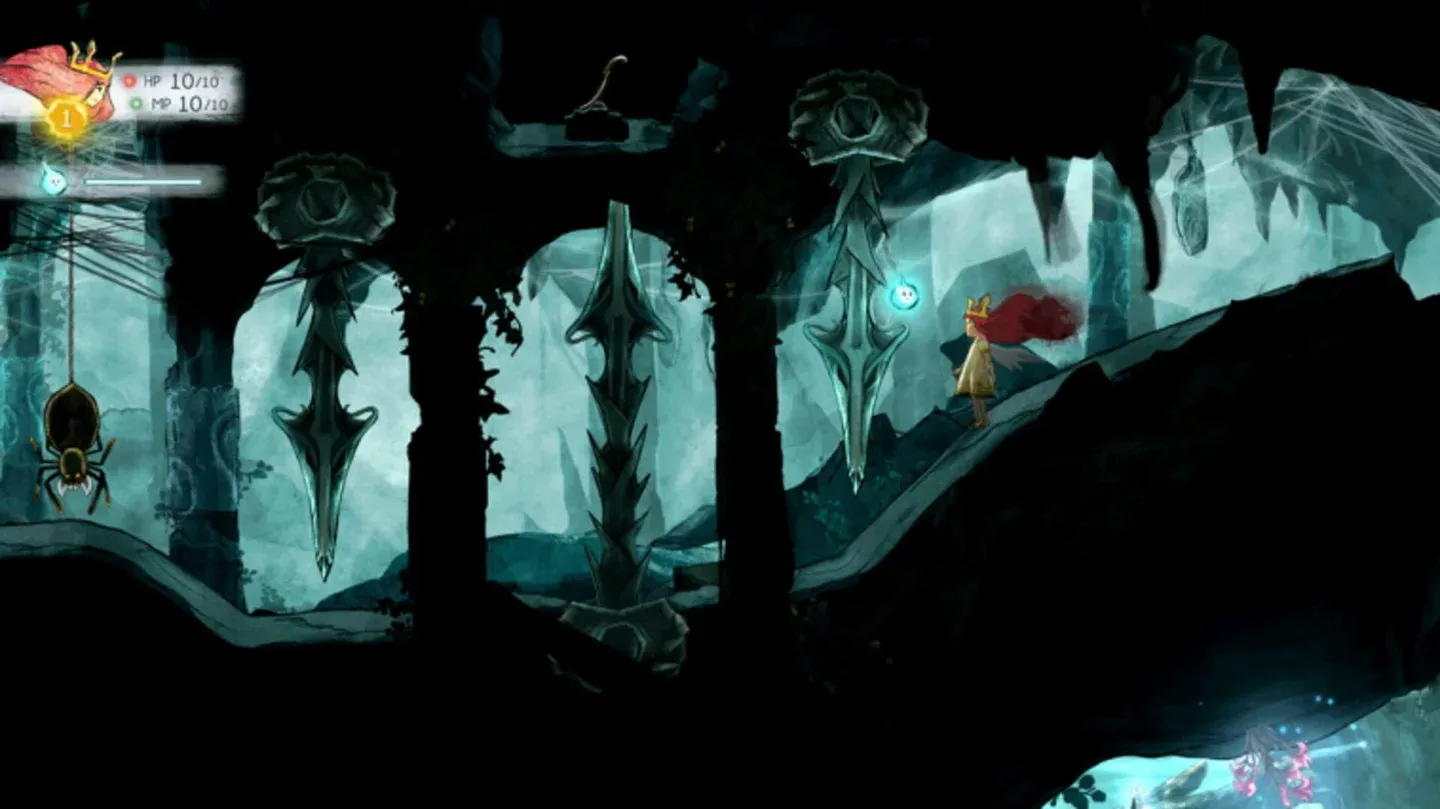
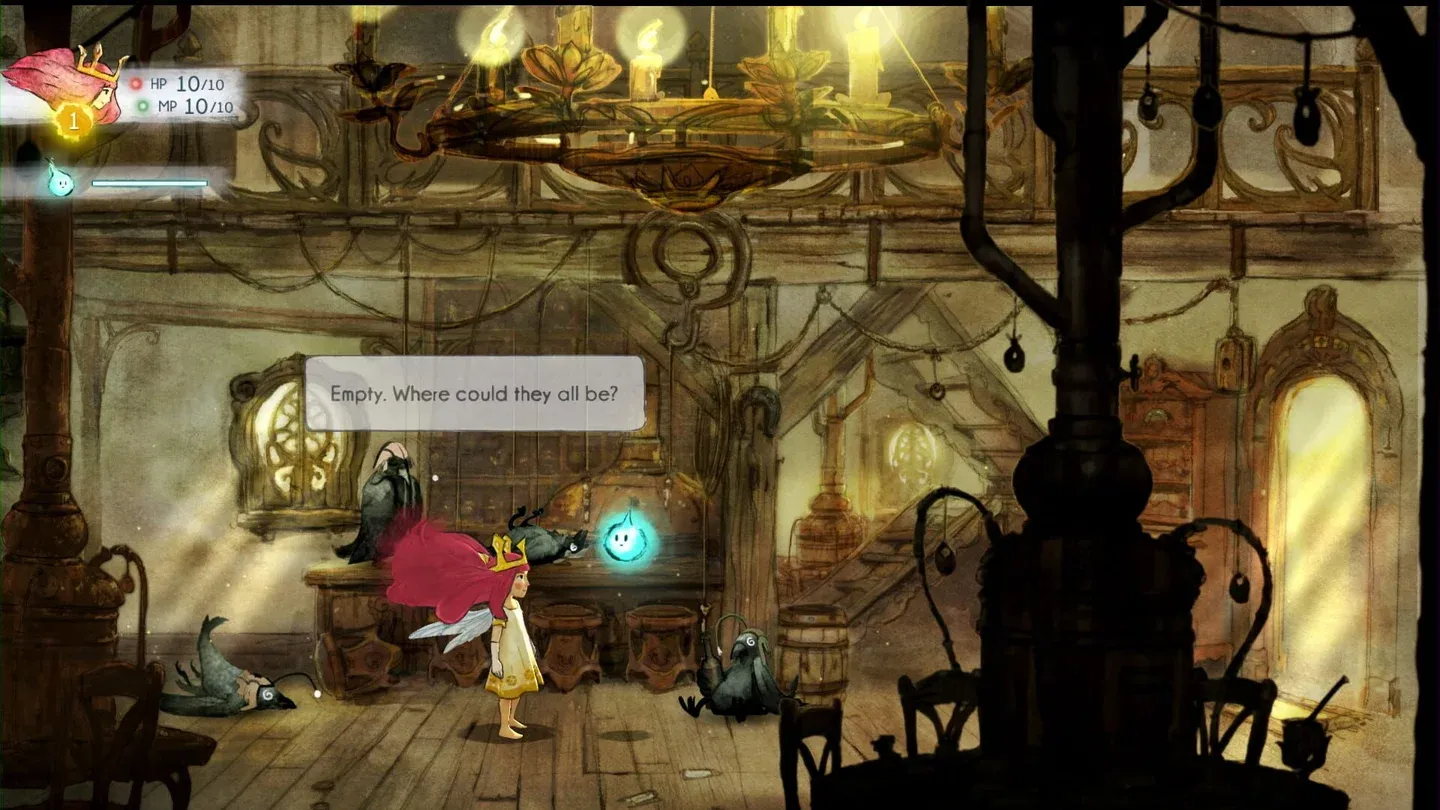
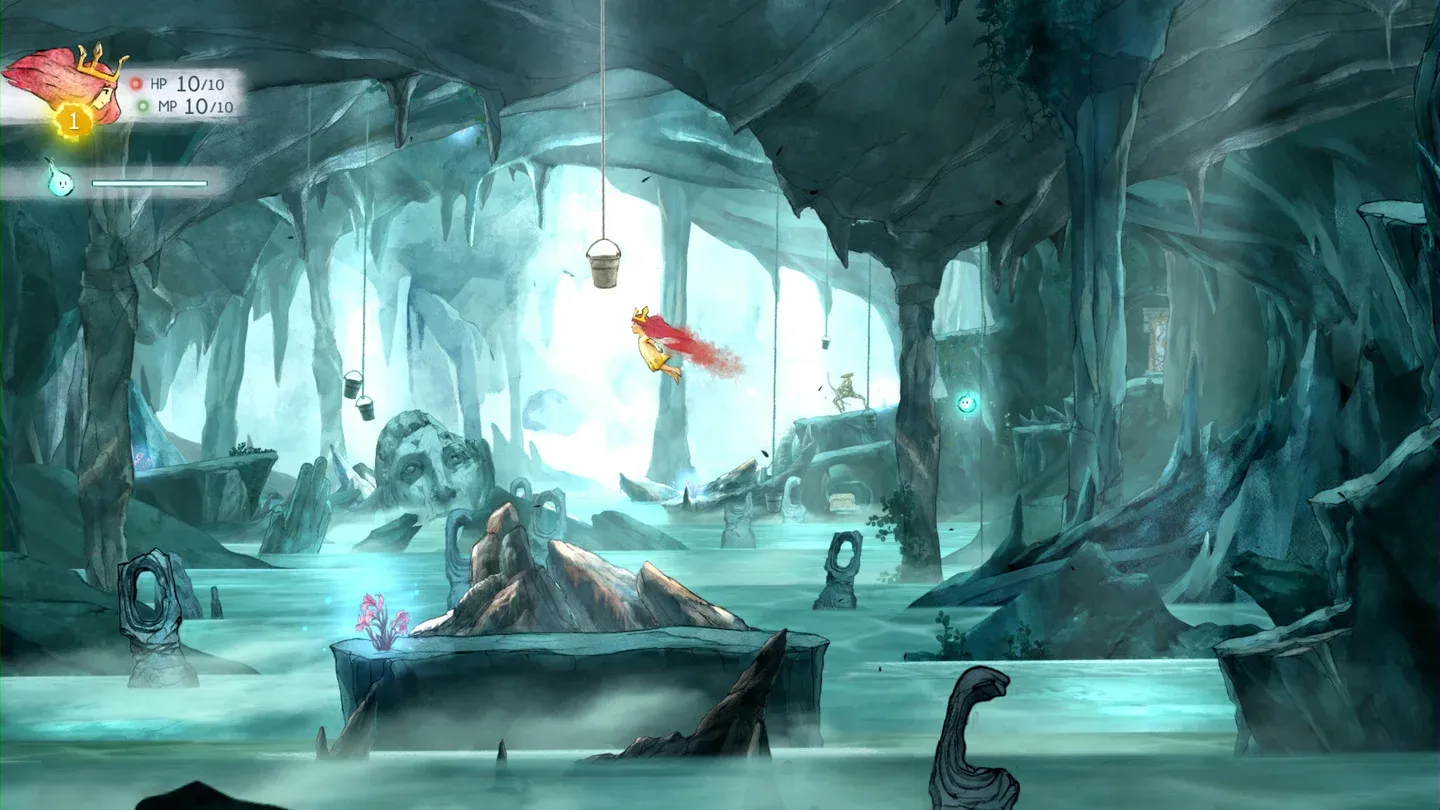
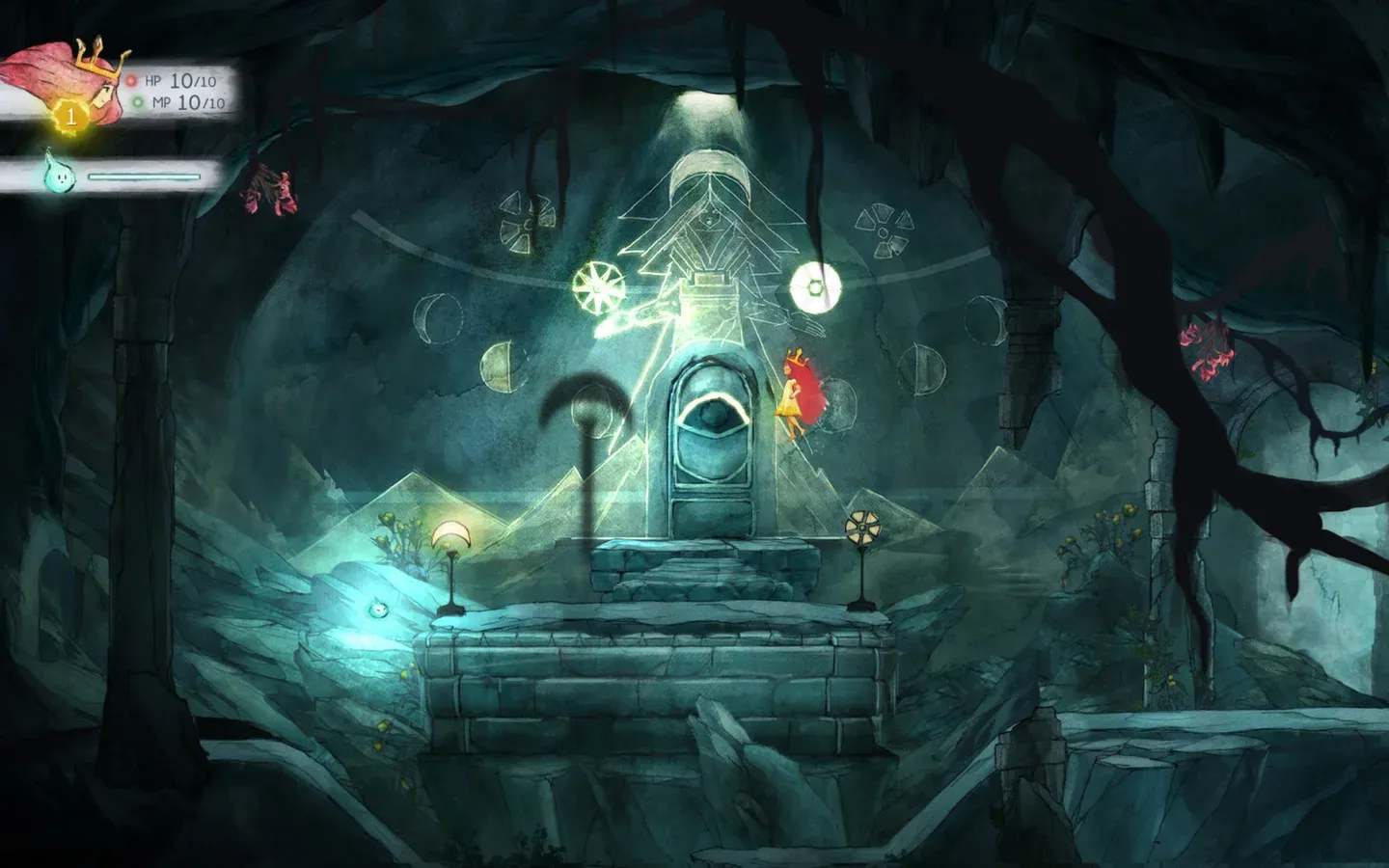
What makes Child of Light stand out immediately is the UbiArt Framework, the same engine behind Rayman Origins and Legends. Every environment looks hand-painted, with layered watercolor backgrounds and soft lighting that shift as the story progresses. The art direction is not just decorative; it is a core part of how the game communicates mood and stakes across its roughly 12-hour campaign.
Gameplay and mechanics
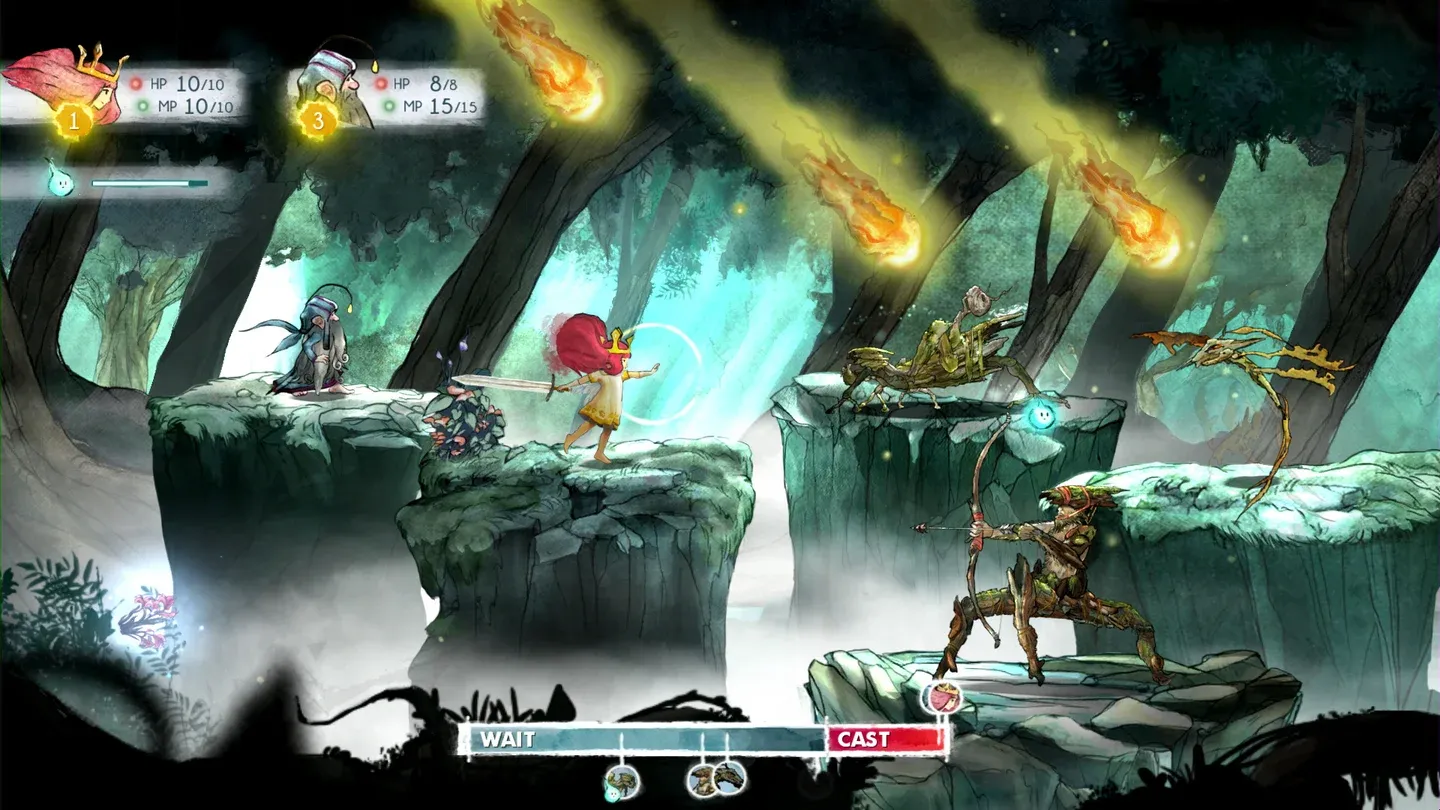
At the heart of Child of Light is an Active-Time Battle system that will feel familiar to anyone who has played Final Fantasy IV or VI. Two party members engage enemies on a shared timeline, and the key mechanic is interruption: hitting an enemy while their cast bar is filling sends them back to the start of their turn. This creates a layer of tactical decision-making that goes beyond just picking the strongest attack.
Child of Light content image
Key mechanics include:
- Timeline-based interruption combat
- Igniculus the firefly slows enemies in battle
- Skill trees for each party member
- Drop-in co-op for a second player controlling Igniculus
- Collectible Oculi gems for stat customization
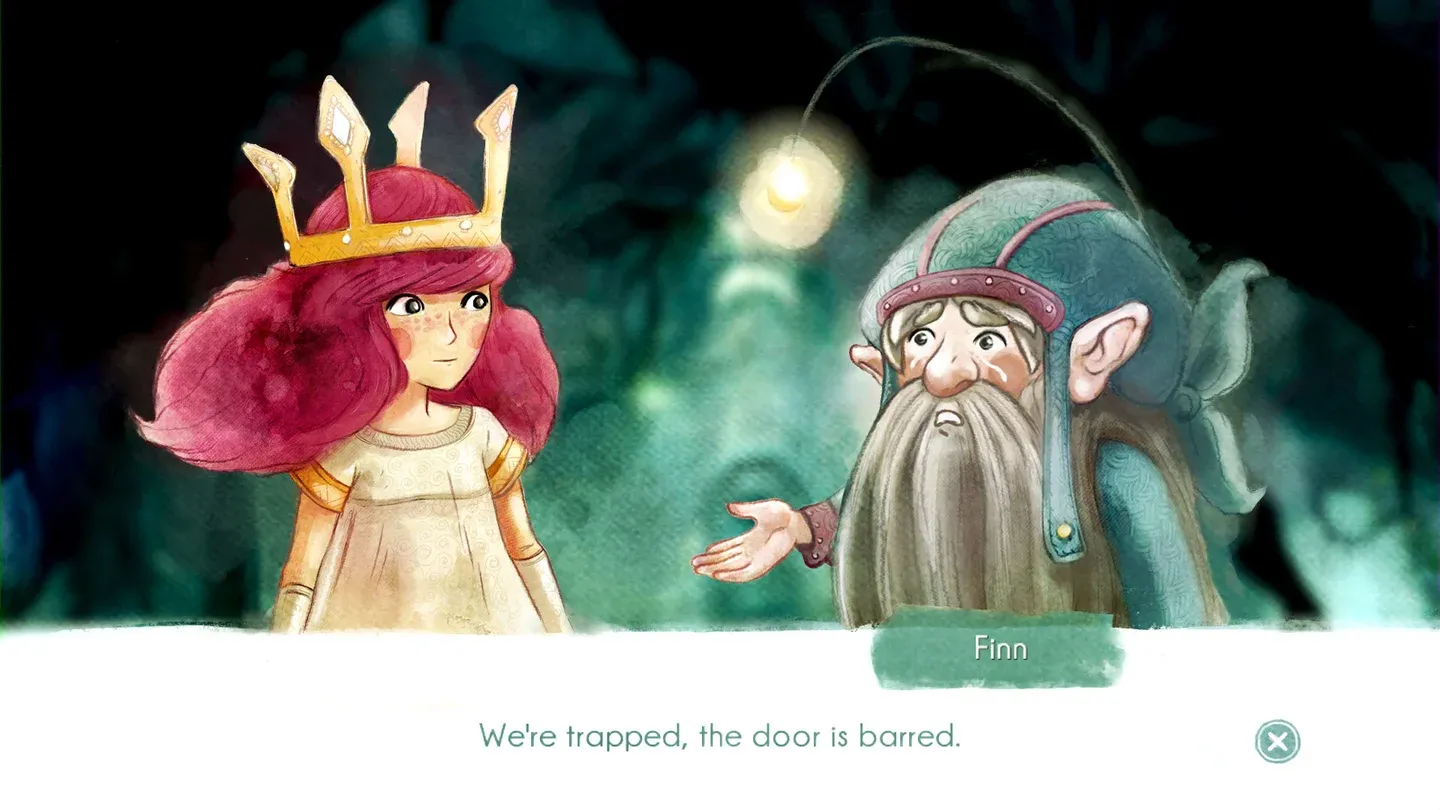
Igniculus, Aurora's firefly companion, plays a dual role. In exploration, he collects items and lights up hidden paths. In combat, a second player can take control of him to slow enemies or heal Aurora's party, making the co-op feel genuinely useful rather than tacked on.
Child of Light content image
World and setting
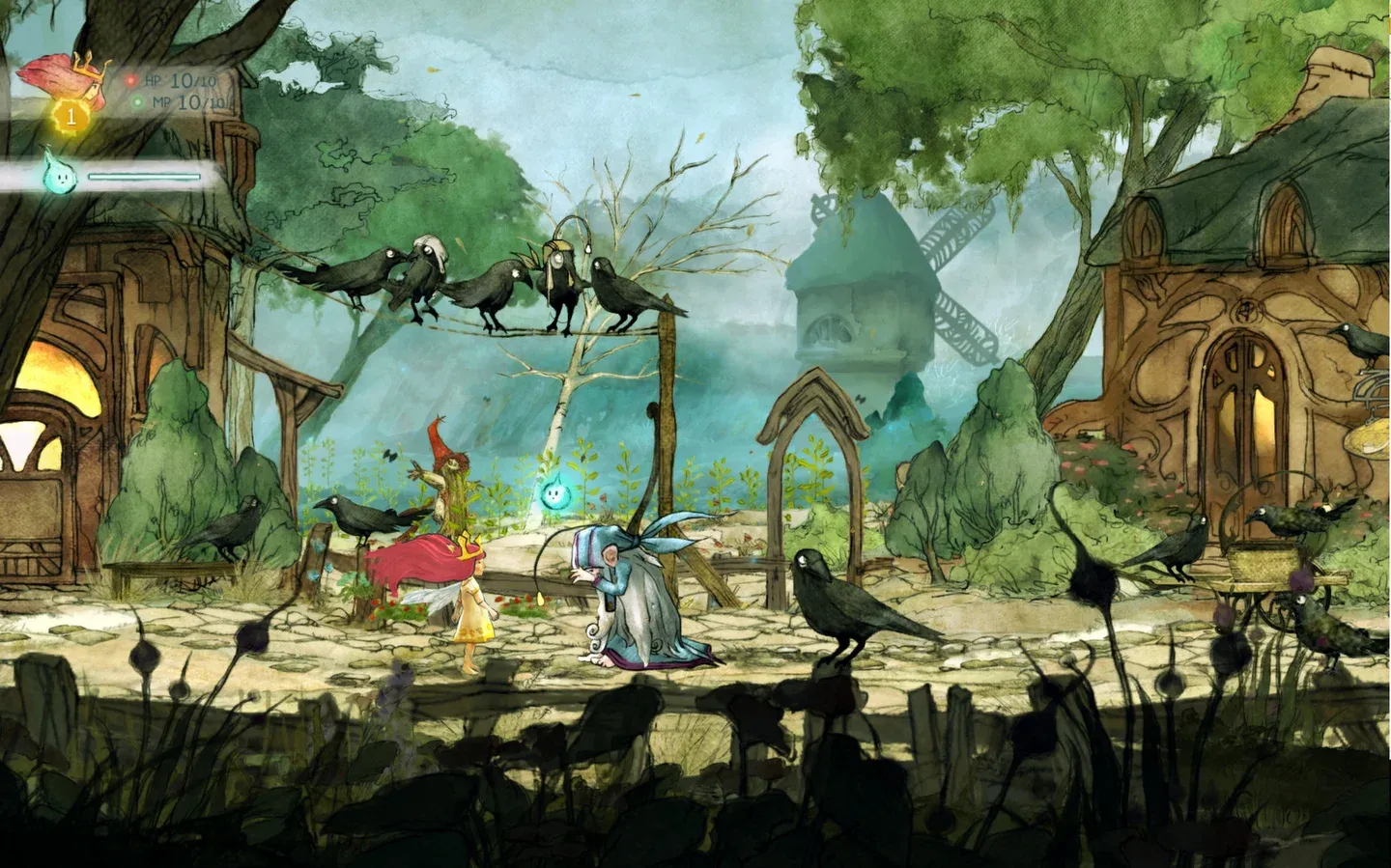
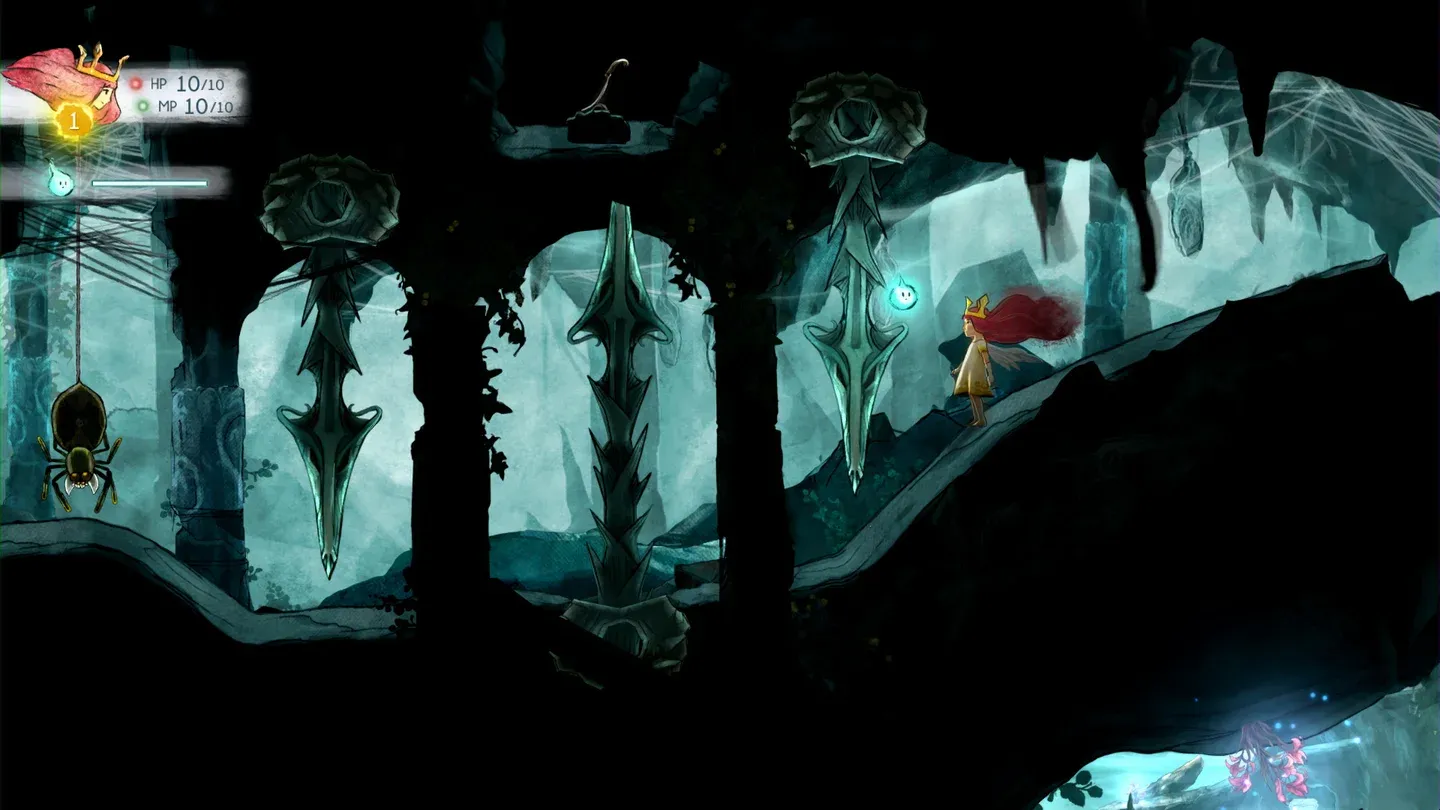
Lemuria is built around a small number of distinct biomes, each tied to one of the stolen lights. Forests, underwater ruins, mountain peaks, and corrupted castles each have their own visual identity and enemy roster. The world expands meaningfully as Aurora recovers the sun, moon, and stars, with previously dark areas opening up and changing appearance.
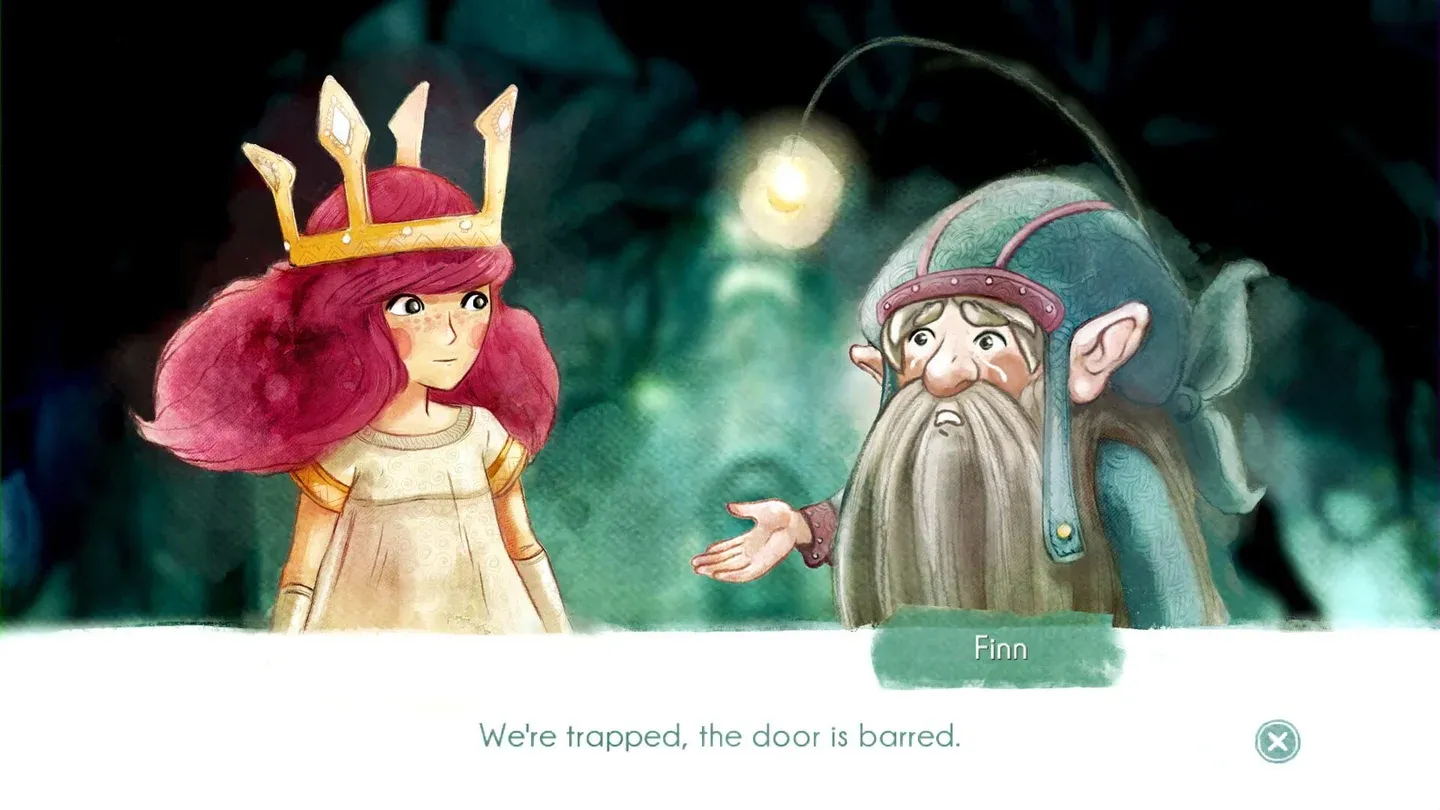
The story is told entirely in rhyming couplets, a choice that could easily feel gimmicky but mostly holds together. Some lines land better than others, but the commitment to the format gives Child of Light a consistent fairy tale register that few games attempt. The cast of eccentric companions, from a talking mouse to a jester, each get their own backstory woven into the verse.
Child of Light content image
Visual and audio design
The score, composed by Béatrice Martin (known musically as Cœur de pirate), is one of the game's defining qualities. The soundtrack leans heavily on piano and strings, matching the watercolor aesthetic with music that feels delicate without being forgettable. Tracks shift dynamically during combat to keep the tension up without breaking the dreamlike atmosphere.
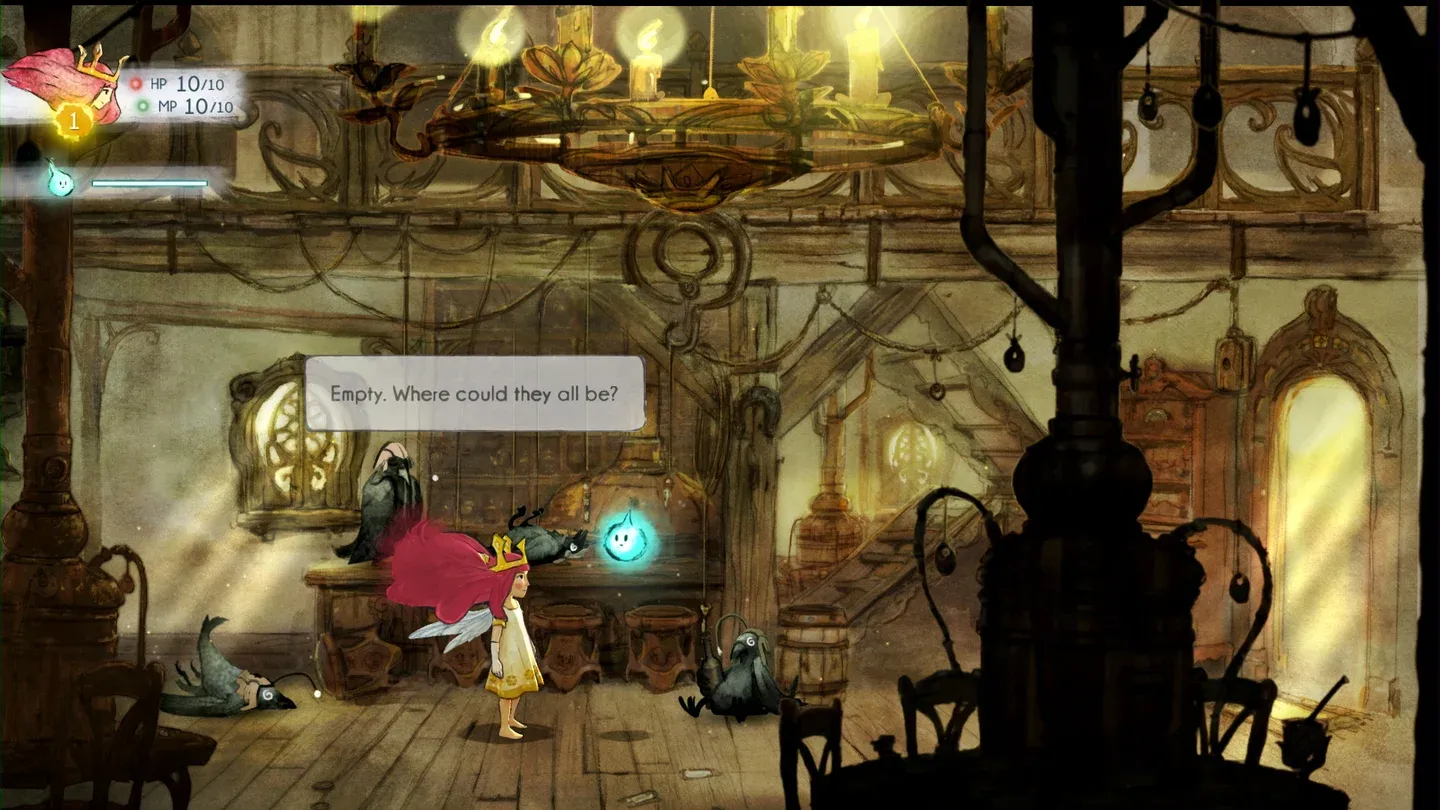
The UbiArt Framework allows for a level of visual detail that punches well above the game's budget. Parallax scrolling gives the environments genuine depth, and Aurora's hair and wings animate with a fluidity that holds up over a decade after release.
Is Child of Light worth playing for RPG fans?
For players who enjoy turn-based RPGs with a strong art direction, Child of Light delivers a focused, well-crafted experience. The combat rewards attentive play, the world has enough variety to stay interesting, and the co-op option adds a low-stakes way to share the game with someone who might not be a hardcore RPG player. It does not overstay its welcome, and that restraint is part of what makes it memorable.
Child of Light content image