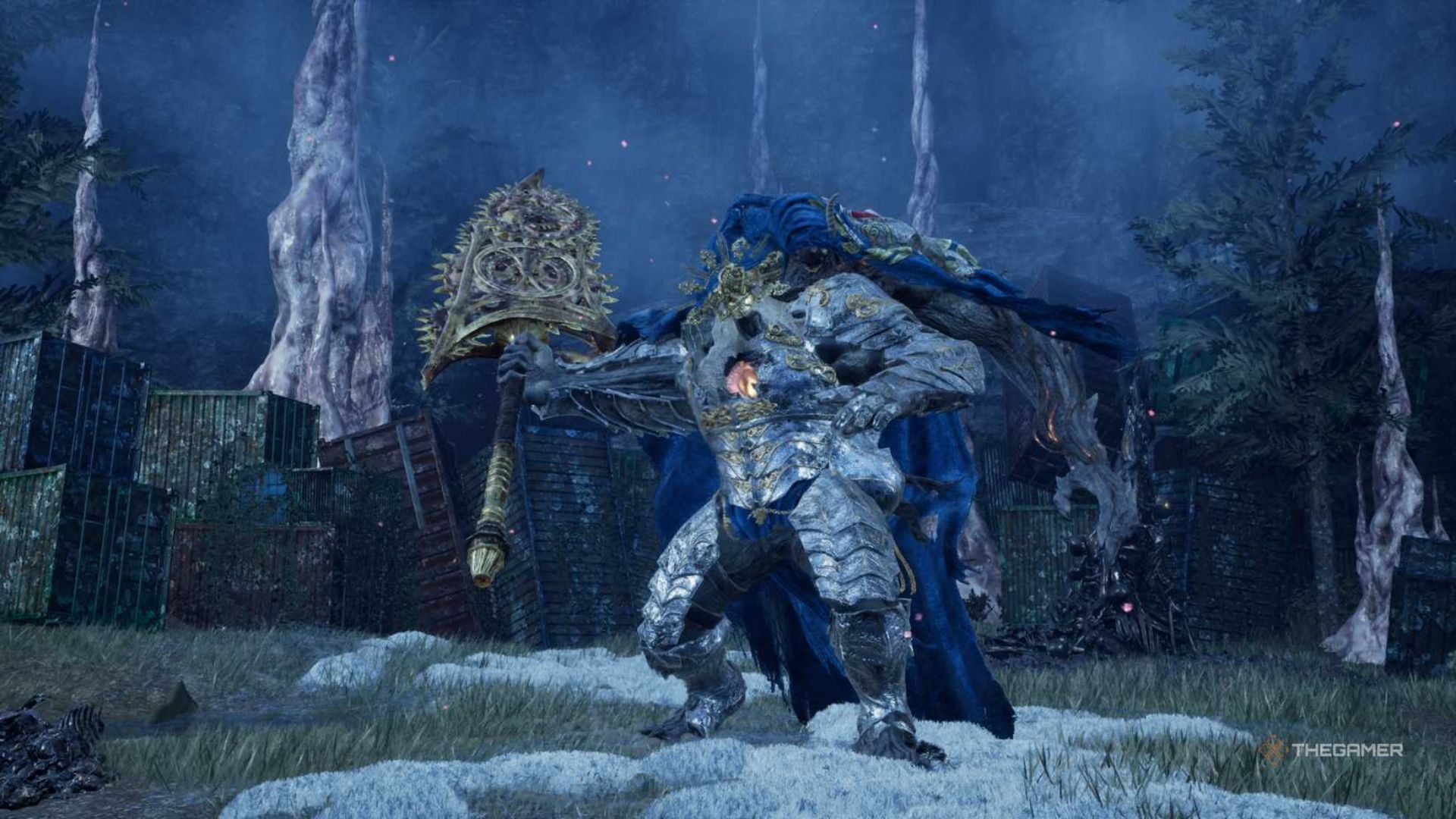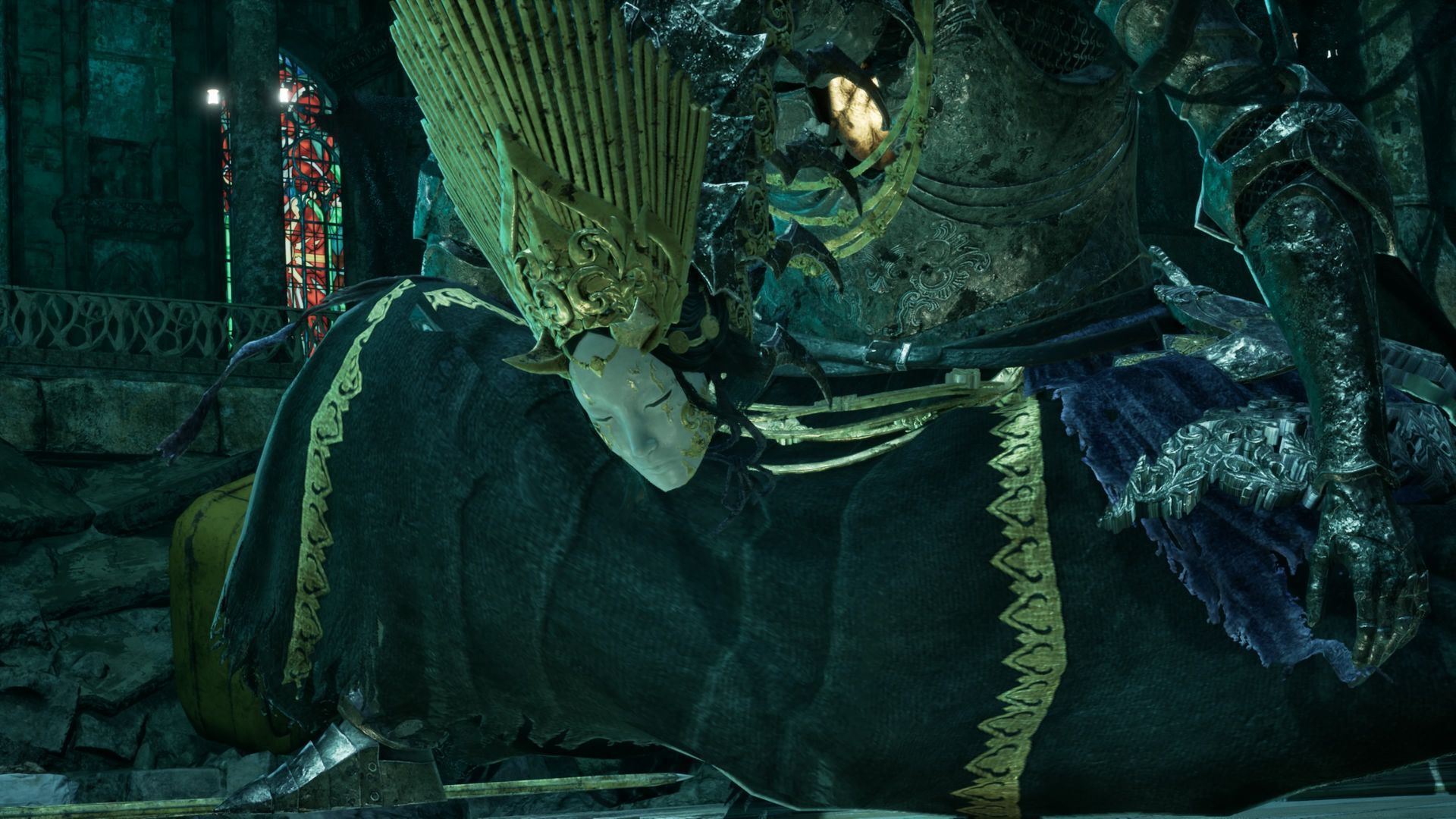
Boss fights in Code Vein II remain the backbone of the game’s challenge, reinforcing its identity as a methodical action RPG built around stamina management, pattern recognition and build synergy. While the sequel expands on mobility and Blood Code flexibility, success in boss encounters still comes down to preparation and execution rather than raw stats alone.
This guide focuses on general boss mechanics, preparation strategies, and repeatable combat principles that apply across most encounters, serving as a foundation for players progressing through the game.
Understanding Boss Design in Code Vein II
Most bosses in Code Vein II are designed around clearly defined phases and aggressive attack patterns. Early encounters tend to teach spacing and dodge timing, while later bosses layer area control, delayed attacks and elemental pressure on top of those fundamentals. Visual cues are consistently used to telegraph major moves, though reaction windows can be tight.
Boss arenas are often compact, making positioning as important as raw damage output. Players who rely heavily on backstepping rather than lateral movement may find themselves cornered quickly.

Recommended Preparation Before a Boss Fight
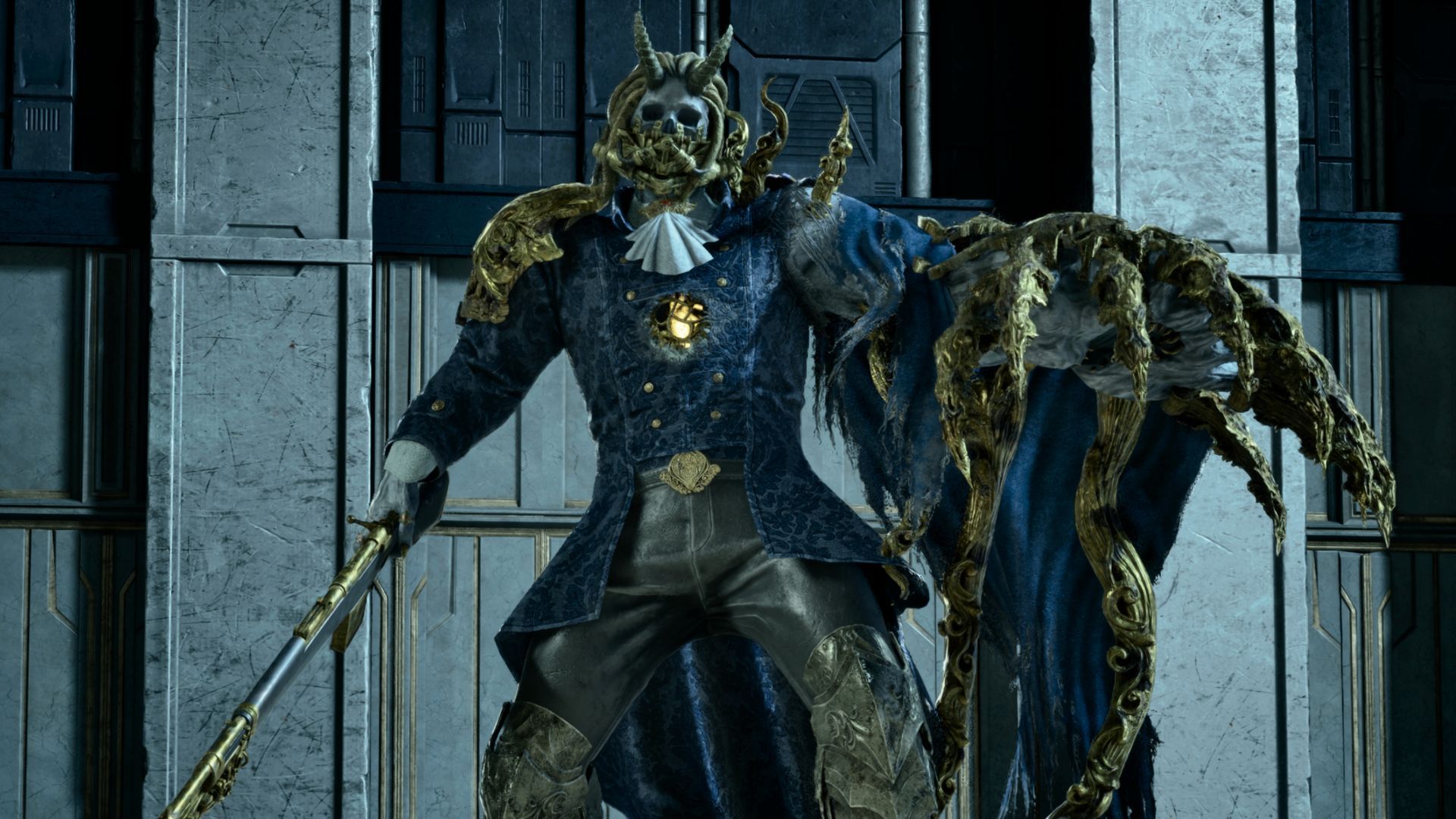
Preparation begins with Blood Code selection. While most builds are viable, bosses strongly reward specialization rather than generalist setups. Focusing on either sustained melee pressure, burst damage or ranged Gifts typically produces better results than spreading resources too thin.
Elemental resistance is another key factor. Several bosses heavily favor a single damage type and adjusting passive Gifts and equipment accordingly can significantly reduce incoming damage. Consumables such as ichors, resistance buffs and regeneration items should be stocked before entering any major encounter, as retreating mid-fight is rarely an option.
Companion selection also matters. AI partners are not simply damage sources but function as pressure relief, drawing aggro and creating safe healing windows. Choosing a companion whose abilities complement your build often makes encounters more manageable.
Core Combat Strategies That Apply to Most Bosses
Patience remains one of the most valuable tools in Code Vein II boss fights. Many bosses punish overcommitment, especially during phase transitions where attack timing changes subtly. Learning when to disengage is often more important than maximizing damage uptime.
Dodging into attacks, rather than away from them, frequently provides safer positioning and better counterattack opportunities. This is particularly relevant against wide horizontal swings and lunging attacks. Blocking can be situationally effective but should not replace evasive movement due to stamina costs.
Monitoring stamina is critical. Bosses are designed to capitalize on exhaustion, often chaining attacks when the player is unable to respond. Leaving a stamina buffer after each combo reduces the risk of being caught mid-recovery.
Dealing With Multi-Phase Bosses
Later boss encounters often introduce additional mechanics once their health reaches specific thresholds. These changes may include expanded attack ranges, elemental effects, or summoned hazards within the arena. Treating each phase as a separate encounter and adjusting pacing accordingly is more effective than attempting to brute-force the fight.
In many cases, saving high-damage Gifts or consumables for later phases provides better returns than using them early. The final phase is typically where mistakes are most punishing.
When to Adjust Your Build
If repeated attempts result in consistent failure at the same point in a fight, the issue is often build-related rather than mechanical. Code Vein II encourages experimentation, and swapping Blood Codes or reassigning passives can dramatically change how a fight unfolds.
Unlike traditional action RPGs, the game rarely expects players to overpower bosses through leveling alone. Instead, adaptability is a core design pillar, and revisiting preparation choices is often the intended solution.
Closing Thoughts
Boss encounters in Code Vein II are designed to test a player’s understanding of the game’s systems rather than reflexes alone. While some fights may initially feel overwhelming, they are generally fair once patterns and mechanics are understood. With the right preparation, positioning, and patience, even the most aggressive bosses can be approached methodically.
This guide serves as a baseline. Individual boss breakdowns can build on these principles by highlighting specific attack patterns, elemental weaknesses, and optimal companion choices.
Boss List Table
The following table organizes all currently documented bosses by progression stage. Bosses are grouped based on typical story flow and encounter order, with optional encounters listed separately. This structure is intended to help players anticipate difficulty spikes and prepare builds accordingly.
Code Vein II Boss List (Early, Mid, and Late Game)
| Progression Stage | Boss Name | Encounter Type | Notes |
|---|---|---|---|
| Early Game | Franz the Dejected Assailant | Main Story | Introductory boss designed to teach stamina control and basic pattern recognition. |
| Early Game | Josee the Blind Hero | Main Story | Aggressive melee encounter that rewards spacing and lateral movement. |
| Early Game | One-Armed Hero Lyle | Main Story | Heavy-hitting boss with slow but punishing attacks. |
| Early Game | Hero Holly the Reaper | Main Story | Fast-paced fight emphasizing mobility and reaction timing. |
| Early Game | Hero Zenon | Main Story | Defensive boss encounter focused on sustained pressure and positioning. |
| Mid Game | Camillo Asturias | Main Story | Multi-phase fight introducing layered attack patterns. |
| Mid Game | Alessandro Gobbo | Main Story | Two-part encounter combining target prioritization and area control. |
| Mid Game | Hero Holly (Reprise) | Main Story | Enhanced version with expanded moveset and increased aggression. |
| Mid Game | Hero Josee (Reprise) | Main Story | Faster and less forgiving rematch emphasizing precision. |
| Mid Game | Hero Lyle (Reprise) | Main Story | Reinforced encounter testing stamina discipline and spacing. |
| Mid Game | Pioneer Queen Imogen | Main Story | Larger-scale fight introducing environmental pressure. |
| Mid Game | Soul Savior Valentin | Main Story | Narrative-driven encounter with mixed offensive patterns. |
| Late Game | Metagen Remnant | Main Story | High-intensity fight testing sustained execution and survivability. |
| Late Game | Camillo Asturias (Reprise) | Main Story | Late-game escalation with expanded mechanics. |
| Late Game | Pioneer Queen Imogen (Reprise) | Main Story | Enhanced version with increased damage and arena control. |
| Late Game | Zenon Duplicate Unit Three | Main Story | Advanced encounter emphasizing speed and layered attacks. |
| Late Game | Franz the Dejected Assailant (Reprise) | Optional | Optional late-game rematch with increased difficulty. |
| Late Game | Resurgence Core | Main Story | Final encounter designed to test full system mastery. |
| Optional | Edward the Lost Corporal | Optional | Side boss offering additional challenge and rewards. |
| Optional | Resurgence Abomination | Optional | High-pressure optional fight with aggressive close-range attacks. |
| Optional | Alexis the Heartless Bodyguard | Optional | Defensive-oriented encounter requiring patience and timing. |
| Optional | Mutated Survivor Bernd | Optional | Optional boss with unique attack patterns. |
| Optional | Darkborn Leader | Optional | Endurance-focused side encounter. |
| Optional | Forma Engine Goliath | Optional | Large-scale optional fight emphasizing durability. |
| Optional | Overboosted Werebeast | Optional | Escalated variant designed as a skill check. |