
Deep Rock Galactic: Rogue Core is not a sequel and it does not play like one. This is a roguelite that throws you into Hoxxus with a timer ticking, swarms incoming, and a whole lot of Expenite to mine before the elevator drops. Even on the lowest difficulty, the game punishes players who treat it like a casual co-op shooter. This guide covers every system you need to understand before your first run, from picking the right Reclaimer to surviving the Gootoorak Gatekeeper boss fight at the end.
Which class should you pick as a beginner?
There are five playable Reclaimers: Retcon, Spotter, Guardian, Falconer, and Slicer. Each fills a distinct role, and picking one you understand matters more than picking the "strongest" option.

Choose your Reclaimer wisely
Falconer is the highest DPS class in the game, often dealing two to three times more damage than teammates thanks to the Hawk, a drone that harasses enemies and can revive downed allies. For new players who want to feel impactful immediately, Falconer is a strong starting point.
Guardian plays completely differently. This class focuses on zone control, with a primary ability that pushes enemies away and a secondary that creates a repulsion zone around the player. The ultimate regenerates armor for the entire team over time. If you prefer a support role that keeps the squad alive during elevator defense, Guardian suits that playstyle.
The Spotter can mark enemies with a dart, increasing the damage they take from teammates. That ability becomes much more powerful when paired with a Slicer who dashes in and lands melee hits on the marked target. This is a good example of how team composition in Rogue Core rewards coordination in a way the original Deep Rock Galactic did not require. Running four of the same class is far less effective here than mixing roles.
| Class | Role | Key Strength |
|---|---|---|
| Falconer | DPS | Hawk drone, highest damage output |
| Guardian | Support/Tank | Zone control, team armor regeneration |
| Spotter | Utility | Enemy marking for damage amplification |
| Slicer | Melee DPS | Dash attacks, pairs with Spotter marks |
| Retcon | Varies | Unique ability set, distinct playstyle |

How do class decks and Enhancements work?
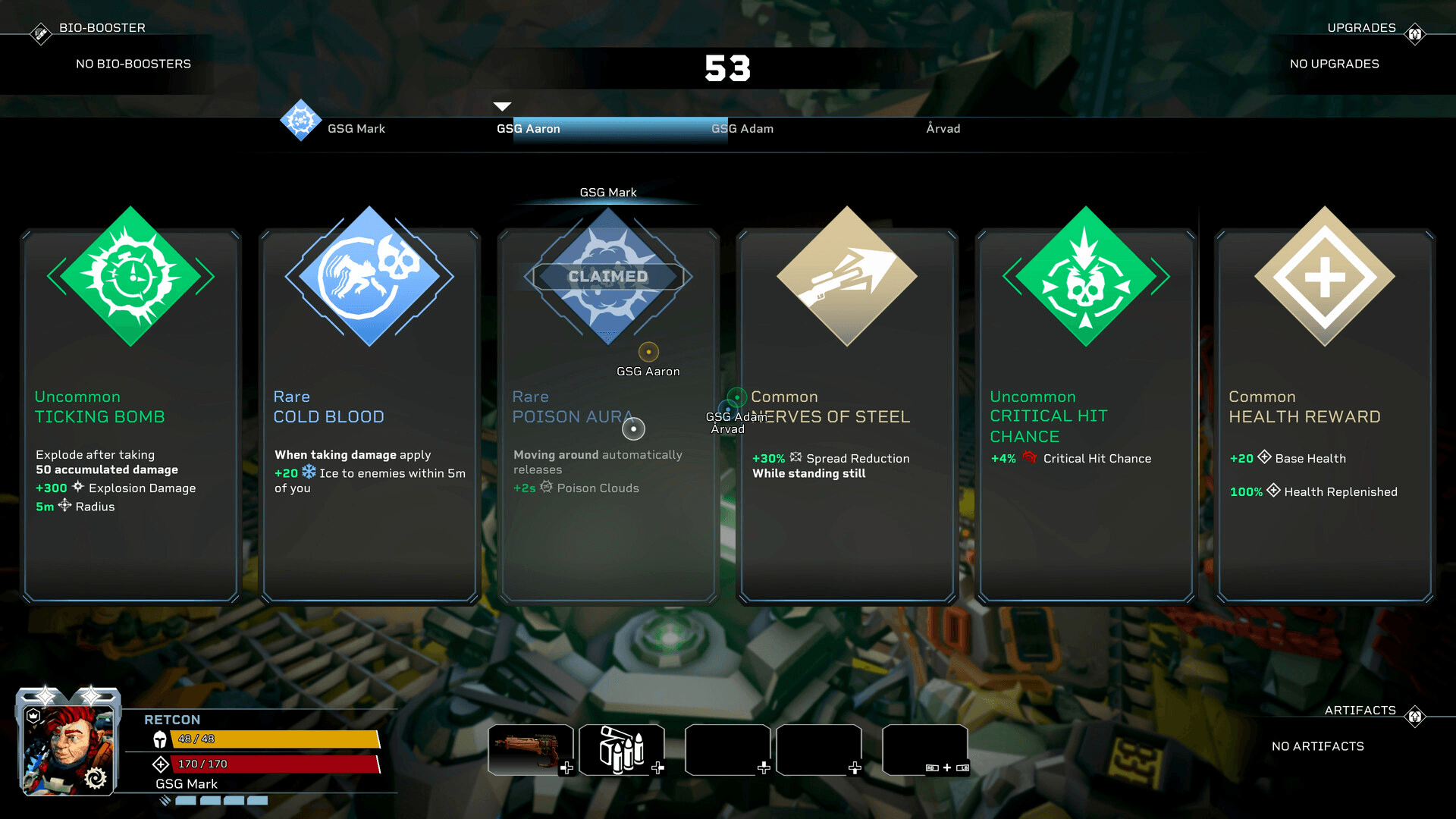
Beyond choosing a Reclaimer, each class has two class decks that shape how your character develops during a run. For Falconer, one deck focuses on ability damage and drone cooldown, while the other centers on electricity damage combos. These decks determine which upgrades appear when you use a Bio Booster, so the deck you pick should match the weapon and playstyle you are building toward.
Enhancements are the persistent upgrades you attach to your class, with a limit of 8 slots currently available. These bonuses include things like extra max ammo, crit damage boosts, and increased Expenite carry capacity. You unlock more Enhancement options by earning Scrips, which come from completing objectives at the Operations Terminal between runs.
For Falconer specifically, prioritizing Enhancements on the right side of the tree, focusing on crit damage and reduced weapon spread, produces strong results. The key principle applies to every class: choose Enhancements that reinforce the deck and weapon direction you have already committed to.
Deep Rock Galactic: Rogue Core Ultimate Beginner's Guide
For a deeper look at one specific unlock tied to class progression, the guide on how to unlock Security Override Alpha walks through the Intel task requirements and Clearance Level 2 unlock.
What happens during a run?
Before the drill drops, every player picks a main weapon, a grenade, and a utility item in turns. At lower difficulties, rifles are often available and are generally reliable. At harder difficulty settings, the pool shrinks to pistols and shotguns.
Always include at least one weapon that can target enemy weak spots. Without it, elite enemies and bosses become significantly harder to kill. Scatter grenades work well against large swarms of corespawn. For utility, the platform gun offers solid mobility support, while the flare gun provides light but limits your movement options.
Deep Rock Galactic: Rogue Core Ultimate Beginner's Guide
Mining Expenite and completing tasks
Expenite is the primary resource that fuels your in-run upgrades. Mine it throughout each level, then call your Drone with C to deposit what you have collected. Each deposit contributes toward your next upgrade, similar to gaining a level. The cost increases each time, but you can realistically earn 6 to 7 upgrades per run by staying active.
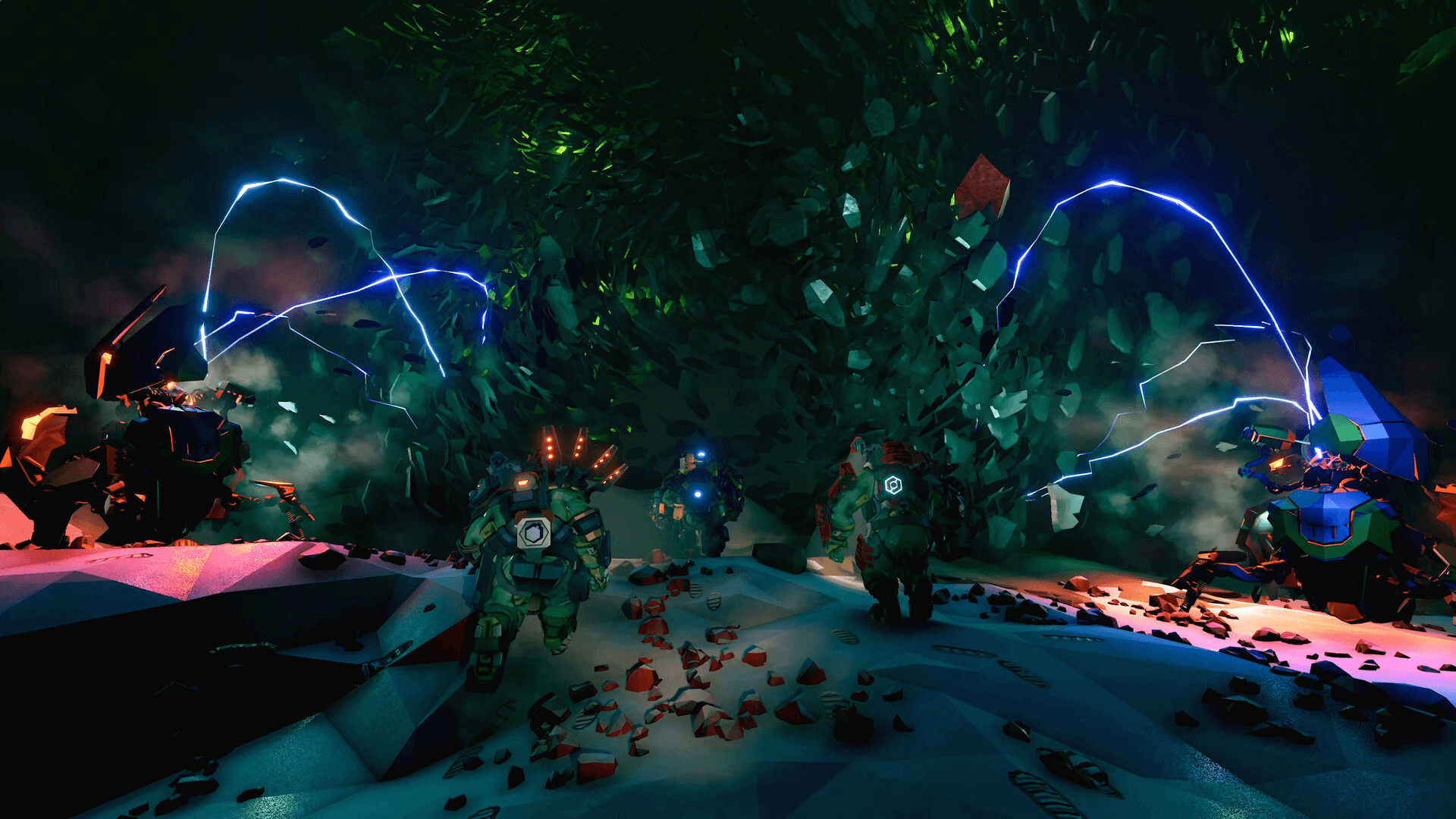
Beyond standard mining, Expenite also drops from kicking over buckets, killing Test Subject enemies during their event, and completing the Giant Drill event where you wind up a drill to smash into a large Expenite crystal.
Deep Rock Galactic: Rogue Core Ultimate Beginner's Guide
Each level also contains tasks worth completing before you descend:
- Workbench: Activating it spawns a toolbox somewhere on the map. Carry the box back and hold left-click to throw it into place. Completing the Workbench upgrades your weapon or adds a new one, with bonuses ranging from extra damage to additional ammo and new damage types.
- Bio Booster: Interacting with this gives you an early build upgrade tied to your class deck. Understanding how to get the most out of this mechanic is covered in detail in the guide on how to hack a Bio-Booster.
- Additional tasks: The Geode Miner and Expenite Transmutator offer extra rewards and are worth completing when time allows.
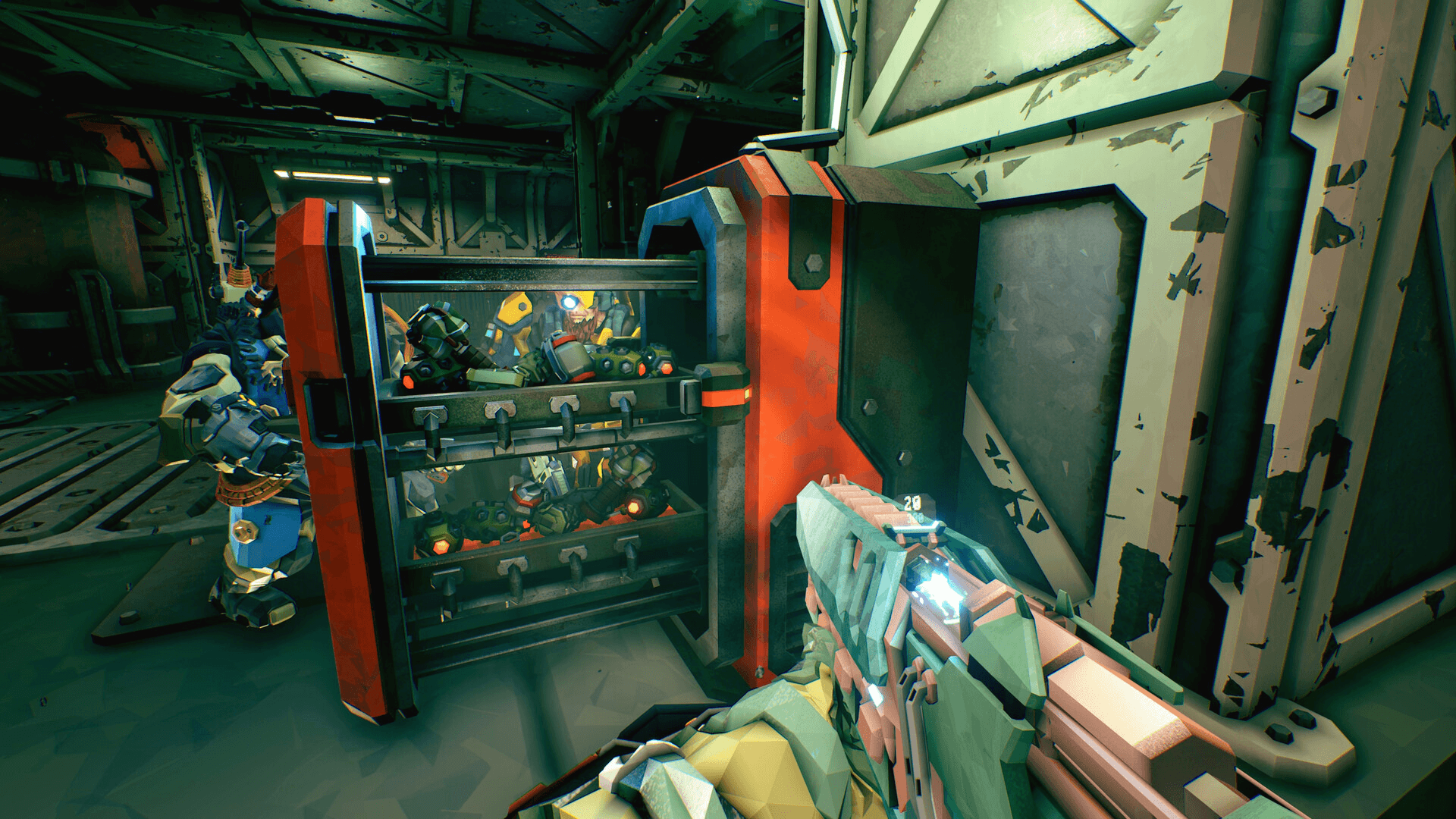
Armor crates refill armor indefinitely. Ammo crates restore 50 percent of both armor and ammo. Red sugar heals your character. Keep track of where these are on your map because you will need them later.
The timer and knowing when to move on
A timer runs in the top left of the screen throughout each level. When it expires, the game sends infinitely respawning waves of corespawn at you. The goal is to reach the elevator and descend before that happens.
Sometimes that means skipping content. If a large swarm pins your team down and the timer is running low, it is better to push toward the elevator than to finish every side task. The timer exists to keep the pace moving, and at higher difficulties, it creates genuinely tense moments.
How do you defend the elevator?
Once you reach the elevator, activate it and then defend the drive shaft until you can descend. If the drive shaft takes damage, repair it immediately.
The most effective setup is having at least one player on the drive shaft itself while the rest of the team intercepts the swarm before it reaches the objective. Guardian's repulsion abilities are particularly strong here, pushing enemies away from the shaft during the defense phase.
Picking modifiers between depths
Between each level, you choose one hazard modifier and one upside. Some upsides are genuinely strong enough to justify taking a difficult downside. One example is a modifier that increases your luck when rolling upgrades for the remainder of the run. The percentage boost sounds small, but the effect is noticeable across a full run. The downsides are generally manageable compared to what the best upsides provide.
Difficulty ramps up noticeably around depth three, where swarms grow larger and enemies hit harder. Modifiers that add enemy density or damage can become brutal at this stage, so consider Enhancements that counter specific modifier types.
How do you beat the Gootoorak Gatekeeper?
The first boss you face is the Gootoorak Gatekeeper. Before activating the fight, clear the surrounding enemies from the arena. Then activate each of the red orbs to begin the encounter.
Deep Rock Galactic: Rogue Core Ultimate Beginner's Guide
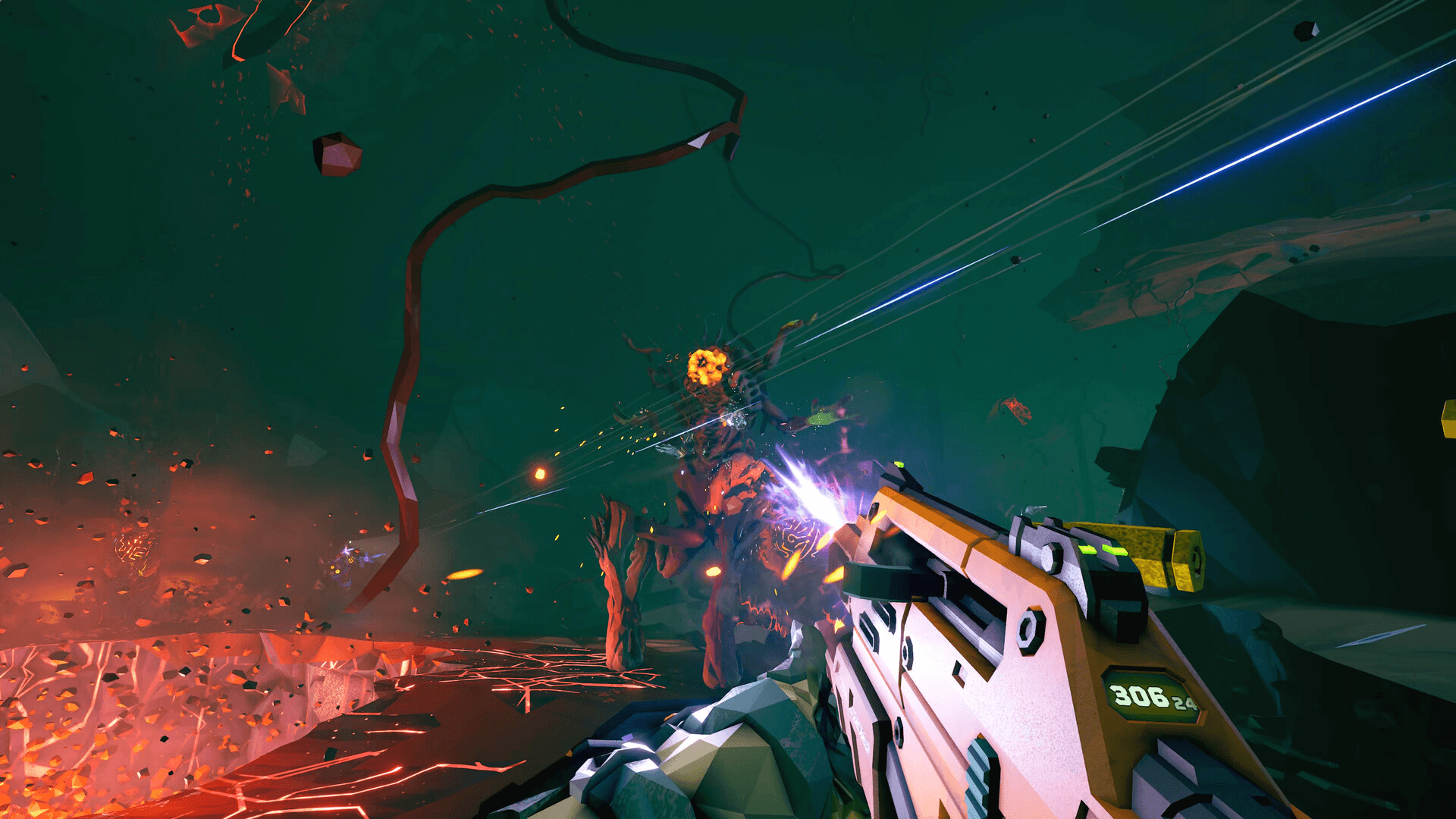
Gootoorak fights in three stages. Each stage ends when you throw one of the destroyed orbs into the central pit. The boss uses three main attacks:
- AOE green sludge: Area denial that forces repositioning
- Spiral attack: Requires you to track the pattern and dodge
- Charged laser: Telegraphed buildup before a focused beam
The boss is manageable if you save the ammo crates positioned around the edge of the arena rather than using them during earlier waves. Those crates provide both ammunition and shields during the fight itself, which makes each stage significantly easier to push through.
What do you unlock after your first run?
Completing your first run opens up the longer-term progression system. To access deeper levels, you need to raise your security clearance by completing objectives across runs. These include collecting cameras found on the ceilings of chambers, activating scanner terminals, and completing points of interest.
Each completed objective earns points that raise your clearance level, which in turn unlocks access to new biomes, deeper stages, and additional side events. You do not need to complete every objective in a single run, but keeping them in mind as you play means steady progress toward unlocking more of the game.
The Operations Terminal on your ship is where you spend tokens earned from missions on your persistent skill tree. These Enhancements stack, and even a few of them make a noticeable difference in survivability and damage output.
For players planning to tackle runs with friends, the guide on how to play Rogue Core in co-op covers inviting friends and joining public lobbies. For everything else, the full Rogue Core strategy guide collection has you covered as you go deeper.