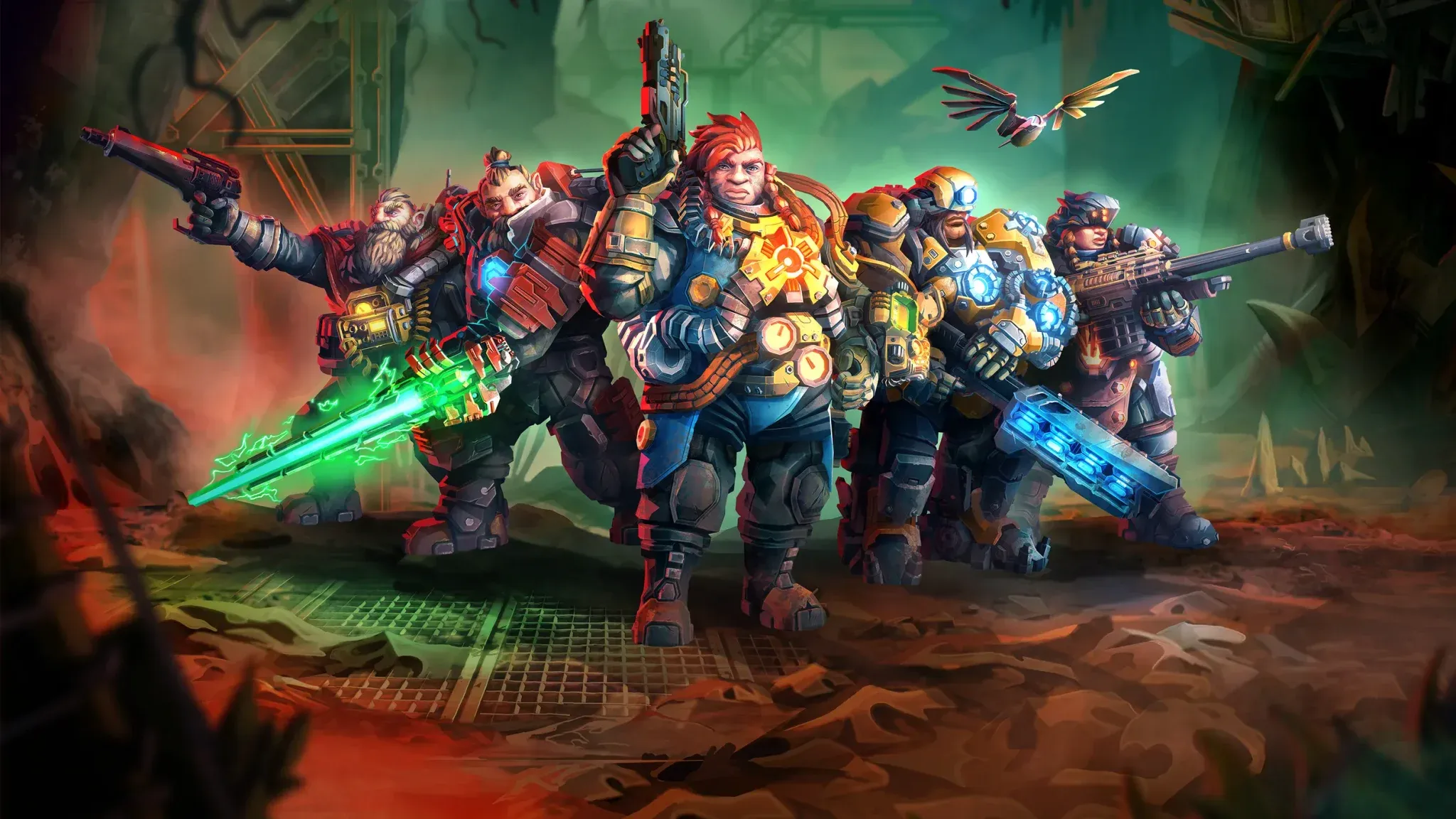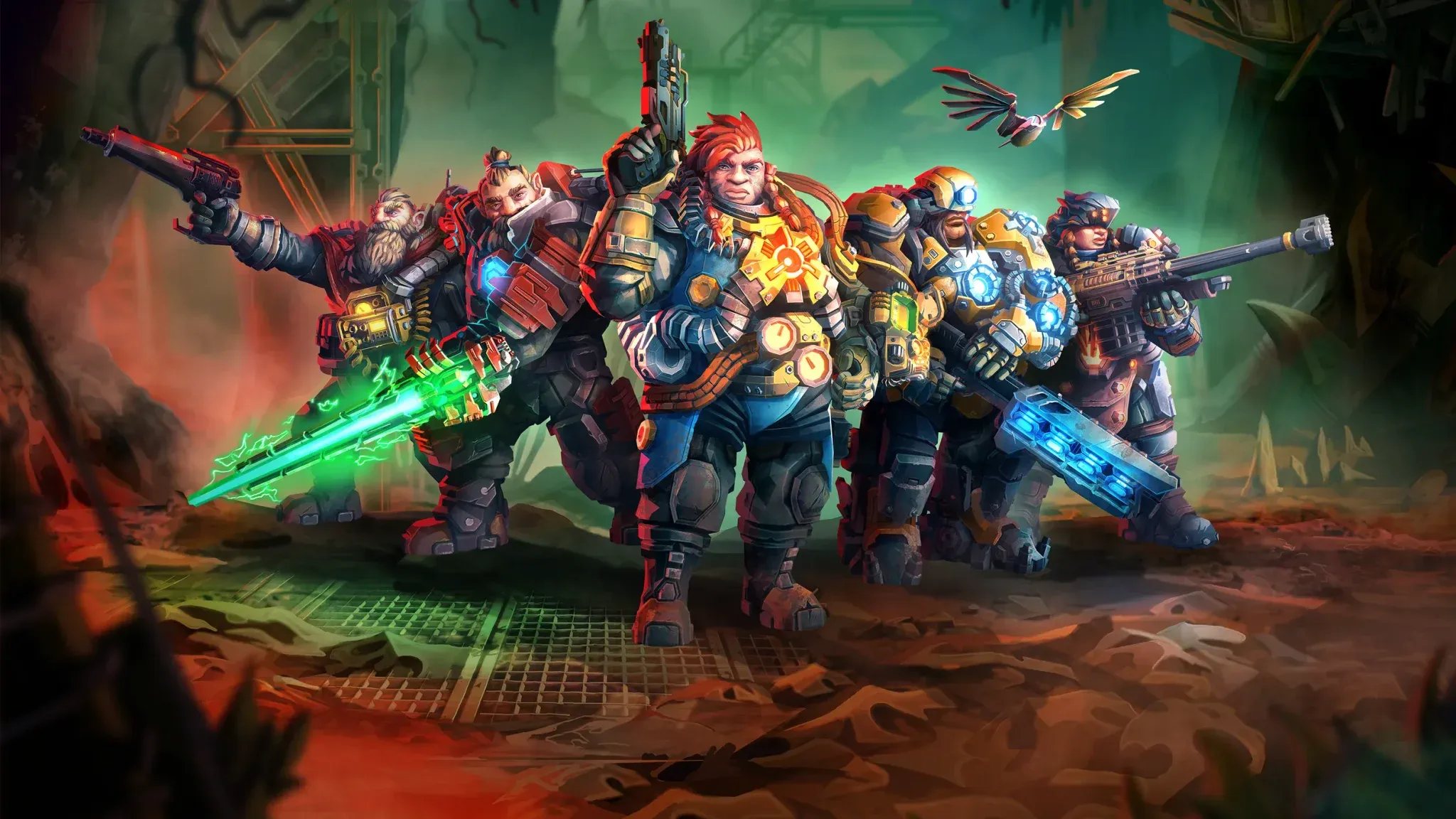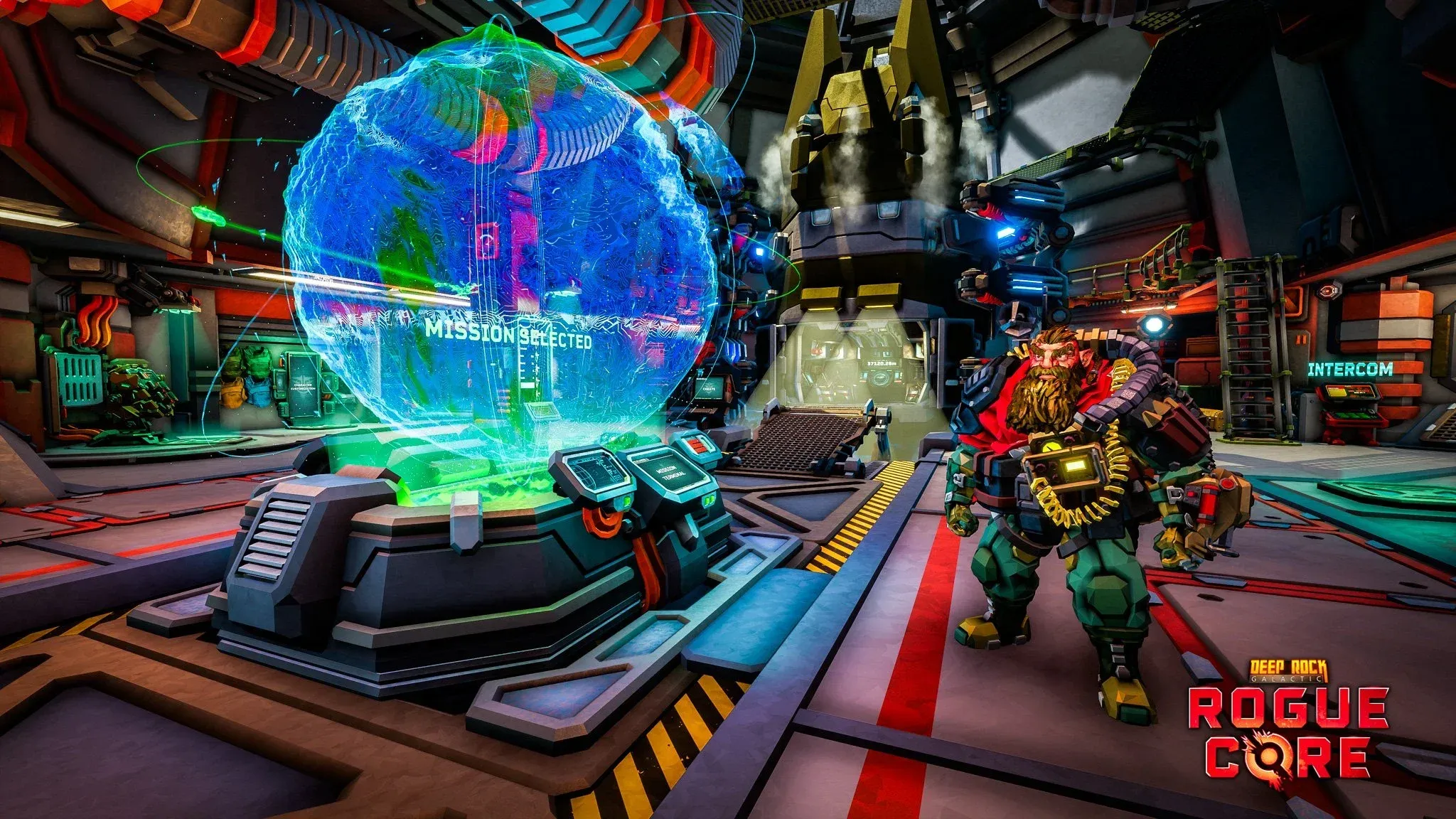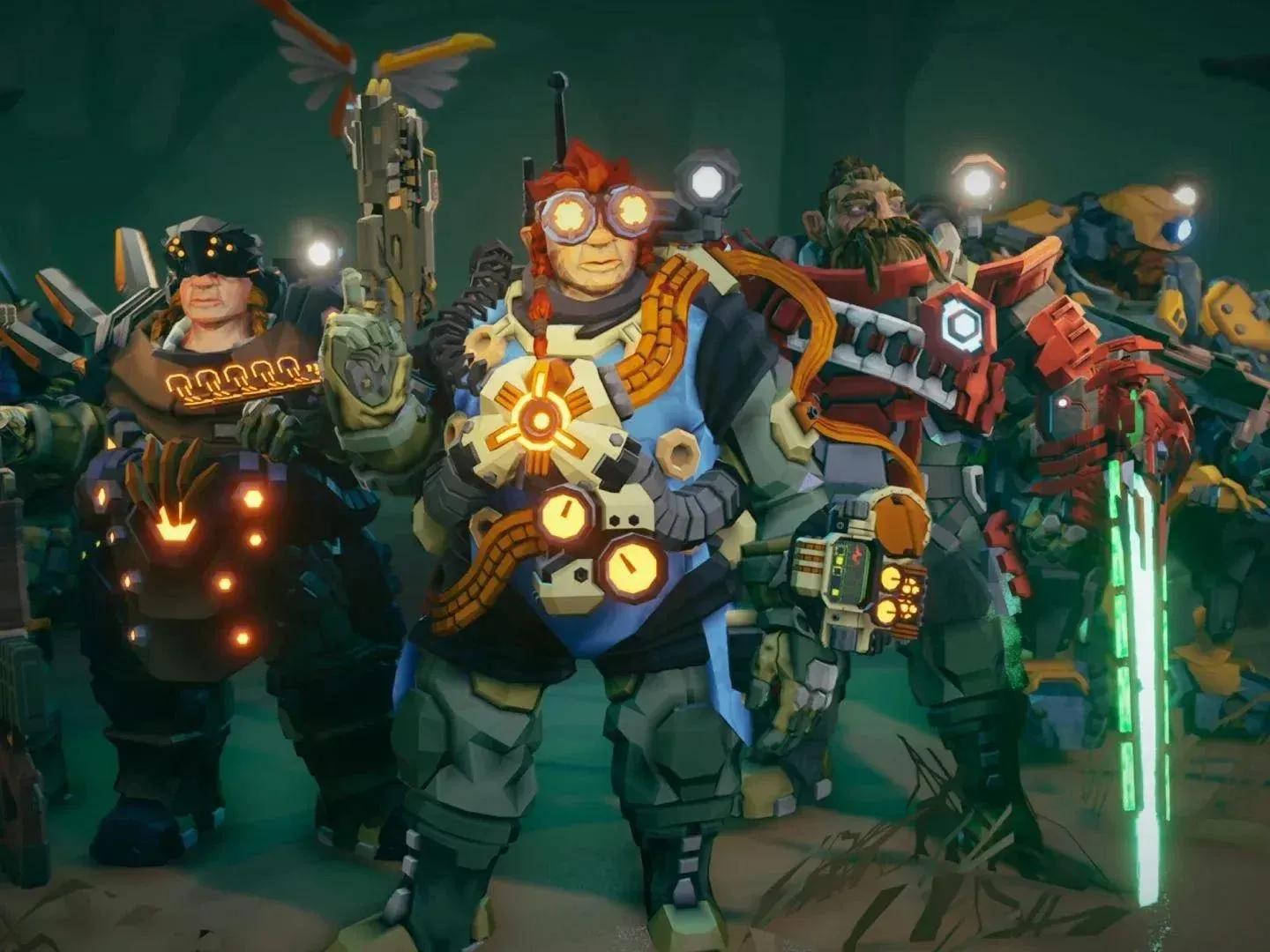

Deep Rock Galactic: Rogue Core drops you into the caves of Hoxxes IV with minimal gear and a ticking clock. Developed by Ghost Ship Games and published by Coffee Stain Publishing, this standalone roguelite spin-off entered Steam Early Access on May 20, 2026, and it plays faster and more aggressively than the original. Every run starts from scratch, you build power through scavenging and upgrades, and the threat level climbs the longer you stay underground. If you've never touched a roguelite before, the loop can feel punishing at first. This guide breaks down every class, every key upgrade decision, and the survival habits that separate early deaths from successful extractions.
Which class should you pick first?
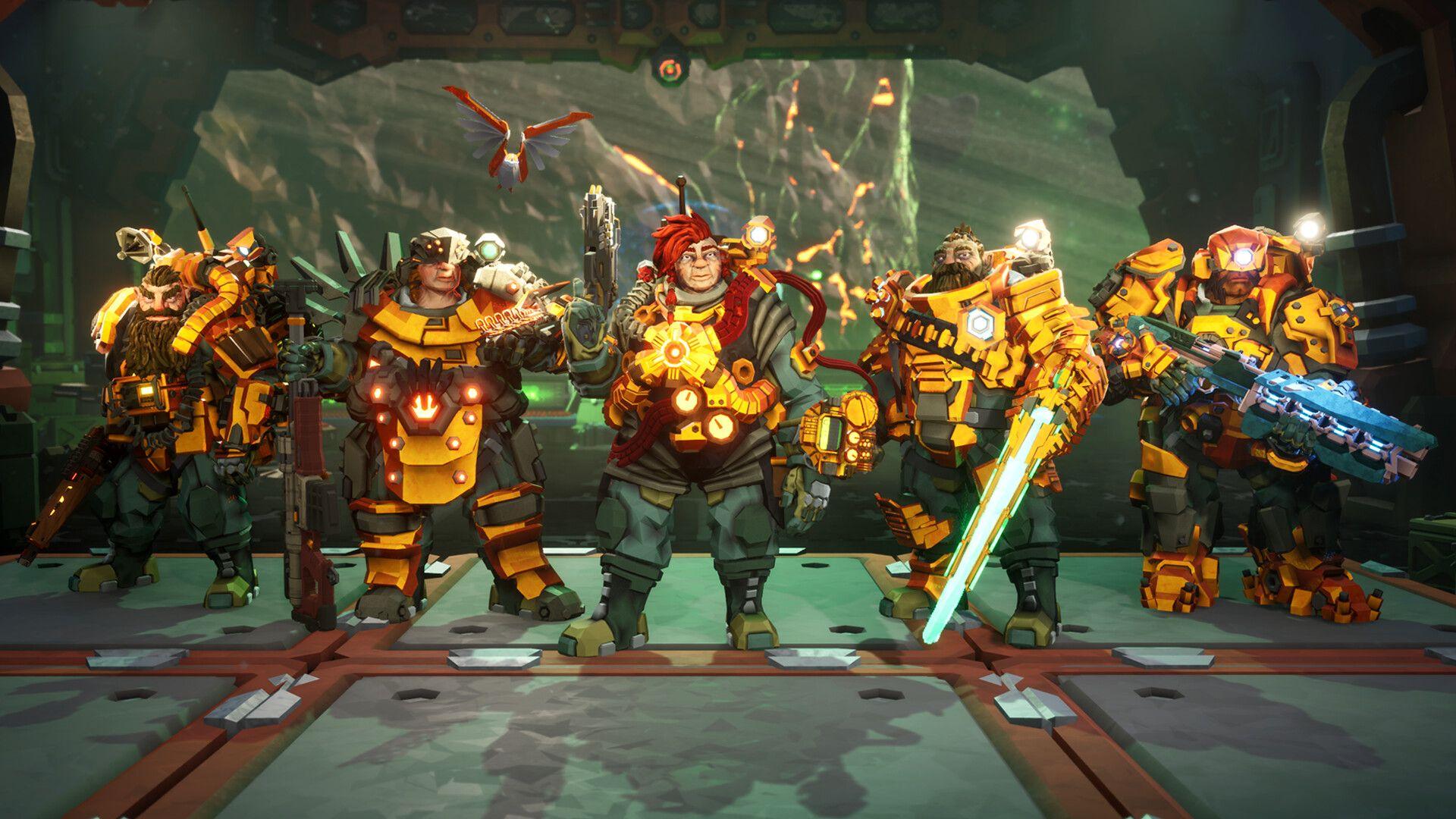
Rogue Core launches with five playable Reclaimer classes, each filling a distinct battlefield role. Here's a breakdown of all five based on the available sources:
| Class | Role | Difficulty | Key Strength |
|---|---|---|---|
| Guardian | Tank / Crowd Control | Beginner | Repulsion zones, armor support |
| Spotter | Support / Debuff | Intermediate | Crit marking, radar scans |
| Falconer | Utility / Drone | Intermediate | Area damage, remote revive |
| Slicer | Melee / Mobility | Intermediate | High burst melee, aggressive play |
| Retcon | Time Manipulation | Advanced | Health/ammo rewind, clutch recovery |


Guardian: the best starting class
Both sources agree: Guardian is the recommended starting class for new players. The toolkit is built around keeping your team alive rather than demanding mechanical precision. The Repulsion Field pushes enemies back to create breathing room, the Concussive Barrage stuns groups before they overwhelm you, and the Armor Beacon heals teammates in a radius. Upgrade paths focus on either survivability or area control, giving you flexibility without punishing early mistakes.
The defensive tools make early waves manageable while you're still learning enemy behavior, which is exactly what you need when the threat level starts climbing mid-run.
Falconer: utility that scales with team coordination
The Falconer deploys an assault drone that deals area damage and can revive teammates from rang. That remote revive alone makes Falconer one of the most valuable classes in co-op, since downed players in a bad position can get back up without someone risking their own life to reach them. The class also has electrification tools for crowd control. It's not the easiest class to pilot, but a good Falconer can save runs that would otherwise end.
Retcon: for experienced players only
The Retcon class can warp back to a previous point in time, restoring health and ammo in the process. On paper that sounds overpowered. In practice, it requires you to recognize danger early enough to position for the rewind, which is a skill that takes several runs to develop. Save this one until you understand enemy attack patterns and threat escalation timing.
How should you prioritize weapon upgrades?
Weapon progression in Rogue Core doesn't work like a traditional loadout system. You build around what you find during the run, not what you planned before dropping in. The upgrade priority for most situations looks like this:
- Damage Increase first, always. Raw damage output shortens fights and reduces ammo spent.
- Ammo Efficiency second. Running dry in a deep cave is a fast way to lose a run.
- Overheat and Reload Improvements third. Reducing downtime keeps you in the fight longer.
- Elemental and Synergy Upgrades last. These unlock advanced build combinations but require a foundation to work.
The Deepcore GK2 is highlighted in the z2u guide as a reliable starting weapon due to manageable recoil and consistent performance while you're learning enemy patterns.
For a deeper look at how Expenite fuels these upgrade decisions, check out the complete Expenite upgrades guide covering every upgrade rarity and which ones to target for your build.
Survival tactics that actually matter
Stay with your team
Rogue Core punishes players who wander. Enemy waves scale quickly, and an isolated Reclaimer without support is a dead one. The z2u guide is direct on this: share resources, cover flanks, and synchronize upgrade choices at Workbenches so your builds complement each other rather than overlap. A team where everyone took the same damage upgrade and nobody took crowd control is going to struggle on harder waves.
Manage ammo like it's your last magazine
Ammo is finite and resupply isn't guaranteed. Use melee attacks when it's safe to do so, focus fire on priority targets rather than spraying at everything, and retreat when overwhelmed instead of burning your last rounds on a losing fight. The z2u guide specifically calls out melee as a resource-conservation tool, not just a panic button.
Use the terrain
Procedural caves can disorient you fast. Mark waypoints frequently, identify choke points you can use to funnel enemies into kill zones, and scout escape routes before committing to a fight. The more linear cave structure in Rogue Core compared to the original game actually helps here since there are fewer directions enemies can approach from, but that also means fewer ways out if you're cornered.
Adapt your build mid-run
Rogue Core is not a game where you pick a build before dropping and execute it perfectly. Flexibility wins. If you find an unexpected upgrade that doesn't fit your original plan, adjust the strategy rather than ignoring it. The z2u guide highlights three build directions that work well together:
- Freeze + Burst Damage: Lock enemies in place, then hit hard.
- Mobility + Shotgun Spread: Stay moving, hit close, never stay in one spot.
- Shield Regen + Tanking: Absorb hits while teammates deal damage.
What's the best team composition for beginners?
For co-op squads learning the game, the z2u guide recommends a balanced four-player setup:
- 1 Guardian: Frontline control and protection, keeps the team from getting overwhelmed.
- 1 Spotter: Crit marking and radar awareness, helps the team identify and prioritize targets.
- 1 Falconer: Area damage and remote revive utility, the safety net for the whole squad.
- 1 Slicer or second damage role: Wave clearing speed so fights don't drag out.
This composition covers crowd control, target debuffing, revival capability, and raw damage output without requiring anyone to play at an advanced level. If you're running with fewer than four players, Guardian and Falconer are the two roles hardest to replace.
For the full breakdown on setting up co-op sessions and inviting friends into your squad, the Rogue Core co-op guide covers lobbies, public matchmaking, and how to organize missions with up to four players.
Permanent progression: what carries over between runs?
The roguelite structure means individual runs reset your temporary loadout, but permanent progress through the RV-09 Ramrod hub continues building between sessions. , the long-term progression systems include Intel tasks, Clearance Levels, enhancements, pickaxe upgrades, and loadout unlocks. These aren't cosmetic rewards; they directly expand the options available to you at the start of future runs.
Early deaths are expected and built into the design. The z2u guide is explicit that learning is part of the progression loop. Each failed run teaches you something about enemy behavior, upgrade timing, or threat escalation that makes the next attempt more informed. Don't treat early losses as setbacks; treat them as the game's tutorial.
For a full walkthrough of everything the game has to offer from the ground up, the Deep Rock Galactic: Rogue Core ultimate beginner's guide covers classes, Expenite, elevator defense, and the Gootoorak boss in detail.