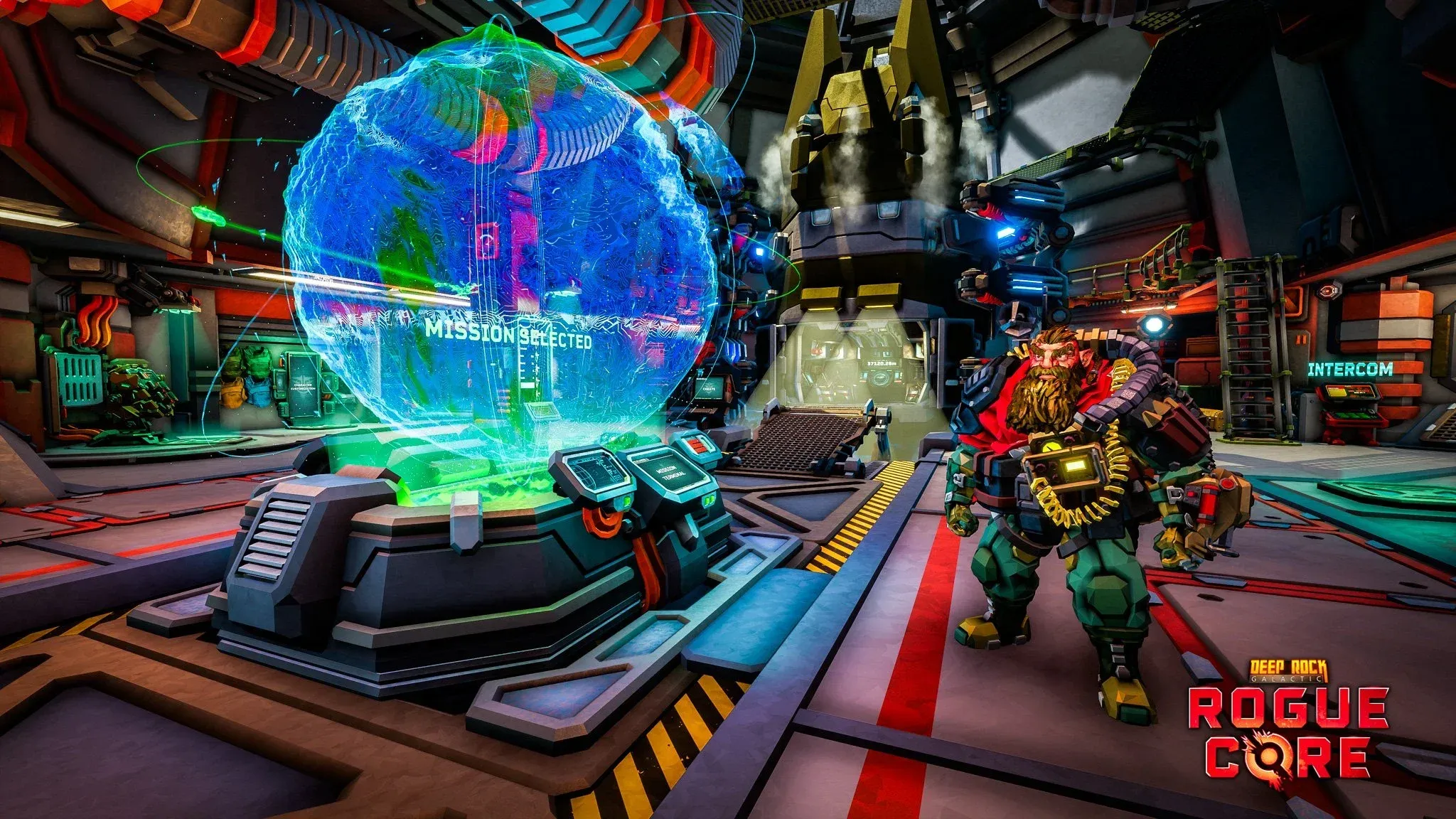

Deep Rock Galactic: Rogue Core is a standalone 1-4 player co-op FPS roguelite, and it plays nothing like a standard DRG mission. You pick a Reclaimer, drop into a facility with basic gear, and spend the entire run building power through Expenite, R.E.P.D. upgrades, Workbenches, Bio Boosters, and class upgrades. The run is the game. This hub points you to the right guide based on exactly where your runs are falling apart, so you stop reading what you already know and start fixing what's actually wrong.
What kind of game is Rogue Core?
Rogue Core is a run-based roguelite, not a classic mission-packing FPS. The original Deep Rock Galactic hands you a finished loadout and sends you on a mission. Rogue Core hands you a Reclaimer and a starting kit, then asks you to build something worth finishing with before the run ends.
Every run, you mine Expenite, deposit it into the R.E.P.D., fill the upgrade bar, and make build decisions that compound across floors. Weapons, class upgrades, Bio Boosters, and Workbench choices all stack on top of each other. A run that starts weak can snowball into something powerful, or collapse entirely if your upgrade choices don't connect.
The five playable Reclaimers are Guardian, Falconer, Spotter, Slicer, and Retcon. Each one has a distinct upgrade path and a different role in co-op. The game supports 1-4 players, and solo play is fully supported with a helper bot called Cooper.
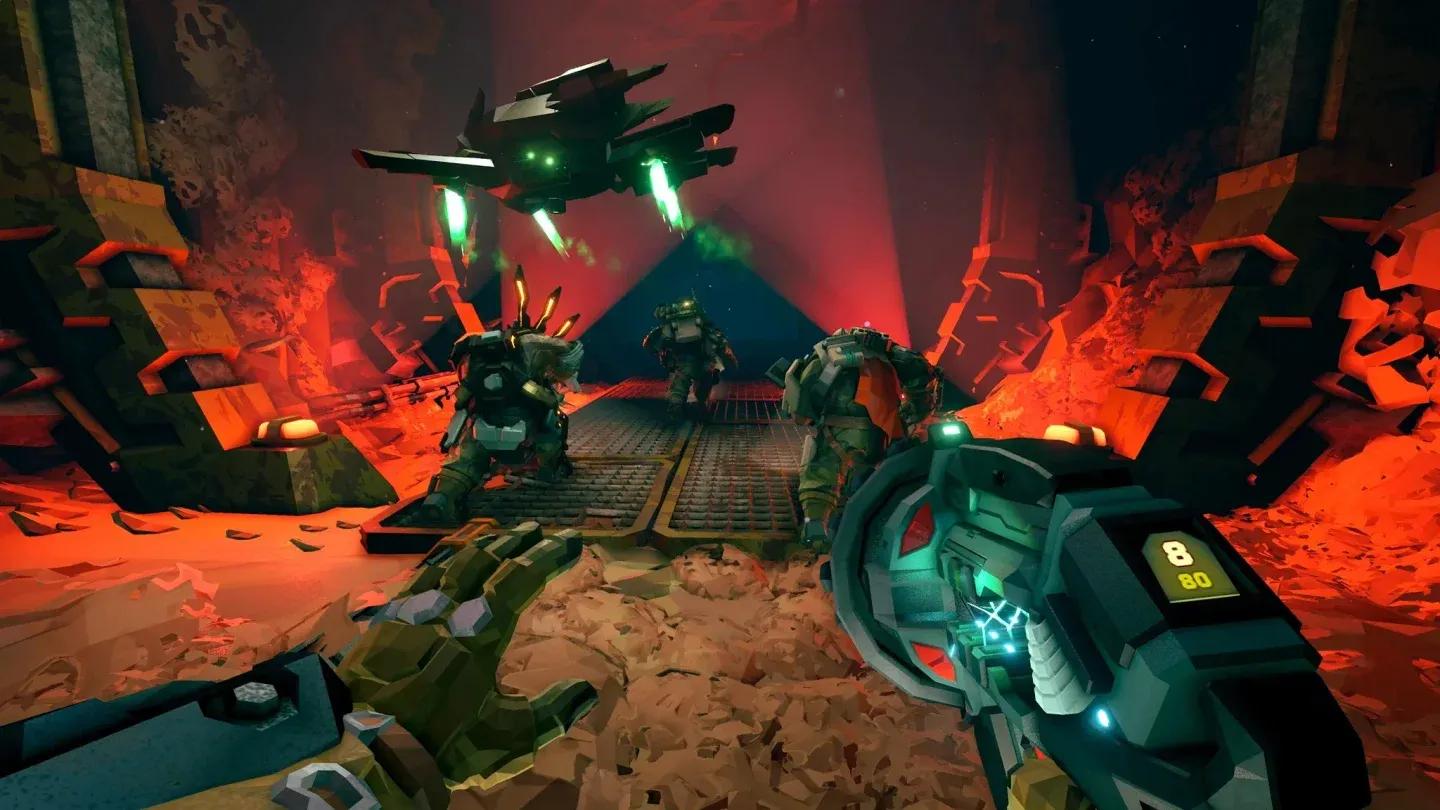
Mission terminal selection screen


How do upgrades and Expenite work?
Expenite is the run's primary currency. You mine it from deposits on each floor, deposit it into the R.E.P.D., and when the upgrade bar fills you pick from a set of available upgrades. Those upgrades shape everything: your weapon behavior, your class abilities, your Bio Booster bonuses, and how well you hold the elevator at the end of a floor.
The pool contains over 100 upgrades across the current Early Access build. Not all of them will appear in any single run, which means two runs with the same Reclaimer can feel completely different depending on what the game offers and what you choose.
Workbenches appear during runs and let you make additional build decisions outside the standard R.E.P.D. upgrade flow. Bio Boosters are another layer on top of that. If you want to understand how to hack Bio-Boosters for class modifiers, that process has its own dedicated guide.
For the full breakdown of every Expenite upgrade by rarity and priority, the Expenite upgrades guide lists them all with tips on which ones to take first depending on your Reclaimer.
What's the best class for beginners?
Guardian is the safest starting Reclaimer. The class handles incoming pressure better than the others, which gives new players room to learn the upgrade loop without dying to mistakes that a more experienced player would avoid.
Falconer is the most flexible pick in co-op and adapts well to different team compositions. Spotter is pure support utility. Slicer rewards aggressive play and works well in solo runs where you need to generate pressure fast. Retcon has the highest skill ceiling of the five and is best saved until you understand how the run loop works at a deeper level.
There is no single best Reclaimer for every situation. The right pick depends on whether you're playing solo or co-op, how comfortable you are with the upgrade system, and what role you want to fill on a team.
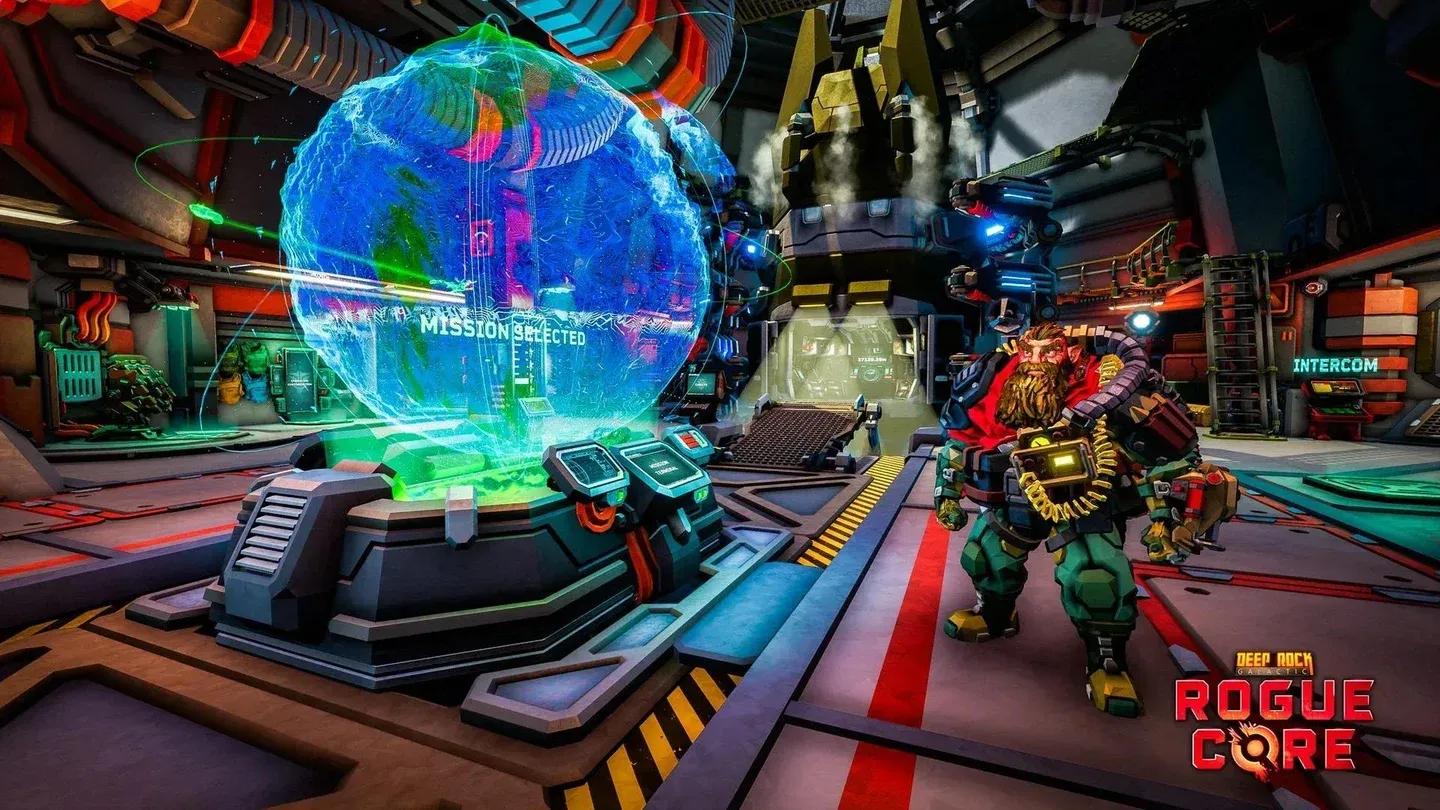
R.E.P.D. upgrade selection
Is Rogue Core good for solo play?
Yes, but solo is not just co-op with fewer players. Every interaction falls on you alone: mining Expenite, activating crates, defending the elevator, and managing enemies simultaneously. That interaction time is the real bottleneck in solo runs, not raw damage output.
Cooper is the solo helper bot. Cooper can mine, provide fire support, and execute commands via laser pointer. Cooper upgrades scale through Expenite Gems, which are a separate resource from standard Expenite. Cooper is not a replacement for a full team, but a well-commanded Cooper changes how much pressure you can handle on a floor.
Rogue Core is also a standalone game. You do not need to own the original Deep Rock Galactic to play it.
Where to go from here
Rogue Core rewards players who understand its systems early. The run loop is short enough that a single bad upgrade decision can cost you a floor, but forgiving enough that a strong second half can recover a weak start. Getting the fundamentals right before you start optimizing is what separates runs that reach the end from runs that fall apart at the elevator.
For everything else, including graphics settings to keep your FPS stable during heavier floors, check the Rogue Core best graphics settings guide for tested configurations across different PC builds. The full collection of Rogue Core guides is available at the Rogue Core strategy guides hub whenever you need to go deeper on a specific system.