
Advertisement

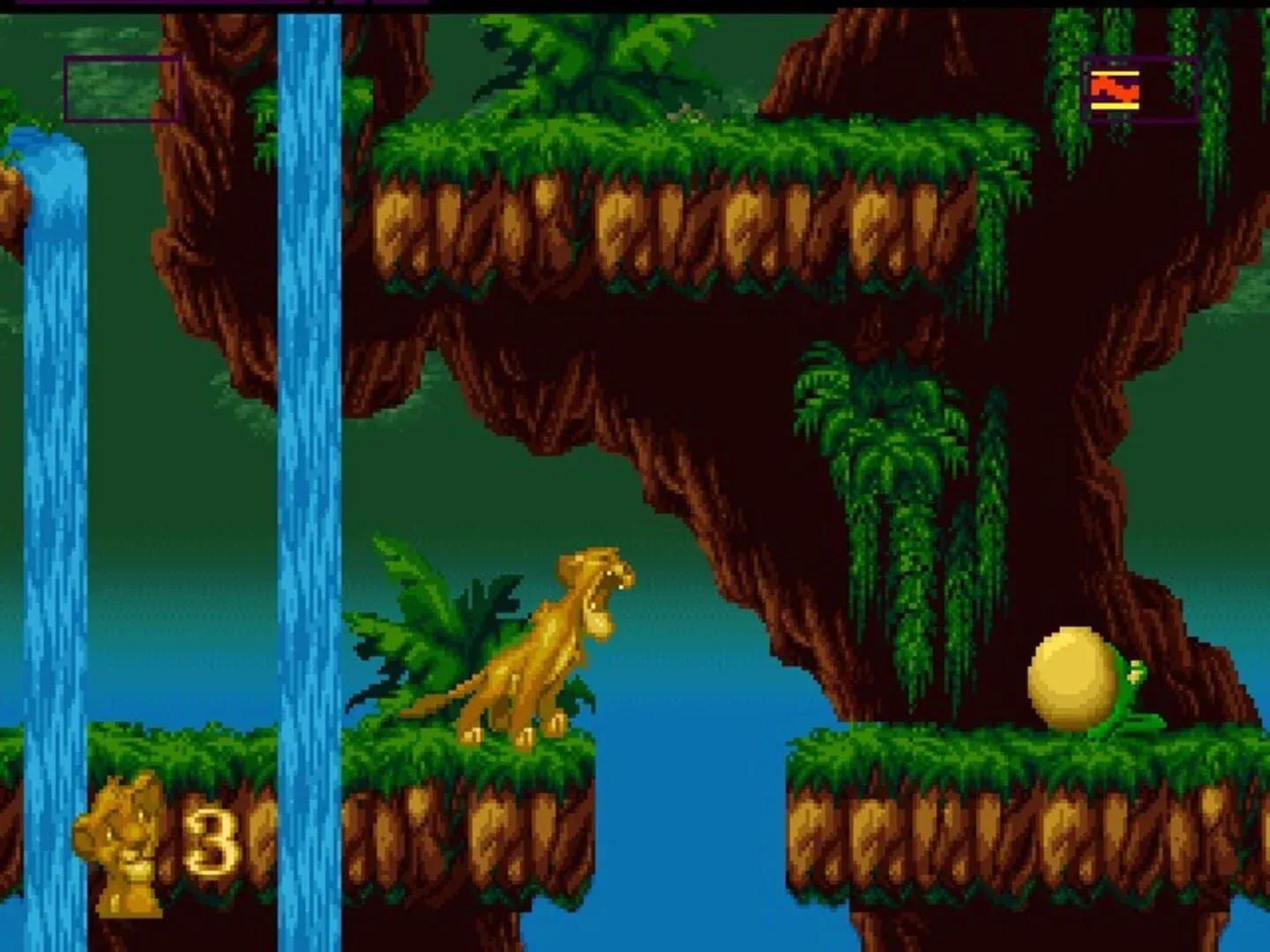
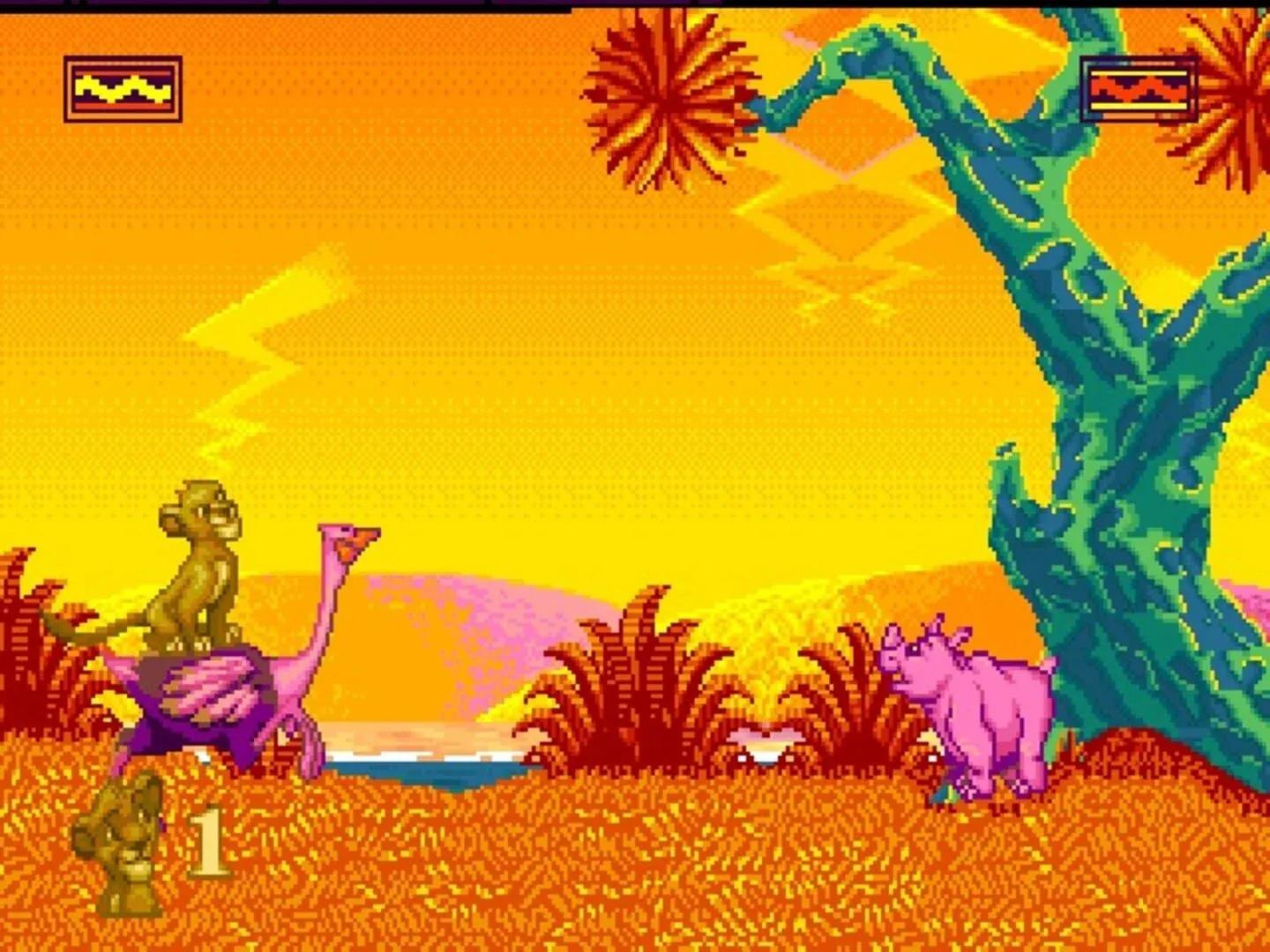
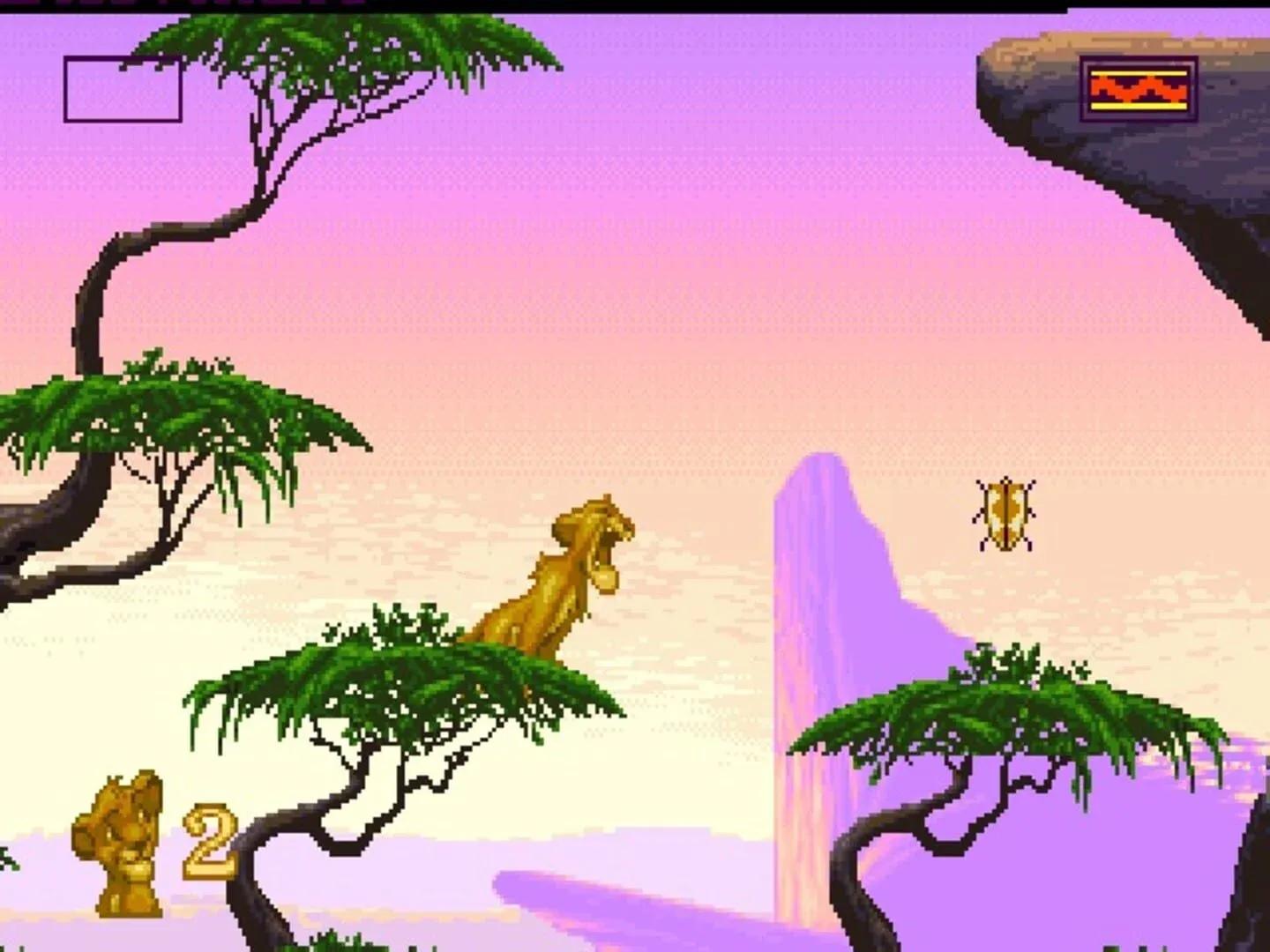
Overview
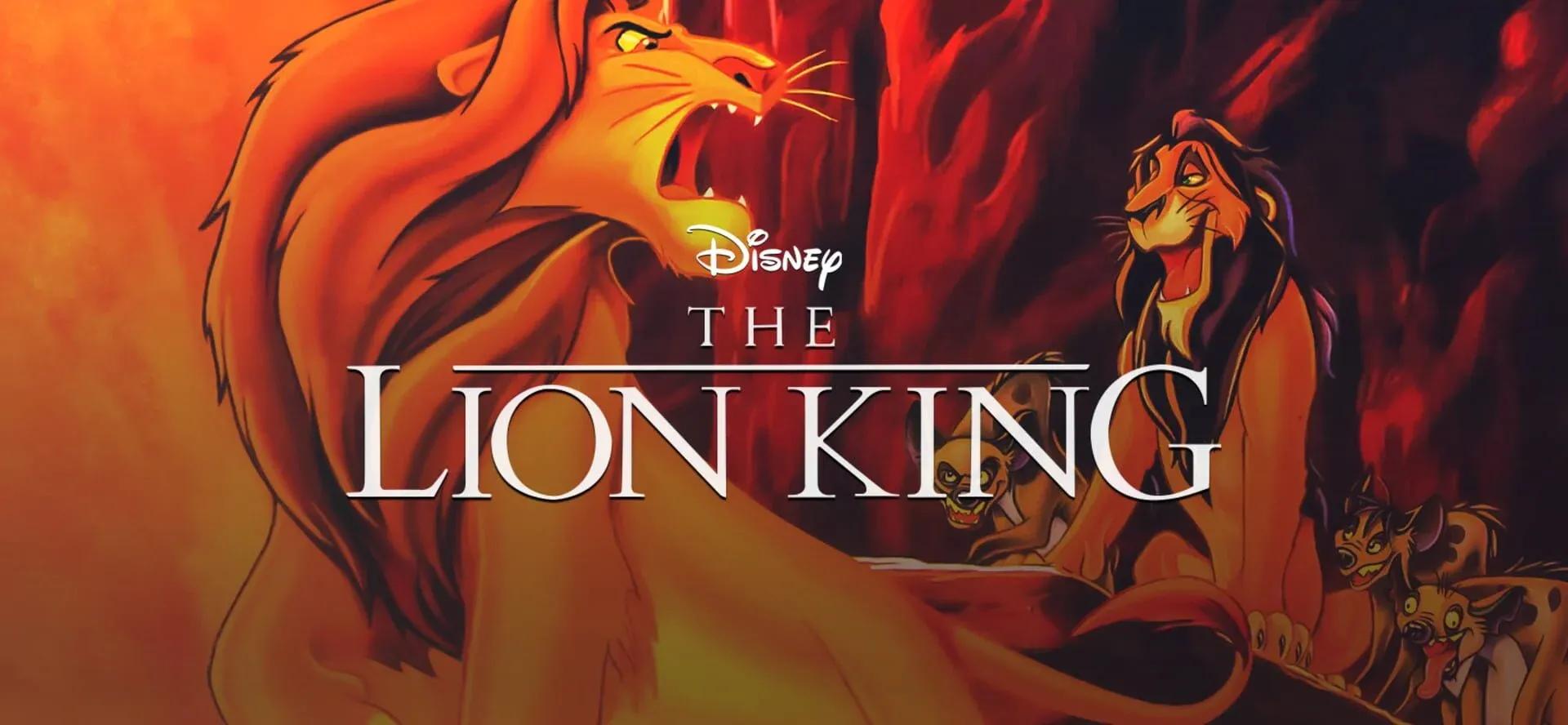
Disney's The Lion King is a side-scrolling action platformer developed by Westwood Studios and published by Disney, following Simba's journey from a playful cub in the Pride Lands to a full-grown lion reclaiming his throne from Scar. The game tracks closely with the 1994 animated film, hitting every major story beat across multiple stages that range from the elephant graveyard to the stampede canyon. Each level brings a distinct visual identity pulled straight from the movie's most iconic scenes.
The game earned a reputation for being genuinely difficult, particularly for younger players, which is part of what gave it staying power in gaming conversations. The notorious wildebeest stampede level alone has frustrated countless players over the decades. That challenge is baked into the design intentionally, pushing players to learn enemy patterns and level layouts through repetition.
Disney's The Lion King content image
Gameplay and mechanics
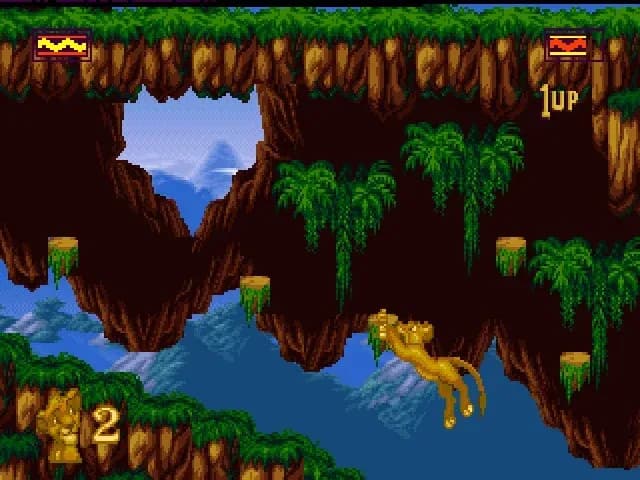
The core gameplay loop centers on controlling Simba through a series of platform stages, with different mechanics depending on whether Simba is in cub or adult form. Key features include:
Disney's The Lion King content image
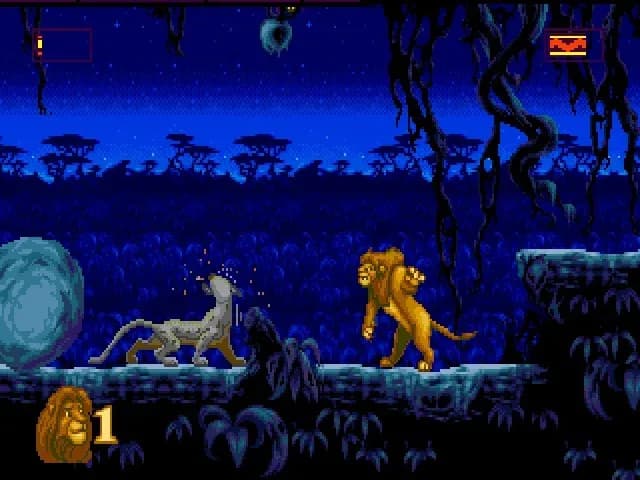
- Cub Simba rolls, bounces on enemies, and roars to stun
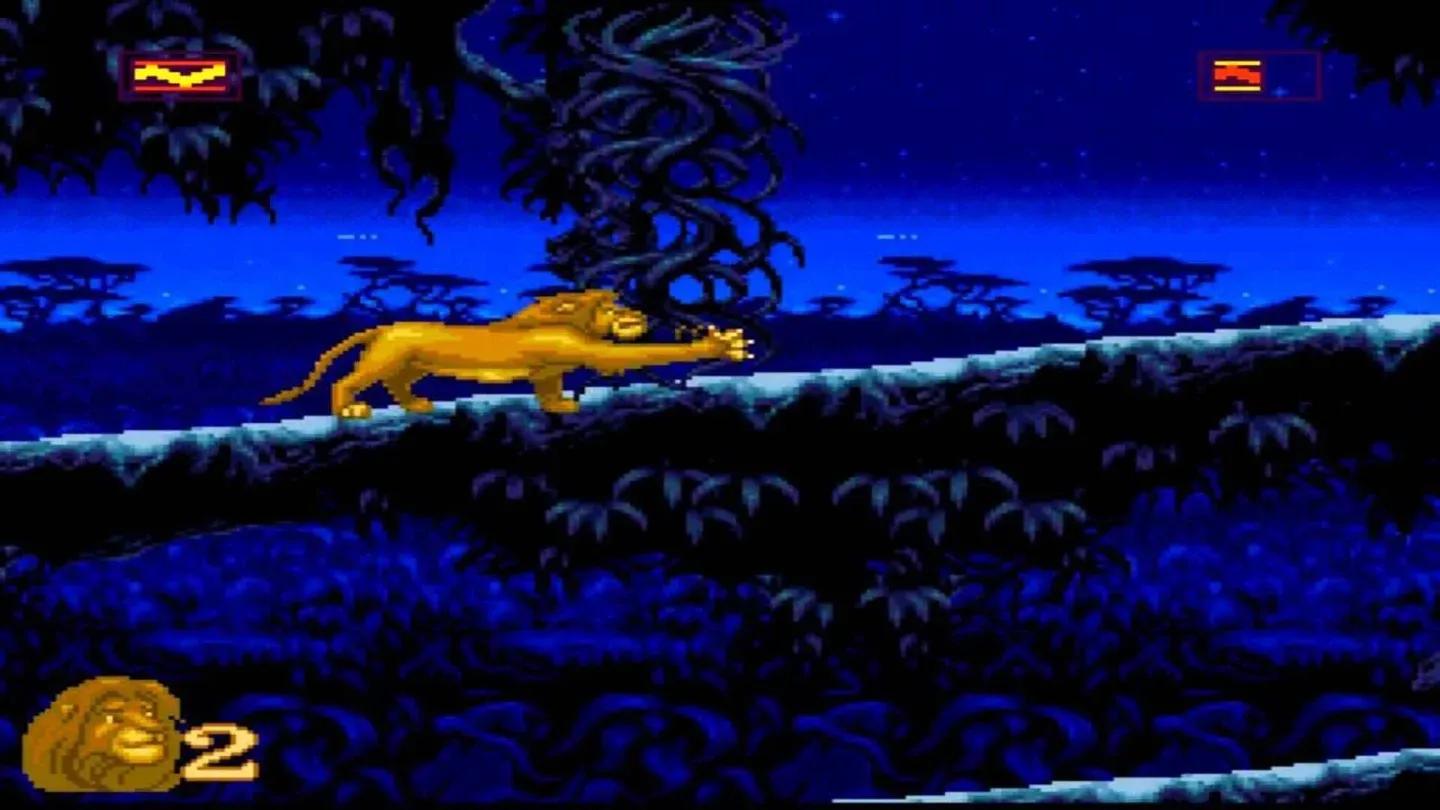
- Adult Simba claws, throws enemies, and roars to scare
- Environmental puzzle elements tied to specific stages
- Hidden collectibles scattered across levels
- Boss encounters at major story moments
The shift between young and adult Simba mid-game changes how you approach encounters entirely. As a cub, Simba relies on agility and bouncing off enemies. As an adult, the game leans more into direct combat. That transition mirrors the film's own tonal shift and gives the game a natural sense of progression.
World and setting
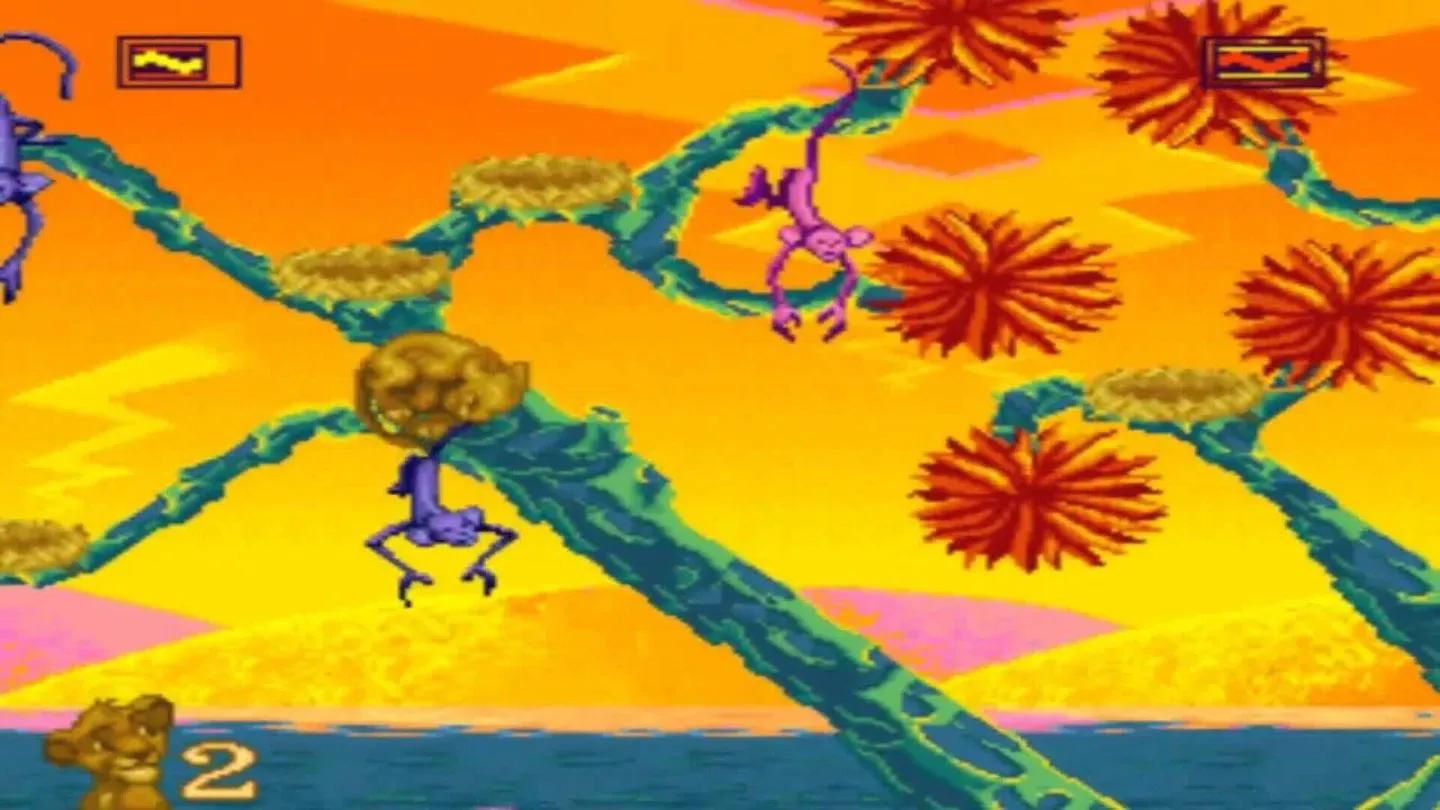
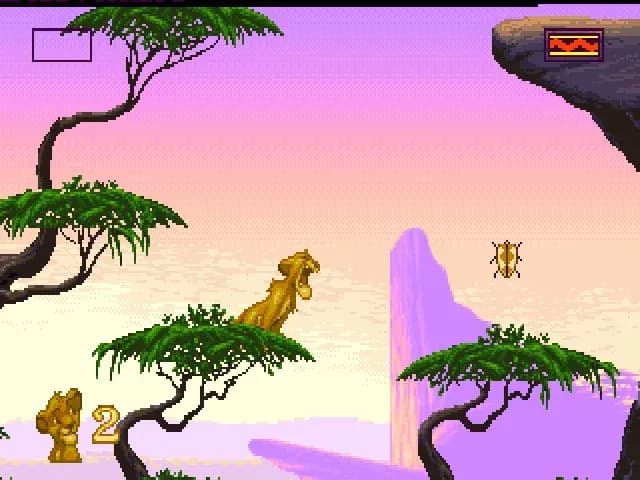
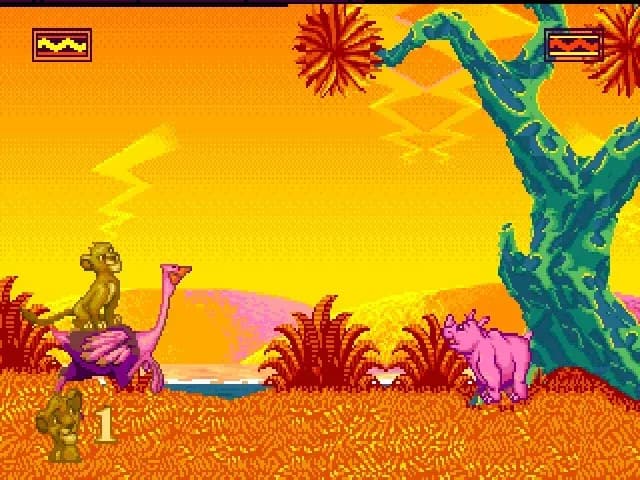
Westwood Studios worked directly with Disney animators to translate the film's art style into sprite-based graphics, and the result holds up as one of the better-looking 16-bit licensed games. The Pride Lands glow with warm yellows and oranges, the elephant graveyard feels genuinely oppressive in its grey-green palette, and the jungle sequences with Timon and Pumbaa carry a looser, more comedic energy that matches their characters perfectly.
Disney's The Lion King content image
The audio design deserves specific mention. The game incorporates arrangements of the film's score, including recognizable themes from "Circle of Life" and "Be Prepared," which ground each stage in the emotional context of the movie. For players who grew up with the film, those cues trigger immediate recognition.
Visual and audio design
The sprite work in The Lion King was considered technically impressive at the time of its original release, and the remastered version available through Disney Classic Games: Aladdin and The Lion King on Steam, PS4, and Nintendo Switch adds display filter options and a rewind feature without altering the original artwork. Players can toggle between the classic pixel look and smoothed presentation depending on preference.
The rewind mechanic, which lets players roll back a few seconds after a death or mistimed jump, significantly lowers the barrier for players returning to the game after years away. It does not remove the challenge but makes the steeper difficulty spikes more manageable without fundamentally changing what the game is.
Impact and legacy
The Lion King sits alongside Aladdin as one of the defining examples of what Disney-licensed platformers could achieve in the early 1990s. The game sold over 4 million copies across its original platforms, making it one of the best-selling licensed titles of that generation. Its difficulty became part of its identity, and the remastered collection has introduced it to players who missed the original run entirely.
Disney's The Lion King content image
For fans of classic platformers, the game represents a specific era of licensed game development where the goal was to create something genuinely playable rather than a quick cash-in on a film release. The Westwood Studios version holds that distinction clearly, and the availability across modern platforms means the argument for playing it has never been easier to make.
| Requirement | Minimum |
|---|---|
| Processor | 1.8 GHz Processor |
| Memory | 1 GB RAM |
| Graphics | DirectX 9.0c Compatible Video Card w/ 256 MB RAM |
| DirectX | Version 9.0c |