
Advertisement

Overview
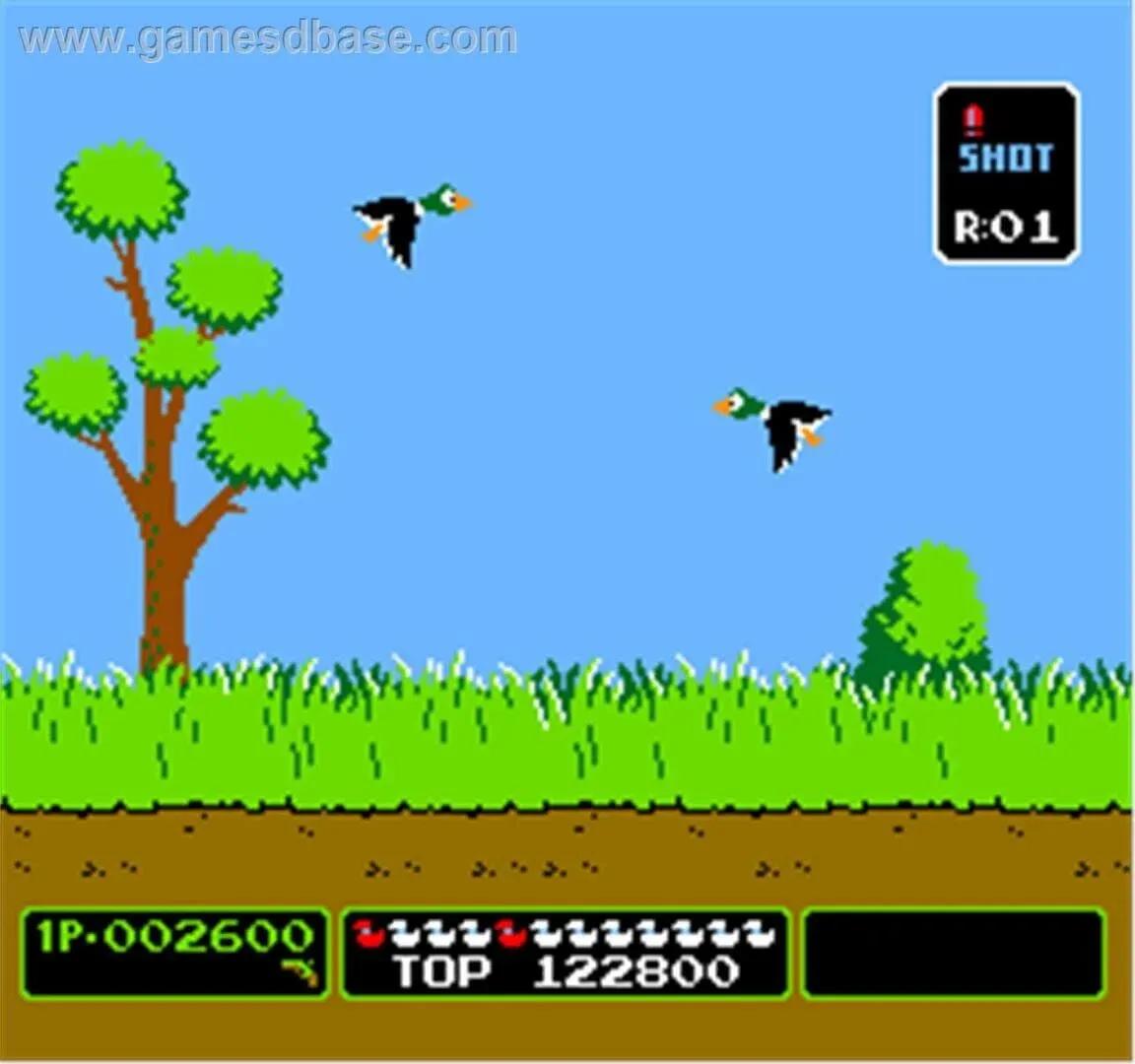
Duck Hunt is a light gun arcade shooter developed by Nintendo R&D1 and released in 1984 alongside the NES. Players use the NES Zapper to shoot ducks and clay pigeons across three distinct modes, with each round pushing targets to fly faster and giving you less time to react. The core loop is deceptively simple: raise the gun, track the target, pull the trigger before it escapes the screen.
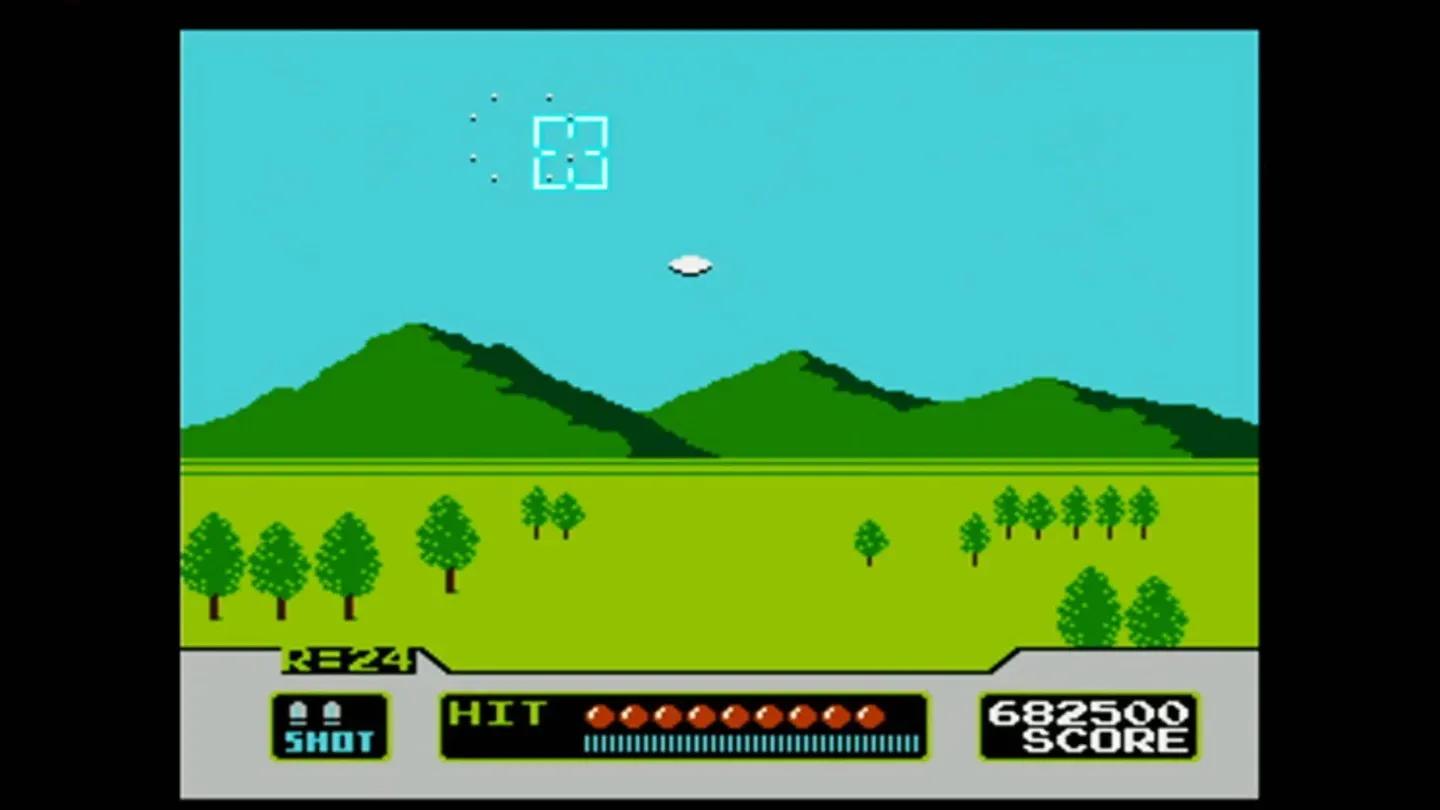
The game offers two duck-hunting modes and a clay pigeon mode. Game A pits you against single ducks, Game B throws two at once, and Game C switches things up with clay pigeon targets flying in predictable arcs. Each mode runs through escalating rounds, and the speed ramps up quickly enough that what feels manageable at round 3 becomes genuinely stressful by round 9.
Duck Hunt content image
Gameplay and mechanics
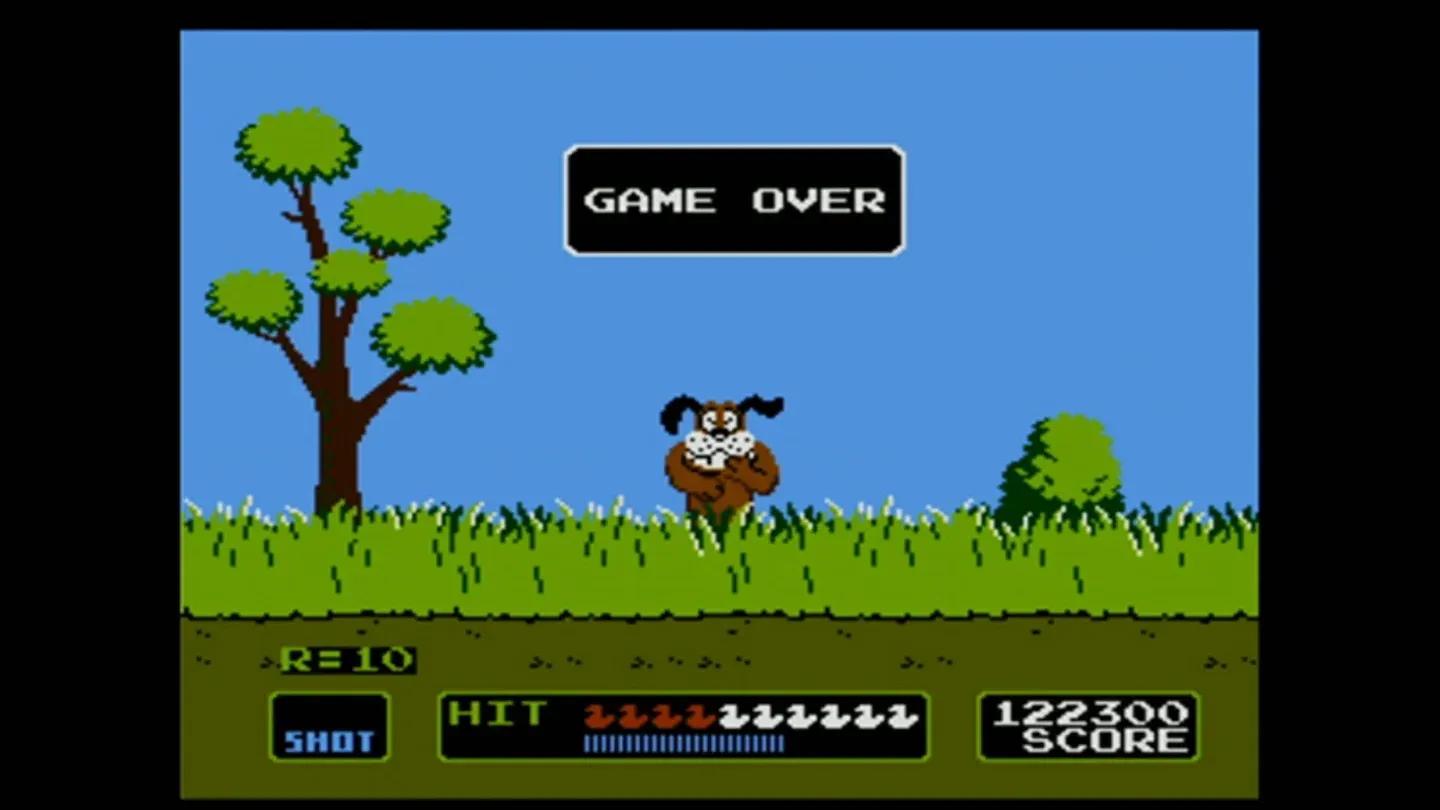
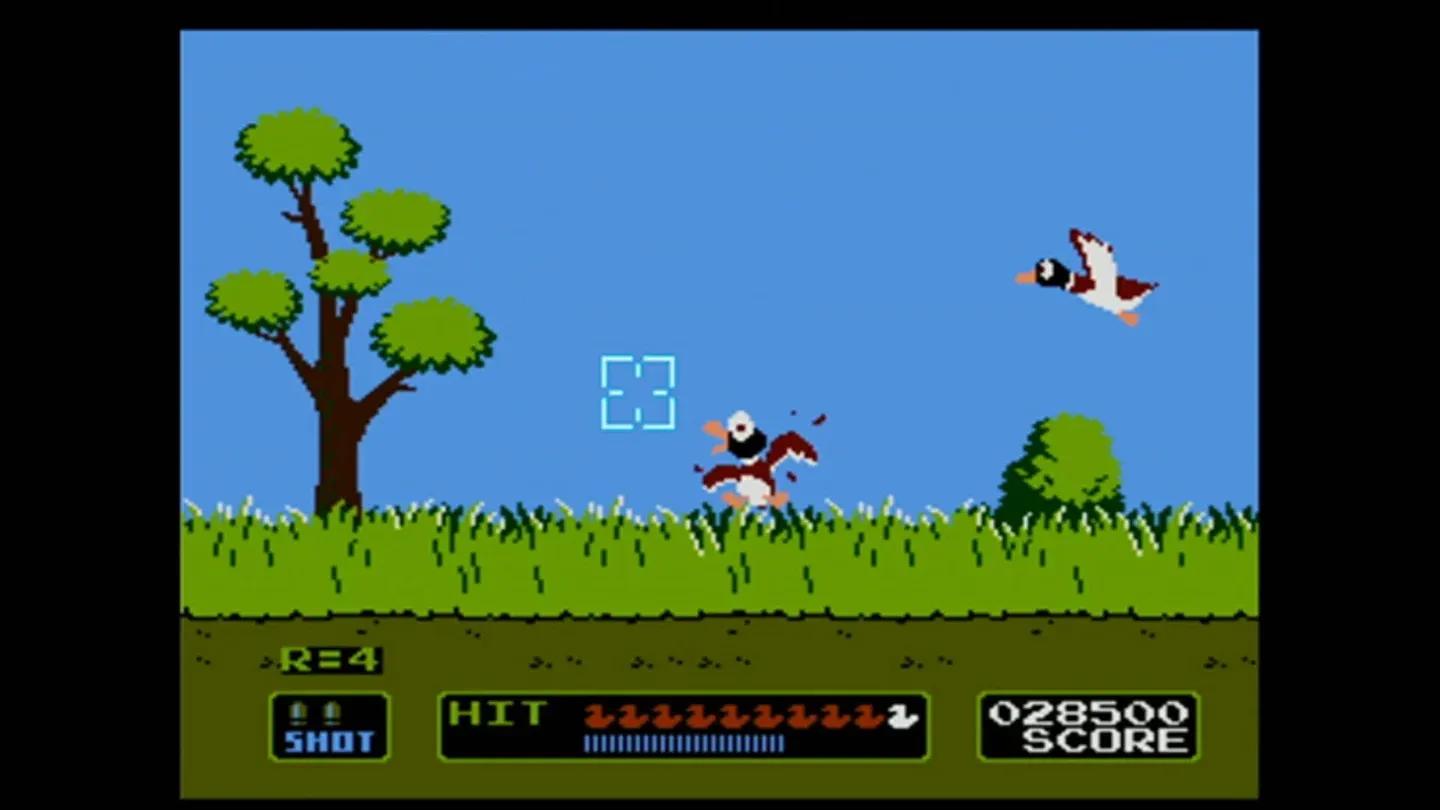
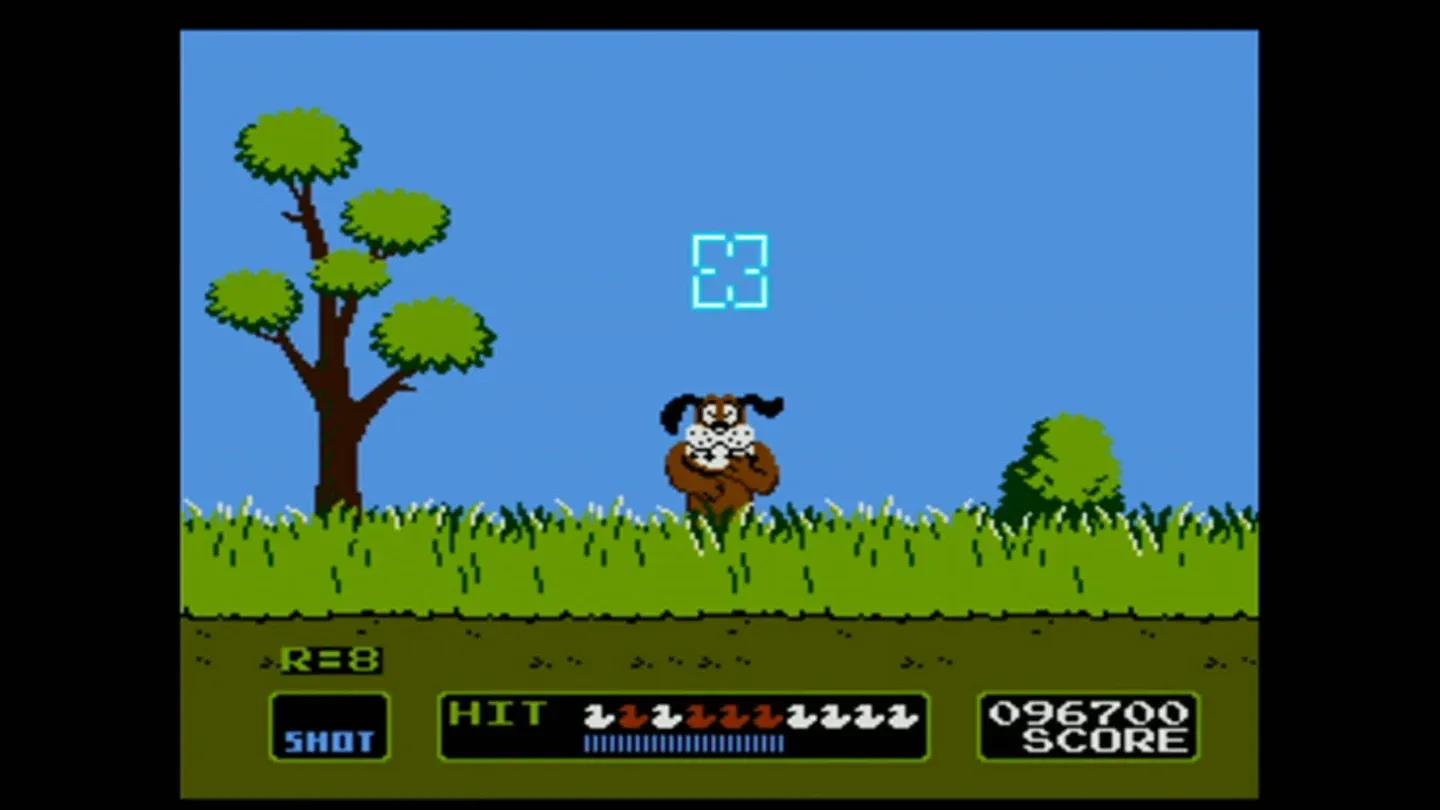
The shooting mechanics in Duck Hunt are built around a single, strict constraint: three shots per target. Miss all three and the duck flies away, and the dog pops up from the grass to laugh directly at you. That moment, more than anything else in the game, is what players remember. It's a tiny piece of design that creates real emotional stakes out of a simple miss.
Duck Hunt content image
Key mechanics at a glance:
- Three shots per target before it escapes
- Targets increase speed each round
- Two-player mode lets a second player control the duck via the second NES controller
- Clay pigeon mode offers a different target pattern and timing challenge
- Score tracking across rounds with no continues
The two-player option is genuinely interesting. One player shoots while the other uses the standard NES controller to move the duck, creating an asymmetric competitive mode that still holds up as a party game concept.
Duck Hunt content image
Impact and legacy
Duck Hunt arrived as a pack-in title bundled with the NES in North America, which means it was the first game millions of players ever held a controller for. That distribution alone secured its place in gaming history, but the design earned it. The light gun mechanic felt like magic in 1984, and the Zapper's technology, which used the CRT television's scan lines to detect the gun's position, was genuinely clever hardware engineering.
The game's cultural footprint extended well beyond its original run. The Duck Hunt dog became one of gaming's most iconic characters through sheer repetition of that laughing animation, and the character received a surprising competitive comeback when Duck Hunt joined the Super Smash Bros. for Wii U and Nintendo 3DS roster in 2014, introducing the duo to an entirely new generation.
What makes Duck Hunt worth playing today?
For anyone playing on original NES hardware with a CRT television, Duck Hunt remains exactly what it always was: a tight, reactive arcade shooter with a scoring system that rewards consistency under pressure. The lack of saves, continues, or difficulty settings means every session is a clean run against your own best score.
Duck Hunt content image
The game's straightforward design is also its most honest quality. There are no hidden systems, no unlockables, no padding. Duck Hunt gives you a gun, puts birds in the sky, and dares you to hit them. Rounds get faster, your patience gets tested, and the dog keeps watching. For a 1984 arcade shooter, that loop has proven more durable than most games released decades after it.