
Advertisement

Overview
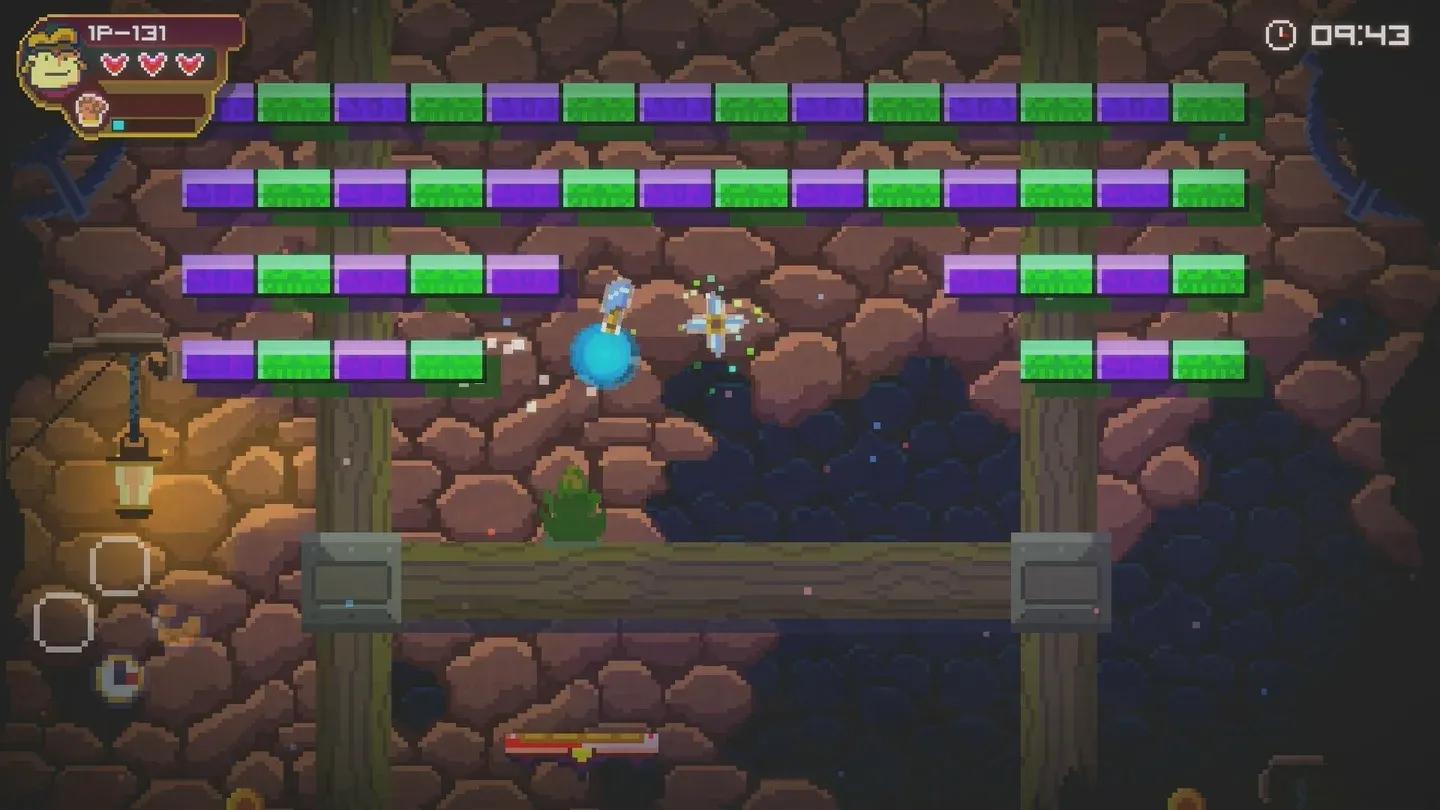
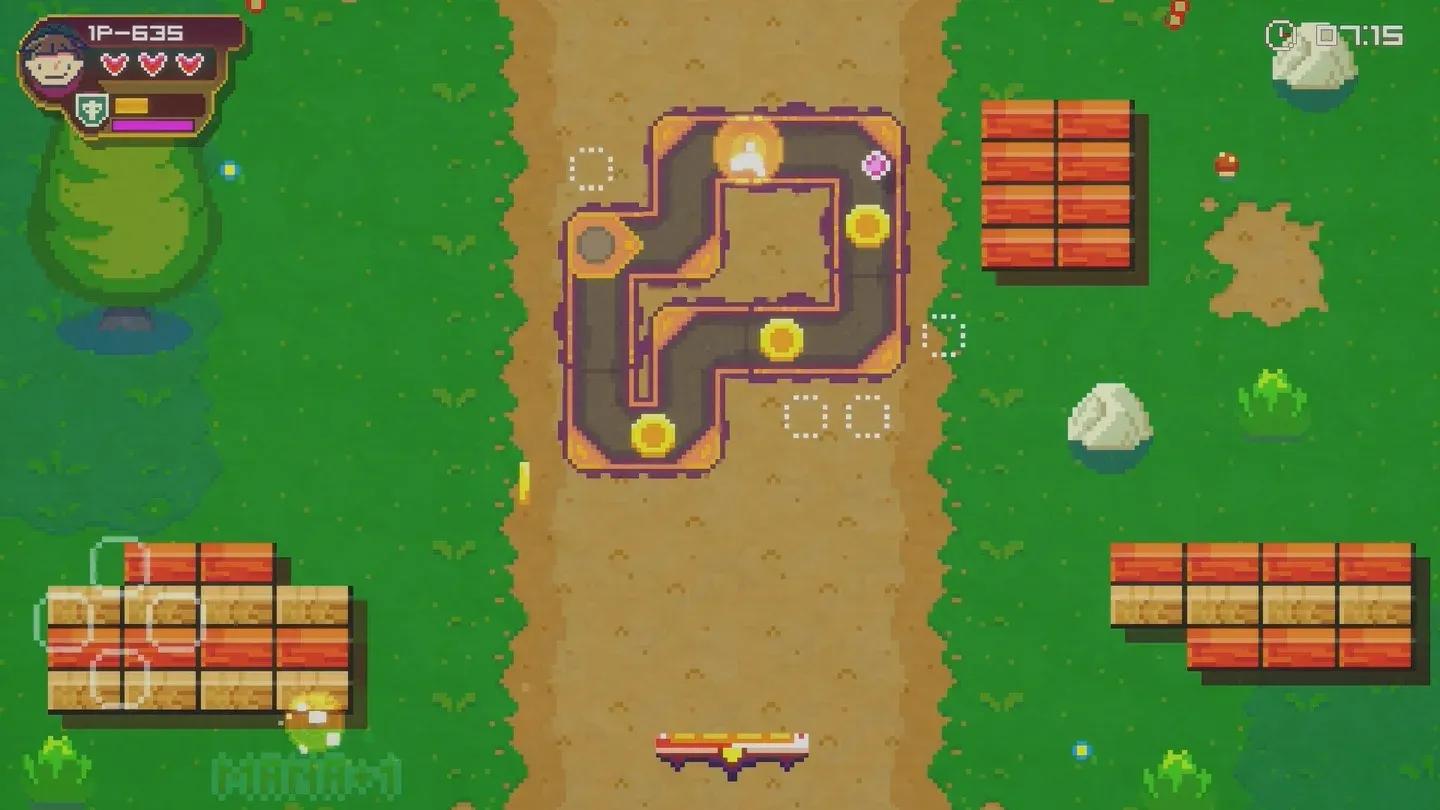
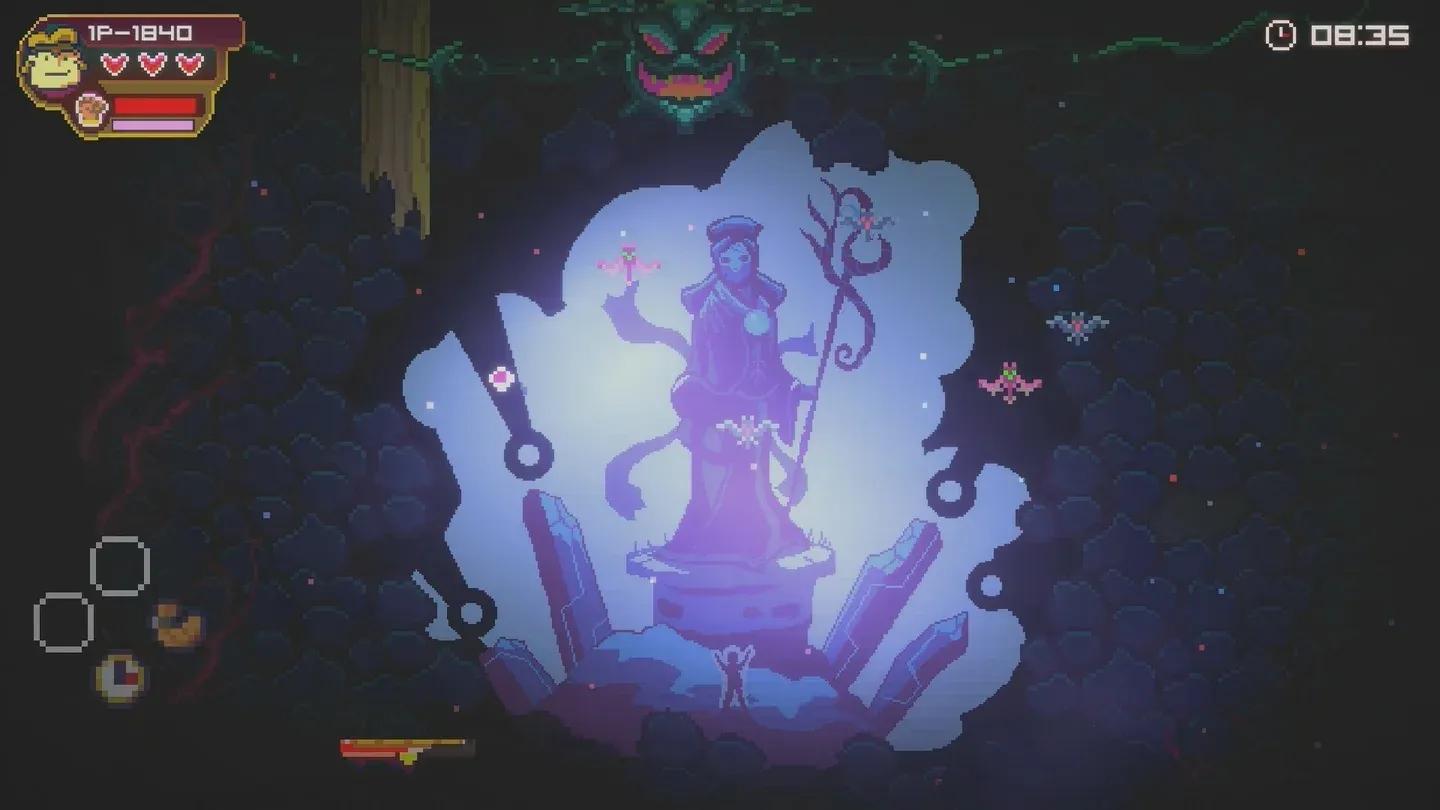
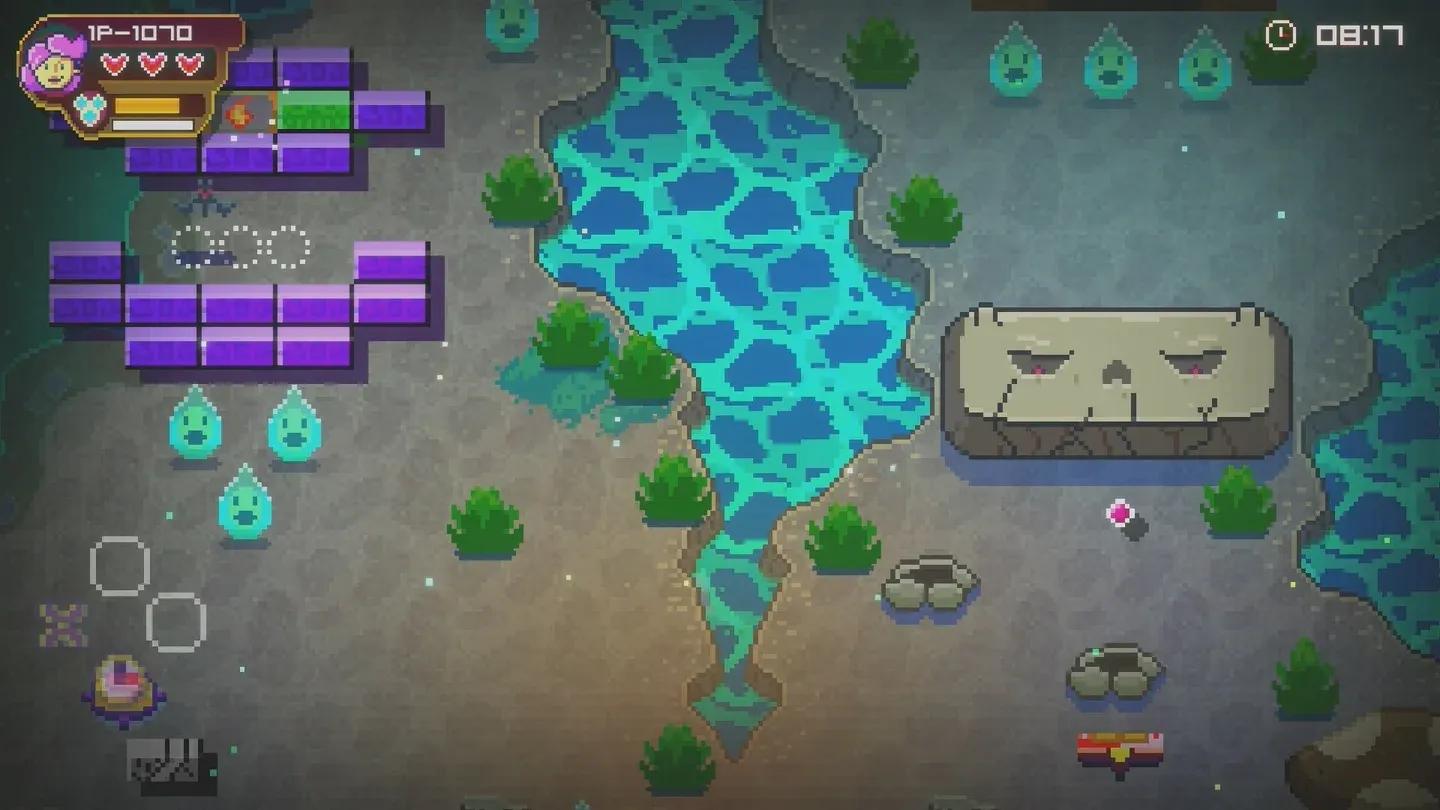
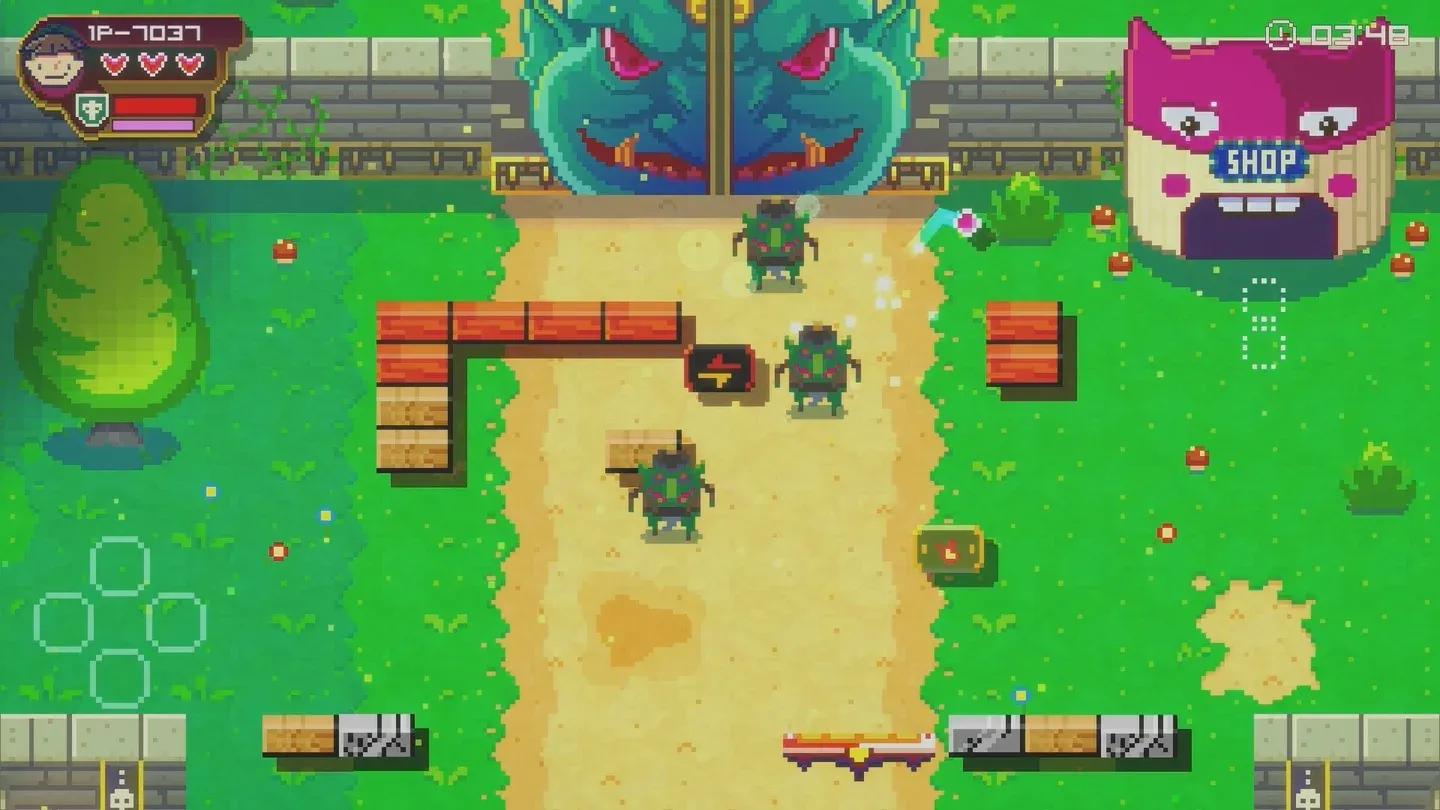
Dungeonoid 2: Awakening, published by Eastasiasoft Limited and developed by Pixel Bones Studio, lands in a rare genre crossover: classic brick-breaker mechanics fused with dungeon-crawling RPG progression. Released on February 7, 2024, the game presents a top-down pixel art world where your primary weapon is a bouncing magic orb, and your only tool to control it is a floating platform you slide left and right across the bottom of the screen.
The concept sounds simple, but the layers stack up quickly. Walls, gravestones, and enemies all count as destructible targets, and clearing them triggers power-up drops that fall toward your platform. Some heal you, some shrink your platform, some supercharge your orb's impact. Managing those drops while keeping the orb in play creates a constant split-focus tension that separates Dungeonoid 2 from straightforward Arkanoid clones.
Gameplay and mechanics
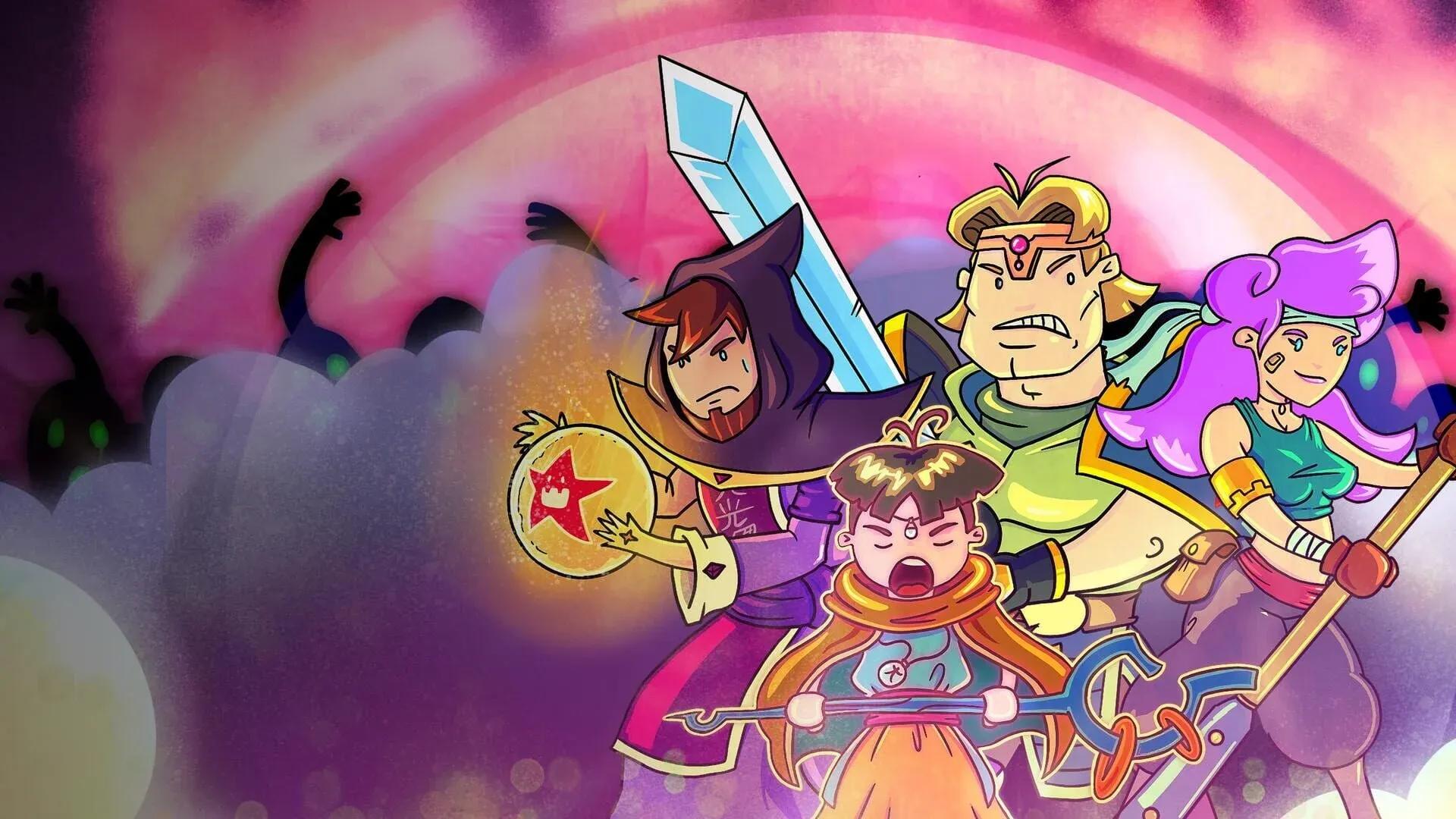
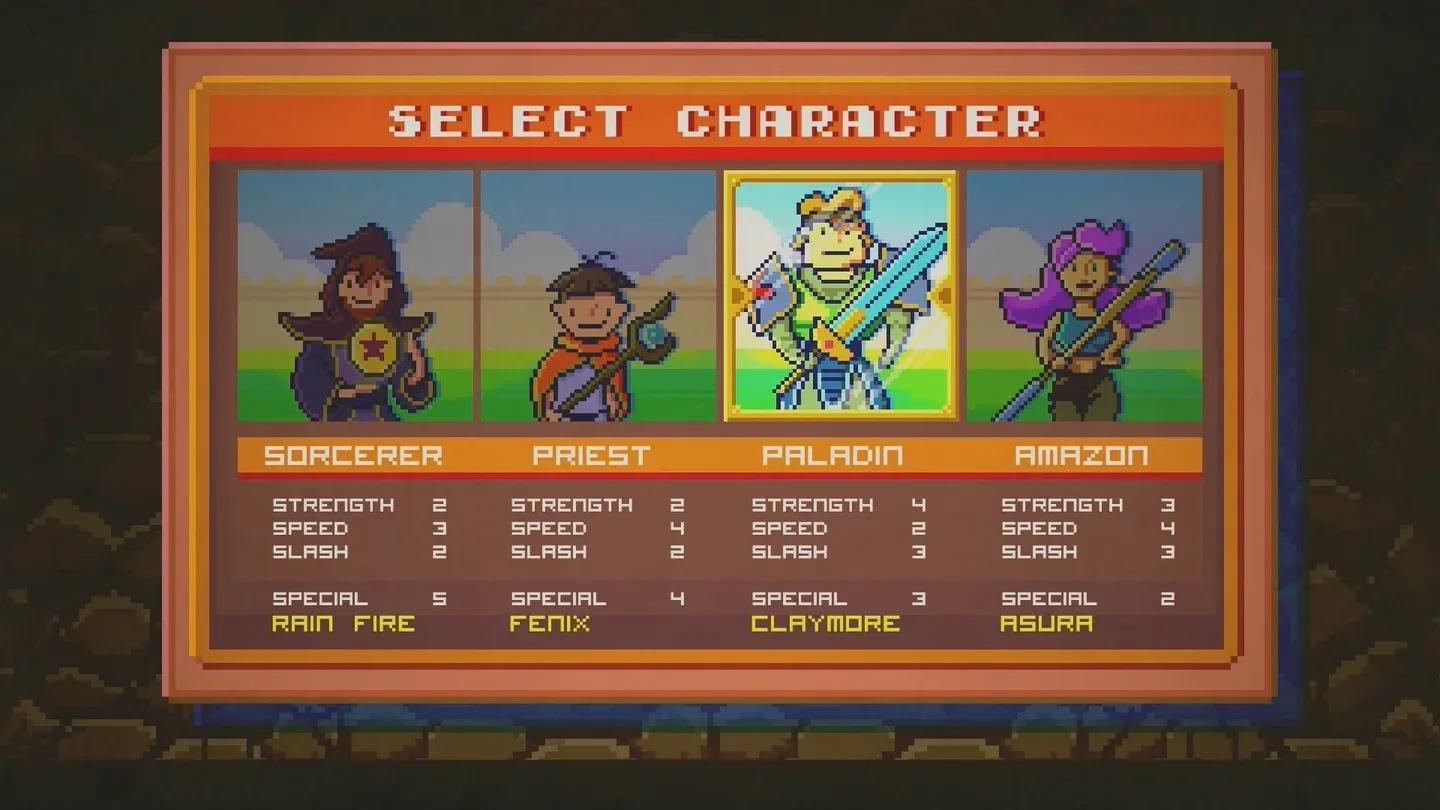
The core loop revolves around four RPG classes, each carrying distinct stats and a unique special skill. Class choice shapes how you approach each dungeon floor, since a warrior-type plays differently from a mage when it comes to charging and releasing special attacks against the game's large boss encounters.
Dungeonoid 2: Awakening content image
Key mechanics at a glance:
- Deflect the orb with a movable platform
- Destroy walls, enemies, and obstacles to trigger drops
- Collect or dodge falling power-up modifiers
- Charge a class-specific special attack
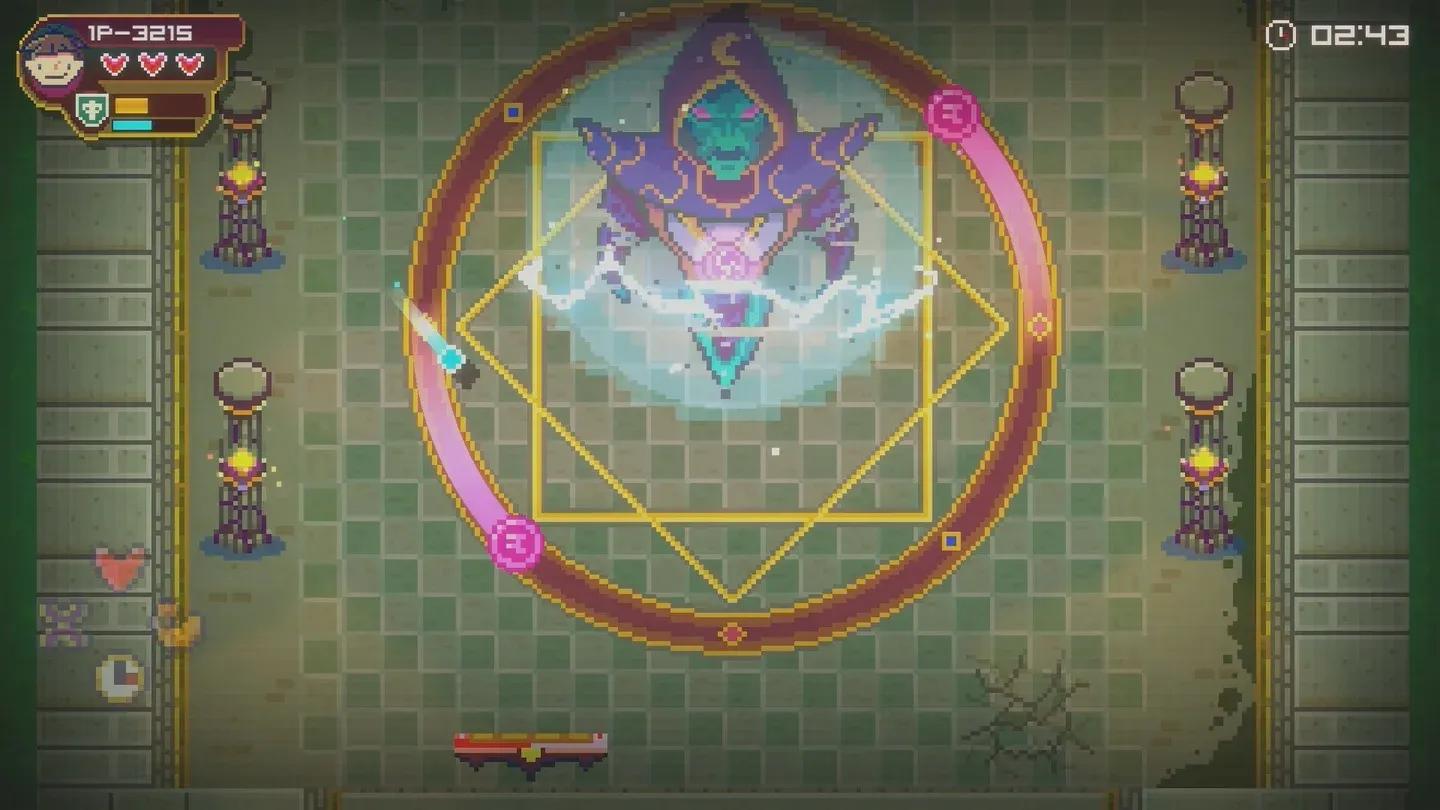
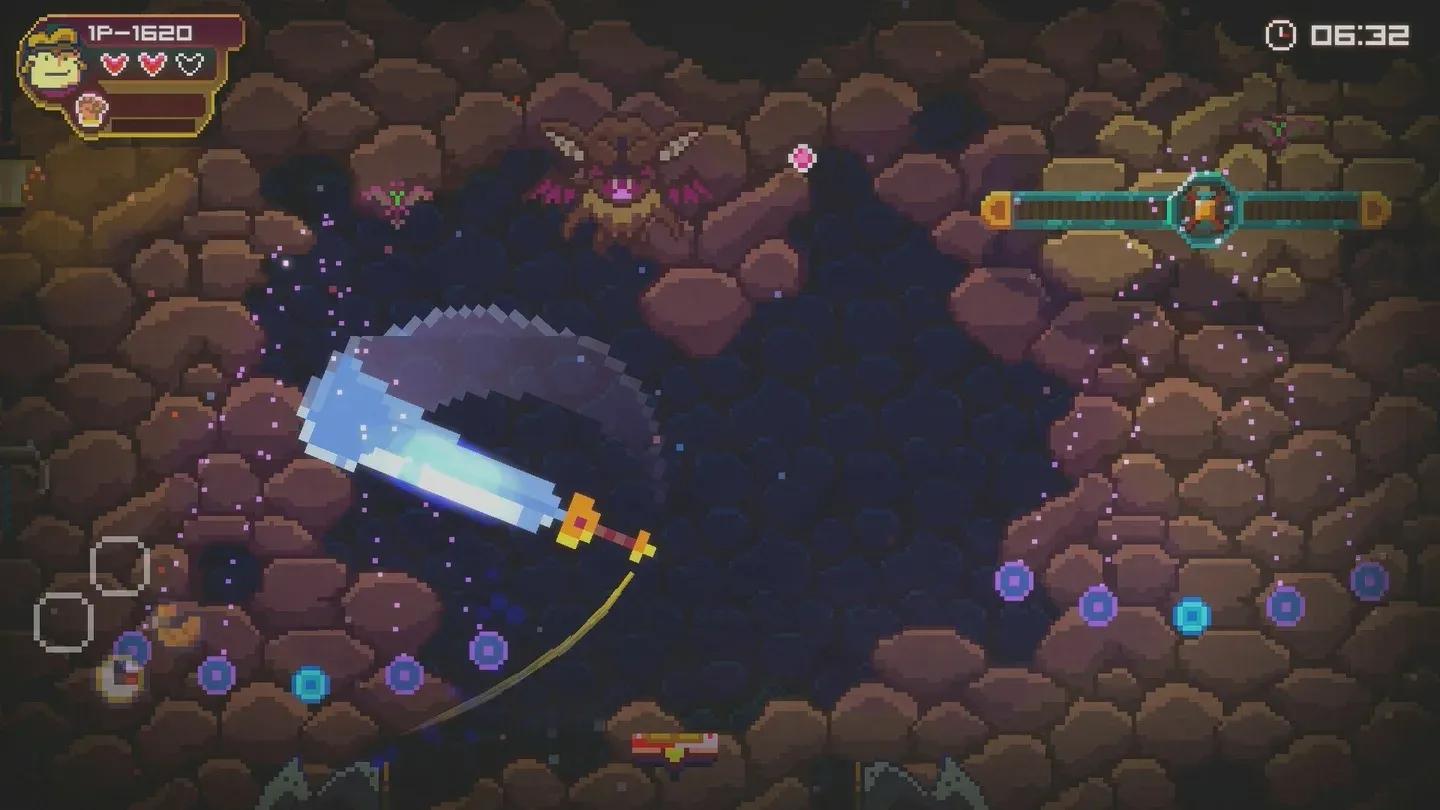
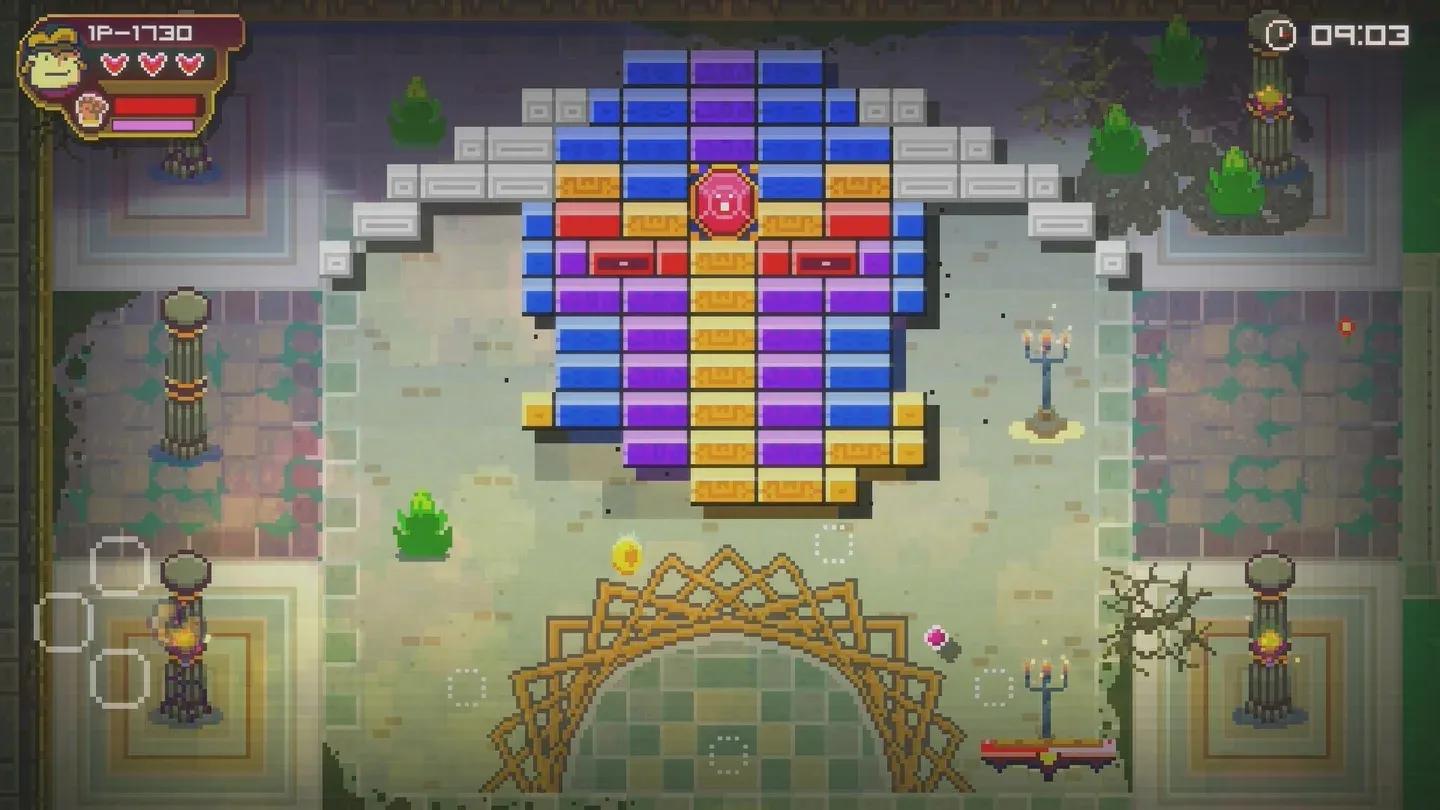
- Face boss encounters with oversized blocky designs
Dungeonoid 2: Awakening content image
Losing a heart happens when the orb slips past your platform, so positioning and anticipating bounce angles matters as much as clearing targets fast. The tension between aggressive play (chasing orb speed buffs) and defensive positioning (protecting your hearts) gives the moment-to-moment gameplay more depth than the retro aesthetic might suggest.
What makes Dungeonoid 2 stand out?
Genre mashups often feel like one half overpowers the other, but Dungeonoid 2 keeps both sides relevant. The RPG class system is not cosmetic. Each class changes your special attack, which in turn changes how you handle boss fights. A player who picks a class for its stats will approach a floor differently than one who picks for the special skill, giving the short dungeon runs meaningful replay variety.
Dungeonoid 2: Awakening content image
The retro pixel art style reinforces the arcade DNA without leaning on pure nostalgia. Dungeons feel like actual environments rather than abstract block grids, with gravestones, walls, and enemy sprites that fit the dungeon-crawling theme. The blocky boss designs in particular commit fully to the brick-breaker aesthetic, making them feel like natural inhabitants of this hybrid world rather than borrowed assets from a different game.
Content and replayability
With 4 playable classes and procedurally varied dungeon floors packed with different enemy types and destructible layouts, Dungeonoid 2 targets the kind of replayability that arcade games have always built on: short sessions with enough variation to justify another run. The power-up system introduces randomness into each attempt, so no two runs play out identically even on familiar floors.
Dungeonoid 2: Awakening content image
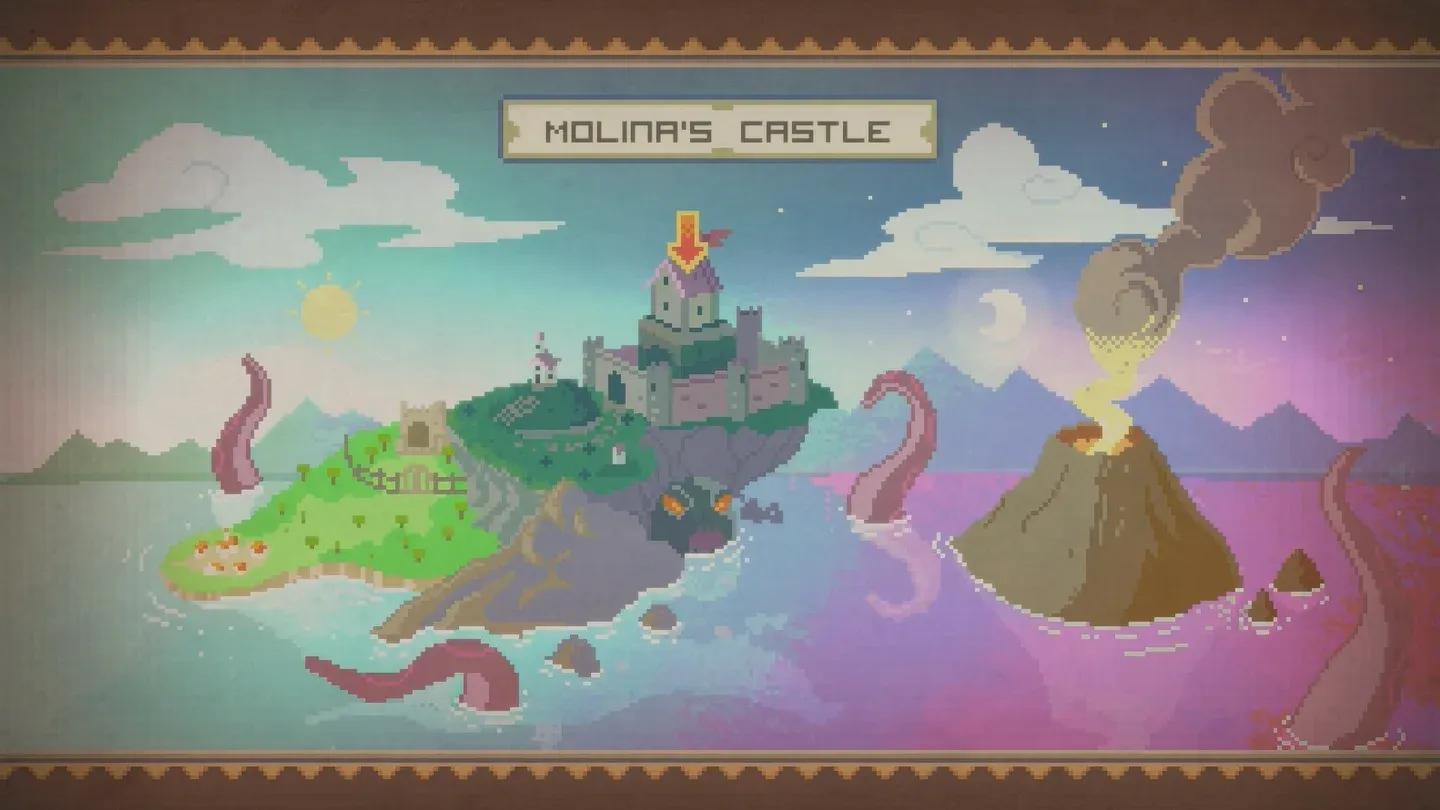
For players who enjoy arcade RPGs on portable platforms, the Nintendo Switch version makes the pick-up-and-put-down pacing feel especially natural. The game is available across PC via Steam, Xbox, PlayStation, and Nintendo Switch, covering the full range of current platforms. Dungeonoid 2: Awakening fits cleanly into the indie arcade RPG space for anyone who wants a brick-breaker with enough RPG structure to keep runs feeling purposeful.
| Requirement | Minimum |
|---|---|
| OS | Microsoft® Windows® 10 / 11 |
| Processor | Intel® Core™ i3-3240 or AMD Athlon X4 880K |
| Memory | 8 GB RAM |
| Graphics | DirectX 9-compatible graphics card |
| DirectX | Version 9.0 |