
Advertisement

Overview
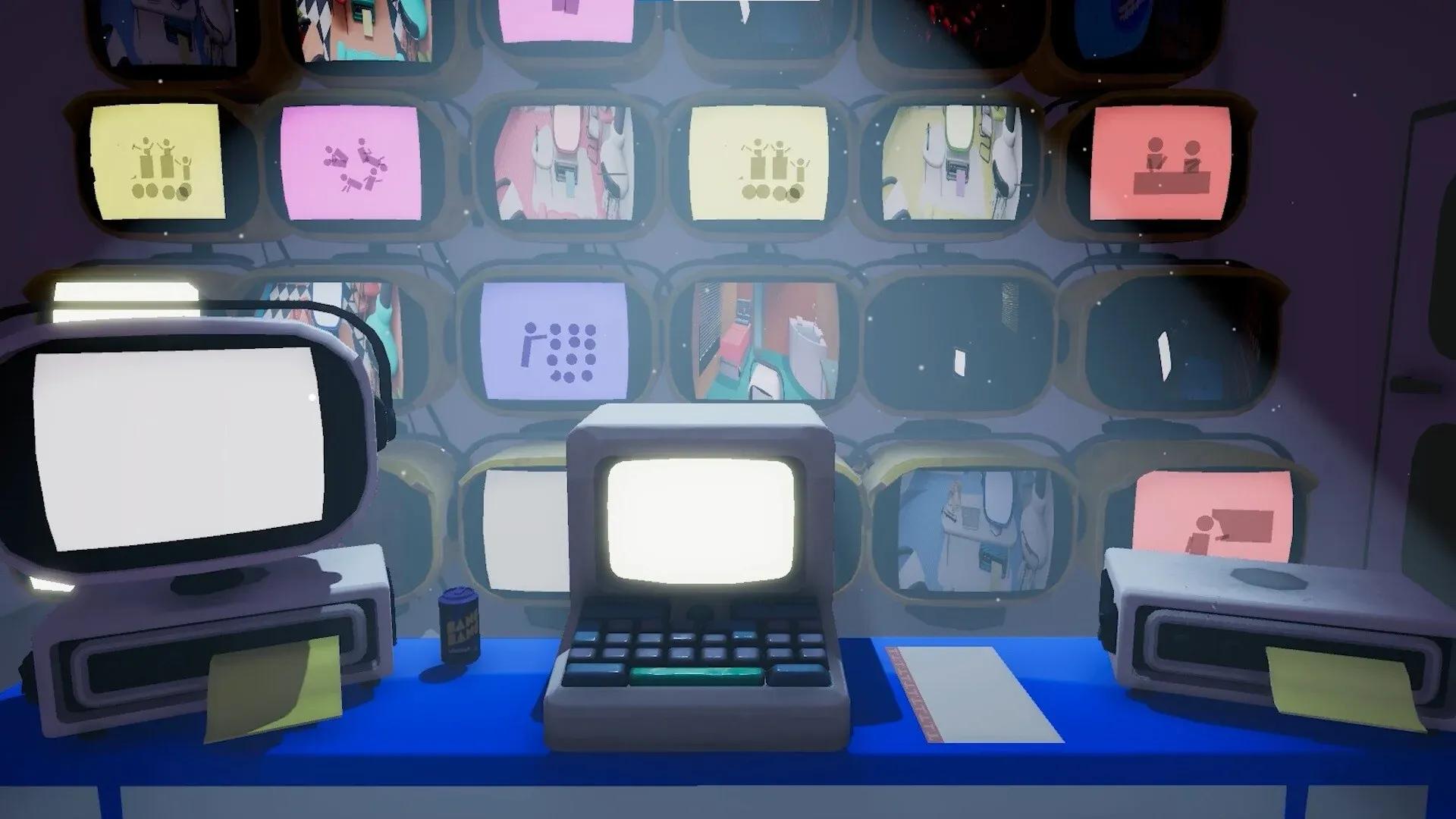
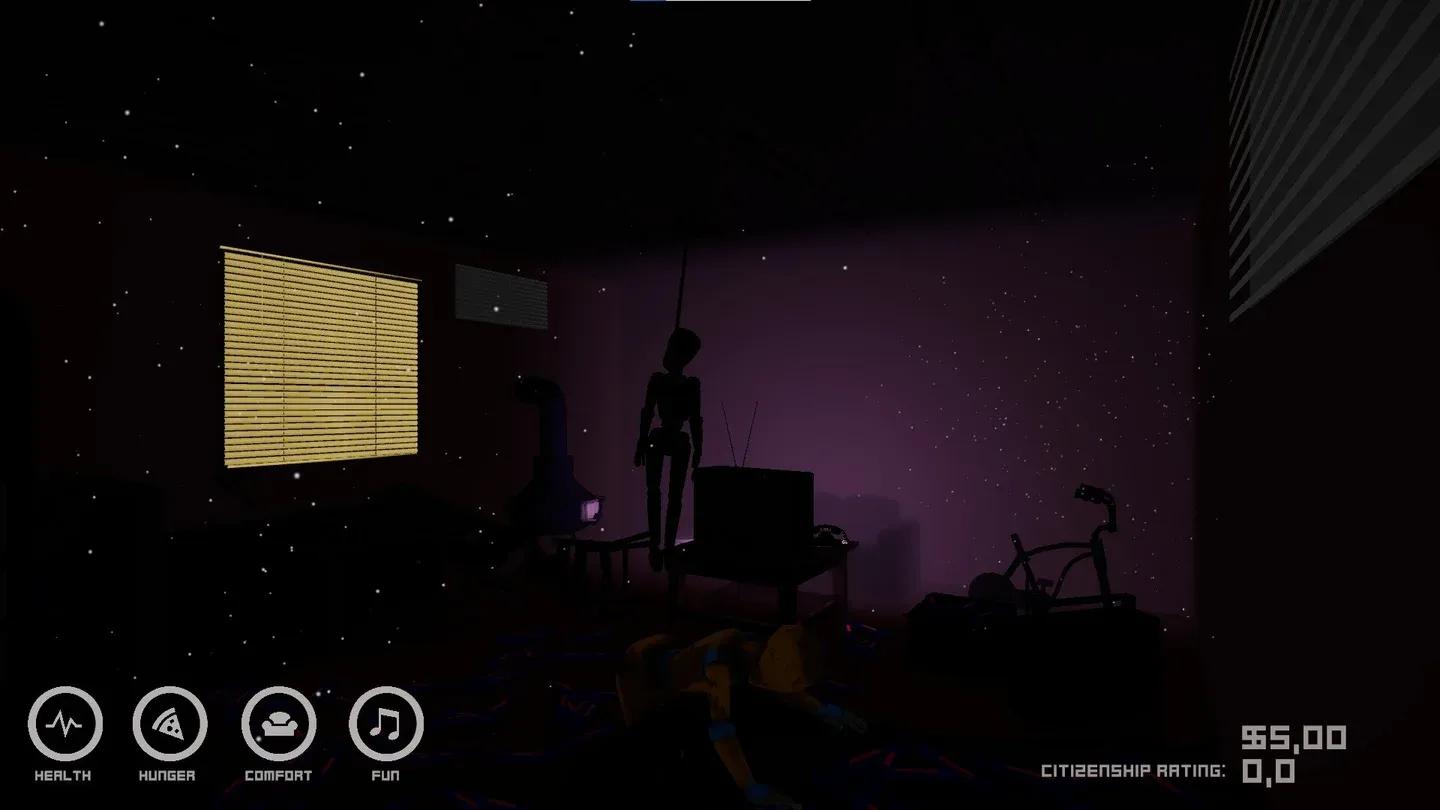
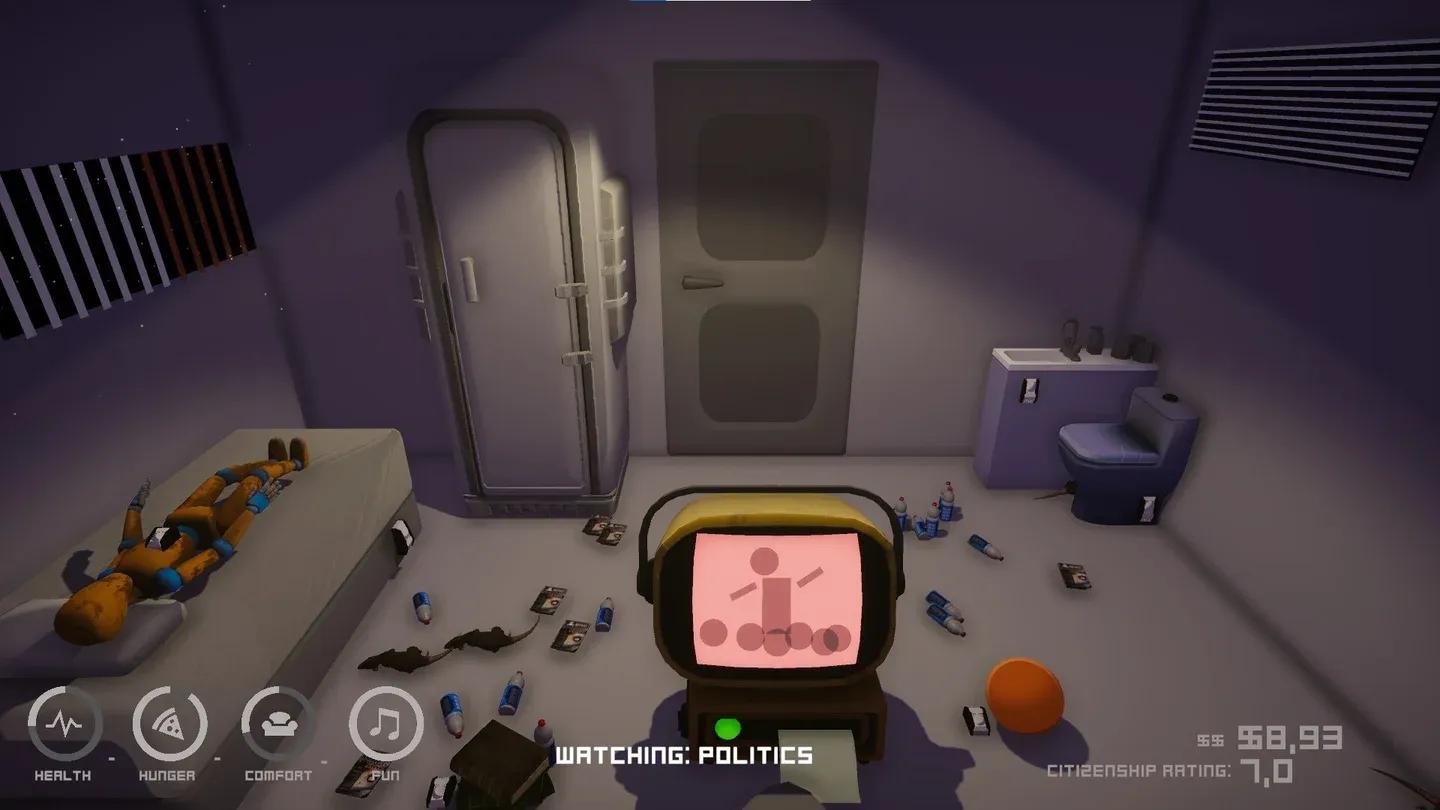
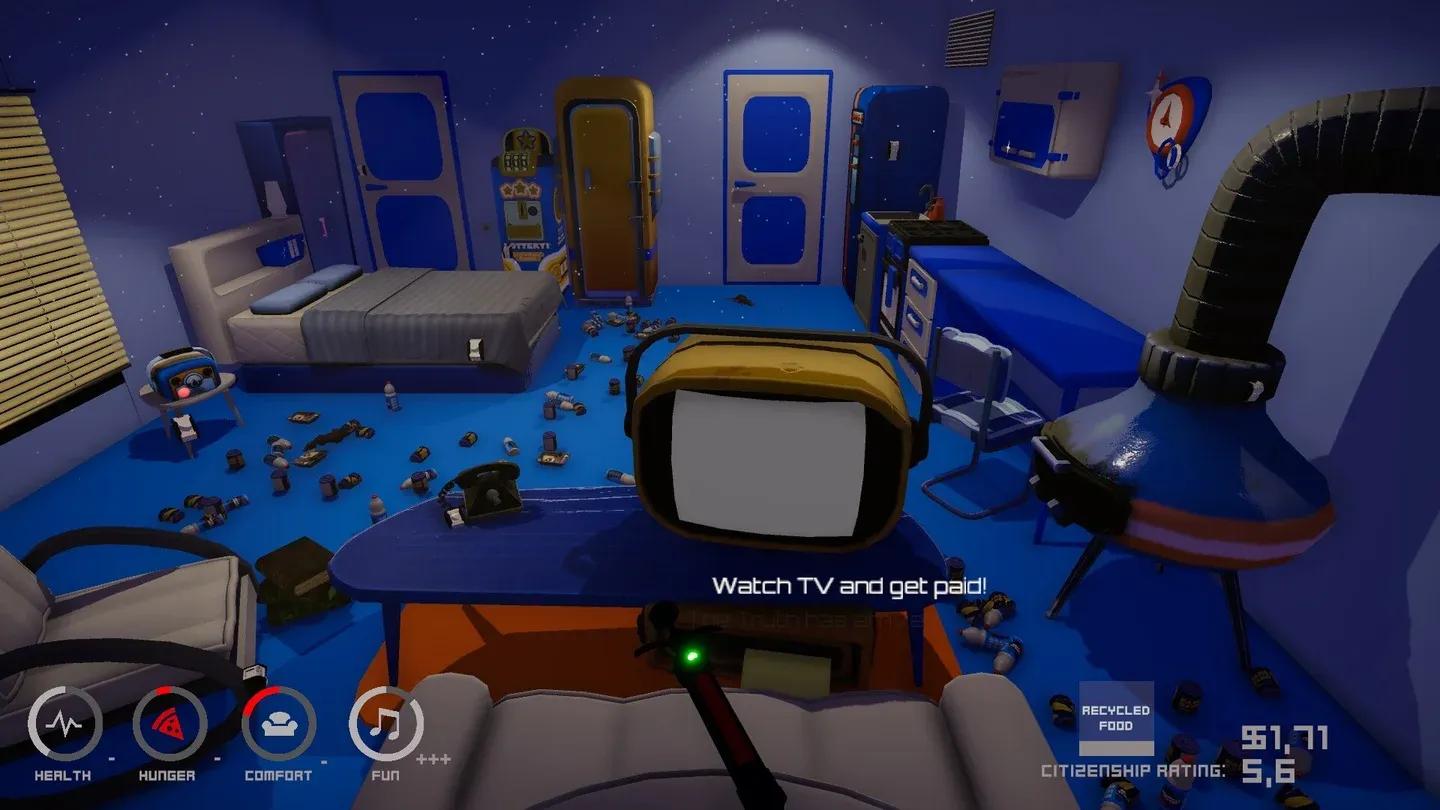
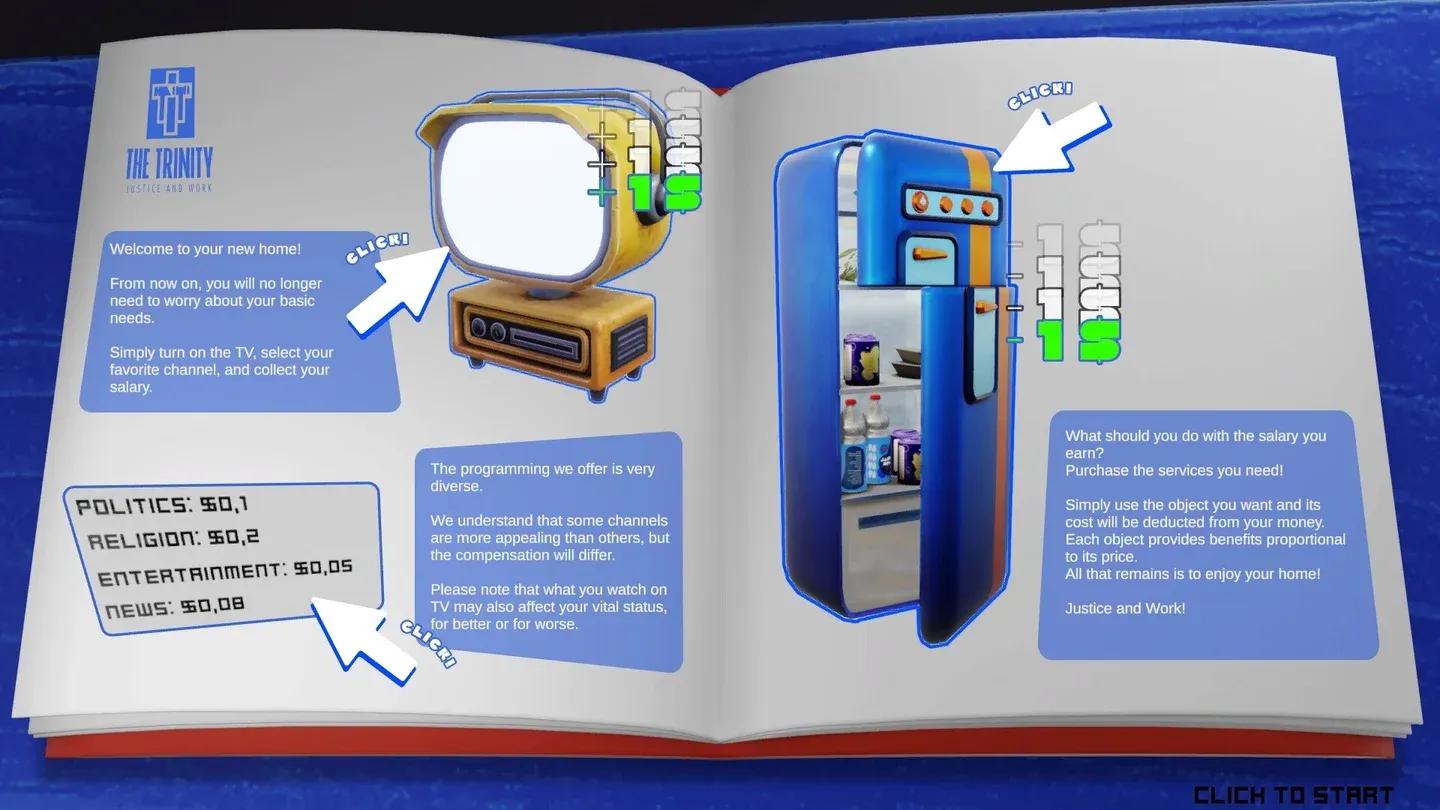
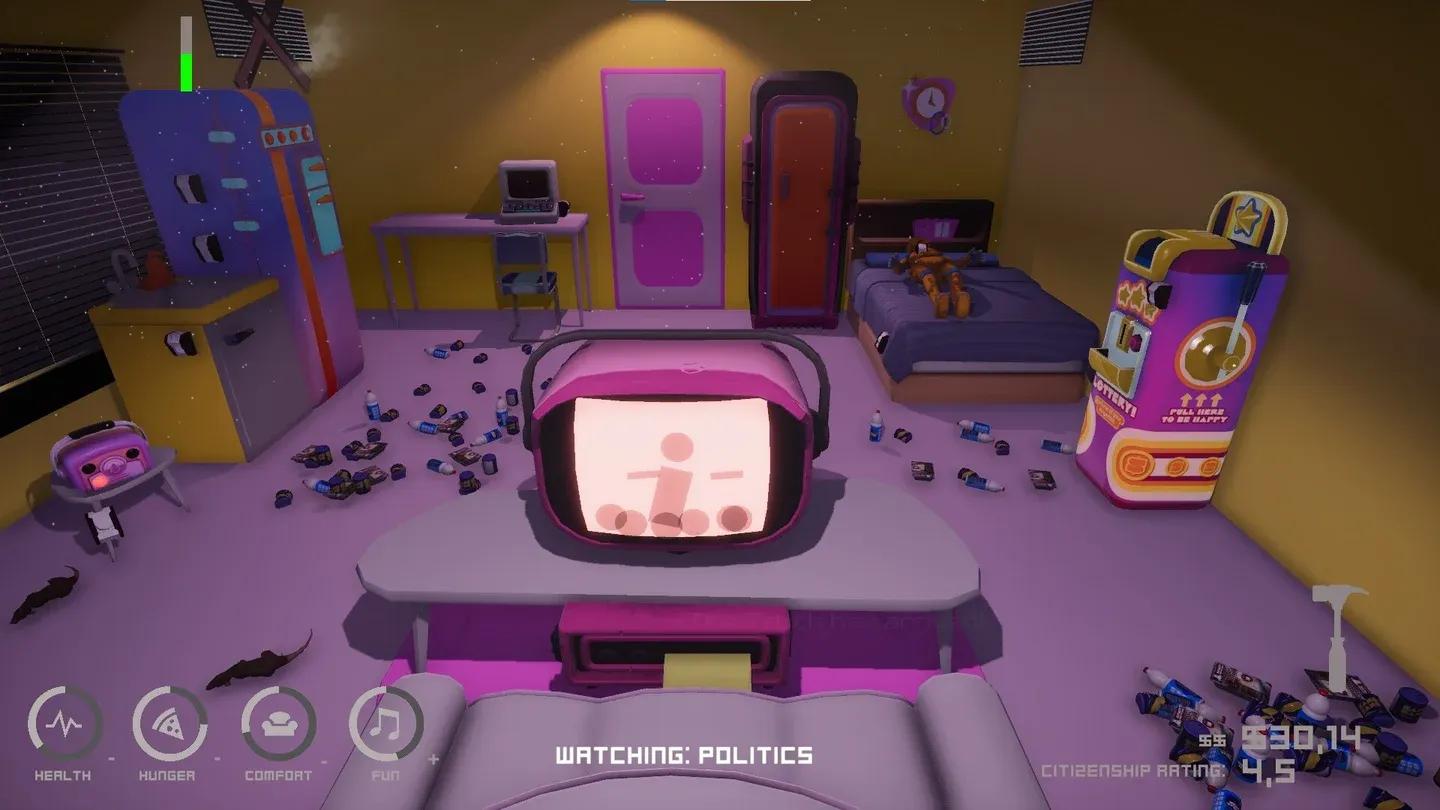
Dystopicon is a dystopian time management and simulation game developed and published by Palitroque, released on July 27, 2026 for Windows and macOS via Steam. Players inhabit the role of a Class-2 citizen in a tightly controlled society where the government has reduced daily life to a single transaction: watch state-approved television, collect a paycheck, and spend that money on services to meet basic needs.
The game draws direct inspiration from literary and interactive fiction classics including George Orwell's 1984, Aldous Huxley's Brave New World, Philip K. Dick's Ubik, and Lucas Pope's Papers, Please. That last reference is telling. Like Papers, Please, Dystopicon uses mundane, repetitive mechanics as a delivery system for something much heavier. The routine is the point.
Story unfolds through three channels: gameplay itself, written messages that arrive like official correspondence, and comic-style sequences that punctuate key moments. The government broadcasts daily updates, unlocking new purchasable services and nudging the citizen's understanding of the society they live in.
Gameplay and mechanics
The core loop in Dystopicon is deliberately narrow by design. As a Class-2 citizen, your confirmed activities include:
- Watch assigned television channels
- Earn money based on viewing choices
- Purchase services to satisfy basic needs
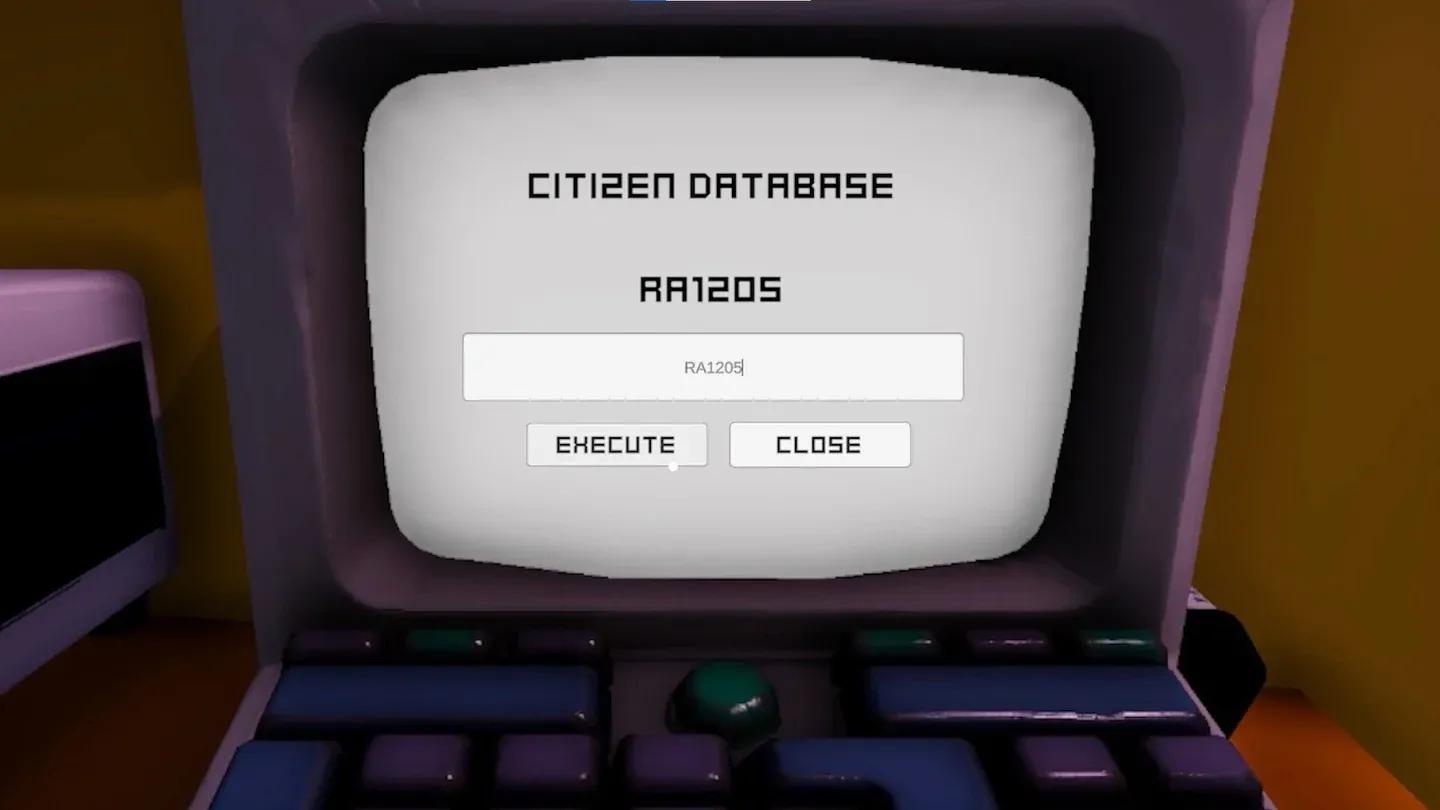
- Investigate hidden objects and environmental details
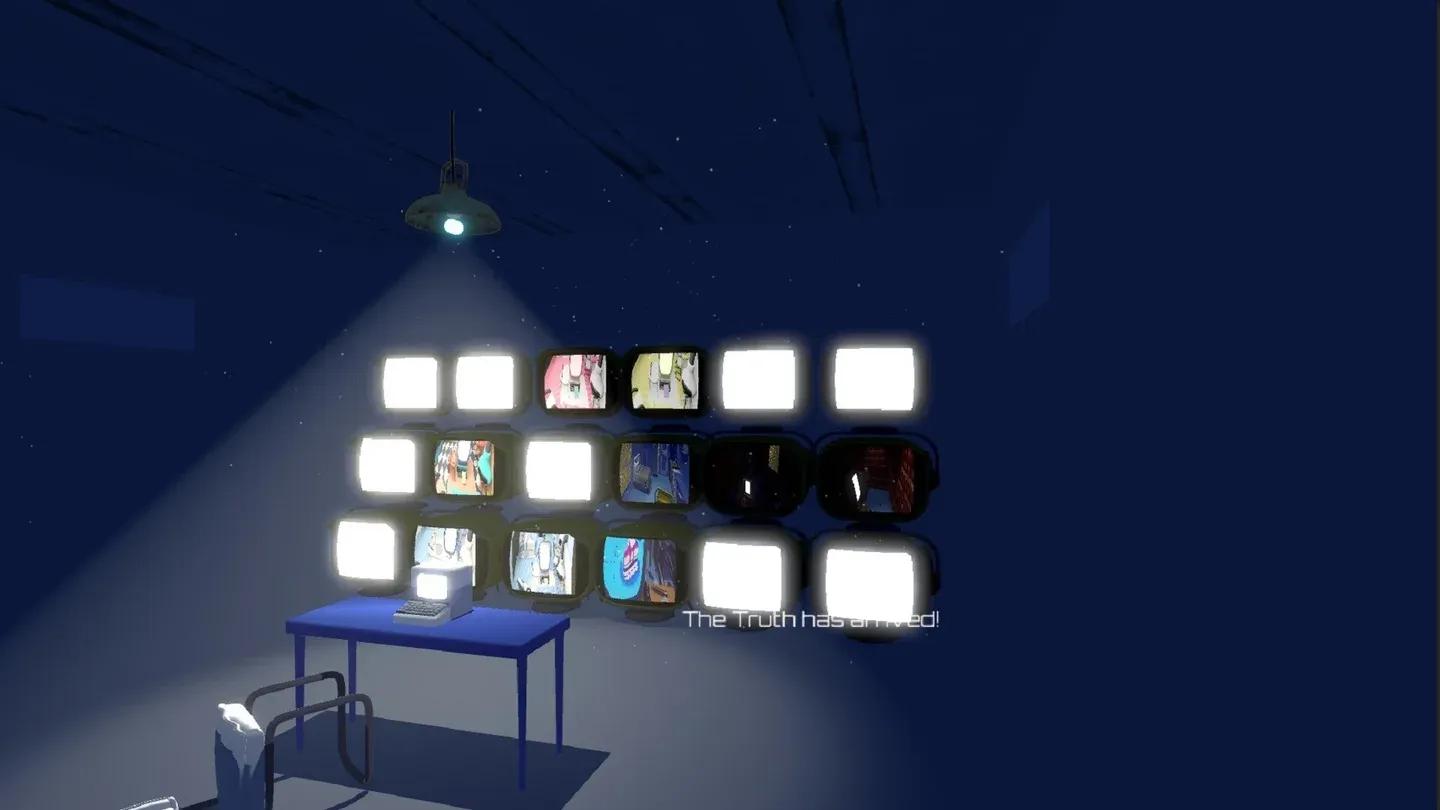
- Connect with dissidents and choose whether to rebel
Dystopicon content image
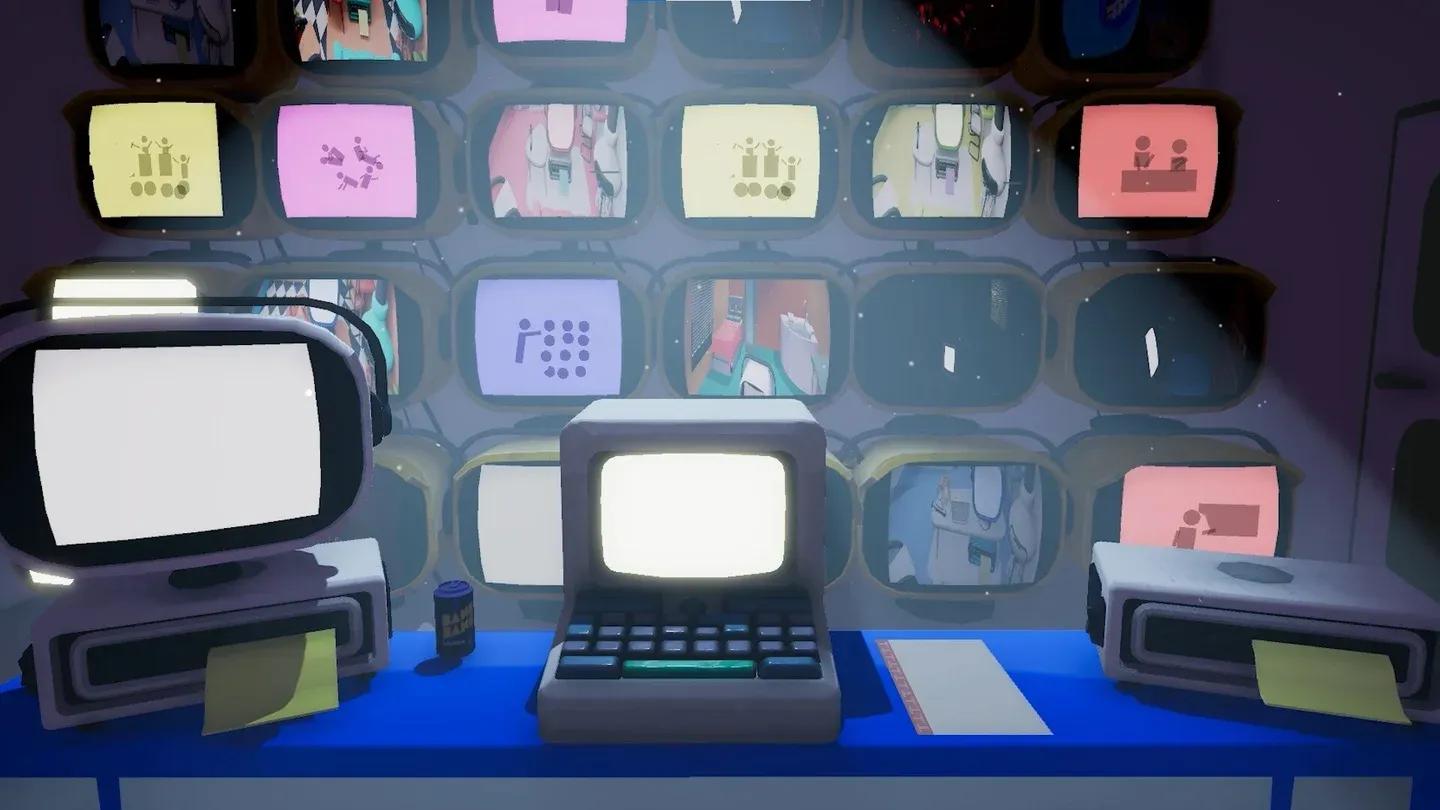
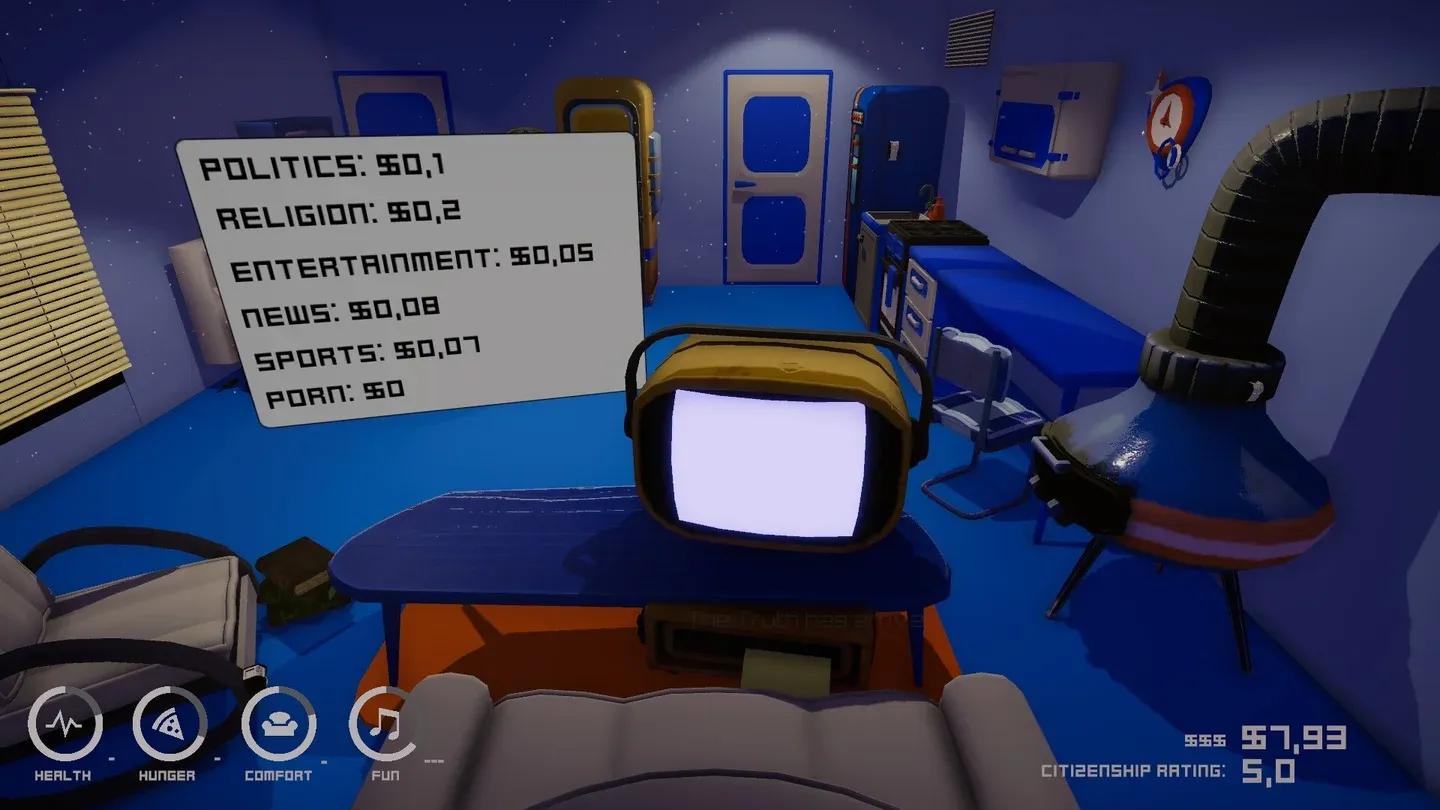
The channel-watching mechanic is the economic engine. Different broadcasts pay at different rates, which creates low-stakes financial decisions that gradually take on moral weight. Spending habits shape the comfort of daily life, but comfort is a trap the game seems very aware of.
The investigation layer sits underneath the surface routine. Players can examine their apartment and surroundings for hidden objects and narrative clues. This is where the simulation adventure side of the game opens up: curiosity has a cost, and the game makes sure you feel that tension before you act on it.
World and setting
The society in Dystopicon monitors citizen movement while maintaining the appearance of freedom. That contradiction is the game's central idea. The government gives you choices, just not the ones that matter. Daily broadcasts frame this control as normalcy, presenting new consumer items alongside propaganda-adjacent messaging.
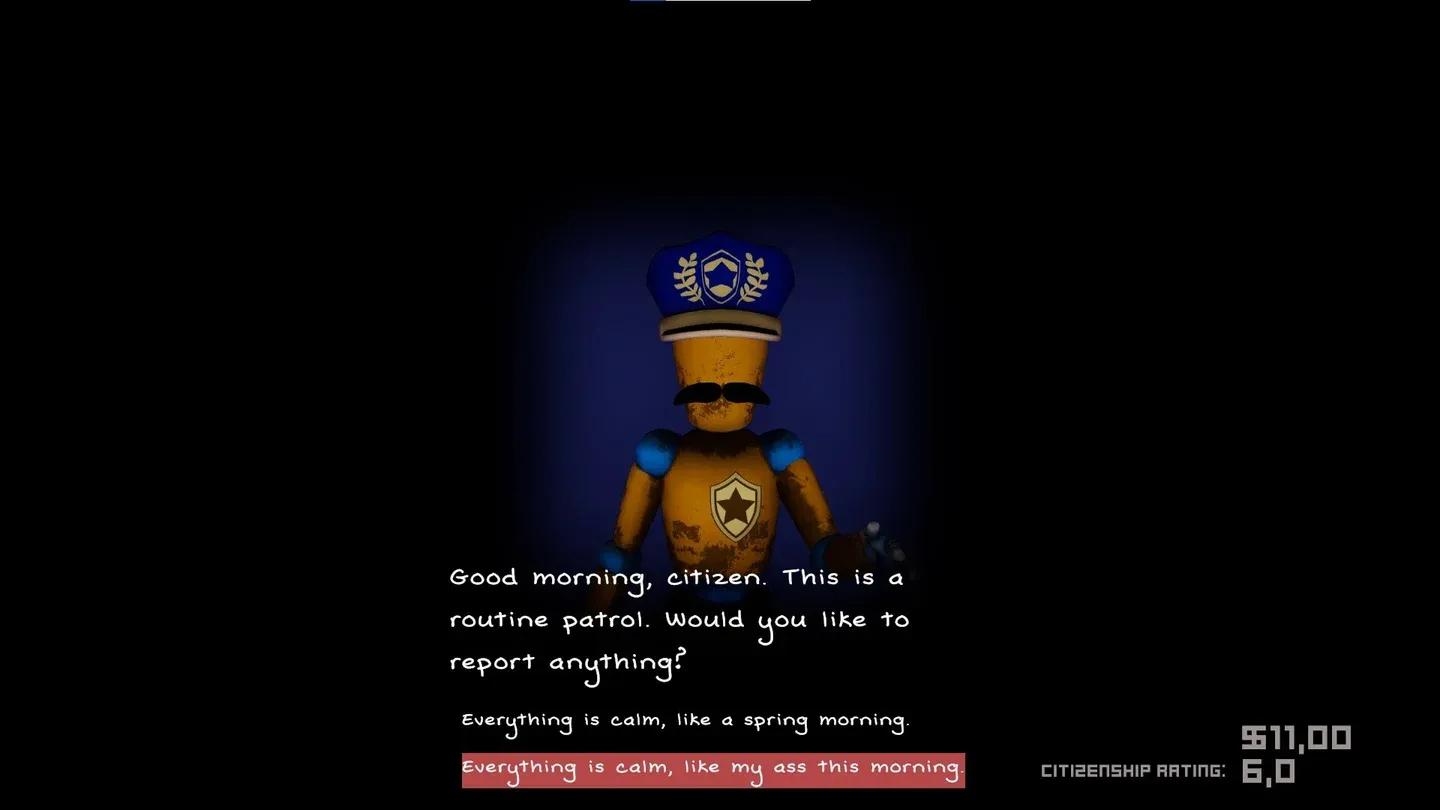
The comic-style storytelling sequences give the world visual texture without requiring a large production budget. They land at specific moments to reframe what the player has been doing, and the shift from mundane apartment life to illustrated story beats keeps the pacing from going flat.
Dystopicon content image
What makes Dystopicon different from other indie simulation games?
Most simulation games reward optimization. Dystopicon rewards attention. The mechanics are simple enough to learn in minutes, but the game's real content lives in what players notice rather than what they accomplish. A government broadcast that seems routine on day one reads differently after an investigation sequence. Written messages carry implications that only register once the broader system becomes clear.
Dystopicon content image
The choice between compliance and rebellion is not framed as a binary moral meter. The game tracks behavior through the government's monitoring systems, and the consequences of curiosity are presented as natural outcomes of a functioning authoritarian structure rather than game-over punishments. That design decision, borrowed from the same philosophical space as Papers, Please, gives Dystopicon its specific tension. Playing it safe is always an option. That's exactly what makes breaking the rules feel meaningful.
| Requirement | Minimum | Recommended |
|---|---|---|
| OS | Windows 10 64 bit | Windows 10 64 bit |
| Processor | Intel Core i5-2300 | AMD FX-6350 | Intel Core i5-4670 | AMD Ryzen5 1600 |
| Memory | 4 GB RAM | 8 GB RAM |
| Graphics | NVIDIA GeForce GTX 650 Ti, 2 GB | AMD Radeon R7 360, 2 GB | NVIDIA GTX 1060 6GB or AMD Radeon RX 580 8GB |
| DirectX | Version 11 | Version 11 |