


Advertisement

Overview
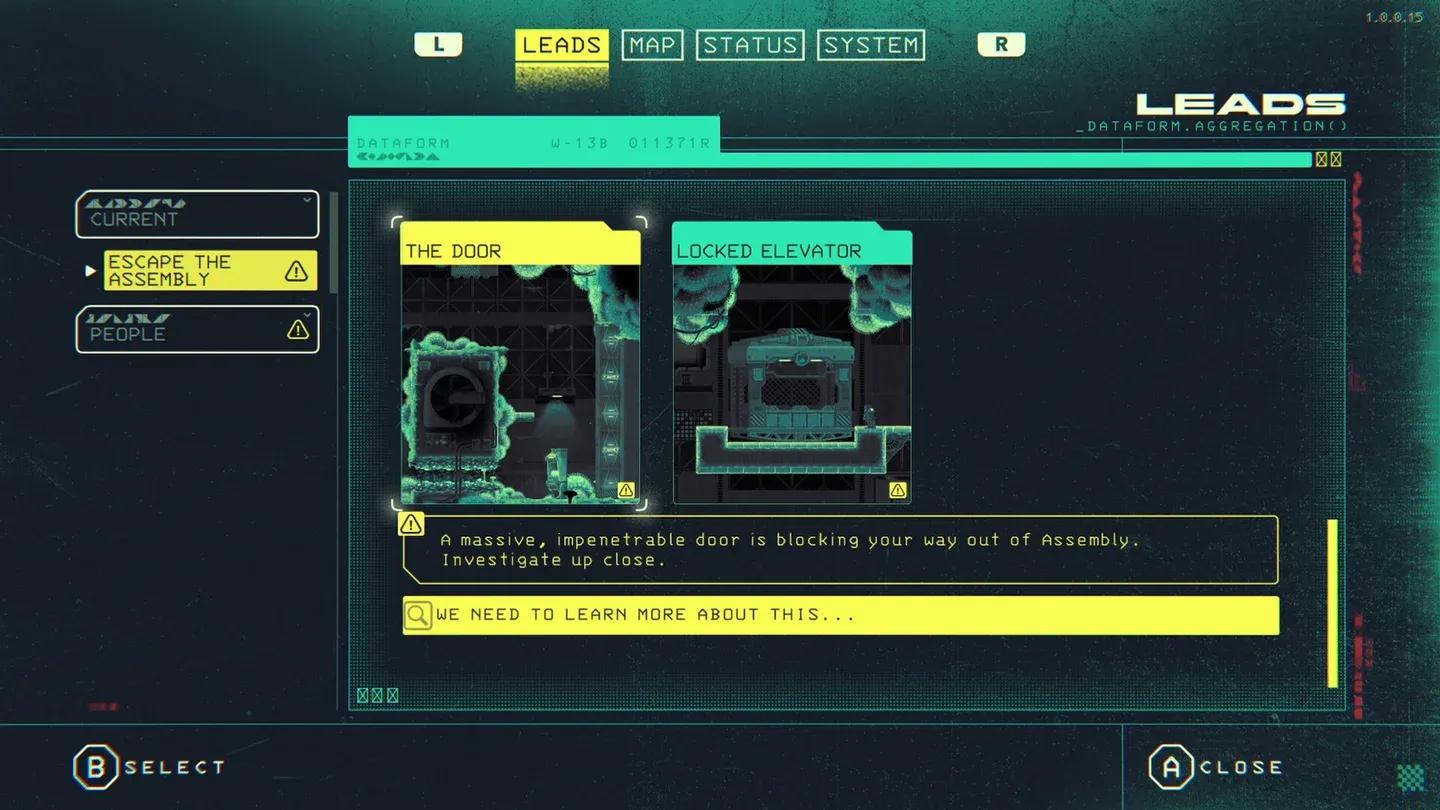
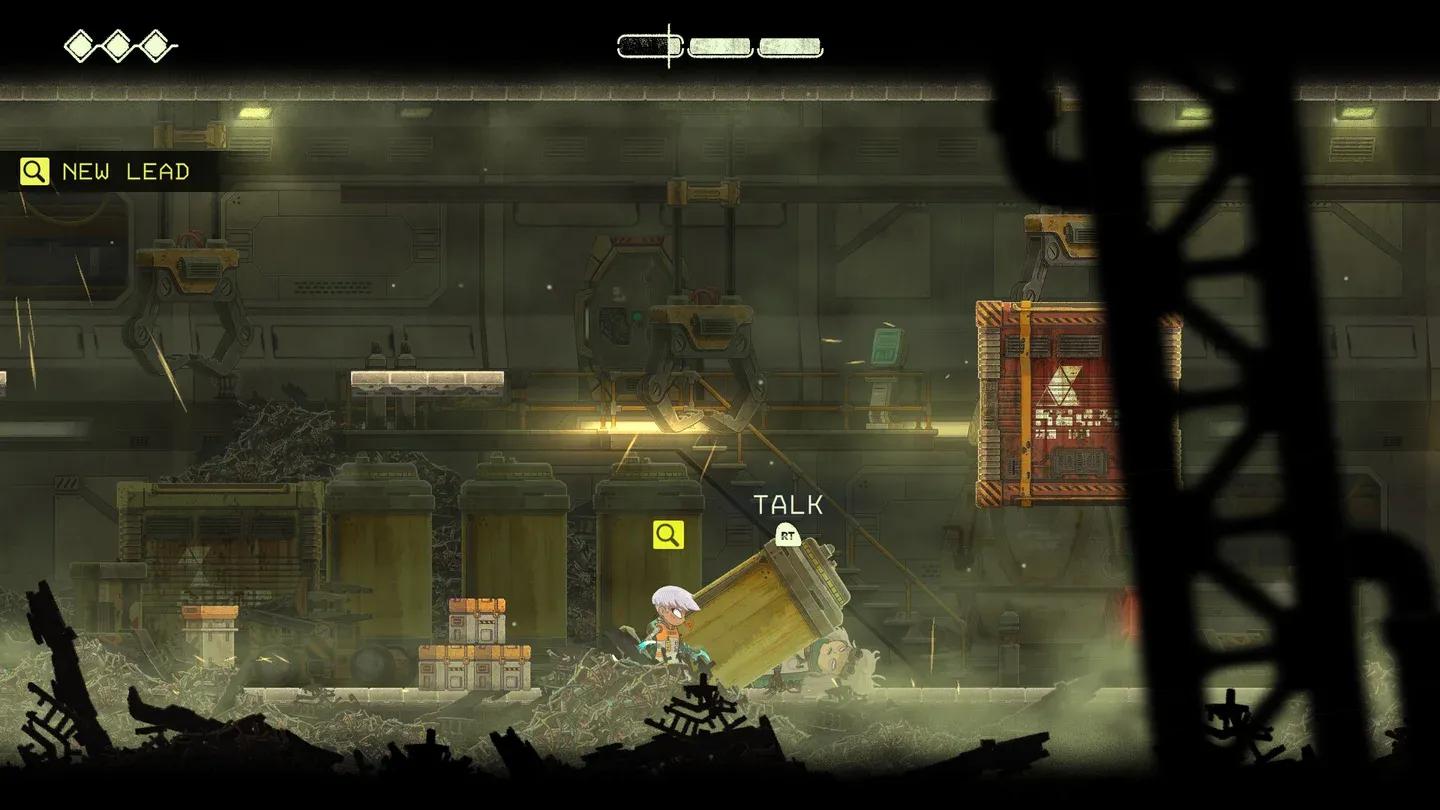
Echo Weaver is a knowledge-based Metroidvania from developer Moonlight Kids, published by Akupara Games and released on October 8, 2026. Players take the role of the last surviving Weaver, trapped inside a collapsing time loop within the ruins of a once-utopian civilization called Provenance. The goal is not to grind stats or collect power-ups, but to accumulate understanding, piecing together what destroyed this world and how to escape it.
The game borrows the term "metroidbrainia" to describe its core design philosophy. Progress is defined entirely by what the player has learned across previous loops, not by any traditional upgrade tree. Every ability the Weaver will ever use is already present from the start; the work is figuring out how to apply it. That framing puts Echo Weaver closer to Outer Wilds than to a conventional Metroid-style game, though the platforming feel and hand-drawn biomes draw clear inspiration from titles like Ori and the Blind Forest.
Gameplay and mechanics
The time loop in Echo Weaver functions as a direct resource, not just a narrative device. Pickups scattered through the ruins extend the loop's duration, and that time can be spent to heal, trade with survivors, or open new routes through Provenance. Running out does not mean failure so much as reset, and each reset carries forward only the knowledge gained, never items or stats.
Echo Weaver content image
Key mechanics at a glance:
- Glaive powers: reality-bending abilities available from the start
- Echo harvesting: collecting potent pickups to extend loop duration
- Route optimization: finding shortcuts unlocked by prior-loop knowledge
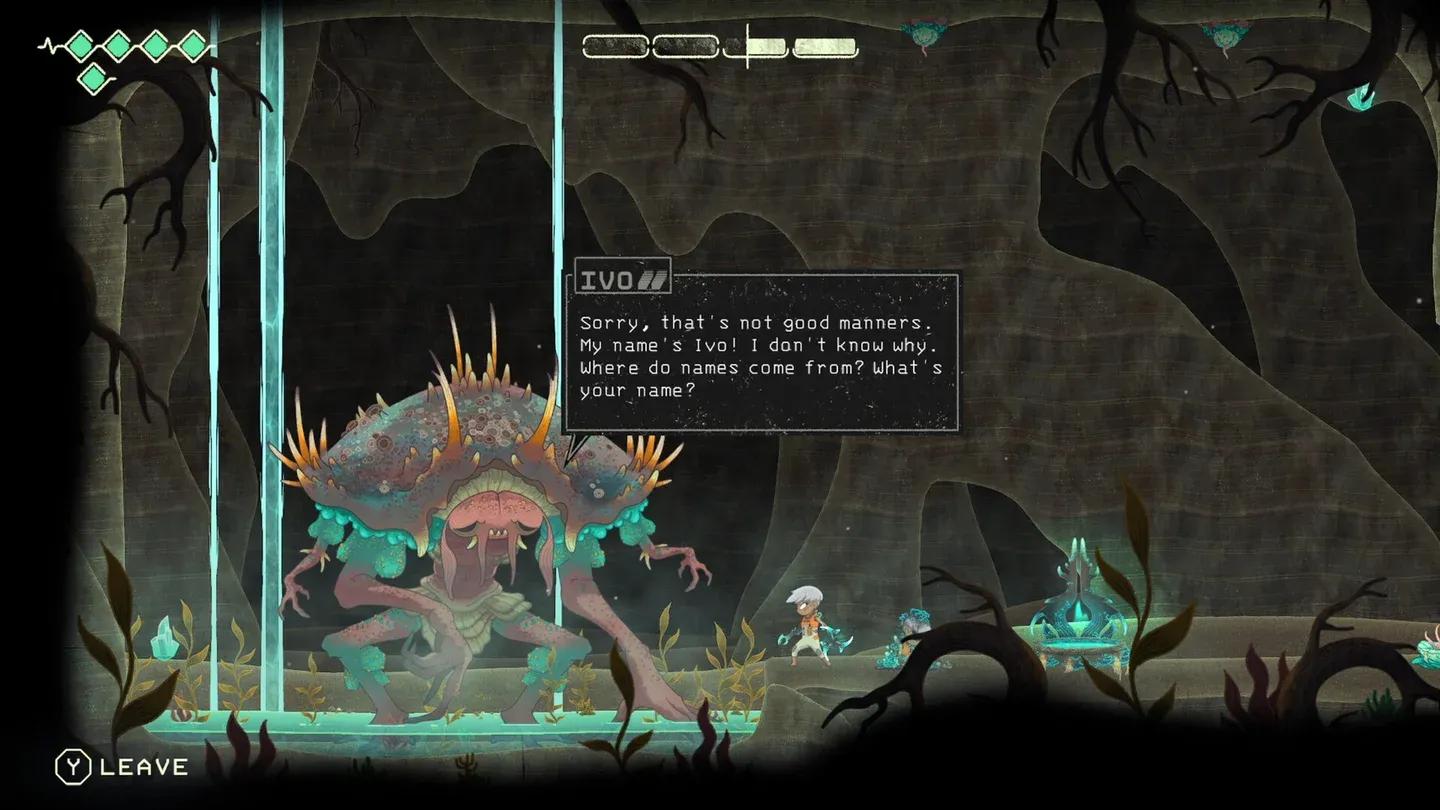
- Survivor interactions: NPC relationships that reveal story and open paths
- Hazard memorization: learning enemy patterns to achieve clean, rhythmic runs
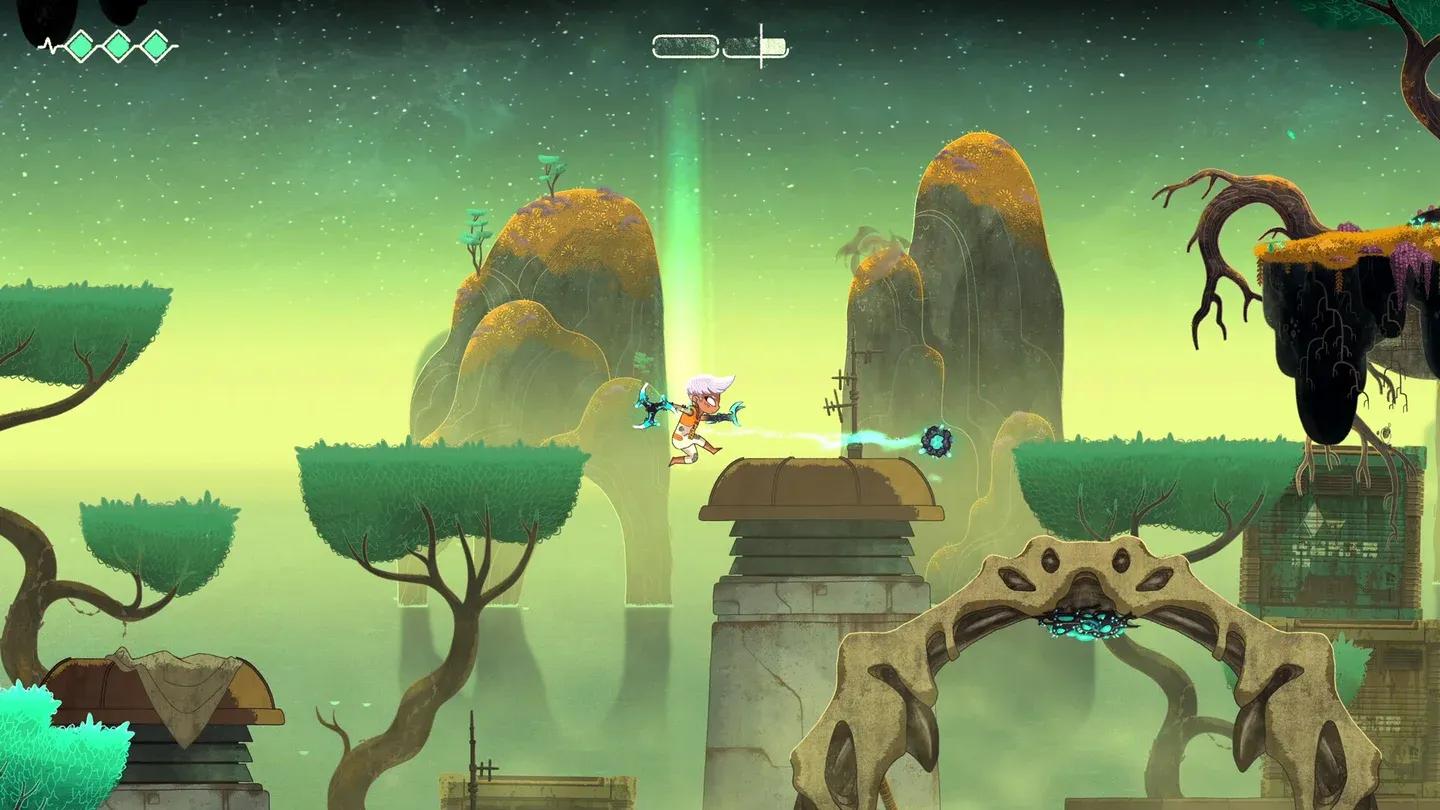
The design prioritizes choreography over raw reflex. Memorizing hazard placements and enemy timing allows players to find a flow state through each run, threading through danger rather than fighting through it.
Echo Weaver content image
What is the glaive and how does it change progression?
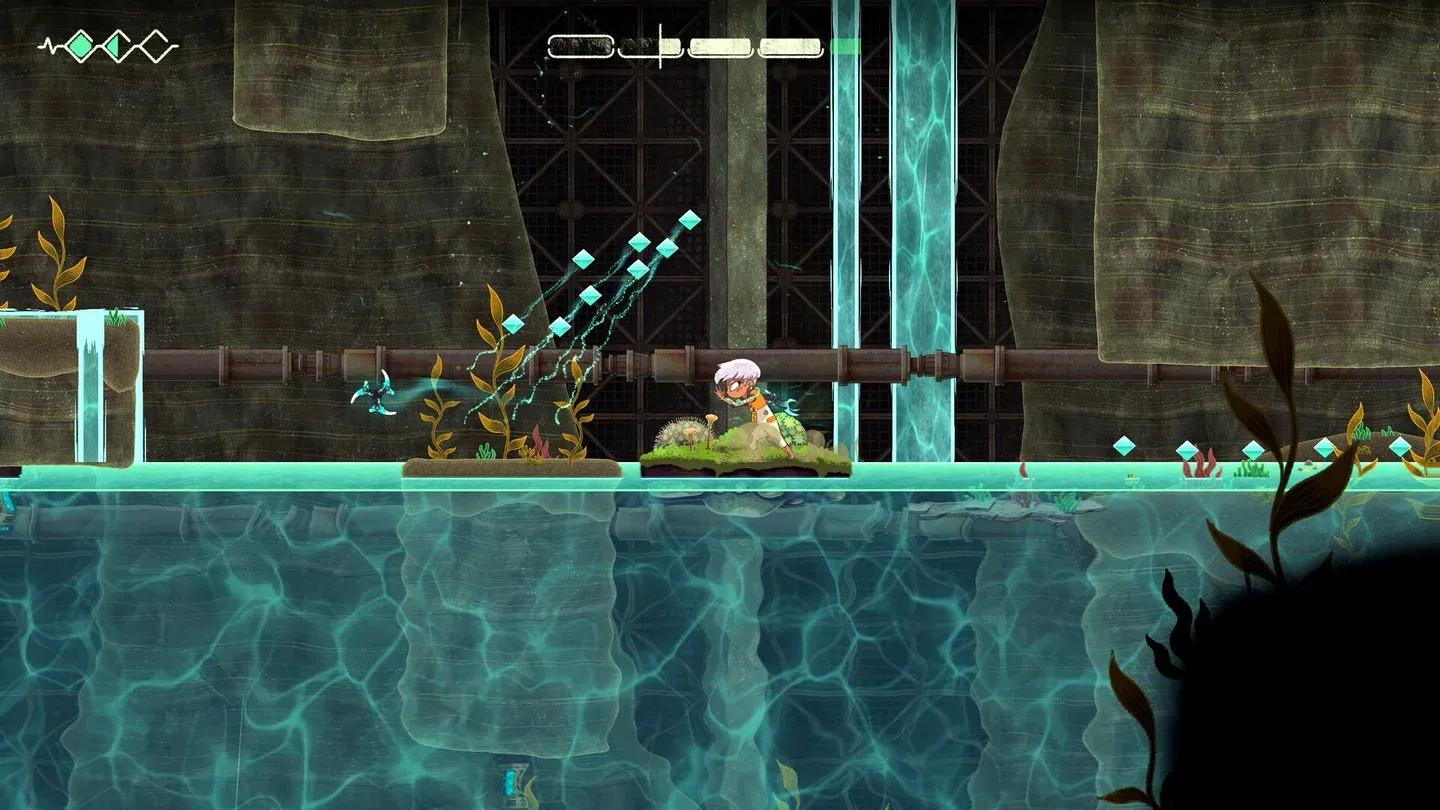
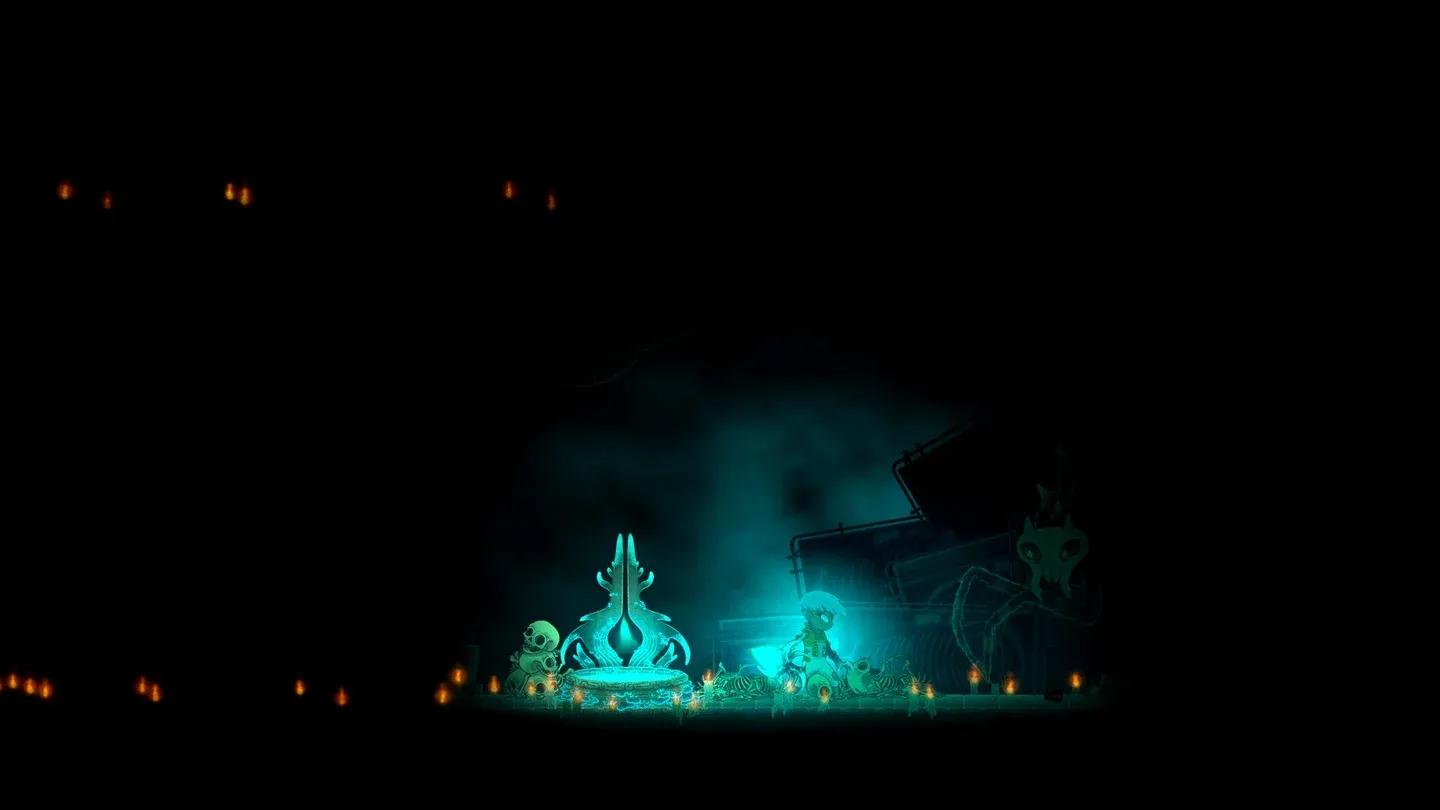
The glaive is an alien weapon bound to the Weaver's existence, and it sits at the center of every mechanical puzzle in Echo Weaver. Its reality-bending powers can bypass obstacles, reveal hidden shortcuts, and interact with the environment in ways that only become clear after multiple loops. The game never hands over a tutorial explaining each application; players discover them through experimentation and failure.
Echo Weaver content image
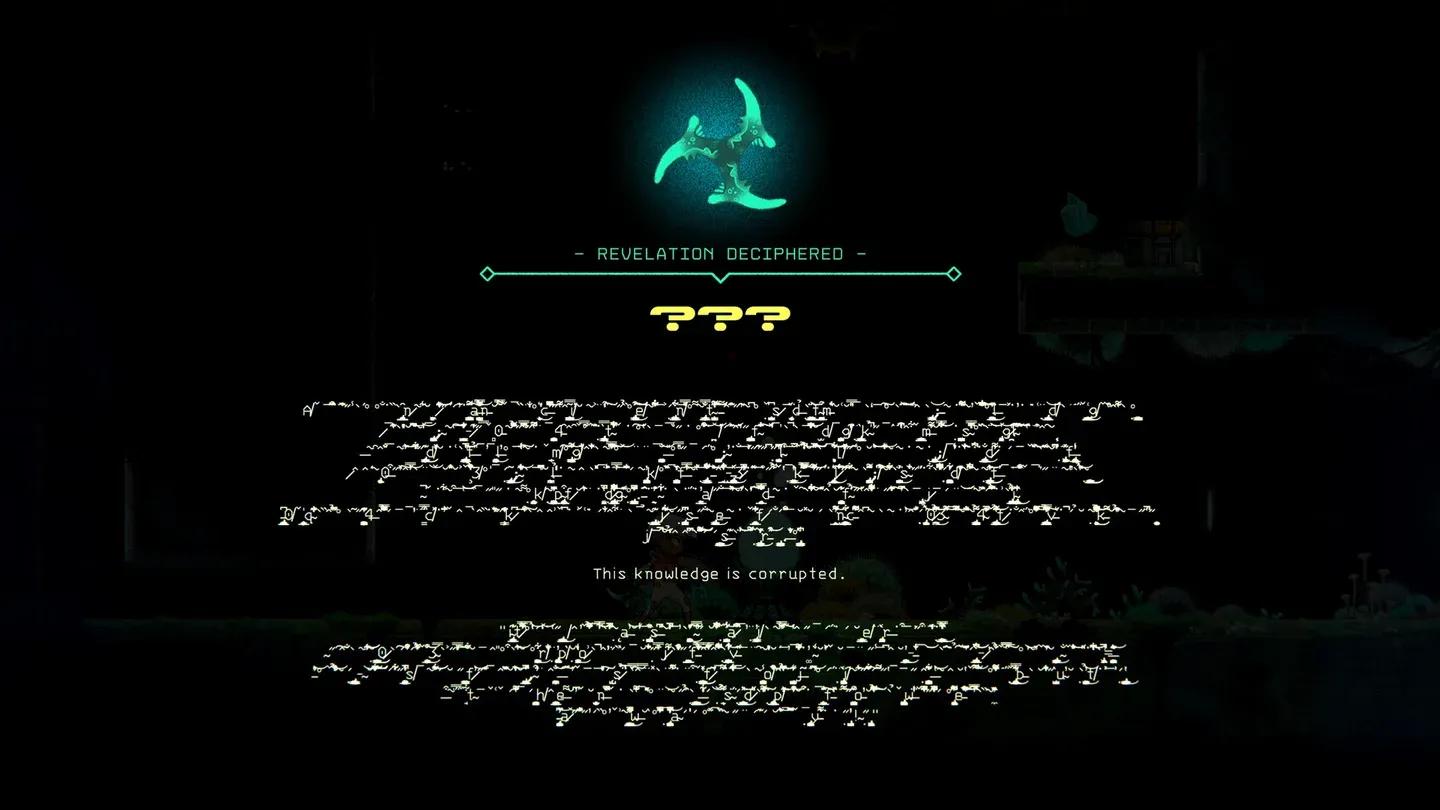
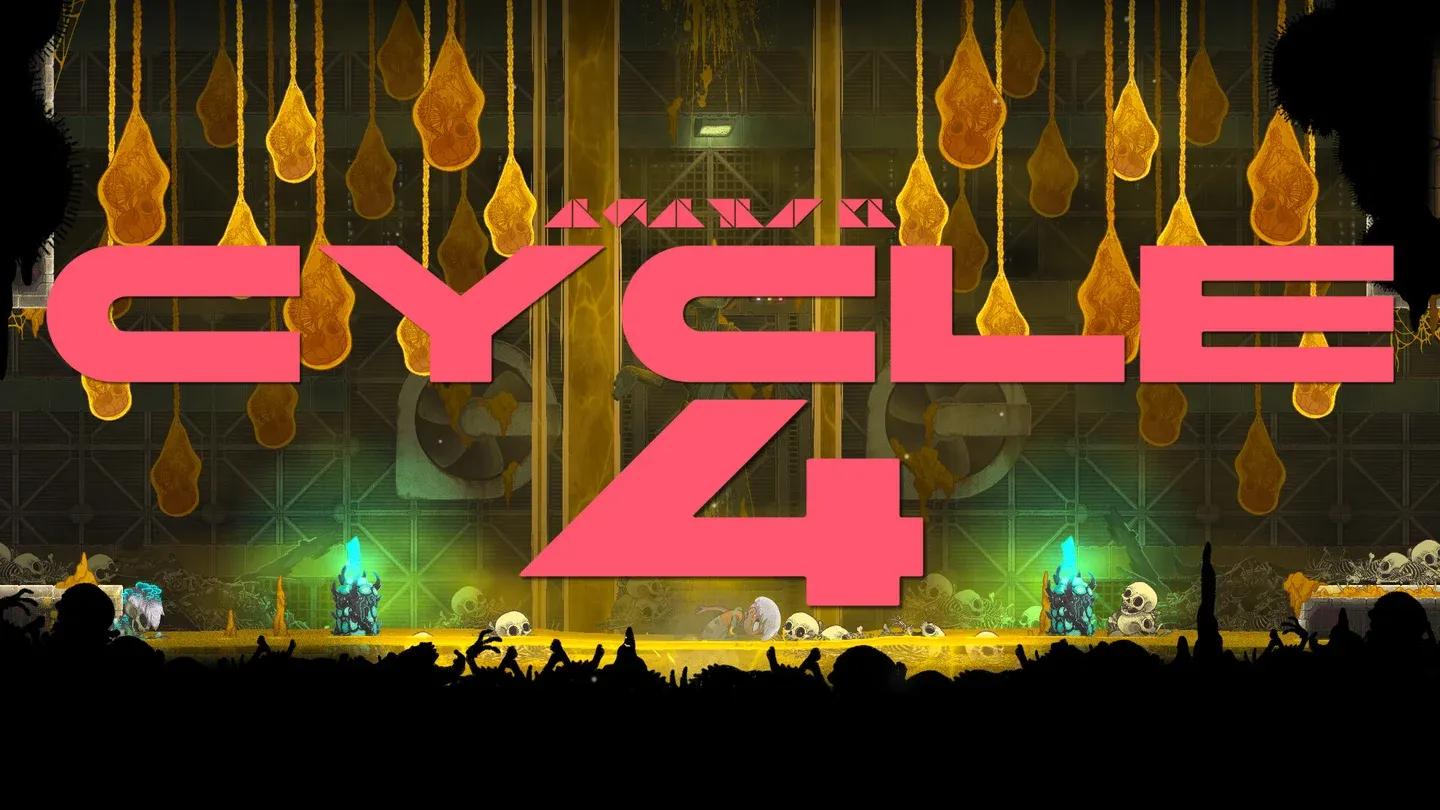
Deciphering the glaive's fractured capabilities is effectively the progression system. A shortcut that seemed blocked in loop three might open up once the player understands a specific glaive interaction found in loop seven. That layered discovery structure is what separates Echo Weaver from standard action-platformers.
Echo Weaver content image
World and setting
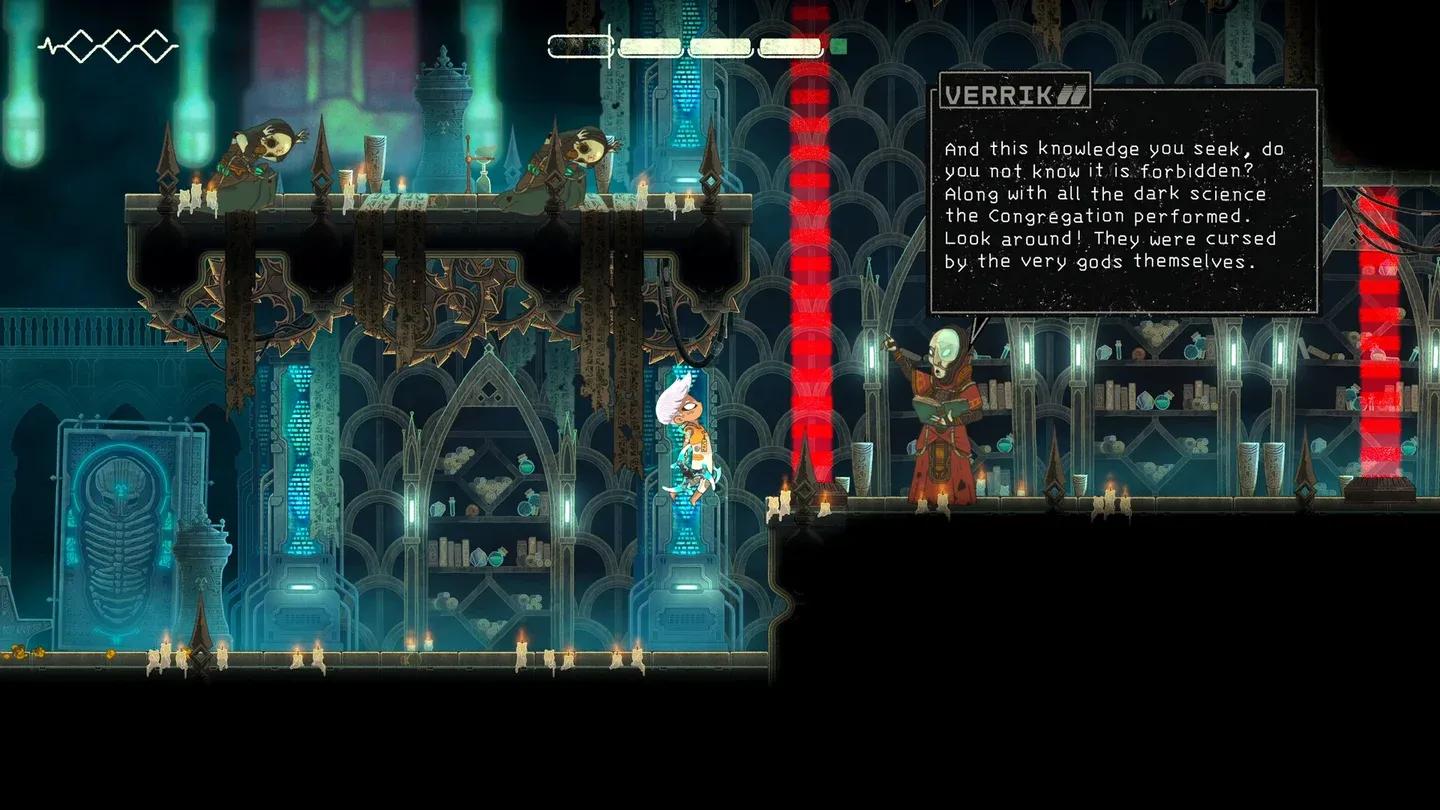
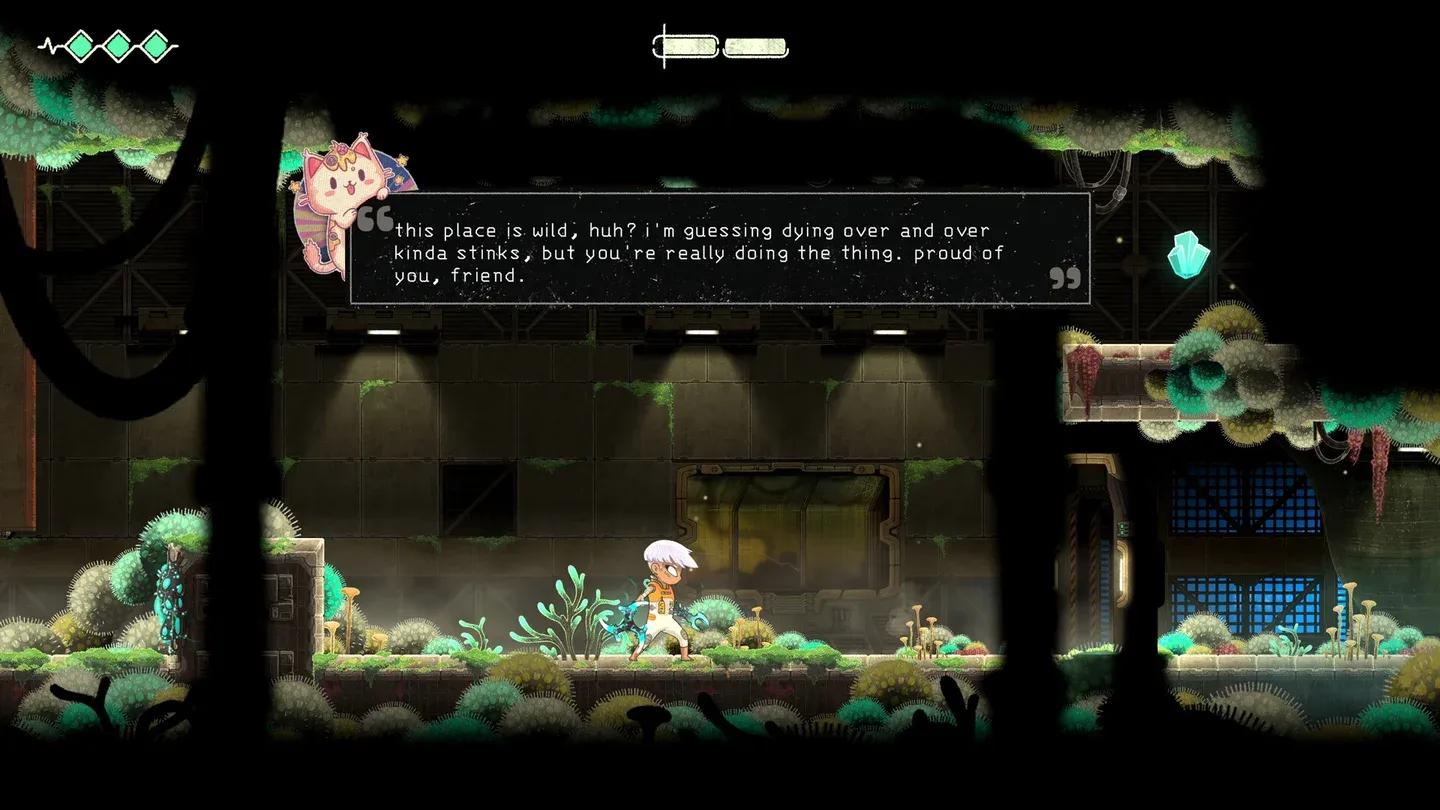
Provenance is the ruined remnant of a society that reached for the stars and found something else entirely. The Congregation, a faction whose exact nature the game withholds deliberately, caused what survivors call The Collapse. Scattered across the loop are characters who fill in the gaps: a pizza-slinging cat serving as an unlikely guide, a protective leader sheltering refugees, and a zealous cleric preaching doom to anyone nearby.
The world is drawn across beautifully distinct biomes, each with its own visual character and hazard set. The narrative unfolds through observation and conversation rather than cutscenes, rewarding players who pay attention across multiple loops rather than those who rush toward objectives.
Content and replayability
Echo Weaver's replayability is structural rather than procedural. The ruins do not randomize between runs; instead, the player's growing knowledge of fixed layouts and secrets creates a compounding sense of mastery. Discovering a new shortcut or understanding an NPC's role transforms a previously familiar route into something entirely different. The game is designed around the idea of charting one perfect loop, with every prior run serving as preparation for that final, optimized run through Provenance.