


Biggest discounts, free games, and limited-time offers across every major gaming store.
Never pay full price again.
Overview
Flower is a casual simulation and exploration game developed by thatgamecompany and published by Annapurna Interactive. Originally released on PlayStation platforms, it arrived on PC via Steam and Epic Games Store on February 14, 2019. The premise is as spare as it sounds: you are the wind, guiding a lead petal through open environments while collecting more petals along the way. Each level transforms from a dormant, muted world into something alive and colorful based on where you fly.
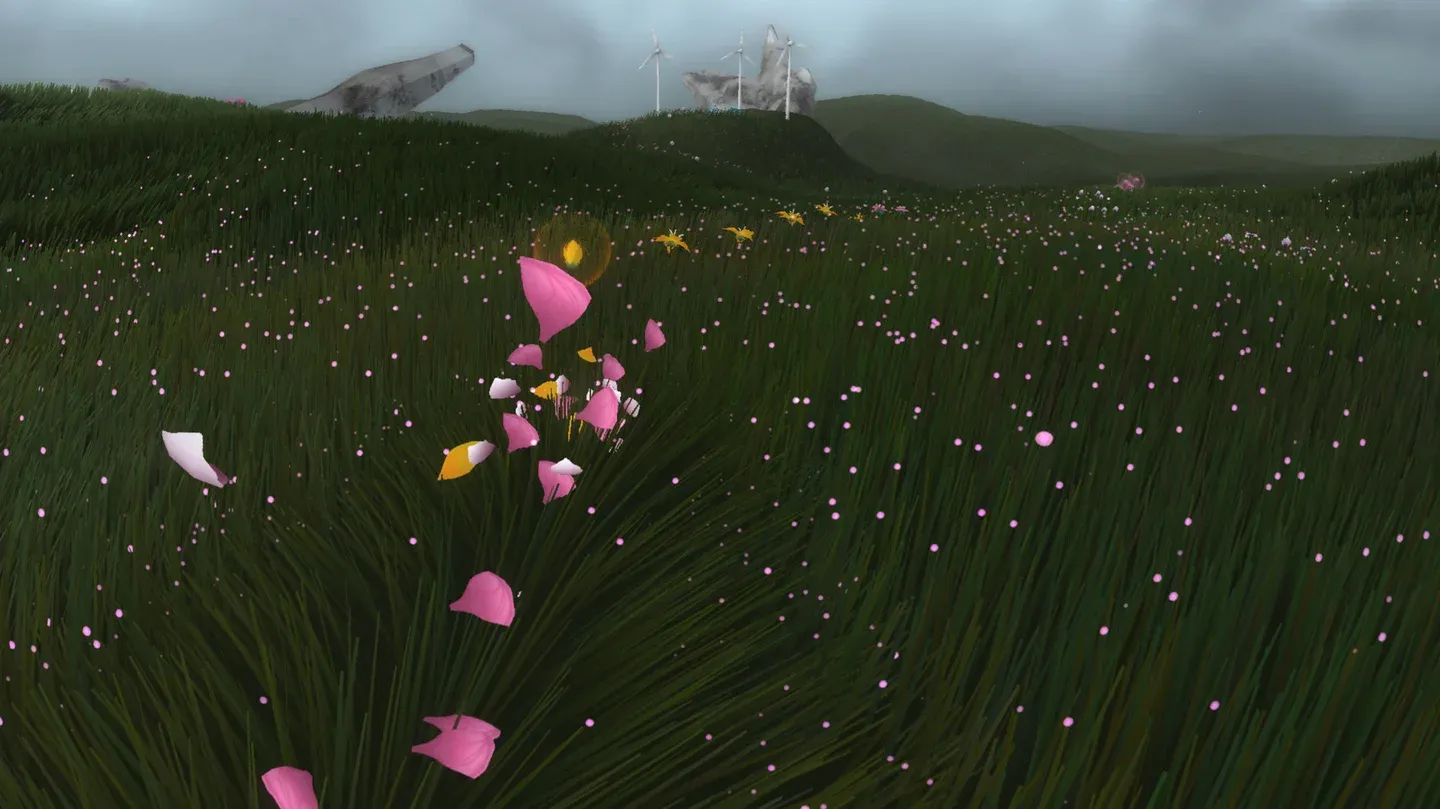
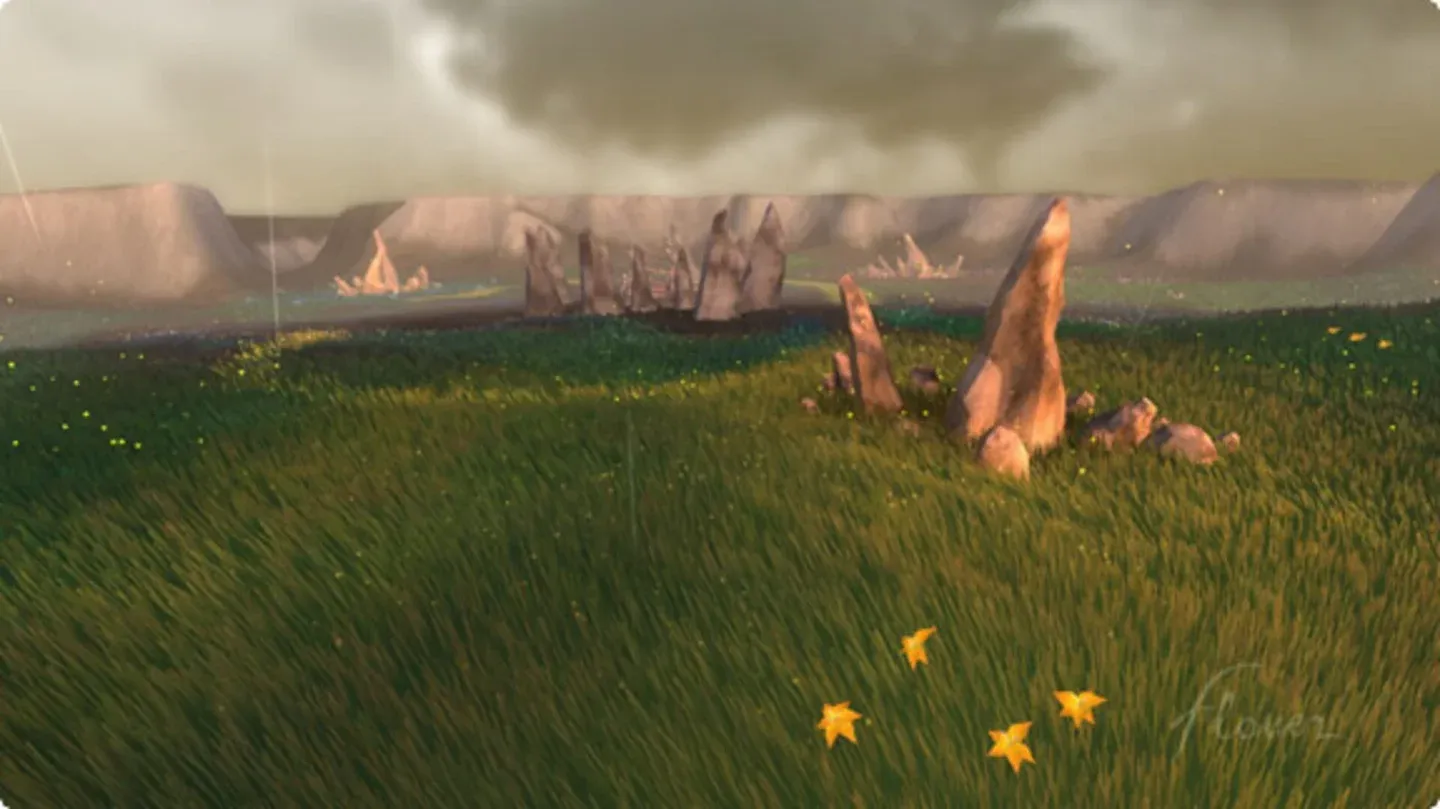
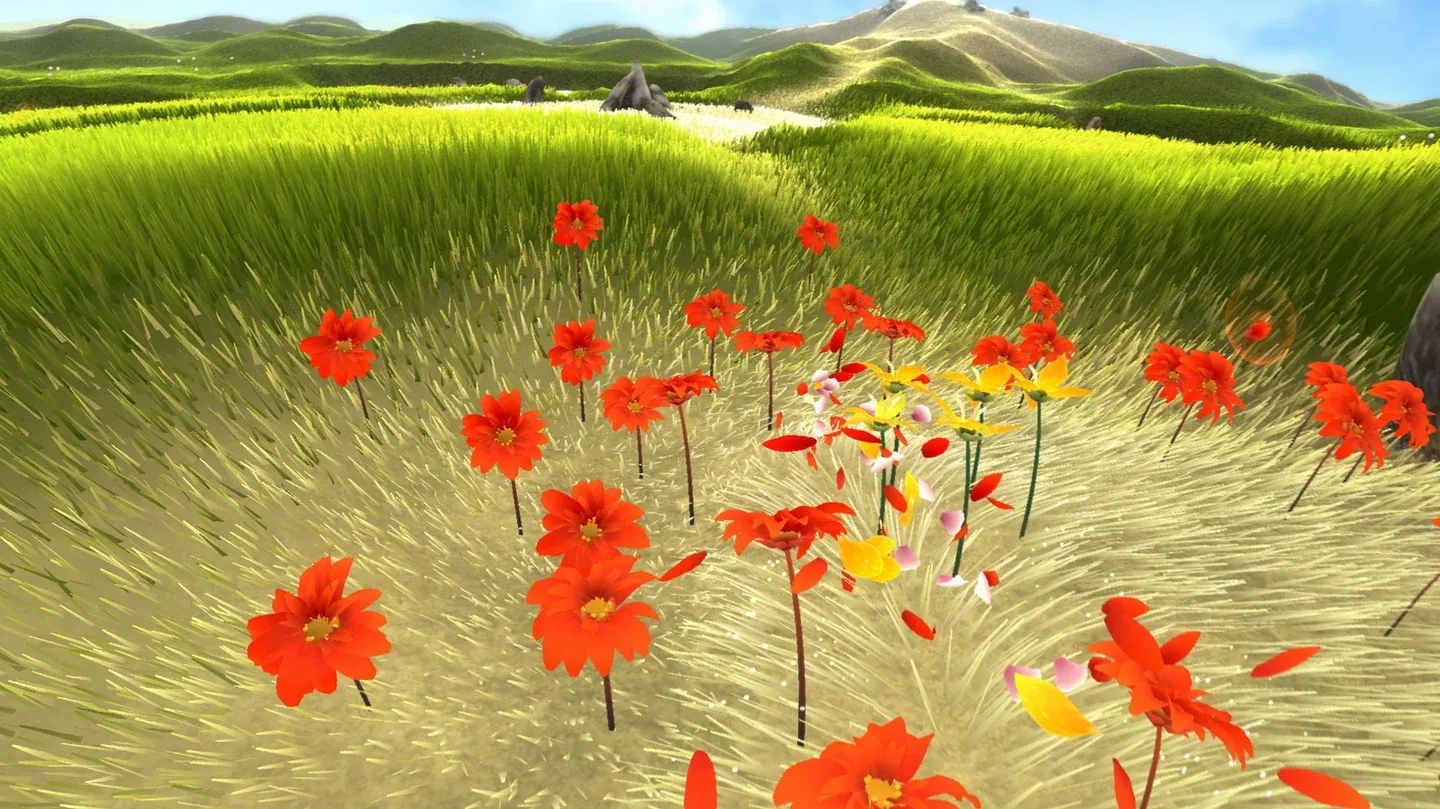
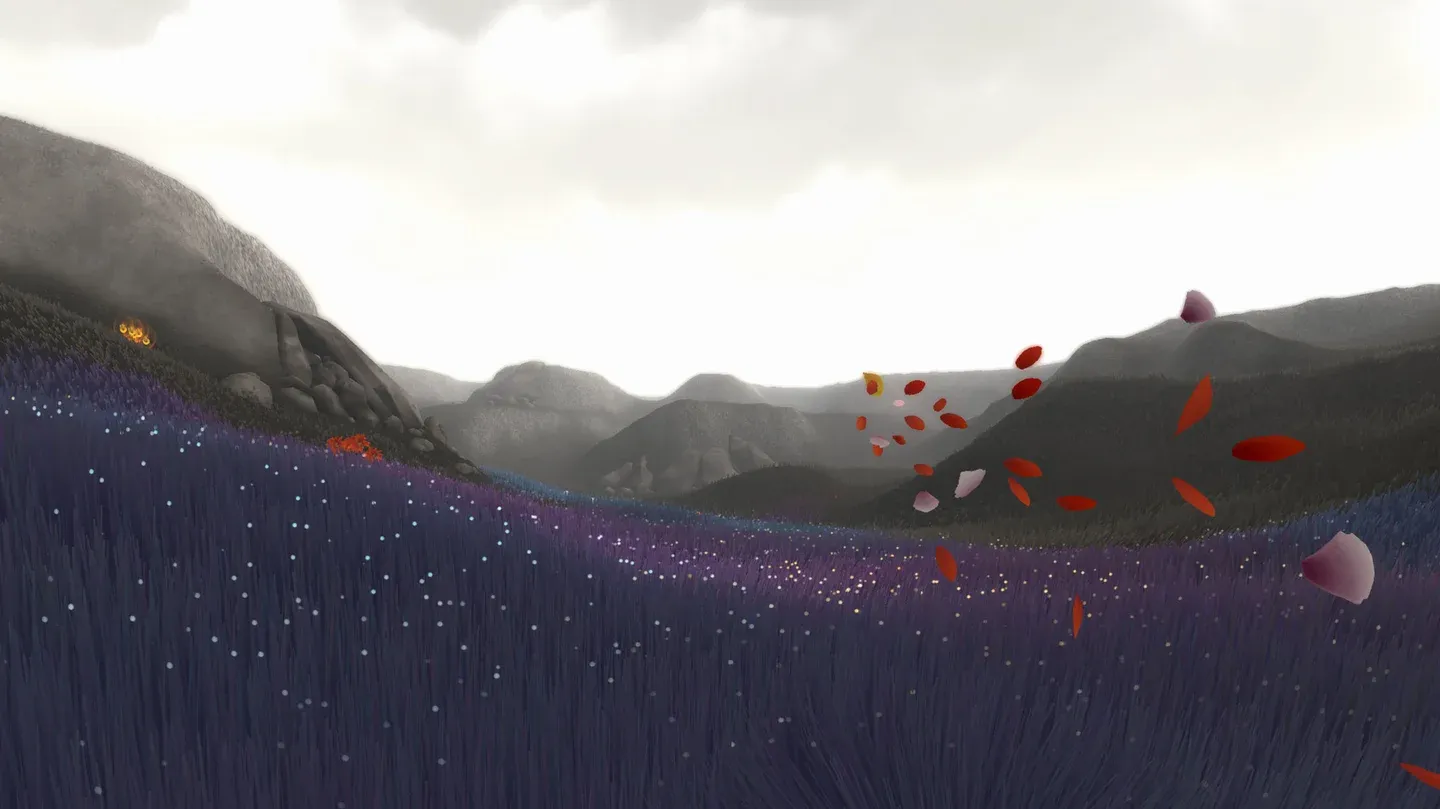
The game draws a clear line between itself and conventional game design. There are no fail states, no timers, no health bars. What exists instead is a series of landscapes that respond to your movement, shifting from grey and withered to green and blooming as you sweep through clusters of flowers. That responsive world design is the core loop, and it holds up across all six levels.
Flower content image
Gameplay and mechanics
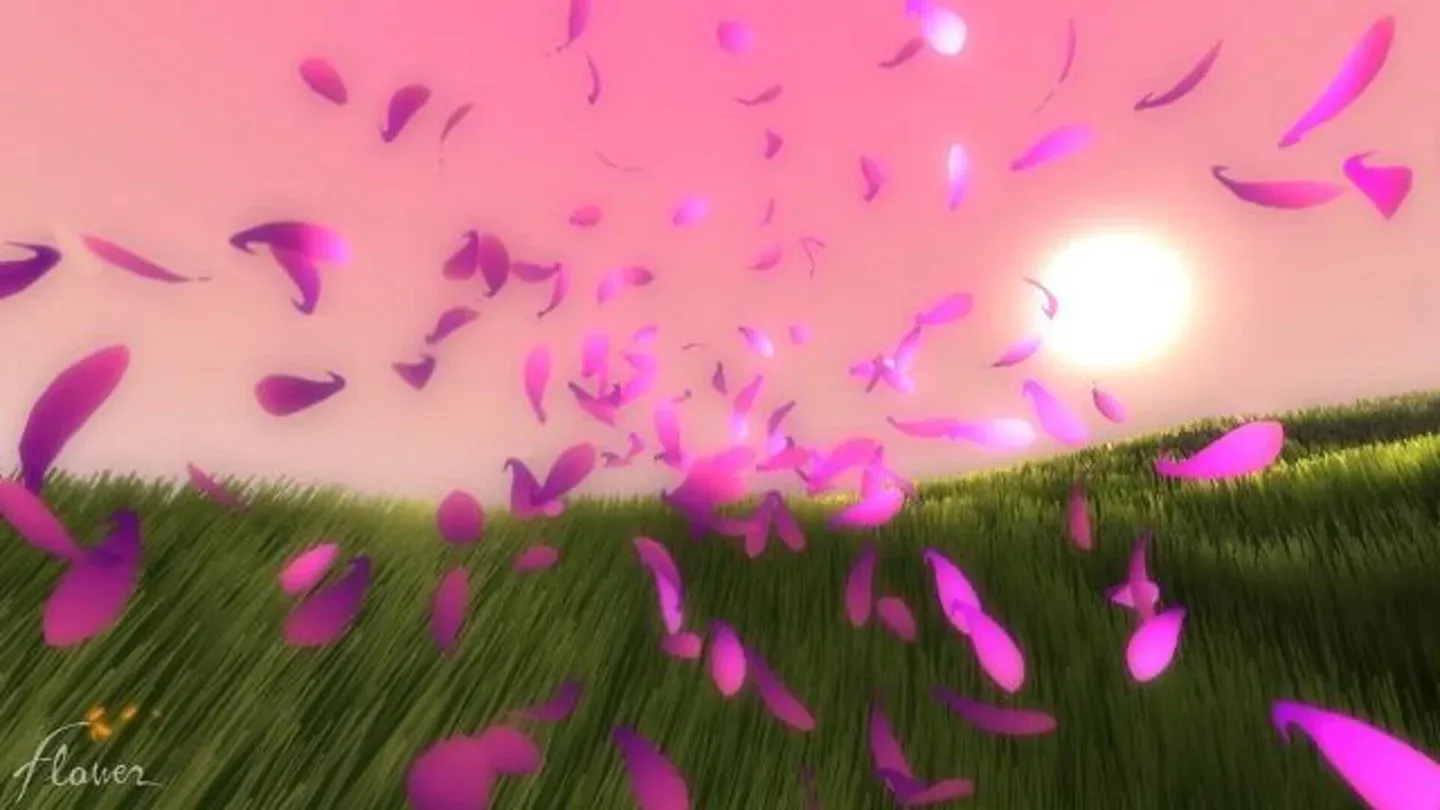
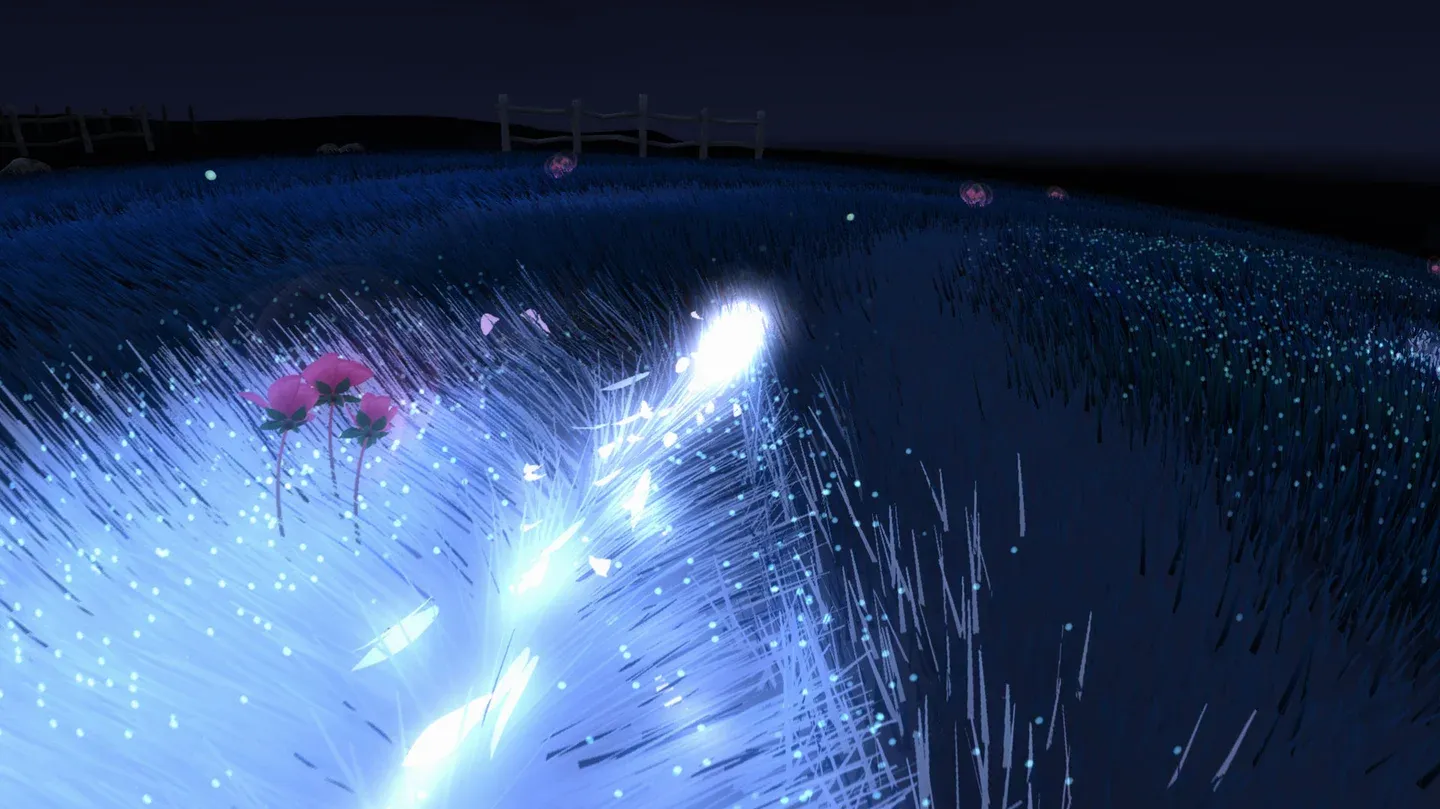
Control in Flower is built around motion. On PlayStation, the SIXAXIS controller tilts to steer the petal through the air. On PC, players use a gamepad or keyboard to guide their direction across each open field. Pressing any button generates a gust of wind that propels the lead petal forward, and touching flowers adds more petals to the growing trail behind you.
Flower content image
Key mechanics at a glance:
- Tilt or analog input controls flight direction
- Collecting flower clusters expands your petal stream
- Environmental triggers unlock new areas within each level
- Pace is entirely player-controlled
- No death, no score, no time limit
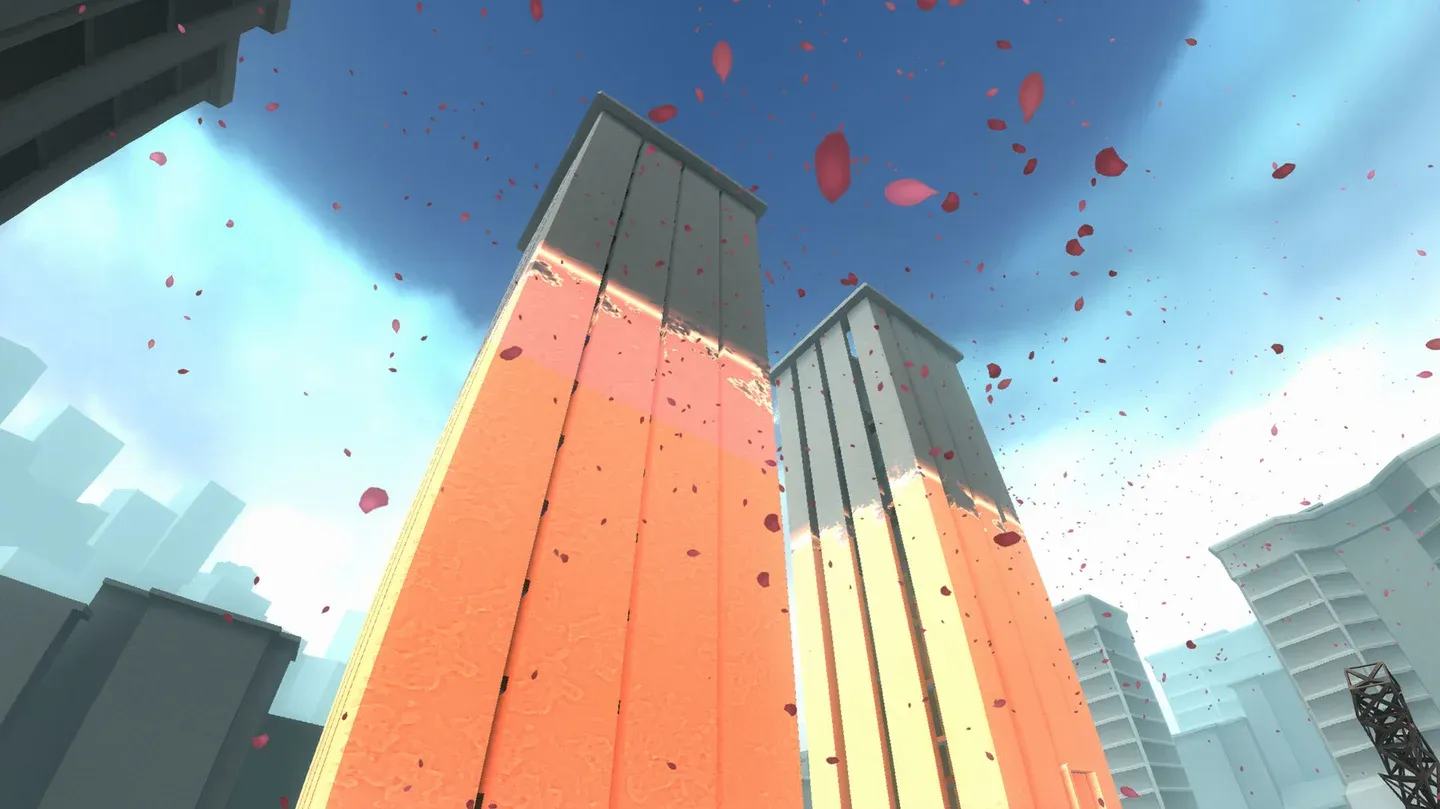
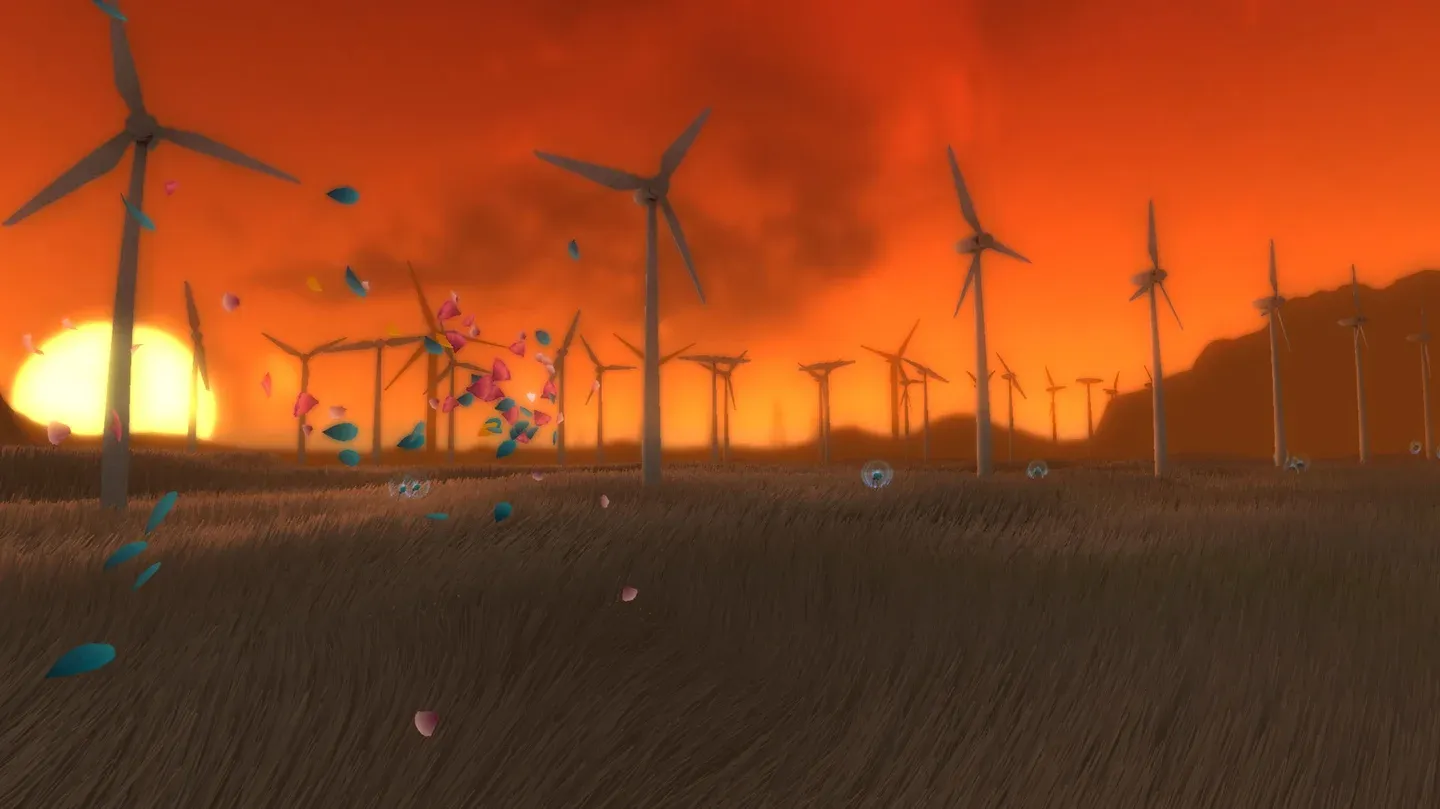
Each level has its own rhythm. Some are slow and pastoral, asking you to drift lazily across sun-drenched hills. Others introduce tension through darker, more industrial environments where the contrast between decay and bloom becomes the point. The game never tells you what to do in those moments. It just presents the space and lets the player decide how to move through it.
Flower content image
Visual and audio design
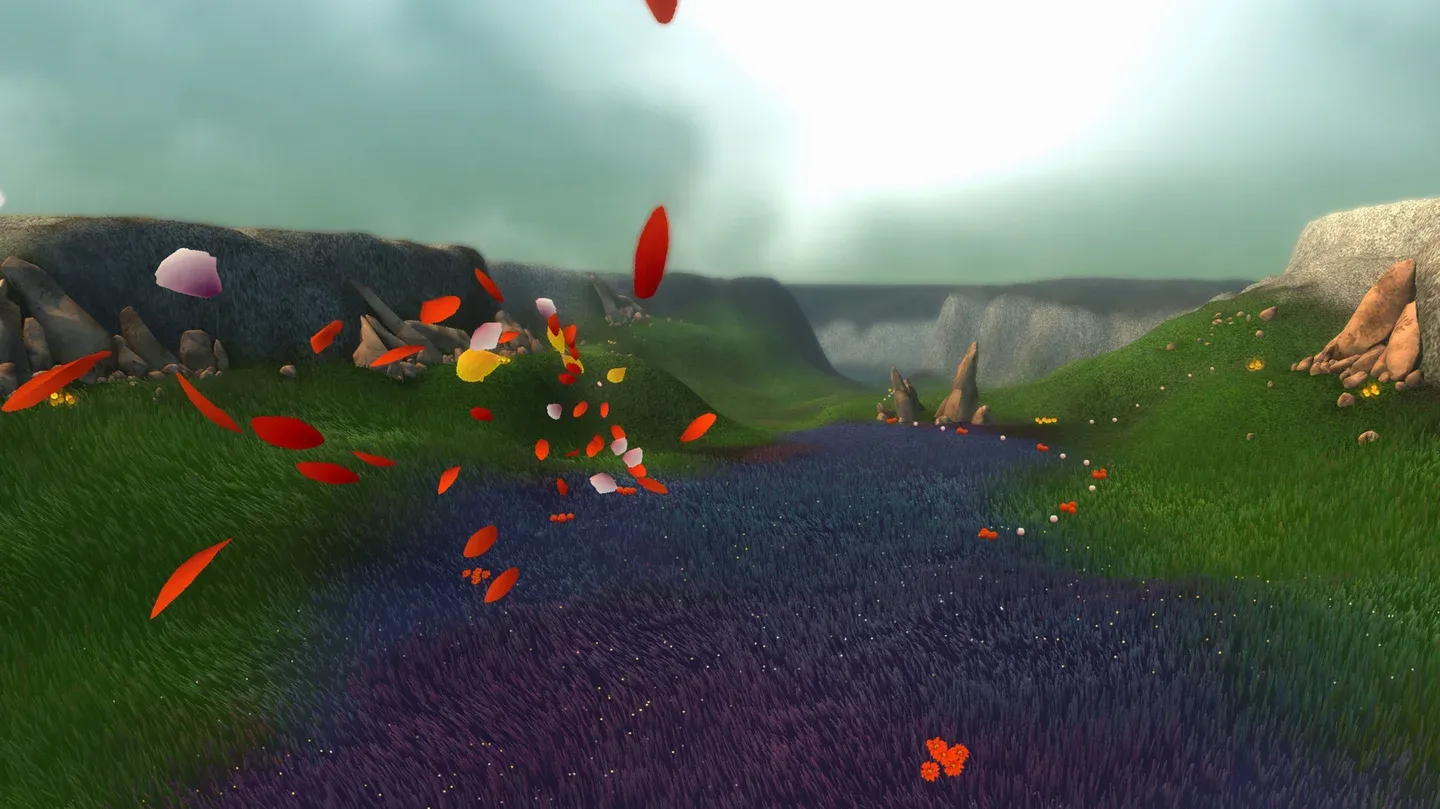
Flower's visual identity is built on the tension between the natural and the artificial. Fields of grass ripple in real time as the petal stream passes through them, and the color palette shifts dramatically from level to level. The technical grass rendering, even years after release, still produces a convincing sense of physical space and air movement.
The score, composed by Vincent Diamante, adapts dynamically to player actions. Collecting petals adds new musical layers, creating a generative soundtrack that grows richer as the environment comes to life. The result is that the audio and visual feedback loop reinforces each other constantly. You hear the world waking up as you watch it happen.
Impact and legacy
Flower has earned a place in the conversation about games as art. It was inducted into the Smithsonian's permanent collection and won BAFTA and Game Developers Choice Awards recognition for its achievements in music, art, and innovation. On the PlayStation Store, it carries a 4.66 average rating across more than 60,000 player ratings, which is a meaningful signal for a game this quiet and unhurried.
The game is available on PlayStation and PC storefronts. The experience runs roughly 90 minutes to two hours for a full playthrough, though the open nature of each level invites slower exploration. For anyone drawn to relaxing games, nature simulation, or the meditative design that thatgamecompany made its signature, Flower remains a clear example of what the form can do when it stops trying to be everything at once.
Flower content image