
Advertisement

Overview
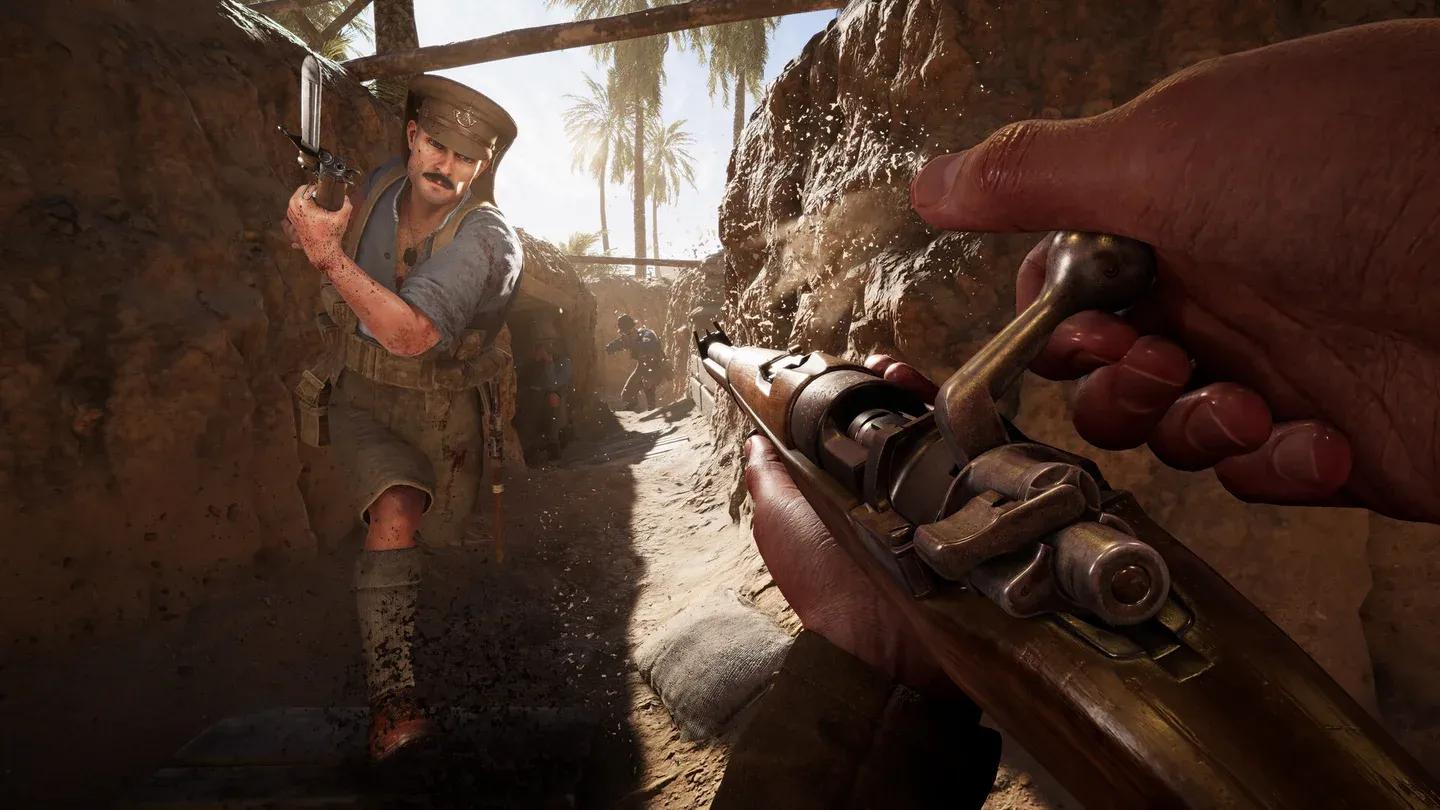
Gallipoli is the fourth entry in BlackMill Games' WW1 Game Series, following Verdun, Tannenberg, and Isonzo. Where those games covered the Western, Eastern, and Alpine fronts respectively, Gallipoli shifts the focus entirely to the Ottoman fronts, covering the Gallipoli Peninsula and Mesopotamia in a way that few WW1 shooters have attempted. Players fight as soldiers of the British or Ottoman Empires across objective-based 25v25 PVP battles, with a hardcore one-shot-one-kill system that punishes recklessness and rewards coordination.
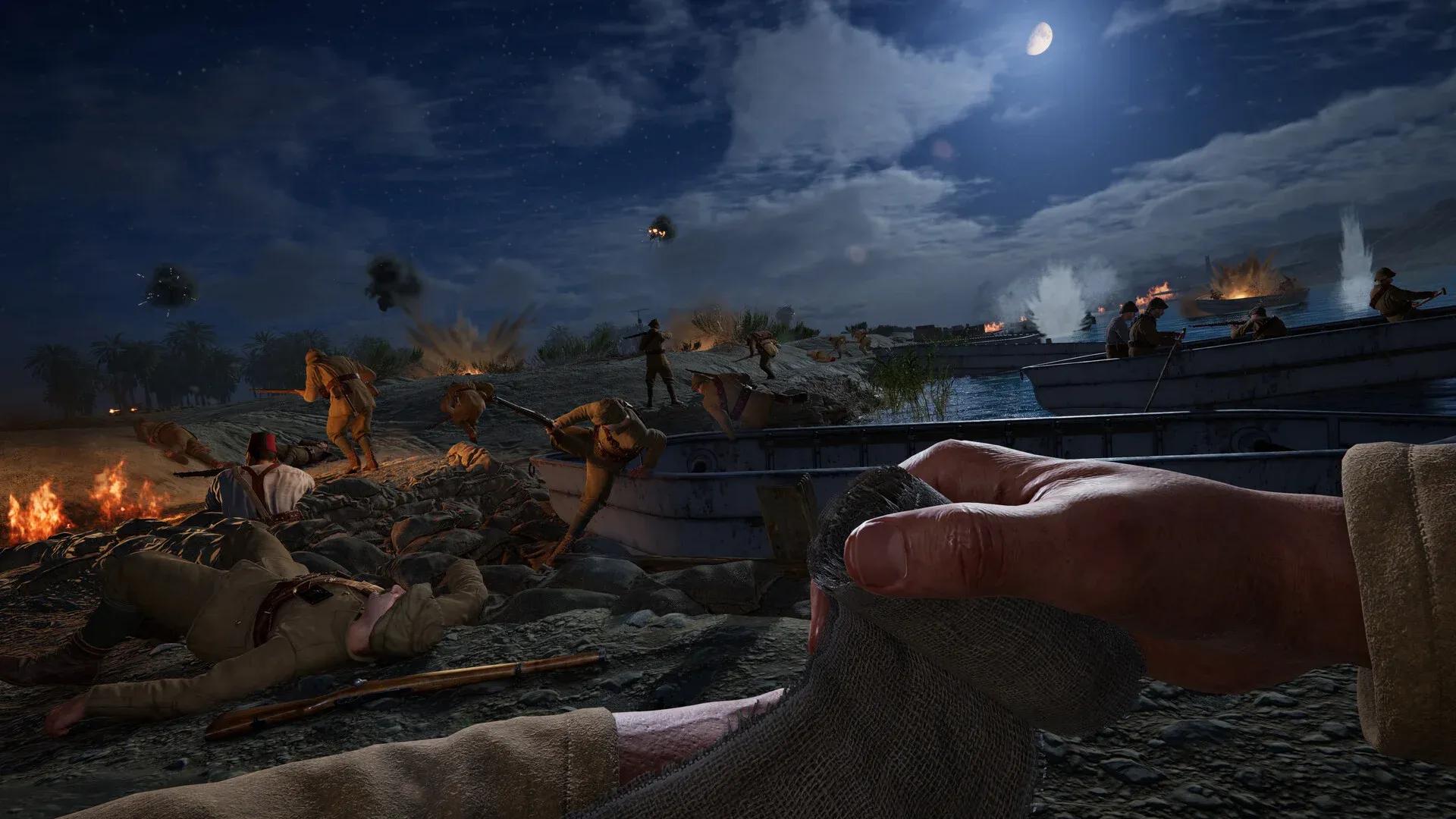
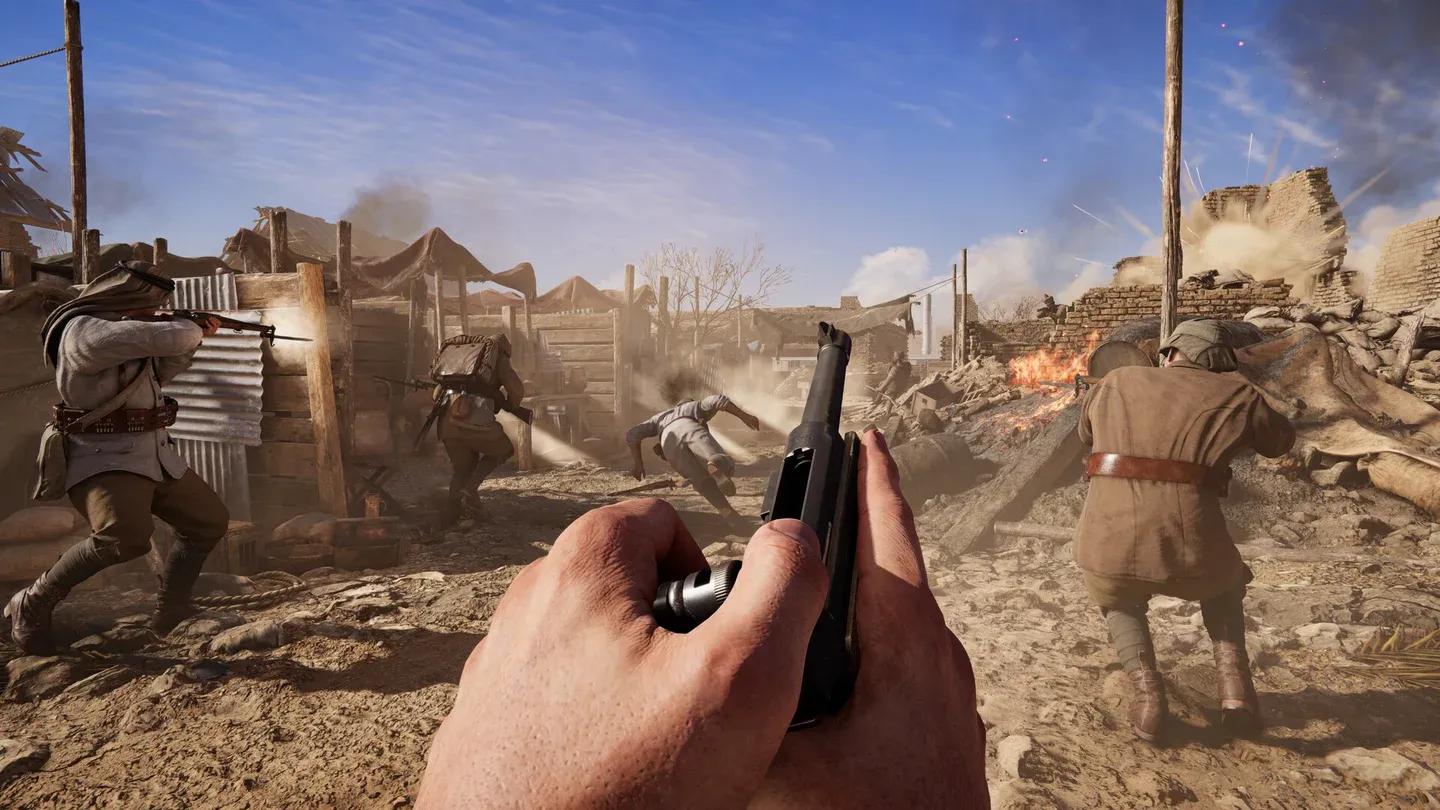
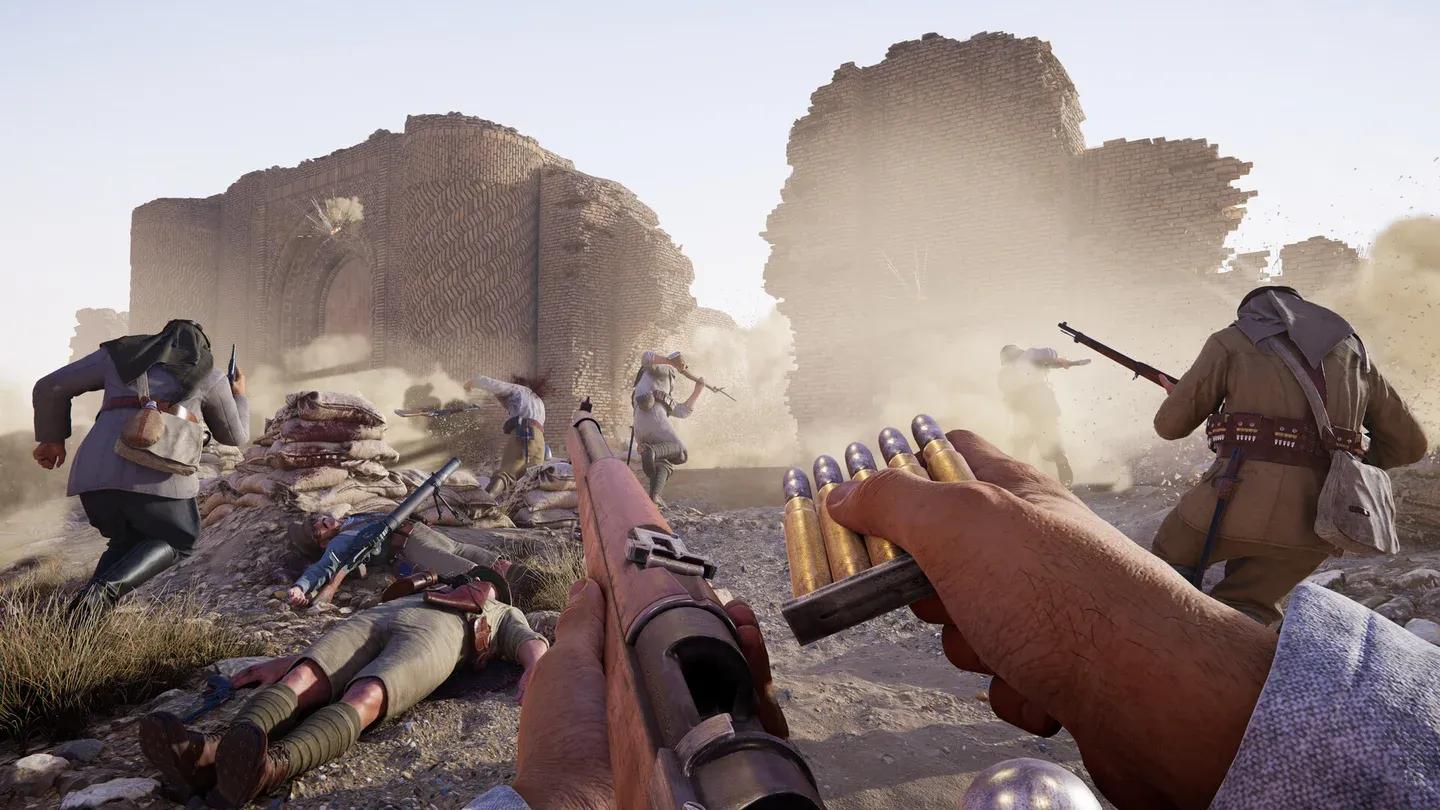
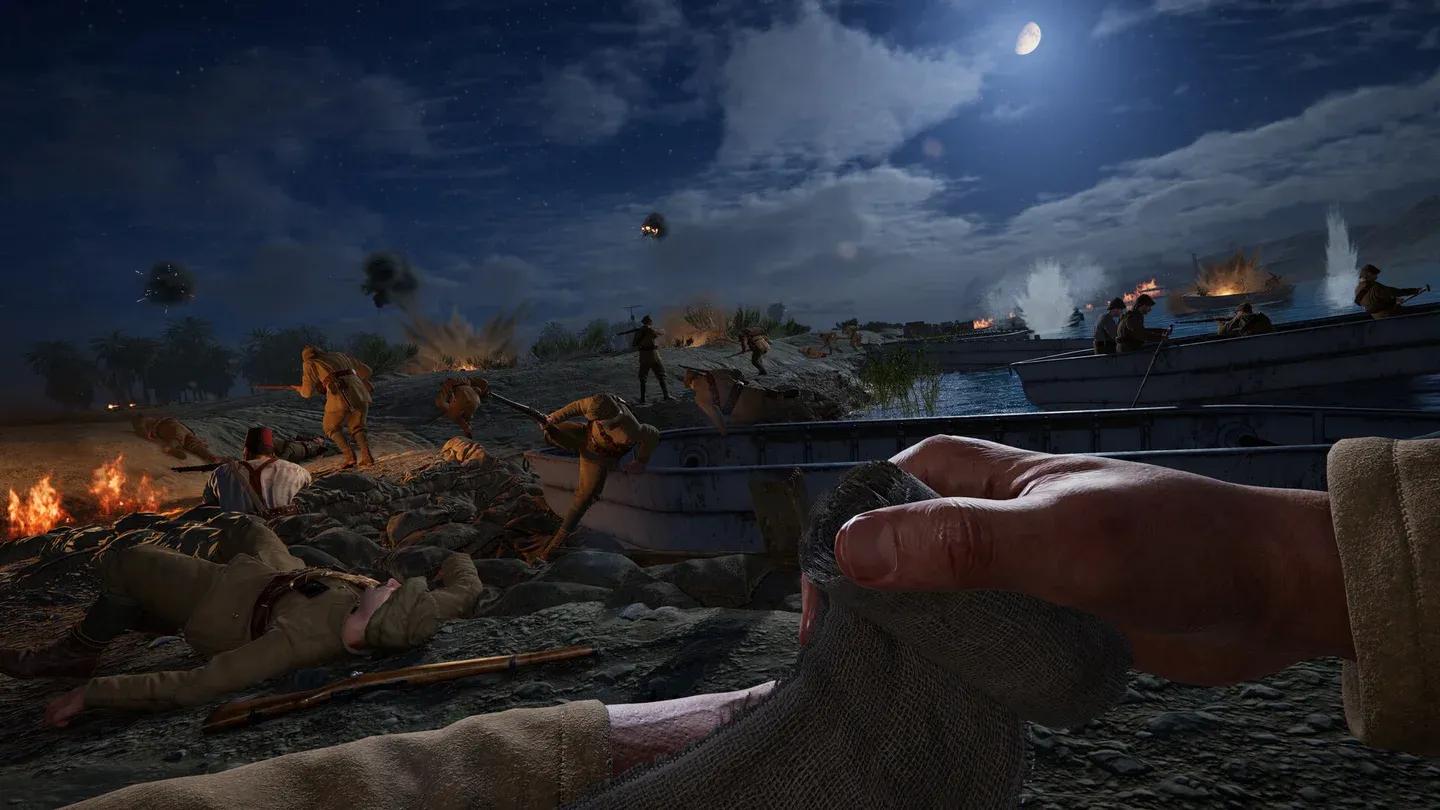
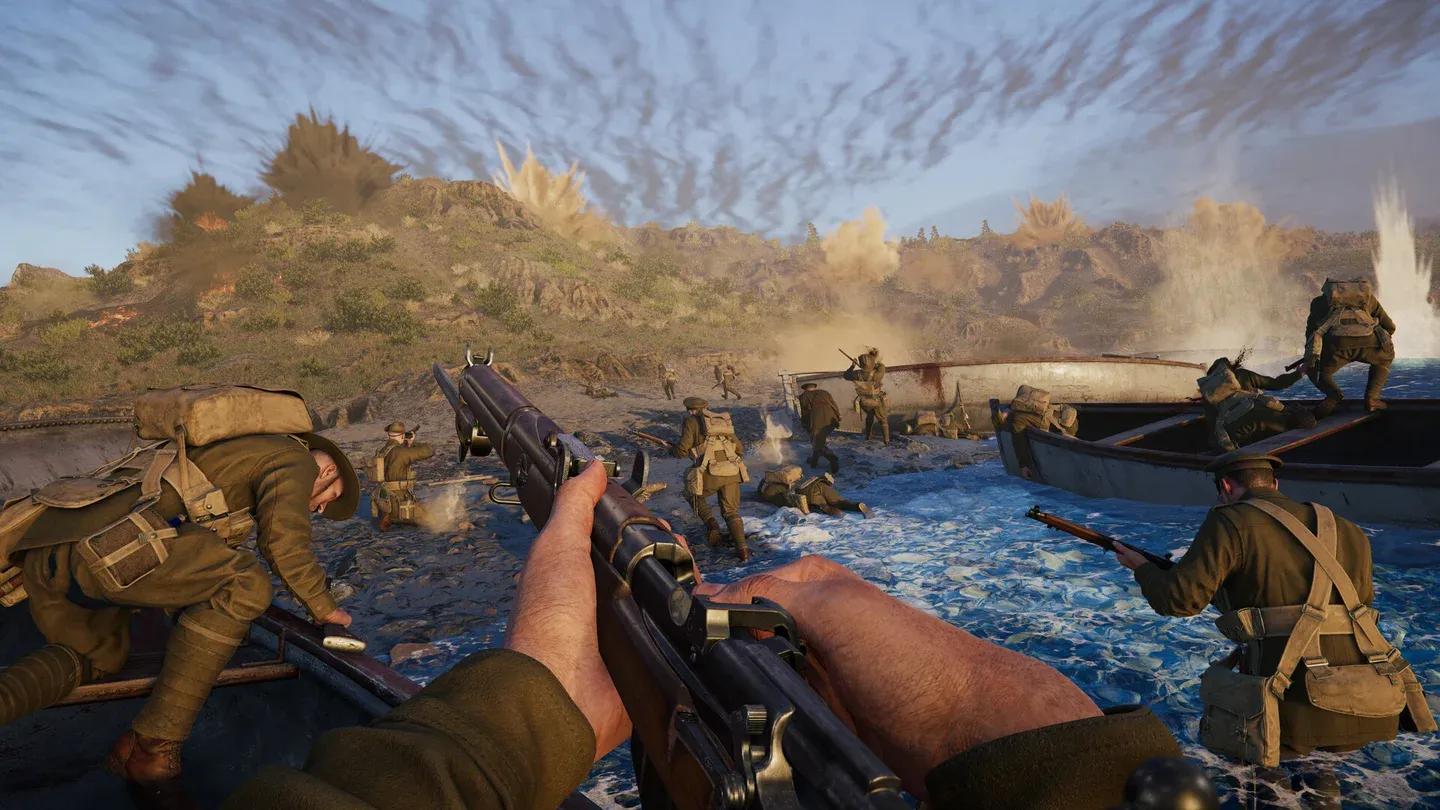
The setting alone distinguishes Gallipoli from most of its genre peers. Coastal ravines at Anzac Cove, arid desert expanses, urban combat through Kut Al Amara, and the infamous beach assault aboard the SS River Clyde all make appearances. These aren't generic reskins of Western Front trench maps. Each location carries its own tactical logic, forcing squads to adapt rather than rely on muscle memory from other WW1 shooters.
Gameplay and mechanics
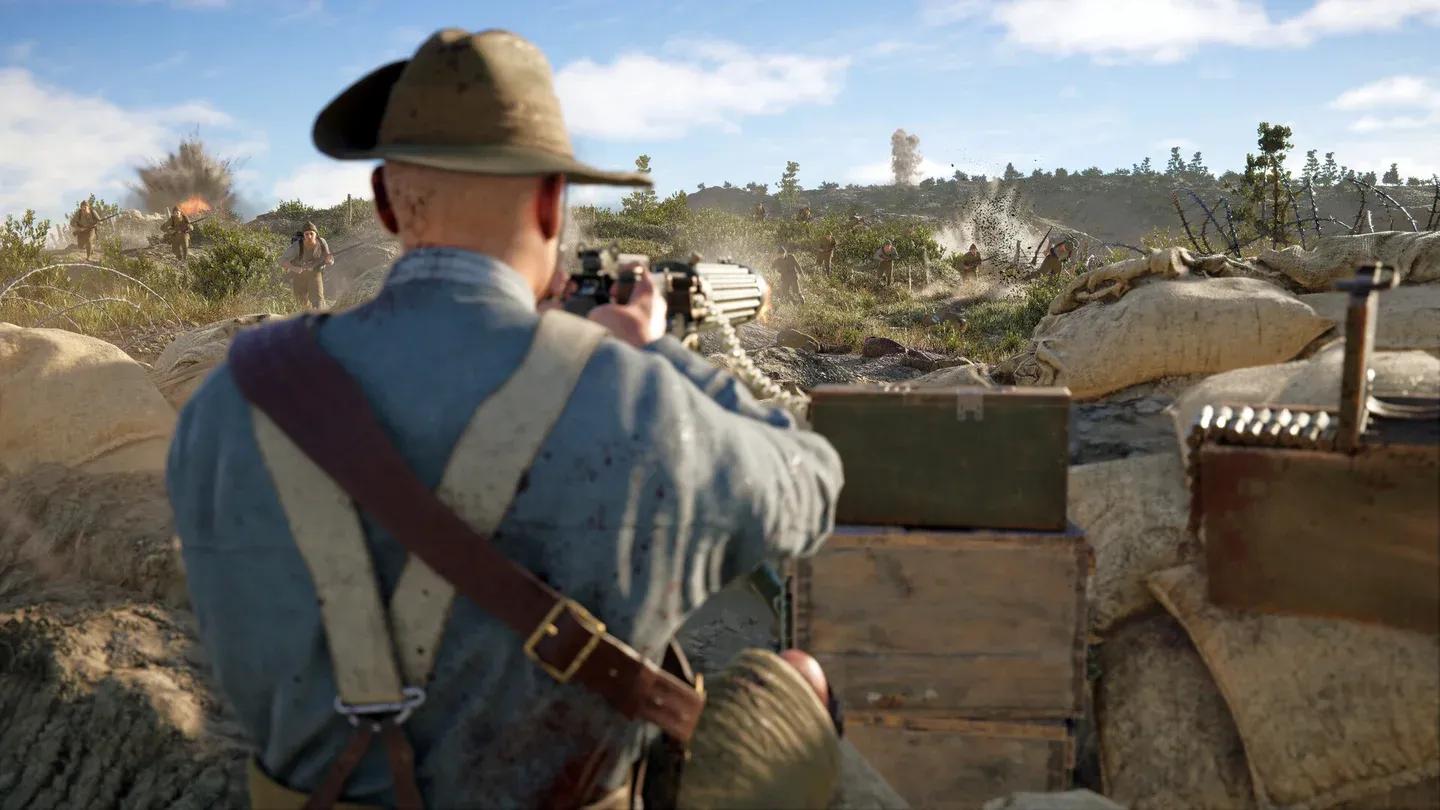
Gallipoli's core loop is built around objective-based team play in 25v25 matches, with bots filling gaps in public servers to keep battles populated. The gunplay is methodical by design. Weapons feel weighty, reloads take real time, and player performance actually improves with weapon familiarity, affecting aim, handling, and the ability to reload under fire. That last detail matters more than it sounds: suppression isn't just a visual effect here, it has mechanical teeth.
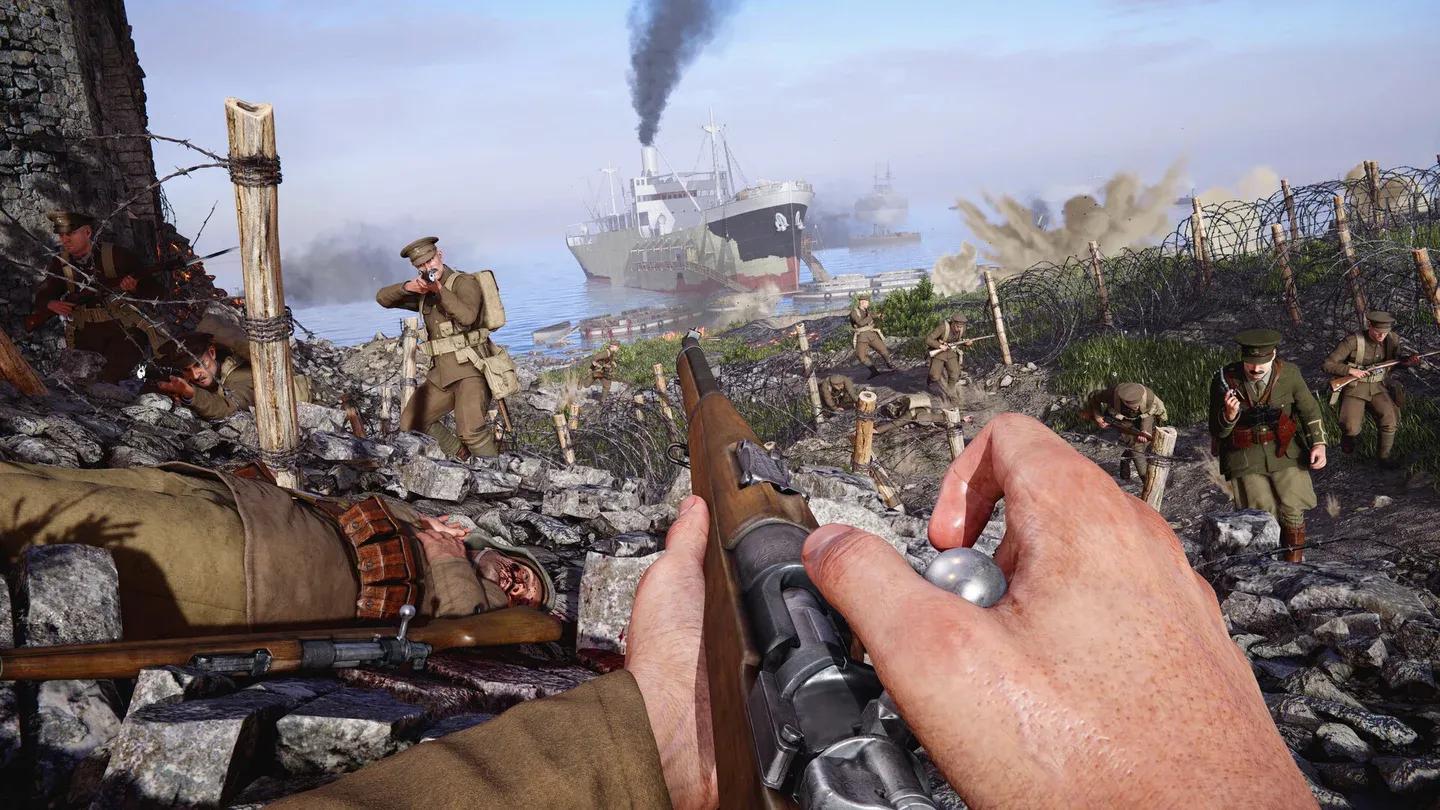
Key features at a glance:
- 10 historical classes including Officer, Sniper, Heavy Machine Gunner, and Stretcher Bearer
- 50+ historically accurate weapons and equipment options
- One-shot-one-kill PVP with bot support in public and custom matches
- Crossplay across PC, Xbox, PlayStation, and Epic Games
- Detailed uniform customization tied to each faction
What makes Gallipoli different from other WW1 shooters?
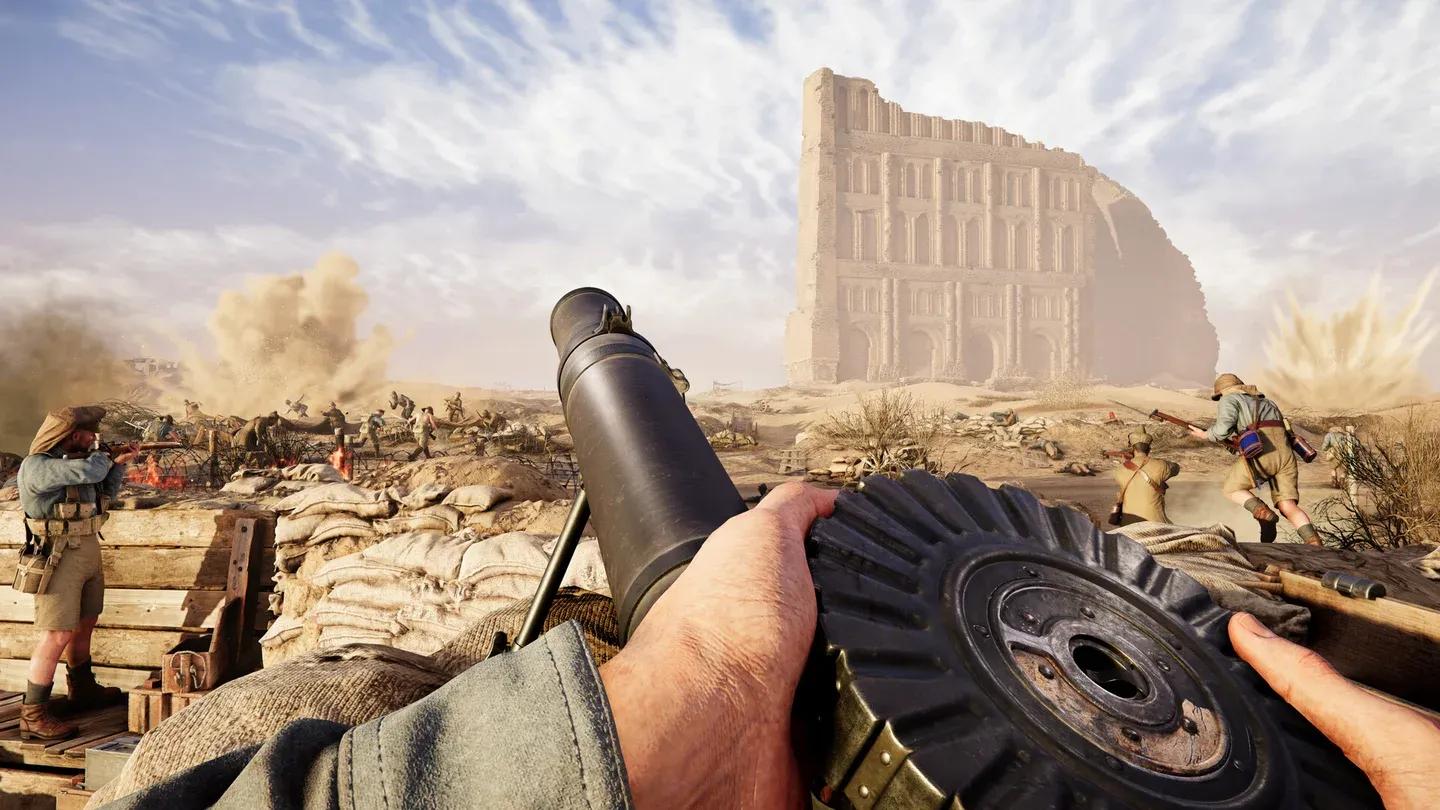
Most WW1 multiplayer games live and die on the Western Front. Gallipoli's focus on the Ottoman theatre is its clearest differentiator. The four-year campaign across these fronts produced some of the war's most dramatic and strategically distinct engagements, and BlackMill's map design reflects that variety. The Arch of Ctesiphon in Mesopotamia and the Cape Helles fortifications aren't locations you'll find in competing titles.
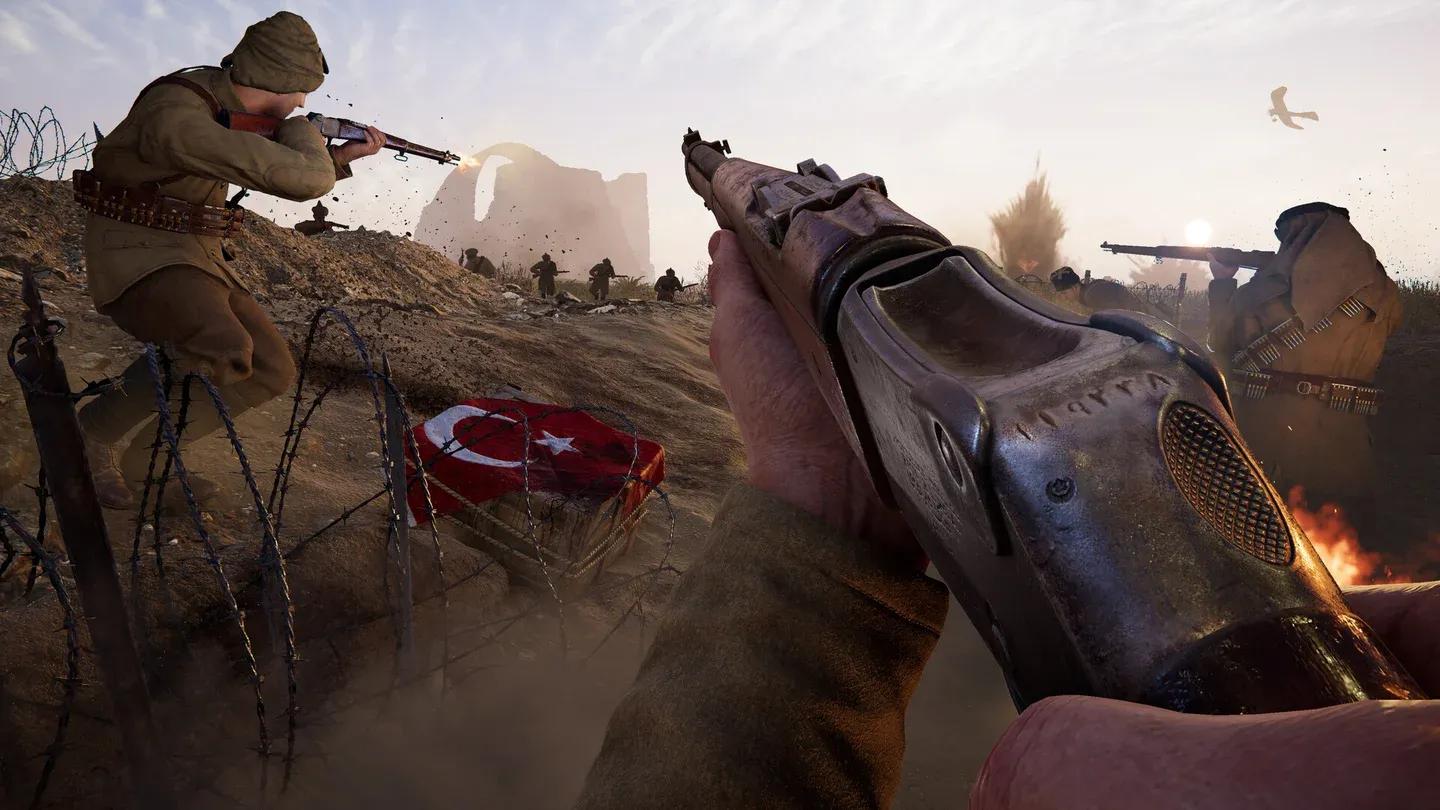
The class system reinforces this distinctiveness. Ten specialized roles, each with a defined historical function, mean that a Stretcher Bearer keeping wounded players in the fight is just as valuable as a machine gunner holding a chokepoint. Squads that ignore support classes tend to collapse under pressure. That's by design, and it gives Gallipoli a tactical depth that run-and-gun players will find genuinely challenging.
Multiplayer and social
Gallipoli supports full crossplay across all platforms, which keeps the player pool consolidated and reduces queue times. The bot system filling public matches is a practical solution to the population problem that plagues niche historical shooters, ensuring that a 25v25 battle actually feels like 25v25 even during off-peak hours.
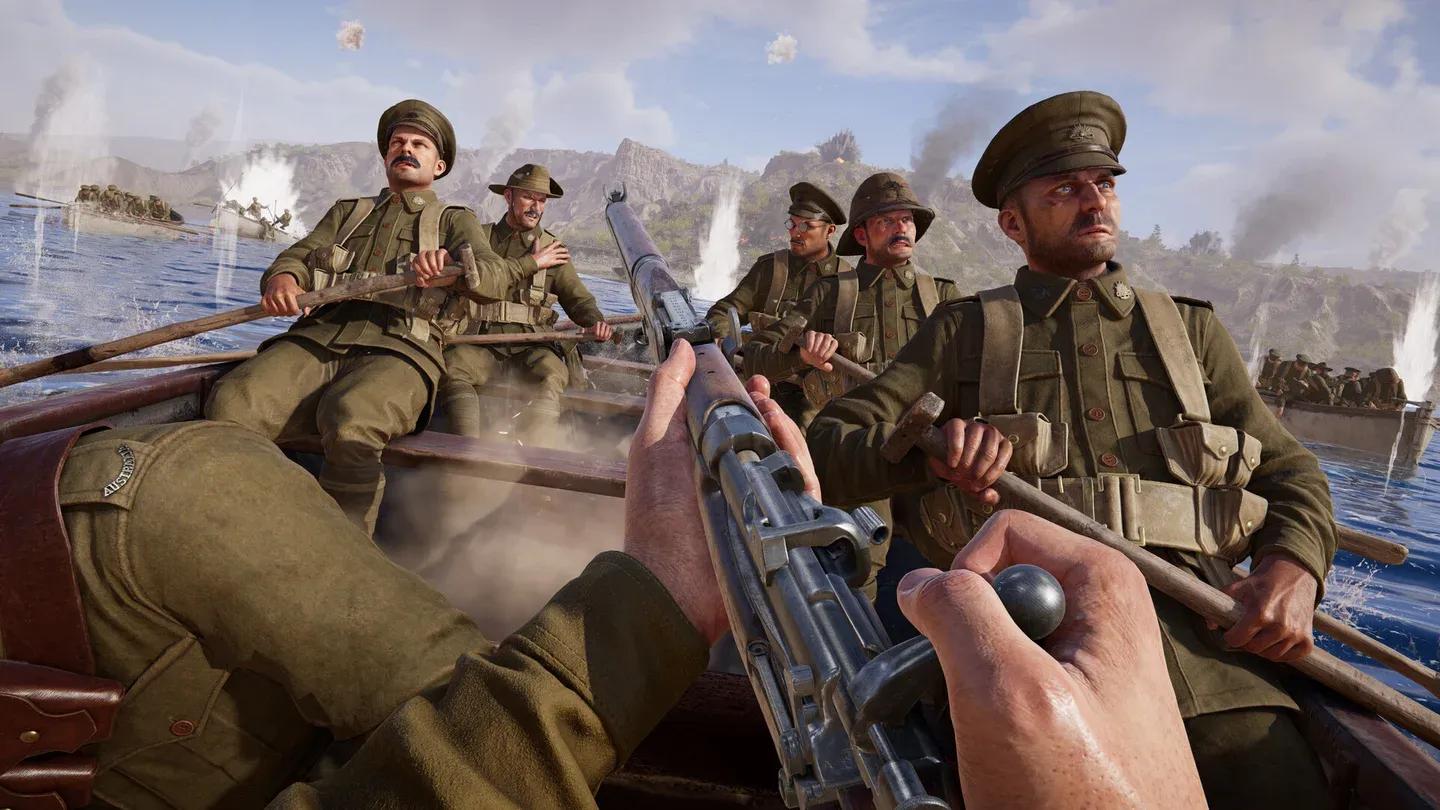
Squad cohesion is the central social mechanic. The Officer class coordinates team pushes, the Heavy Machine Gunner creates fire lanes, and the Stretcher Bearer extends squad survivability. These roles aren't interchangeable, and the game's one-shot lethality means that a well-organized squad consistently outperforms a collection of skilled solo players. For fans of historically grounded, team-focused FPS combat, Gallipoli delivers a theatre of war that the genre has largely ignored until now.
System Requirements
| Requirement | Minimum | Recommended |
|---|---|---|
| OS | Windows 10/11 64-Bit | Windows 10/11 64-Bit |
| Processor | Intel Core i5-7400, AMD Ryzen 5 1600 | Intel Core i5-11600K, AMD Ryzen 5 5600K |
| Memory | 16 GB RAM | 16 GB RAM |
| Graphics | NVIDIA GTX 1660 Super, RX 5600 XT, 6GB VRAM | NVIDIA GeForce RTX 2070, AMD Radeon RX 6600 XT, 8GB VRAM |
| DirectX | Version 11 | Version 11 |
| Network | Broadband Internet connection | Broadband Internet connection |
| Storage | 30 GB available space | 30 GB available space |