Advertisement

Overview
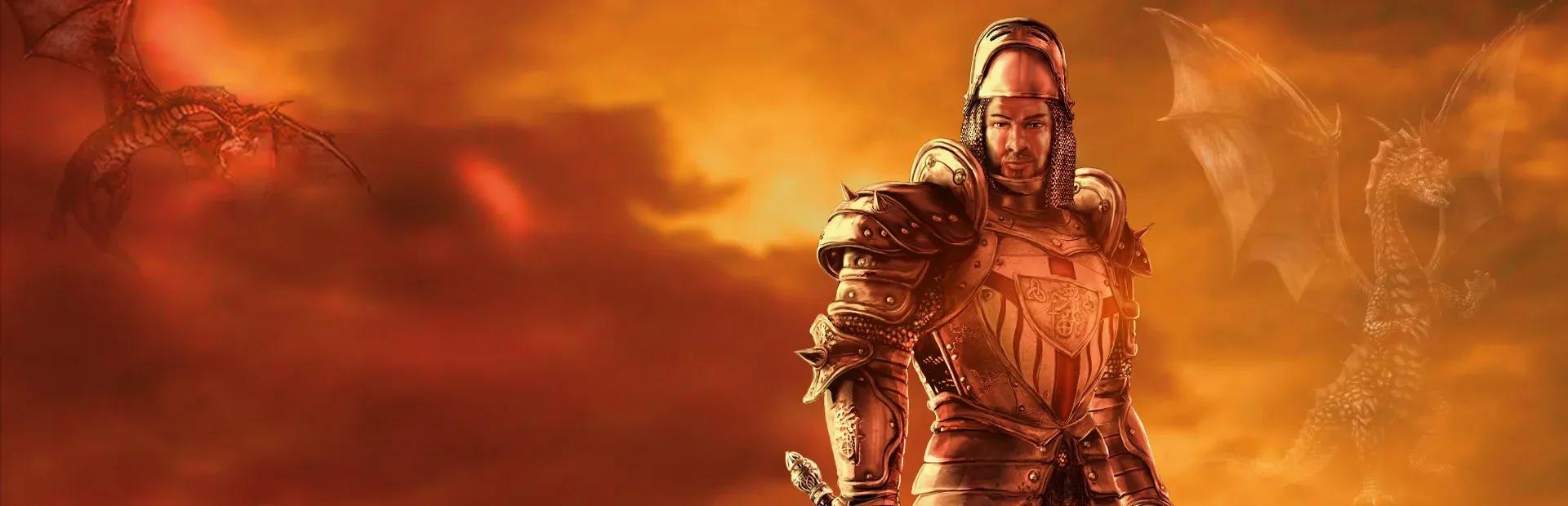
Gothic II is an action RPG developed by Piranha Bytes and originally released on November 29, 2002. Set on the island of Khorinis, it picks up directly after the first game, with the Nameless Hero woken by the dark mage Xardas and handed a problem that dwarfs anything from before: an army led by dragons has taken over the mine valley, and stopping them requires navigating a web of factions, ancient artifacts, and a conspiracy that stretches across the sea.
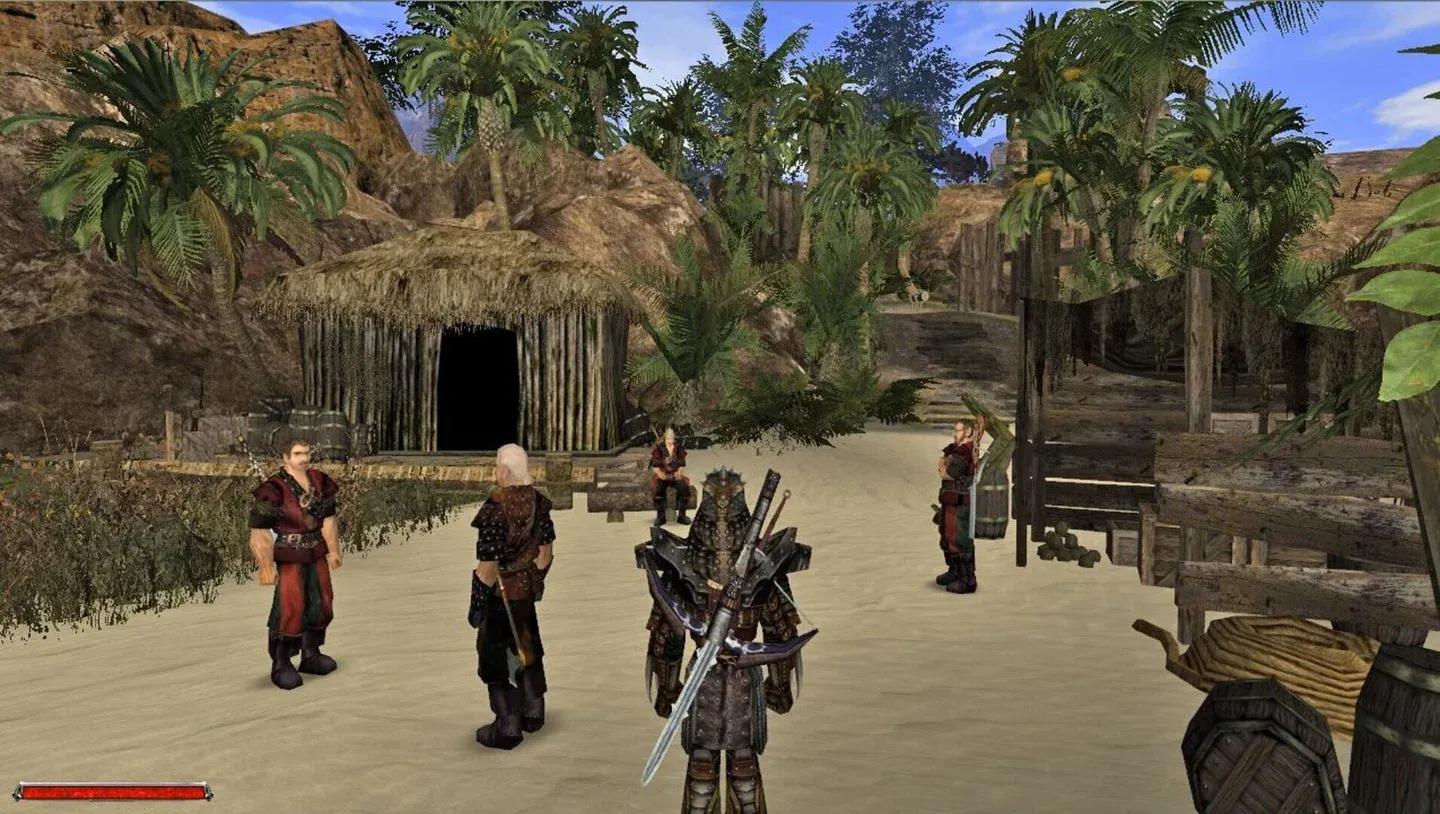
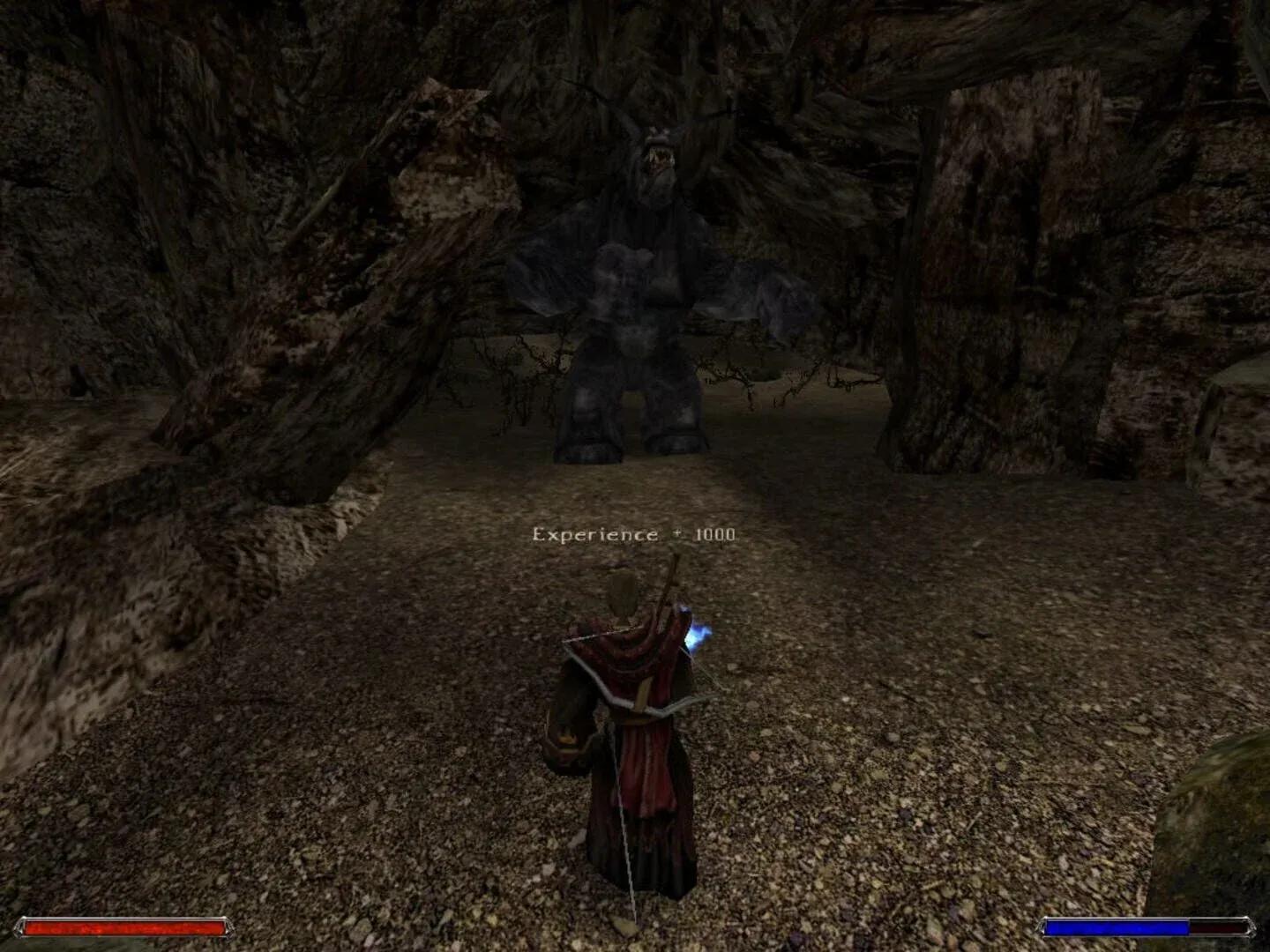
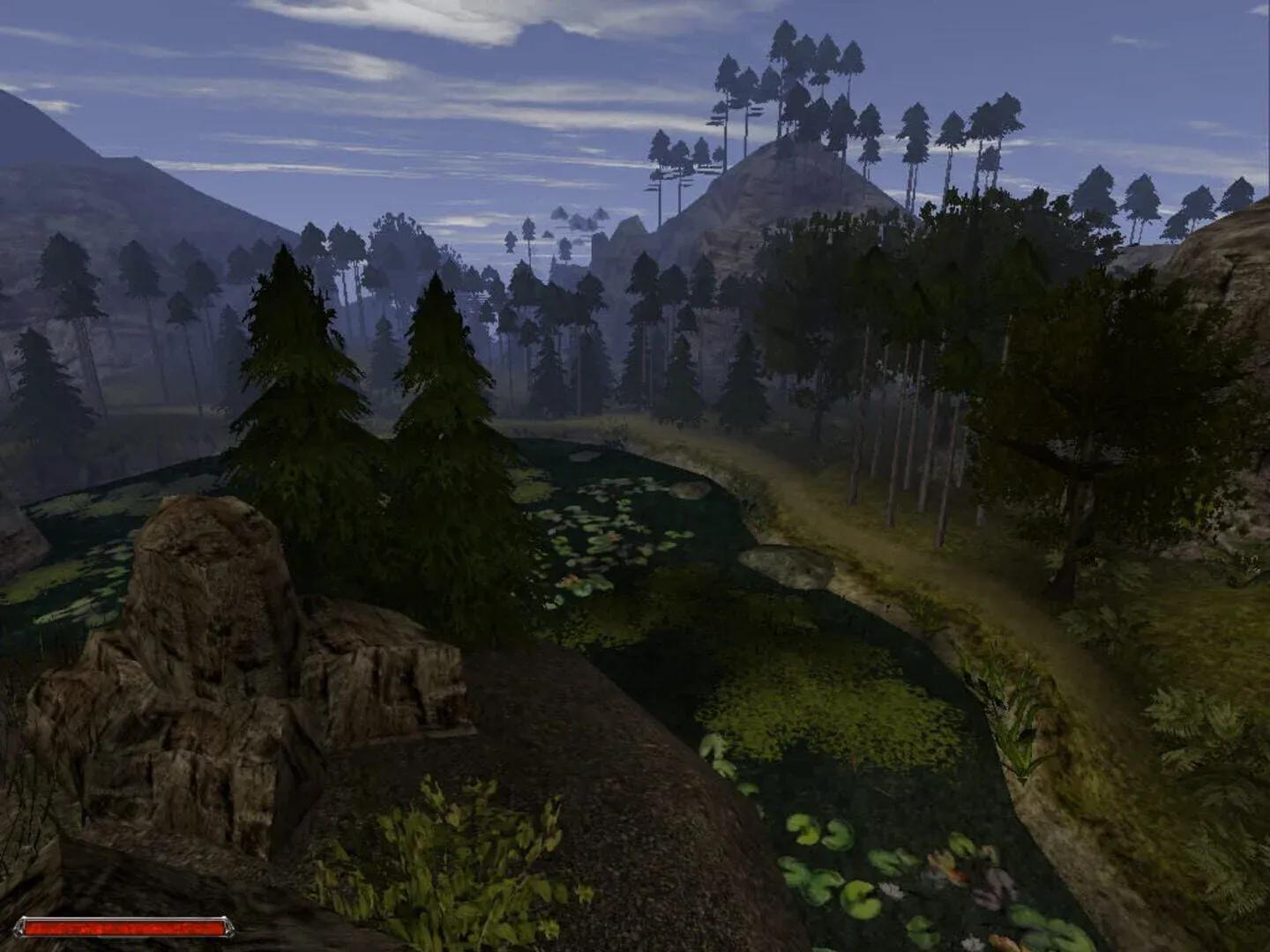
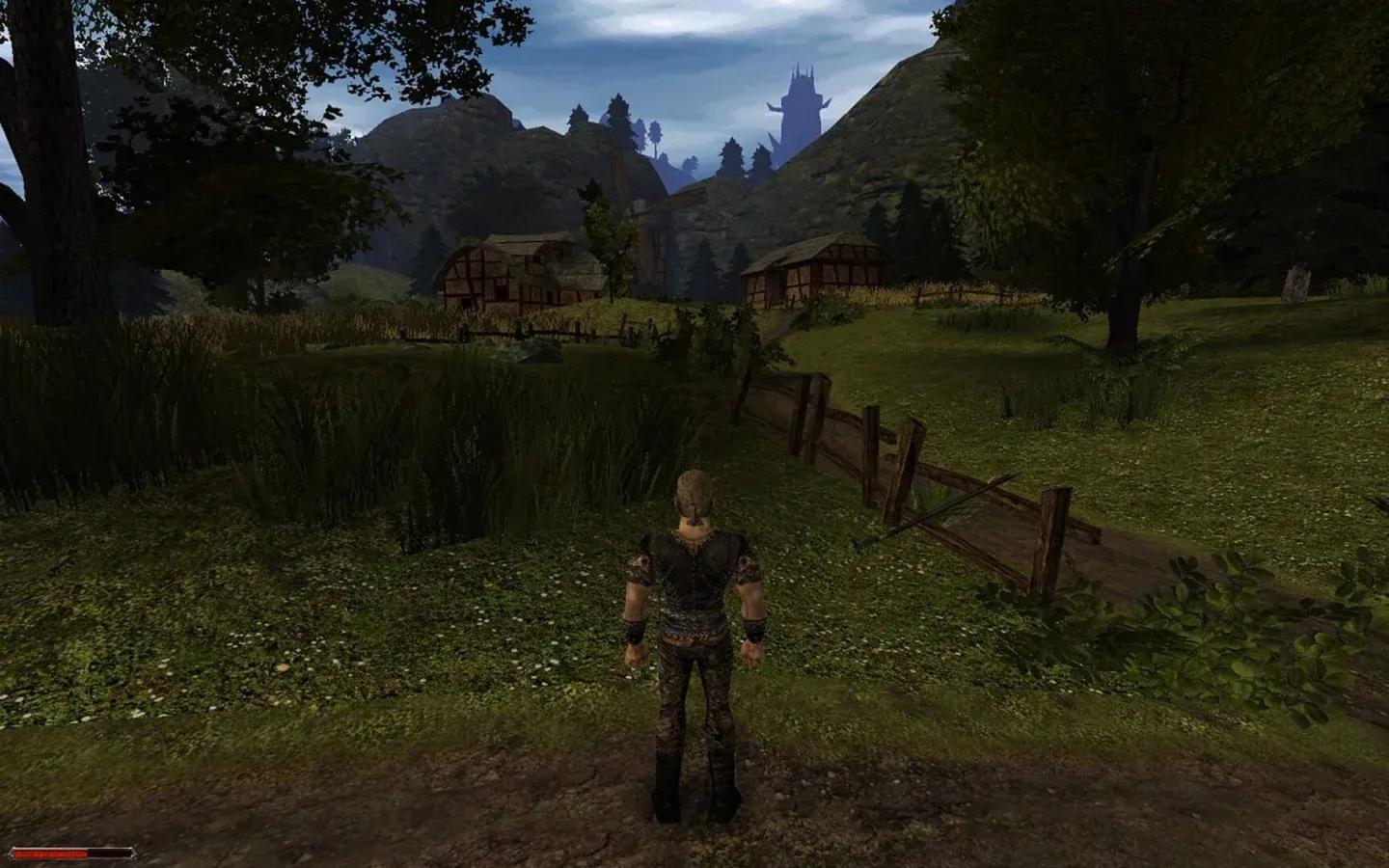
The game runs on a fully open world that players can explore with almost no hand-holding. Khorinis feels like a real place, from the walled city at its center to the farms, swamps, and bandit camps surrounding it. The world does not scale to your level. Walk into the wrong area too early and you will die, which sounds punishing but ends up being one of Gothic II's defining strengths. Every area you manage to push into feels earned.
Gothic II content image
Faction system and character progression
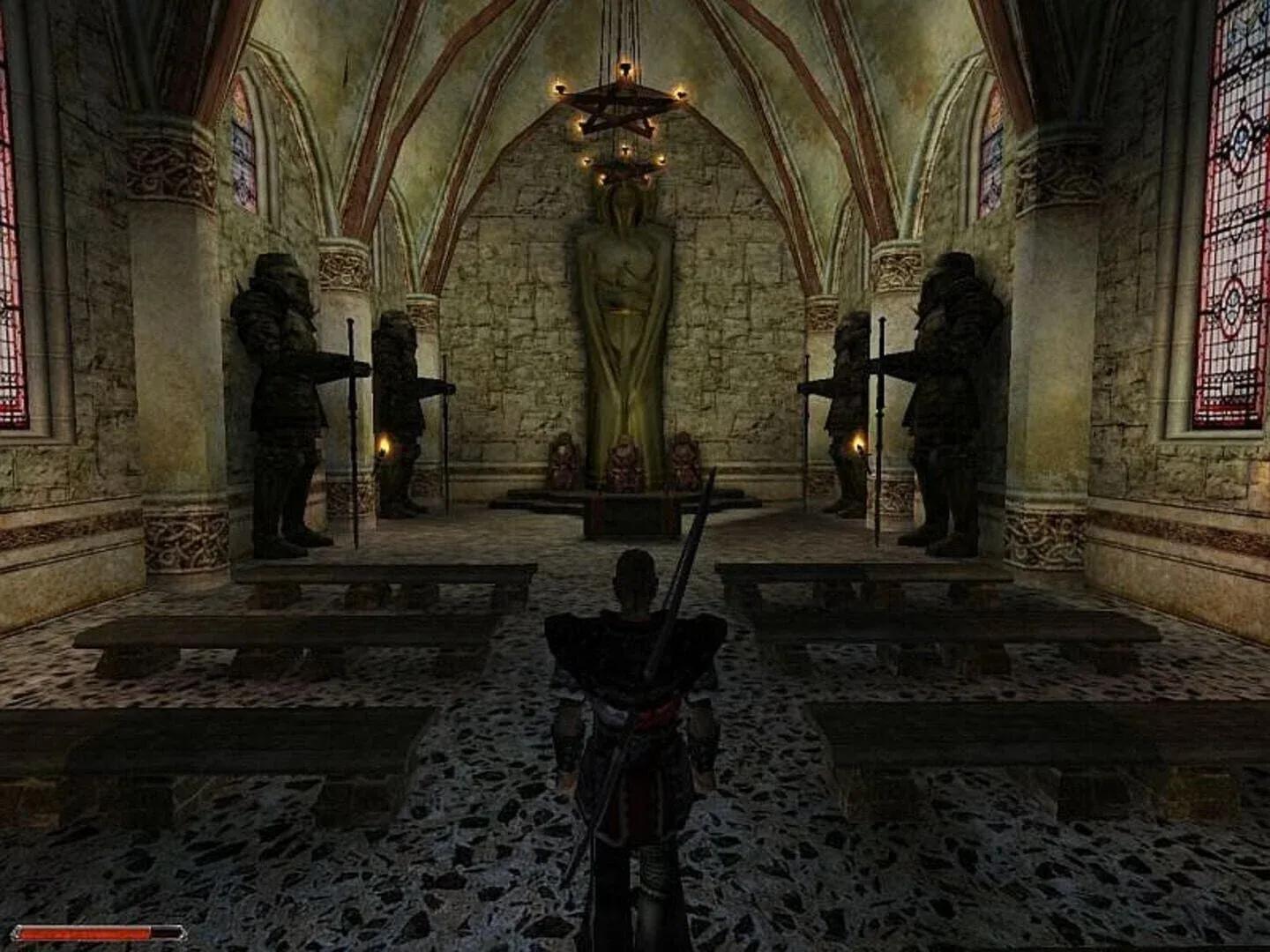
The faction system sits at the heart of Gothic II's RPG identity. To gain access to Lord Hagen and progress the main story, the Nameless Hero must join one of three groups:
Gothic II content image
- The militia, Khorinis' city guard
- The fire mages, a secretive magical order
- The mercenaries, hired swords working the valley
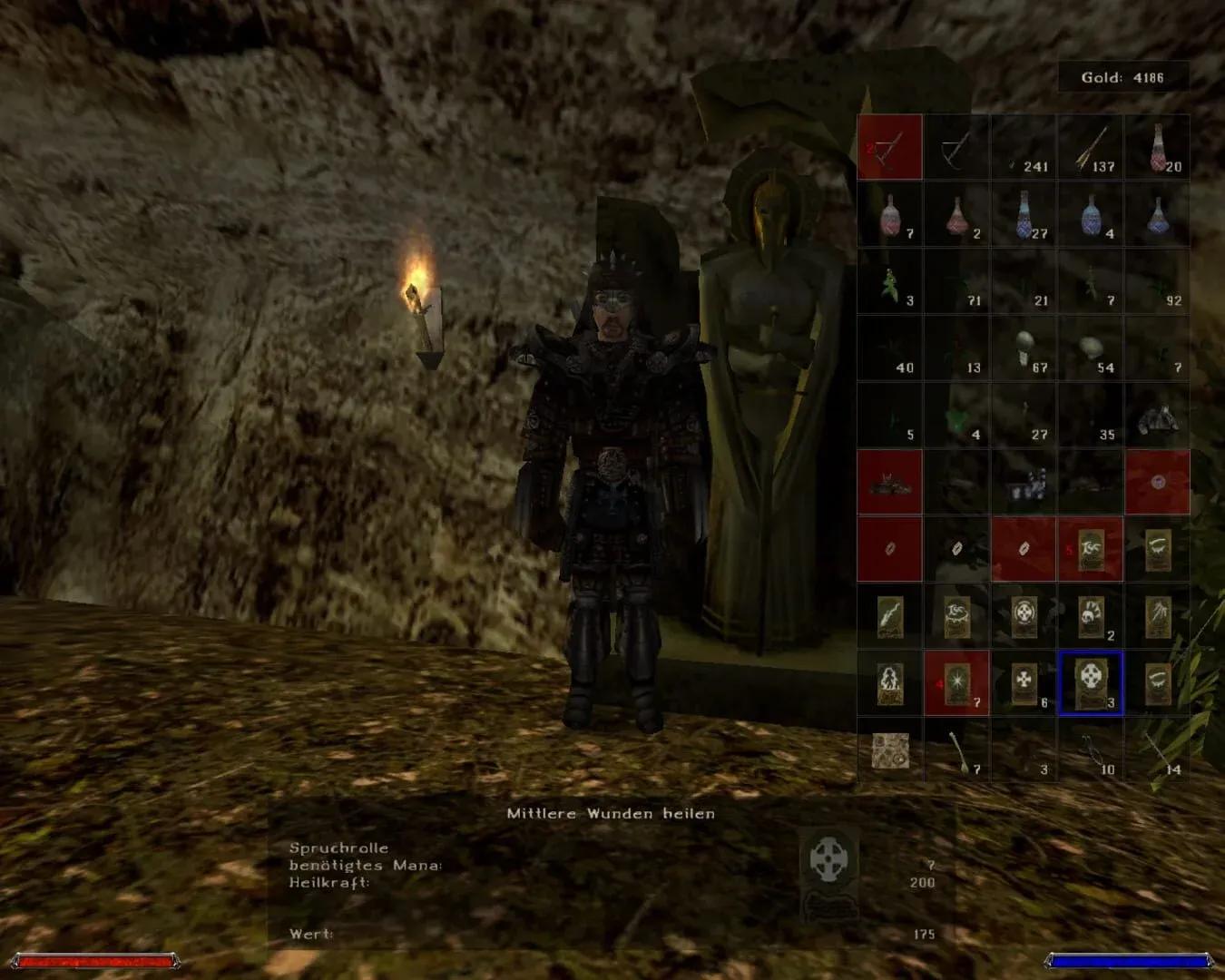
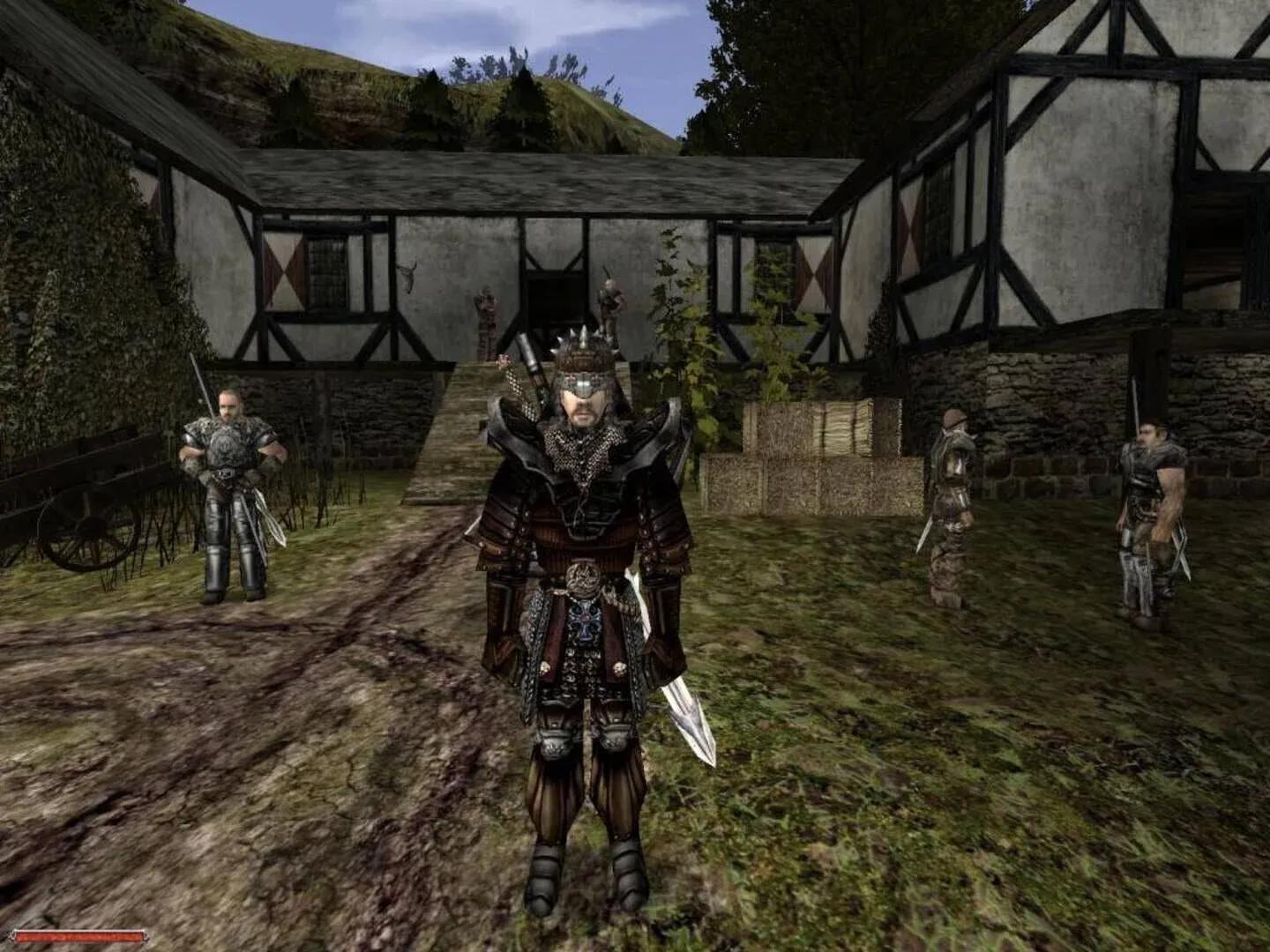
Each path shapes how NPCs respond to you, which quests become available, and what skills you can train. The fire mages route leans into magic builds; the mercenaries favor combat. None of them are obviously correct, which makes replaying with a different affiliation genuinely different rather than just cosmetically so.
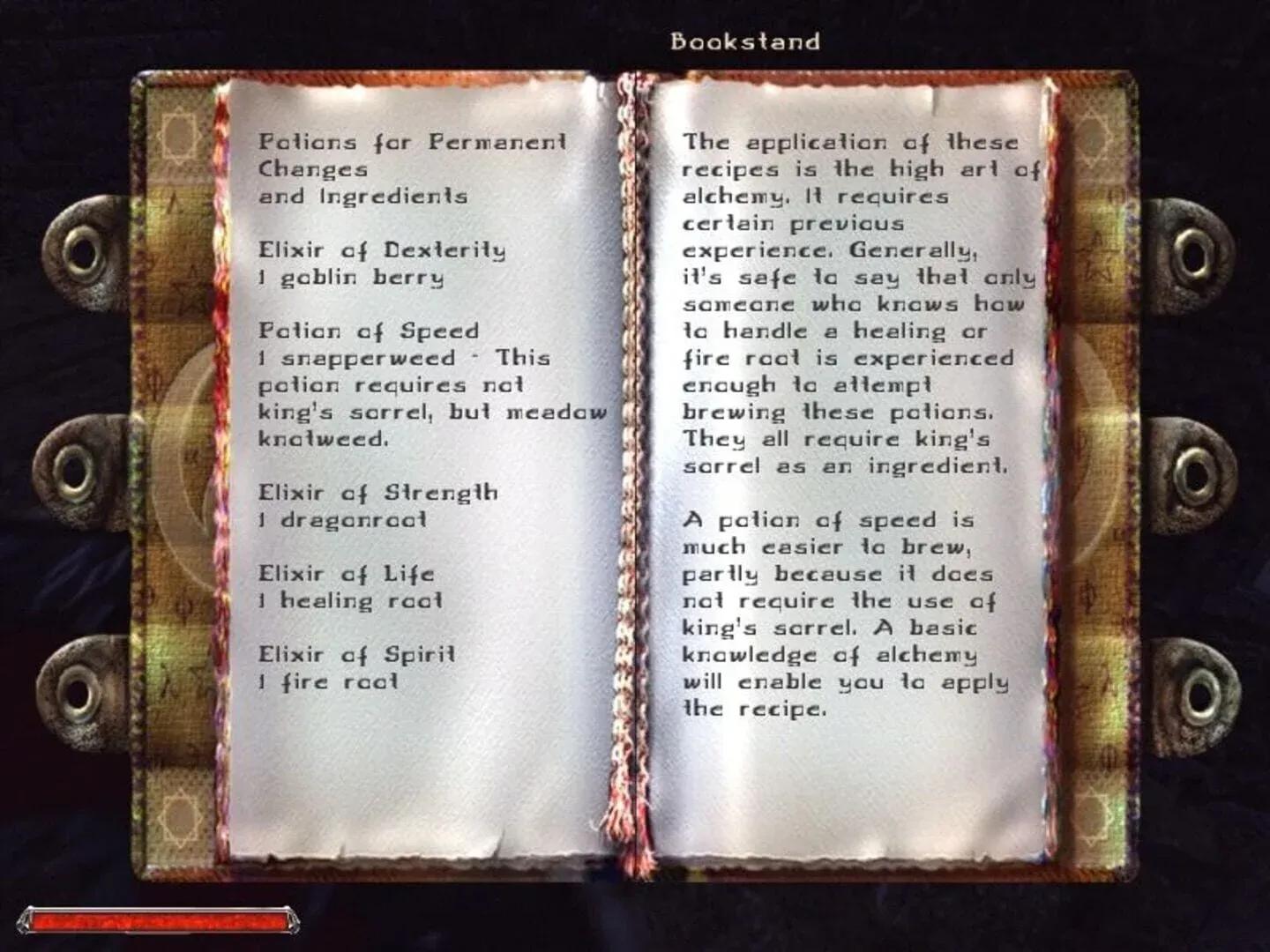
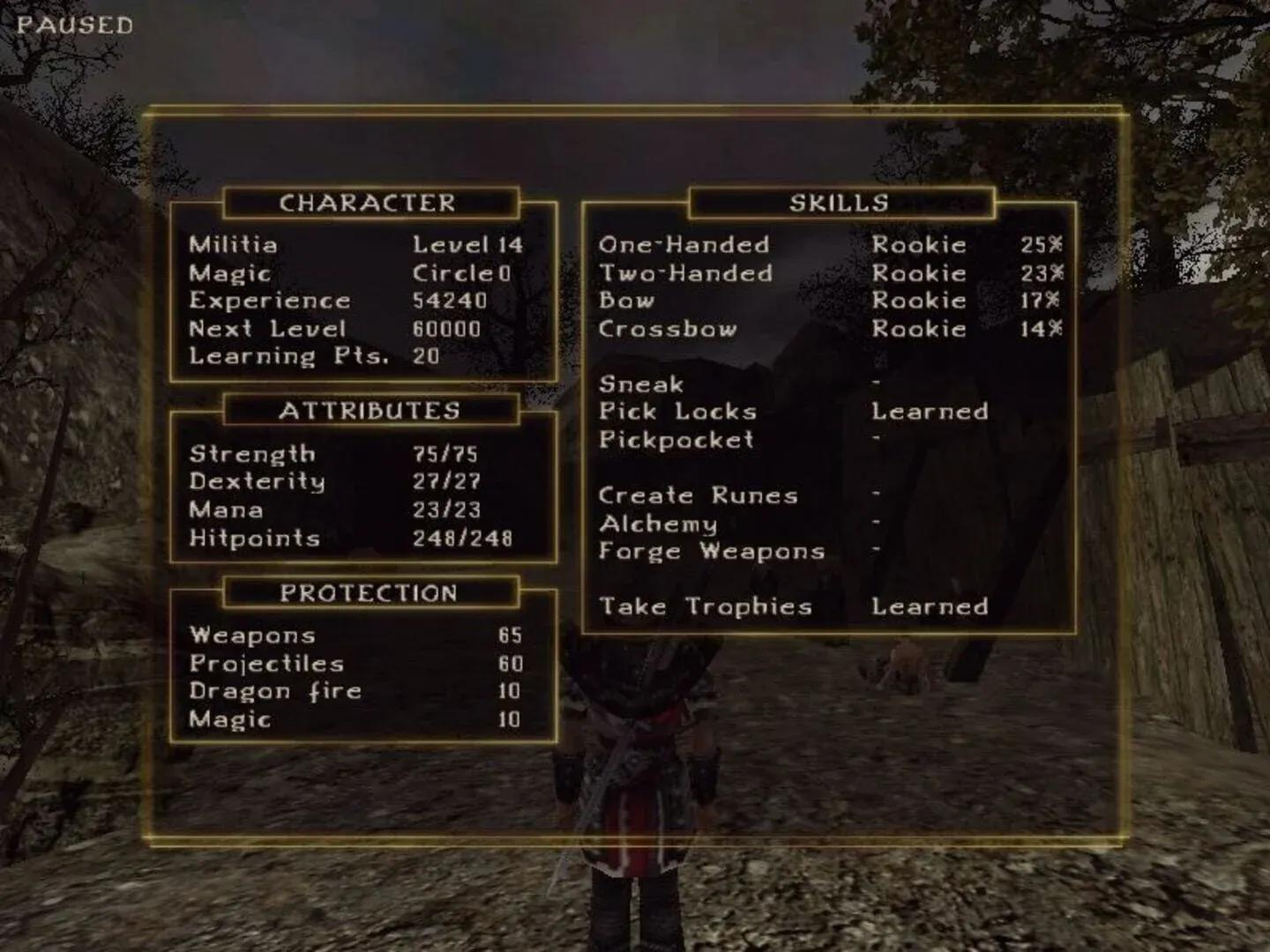
Character progression runs through a learning point system where stats and skills cost points that you physically have to spend with a trainer. You cannot just dump points into a stat menu. Finding the right trainer, having enough gold to pay them, and meeting the attribute prerequisites adds friction that makes growth feel meaningful.
World and story
The story sends the Nameless Hero through a series of escalating tasks: gather evidence of the dragons, retrieve the Eye of Innos, restore its power through a ritual involving mages representing three gods, then descend into the mine valley to kill four dragons. What sounds straightforward keeps complicating itself. The Eye gets stolen. Seekers start hunting the Hero across the island. By the time the final objective points toward the ancient temple of Irdorath and an undead dragon, the world has expanded well beyond its starting premise.
Gothic II content image
The writing trusts players to keep track of what is happening without quest markers pointing at every objective. NPCs give directions in dialogue. The world has internal logic. That approach has aged better than most contemporary RPGs that flatten everything into map icons.
Impact and legacy
Gothic II holds a strong reputation among fans of the RPG genre, particularly those who value world design and consequence-driven gameplay over accessibility. The Gold Edition, which bundles the base game with the Night of the Raven expansion, adds a substantial new region and roughly 10 additional hours of content, including new quests, items, and a storyline that runs parallel to the main campaign.
Gothic II content image
Piranha Bytes built something in 2002 that still gets recommended whenever players ask for RPGs with genuine exploration and faction depth. The game is available on PC through Steam and is listed for a future console release on PlayStation under THQ Nordic. For anyone willing to meet it on its own terms, Gothic II remains one of the more satisfying open-world RPGs the genre produced in that era.