
Advertisement

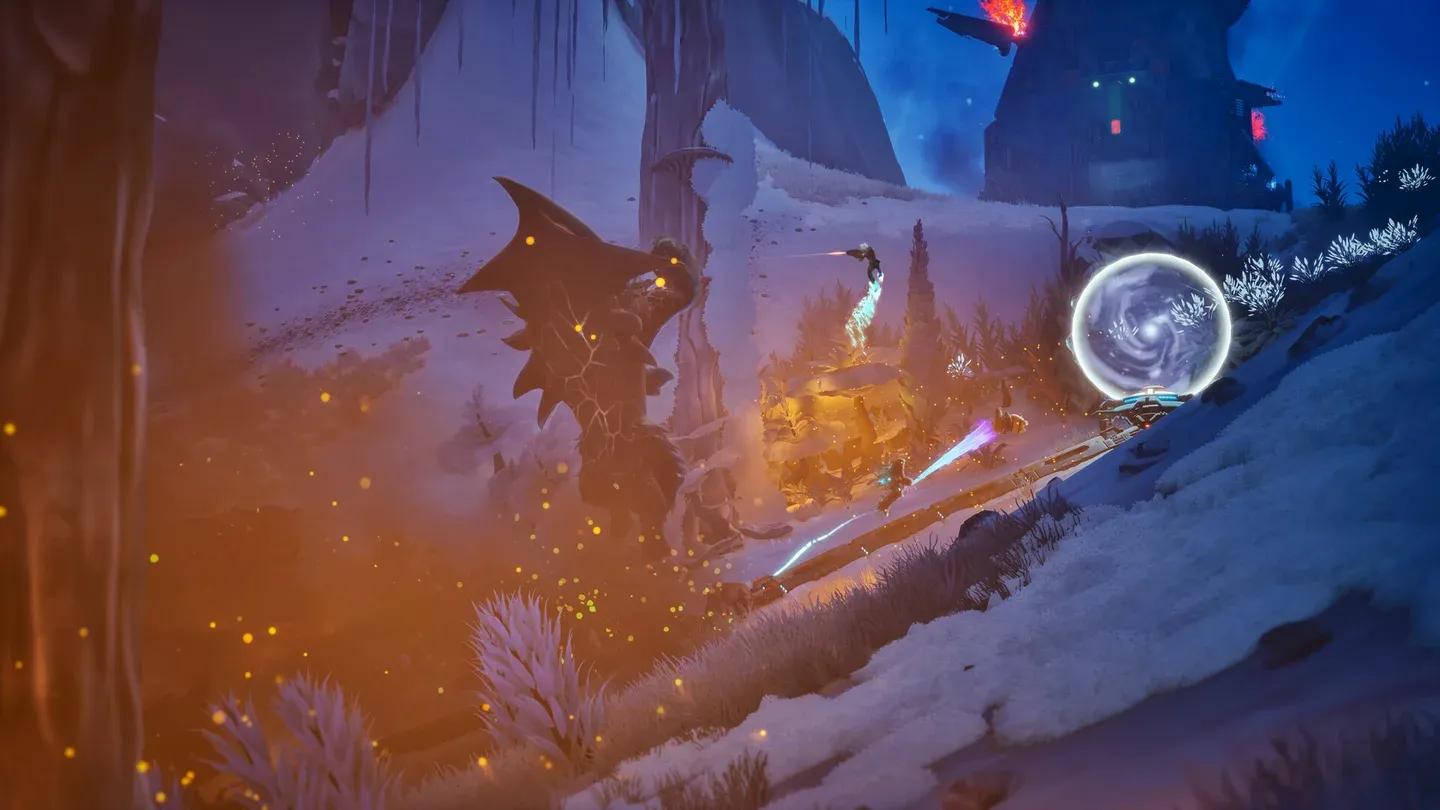
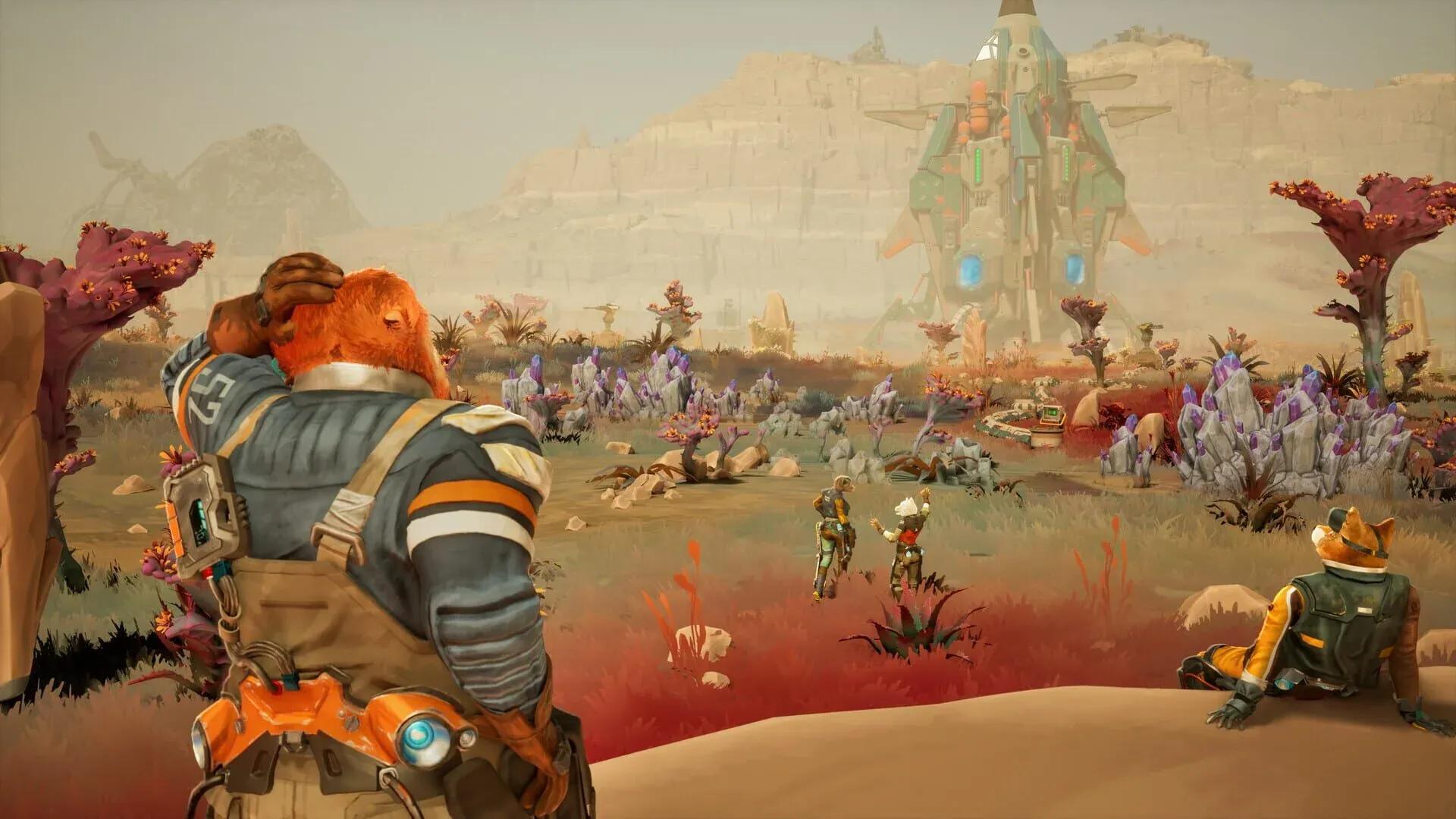
Overview
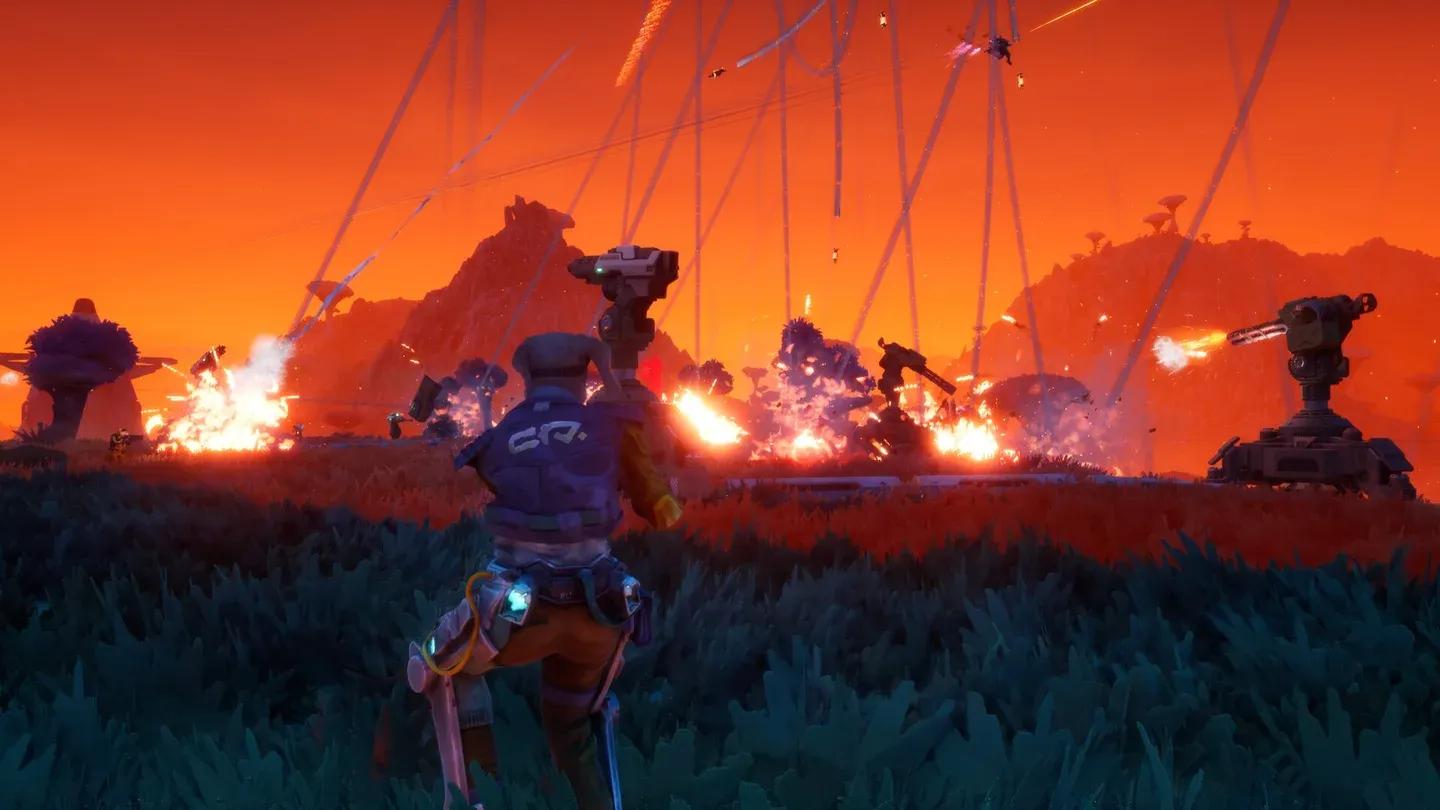
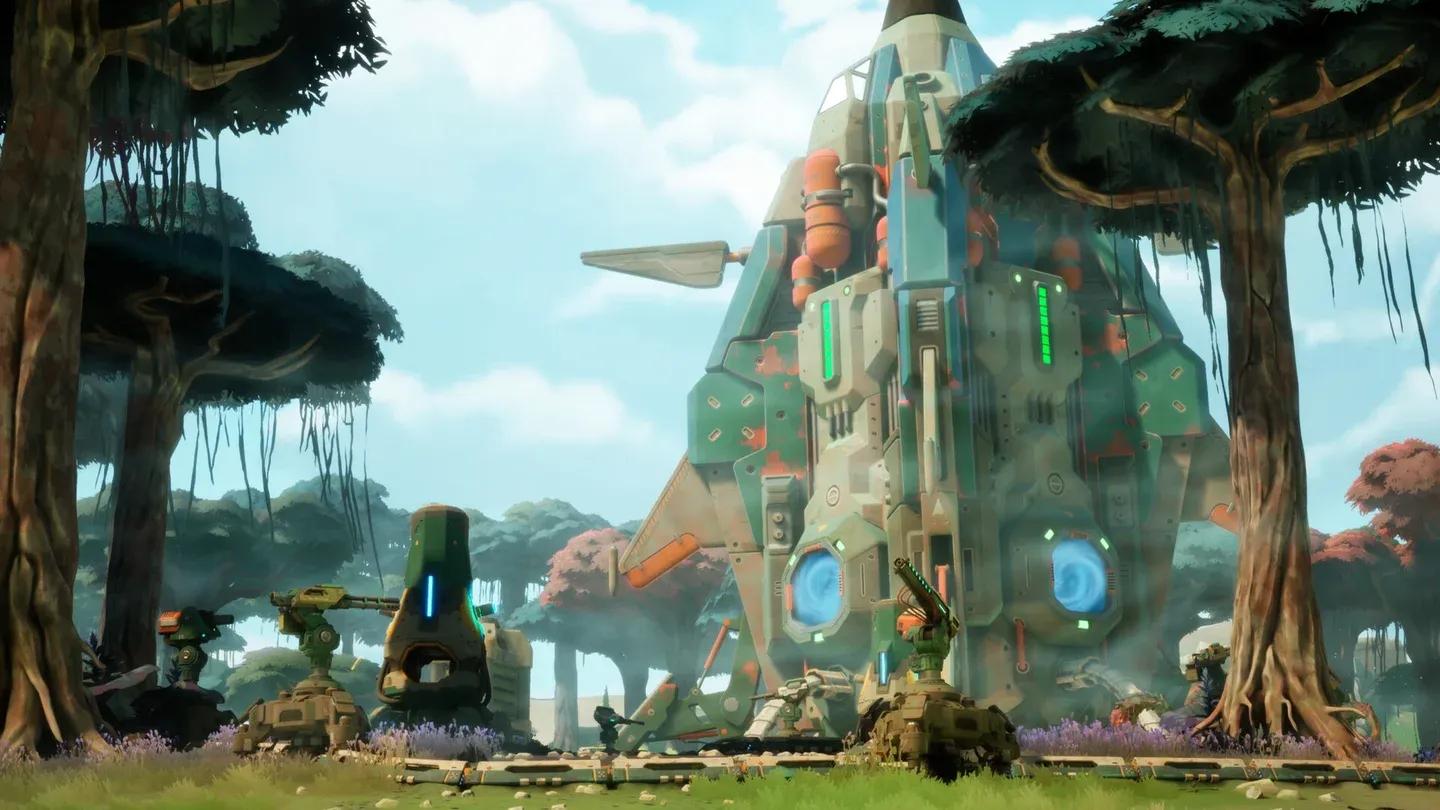
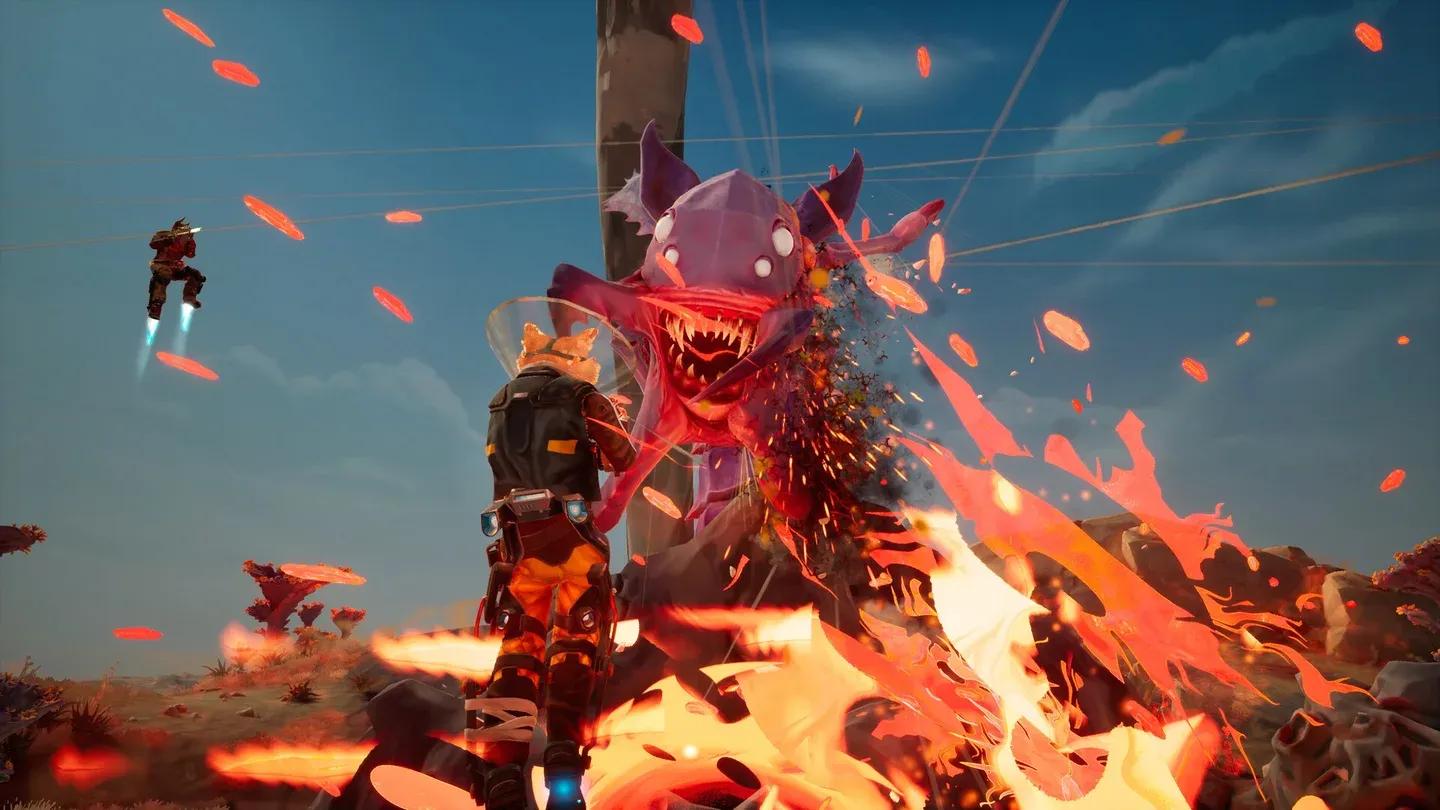
Gravhounds is a 1–4 player co-op action builder from Octopus Panic, Inc. where the core tension is simple and brutal: every minute you spend on a hostile planet increases both your haul and your body count risk. Drop in as a pack, set up generators and turrets, fend off waves of alien creatures, and extract before the swarm outpaces your defenses. Solo runs are intense. Four-player sessions tip into controlled chaos.
Gravhounds content image
The game sits at a specific crossroads between base-building strategy and fast-action combat. You are not just defending a position passively. You are terraforming terrain before landing, extending power pipelines across hostile ground, and making real-time decisions about when greed becomes suicide. That risk-reward tension is the engine everything else runs on.
Gravhounds content image
Gameplay and mechanics: how does Gravhounds actually play?
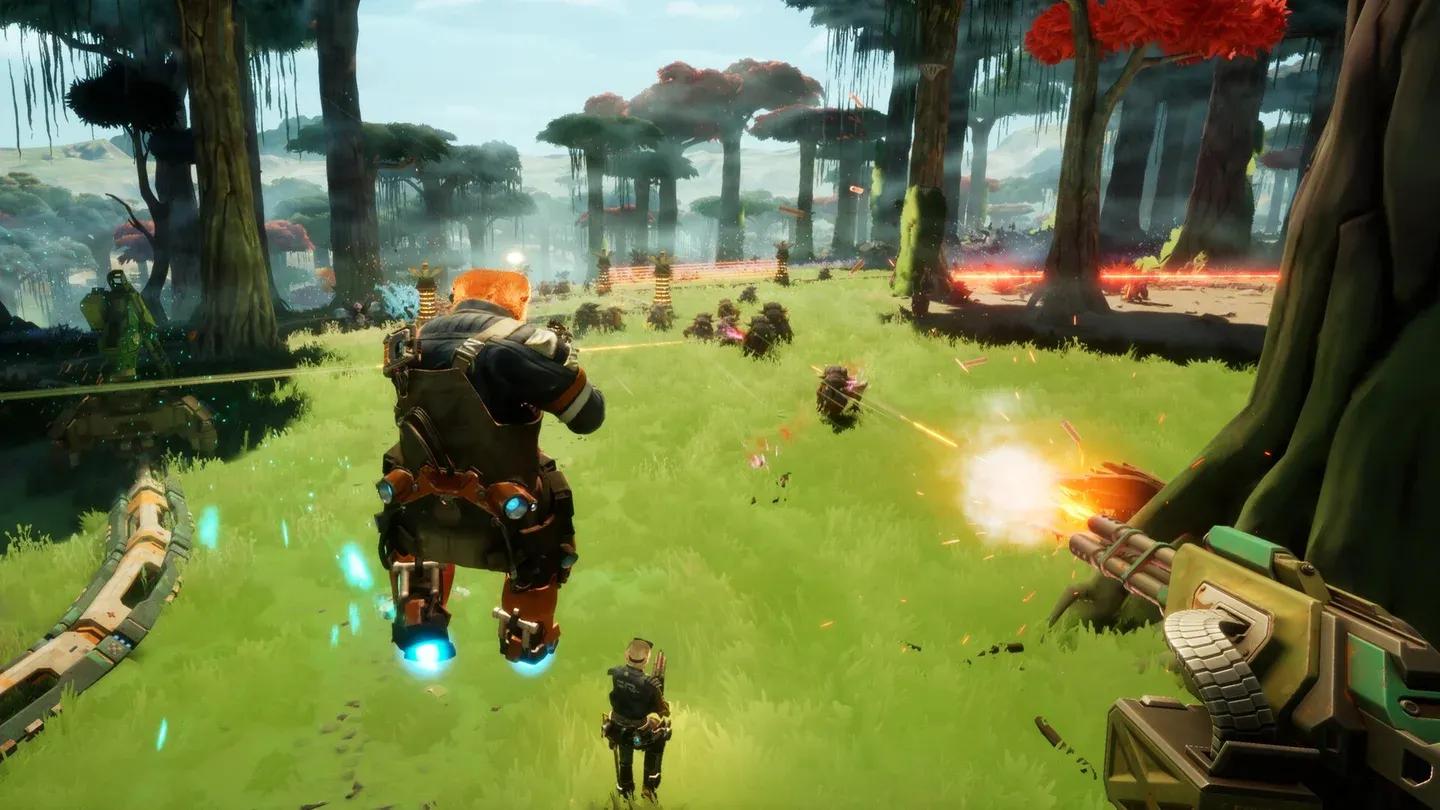
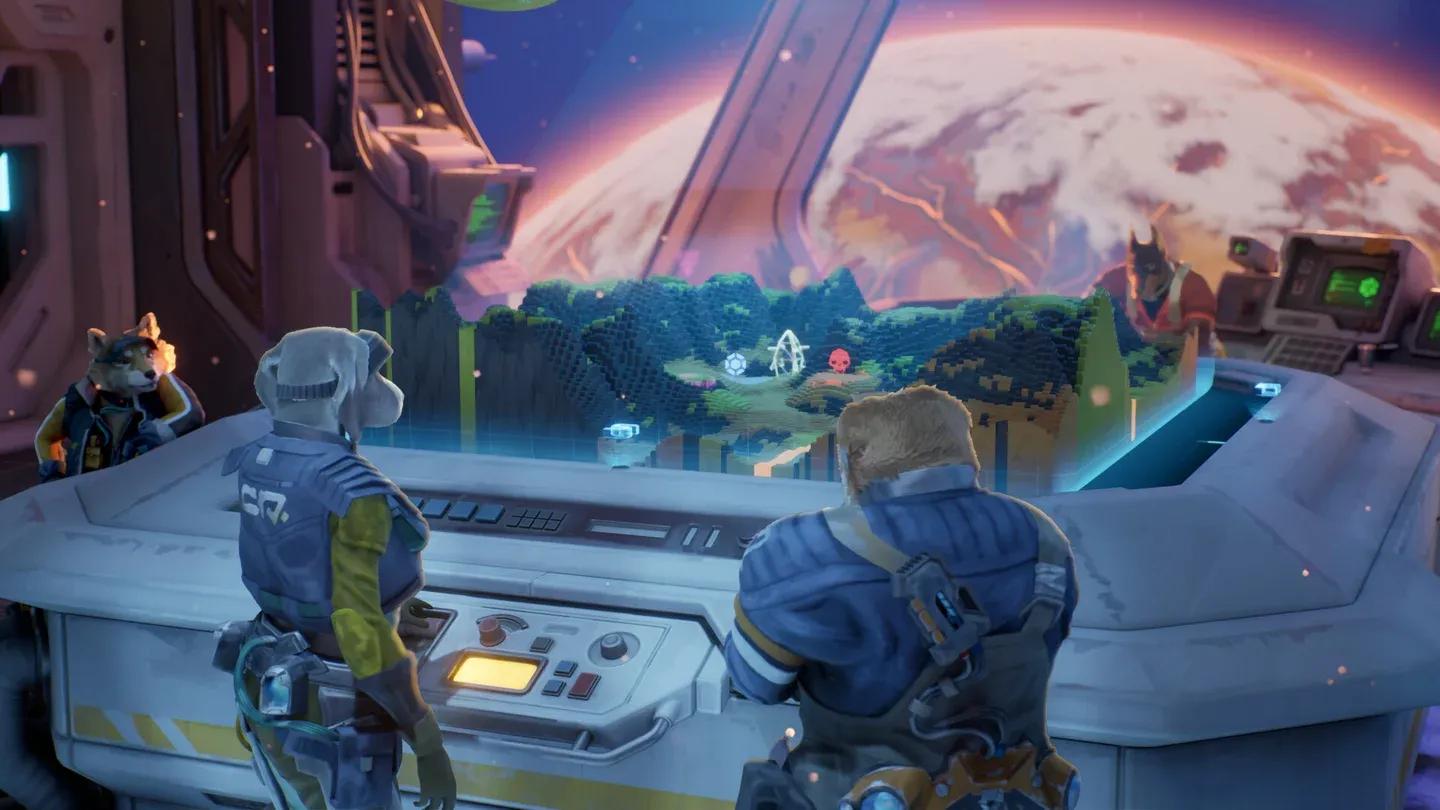
The core loop has a satisfying rhythm to it. Before each drop, you terraform the target planet to adjust conditions in your favor. Once on the ground, the build phase begins:
- Deploy generators and refineries to power operations
- Place turrets to cover extraction zones
- Extend pipelines across terrain for power routing
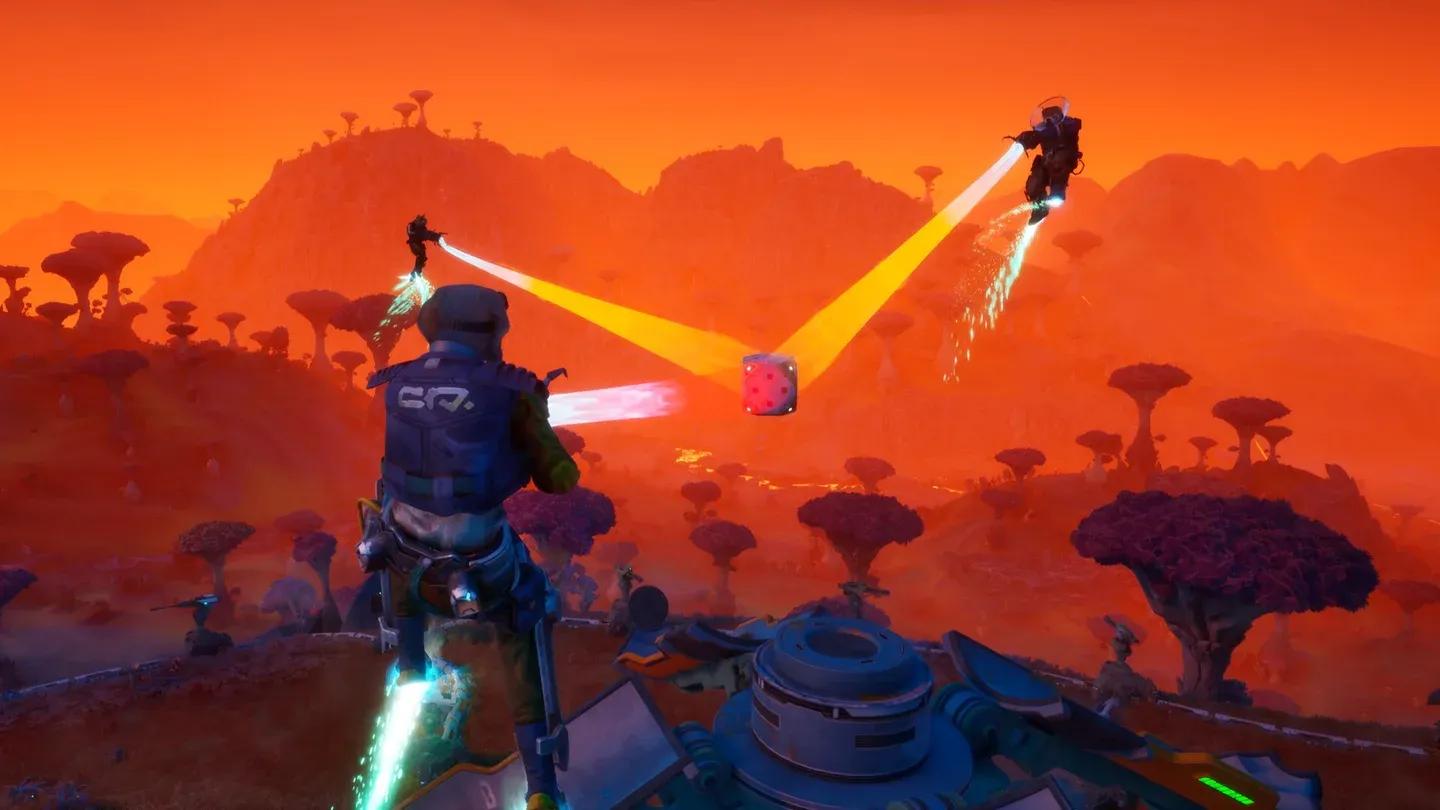
- Use the Grav Beam to fling objects and enemies
- Boost in any direction to reposition under fire
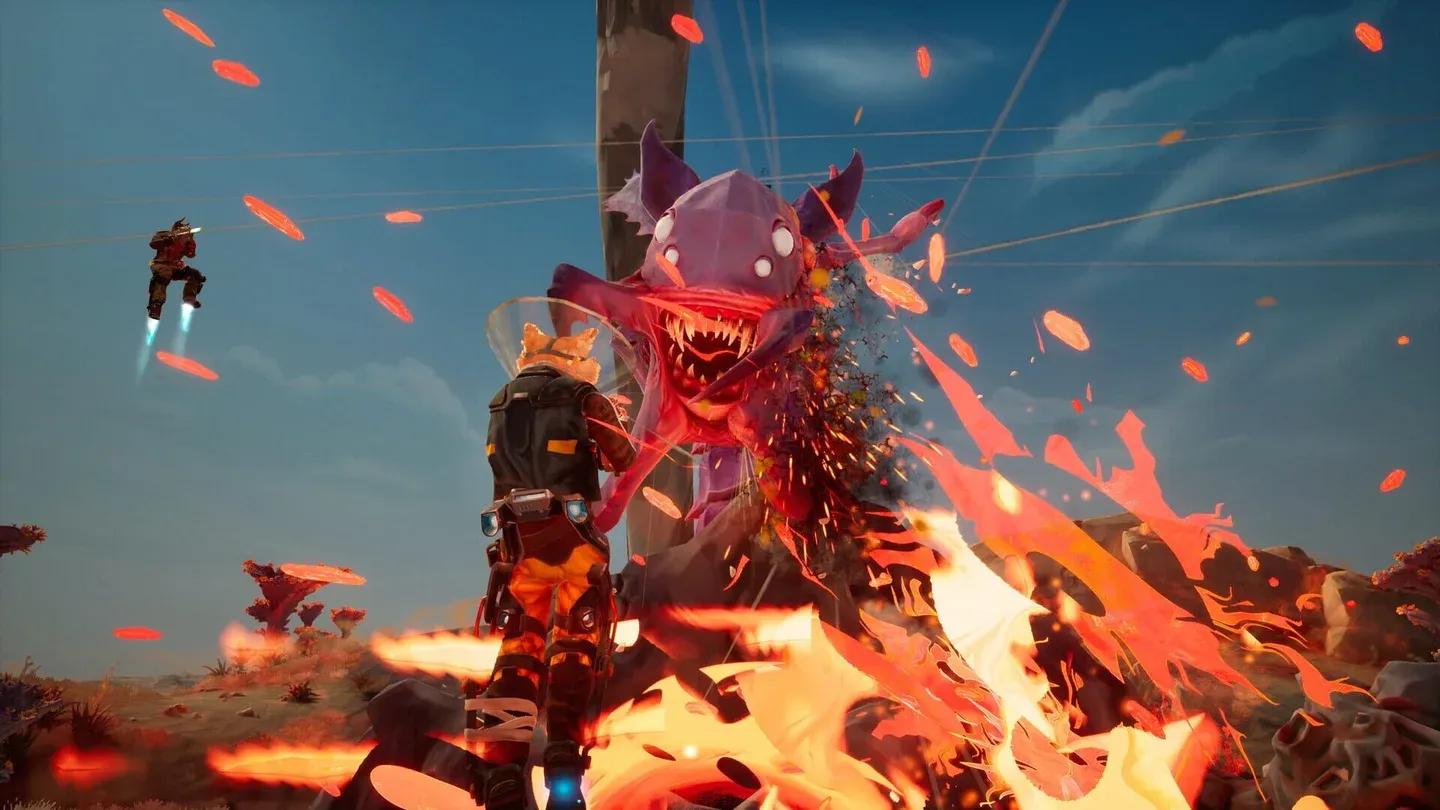
The Grav Beam deserves its own mention. Flinging objects to teammates or using gravity to hurl alien creatures away from the base is both a tactical tool and a reliable source of friendly-fire incidents. Octopus Panic notes that transporting volatile materials with it may result in unforeseen loss of Gravhounds, which is the kind of disclaimer that tells you exactly what kind of game this is.
Gravhounds content image
Mid-run progression and build variety
Gravhounds does not lock your loadout in place before the drop. Abilities and upgrades unlock mid-shift, letting you stack bonuses and reshape your build as the situation changes. The swarm escalates in response to your choices, so a loadout that clears the first wave comfortably will face something nastier on the next. This reactive difficulty keeps runs from feeling static and gives each session a distinct arc.
Unlocking new Gravhound types, weapons, and upgrade paths happens across sessions, building out the roster over time. Riskier planets offer better materials but steeper consequences, and the swarm carries memory of your past decisions into the next shift.
Multiplayer and co-op: does it work with friends?
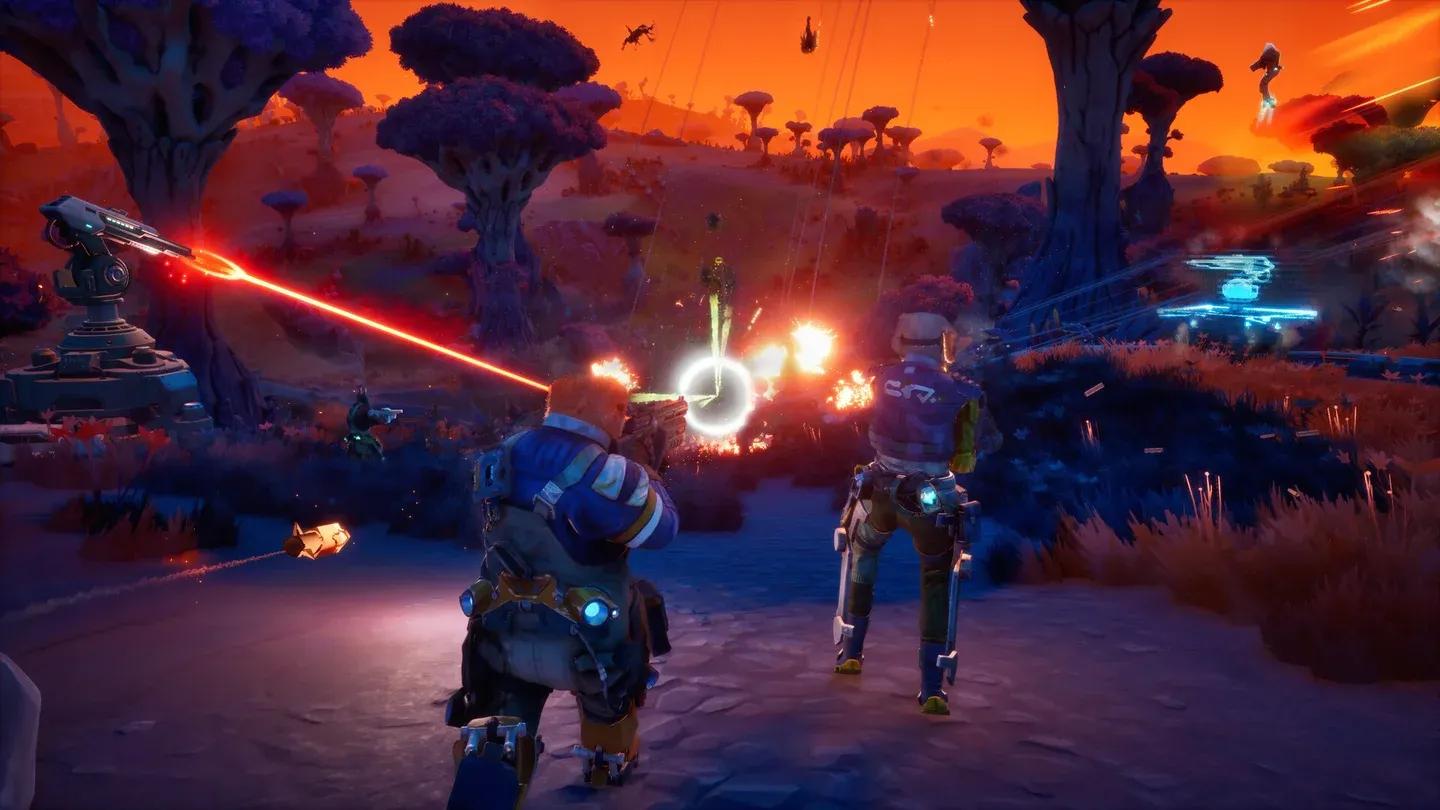
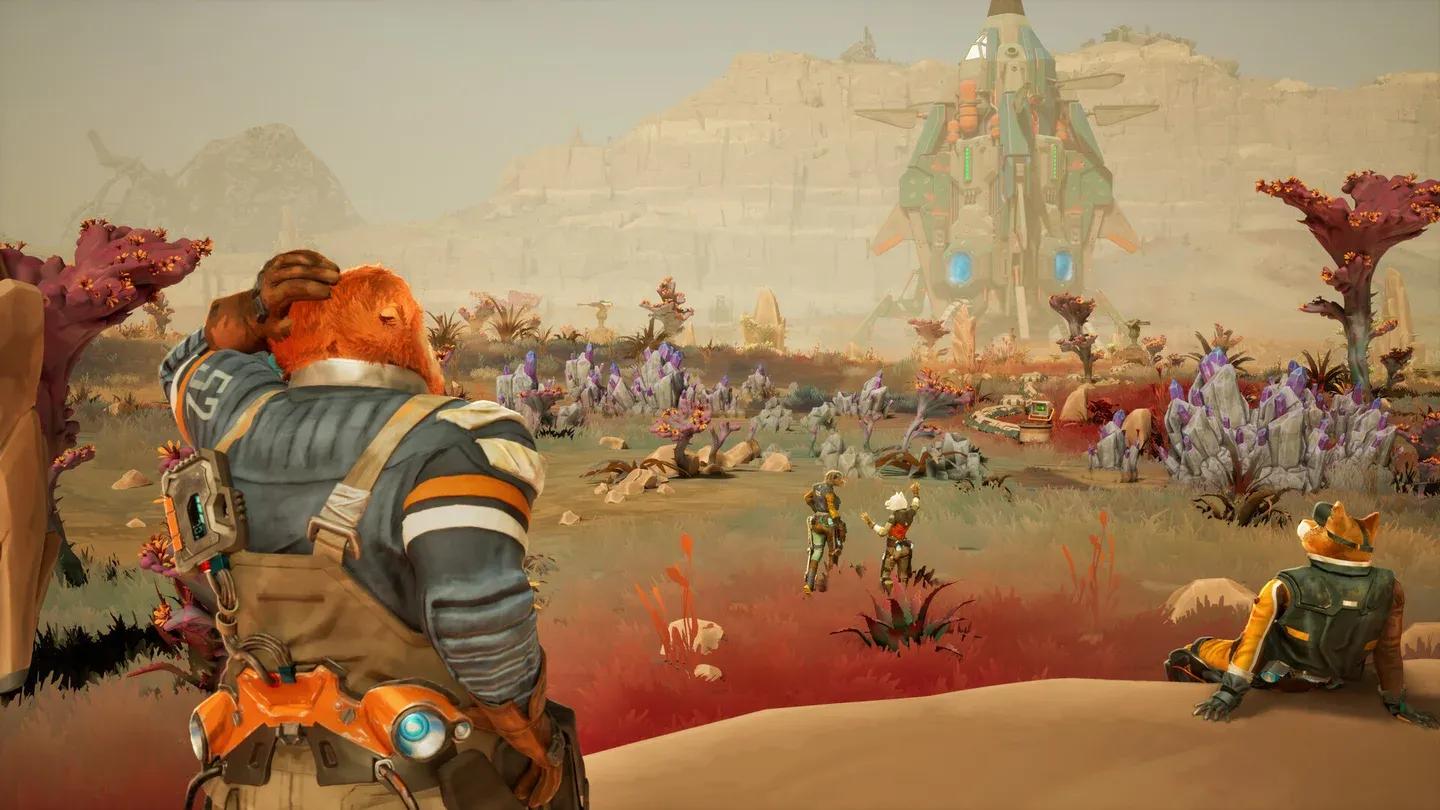
Gravhounds is built around the tension between splitting up and staying together. Going lone wolf to expand the operation is viable, but leaving teammates short-handed during a swarm surge has obvious consequences. Each Gravhound brings distinct strengths, and combining them is where the game gets interesting. The co-op design rewards improvisation over rigid role assignments.
Gravhounds content image
Content and replayability
The swarm reacts to player choices, which means no two runs follow the same escalation path. Planet selection, build decisions, and how long you push before extracting all feed into what the next shift looks like. That reactive design, combined with unlockable Gravhounds and upgrade paths, gives the game genuine replayability without relying on a static difficulty ladder. Gravhounds is heading into Early Access, so the content base will grow, but the core loop already has enough variables to sustain repeated sessions on its own terms.
| Requirement | Minimum | Recommended |
|---|---|---|
| OS | Windows 10 (64-BIT Required) | Windows 11 (64-BIT Required) |
| Processor | Intel Core i5-7600K or AMD Ryzen 5 1600 | Intel Core i5-10600KF or AMD Ryzen 5 3600X |
| Memory | 8 GB RAM | 16 MB RAM |
| Graphics | Nvidia GeForce GTX 1660 or AMD Radeon RX 590 | Nvidia GeForce RTX 2060 or AMD Radeon RX 5600X |
| DirectX | Version 12 | Version 12 |
| Network | Broadband Internet connection | Broadband Internet connection |